Vegetarian Greek Barley Salad
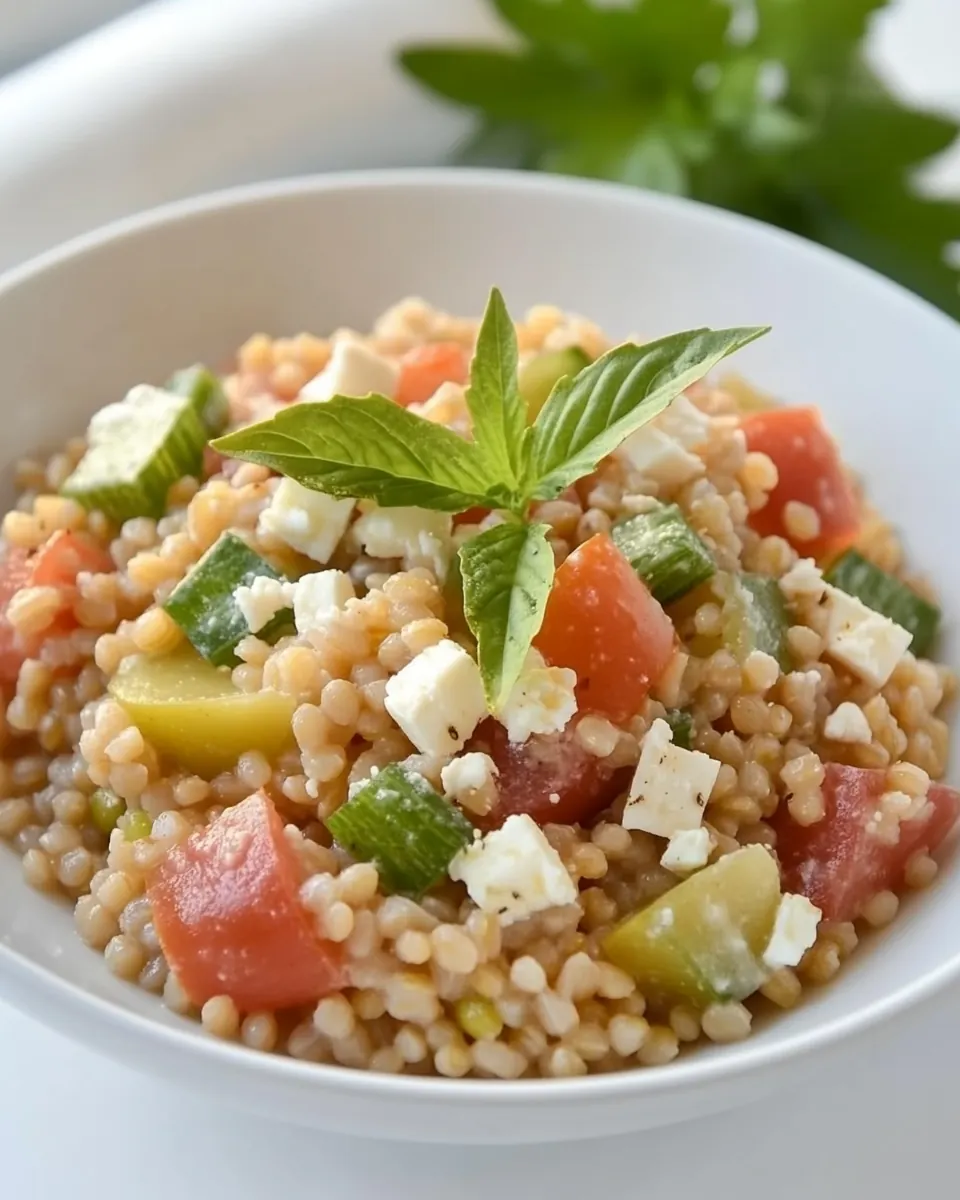
Vegetarian Greek Barley Salad is one of those recipes I reach for when I want a bright, satisfying meal that feels both rustic and refined.
Years ago I brought a bowl much like this to a neighborhood potluck and watched it disappear faster than I expected. I remember the way the pearl barley held the dressing, the hint of citrus that cut through the creamy bite of feta cheese, and how the little pops of mini tomatoes kept every forkful lively. That evening turned into an impromptu dinner party, and this salad became the unofficial anthem of summer gatherings in my circle.
There is a comfort in food that travels well from fridge to table, and this Vegetarian Greek Barley Salad does exactly that. I love that it sits beautifully alongside grilled vegetables or stands alone with a simple crusty loaf. Over time I learned a few quick swaps, but the heart of the dish remains the same: wholesome barley, herbaceous notes from basil and thyme, and a bright lemon and honey dressing that makes every bite sing. Every time I make it I find a new fan at the table, which never gets old.
Recipe Snapshot
30 mins
10 mins
20 mins
Easy
320 kcal
Mediterranean
Vegan, Gluten-Free
Salads
Pot, Colander, Large bowl, Jar, Knife
Why This Vegetarian Greek Barley Salad Shines
Whole Grain Satisfaction
I adore how pearl barley gives this salad a chewy, comforting texture that still feels light. I often prefer barley over rice or pasta when I want something more substantial without weighty creaminess. Barley absorbs the dressing without collapsing, so each forkful stays interesting.
Bright, Balanced Dressing
The combination of juice and zest of 1 unwaxed organic lemon, 2 tablespoon fruity extra-virgin olive oil, and 1 teaspoon high-quality honey creates a dressing that is bright but rounded. I like that the lemon cuts through the saltiness of feta cheese, while the honey brings a soft counterpoint that ties the flavors together. It feels intentional, not forced.
Textural Contrast
The salad is a study in contrasts, with the firm chew of barley, the crisp bite of 1 cucumber, the juicy burst of 250 g mini tomatoes, and the creamy, slightly tangy crumble of 150 g feta cheese. I find that these differing textures keep people coming back for more, because each mouthful reveals something new.
Fresh Herbs and Simple Seasoning
Using a a bunch of basil and thyme leaves and sea salt and pepper makes a big difference. I like to mince the herbs so they distribute evenly, giving herbaceous pops without overwhelming the other players. The seasoning is straightforward, which allows the core ingredients to shine, and that restraint always impresses guests.
Make Ahead and Portable
This salad travels well and keeps for several days, so it’s ideal for lunches or bringing to gatherings. I often prepare a big batch and notice that the flavors meld beautifully after a few hours, making leftovers even more enjoyable. That ease of planning is one reason I reach for this recipe during busy weeks.
What Goes Into Vegetarian Greek Barley Salad
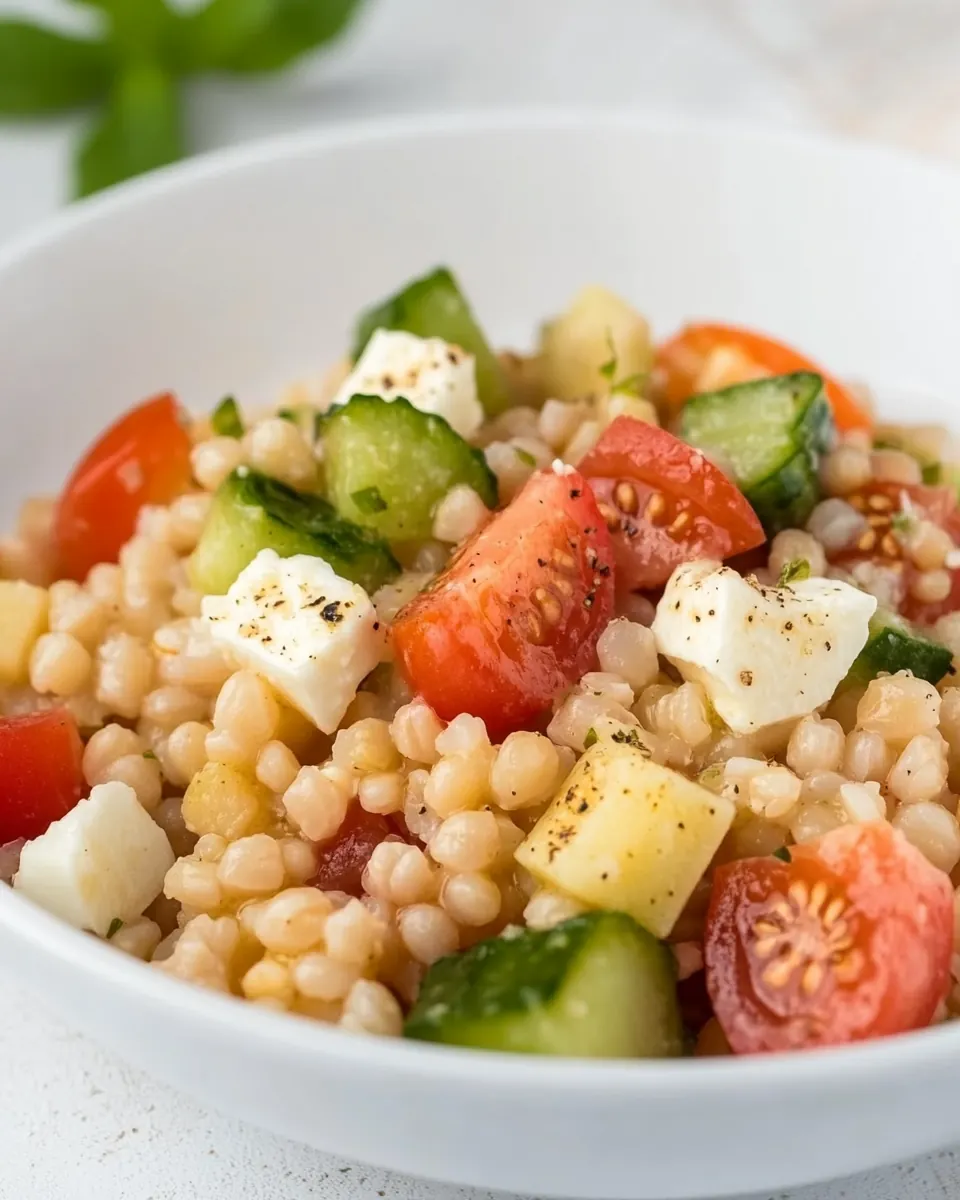
The ingredients in this salad are deliberately simple, built around wholesome pearl barley and fresh garden produce. Each component plays a role: the grains provide grounding chew, the vegetables add brightness and crunch, the feta cheese offers creamy saltiness, and the lemon honey dressing ties everything together. These players work in harmony rather than competing, which is the philosophy I follow whenever I compose a bowl.
- 250 g pearl barley, rinsed: Cook until tender and chewy, providing a nutty, hearty base for the salad; rinse before boiling to remove excess starch and improve texture. Absorb flavors from the dressing and herbs while adding substantial body and whole-grain nutrition to the dish.
- 1 cucumber, peeled: Peel and dice to add a cool, crisp contrast that balances juiciness and freshness; remove seeds if desired to reduce moisture. Contribute a mild, watery crunch that brightens each bite and complements the creamier elements.
- 150 g feta cheese: Crumble or cube to introduce a salty, tangy creaminess that enhances overall flavor; choose a crumbly texture to integrate with grains. Provide rich, savory notes and a pleasing mouthfeel that pairs well with herbs and acidic dressing.
- 250 g mini tomatoes, or cherry tomatoes: Halve or quarter to deliver bursts of sweet, juicy flavor and vibrant color throughout the salad; select ripe tomatoes for maximum sweetness. Offer acidity and fresh juiciness that balance the barley and cheese while enriching visual appeal.
- 3 spring onions: Slice thinly to contribute a mild oniony bite with green freshness; use both white and light green parts for delicate flavor. Impart a subtle sharpness and crunchy texture that lifts the salad without overpowering other ingredients.
- a bunch of basil and thyme leaves: Pick and chop leaves to incorporate fragrant, aromatic herbal notes; combine basil for sweet, peppery lift and thyme for earthy complexity. Enhance the salad's aromatic profile and add layers of fresh, green flavor that harmonize with citrus and olive oil.
- sea salt & pepper, to taste: Season to taste to balance and enhance all flavors; sprinkle sparingly to avoid over-salting given the presence of feta. Provide essential savory seasoning and a touch of heat from pepper that rounds out the palate.
- 2 tablespoon fruity extra-virgin olive oil: Drizzle to dress and bind the salad ingredients while adding fruity, rich fat; use extra–virgin variety for pronounced flavor. Carry and meld the herbs and citrus, contributing mouth-coating richness and a glossy finish.
- juice and zest of 1 unwaxed organic lemon: Zest briefly to add intense citrus aroma and juice to provide bright acidity; use unwaxed organic fruit to avoid residues. Lift and brighten the entire salad, cut through richness, and add fresh, tangy complexity.
- 1 teaspoon high-quality honey: Whisk in small amount to introduce subtle floral sweetness that balances lemon and saltiness; use high–quality honey for nuanced flavor. Help round flavors and provide a hint of sweetness that mellows acidity and complements the feta.
- sea salt and pepper, to taste: Finish by seasoning again to ensure proper balance after mixing ingredients; adjust both salt and pepper as needed. Allow final tweaks to harmonize acidity, sweetness, and saltiness so each component is well-balanced.
How to Prepare Vegetarian Greek Barley Salad
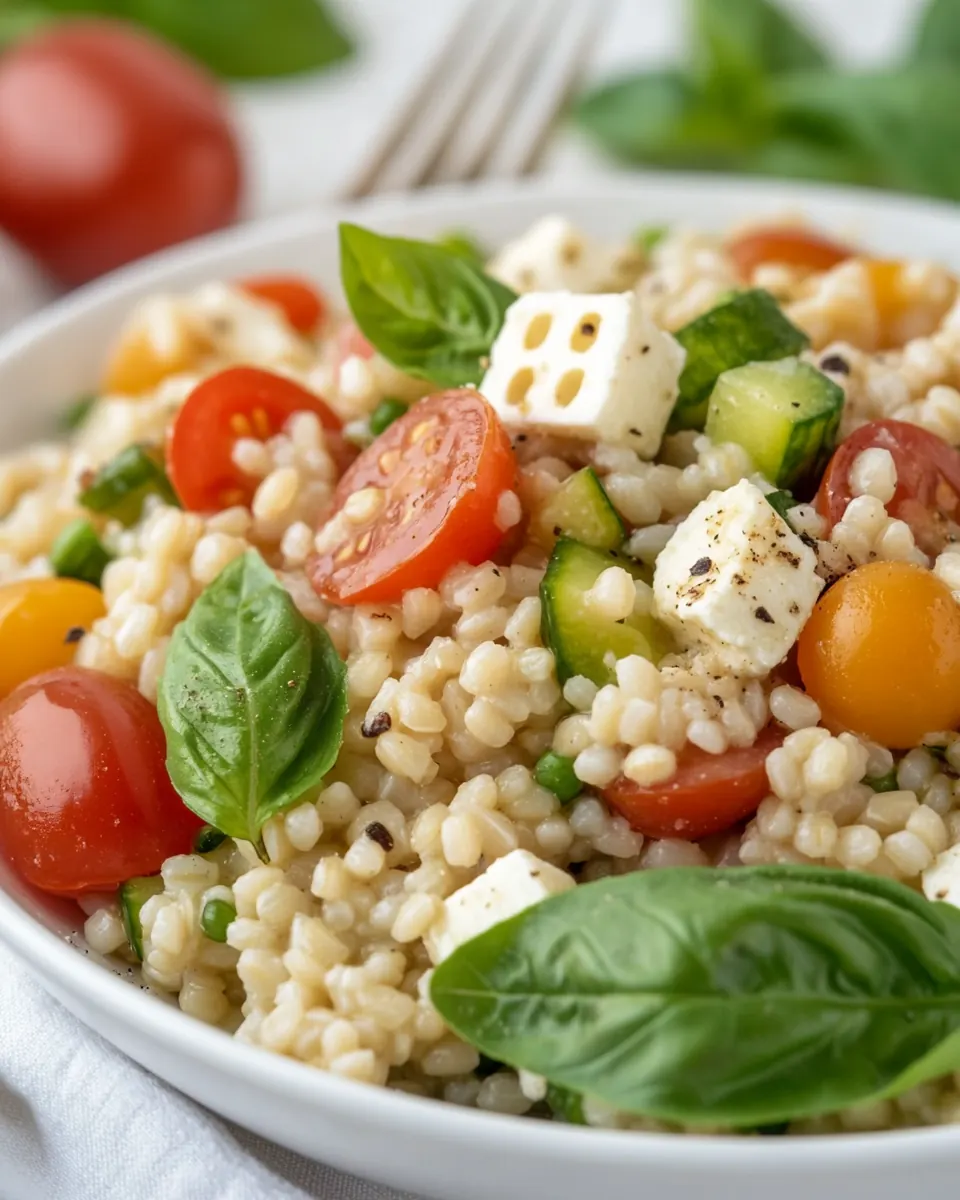
I like to approach preparation with calm focus, so the salad comes together cleanly and every element keeps its character. Set aside bowls, a sharp knife, and a jar for the dressing, and work in stages so nothing gets overhandled. Below I expand each direction into detailed guidance to help you achieve the best results.
- Boil the barley for about 15-20 mins in a pot of lightly salted water until tender, but still al dente.: The kitchen will fill with a warm, toasty grain aroma as the pearl barley simmers; you should hear a gentle, regular bubbling that signals even heat. When testing for doneness, taste a pearl for a firm center, a slight resistance when you bite, and a tender exterior. Cooking to this al dente point ensures the barley keeps its shape in the salad and soaks up dressing without turning mushy. A common mistake is overcooking, which yields a too-soft, gluey texture, so start checking at 15 minutes. If the water level drops too low, add a splash of boiling water rather than cold, to maintain even cooking. Use a wide pot to allow even circulation, and season the water lightly so the grains pick up a subtle base seasoning.
- Transfer into a colander and cool under fresh running water, then drain well.: When you pour the hot grains into a colander, you will feel the steam lift and smell that nutty barley scent intensify briefly. Rinsing under cool running water stops the cooking process immediately and firms the grains, which is crucial for maintaining that desirable chew. Run your fingers gently through the barley to separate any clumps, and continue until the grains are cool to the touch. Drain thoroughly, then let the barley sit for a few minutes so excess water leaves the colander. A frequent oversight is leaving the barley wet, which dilutes the dressing; be patient with draining to avoid a watery salad. If you need to speed things up, spread the barley on a baking sheet to air dry for a moment, but keep it covered if you step away to prevent contamination.
- While the barley cooks, prepare the remaining ingredients: chop the cucumber and feta into cubes, halve the tomatoes, slice the spring onions and mince the fresh herbs.: chop the cucumber and feta into cubes, halve the tomatoes, slice the spring onions and mince the fresh herbs : Preparing your produce while the grains cook keeps the workflow efficient and the flavors bright. As you chop the cucumber , notice the cool, vegetal scent and aim for uniform cubes so each bite has balanced texture. Cube the feta cheese into similar sizes to create pockets of creamy, salty flavor that contrast the barley. Halving the mini tomatoes reveals their juicy interiors so the dressing can mingle with their sweetness. Slicing the spring onions thinly adds subtle onion aroma without dominance, while mincing the basil and thyme distributes their fragrance evenly. A typical slip is uneven chopping, which causes textural inconsistency; use a sharp knife and steady motions for clean cuts. Keep ingredients refrigerated until just before combining to preserve freshness.
- For the honey & lemon dressing: simply put all the ingredients into a jar, close the lid and shake until well combined.: simply put all the ingredients into a jar, close the lid and shake until well combined : When you combine the juice and zest of 1 unwaxed organic lemon , 2 tablespoon fruity extra–virgin olive oil , and 1 teaspoon high–quality honey in a jar, you will see the oil suspend briefly before emulsifying into a glossy dressing. Shaking creates a light emulsion that clings beautifully to the barley and vegetables. Smell the mixture as you shake, and you will notice the bright citrus perfume balanced by the soft sweetness of the honey . If the dressing separates, shake again just before tossing to restore its cohesion. Avoid over-salting before you taste, since the feta cheese adds brininess. If you prefer a smoother emulsion, whisk vigorously in a bowl, but the jar method is convenient and reliable for quick blending.
- Combine all the ingredients together in a large bowl and season with extra salt and pepper if needed.: When you fold the cooled pearl barley with the chopped cucumber , halved mini tomatoes , sliced spring onions , minced herbs, and crumbled feta cheese , the bowl will become visually vibrant and aromatic. As you pour the dressing over the mixture, toss gently so the dressing coats everything without squashing the tender ingredients; you want even coverage but not bruising. Take a moment to taste and adjust with sea salt and pepper , keeping in mind the saltiness already present from the feta cheese . A common error is adding too much salt at the start; wait until the salad has rested five to ten minutes because the barley will continue to absorb the dressing and flavors will concentrate. If the salad seems dry after resting, add a drizzle more of extra–virgin olive oil and a squeeze more lemon to enliven it. Serve at room temperature or slightly chilled for best texture and flavor balance.
Ways to Customize
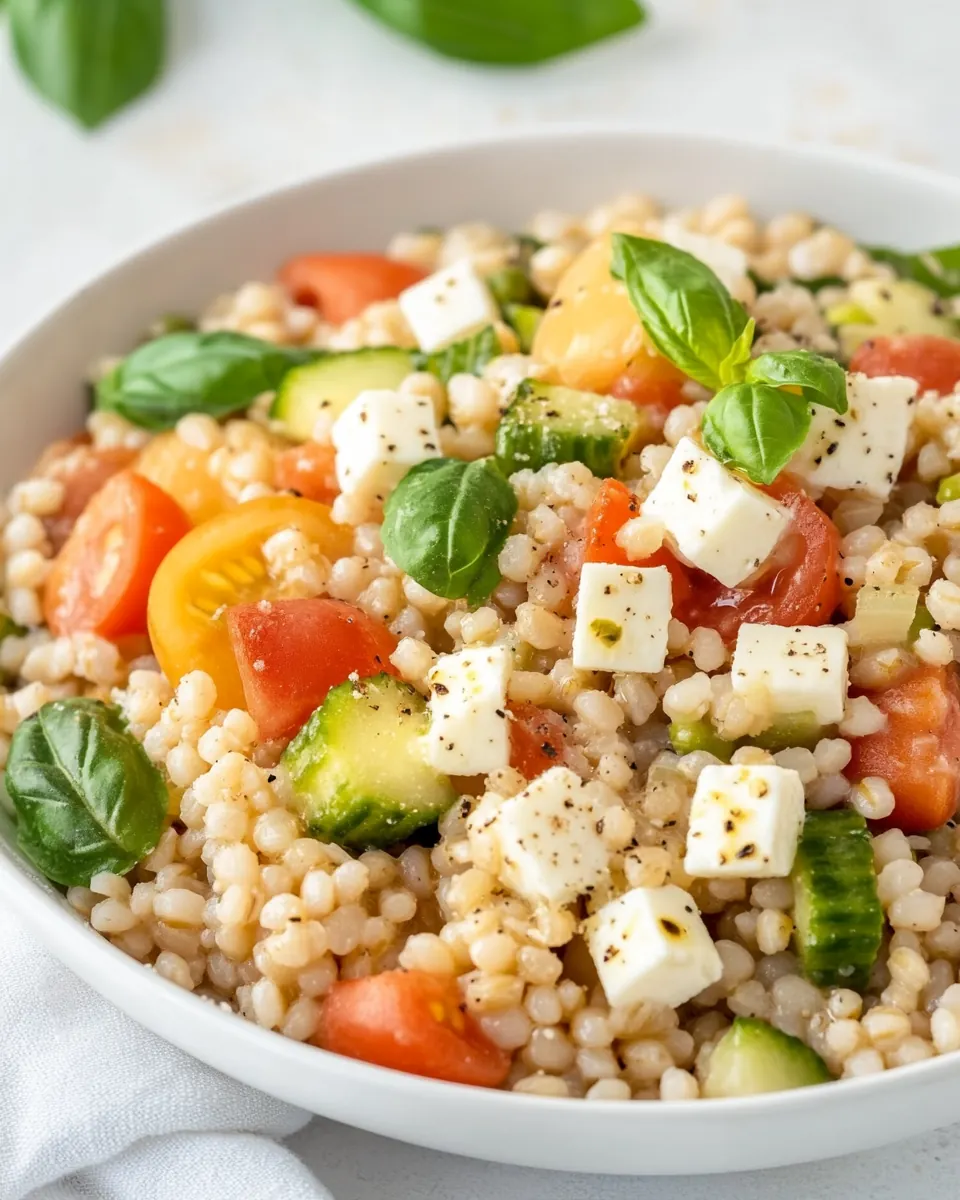
This section offers ideas to personalize the salad while preserving its spirit. Small adjustments can transform the bowl to suit different occasions or preferences, and I encourage you to experiment thoughtfully so the core balance remains intact.
- Swap the herbs — Try using more basil for a sweet aromatic lift or more thyme for earthier notes, adjusting quantities to taste so the herbs complement rather than dominate.
- Adjust the dressing ratio — If you prefer a brighter tang, increase the lemon slightly, or add a touch more honey for a gentler acidity; always shake and taste before final seasoning.
- Texture boost — For added crunch, consider toasting a small handful of seeds and fold them in just before serving, keeping them separate until the end so they stay crisp.
- Make it more filling — Increase the portion of pearl barley to bulk up the salad for a heartier meal while keeping vegetable ratios similar for balance.
- Chill or serve room temperature — Serve slightly chilled for a refreshing summer option, or at room temperature to let the olive oil and herbs release more fragrance.
Serving Suggestions
This salad adapts easily to many menus and moments, from casual lunches to festive gatherings. Below are thoughtful ways I like to present it and pair it, depending on the occasion and season.
- As a main for lunch — Plate a generous portion in a shallow bowl and garnish with a few extra torn basil leaves for color, pairing it with a light soup if you want a multi-course midday meal.
- As a side for dinner — Offer alongside grilled vegetables or a simple roast; the salad’s bright citrus notes and creamy feta cheese provide contrast to savory mains.
- For gatherings and potlucks — Bring the salad chilled in an airtight container and finish with a fresh drizzle of dressing and a sprinkle of herbs just before serving to keep it vibrant.
- Seasonal pairings — In summer, lean into ripe mini tomatoes and fresh herbs; in cooler months, serve at room temperature to let the olive oil and herbs release deeper aroma.
- Storage tips — Keep leftovers in an airtight container for up to 3 to 4 days in the refrigerator, and stir before serving to redistribute any dressing absorbed by the pearl barley.
FAQ
Conclusion
What makes this salad special is its balance of textures and bright, harmonious flavors, anchored by chewy pearl barley and enlivened by lemon, honey, and fresh herbs. I encourage you to give it a try because it is forgiving, travels well, and often tastes even better the next day. Serve it as a satisfying main or a colorful side, and enjoy how a few simple, high quality ingredients can create something reliably impressive and comforting.
Vegetarian Greek Barley Salad
Equipment
- Pot
- Colander
- Large Bowl
- Jar
- Knife
Ingredients
- 250 g pearl barley, rinsed Cook until tender and chewy, providing a nutty, hearty base for the salad; rinse before boiling to remove excess starch and improve texture. Absorb flavors from the dressing and herbs while adding substantial body and whole-grain nutrition to the dish.
- 1 cucumber, peeled Peel and dice to add a cool, crisp contrast that balances juiciness and freshness; remove seeds if desired to reduce moisture. Contribute a mild, watery crunch that brightens each bite and complements the creamier elements.
- 150 g feta cheese Crumble or cube to introduce a salty, tangy creaminess that enhances overall flavor; choose a crumbly texture to integrate with grains. Provide rich, savory notes and a pleasing mouthfeel that pairs well with herbs and acidic dressing.
- 250 g mini tomatoes, or cherry tomatoes Halve or quarter to deliver bursts of sweet, juicy flavor and vibrant color throughout the salad; select ripe tomatoes for maximum sweetness. Offer acidity and fresh juiciness that balance the barley and cheese while enriching visual appeal.
- 3 spring onions Slice thinly to contribute a mild oniony bite with green freshness; use both white and light green parts for delicate flavor. Impart a subtle sharpness and crunchy texture that lifts the salad without overpowering other ingredients.
- a bunch of basil and thyme leaves Pick and chop leaves to incorporate fragrant, aromatic herbal notes; combine basil for sweet, peppery lift and thyme for earthy complexity. Enhance the salad's aromatic profile and add layers of fresh, green flavor that harmonize with citrus and olive oil.
- sea salt & pepper, to taste Season to taste to balance and enhance all flavors; sprinkle sparingly to avoid over-salting given the presence of feta. Provide essential savory seasoning and a touch of heat from pepper that rounds out the palate.
- 2 tablespoon fruity extra-virgin olive oil Drizzle to dress and bind the salad ingredients while adding fruity, rich fat; use extra-virgin variety for pronounced flavor. Carry and meld the herbs and citrus, contributing mouth-coating richness and a glossy finish.
- juice and zest of 1 unwaxed organic lemon Zest briefly to add intense citrus aroma and juice to provide bright acidity; use unwaxed organic fruit to avoid residues. Lift and brighten the entire salad, cut through richness, and add fresh, tangy complexity.
- 1 teaspoon high-quality honey Whisk in small amount to introduce subtle floral sweetness that balances lemon and saltiness; use high-quality honey for nuanced flavor. Help round flavors and provide a hint of sweetness that mellows acidity and complements the feta.
- sea salt and pepper, to taste Finish by seasoning again to ensure proper balance after mixing ingredients; adjust both salt and pepper as needed. Allow final tweaks to harmonize acidity, sweetness, and saltiness so each component is well-balanced.
Instructions
- Boil the barley for about 15-20 mins in a pot of lightly salted water until tender, but still al dente.: The kitchen will fill with a warm, toasty grain aroma as the pearl barley simmers; you should hear a gentle, regular bubbling that signals even heat. When testing for doneness, taste a pearl for a firm center, a slight resistance when you bite, and a tender exterior. Cooking to this al dente point ensures the barley keeps its shape in the salad and soaks up dressing without turning mushy. A common mistake is overcooking, which yields a too-soft, gluey texture, so start checking at 15 minutes. If the water level drops too low, add a splash of boiling water rather than cold, to maintain even cooking. Use a wide pot to allow even circulation, and season the water lightly so the grains pick up a subtle base seasoning.
- Transfer into a colander and cool under fresh running water, then drain well.: When you pour the hot grains into a colander, you will feel the steam lift and smell that nutty barley scent intensify briefly. Rinsing under cool running water stops the cooking process immediately and firms the grains, which is crucial for maintaining that desirable chew. Run your fingers gently through the barley to separate any clumps, and continue until the grains are cool to the touch. Drain thoroughly, then let the barley sit for a few minutes so excess water leaves the colander. A frequent oversight is leaving the barley wet, which dilutes the dressing; be patient with draining to avoid a watery salad. If you need to speed things up, spread the barley on a baking sheet to air dry for a moment, but keep it covered if you step away to prevent contamination.
- While the barley cooks, prepare the remaining ingredients: chop the cucumber and feta into cubes, halve the tomatoes, slice the spring onions and mince the fresh herbs.: chop the cucumber and feta into cubes, halve the tomatoes, slice the spring onions and mince the fresh herbs : Preparing your produce while the grains cook keeps the workflow efficient and the flavors bright. As you chop the cucumber , notice the cool, vegetal scent and aim for uniform cubes so each bite has balanced texture. Cube the feta cheese into similar sizes to create pockets of creamy, salty flavor that contrast the barley. Halving the mini tomatoes reveals their juicy interiors so the dressing can mingle with their sweetness. Slicing the spring onions thinly adds subtle onion aroma without dominance, while mincing the basil and thyme distributes their fragrance evenly. A typical slip is uneven chopping, which causes textural inconsistency; use a sharp knife and steady motions for clean cuts. Keep ingredients refrigerated until just before combining to preserve freshness.
- For the honey & lemon dressing: simply put all the ingredients into a jar, close the lid and shake until well combined.: simply put all the ingredients into a jar, close the lid and shake until well combined : When you combine the juice and zest of 1 unwaxed organic lemon , 2 tablespoon fruity extra-virgin olive oil , and 1 teaspoon high-quality honey in a jar, you will see the oil suspend briefly before emulsifying into a glossy dressing. Shaking creates a light emulsion that clings beautifully to the barley and vegetables. Smell the mixture as you shake, and you will notice the bright citrus perfume balanced by the soft sweetness of the honey . If the dressing separates, shake again just before tossing to restore its cohesion. Avoid over-salting before you taste, since the feta cheese adds brininess. If you prefer a smoother emulsion, whisk vigorously in a bowl, but the jar method is convenient and reliable for quick blending.
- Combine all the ingredients together in a large bowl and season with extra salt and pepper if needed.: When you fold the cooled pearl barley with the chopped cucumber , halved mini tomatoes , sliced spring onions , minced herbs, and crumbled feta cheese , the bowl will become visually vibrant and aromatic. As you pour the dressing over the mixture, toss gently so the dressing coats everything without squashing the tender ingredients; you want even coverage but not bruising. Take a moment to taste and adjust with sea salt and pepper , keeping in mind the saltiness already present from the feta cheese . A common error is adding too much salt at the start; wait until the salad has rested five to ten minutes because the barley will continue to absorb the dressing and flavors will concentrate. If the salad seems dry after resting, add a drizzle more of extra-virgin olive oil and a squeeze more lemon to enliven it. Serve at room temperature or slightly chilled for best texture and flavor balance.
Notes
- Swap the herbs — Try using more basil for a sweet aromatic lift or more thyme for earthier notes, adjusting quantities to taste so the herbs complement rather than dominate.
- Adjust the dressing ratio — If you prefer a brighter tang, increase the lemon slightly, or add a touch more honey for a gentler acidity; always shake and taste before final seasoning.
- Texture boost — For added crunch, consider toasting a small handful of seeds and fold them in just before serving, keeping them separate until the end so they stay crisp.
- Make it more filling — Increase the portion of pearl barley to bulk up the salad for a heartier meal while keeping vegetable ratios similar for balance.
- Chill or serve room temperature — Serve slightly chilled for a refreshing summer option, or at room temperature to let the olive oil and herbs release more fragrance.