Lemon Turnover
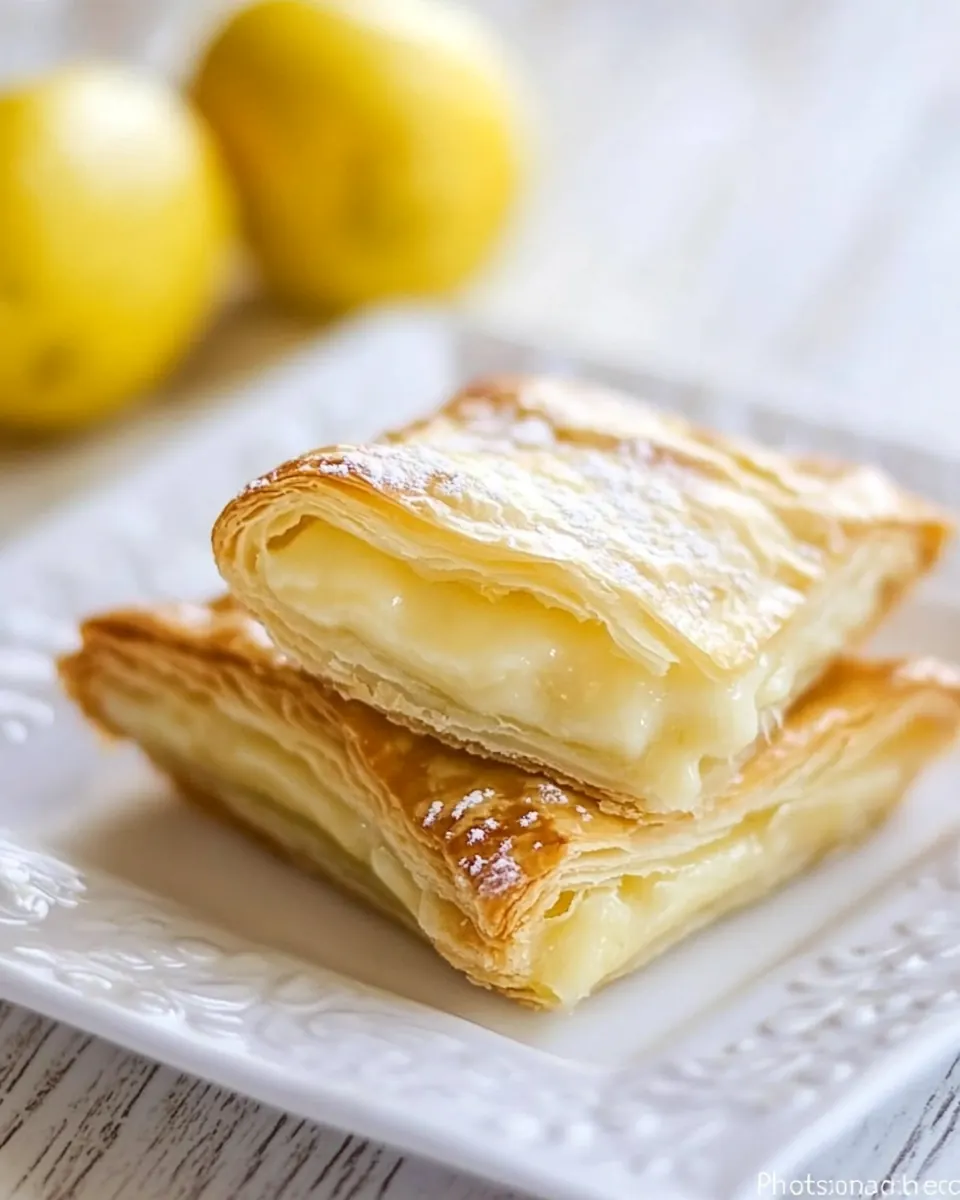
Lemon Turnover has been a little ritual for me on slow Sunday mornings ever since I first discovered the magic of flaky pastry paired with a bright citrus filling.
I remember the first time I tucked a warm, sugar-kissed triangle into my palm, the puff pastry still steaming at the seam. The contrast between the crisp, layered puff pastry and the tangy, creamy center felt like a small celebration, and I kept going back for another. Over the years I have tweaked the filling balance, dialing the sweetness and lemony lift until it hit that sweet spot where you taste sunshine, not just sugar. Friends started asking for them for brunch, and now they are my go to when I want something that looks fancy but is genuinely easy to pull off.
What I love about Lemon Turnover is how forgiving it is. You can prepare the filling ahead, stash the assembled turnovers in the fridge, and bake them right before guests arrive, so the pastry is at its crispiest. There is comfort in that rhythm, the little rituals of dusting sugar on top and brushing the edges with egg wash, knowing the oven will do the rest. Every bite gives that satisfying crackle of layers and a bright lemony note that wakes up the senses.
Recipe Snapshot
30 mins
10 mins
20 mins
Medium
250 kcal
American
Gluten-Free, Low FODMAP
Desserts
Baking Sheet, Parchment Paper, Sharp knife, Mixing Bowl, Whisk, Measuring Cups and Spoons, Pastry brush
What’s Great About This Lemon Turnover
Bright, balanced flavor
I love how Lemon Turnover manages to be both tart and sweet without overwhelming the palate. The interplay between the lemon curd and the whipped cream cheese creates a silky, slightly tangy center that complements the airy texture of the puff pastry. I will often adjust the sugar little by little so the lemon really sings, not masks itself.
Texture contrast that delights
There is something so rewarding about the contrast between the crisp, layered exterior and the soft, luscious filling. When I bite into a freshly baked Lemon Turnover I hear that delicate crackle, feel the flakes collapse, and then the filling spreads across the tongue. It is a simple trick that elevates an otherwise humble pastry into a memorable treat.
Speed and convenience
I keep frozen puff pastry in my freezer for a reason. This recipe comes together quickly, making it perfect for last minute company or a quick weekend bake. The assembly is straightforward, and the oven does most of the work, which I appreciate on busy mornings when I want something homemade without fuss.
Versatility for occasions
Lemon Turnover works across many settings. I make them for casual brunches, afternoon tea, and even as a light dessert after a citrus forward meal. They travel well, and because each turnover is individual, they are easy to portion. I sometimes bring them to potlucks because they are universally loved, and they never last long.
Comfort in technique
Finally, I value the hands on parts of this recipe. Folding the pastry, sealing edges with a fork, brushing the egg wash, these small steps are meditative and give you tangible control over the outcome. With a few careful moves you can turn store bought components into something that tastes lovingly homemade.
What Goes Into Lemon Turnover
These ingredients are intentionally simple, built to showcase bright citrus folded into flaky layers. The key players are the creamy center that carries the lemon flavor, the quick sweetener to balance acidity, and the trusty sheet of puff pastry that provides structure and dramatic flake. Together they create a harmony of texture and taste where each component plays a clear role.
- 1 sheet puff pastry thawed (1 sheet equals 4 large turnovers): Thaw completely before working to ensure pliable dough that can be rolled and folded without cracking; using one sheet yields four large turnovers and provides the flaky layers characteristic of puff pastry. Keep chilled until ready to fill to preserve lift during baking and prevent runoff of filling through seams.
- 1/2 cup whipped cream cheese: Soften slightly at room temperature for easier spreading and blending with lemon curd; whipped cream cheese adds a tangy, creamy layer that balances sweetness and contributes to a smooth mouthfeel in the turnover filling. Use measured amount to avoid overly heavy filling that could weigh down pastry.
- 1/3 cup lemon curd homemade or store-bought: Spoon in measured curd to provide concentrated lemon flavor and glossy, citrusy sweetness that defines the turnover; homemade or store–bought options both work, with homemade offering a fresher taste. Distribute evenly among pastry squares to ensure consistent flavor in each turnover.
- 1 tablespoon lemon zest about the zest of 1 large lemon: Finely zest one large lemon and sprinkle to deliver bright, aromatic citrus oils that intensify lemon flavor without adding acidity; the zest enhances both fragrance and visual appeal in the filling. Use only the yellow part to avoid bitter pith, and spread evenly for balanced taste.
- 4 tablespoons sugar divided: Divide the sugar into portions as indicated to allow for sweetening both the filling and a possible surface sprinkle; sugar balances the tartness of lemon curd and cream cheese while promoting caramelization on the pastry. Reserve some for brushing or sprinkling after egg wash to create a crunchy, sweet finish.
- 1 egg beaten: Beat until smooth and use as an egg wash to seal edges and give turnovers a shiny, golden-brown crust; the beaten egg helps any sprinkled sugar adhere and improves overall appearance. Brush along seams and surfaces just before baking for best results.
- 1 tablespoon water: Mix with the beaten egg to create a proper egg wash consistency that spreads easily and adheres to pastry; water thins the egg slightly so it covers evenly without pooling. Use sparingly to avoid soggy spots while still promoting an attractive glaze.
Lemon Turnover Instructions
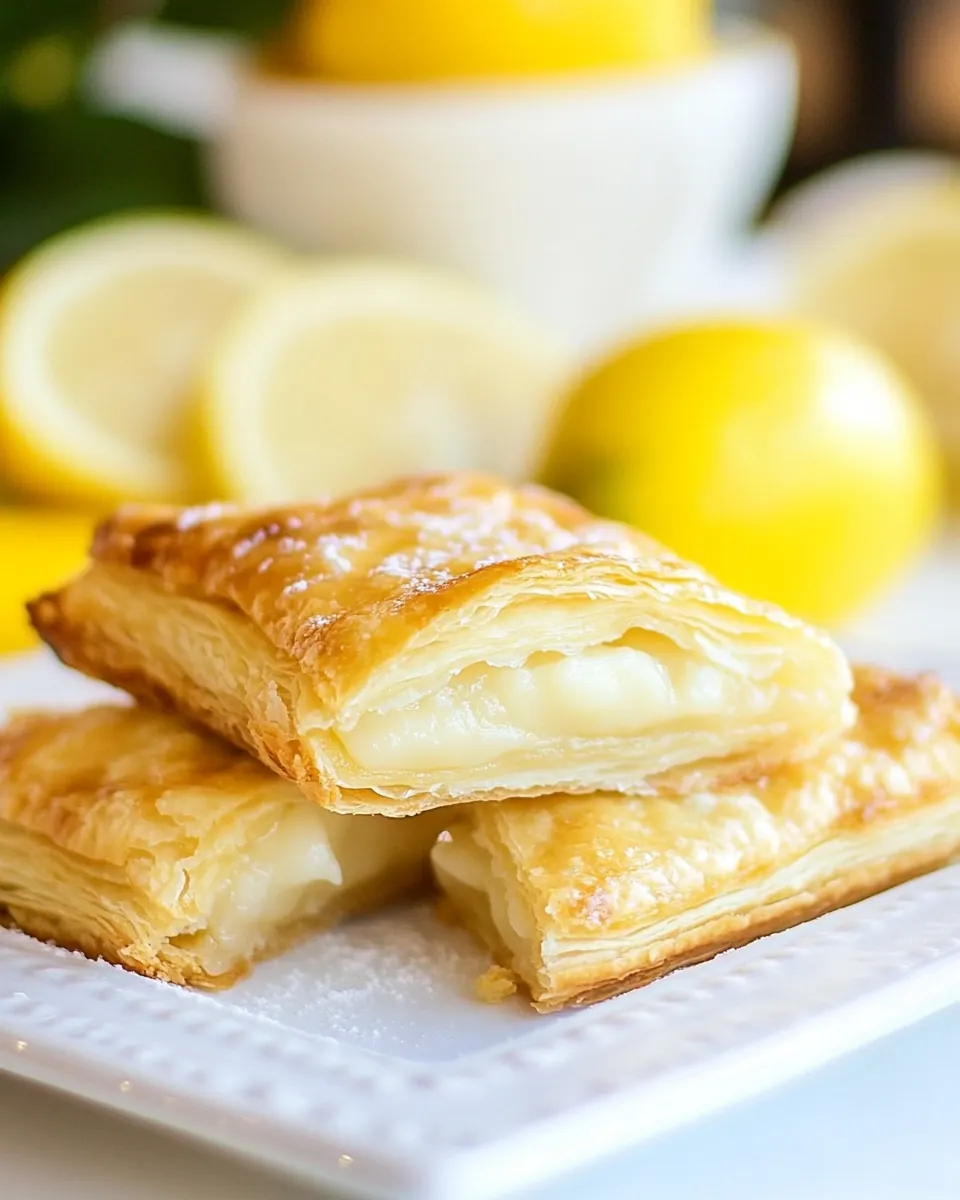
These steps are approachable, and with a little attention to sensory cues you can produce uniformly golden turnovers. I like to have all my components prepped so assembly becomes a smooth flow. Follow the sequence and watch for visual and tactile signs that tell you when things are just right.
- Preheat oven to 400 degrees Fahrenheit and line a baking sheet with parchment paper or foil (in case any of the filling leaks out of the turnovers, the parchment paper or foil will make for easy clean-up).: As the oven warms you will notice the room slowly become cozy and warm, and lining the baking sheet prevents any stray filling from sticking, making cleanup effortless. The correct preheat is crucial because puff pastry relies on rapid heat to create steam between layers, which causes the lift and flake you want. A common mistake is placing the pastry in a not fully heated oven, which can lead to flat, dense layers. If the oven takes a bit longer, be patient and wait until it reaches the full 400 degrees Fahrenheit so the pastry puffs beautifully.
- Unfold your thawed puff pastry dough. With a sharp knife, cut the dough into four equal squares. Set aside.: The dough should feel cool to the touch and slightly pliable, not soggy. As you unfold the layers you may hear a soft rustling, and you should see the clear rectangular or square shape. Cutting it into four equal squares ensures even baking and filling distribution. If the pastry feels too warm and sticky, pop it back in the fridge for a few minutes; working with overly soft pastry risks losing those delicate butter pockets that create flakiness.
- In a mixing bowl, mix whipped cream cheese, lemon curd, lemon zest, and 3 tablespoons of sugar until well combined.: The mixture should come together into a glossy, smooth filling, with the aroma of lemon zest blooming as you stir. You will feel a creamy texture on your spoon and see a uniform pale yellow color. Proper mixing ensures an even flavor in each turnover; lumps or unmixed pockets can create uneven bites. If the cream cheese is too cold and hard to blend, let it sit at room temperature briefly so the mixture becomes smooth without overbeating.
- Place about 2 tablespoons of filling into the corner of each square of puff pastry. Fold the pastry diagonally, and crimp the edges with a fork.: When you drop the filling in, notice the slight weight and creamy sheen settling into the dough. Folding the pastry diagonally encloses the filling and forms a triangular pocket. Crimping the edges with a fork not only seals the turnover but creates a decorative edge that also signals where to break if sharing. Be careful not to overfill, because excess filling can leak and caramelize on the pan, which may burn or make cleanup harder.
- In a small bowl whisk together the egg and water to form the egg wash. Brush the tops and edges of each turnover with egg wash, and sprinkle each with the remaining 1 tablespoon of sugar.: The wash should look glossy and homogenous, and when brushed on the pastry it gives a smooth coating that will brown evenly. Brushing the tops and edges, then sprinkling the remaining 1 tablespoon of sugar, adds both color and a delicate surface crunch. If you apply too much wash, it can pool and cause uneven browning, so use a light hand and brush in even strokes.
- In a preheated oven at 400 degrees Fahrenheit bake for 18-20 minutes, or until pastry is puffed and golden brown.: During baking you will see the pastries rise and transform from pale to a rich golden hue, and the sound may shift to a faint crisp crackle as the layers set. This visual change is your best indicator they are done, more so than a clock alone. Overbaking can dry out the filling and make the pastry too dark, so check around 18 minutes and remove once you have a uniform golden color and proud puffing.
- Allow to cool for a few minutes and enjoy!: Cooling slightly allows the filling to set so it will not spill when bitten, and the pastry will crisp further as it cools. The scent of lemon will become more pronounced as the steam subsides, and the turnovers will be pleasantly warm rather than scalding hot. A frequent misstep is slicing into them immediately, which can release the filling and leave a mess, so give them a short rest for cleaner, more enjoyable bites.
Pro Tips and Tweaks
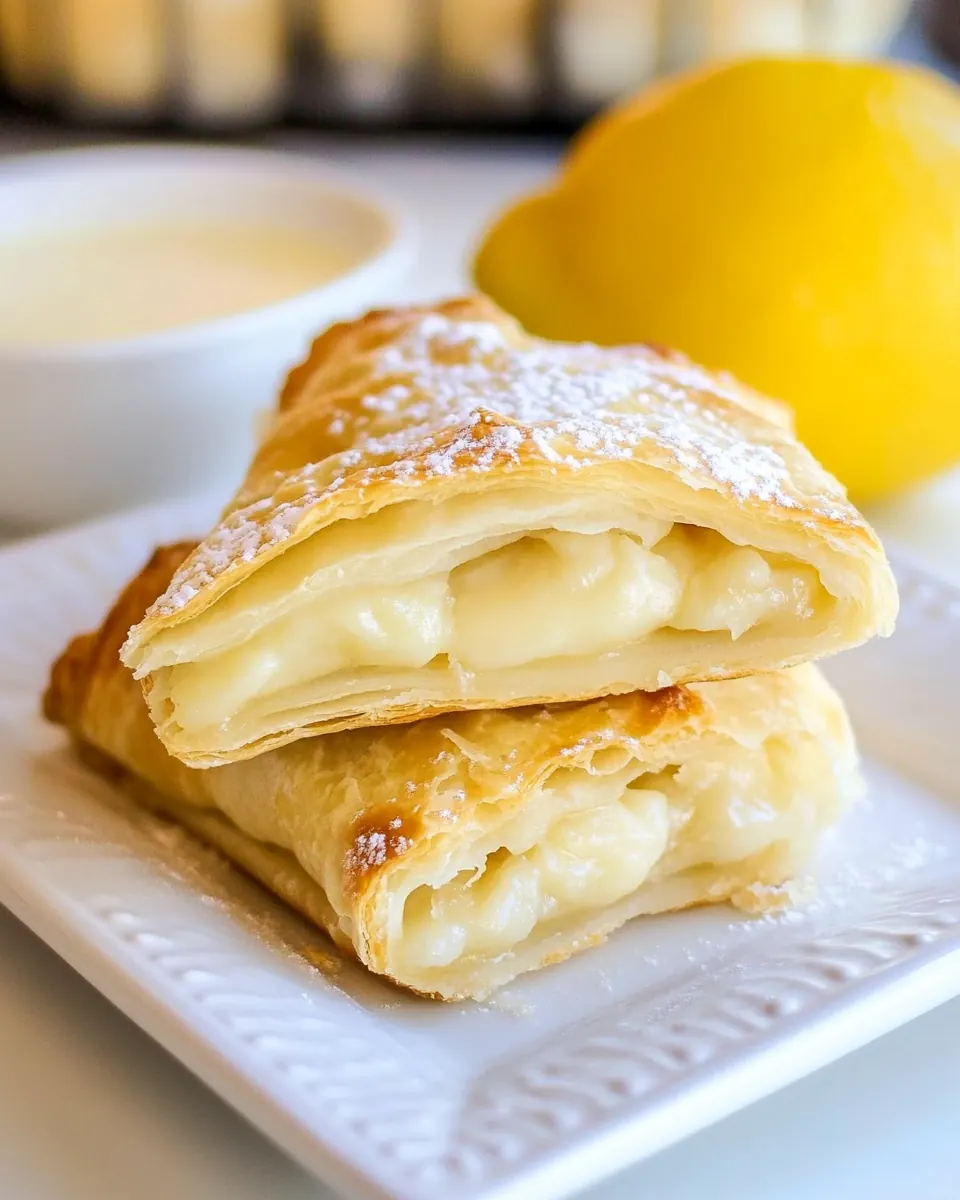
I like to keep a few tricks in my pocket to make these turnovers come out consistently great. A little planning around chilling, portioning, and timing elevates the final result. Below are practical tips I rely on for reliably crisp pastry and balanced filling.
- Keep pastry cold until you start working, chilling between steps if necessary to preserve the distinct butter layers responsible for flaky rise.
- Measure filling carefully to avoid leakage; roughly 2 tablespoons per square yields clean edges and even baking, making presentation easier when serving guests.
- Use a light hand with egg wash to promote even browning and gloss without pooling or overly dark spots, which can happen if the wash collects in crevices.
- Adjust sugar to taste by sampling a small spoon of the filling; some lemon curds are sweeter than others so tweak the added sugar to keep the lemon bright.
- Preheat fully to the stated 400 degrees Fahrenheit so the pastry gets the immediate burst of steam it needs to puff and separate into flaky layers.
Perfect Matches for Lemon Turnover
These serving ideas and pairings help you present Lemon Turnover beautifully. Whether for a weekday treat or a special brunch, the right accompaniments and serving details make a difference. Below are thoughtful pairings and practical serving notes.
- Brunch centerpiece, serve a platter of warm turnovers alongside fresh fruit and a pot of coffee for an inviting brunch spread that feels both casual and special.
- Afternoon tea, present the turnovers with light sandwiches and a selection of teas for a refined tea time where the citrus note cleanses the palate between bites.
- Light dessert, pair a single turnover with a dollop of plain whipped cream for a modest but satisfying dessert after a heavy meal, the lemon provides a bright counterpoint.
- Make ahead and reheat, assemble the turnovers and refrigerate until baking time; bake from chilled and serve warm for best texture, storing leftovers in an airtight container for up to two days.
- Seasonal pairing, in spring emphasize lighter beverages and floral table settings to complement the fresh citrus profile and the bright mood of the pastry.
FAQ
Conclusion
What makes this Lemon Turnover special is the bright lemon filling tucked into flaky, golden layers that give you a perfect contrast of texture and flavor. I encourage you to give these turnovers a try because they are surprisingly quick, approachable, and feel special enough for guests while being simple enough for a cozy weekend treat. Take your time with the assembly, trust the oven to work its magic, and enjoy the small, shining moments these pastries bring to your table.

Lemon Turnover
Equipment
- Baking Sheet
- Parchment Paper
- Sharp Knife
- Mixing Bowl
- Whisk
- Measuring Cups and Spoons
- Pastry Brush
Ingredients
- 1 sheet puff pastry thawed (1 sheet equals 4 large turnovers) Thaw completely before working to ensure pliable dough that can be rolled and folded without cracking; using one sheet yields four large turnovers and provides the flaky layers characteristic of puff pastry. Keep chilled until ready to fill to preserve lift during baking and prevent runoff of filling through seams.
- 1/2 cup whipped cream cheese Soften slightly at room temperature for easier spreading and blending with lemon curd; whipped cream cheese adds a tangy, creamy layer that balances sweetness and contributes to a smooth mouthfeel in the turnover filling. Use measured amount to avoid overly heavy filling that could weigh down pastry.
- 1/3 cup lemon curd homemade or store-bought Spoon in measured curd to provide concentrated lemon flavor and glossy, citrusy sweetness that defines the turnover; homemade or store-bought options both work, with homemade offering a fresher taste. Distribute evenly among pastry squares to ensure consistent flavor in each turnover.
- 1 tablespoon lemon zest about the zest of 1 large lemon Finely zest one large lemon and sprinkle to deliver bright, aromatic citrus oils that intensify lemon flavor without adding acidity; the zest enhances both fragrance and visual appeal in the filling. Use only the yellow part to avoid bitter pith, and spread evenly for balanced taste.
- 4 tablespoons sugar divided Divide the sugar into portions as indicated to allow for sweetening both the filling and a possible surface sprinkle; sugar balances the tartness of lemon curd and cream cheese while promoting caramelization on the pastry. Reserve some for brushing or sprinkling after egg wash to create a crunchy, sweet finish.
- 1 egg beaten Beat until smooth and use as an egg wash to seal edges and give turnovers a shiny, golden-brown crust; the beaten egg helps any sprinkled sugar adhere and improves overall appearance. Brush along seams and surfaces just before baking for best results.
- 1 tablespoon water Mix with the beaten egg to create a proper egg wash consistency that spreads easily and adheres to pastry; water thins the egg slightly so it covers evenly without pooling. Use sparingly to avoid soggy spots while still promoting an attractive glaze.
Instructions
- Preheat oven to 400 degrees Fahrenheit and line a baking sheet with parchment paper or foil (in case any of the filling leaks out of the turnovers, the parchment paper or foil will make for easy clean-up).: As the oven warms you will notice the room slowly become cozy and warm, and lining the baking sheet prevents any stray filling from sticking, making cleanup effortless. The correct preheat is crucial because puff pastry relies on rapid heat to create steam between layers, which causes the lift and flake you want. A common mistake is placing the pastry in a not fully heated oven, which can lead to flat, dense layers. If the oven takes a bit longer, be patient and wait until it reaches the full 400 degrees Fahrenheit so the pastry puffs beautifully.
- Unfold your thawed puff pastry dough. With a sharp knife, cut the dough into four equal squares. Set aside.: The dough should feel cool to the touch and slightly pliable, not soggy. As you unfold the layers you may hear a soft rustling, and you should see the clear rectangular or square shape. Cutting it into four equal squares ensures even baking and filling distribution. If the pastry feels too warm and sticky, pop it back in the fridge for a few minutes; working with overly soft pastry risks losing those delicate butter pockets that create flakiness.
- In a mixing bowl, mix whipped cream cheese, lemon curd, lemon zest, and 3 tablespoons of sugar until well combined.: The mixture should come together into a glossy, smooth filling, with the aroma of lemon zest blooming as you stir. You will feel a creamy texture on your spoon and see a uniform pale yellow color. Proper mixing ensures an even flavor in each turnover; lumps or unmixed pockets can create uneven bites. If the cream cheese is too cold and hard to blend, let it sit at room temperature briefly so the mixture becomes smooth without overbeating.
- Place about 2 tablespoons of filling into the corner of each square of puff pastry. Fold the pastry diagonally, and crimp the edges with a fork.: When you drop the filling in, notice the slight weight and creamy sheen settling into the dough. Folding the pastry diagonally encloses the filling and forms a triangular pocket. Crimping the edges with a fork not only seals the turnover but creates a decorative edge that also signals where to break if sharing. Be careful not to overfill, because excess filling can leak and caramelize on the pan, which may burn or make cleanup harder.
- In a small bowl whisk together the egg and water to form the egg wash. Brush the tops and edges of each turnover with egg wash, and sprinkle each with the remaining 1 tablespoon of sugar.: The wash should look glossy and homogenous, and when brushed on the pastry it gives a smooth coating that will brown evenly. Brushing the tops and edges, then sprinkling the remaining 1 tablespoon of sugar, adds both color and a delicate surface crunch. If you apply too much wash, it can pool and cause uneven browning, so use a light hand and brush in even strokes.
- In a preheated oven at 400 degrees Fahrenheit bake for 18-20 minutes, or until pastry is puffed and golden brown.: During baking you will see the pastries rise and transform from pale to a rich golden hue, and the sound may shift to a faint crisp crackle as the layers set. This visual change is your best indicator they are done, more so than a clock alone. Overbaking can dry out the filling and make the pastry too dark, so check around 18 minutes and remove once you have a uniform golden color and proud puffing.
- Allow to cool for a few minutes and enjoy!: Cooling slightly allows the filling to set so it will not spill when bitten, and the pastry will crisp further as it cools. The scent of lemon will become more pronounced as the steam subsides, and the turnovers will be pleasantly warm rather than scalding hot. A frequent misstep is slicing into them immediately, which can release the filling and leave a mess, so give them a short rest for cleaner, more enjoyable bites.
Notes
- Keep pastry cold until you start working, chilling between steps if necessary to preserve the distinct butter layers responsible for flaky rise.
- Measure filling carefully to avoid leakage; roughly 2 tablespoons per square yields clean edges and even baking, making presentation easier when serving guests.
- Use a light hand with egg wash to promote even browning and gloss without pooling or overly dark spots, which can happen if the wash collects in crevices.
- Adjust sugar to taste by sampling a small spoon of the filling; some lemon curds are sweeter than others so tweak the added sugar to keep the lemon bright.
- Preheat fully to the stated 400 degrees Fahrenheit so the pastry gets the immediate burst of steam it needs to puff and separate into flaky layers.