Broccoli Cheddar Soup
Broccoli Cheddar Soup is one of those bowls I reach for when the air turns crisp and I need comfort that feels both wholesome and a little indulgent. The first time I made this soup I remember the steam fogging up the kitchen window as I stirred, the house filling with a warm, savory aroma that made everyone wander into the kitchen. I loved that the texture was creamy without being heavy, and that the broccoli came through bright and vegetal beneath the rich, melting cheddar cheese.
Over the years I’ve tweaked this recipe to balance simplicity and comfort. I rely on a few bold choices, like using both the stems and the florets of the broccoli for depth, and cooking the aromatics until they’re soft and slightly sweet. Every time I ladle a bowl I feel a little triumphant, because it’s surprisingly easy to make something that tastes like it simmered all afternoon.
Recipe Snapshot
50 mins
20 mins
30 mins
Medium
250 kcal
American
Gluten-Free, Low FODMAP
Soups
Large pot
What You’ll Enjoy About This Broccoli Cheddar Soup
Comfort without heaviness
I love how Broccoli Cheddar Soup delivers a rich mouthfeel without relying on heavy cream. The combination of steaming and puréeing creates natural silkiness, and melting the cheddar cheese in slowly keeps the texture smooth rather than gloopy. I often tell friends this is a great bowl when you want something warm yet not overindulgent.
Simple pantry ingredients
This recipe shines because it uses familiar items I almost always have on hand, like all purpose flour, olive oil, and good quality chicken broth. When I’m short on time, those pantry staples mean I can get dinner on the table fast, and I appreciate how accessible the flavors are to home cooks of any level.
Balanced vegetable flavor
The use of both broccoli stems and florets gives the soup a layered vegetable profile, from the sweet, almost nutty taste of cooked stems to the bright green notes of tender florets. I find that including stems reduces waste and increases body, and when you steam a few florets for garnish the contrast in texture is lovely.
Technique driven results
Small technique choices matter here. Cooking the aromatics until softened, whisking in the flour before adding liquid, and melting the cheddar cheese slowly all contribute to a velvety finish. I like to explain these little details to cooks who want consistent results, because they transform a good soup into a memorable one.
Versatile and family friendly
This soup works for weeknights, casual lunches, or a cozy weekend dinner. Kids usually love the creamy texture and cheesy flavor, while adults appreciate the vegetable goodness underneath. I’ve served it as a main with crusty bread and also as a starter when entertaining, and it always gets a warm reception.
What You Need for Broccoli Cheddar Soup
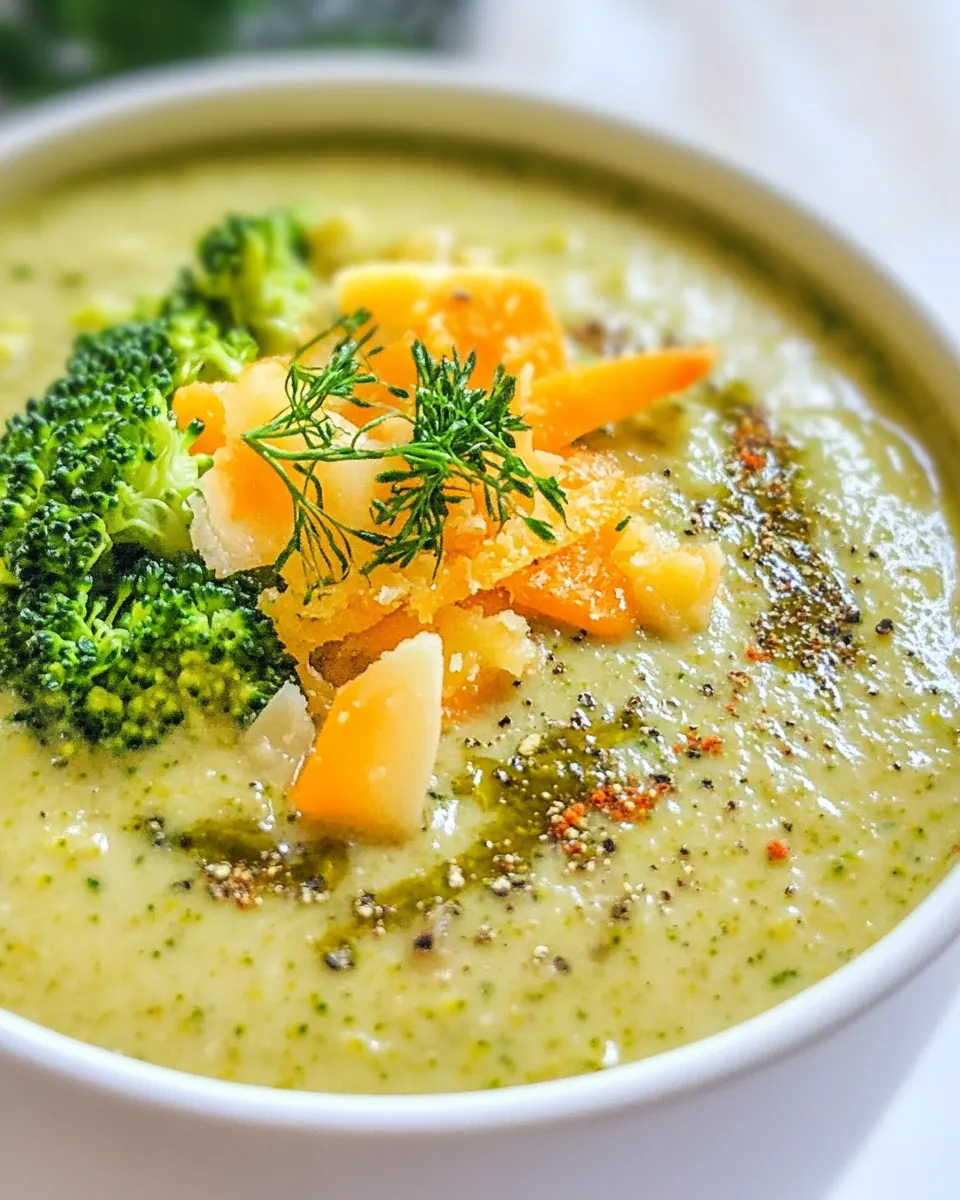
I think of these ingredients as a team where each player contributes texture, flavor, or structure. The aromatics build a savory foundation, the broccoli brings brightness and body, the flour thickens gently, and the cheddar cheese provides that irresistible creamy finish. Using a good quality chicken broth elevates the whole soup more than you might expect.
- 2 tablespoon olive oil: Heat gently to create a flavorful cooking fat that sautés vegetables and prevents sticking, contributing a fruity base and healthy fats to the soup.
- 2 tablespoon unsalted butter: Melt slowly to add rich, creamy mouthfeel and deepen the savory flavor while helping to form a roux with the flour for thickening.
- 1 leek white and pale green parts, sliced: Slice thinly to impart a mild onion-like sweetness and vegetal aroma that softens and integrates into the soup’s aromatic base.
- 1 carrot chopped, or thinly sliced: Chop or slice finely to provide natural sweetness, texture, and color while balancing savory elements as it softens during cooking.
- 1 celery rib chopped: Dice consistently to add subtle savory depth and slight crunch that mellows with cooking, supporting overall soup complexity.
- 1 garlic clove minced: Mince finely to release pungent, aromatic oils that infuse the broth with bright, savory notes without overpowering other flavors.
- 1 1/2 heads broccoli stems and tops cut into florets (save some florets for steaming or blanching for garnish): Cut into florets and stems to supply substantial vegetable body and tender bite; reserve some florets for a bright steamed garnish.
- 1/4 cup all-purpose flour: Whisk in gradually to absorb fats and create a roux that thickens the broth into a smooth, velvety consistency when cooked.
- 5 cups chicken broth: Pour in as the primary liquid to deglaze the pan, carry flavors, and provide a savory, lightly seasoned base for the soup.
- 8 oz cheddar cheese shredded: Shred finely to melt smoothly into the hot soup, delivering sharp, creamy cheese flavor and a rich, cheesy texture throughout.
- 2 teaspoon Kosher salt: Sprinkle evenly to season and enhance overall flavor balance, drawing out natural tastes while controlling the soup’s salinity.
- 1 teaspoon black pepper: Grind freshly to add a warm, slightly biting counterpoint to the richness and to sharpen the combined flavors of the soup.
How to Make Broccoli Cheddar Soup
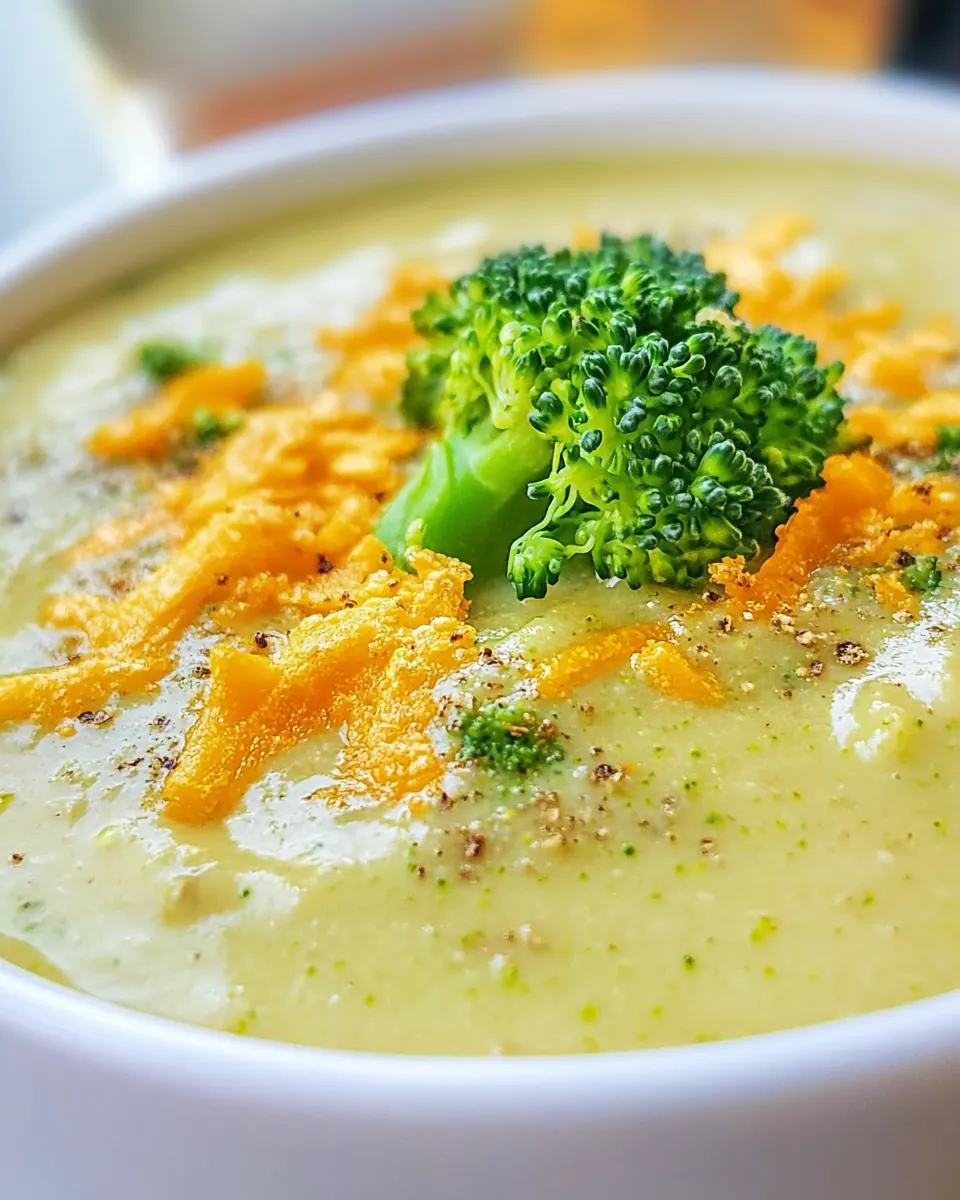
I like to walk through this process at a relaxed pace, paying attention to the sensory cues that tell you the soup is progressing correctly. The steps below expand on each direction with hands on tips and troubleshooting to help you reproduce the same comforting result every time.
- In a large pot, preferably a Dutch oven, heat the oil over medium heat until shimmering. Add the butter and stir until melted.: The first smell you should notice is a warm, faintly fruity aroma from the olive oil , and you may see a soft ripple on the surface as it reaches the right temperature. This shimmer indicates the oil is hot enough to gently sauté without absorbing excess fat, which helps the aromatics cook evenly and release sweetness. A common mistake is overheating the oil so it smokes, which gives a bitter note, so keep the heat steady and adjust if you see wisps of smoke. If you're using a Dutch oven, the heavy base will distribute heat evenly, preventing hot spots that could brown ingredients unevenly.
- Add the leek, carrot, celery, and garlic. Cook, stirring frequently, until they are tender, about 8 minutes.: When the unsalted butter melts it will foam briefly and then settle, releasing a nutty, buttery scent that enriches the overall aroma. This stage coats the pot and creates a luscious surface for the vegetables to cook on, contributing to mouthfeel later. Avoid letting the butter brown too quickly, because burned butter alters the flavor; if it starts to brown, lower the heat and add the aromatics promptly. Stirring helps distribute the butter so every piece of vegetable will benefit from the fat.
- Stir in the broccoli.: As these aromatics hit the pot you'll hear a soft sizzle and smell the scent deepen into savory notes. Cook them, stirring frequently, until they are tender, about 8 minutes. Tender aromatics should give under a spoon and appear glossy, not dry. The purpose here is to coax out sugars and develop a rounded base that supports the broccoli and cheddar . A common error is rushing this step, which leaves raw, sharp flavors; be patient and keep the heat moderate so they sweat rather than brown.
- Sprinkle the broccoli mixture with the flour and mix well.: Adding the chopped broccoli introduces a fresh, green scent and a firmer texture into the pot. You'll notice the color intensify as it warms. The broccoli will begin to soften and release moisture, which helps form the body of the soup. Ensure the pieces are relatively uniform so cooking is even, and avoid overcrowding the pot which can steam instead of sauté, altering flavor extraction. If your stems are large, cut them thinner so they reach tenderness at the same time as the florets.
- Stir in the broth and bring to a simmer over medium-high heat.: When the all purpose flour joins the vegetables it will create a roux like coating that helps thicken the soup once the broth is added. You should notice the mixture take on a slightly pasty sheen, which is normal. Cook the flour briefly to remove any raw taste, about one to two minutes, stirring constantly so it does not clump or burn. A common pitfall is adding liquid immediately before the flour cooks through, which leaves a pasty texture; give it a moment to toast gently while stirring.
- Reduce the heat to medium and simmer, with the lid on, but ajar, until the broccoli is very tender, about 20 minutes. Remove from the heat.: As the chicken broth hits the pot steam will rise and the aroma will deepen into a full savory soup scent. Bring it to a gentle simmer, watching for small bubbles around the edges, which indicates the right heat. The broth dissolves the roux and begins to create body, so whisk or stir to incorporate any bits stuck to the bottom. Avoid a rolling boil that can break down textures and reduce the delicate vegetable flavors; a simmer is enough to extract and meld flavors while keeping the soup controlled.
- Purée the soup with a hand-held immersion blender, or very carefully, working in batches, transfer the soup to a blender and purée.: During this simmer you'll notice the pot emit a steady, comforting aroma and the broccoli will soften to a point where it easily yields to a fork. The partial lid keeps heat consistent while allowing some steam to escape, concentrating flavor without losing all liquid. This step is about texture, because fully tender broccoli purées more smoothly, creating a silky body. A mistake here is undercooking, which leaves fibrous bits; test a piece before moving on.
- Add the soup back into the pot and simmer over medium-low heat.: You'll immediately notice the soup transform visually and aromatically as it becomes glossy and uniform. An immersion blender gives you control and keeps the pot warm, while batch blending needs caution with hot liquids to avoid splatter. The puréeing step creates the creamy mouthfeel without cream, so aim for a texture that is smooth but still carrying a bit of body, not watery. A frequent error is overblending to a completely liquid state, which can thin the soup excessively, so stop when it's velvety but still substantial.
- A handful at a time, add the Cheddar cheese to the soup, and let it melt.: Returning the puréed soup to gentle heat lets everything marry together and warms the mixture for the cheese addition. You'll sense the aroma deepen again as flavors meld. Keeping the heat at medium low prevents the cheese from seizing or separating when added. Avoid bringing the soup to a boil at this stage because high heat can curdle the cheddar and cause a grainy texture; slow, steady warmth is key.
- Season with salt and pepper.: As you drop in shredded cheddar cheese you will hear small soft sounds of settling and see ribbons of orange melting into the green soup, creating a luscious color and creamy sheen. Adding it gradually prevents clumping and helps it integrate evenly. Use gentle stirring and moderate warmth so the cheese dissolves smoothly. A common mistake is dumping all the cheese at once over high heat, which can produce a greasy, separated texture rather than a harmonious melt.
- Serve piping hot topped with a few blanched florets!: Once the cheese is incorporated, taste and adjust with the measured Kosher salt and black pepper . The right seasoning brightens the soup and balances the richness of the cheddar . Season in stages and taste, because the broth and cheese already contribute sodium; over salting is easy, so proceed cautiously. If the soup tastes flat, a pinch more salt will usually bring the flavors into focus.
- Serve piping hot topped with a few blanched florets: Present the soup while warm so the texture and aroma are at their best, and garnish with reserved blanched broccoli florets for a fresh contrast. The blanched florets add a pleasant textural pop and a visual cue that signals freshness. A common serving mistake is letting the soup cool too much before serving, which dulls both aroma and mouthfeel, so ladle into warmed bowls for the best experience.
Recipe Tips about Broccoli Cheddar Soup
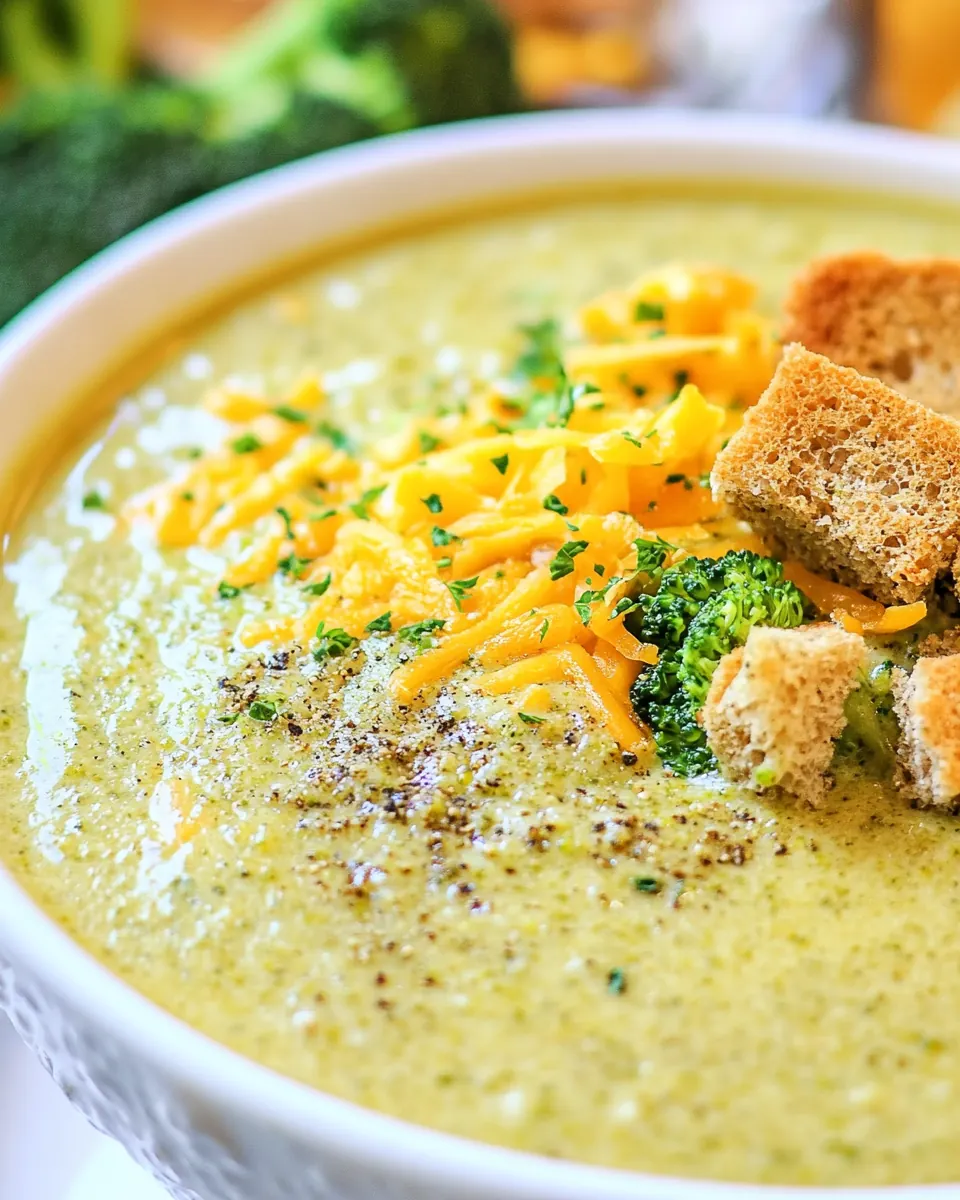
These tips expand practical ideas from the notes and steps, helping you refine technique and storage. Each tip begins with a short bolded phrase to highlight the main point, followed by detailed guidance you can use while cooking.
- Shred your own cheese — Grating a block of cheddar cheese right before use keeps it fluffy and helps it melt more uniformly; pre shredded cheeses can include anti caking agents that prevent smooth integration into the hot soup.
- Reserve florets for garnish — Blanch a few florets in boiling water and then shock them in ice water to preserve their bright color and crisp tender texture, which provides a nice contrast to the creamy base when you serve the soup.
- Control the heat for melting — When adding the cheddar cheese, maintain medium low heat to prevent the proteins from tightening and separating, stirring gently until fully melted for a silky finish.
- Adjust thickness with broth — If the soup becomes too thick after puréeing and adding cheese, thin with a splash of additional chicken broth while warming gently, stirring to incorporate without over thinning.
- Make ahead and reheat properly — This soup refrigerates well for up to five days and freezes for about two months; reheat slowly on the stove over medium low, stirring frequently to restore a smooth texture.
Perfect Matches for Broccoli Cheddar Soup
This soup pairs well with straightforward, comforting sides, and works for a range of occasions from casual weeknights to cozy holiday lunches. Below are serving ideas, seasonal pairings, and storage suggestions to help you plan meals around this bowl of comfort.
- Crusty bread or rolls — A warm, crusty loaf makes an ideal companion, perfect for dipping and sopping up the creamy soup; serve the bread warm for the best contrast.
- Light green salad — A crisp salad dressed with a bright vinaigrette offers that acidic lift that cuts through the richness of the cheddar cheese, balancing the meal.
- Casual family dinner — This recipe is great for a simple family dinner on a cool night, because it is filling and kid friendly while still feeling homemade and thoughtful.
- Lunch for guests — Serve the soup in bowls with a small garnish of reserved blanched florets and a drizzle of olive oil for a polished lunch offering when friends drop by.
- Storage and make ahead — Refrigerate leftovers in an airtight container for up to five days, or freeze portions for up to two months; thaw overnight in the fridge and reheat gently on the stove.
- Seasonal pairing — This soup is especially cozy in colder months like winter when you want warming comfort; consider serving it during casual holiday lunches or weekday dinners when you crave simplicity and warmth.
FAQ
Conclusion
This recipe stands out because it marries bright, wholesome broccoli flavor with the comforting creaminess of melted cheddar cheese in a way that feels both elevated and approachable. Give it a try on a cool evening when you want something nourishing that still tastes indulgent. You’ll likely find it becomes a dependable go to for weeknight dinners and casual gatherings, and its simple ingredients make it easy to prepare again and again.
Broccoli Cheddar Soup
Equipment
- Large Pot
Ingredients
- 2 tablespoon olive oil Heat gently to create a flavorful cooking fat that sautés vegetables and prevents sticking, contributing a fruity base and healthy fats to the soup.
- 2 tablespoon unsalted butter Melt slowly to add rich, creamy mouthfeel and deepen the savory flavor while helping to form a roux with the flour for thickening.
- 1 leek white and pale green parts, sliced Slice thinly to impart a mild onion-like sweetness and vegetal aroma that softens and integrates into the soup’s aromatic base.
- 1 carrot chopped, or thinly sliced Chop or slice finely to provide natural sweetness, texture, and color while balancing savory elements as it softens during cooking.
- 1 celery rib chopped Dice consistently to add subtle savory depth and slight crunch that mellows with cooking, supporting overall soup complexity.
- 1 garlic clove minced Mince finely to release pungent, aromatic oils that infuse the broth with bright, savory notes without overpowering other flavors.
- 1 1/2 heads broccoli stems and tops cut into florets (save some florets for steaming or blanching for garnish) Cut into florets and stems to supply substantial vegetable body and tender bite; reserve some florets for a bright steamed garnish.
- 1/4 cup all-purpose flour Whisk in gradually to absorb fats and create a roux that thickens the broth into a smooth, velvety consistency when cooked.
- 5 cups chicken broth Pour in as the primary liquid to deglaze the pan, carry flavors, and provide a savory, lightly seasoned base for the soup.
- 8 oz cheddar cheese shredded Shred finely to melt smoothly into the hot soup, delivering sharp, creamy cheese flavor and a rich, cheesy texture throughout.
- 2 teaspoon Kosher salt Sprinkle evenly to season and enhance overall flavor balance, drawing out natural tastes while controlling the soup’s salinity.
- 1 teaspoon black pepper Grind freshly to add a warm, slightly biting counterpoint to the richness and to sharpen the combined flavors of the soup.
Instructions
- In a large pot, preferably a Dutch oven, heat the oil over medium heat until shimmering. Add the butter and stir until melted.: The first smell you should notice is a warm, faintly fruity aroma from the olive oil , and you may see a soft ripple on the surface as it reaches the right temperature. This shimmer indicates the oil is hot enough to gently sauté without absorbing excess fat, which helps the aromatics cook evenly and release sweetness. A common mistake is overheating the oil so it smokes, which gives a bitter note, so keep the heat steady and adjust if you see wisps of smoke. If you're using a Dutch oven, the heavy base will distribute heat evenly, preventing hot spots that could brown ingredients unevenly.
- Add the leek, carrot, celery, and garlic. Cook, stirring frequently, until they are tender, about 8 minutes.: When the unsalted butter melts it will foam briefly and then settle, releasing a nutty, buttery scent that enriches the overall aroma. This stage coats the pot and creates a luscious surface for the vegetables to cook on, contributing to mouthfeel later. Avoid letting the butter brown too quickly, because burned butter alters the flavor; if it starts to brown, lower the heat and add the aromatics promptly. Stirring helps distribute the butter so every piece of vegetable will benefit from the fat.
- Stir in the broccoli.: As these aromatics hit the pot you'll hear a soft sizzle and smell the scent deepen into savory notes. Cook them, stirring frequently, until they are tender, about 8 minutes. Tender aromatics should give under a spoon and appear glossy, not dry. The purpose here is to coax out sugars and develop a rounded base that supports the broccoli and cheddar . A common error is rushing this step, which leaves raw, sharp flavors; be patient and keep the heat moderate so they sweat rather than brown.
- Sprinkle the broccoli mixture with the flour and mix well.: Adding the chopped broccoli introduces a fresh, green scent and a firmer texture into the pot. You'll notice the color intensify as it warms. The broccoli will begin to soften and release moisture, which helps form the body of the soup. Ensure the pieces are relatively uniform so cooking is even, and avoid overcrowding the pot which can steam instead of sauté, altering flavor extraction. If your stems are large, cut them thinner so they reach tenderness at the same time as the florets.
- Stir in the broth and bring to a simmer over medium-high heat.: When the all purpose flour joins the vegetables it will create a roux like coating that helps thicken the soup once the broth is added. You should notice the mixture take on a slightly pasty sheen, which is normal. Cook the flour briefly to remove any raw taste, about one to two minutes, stirring constantly so it does not clump or burn. A common pitfall is adding liquid immediately before the flour cooks through, which leaves a pasty texture; give it a moment to toast gently while stirring.
- Reduce the heat to medium and simmer, with the lid on, but ajar, until the broccoli is very tender, about 20 minutes. Remove from the heat.: As the chicken broth hits the pot steam will rise and the aroma will deepen into a full savory soup scent. Bring it to a gentle simmer, watching for small bubbles around the edges, which indicates the right heat. The broth dissolves the roux and begins to create body, so whisk or stir to incorporate any bits stuck to the bottom. Avoid a rolling boil that can break down textures and reduce the delicate vegetable flavors; a simmer is enough to extract and meld flavors while keeping the soup controlled.
- Purée the soup with a hand-held immersion blender, or very carefully, working in batches, transfer the soup to a blender and purée.: During this simmer you'll notice the pot emit a steady, comforting aroma and the broccoli will soften to a point where it easily yields to a fork. The partial lid keeps heat consistent while allowing some steam to escape, concentrating flavor without losing all liquid. This step is about texture, because fully tender broccoli purées more smoothly, creating a silky body. A mistake here is undercooking, which leaves fibrous bits; test a piece before moving on.
- Add the soup back into the pot and simmer over medium-low heat.: You'll immediately notice the soup transform visually and aromatically as it becomes glossy and uniform. An immersion blender gives you control and keeps the pot warm, while batch blending needs caution with hot liquids to avoid splatter. The puréeing step creates the creamy mouthfeel without cream, so aim for a texture that is smooth but still carrying a bit of body, not watery. A frequent error is overblending to a completely liquid state, which can thin the soup excessively, so stop when it's velvety but still substantial.
- A handful at a time, add the Cheddar cheese to the soup, and let it melt.: Returning the puréed soup to gentle heat lets everything marry together and warms the mixture for the cheese addition. You'll sense the aroma deepen again as flavors meld. Keeping the heat at medium low prevents the cheese from seizing or separating when added. Avoid bringing the soup to a boil at this stage because high heat can curdle the cheddar and cause a grainy texture; slow, steady warmth is key.
- Season with salt and pepper.: As you drop in shredded cheddar cheese you will hear small soft sounds of settling and see ribbons of orange melting into the green soup, creating a luscious color and creamy sheen. Adding it gradually prevents clumping and helps it integrate evenly. Use gentle stirring and moderate warmth so the cheese dissolves smoothly. A common mistake is dumping all the cheese at once over high heat, which can produce a greasy, separated texture rather than a harmonious melt.
- Serve piping hot topped with a few blanched florets!: Once the cheese is incorporated, taste and adjust with the measured Kosher salt and black pepper . The right seasoning brightens the soup and balances the richness of the cheddar . Season in stages and taste, because the broth and cheese already contribute sodium; over salting is easy, so proceed cautiously. If the soup tastes flat, a pinch more salt will usually bring the flavors into focus.
- Serve piping hot topped with a few blanched florets: Present the soup while warm so the texture and aroma are at their best, and garnish with reserved blanched broccoli florets for a fresh contrast. The blanched florets add a pleasant textural pop and a visual cue that signals freshness. A common serving mistake is letting the soup cool too much before serving, which dulls both aroma and mouthfeel, so ladle into warmed bowls for the best experience.
Notes
- Shred your own cheese — Grating a block of cheddar cheese right before use keeps it fluffy and helps it melt more uniformly; pre shredded cheeses can include anti caking agents that prevent smooth integration into the hot soup.
- Reserve florets for garnish — Blanch a few florets in boiling water and then shock them in ice water to preserve their bright color and crisp tender texture, which provides a nice contrast to the creamy base when you serve the soup.
- Control the heat for melting — When adding the cheddar cheese, maintain medium low heat to prevent the proteins from tightening and separating, stirring gently until fully melted for a silky finish.
- Adjust thickness with broth — If the soup becomes too thick after puréeing and adding cheese, thin with a splash of additional chicken broth while warming gently, stirring to incorporate without over thinning.
- Make ahead and reheat properly — This soup refrigerates well for up to five days and freezes for about two months; reheat slowly on the stove over medium low, stirring frequently to restore a smooth texture.