Brownie Cookies
Brownie Cookies began as a late night bake when I needed something fudgy and quick to cheer up a rainy evening at home. I remember pulling out a bag of chopped chocolate, feeling that familiar comfort that only chocolate can give, and deciding to marry brownie richness with the handheld ease of a cookie. That first tray vanished before the timer even cooled, and from that night on, these treats became my go to when I wanted warm, gooey bites that still felt a little grown up.
Over the years I tweaked the approach, learning small tricks that change texture and flavor in surprising ways. I learned to trust the glossy shine when the melted chocolate and butter come together, and how chilling the batter makes the exterior crack while the inside stays molten. Friends started asking for the recipe at gatherings, and now I reach for it for holiday mixers, study sessions, or when I need a quick dessert for unexpected guests.
Recipe Snapshot
30 mins
20 mins
10 mins
Medium
250 kcal
American
Gluten-Free, Low FODMAP
Desserts
Reynolds Kitchens Parchment Paper with SmartGrid, Kitchen Scale(optional), Stand Mixer, Baking Sheet
What Sets This Brownie Cookies Apart
1. Fudgy texture that feels indulgent
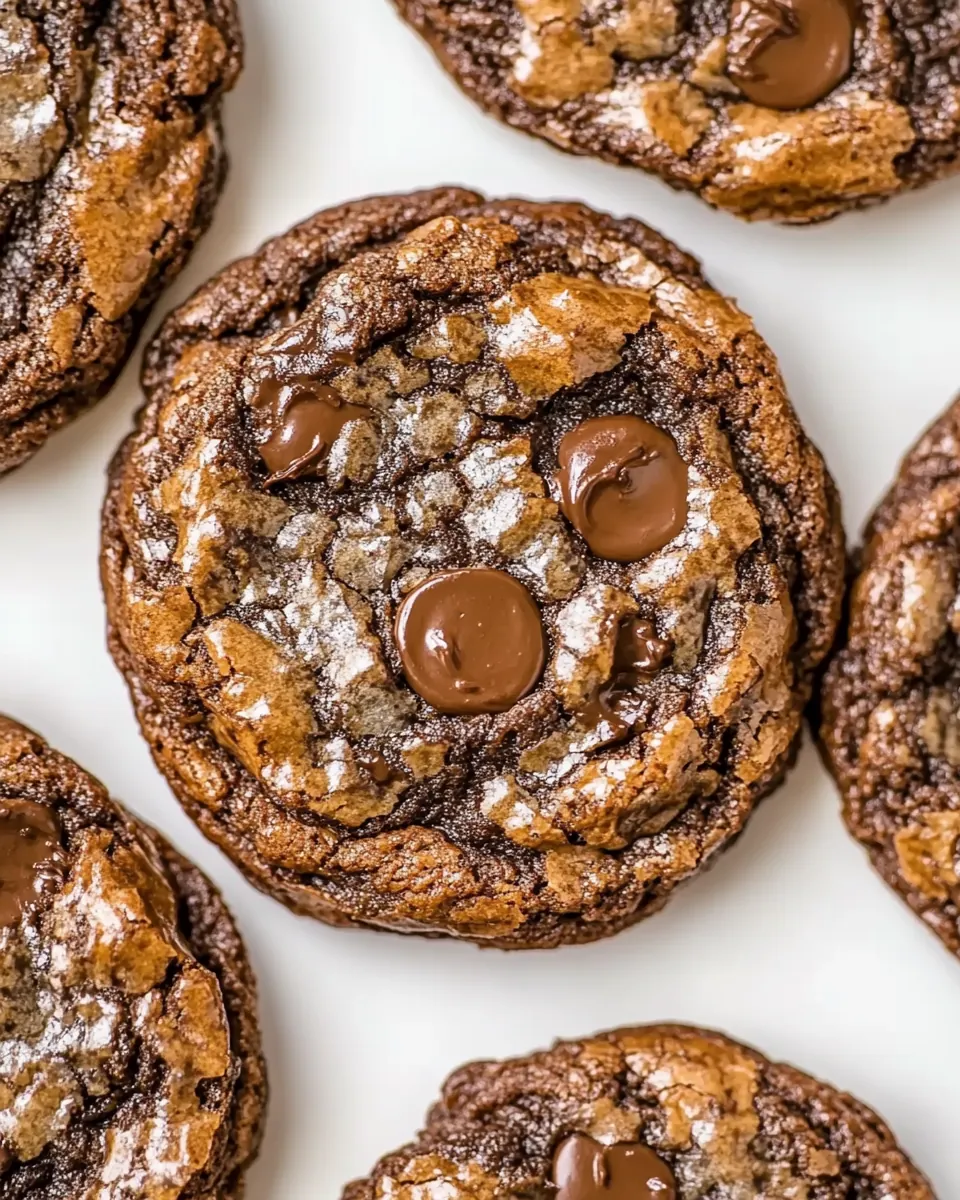
I love how Brownie Cookies deliver a concentrated, fudgy center, reminiscent of a thick brownie, yet they are perfectly portioned for snacking. Because the batter is rich in melted chocolate and butter, each bite melts on the tongue, offering intense cocoa notes without being cakey. I often find myself savoring that slightly underbaked, glossy middle, it feels like a little luxury you can grab with one hand.
2. Fast but impressive
These cookies feel fancy, yet they come together quickly. The recipe moves from bowl to oven in under an hour if you plan ahead, and the chill step actually makes the final result more dramatic. When I serve them, guests always assume I spent more time. The contrast between the crackled top and gooey interior is a showstopper, and I like recipes that impress without requiring constant babysitting.
3. Versatile flavor options
What I really enjoy is how adaptable the base is. You can fold in milk chocolate chips for extra pockets of sweetness, or sprinkle crushed peppermint for a bright, seasonal twist. I’ve made them plain, studded, and minty, and each version brings a slightly different mood to the same core batter. That flexibility makes the recipe useful all year long.
4. Simple, pantry friendly ingredients
The key players are staples: butter, chopped semisweet chocolate, eggs, granulated sugar, and a little flour. I love that you do not need exotic items to create something memorable. When I glance at my pantry and see those items, I know dessert is possible within an hour, which is a comforting thought on busy evenings.
5. Easy to scale and share
These cookies scale up nicely if you are feeding a crowd, and freezing the dough makes it easy to bake fresh batches later. I often double the recipe for parties and freeze half the scooped balls so I can bake a few trays at a moment’s notice. For me, recipes that store well and retain quality when baked later are winners.
Key Ingredients for Brownie Cookies
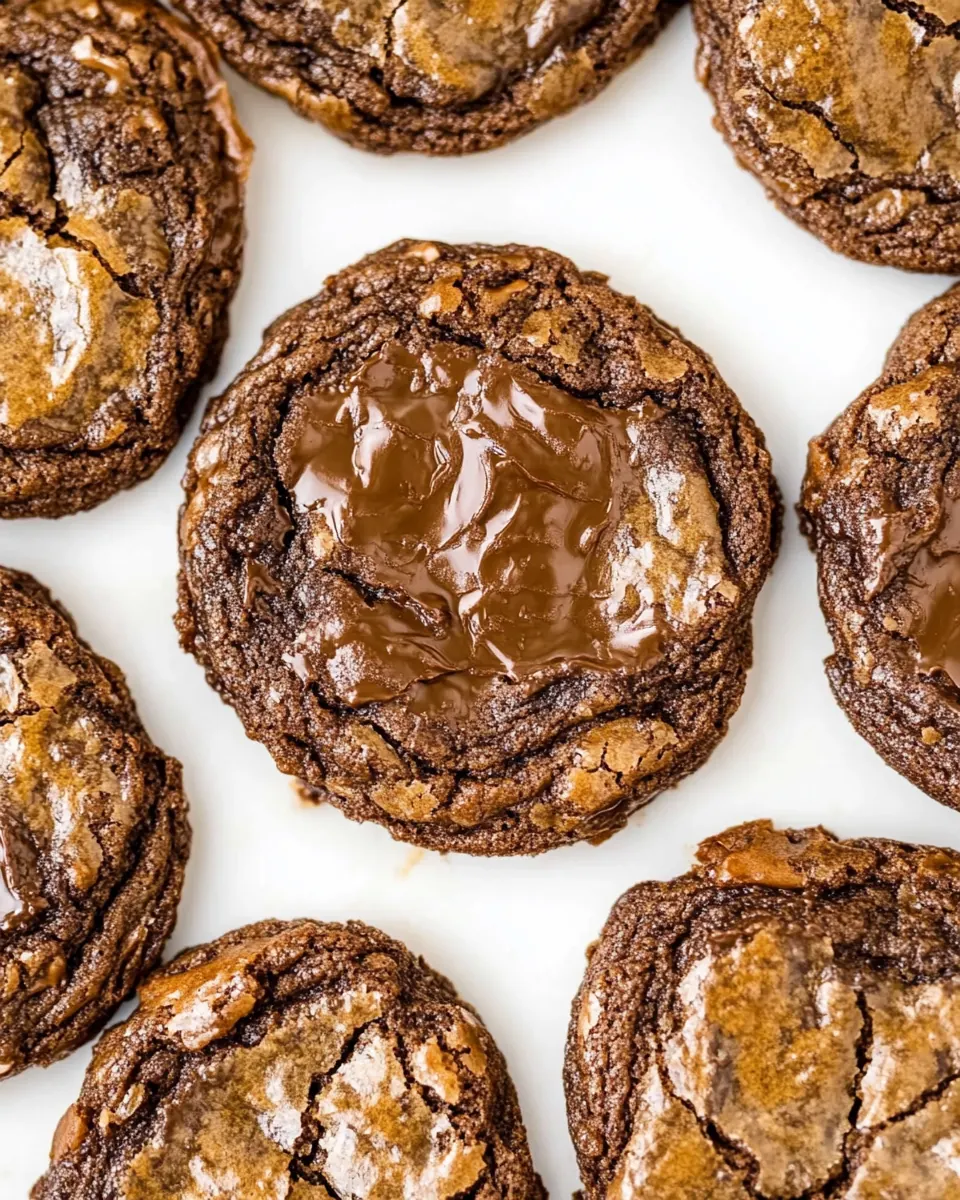
These ingredient choices are focused on concentrated chocolate flavor and a fudgy texture. The melted chocolate and butter form a rich base, while the whipped eggs and sugar add structure and shine. A small amount of flour and baking powder keeps the cookies set but still dense, and the milk chocolate chips add melty pockets. Optional crushed peppermint provides a seasonal lift without changing the core chemistry.
- 4 tablespoons salted butter 57 grams (1/2 stick): Melted provides rich fat and a glossy texture to the batter, helping create fudgy, chewy brownie cookies; also adds a subtle salty balance when using salted butter. Melt into the chocolate to form a smooth base and incorporate into the eggs and sugar for structure and flavor.
- 1 pound chopped semisweet chocolate 454 grams: Chopped semisweet chocolate supplies deep chocolate intensity and body to the cookies, melting into a dense, fudgy matrix when combined with butter and eggs. Use quality chocolate for improved flavor and glossy crumb, and chop uniformly to ensure even melting during mixing.
- 4 large eggs 200 grams, room temperature: Beaten eggs act as the primary binder and contribute structure, moisture, and a tender crumb to the brownie cookies when whisked into the melted chocolate and sugar. Room–temperature eggs emulsify more easily with fats, producing a smooth, cohesive batter that bakes evenly.
- 1 1/2 cups granulated sugar 300 grams: Granulated sugar sweetens the dough while aiding in moisture retention and contributing to the cookies' tender, slightly crackled surface when creamed or dissolved into the warm chocolate. Amount influences chewiness and spread, so measure accurately to maintain the intended brownie-like texture.
- 1 teaspoon pure vanilla extract 4 grams: Pure vanilla extract enhances and rounds out the chocolate flavor, adding aromatic complexity and depth without altering texture; use a quality extract for best results. Stir in near the end of mixing to preserve its volatile flavor compounds.
- 1/2 cup all-purpose flour 60 grams, sifted: All-purpose flour provides structure and a slight lift to the brownie cookies, contributing gluten that balances the rich, fudgy interior to prevent excessive collapse. Sifted measurement ensures light incorporation and helps avoid lumps that could create dense spots.
- 1/2 teaspoon baking powder 2 grams: Baking powder offers a gentle leavening lift that lightens the dense brownie batter slightly, creating tender cookie edges and a soft interior without turning them cakey. Use the stated amount to achieve subtle rise while preserving the characteristic fudgy texture.
- 12 ounces milk chocolate chips 340 grams: Milk chocolate chips add pockets of sweet, creamy chocolate that contrast the deeper semisweet base, melting into gooey bites throughout the cookies. Fold in toward the end of mixing to preserve chip shape while allowing some melty streaks during baking.
- Crushed peppermint , for topping (optional): Crushed peppermint provides optional crisp, refreshing minty flavor and decorative crunch when sprinkled on top after baking, creating a festive contrast to rich chocolate. Apply lightly so it complements rather than overpowers the brownie cookie profile.
How to Make Brownie Cookies
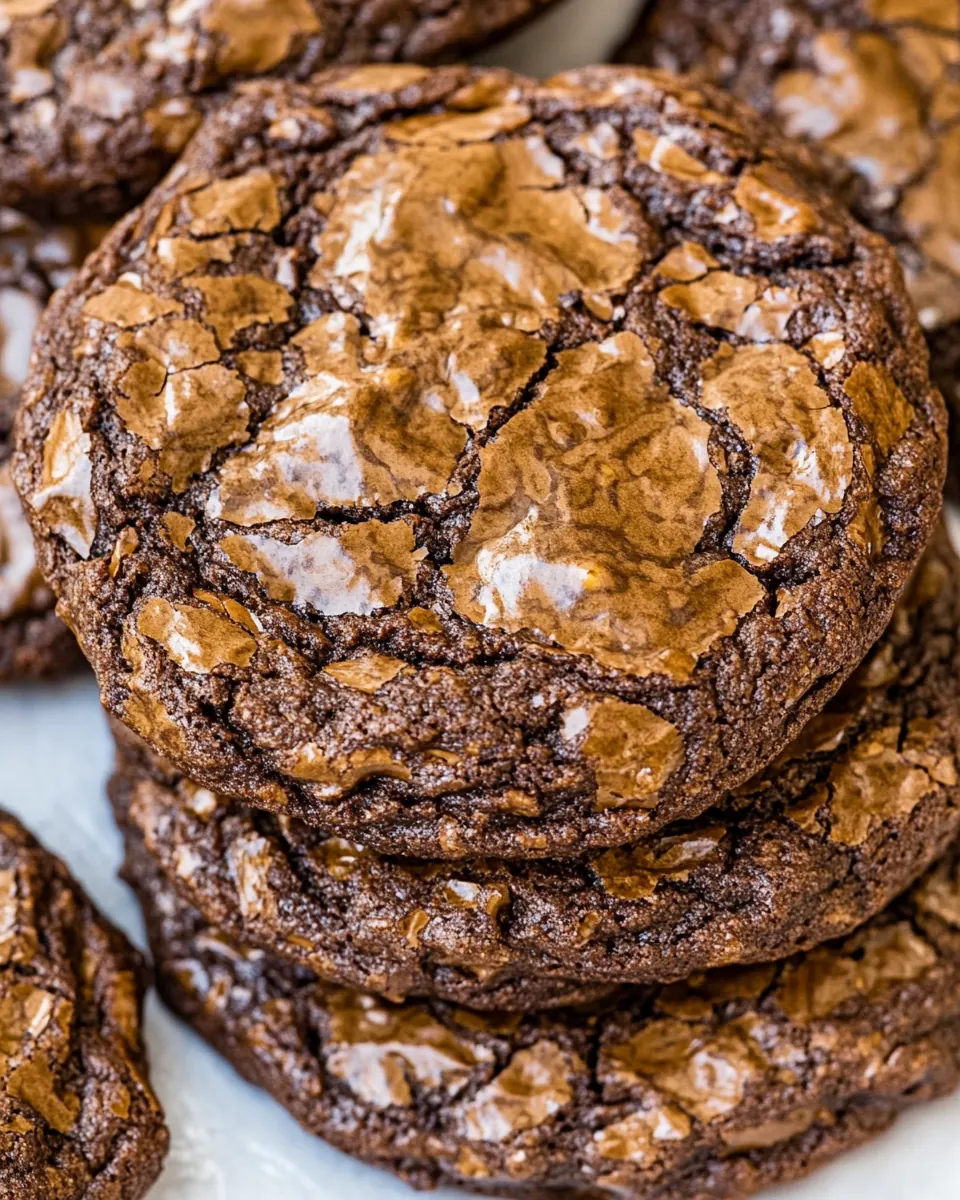
I like to guide you through each stage as if we were baking side by side, emphasizing sensory cues so you know when things are right. The directions below follow the original steps closely, expanded with detail, and include troubleshooting so you avoid common pitfalls.
- Place a heatproof bowl over a saucepan of simmering water. Add the butter and the chopped chocolate. Stir until smooth, about 5-10 minutes.: The moment the bowl warms, you will smell the rich aroma of melting chocolate mingled with warmed butter , a scent that signals the base is forming. Keep the water at a gentle simmer, not a rolling boil, because excessive steam can introduce condensation into the chocolate, making it seize. As the pieces soften, stir in slow, circular motions so the mixture becomes glossy and velvety, without lumps. You will see the texture change from grainy to shiny, and that sheen is a visual cue that the fat and cocoa solids have emulsified properly. If you notice tiny white streaks or grit, reduce heat and stir longer; overheating can break the emulsion and make the chocolate grainy. To avoid seizing, ensure no water splashes into the bowl and dry utensils thoroughly. The goal is a smooth, pourable ganache like consistency that will coat the back of a spoon, which also helps the baked cookie stay fudgy inside.
- In the bowl of a stand mixer fitted with the paddle attachment, beat the eggs with the sugar on medium speed, then beat in the vanilla. Scrape the sides if needed. Pour in the melted chocolate and beat until combined. Mix in the flour and baking powder. Turn off the mixer.: As you beat the eggs and granulated sugar , you will notice the mixture lighten slightly and become glossy, signaling that sugar has begun dissolving and air is being incorporated. The sound is a soft hum from the mixer rather than a roar, and the batter will have a ribbon like fall when lifted with the paddle. Add the vanilla and scrape the bowl to ensure even mixing, because any unmixed pockets can yield uneven texture. When the warm chocolate goes in, the batter will loosen and emit a warm, chocolatey steam; beating briefly ensures even distribution without cooking the eggs. Once you fold in the sifted flour and baking powder , the mixture will thicken and look dense and glossy. Avoid overmixing at this stage, which can develop gluten and make the cookies tougher. A common mistake here is adding the flour too fast; sprinkle it in and fold or mix just to combine, watching for any streaks of dry flour to disappear.
- Gently fold in the chocolate chips.: You will hear a soft scrape as a spatula moves through the dense batter, and visually, little pools of batter will cling to the chips. Fold carefully so the milk chocolate chips remain intact and do not melt into the batter, preserving those delightful pockets of melty chocolate after baking. Folding preserves air pockets and keeps the batter dense rather than homogenized. If you stir too vigorously, the chips can break down and the texture will be less contrasted. The right texture is a cohesive, slightly sticky dough dotted with whole chips.
- Pour the batter into a large bowl and cover. Freeze for 1 hour.: Chilling firms the dough so the cookies spread less and develop that signature cracked top with a fudgy center. The dough will cool and the butter will solidify, making it easier to scoop. You will notice the batter stiffen and become more scoopable, which visually indicates readiness. A common oversight is skipping the chill, which often results in thinner, flatter cookies with more cakey interiors. If you are short on time, fifteen minutes in the fridge will help, but the freeze step gives the best texture contrast. Covering the bowl prevents the dough from forming a skin and keeps fridge odors out.
- Preheat the oven to 350°F. Line a baking sheet with Reynolds Kitchens Parchment Paper with SmartGrid. Scoop 2 tablespoons of batter into a ball (doesn't have to be pretty) and place on the prepared baking sheets, about 2 inches apart.: As the oven warms to 350°F , you can prepare the tray. The parchment makes removal simple and the SmartGrid helps with even spacing, so the cookies bake uniformly. When you scoop, the chilled dough will hold shape, and you may notice slightly shiny spots where chips press through. Leave space because as they bake they will relax and spread a bit outward, developing a crackled surface. Overcrowding is a common mistake that leads to joined cookies, so respect spacing. If your balls are cold and firm, the outside will set quickly and the inside will stay gooey, which is exactly what you want.
- Bake for 10 minutes, or until the cookies crack on top and appear dry on the edges.: The oven will transform the batter, and you will start to see tiny fissures appear on the glossy tops as steam escapes. The edges should look set and slightly dry while the center remains shiny and soft. Listen for a subtle change in the oven sound, no vigorous sizzle, just the quiet hum and the occasional pop as pockets of air release. Removing the cookies too early can leave them unset, while baking too long makes them firm and loses the fudgy heart. A typical pitfall is relying solely on clock time; instead, watch for the visual cues: cracked tops and dry edges. The aroma will shift from warm chocolate to a deeper roasted note, signaling readiness.
- Let cool on the cookie sheet for 10 minutes, then transfer to a cooling rack to cool completely.: After removing them from the oven, you will notice the cookies are still soft and fragile, so the ten minute rest helps them finish setting while retaining the gooey center. The bottoms will continue to firm as residual heat redistributes, so resist the urge to move them immediately. When you transfer to a rack, you will see steam rise and feel slightly warm to the touch. A common error is trying to flip them too soon, which risks them falling apart. Patience here preserves the glossy interior and clean edges.
- If wanting to make the peppermint version, sprinkle cookies with crushed peppermint upon removing from the oven. Lightly and carefully press them into each cookie to adhere. Allow to cool as stated above.: The crushed peppermint releases a bright, cooling scent against the warm chocolate, creating a festive contrast. Sprinkle while the cookies are hot so the peppermint sticks but do not press so hard that you disturb the cracked top pattern. The texture contrast is delightful, a crisp mint crunch against a fudgy bite. One mistake is using very fine dusted peppermint which can bleed color into the cookie; larger flakes keep the visual appeal and provide texture. Letting the cookies cool with the peppermint in place ensures it sets into the surface slightly and adheres well.
Tips for Success
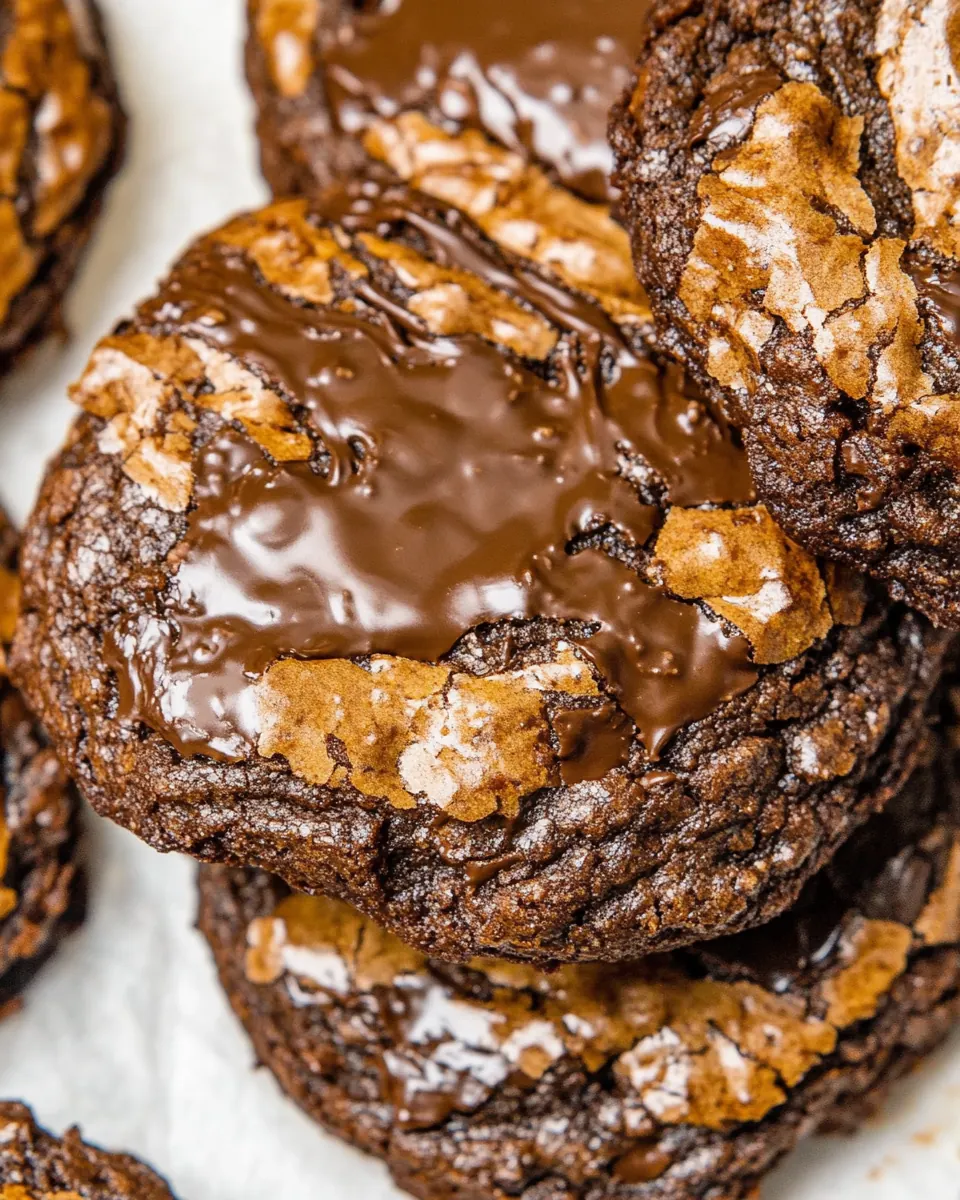
I like to share practical tips that save time and improve results. These pointers are drawn from repeated bakes and are focused on texture, timing, and cleanup so you can enjoy baking without stress.
- Keep ingredients at proper temperature: Bring eggs to room temperature before beating so they incorporate smoothly and produce a shiny, homogenous batter.
- Melt chocolate gently: Use a heatproof bowl over simmering water and stir slowly so the chopped semisweet chocolate and butter form a glossy emulsion rather than grainy bits.
- Do not overmix after flour: Once you add the sifted flour and baking powder, mix just until combined to avoid developing gluten and ending up with cakier cookies.
- Chill for structure: Freeze the batter for the recommended time so the cookies spread less and the centers stay fudgy, producing a pleasing crackle on top.
- Use parchment with guides: Line your sheets with parchment like Reynolds Kitchens SmartGrid to space cookies evenly and prevent sticking, which makes cleanup quick.
- Add mix ins at the end: Fold in milk chocolate chips after primary mixing so they remain whole and create melty pockets rather than dissolving into the dough.
- Watch for visual doneness: Look for cracked tops and dry edges rather than relying only on minutes, since ovens vary and the sensory cues are reliable.
Perfect Matches for Brownie Cookies
These cookies pair well with a variety of serving styles and occasions. Below are thoughtful ideas to present them, store them, and enjoy them across seasons and gatherings.
- Casual gatherings: Arrange a platter of Brownie Cookies on a board with small bowls of extra milk chocolate chips and crushed peppermint for guests to sprinkle, making dessert interactive and fun.
- Holiday parties: For festive events, serve the peppermint topped version alongside simple hot beverages, and label them as mint chocolate to guide guests; they work well on cookie exchanges because they are easy to stack and transport.
- Gifting: Pack cooled cookies in parchment lined boxes, layering them gently to avoid crushing, and include a note advising recipients to reheat briefly for a warm, gooey experience.
- Occasion flexibility: These cookies suit afternoon tea, post dinner treats, and study snacks; their portable size makes them ideal for lunchboxes or office sharing when you want a chocolaty pick me up.
- Storage tips: Store baked cookies in an airtight container at room temperature for up to three days, or freeze baked cookies for longer keep, thawing at room temperature. Alternatively, freeze scooped dough balls on a tray, then transfer to a sealed bag to bake fresh later.
- Seasonal touches: In winter, the peppermint version feels festive, while in other seasons you can keep them plain or simply stud them with milk chocolate chips to maintain universal appeal.
FAQ
Conclusion
These Brownie Cookies stand out for their intense chocolate flavor and perfectly fudgy centers, delivering brownie satisfaction in a handheld cookie form. Give them a try the next time you want an easy yet impressive dessert, and enjoy how simple steps yield dramatic results. Whether you keep them plain or top them with crushed peppermint for a holiday lift, they are a reliable, comforting treat that’s easy to share and difficult to resist.
Brownie Cookies
Equipment
- Reynolds Kitchens Parchment Paper with SmartGrid
- Kitchen Scale(optional)
- Stand mixer
- Baking Sheet
Ingredients
- 4 tablespoons salted butter 57 grams (1/2 stick) Melted provides rich fat and a glossy texture to the batter, helping create fudgy, chewy brownie cookies; also adds a subtle salty balance when using salted butter. Melt into the chocolate to form a smooth base and incorporate into the eggs and sugar for structure and flavor.
- 1 pound chopped semisweet chocolate 454 grams Chopped semisweet chocolate supplies deep chocolate intensity and body to the cookies, melting into a dense, fudgy matrix when combined with butter and eggs. Use quality chocolate for improved flavor and glossy crumb, and chop uniformly to ensure even melting during mixing.
- 4 large eggs 200 grams, room temperature Beaten eggs act as the primary binder and contribute structure, moisture, and a tender crumb to the brownie cookies when whisked into the melted chocolate and sugar. Room-temperature eggs emulsify more easily with fats, producing a smooth, cohesive batter that bakes evenly.
- 1 1/2 cups granulated sugar 300 grams Granulated sugar sweetens the dough while aiding in moisture retention and contributing to the cookies' tender, slightly crackled surface when creamed or dissolved into the warm chocolate. Amount influences chewiness and spread, so measure accurately to maintain the intended brownie-like texture.
- 1 teaspoon pure vanilla extract 4 grams Pure vanilla extract enhances and rounds out the chocolate flavor, adding aromatic complexity and depth without altering texture; use a quality extract for best results. Stir in near the end of mixing to preserve its volatile flavor compounds.
- 1/2 cup all-purpose flour 60 grams, sifted All-purpose flour provides structure and a slight lift to the brownie cookies, contributing gluten that balances the rich, fudgy interior to prevent excessive collapse. Sifted measurement ensures light incorporation and helps avoid lumps that could create dense spots.
- 1/2 teaspoon baking powder 2 grams Baking powder offers a gentle leavening lift that lightens the dense brownie batter slightly, creating tender cookie edges and a soft interior without turning them cakey. Use the stated amount to achieve subtle rise while preserving the characteristic fudgy texture.
- 12 ounces milk chocolate chips 340 grams Milk chocolate chips add pockets of sweet, creamy chocolate that contrast the deeper semisweet base, melting into gooey bites throughout the cookies. Fold in toward the end of mixing to preserve chip shape while allowing some melty streaks during baking.
- Crushed peppermint optional, for topping Crushed peppermint provides optional crisp, refreshing minty flavor and decorative crunch when sprinkled on top after baking, creating a festive contrast to rich chocolate. Apply lightly so it complements rather than overpowers the brownie cookie profile.
Instructions
- Place a heatproof bowl over a saucepan of simmering water. Add the butter and the chopped chocolate. Stir until smooth, about 5-10 minutes.: The moment the bowl warms, you will smell the rich aroma of melting chocolate mingled with warmed butter , a scent that signals the base is forming. Keep the water at a gentle simmer, not a rolling boil, because excessive steam can introduce condensation into the chocolate, making it seize. As the pieces soften, stir in slow, circular motions so the mixture becomes glossy and velvety, without lumps. You will see the texture change from grainy to shiny, and that sheen is a visual cue that the fat and cocoa solids have emulsified properly. If you notice tiny white streaks or grit, reduce heat and stir longer; overheating can break the emulsion and make the chocolate grainy. To avoid seizing, ensure no water splashes into the bowl and dry utensils thoroughly. The goal is a smooth, pourable ganache like consistency that will coat the back of a spoon, which also helps the baked cookie stay fudgy inside.
- In the bowl of a stand mixer fitted with the paddle attachment, beat the eggs with the sugar on medium speed, then beat in the vanilla. Scrape the sides if needed. Pour in the melted chocolate and beat until combined. Mix in the flour and baking powder. Turn off the mixer.: As you beat the eggs and granulated sugar , you will notice the mixture lighten slightly and become glossy, signaling that sugar has begun dissolving and air is being incorporated. The sound is a soft hum from the mixer rather than a roar, and the batter will have a ribbon like fall when lifted with the paddle. Add the vanilla and scrape the bowl to ensure even mixing, because any unmixed pockets can yield uneven texture. When the warm chocolate goes in, the batter will loosen and emit a warm, chocolatey steam; beating briefly ensures even distribution without cooking the eggs. Once you fold in the sifted flour and baking powder , the mixture will thicken and look dense and glossy. Avoid overmixing at this stage, which can develop gluten and make the cookies tougher. A common mistake here is adding the flour too fast; sprinkle it in and fold or mix just to combine, watching for any streaks of dry flour to disappear.
- Gently fold in the chocolate chips.: You will hear a soft scrape as a spatula moves through the dense batter, and visually, little pools of batter will cling to the chips. Fold carefully so the milk chocolate chips remain intact and do not melt into the batter, preserving those delightful pockets of melty chocolate after baking. Folding preserves air pockets and keeps the batter dense rather than homogenized. If you stir too vigorously, the chips can break down and the texture will be less contrasted. The right texture is a cohesive, slightly sticky dough dotted with whole chips.
- Pour the batter into a large bowl and cover. Freeze for 1 hour.: Chilling firms the dough so the cookies spread less and develop that signature cracked top with a fudgy center. The dough will cool and the butter will solidify, making it easier to scoop. You will notice the batter stiffen and become more scoopable, which visually indicates readiness. A common oversight is skipping the chill, which often results in thinner, flatter cookies with more cakey interiors. If you are short on time, fifteen minutes in the fridge will help, but the freeze step gives the best texture contrast. Covering the bowl prevents the dough from forming a skin and keeps fridge odors out.
- Preheat the oven to 350°F. Line a baking sheet with Reynolds Kitchens Parchment Paper with SmartGrid. Scoop 2 tablespoons of batter into a ball (doesn't have to be pretty) and place on the prepared baking sheets, about 2 inches apart.: As the oven warms to 350°F , you can prepare the tray. The parchment makes removal simple and the SmartGrid helps with even spacing, so the cookies bake uniformly. When you scoop, the chilled dough will hold shape, and you may notice slightly shiny spots where chips press through. Leave space because as they bake they will relax and spread a bit outward, developing a crackled surface. Overcrowding is a common mistake that leads to joined cookies, so respect spacing. If your balls are cold and firm, the outside will set quickly and the inside will stay gooey, which is exactly what you want.
- Bake for 10 minutes, or until the cookies crack on top and appear dry on the edges.: The oven will transform the batter, and you will start to see tiny fissures appear on the glossy tops as steam escapes. The edges should look set and slightly dry while the center remains shiny and soft. Listen for a subtle change in the oven sound, no vigorous sizzle, just the quiet hum and the occasional pop as pockets of air release. Removing the cookies too early can leave them unset, while baking too long makes them firm and loses the fudgy heart. A typical pitfall is relying solely on clock time; instead, watch for the visual cues: cracked tops and dry edges. The aroma will shift from warm chocolate to a deeper roasted note, signaling readiness.
- Let cool on the cookie sheet for 10 minutes, then transfer to a cooling rack to cool completely.: After removing them from the oven, you will notice the cookies are still soft and fragile, so the ten minute rest helps them finish setting while retaining the gooey center. The bottoms will continue to firm as residual heat redistributes, so resist the urge to move them immediately. When you transfer to a rack, you will see steam rise and feel slightly warm to the touch. A common error is trying to flip them too soon, which risks them falling apart. Patience here preserves the glossy interior and clean edges.
- If wanting to make the peppermint version, sprinkle cookies with crushed peppermint upon removing from the oven. Lightly and carefully press them into each cookie to adhere. Allow to cool as stated above.: The crushed peppermint releases a bright, cooling scent against the warm chocolate, creating a festive contrast. Sprinkle while the cookies are hot so the peppermint sticks but do not press so hard that you disturb the cracked top pattern. The texture contrast is delightful, a crisp mint crunch against a fudgy bite. One mistake is using very fine dusted peppermint which can bleed color into the cookie; larger flakes keep the visual appeal and provide texture. Letting the cookies cool with the peppermint in place ensures it sets into the surface slightly and adheres well.
Notes
- Keep ingredients at proper temperature: Bring eggs to room temperature before beating so they incorporate smoothly and produce a shiny, homogenous batter.
- Melt chocolate gently: Use a heatproof bowl over simmering water and stir slowly so the chopped semisweet chocolate and butter form a glossy emulsion rather than grainy bits.
- Do not overmix after flour: Once you add the sifted flour and baking powder, mix just until combined to avoid developing gluten and ending up with cakier cookies.
- Chill for structure: Freeze the batter for the recommended time so the cookies spread less and the centers stay fudgy, producing a pleasing crackle on top.
- Use parchment with guides: Line your sheets with parchment like Reynolds Kitchens SmartGrid to space cookies evenly and prevent sticking, which makes cleanup quick.
- Add mix ins at the end: Fold in milk chocolate chips after primary mixing so they remain whole and create melty pockets rather than dissolving into the dough.
- Watch for visual doneness: Look for cracked tops and dry edges rather than relying only on minutes, since ovens vary and the sensory cues are reliable.