Slow Cooker Tortellini Minestrone Soup
Slow Cooker Tortellini Minestrone Soup has been my go to when gray evenings and hungry friends collide. From the first spoonful I ever took, I loved how the tender tortellini folded into the broth and how the mix of vegetables gave the bowl personality and comfort, all without demanding a stove top circus. I remember the night I made it for a study group, arriving home from errands, shrugging off my coat, and knowing this bowl would do everything I wanted food to do, warm us, fill us, and remind us of home.
There is a small ritual to making Slow Cooker Tortellini Minestrone Soup that I treasure. I usually chop the onion, carrots, and celery while the slow cooker sits waiting, and I take a moment to grate a little parmesan cheese for the table. The scent of garlic and tomato paste blooming in a pan or the smell that develops in the slow cooker reminds me of family kitchens. Over the years I have learned how the subtle choices, like when to add the parmesan rind or whether to use fresh or dried tortellini, shift the final texture and flavor, and I like to share those tiny decisions with friends who ask.
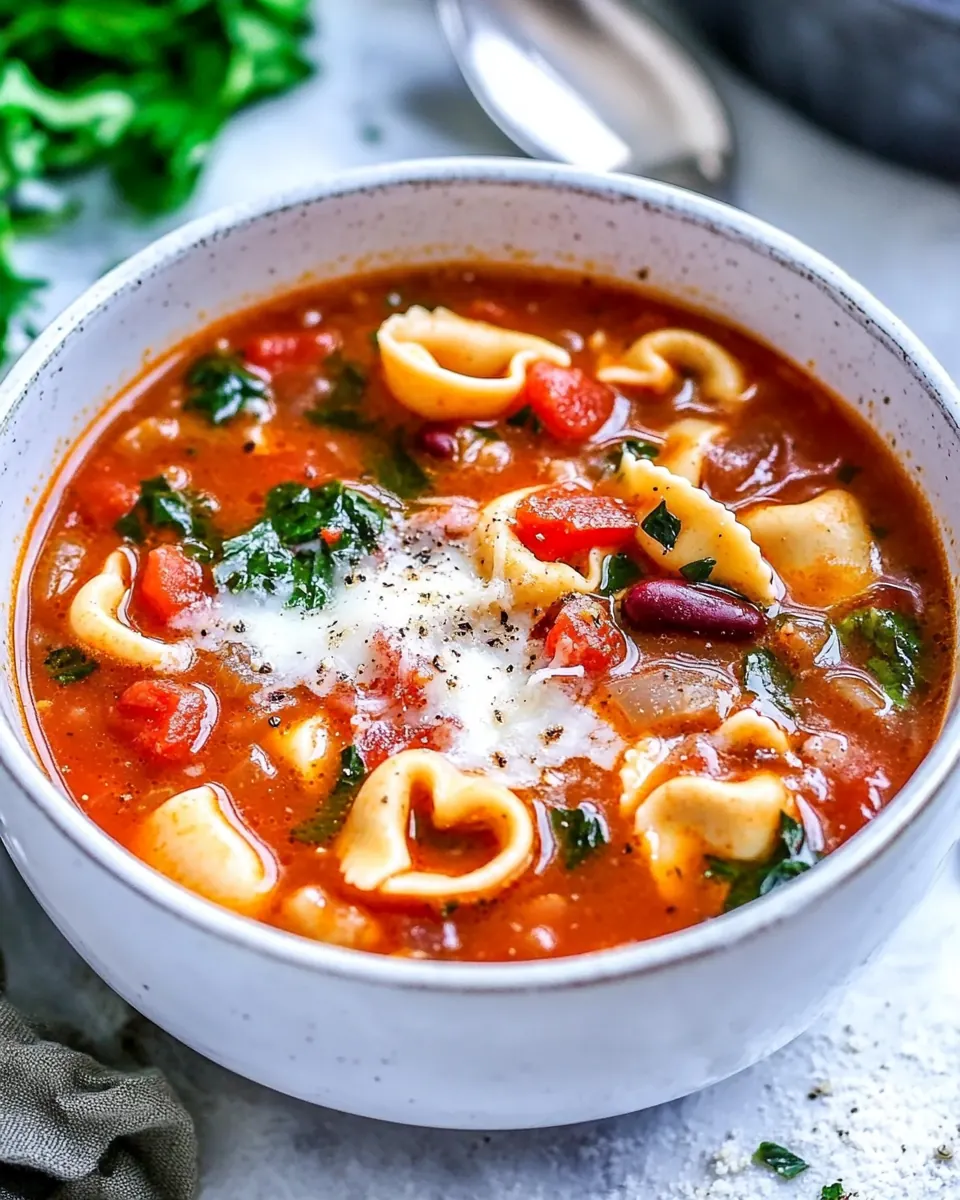
When I serve Slow Cooker Tortellini Minestrone Soup, I aim for bowls that look generous, with a scattering of parmesan cheese on top and a few flecks of chopped parsley. It’s a simple meal that makes weeknight dinners feel considered and weekend lunches feel indulgent. I find the soup hits a sweet spot between hearty and light, and guests always comment on how the beans and tortellini keep everyone satisfied without weighing them down. Over time, this recipe has become my dependable answer for chilly nights and casual gatherings.
Recipe Snapshot
4 hr 15 mins
15 mins
240 mins
Hard
300 kcal
Italian
Gluten-Free, Vegan
Soups
Slow Cooker, Large Saucepan
The Best Thing About This Slow Cooker Tortellini Minestrone Soup
Hearty Yet Light
I love how Slow Cooker Tortellini Minestrone Soup manages to be filling without feeling heavy. The combination of beans and tortellini delivers satisfying texture and protein, while the generous amount of vegetables keeps the broth bright. When I spoon a bowl, I still notice the delicate bite of the zucchini and the gentle wilt of the baby spinach, which balance richness beautifully.
Hands Off Convenience
One of the biggest draws for me is the ease. Start it, forget it, and come back to a home that smells like a thoughtful dinner was crafted all afternoon. Using a slow cooker removes the stress of constant attention, and that slow melding of flavors is what gives the soup its deep, homely taste. I often throw everything in, run errands, and return to a bubbling bowl of comfort.
Flexible and Forgiving
I appreciate how adaptable this recipe is. If you only have canned beans or a different squash, the soup will still shine. The option to use fresh or dried tortellini is especially helpful; fresh cooks faster and feels pillowy, while dried adds a firmer texture. I always feel creative freedom when making it, and that reduces meal time stress.
Layered Flavor from Simple Tricks
Small techniques yield big results here. The parmesan rind quietly enriches the broth, while a teaspoon of sugar offsets tomato acidity just so. I like to add the rind earlier for maximum depth, or later for a milder, fresher finish. These little moves are the reason the soup tastes more complex than the ingredient list suggests.
Community Friendly
This is a crowd pleaser. The recipe scales well, and it stores beautifully for leftovers. I’ve brought it to potlucks and served it to family, and the response is always the same, warm and grateful. It’s the kind of meal that invites conversation and second helpings.
Ingredient List for Slow Cooker Tortellini Minestrone Soup
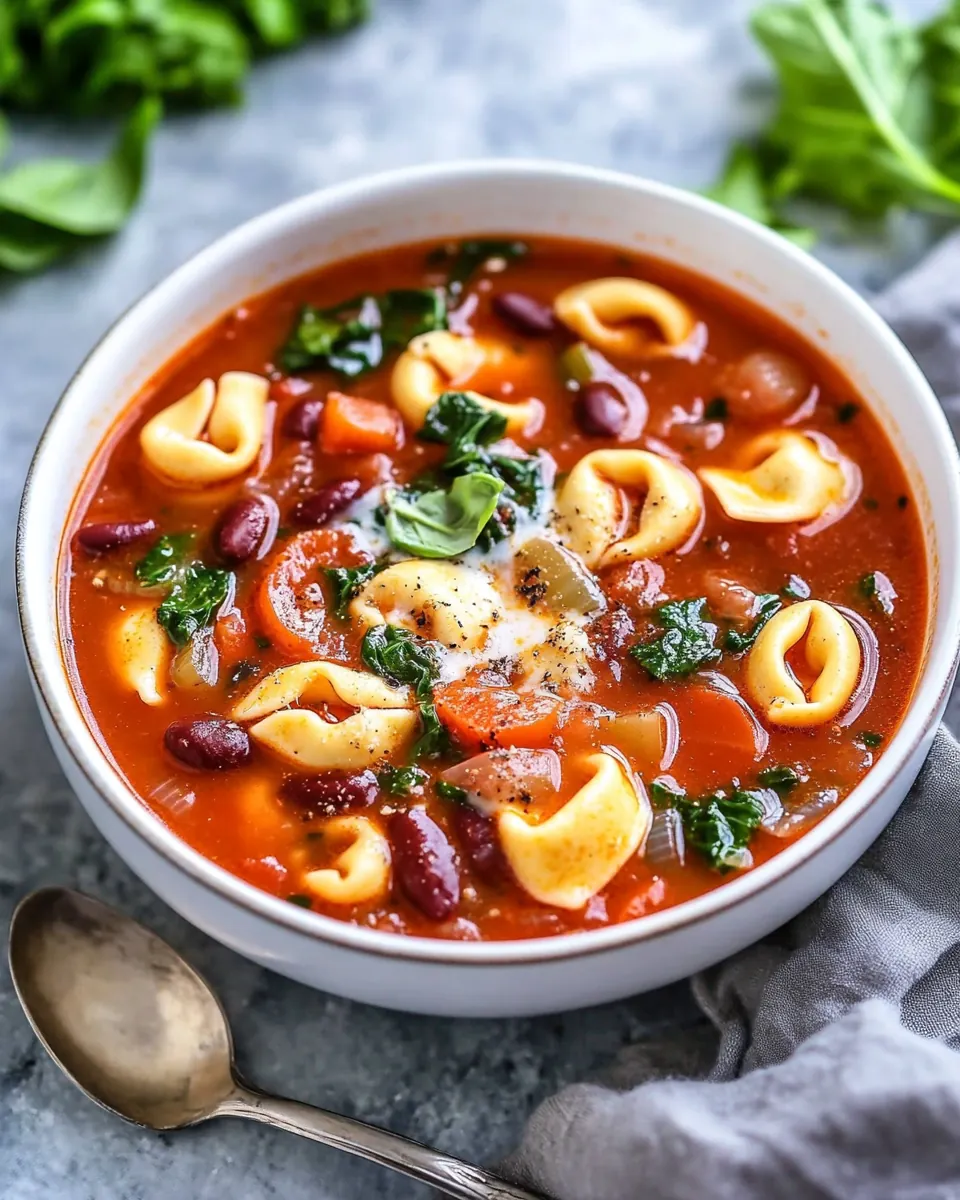
The philosophy behind these ingredients is simple, I build a broth that is both robust and balanced, then layer in textures that make every spoonful interesting. The tomatoes, tomato paste, and parmesan rind lend depth and umami, while the variety of vegetables provide sweetness, crunch, and body. Beans and tortellini create substance and make the soup a full meal rather than a starter.
- 1 white onion large, diced: Dice finely to provide a savory aromatic base and natural sweetness that mellows as it simmers, helping build the soup’s foundational flavor.
- 2 carrots large, diced: Dice into small pieces to add earthy sweetness and tender texture, contributing body and subtle natural sugars to balance the tomatoes.
- 1 celery stalk large, diced: Dice into small bits to offer crisp aromatic notes that soften and add vegetal depth, enhancing the classic mirepoix profile.
- 1 1/2 cups green beans fresh, cut into three pieces: Cut into three pieces to maintain pleasant bite and bright green color, adding fresh vegetal texture and slight snap throughout the soup.
- 2 cups pumpkin or butternut squash, diced, – swap for potatoes if desired (optional): Dice into uniform pieces to contribute creamy, starchy body and a hint of sweetness; can be swapped for potatoes for a different texture if desired.
- 6 cloves garlic chopped OR minced: Chop or mince finely to release pungent, savory aromatics that deepen the overall savory profile and complement the tomatoes and herbs.
- 1/4 cup tomato paste: Spoon in concentrated tomato flavor to intensify umami, thicken the broth slightly, and anchor the tomato base with rich depth.
- 32 ounces crushed fire roasted tomatoes diced: Pour in crushed fire–roasted tomatoes to add robust tomato flavor and smoky notes, providing a textured, slightly charred dimension to the broth.
- 6 cups low sodium vegetable stock or broth: Pour low sodium stock to create a savory liquid base while allowing better control of overall salt, supporting the vegetables and herbs.
- 1 pinch salt to taste: Pinch to season lightly and adjust to taste, drawing out flavors and balancing acidity without overpowering the other components.
- 1 pinch pepper to taste: Pinch to add mild heat and depth, helping to balance sweetness and acidity while enhancing overall flavor complexity.
- 2 tablespoons Italian dried herbs: Sprinkle Italian dried herbs to contribute a Mediterranean blend of oregano, thyme, and rosemary notes, reinforcing the soup’s classic herbaceous character.
- 1 teaspoon dried basil: Add dried basil to contribute sweet, peppery, and slightly minty herbal notes that complement the tomato base and Italian seasoning.
- 2 teaspoons crushed bouillon cube or stock powder: Stir in crushed bouillon or stock powder to amplify savory umami and deepen the broth’s meaty richness without additional liquid.
- 3 tablespoons fresh parsley chopped: Chop fresh parsley to add bright, herbaceous freshness and a mild peppery finish when stirred in near the end of cooking.
- 1 teaspoon sugar – offsets the acidity from the tomatoes (optional): Add sugar sparingly to offset tomato acidity and round out flavors, promoting a smoother, more balanced tomato profile.
- 2 bay leaves: Tuck in bay leaves to infuse subtle floral and slightly herbal notes during simmering, adding background complexity to the broth.
- 1 parmesan rind: Include a parmesan rind to slowly release savory, nutty, and umami-rich flavors while simmering, enriching the soup’s cheese character.
- 2 large zucchini diced: Dice zucchini to provide tender, mild vegetal chunks that absorb broth flavors and add lightness and moisture to the soup.
- 15 oz white navy beans, cannellini beans drained and rinsed: Drain and rinse navy beans to add creamy texture, plant-protein richness, and a mild nutty flavor that complements the vegetable base.
- 15 oz red kidney beans drained and rinsed: Drain and rinse kidney beans to contribute hearty texture, protein, and color contrast while enhancing the soup’s filling nature.
- 12 oz three cheese tortellini fresh or dried: Add tortellini fresh or dried to introduce tender, pasta-filled pockets that bring comforting richness and make the soup more substantial.
- 2 cups baby spinach loosely packed: Loosely pack baby spinach to wilt into the hot soup, providing vibrant color, gentle leafy texture, and additional nutrients at the end.
- parmesan cheese shredded, for serving, or Romano: Shred for serving to offer a salty, nutty finish that diners can sprinkle on top for extra umami and a pleasant textural contrast.
Making Slow Cooker Tortellini Minestrone Soup
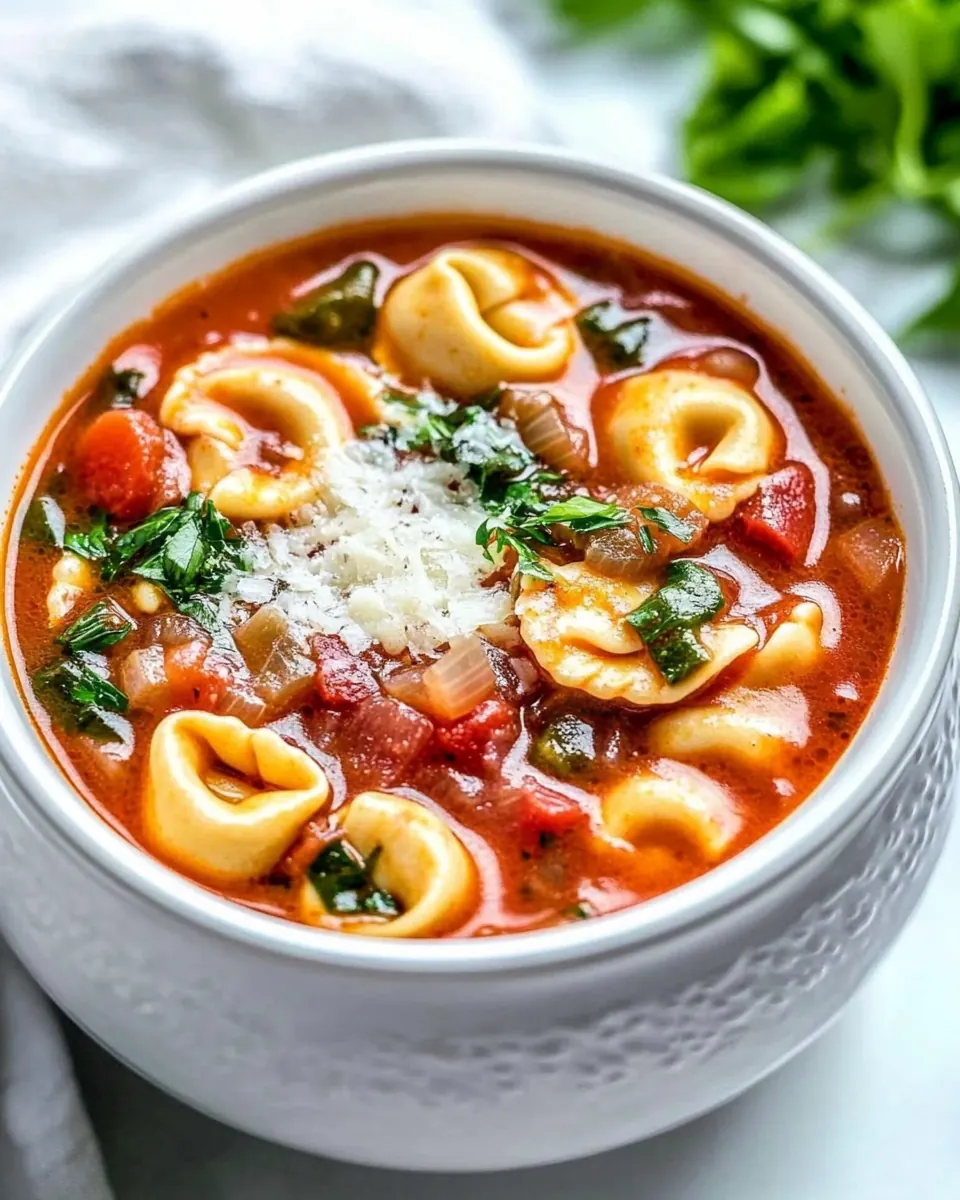
I like to approach the cooking by thinking in layers, building a flavorful base before letting the slow cooker weave it all together. The directions below give both the slow cooker path and an alternative pot method, and I’ll guide you through sensory cues and common pitfalls so you can trust your instincts as you go. This process invites patience and a few small choices that shape the final bowl.
- To a 6 qt (or litre) slow cooker bowl, add the onions, carrots, celery, green beans, butternut squash (or potatoes), garlic, tomato paste, tomatoes, broth (or stock), salt, pepper, Italian herbs, basil, parsley, stock powder, parsley, sugar (if using), and mix well to combine. Add in the bay leaves, cover and cook on low heat 6-8 hours or high 3-4 hours.: The aroma at this stage should be vegetal and bright, with the sharp tomato and tomato paste giving an upfront tang that will mellow as it simmers; you may hear occasional soft bubbling as the cooker warms. I find that stirring until the tomato paste is evenly distributed avoids sticky concentrated pockets of paste later. Tip, make sure your onion and carrots are diced uniformly so heat penetrates evenly, otherwise you might bite into an undercooked chunk. A common mistake is adding too much salt early when the broth reduces, so keep salt light and adjust at the end.
- Once cooked, add in the parmesan rind*, zucchini, white beans, red beans, and tortellini.: As the soup cooks, the scent will change from raw vegetables to a richer, more cohesive aroma, almost stewy, and you’ll notice the liquid mellowing and taking on a deeper red color. The long, gentle heat encourages collagen like flavors from the parmesan rind and lets dried herbs unfold slowly, giving a layered, rounded broth. Avoid lifting the lid frequently because each peek drops temperature and prolongs cooking; if you do open it, stir gently so the heat redistributes evenly.
- Cook on high heat for an additional 25-30 minutes (for dried tortellini) or 10-15 minutes (for fresh tortellini) until pasta is tender and cooked through.: After the long cook the broth will smell savory and well married, and adding these last items injects fresh texture and finishing flavors; the parmesan rind continues to infuse rich umami while the zucchini will begin to soften and the beans will warm through. When stirring them in, you should see a shift in texture as the tortellini nestles among the vegetables, and steam will rise with a welcoming cheesy scent. Be careful not to crowd the pot if the cooker is nearly full, as this can alter cooking efficiency.
- Stir in the spinach, cover and allow to wilt in the heat for an additional 5 minutes. Add in 1-2 cups of extra water (or broth) if the soup is too thick for your liking.: During this phase the soup gives off a comforting, bready aroma from the tortellini , and you should watch for the pasta to move from firm to tender; fresh tortellini will plump and feel pillowy, while dried will soften more slowly. Stir once or twice to prevent any tortellini from sticking together and to check texture. A common misstep is overcooking the pasta, which leads to a mushy mouthfeel and cloudy broth, so check early and taste for doneness.
- Serve warm topped with parmesan (or Romano) cheese.: The baby spinach will collapse quickly into delicate ribbons and release a fresh green scent that brightens the broth; give it just a few minutes so it keeps color and tenderness. If the soup has thickened with starch from the tortellini or beans, adding warm water or broth loosens the consistency and restores a spoonable soup texture. Avoid pouring cold water directly into the pot as it can shock the temperature and extend finishing time.
- Heat 2 tablespoons of oil in a large saucepan or soup pot over medium-high heat. Add the onion, carrots and celery; sauté until onion is transparent.: At the table, the final grating of parmesan cheese brings a salty, savory finish and a pleasant mouth coating that makes each spoonful feel complete; the cheese will melt into little ribbons and create tiny, glossy islands on the surface. I like to offer extra for guests to personalize. Watch for overly salty stocks or cheeses, if the bowl tastes too salty, dilute slightly with warm water and adjust with fresh herbs rather than more cheese.
- Add in the green beans and garlic, and cook until the garlic is fragrant (a further 30 seconds). Pour in the broth (stock), tomatoes and tomato paste.: If you choose the stovetop start, the sizzle as the chopped aromatics hit the oil is the moment the kitchen starts to smell like dinner; the softened onion should go translucent and sweet, not brown. This step develops a gentle caramel background that the slow cooker method mimics over time. A key tip is to keep the heat moderate so the vegetables soften without browning too quickly, as burnt bits will make the broth bitter.
- Add the dried herbs and parsley, bay leaves, stock powder, sugar, parmesan rind, and season with salt and pepper to your tastes. Bring to a boil, cover with lid and reduce heat to low-medium.: The brief cooking of garlic and green beans sparks an aromatic lift, and when you add the liquids you will hear a steady simmer begin; the tomato paste should be well incorporated into the broth for an even flavor. The sound will change to a steady, gentle simmer rather than aggressive bubbling. Be careful not to brown the garlic beyond fragrant, burnt garlic is unpleasantly bitter.
- Gently simmer while stirring occasionally for 20 minutes. Add in all of the beans, zucchini and tortellini. Cover again and simmer for a further 25 minutes, or until pasta is tender. Add the spinach and allow to wilt through the heat of the pot.: As the pot comes to a boil the broth becomes aromatic and rounded, the herbs releasing their oils and the parmesan rind beginning to impart savory richness. Reducing to a gentle simmer allows flavors to meld without evaporating too rapidly. Watch the pot to maintain a gentle simmer, not a rolling boil, to prevent excessive reduction and to keep the vegetables tender.
- Serve warm topped with parmesan (or Romano) cheese.: During the simmer you will notice the broth thicken slightly and the aromas deepen; stirring occasionally keeps ingredients suspended and ensures the tortellini cooks evenly. The finished pasta should be tender but intact; stirring prevents clumping and checks texture. Avoid heavy stirring which can break delicate tortellini shells.
- Add the spinach and allow to wilt through the heat of the pot: Final greens will turn the soup visually vibrant and add a fresh vegetal note; the quick wilting prevents overcooking and preserves color. Gently fold the leaves so they wilt evenly. A mistake I see is leaving the spinach in too long which results in a muted, brownish green and a loss of textural contrast.
- Serve warm topped with parmesan (or Romano) cheese: Present the bowls steaming and fragrant, with a scattering of shredded parmesan cheese or Romano for finishing salt and texture; the melted cheese enhances mouthfeel and gives a comforting, familiar finish. I recommend serving immediately, as the pasta will continue to absorb liquid and soften over time. For leftovers, keep pasta slightly undercooked on purpose if you plan to reheat, to prevent mushy results.
Tips and Tricks about Slow Cooker Tortellini Minestrone Soup
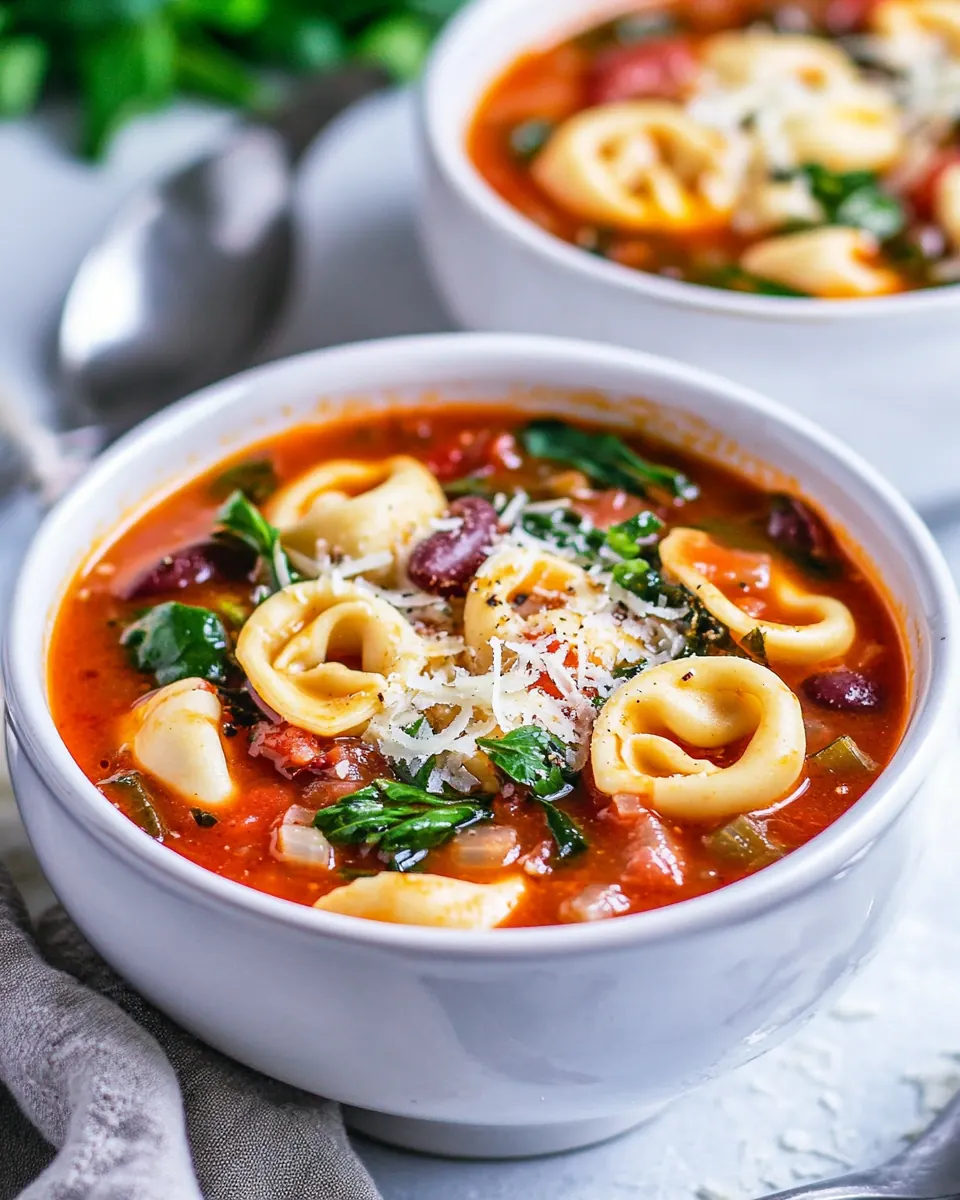
I like sharing tips that make this soup foolproof and flavorful without extra fuss. The list below expands on small choices that change texture, seasoning, and cooking rhythm so you get reliably great results every time.
- Start with low sodium stock so you can adjust salt at the end and avoid an overly salty finished soup.
- Bloom the tomato paste briefly in a hot pan when possible to deepen its flavor before adding to the slow cooker or pot.
- Add the parmesan rind early or late depending on whether you want deep, long cooked umami or a fresher, milder cheese note.
- Choose fresh tortellini for a delicate, pillowy texture and dried for a firmer bite that stands up to reheating.
- Rinse canned beans well to remove canning liquid which can taste metallic and add excess sodium.
- Reserve extra hot liquid to loosen the soup at the end rather than adding cold water which cools and extends finishing time.
What to Serve With Slow Cooker Tortellini Minestrone Soup
This soup is versatile and suits many occasions, from a casual weeknight to a cozy winter gathering. Below I outline pairing ideas, serving styles, storage guidance, and seasonal thoughts so you can present the meal with confidence and ease.
- Crusty bread or garlic toast for dipping and soaking up the broth, ideal for casual dinners and comforting lunches.
- Simple green salad with lemon vinaigrette for a fresh contrast, perfect when you want something light alongside the soup.
- Pickled vegetables to cut through the richness, great for potluck style meals or when serving multiple dishes.
- Extra grated parmesan on the side so guests can season each bowl to taste, useful for gatherings and family meals.
- Serve bowls hot for best texture, especially if you used fresh tortellini, and if planning leftovers, slightly undercook the pasta to prevent mushiness after reheating.
- Storage tips keep soup refrigerated for up to three to four days; when reheating, add a splash of stock or water to restore consistency and heat gently to avoid breaking down the tortellini.
- Occasions this soup fits winter dinners, friendly potlucks, and Ramadan if you need a nourishing evening meal that warms and comforts after fasting.
- Seasonal pairing in winter, serve with roasted root vegetables or a warm grain salad; in spring, pair with a crisp, herby salad for brightness.
- Batch cooking make a large pot for meal prep, but store pasta separately if you want to retain texture for reheating later.
FAQ
Conclusion
Slow Cooker Tortellini Minestrone Soup is special because it balances hearty beans and pasta with bright vegetables and deep, slow cooked broth. The recipe is forgiving and adaptable, making it ideal for weeknight dinners, batch cooking, or feeding a crowd. I encourage you to try it the next time you want a warm, comforting bowl that feels thoughtful without a lot of fuss. Once you taste how the parmesan rind and slow melding of flavors work together, it will likely become a regular in your rotation.

Slow Cooker Tortellini Minestrone Soup
Equipment
- Slow Cooker
- Large saucepan
Ingredients
- 1 white onion large, diced Dice finely to provide a savory aromatic base and natural sweetness that mellows as it simmers, helping build the soup’s foundational flavor.
- 2 carrots large, diced Dice into small pieces to add earthy sweetness and tender texture, contributing body and subtle natural sugars to balance the tomatoes.
- 1 celery stalk large, diced Dice into small bits to offer crisp aromatic notes that soften and add vegetal depth, enhancing the classic mirepoix profile.
- 1 1/2 cups green beans fresh, cut into three pieces Cut into three pieces to maintain pleasant bite and bright green color, adding fresh vegetal texture and slight snap throughout the soup.
- 2 cups pumpkin or butternut squash, diced, optional – swap for potatoes if desired Dice into uniform pieces to contribute creamy, starchy body and a hint of sweetness; can be swapped for potatoes for a different texture if desired.
- 6 cloves garlic chopped OR minced Chop or mince finely to release pungent, savory aromatics that deepen the overall savory profile and complement the tomatoes and herbs.
- 1/4 cup tomato paste Spoon in concentrated tomato flavor to intensify umami, thicken the broth slightly, and anchor the tomato base with rich depth.
- 32 ounces crushed fire roasted tomatoes diced Pour in crushed fire-roasted tomatoes to add robust tomato flavor and smoky notes, providing a textured, slightly charred dimension to the broth.
- 6 cups low sodium vegetable stock or broth Pour low sodium stock to create a savory liquid base while allowing better control of overall salt, supporting the vegetables and herbs.
- 1 pinch salt to taste Pinch to season lightly and adjust to taste, drawing out flavors and balancing acidity without overpowering the other components.
- 1 pinch pepper to taste Pinch to add mild heat and depth, helping to balance sweetness and acidity while enhancing overall flavor complexity.
- 2 tablespoons Italian dried herbs Sprinkle Italian dried herbs to contribute a Mediterranean blend of oregano, thyme, and rosemary notes, reinforcing the soup’s classic herbaceous character.
- 1 teaspoon dried basil Add dried basil to contribute sweet, peppery, and slightly minty herbal notes that complement the tomato base and Italian seasoning.
- 2 teaspoons crushed bouillon cube or stock powder Stir in crushed bouillon or stock powder to amplify savory umami and deepen the broth’s meaty richness without additional liquid.
- 3 tablespoons fresh parsley chopped Chop fresh parsley to add bright, herbaceous freshness and a mild peppery finish when stirred in near the end of cooking.
- 1 teaspoon sugar optional – offsets the acidity from the tomatoes Add sugar sparingly to offset tomato acidity and round out flavors, promoting a smoother, more balanced tomato profile.
- 2 bay leaves Tuck in bay leaves to infuse subtle floral and slightly herbal notes during simmering, adding background complexity to the broth.
- 1 parmesan rind Include a parmesan rind to slowly release savory, nutty, and umami-rich flavors while simmering, enriching the soup’s cheese character.
- 2 large zucchini diced Dice zucchini to provide tender, mild vegetal chunks that absorb broth flavors and add lightness and moisture to the soup.
- 15 oz white navy beans, cannellini beans drained and rinsed Drain and rinse navy beans to add creamy texture, plant-protein richness, and a mild nutty flavor that complements the vegetable base.
- 15 oz red kidney beans drained and rinsed Drain and rinse kidney beans to contribute hearty texture, protein, and color contrast while enhancing the soup’s filling nature.
- 12 oz three cheese tortellini fresh or dried Add tortellini fresh or dried to introduce tender, pasta-filled pockets that bring comforting richness and make the soup more substantial.
- 2 cups baby spinach loosely packed Loosely pack baby spinach to wilt into the hot soup, providing vibrant color, gentle leafy texture, and additional nutrients at the end.
- parmesan cheese shredded, for serving, or Romano Shred for serving to offer a salty, nutty finish that diners can sprinkle on top for extra umami and a pleasant textural contrast.
Instructions
- To a 6 qt (or litre) slow cooker bowl, add the onions, carrots, celery, green beans, butternut squash (or potatoes), garlic, tomato paste, tomatoes, broth (or stock), salt, pepper, Italian herbs, basil, parsley, stock powder, parsley, sugar (if using), and mix well to combine. Add in the bay leaves, cover and cook on low heat 6-8 hours or high 3-4 hours.: The aroma at this stage should be vegetal and bright, with the sharp tomato and tomato paste giving an upfront tang that will mellow as it simmers; you may hear occasional soft bubbling as the cooker warms. I find that stirring until the tomato paste is evenly distributed avoids sticky concentrated pockets of paste later. Tip, make sure your onion and carrots are diced uniformly so heat penetrates evenly, otherwise you might bite into an undercooked chunk. A common mistake is adding too much salt early when the broth reduces, so keep salt light and adjust at the end.
- Once cooked, add in the parmesan rind*, zucchini, white beans, red beans, and tortellini.: As the soup cooks, the scent will change from raw vegetables to a richer, more cohesive aroma, almost stewy, and you’ll notice the liquid mellowing and taking on a deeper red color. The long, gentle heat encourages collagen like flavors from the parmesan rind and lets dried herbs unfold slowly, giving a layered, rounded broth. Avoid lifting the lid frequently because each peek drops temperature and prolongs cooking; if you do open it, stir gently so the heat redistributes evenly.
- Cook on high heat for an additional 25-30 minutes (for dried tortellini) or 10-15 minutes (for fresh tortellini) until pasta is tender and cooked through.: After the long cook the broth will smell savory and well married, and adding these last items injects fresh texture and finishing flavors; the parmesan rind continues to infuse rich umami while the zucchini will begin to soften and the beans will warm through. When stirring them in, you should see a shift in texture as the tortellini nestles among the vegetables, and steam will rise with a welcoming cheesy scent. Be careful not to crowd the pot if the cooker is nearly full, as this can alter cooking efficiency.
- Stir in the spinach, cover and allow to wilt in the heat for an additional 5 minutes. Add in 1-2 cups of extra water (or broth) if the soup is too thick for your liking.: During this phase the soup gives off a comforting, bready aroma from the tortellini , and you should watch for the pasta to move from firm to tender; fresh tortellini will plump and feel pillowy, while dried will soften more slowly. Stir once or twice to prevent any tortellini from sticking together and to check texture. A common misstep is overcooking the pasta, which leads to a mushy mouthfeel and cloudy broth, so check early and taste for doneness.
- Serve warm topped with parmesan (or Romano) cheese.: The baby spinach will collapse quickly into delicate ribbons and release a fresh green scent that brightens the broth; give it just a few minutes so it keeps color and tenderness. If the soup has thickened with starch from the tortellini or beans, adding warm water or broth loosens the consistency and restores a spoonable soup texture. Avoid pouring cold water directly into the pot as it can shock the temperature and extend finishing time.
- Heat 2 tablespoons of oil in a large saucepan or soup pot over medium-high heat. Add the onion, carrots and celery; sauté until onion is transparent.: At the table, the final grating of parmesan cheese brings a salty, savory finish and a pleasant mouth coating that makes each spoonful feel complete; the cheese will melt into little ribbons and create tiny, glossy islands on the surface. I like to offer extra for guests to personalize. Watch for overly salty stocks or cheeses, if the bowl tastes too salty, dilute slightly with warm water and adjust with fresh herbs rather than more cheese.
- Add in the green beans and garlic, and cook until the garlic is fragrant (a further 30 seconds). Pour in the broth (stock), tomatoes and tomato paste.: If you choose the stovetop start, the sizzle as the chopped aromatics hit the oil is the moment the kitchen starts to smell like dinner; the softened onion should go translucent and sweet, not brown. This step develops a gentle caramel background that the slow cooker method mimics over time. A key tip is to keep the heat moderate so the vegetables soften without browning too quickly, as burnt bits will make the broth bitter.
- Add the dried herbs and parsley, bay leaves, stock powder, sugar, parmesan rind, and season with salt and pepper to your tastes. Bring to a boil, cover with lid and reduce heat to low-medium.: The brief cooking of garlic and green beans sparks an aromatic lift, and when you add the liquids you will hear a steady simmer begin; the tomato paste should be well incorporated into the broth for an even flavor. The sound will change to a steady, gentle simmer rather than aggressive bubbling. Be careful not to brown the garlic beyond fragrant, burnt garlic is unpleasantly bitter.
- Gently simmer while stirring occasionally for 20 minutes. Add in all of the beans, zucchini and tortellini. Cover again and simmer for a further 25 minutes, or until pasta is tender. Add the spinach and allow to wilt through the heat of the pot.: As the pot comes to a boil the broth becomes aromatic and rounded, the herbs releasing their oils and the parmesan rind beginning to impart savory richness. Reducing to a gentle simmer allows flavors to meld without evaporating too rapidly. Watch the pot to maintain a gentle simmer, not a rolling boil, to prevent excessive reduction and to keep the vegetables tender.
- Serve warm topped with parmesan (or Romano) cheese.: During the simmer you will notice the broth thicken slightly and the aromas deepen; stirring occasionally keeps ingredients suspended and ensures the tortellini cooks evenly. The finished pasta should be tender but intact; stirring prevents clumping and checks texture. Avoid heavy stirring which can break delicate tortellini shells.
- Add the spinach and allow to wilt through the heat of the pot: Final greens will turn the soup visually vibrant and add a fresh vegetal note; the quick wilting prevents overcooking and preserves color. Gently fold the leaves so they wilt evenly. A mistake I see is leaving the spinach in too long which results in a muted, brownish green and a loss of textural contrast.
- Serve warm topped with parmesan (or Romano) cheese: Present the bowls steaming and fragrant, with a scattering of shredded parmesan cheese or Romano for finishing salt and texture; the melted cheese enhances mouthfeel and gives a comforting, familiar finish. I recommend serving immediately, as the pasta will continue to absorb liquid and soften over time. For leftovers, keep pasta slightly undercooked on purpose if you plan to reheat, to prevent mushy results.
Notes
- Start with low sodium stock so you can adjust salt at the end and avoid an overly salty finished soup.
- Bloom the tomato paste briefly in a hot pan when possible to deepen its flavor before adding to the slow cooker or pot.
- Add the parmesan rind early or late depending on whether you want deep, long cooked umami or a fresher, milder cheese note.
- Choose fresh tortellini for a delicate, pillowy texture and dried for a firmer bite that stands up to reheating.
- Rinse canned beans well to remove canning liquid which can taste metallic and add excess sodium.
- Reserve extra hot liquid to loosen the soup at the end rather than adding cold water which cools and extends finishing time.