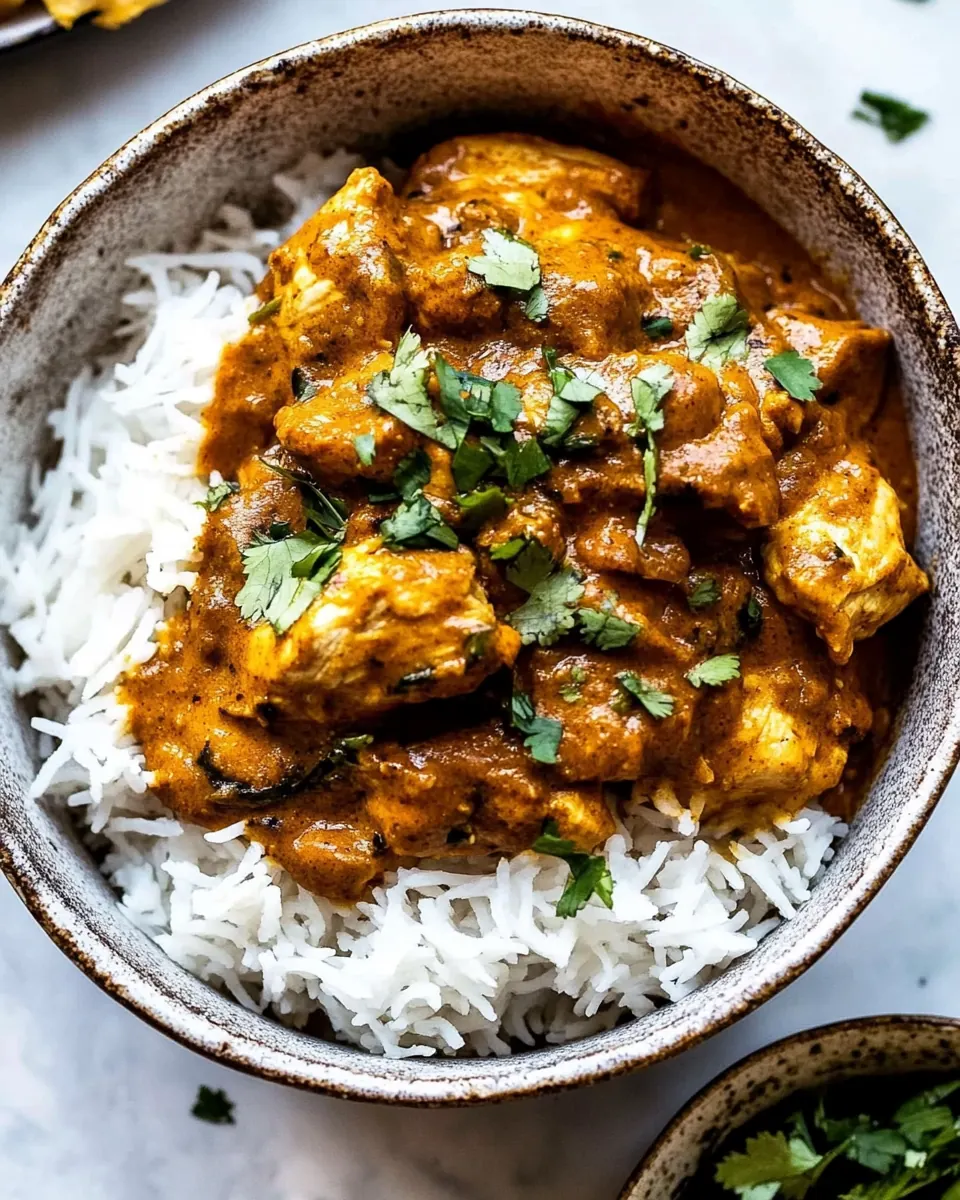
Crockpot Creamy Coconut Chicken Tikka Masala
Crockpot Creamy Coconut Chicken Tikka Masala is the weeknight recipe I reach for when I want comfort food that still feels special. I remember the first time I made it on a rainy evening, the house filling with the warm scent of garam masala and turmeric, and how my partner peeked into the kitchen asking if dinner was ready yet. That slow, savory aroma promised something rich, and it delivered on the first spoonful, silky and bright all at once.
Over the years I learned small tricks to make this version reliably creamy and packed with flavor. I like using a mix of chicken cuts for texture, and stirring in full-fat unsweetened coconut milk at the end so the sauce stays velvety instead of splitting. My approach keeps the prep short, and the crockpot does the heavy lifting while I get on with my evening.
Recipe Snapshot
5 hr 30 mins
15 mins
315 mins
Hard
450 kcal
Indian
Keto, Gluten-Free
Dinner
Crockpot, Small skillet
Why You Need This Crockpot Creamy Coconut Chicken Tikka Masala
Slow cooked depth of flavor
I love how the crockpot gives chicken time to absorb the spices, creating a deep, layered profile. The long, gentle heat breaks down connective tissue so the meat becomes tender, and the tomato paste sweetens and concentrates while the aromatics mellow. I often taste along the way, adjusting salt so each bite hits the right balance.
Luxury from simple ingredients
This recipe turns pantry staples into something luxurious. With coconut milk, butter, and a handful of spice jar players like garam masala, you get a sauce that feels indulgent but is actually effortless. I appreciate that you do not need exotic items to impress at the table.
Hands off, but fully flexible
I value recipes that let me be present with guests while still delivering great results. Once the crockpot is set, you can run errands, prep a salad, or relax. If I’m pressed for time, I will use the high setting, and if I want more merging of flavors, I let it go low and slow.
Texture and contrast
The final stovetop step where you brown butter with sesame seeds and spices adds a toasty note that brightens the sauce. I find that layer of texture and nutty aroma makes every serving more interesting, and guests always comment on the toasted butter aroma.
Everyday friendly
I often make a double batch because the flavors deepen overnight. It reheats beautifully, and it is a trusted recipe for weeknight dinners, casual gatherings, or when I want something cozy on a chilly evening. It strikes a rare balance, tasting restaurant worthy while staying home cook friendly.
Recipe Ingredients for Crockpot Creamy Coconut Chicken Tikka Masala
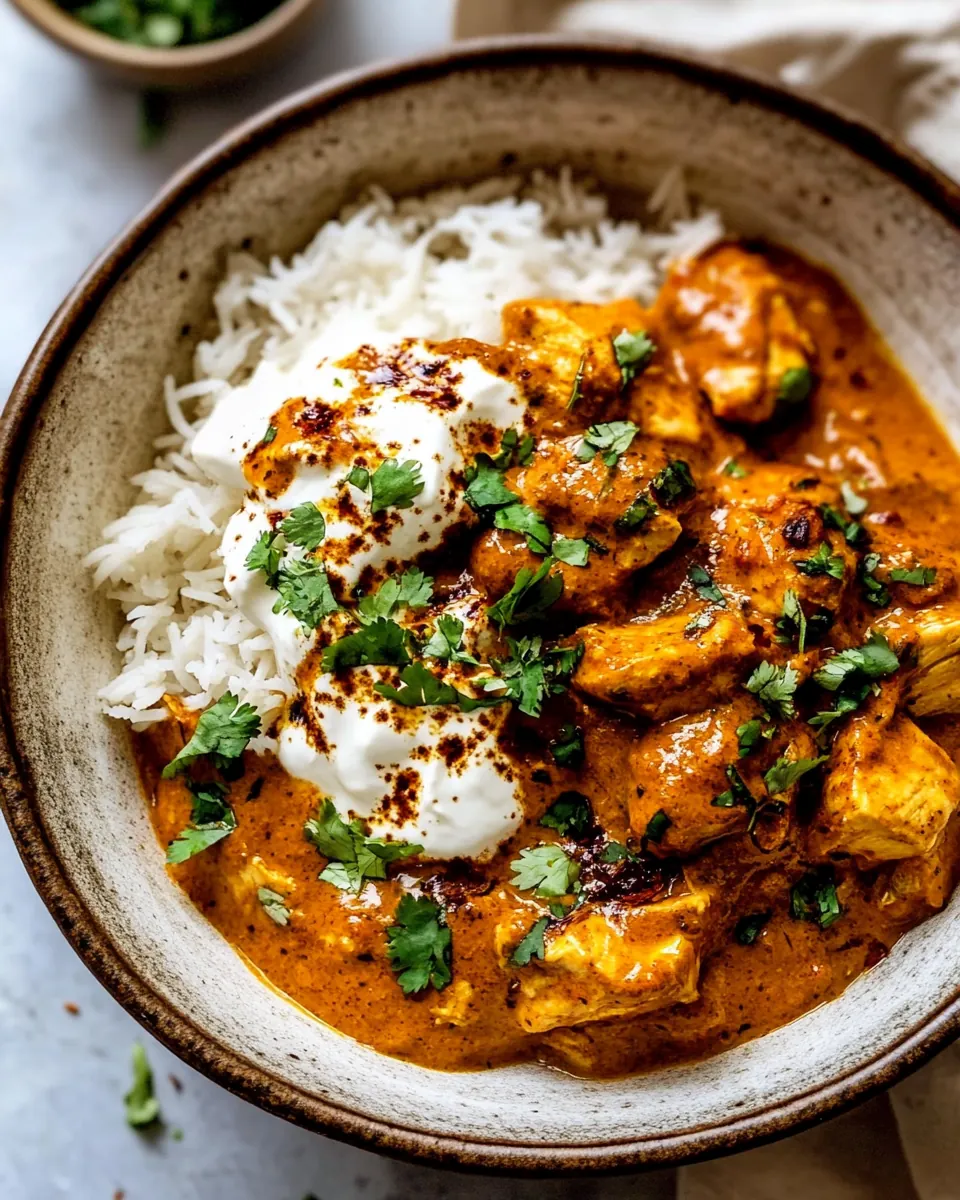
These ingredients are chosen for harmony and depth. The recipe relies on warm spices to build character, creamy elements to balance acidity, and aromatics to provide brightness. Each ingredient plays a clear role: the protein for substance, the spices for personality, and the coconut and butter for luxurious mouthfeel.
- 2 pounds boneless skinless chicken breasts or thighs, cubed: Provide cubed chicken as the primary protein that soaks up the creamy spiced sauce, becoming tender during slow cooking over several hours.
- 1 yellow onion, chopped: Add chopped yellow onion to build a sweet and savory base, caramelizing slightly to deepen the overall flavor profile in the crockpot.
- 1 shallot, chopped: Include chopped shallot to contribute a milder, slightly sweet onion note that layers gently with the yellow onion for complexity.
- 2 cloves garlic, chopped: Fold in chopped garlic to deliver pungent aromatic depth and savory umami that infuses the sauce throughout the long simmer.
- 1 tablespoon fresh grated ginger: Grate fresh ginger to introduce bright, zesty warmth and a subtle peppery bite that complements the garam masala and turmeric.
- 2 tablespoons garam masala: Sprinkle garam masala to provide a complex blend of warming spices that defines the classic tikka masala flavor in the dish.
- 1 1/2 teaspoons ground turmeric: Stir in ground turmeric to lend an earthy, slightly bitter warmth and a vibrant golden color to the sauce.
- kosher salt: Season with kosher salt to enhance and balance all flavors, adjusting to taste as it helps bring out the aromatics and spices.
- 1/4 cup full-fat plain Greek yogurt: Whisk in full-fat plain Greek yogurt to add tangy creaminess and help tenderize the chicken while contributing body to the sauce.
- 1 can (6 ounces) tomato paste: Blend in tomato paste to concentrate tomato flavor, add acidity and richness, and help thicken the sauce for a robust base.
- 1 can (14 ounces) full-fat unsweetened coconut milk: Pour full-fat unsweetened coconut milk to create a silky, creamy coconut profile that mellows spices and enriches the curry.
- 1/3 cup cilantro, chopped: Fold chopped cilantro to finish with fresh herbaceous brightness and a clean contrast to the rich, spiced sauce.
- 6 tablespoons salted butter: Add salted butter to enrich the sauce with a glossy finish and smooth mouthfeel while reinforcing savory notes.
- 2 tablespoons sesame seeds: Sprinkle sesame seeds to introduce a subtle nutty crunch and delicate toasty aroma when toasted or warmed in the sauce.
- 1 2 teaspoons chili flakes: Pinch chili flakes to control heat level, delivering concentrated spicy heat that can be adjusted between mild and fiery.
- 1/2 teaspoon paprika: Dust paprika to contribute mild sweet pepper flavor and a warm color accent that enhances the overall visual appeal.
How to Prepare Crockpot Creamy Coconut Chicken Tikka Masala
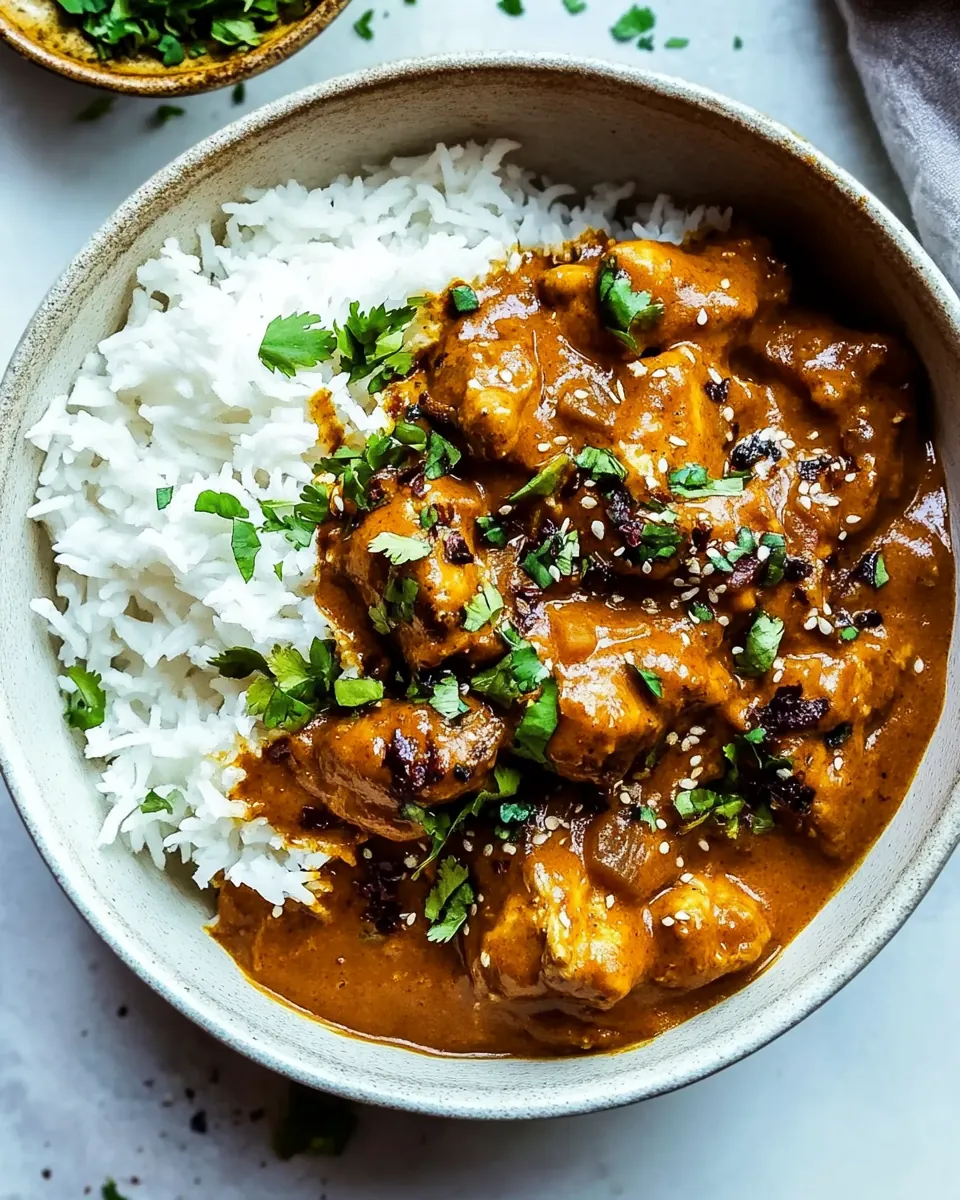
This recipe is straightforward, but the finish is where it sings. I guide you step by step through the slow cooking and the final stovetop browning so you get evocative aromas and perfect texture every time.
- In the bowl of your crockpot, combine the chicken, yogurt, onion, shallot, garlic, ginger, garam masala, turmeric, 1 teaspoon kosher salt, and a pinch of chili flakes. Let sit 10 minutes. Add the tomato paste and 1/3 cup water. Cover and cook on low for 5-6 hours or on high for 3-4 hours. Crank the heat to high. Stir in the coconut milk and cook, uncovered, 10 minutes until warmed. Stir in the cilantro.: The air will fill with an immediate herbal, garlicky scent, and you will notice the yogurt starting to coat the chicken pieces, which helps tenderize them. I press down gently so the spices contact each piece; this contact is why the crockpot method yields evenly flavored meat. Touch the mixture to ensure the salt is distributed, because uneven salt leads to bland patches. Avoid overpacking the crockpot, which can stop proper circulation and slow the cooking. If your pieces are uneven, take a moment to even them out so they cook consistently.
- Meanwhile, melt together the butter, sesame seeds, chili flakes, and paprika. Cook until the butter is browning. Remove from the heat. Serve the chicken and sauce over bowls of rice with fresh naan. Enjoy!: You will sense the spices blooming slightly as they rest, making the aromas more pronounced. This short pause allows the yogurt and spices to begin breaking down fibers in the chicken , which aids tenderness. If you skip this step, the spices will still cook well, but the initial flavor melding will be less pronounced. A common oversight is rushing this stage, which reduces the depth that slow cooking develops.
- Add the tomato paste and 1/3 cup water: The tomato paste will smell concentrated and slightly sweet when mixed, and adding water loosens it so it can integrate through the crockpot. Stir until the paste dissolves into the liquid and coats the ingredients, this ensures even color and acidity across the dish. If you add too little liquid the sauce can reduce too much and become overly intense. Avoid dumping large clumps of paste in one spot; work it in so no concentrated pockets remain.
- Cover and cook on low for 5 to 6 hours or on high for 3 to 4 hours: As the hours pass you will notice a steady, cozy aroma filling your kitchen and the chicken fibers softening. Low setting yields more melding of flavors and silkier textures, while high delivers the same outcome faster but with slightly less nuanced depth. A frequent mistake is lifting the lid often; every peek lets heat escape and prolongs cooking. Let it cook undisturbed for the recommended time for best results.
- Crank the heat to high: Increasing the temperature before adding the coconut milk warms the whole pot, helping the sauce reach a lively simmer once the milk is incorporated. You should hear a gentle bubble and notice steam rising, which signals readiness for the next step. If you fail to raise the temperature, the coconut milk may cool the stew too much and prevent proper finishing. Overheating can cause separation, so move promptly to the next step.
- Stir in the coconut milk and cook, uncovered, 10 minutes until warmed: The sauce will become glossy and fragrant as the coconut milk integrates, and a soft coconut scent will mingle with spices. Cook uncovered to allow the sauce to thicken slightly and concentrate flavors; the surface should shimmer and small bubbles will form at the edges. Stir gently to combine so the sauce remains smooth and does not split. A common pitfall is boiling vigorously, which risks curdling the milk, so keep the heat at a steady simmer.
- Stir in the cilantro: Fresh cilantro adds a green, lively note and a fragrant finish that contrasts the rich sauce. Fold it in and watch the color brighten, signaling freshness. If added too early it will lose its brightness, so adding at the end preserves aroma and flavor. Overchopping can make the herb too fine, so aim for a rough chop to keep texture and visual appeal.
- Meanwhile, melt together the butter, sesame seeds, chili flakes, and paprika: In a small skillet you will hear the butter foam and smell the sesame become toasty, a warm nuttiness will develop that elevates the entire dish. Browning the butter creates caramelized milk solids, adding a deep, slightly nutty layer that pairs beautifully with the creamy sauce. Stir constantly to prevent scorching, because burnt butter tastes acrid. A frequent error is not monitoring the pan; keep it moving and remove at the right moment.
- Cook until the butter is browning: Watch for tiny brown specks and a toasted aroma, that is the cue to take the pan off the heat. The sizzling sound will change to a quieter, richer sizzle when the solids have toasted. This transformation adds complexity, but if you wait too long the butter will burn, imparting bitterness. Once browned, transfer immediately to avoid carryover cooking.
- Remove from the heat: Pausing lets the browned butter rest and the flavors settle, and the residual heat in the pan can be used to finish any last bits without risking burning. This step preserves the buttery nutty notes as you assemble the final platter. Leaving the pan on heat will overcook the flavors, so remove promptly. A typical misstep is multitasking and forgetting the pan, which ruins the nuance you worked for.
- Serve the chicken and sauce over bowls of rice with fresh naan: The first spoonful should combine creamy sauce, tender chicken , and the warm, soft contrast of naan or the neutral canvas of rice . Presenting it with rice soaks up the sauce and naan lets diners scoop, creating interactive eating. Make sure the rice is hot and the naan warmed so temperature contrast is pleasant. Serving it cold or with soggy bread detracts from the experience.
- Enjoy!: Sit down, breathe in the fragrant steam, and savor the layers you built. Take note of the toasted butter aroma and the coconut silk, and if you made extra, store it properly for even better leftovers. One common mistake is not tasting before serving; a quick adjustment of salt or a squeeze of lemon can lift the whole bowl.
Making Adjustments
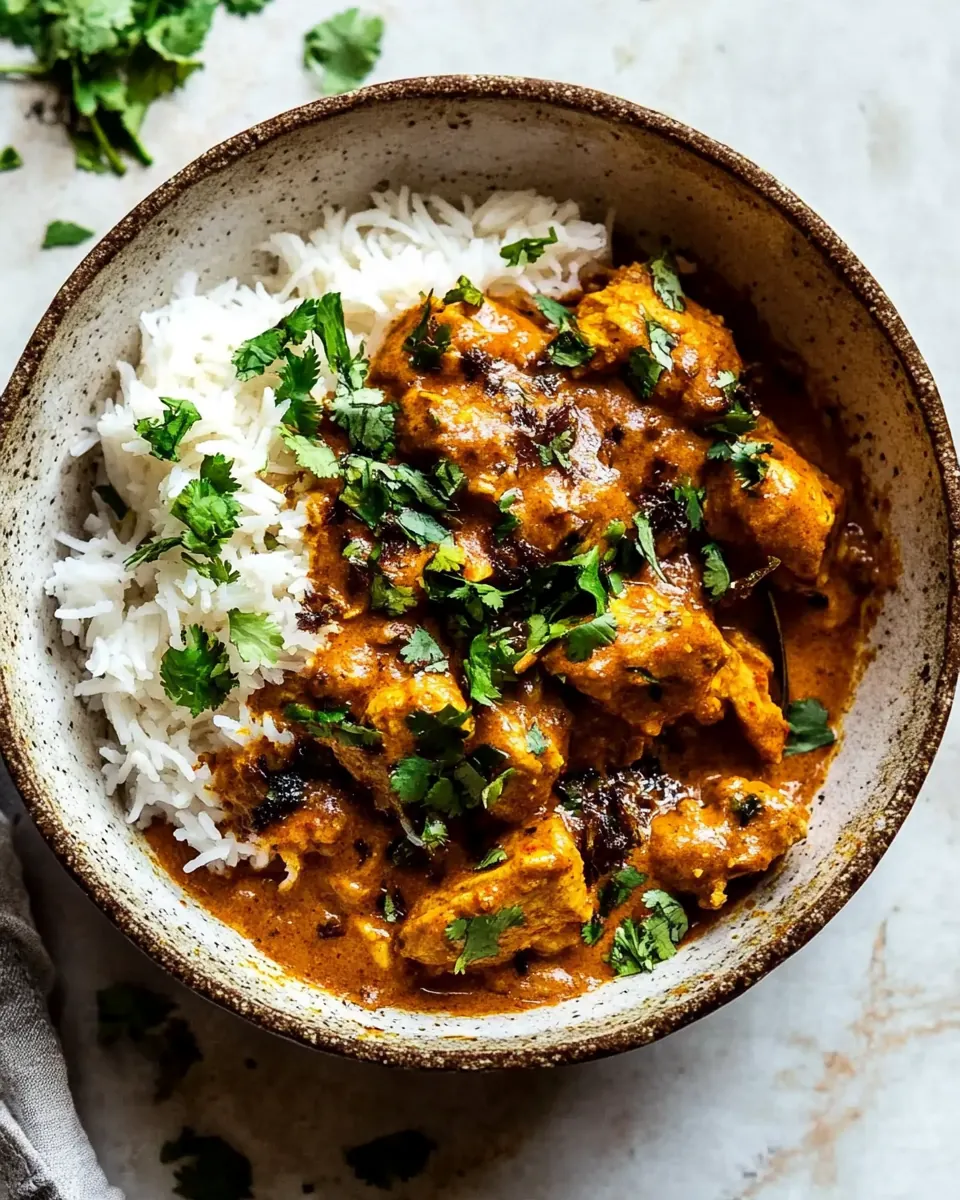
I like small adjustments that change the dish from weeknight to celebratory. Below are practical tips that help with texture, heat, and timing so you can adapt the recipe to what you have on hand or the occasion.
- Swap chicken cuts, use all thighs for richer flavor and juicier texture, or all breasts for a leaner dish; ensure pieces are similar in size for even cooking.
- Control the heat, start with one teaspoon chili flakes for mild heat and increase to two if you prefer a spicier result, remembering heat often builds after cooking.
- Make it dairy free, skip the yogurt in the initial mix only if you cannot use dairy, but be aware the yogurt helps tenderize and provide tang.
- Double the sauce, add an extra can of coconut milk and increase tomato paste slightly if you like more gravy for rice soaking and leftovers.
- Finish with fresh herbs, add cilantro right before serving to preserve brightness, do not cook it for long periods or the flavor will fade.
Side Dish Ideas for Crockpot Creamy Coconut Chicken Tikka Masala
This dish pairs well with simple, textural companions that soak up the sauce and offer contrast. Below are serving suggestions, occasion ideas, and storage guidance to make the most of the meal.
- Steamed basmati rice, a classic partner that soaks up the sauce and keeps the focus on the creamy, spiced flavors, ideal for casual dinners.
- Warm naan, perfect for scooping and sharing, adding a soft, chewy contrast to the tender chicken and silky sauce, great for communal meals.
- Light cucumber salad, a cool, crisp side to cut through richness, excellent for balancing heavier textures on warm evenings.
- Raita style side, plain yogurt with chopped cilantro and cucumber can cool the palate and complements the spice without introducing new dominant flavors.
- Occasion pairing, serve this for weekend family dinners or a cozy winter night, it works well for Ramadan if you plan to break fast with a comforting, nourishing meal.
- Leftovers storage, cool promptly and refrigerate in airtight containers for up to four days; flavors deepen overnight, so leftovers often taste better.
- Freezing tips, freeze in portioned containers without rice for up to three months, thaw overnight in the fridge and reheat gently to preserve texture.
- Serving temperature, serve hot so the butter aroma and coconut cream are most pronounced; lukewarm servings flatten the flavors.
- Presentation idea, garnish with a little extra chopped cilantro and a sprinkle of toasted sesame seeds for visual and textural contrast.
- Seasonal pairing, this warm, spiced dish is especially comforting in winter, when you want richer, hearty meals that feel celebratory.
FAQ
Conclusion
This recipe stands out for its comforting creaminess and deep spice layers, all achieved with minimal hands on time. Give it a try because the crockpot does most of the work while you enjoy the rich aromas and tender chicken at the table. I hope it becomes a reliable favorite in your rotation, offering both simplicity and restaurant style flavor in one pot.
Crockpot Creamy Coconut Chicken Tikka Masala
Equipment
- Crockpot
- Small skillet
Ingredients
- 2 pounds boneless skinless chicken breasts or thighs, cubed Provide cubed chicken as the primary protein that soaks up the creamy spiced sauce, becoming tender during slow cooking over several hours.
- 1 yellow onion, chopped Add chopped yellow onion to build a sweet and savory base, caramelizing slightly to deepen the overall flavor profile in the crockpot.
- 1 shallot, chopped Include chopped shallot to contribute a milder, slightly sweet onion note that layers gently with the yellow onion for complexity.
- 2 cloves garlic, chopped Fold in chopped garlic to deliver pungent aromatic depth and savory umami that infuses the sauce throughout the long simmer.
- 1 tablespoon fresh grated ginger Grate fresh ginger to introduce bright, zesty warmth and a subtle peppery bite that complements the garam masala and turmeric.
- 2 tablespoons garam masala Sprinkle garam masala to provide a complex blend of warming spices that defines the classic tikka masala flavor in the dish.
- 1 1/2 teaspoons ground turmeric Stir in ground turmeric to lend an earthy, slightly bitter warmth and a vibrant golden color to the sauce.
- kosher salt Season with kosher salt to enhance and balance all flavors, adjusting to taste as it helps bring out the aromatics and spices.
- 1/4 cup full-fat plain Greek yogurt Whisk in full-fat plain Greek yogurt to add tangy creaminess and help tenderize the chicken while contributing body to the sauce.
- 1 can (6 ounces) tomato paste Blend in tomato paste to concentrate tomato flavor, add acidity and richness, and help thicken the sauce for a robust base.
- 1 can (14 ounces) full-fat unsweetened coconut milk Pour full-fat unsweetened coconut milk to create a silky, creamy coconut profile that mellows spices and enriches the curry.
- 1/3 cup cilantro, chopped Fold chopped cilantro to finish with fresh herbaceous brightness and a clean contrast to the rich, spiced sauce.
- 6 tablespoons salted butter Add salted butter to enrich the sauce with a glossy finish and smooth mouthfeel while reinforcing savory notes.
- 2 tablespoons sesame seeds Sprinkle sesame seeds to introduce a subtle nutty crunch and delicate toasty aroma when toasted or warmed in the sauce.
- 1 -2 teaspoons chili flakes Pinch chili flakes to control heat level, delivering concentrated spicy heat that can be adjusted between mild and fiery.
- 1/2 teaspoon paprika Dust paprika to contribute mild sweet pepper flavor and a warm color accent that enhances the overall visual appeal.
Instructions
- In the bowl of your crockpot, combine the chicken, yogurt, onion, shallot, garlic, ginger, garam masala, turmeric, 1 teaspoon kosher salt, and a pinch of chili flakes. Let sit 10 minutes. Add the tomato paste and 1/3 cup water. Cover and cook on low for 5-6 hours or on high for 3-4 hours. Crank the heat to high. Stir in the coconut milk and cook, uncovered, 10 minutes until warmed. Stir in the cilantro.: The air will fill with an immediate herbal, garlicky scent, and you will notice the yogurt starting to coat the chicken pieces, which helps tenderize them. I press down gently so the spices contact each piece; this contact is why the crockpot method yields evenly flavored meat. Touch the mixture to ensure the salt is distributed, because uneven salt leads to bland patches. Avoid overpacking the crockpot, which can stop proper circulation and slow the cooking. If your pieces are uneven, take a moment to even them out so they cook consistently.
- Meanwhile, melt together the butter, sesame seeds, chili flakes, and paprika. Cook until the butter is browning. Remove from the heat. Serve the chicken and sauce over bowls of rice with fresh naan. Enjoy!: You will sense the spices blooming slightly as they rest, making the aromas more pronounced. This short pause allows the yogurt and spices to begin breaking down fibers in the chicken , which aids tenderness. If you skip this step, the spices will still cook well, but the initial flavor melding will be less pronounced. A common oversight is rushing this stage, which reduces the depth that slow cooking develops.
- Add the tomato paste and 1/3 cup water: The tomato paste will smell concentrated and slightly sweet when mixed, and adding water loosens it so it can integrate through the crockpot. Stir until the paste dissolves into the liquid and coats the ingredients, this ensures even color and acidity across the dish. If you add too little liquid the sauce can reduce too much and become overly intense. Avoid dumping large clumps of paste in one spot; work it in so no concentrated pockets remain.
- Cover and cook on low for 5 to 6 hours or on high for 3 to 4 hours: As the hours pass you will notice a steady, cozy aroma filling your kitchen and the chicken fibers softening. Low setting yields more melding of flavors and silkier textures, while high delivers the same outcome faster but with slightly less nuanced depth. A frequent mistake is lifting the lid often; every peek lets heat escape and prolongs cooking. Let it cook undisturbed for the recommended time for best results.
- Crank the heat to high: Increasing the temperature before adding the coconut milk warms the whole pot, helping the sauce reach a lively simmer once the milk is incorporated. You should hear a gentle bubble and notice steam rising, which signals readiness for the next step. If you fail to raise the temperature, the coconut milk may cool the stew too much and prevent proper finishing. Overheating can cause separation, so move promptly to the next step.
- Stir in the coconut milk and cook, uncovered, 10 minutes until warmed: The sauce will become glossy and fragrant as the coconut milk integrates, and a soft coconut scent will mingle with spices. Cook uncovered to allow the sauce to thicken slightly and concentrate flavors; the surface should shimmer and small bubbles will form at the edges. Stir gently to combine so the sauce remains smooth and does not split. A common pitfall is boiling vigorously, which risks curdling the milk, so keep the heat at a steady simmer.
- Stir in the cilantro: Fresh cilantro adds a green, lively note and a fragrant finish that contrasts the rich sauce. Fold it in and watch the color brighten, signaling freshness. If added too early it will lose its brightness, so adding at the end preserves aroma and flavor. Overchopping can make the herb too fine, so aim for a rough chop to keep texture and visual appeal.
- Meanwhile, melt together the butter, sesame seeds, chili flakes, and paprika: In a small skillet you will hear the butter foam and smell the sesame become toasty, a warm nuttiness will develop that elevates the entire dish. Browning the butter creates caramelized milk solids, adding a deep, slightly nutty layer that pairs beautifully with the creamy sauce. Stir constantly to prevent scorching, because burnt butter tastes acrid. A frequent error is not monitoring the pan; keep it moving and remove at the right moment.
- Cook until the butter is browning: Watch for tiny brown specks and a toasted aroma, that is the cue to take the pan off the heat. The sizzling sound will change to a quieter, richer sizzle when the solids have toasted. This transformation adds complexity, but if you wait too long the butter will burn, imparting bitterness. Once browned, transfer immediately to avoid carryover cooking.
- Remove from the heat: Pausing lets the browned butter rest and the flavors settle, and the residual heat in the pan can be used to finish any last bits without risking burning. This step preserves the buttery nutty notes as you assemble the final platter. Leaving the pan on heat will overcook the flavors, so remove promptly. A typical misstep is multitasking and forgetting the pan, which ruins the nuance you worked for.
- Serve the chicken and sauce over bowls of rice with fresh naan: The first spoonful should combine creamy sauce, tender chicken , and the warm, soft contrast of naan or the neutral canvas of rice . Presenting it with rice soaks up the sauce and naan lets diners scoop, creating interactive eating. Make sure the rice is hot and the naan warmed so temperature contrast is pleasant. Serving it cold or with soggy bread detracts from the experience.
- Enjoy!: Sit down, breathe in the fragrant steam, and savor the layers you built. Take note of the toasted butter aroma and the coconut silk, and if you made extra, store it properly for even better leftovers. One common mistake is not tasting before serving; a quick adjustment of salt or a squeeze of lemon can lift the whole bowl.
Notes
- Swap chicken cuts, use all thighs for richer flavor and juicier texture, or all breasts for a leaner dish; ensure pieces are similar in size for even cooking.
- Control the heat, start with one teaspoon chili flakes for mild heat and increase to two if you prefer a spicier result, remembering heat often builds after cooking.
- Make it dairy free, skip the yogurt in the initial mix only if you cannot use dairy, but be aware the yogurt helps tenderize and provide tang.
- Double the sauce, add an extra can of coconut milk and increase tomato paste slightly if you like more gravy for rice soaking and leftovers.
- Finish with fresh herbs, add cilantro right before serving to preserve brightness, do not cook it for long periods or the flavor will fade.