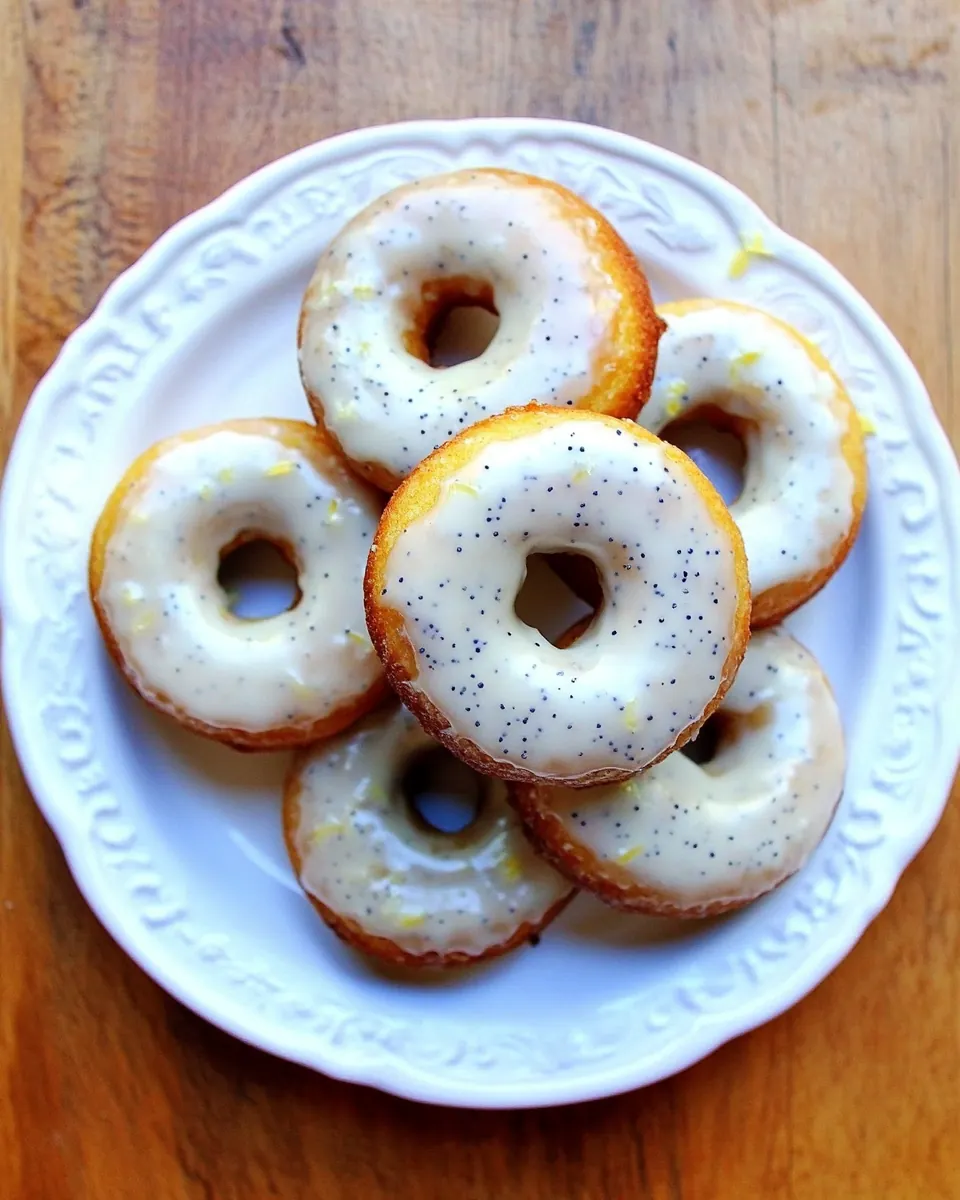
Baked Donuts with Lemon and Poppy Seeds Whole Wheat
Baked Donuts with Lemon and Poppy Seeds Whole Wheat started as a weekend experiment when I wanted the bright lift of citrus in a treat that felt light and a little virtuous. I remember pulling a dented donut pan from the back of my cupboard, dusting it off, and thinking I could capture that bakery glaze without the deep fryer. The first warm bite, still slightly steamy, was all sunshine and a tiny crackle from the poppy seeds, and I was hooked.
I took this recipe to a picnic the next day, and watching friends taste one and close their eyes made me grin. The texture from the whole-wheat pastry flour gives the crumb a subtle nuttiness, while the lemon juice and lemon zest keep every mouthful bright. I like recipes that feel honest, so I leaned on light sour cream and a touch of Splenda to keep things tender without weighing the donuts down.
There is something comforting about making batter with simple tools: a mixing bowl, a spoon, and an electric mixer. The ritual of folding the flour into the wet mix and smelling the lemon peel as it releases oils is one of my favorite kitchen moments. These donuts are fast enough for a morning bake and pretty enough for a small gathering, which keeps them in constant rotation in my recipe box.
Recipe Snapshot
20 mins
10 mins
10 mins
Medium
150 kcal
American
Gluten-Free, Low FODMAP
Desserts
Donut pan maker, Electric mixer, Mixing bowls, Small saucepan
Why This Baked Donuts with Lemon and Poppy Seeds Whole Wheat Is a Winner
Bright lemon flavor that wakes your palate
I love how the lemon juice and lemon zest work together to give a layered citrus note. The juice adds tang and moisture, while the zest releases essential oils that perfume the batter. This combination means each bite tastes lively, not cloying, and the citrus lifts the mild sweetness of the Splenda.
Texture that feels both tender and substantial
The use of whole-wheat pastry flour gives the crumb a gentle nutty character without being dense. I enjoy that they are more substantial than a plain cake donut, yet still tender because of the light sour cream. The poppy seeds add a subtle crunch, creating a contrast that keeps the mouthfeel interesting.
Quick, approachable process
These are a go to when I want something homemade without an all afternoon commitment. The batter comes together in minutes and cooks fast, so you get fresh donuts within a single afternoon. That speed makes them ideal for last minute brunches or casual get togethers, and I often make a double batch to share.
Flexible sweetness and a simple glaze
Because the recipe uses Splenda, the sweetness feels controlled and not overpowering. The straightforward glaze simmers briefly and coats the donuts with a shiny finish, giving them that irresistible bakery look. I’ve found the glaze clings best when the donuts are warm, which is a small trick that pays off in presentation.
Family friendly and crowd pleasing
Kids and adults both reach for these at my house, likely because they taste like a treat but are not heavy. I like bringing them to potlucks because they travel well for short periods and the glaze keeps them from drying out quickly. They pair nicely with tea or coffee, and I appreciate how adaptable the recipe is to small tweaks when I feel like experimenting.
Ingredients Required for Baked Donuts with Lemon and Poppy Seeds Whole Wheat
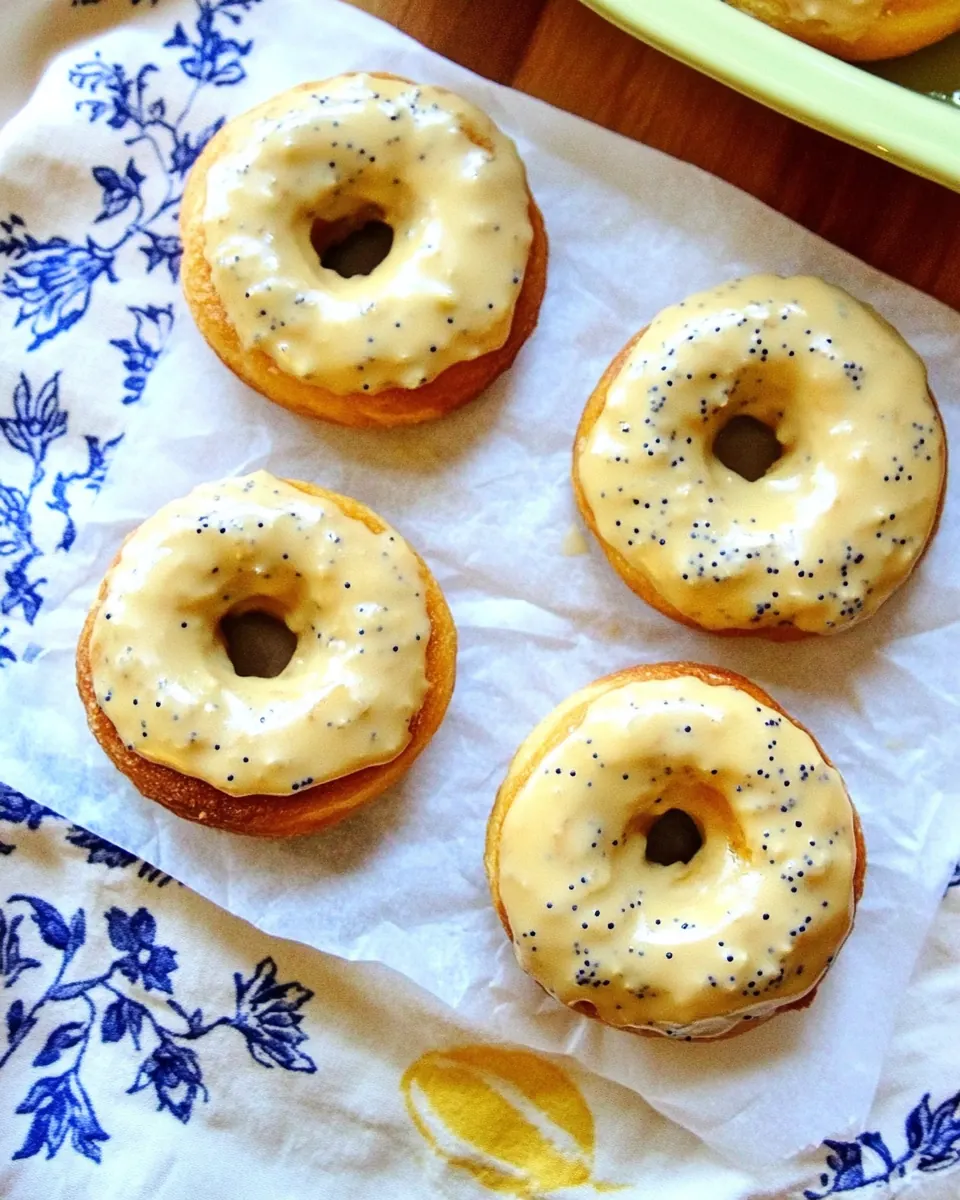
These ingredients are chosen to balance brightness, tender crumb, and a touch of texture. The key players are the whole-wheat pastry flour for body, the citrus elements for lift, and the light sour cream for moisture. Everything else supports those pillars, creating donuts that are flavorful without being heavy.
- 1 egg: Beat to incorporate air and provide structure; binds the batter and helps create a tender crumb when baked. Adds moisture and contributes to leavening through steam expansion, supporting a light donut texture.
- 2 tablespoons lemon juice: Add bright acidity and citrus flavor while balancing sweetness; helps activate baking powder for slight lift. Imparts fresh lemon aroma and tenderizes the crumb for a moist finished donut.
- 1/2 teaspoon lemon zest: Provide concentrated citrus oil and aroma to amplify lemon flavor; enhances brightness without adding extra liquid. Pair with lemon juice to create a pronounced citrus profile throughout the batter.
- 1.5 cups Splenda: Sweeten without added sugar and reduce calories while maintaining bulk; integrates into wet ingredients to dissolve and distribute sweetness evenly. Support texture by contributing some bulk similar to granulated sugar in the dough.
- 1/2 cup whole-wheat pastry flour: Supply whole-grain structure and nutty flavor while keeping texture light due to pastry grind; contributes fiber and a wholesome character. Combine with leavening to form the dry matrix that traps air for tender baked donuts.
- 1/2 teaspoon baking powder: Leaven the batter slightly to promote rise and create a lighter texture; reacts with moisture and acids for gentle lift. Dispense evenly into dry flour to prevent clumping and ensure uniform rise during baking.
- 1 tablespoon poppy seeds: Introduce a subtle crunch and nutty, slightly earthy flavor; disperses throughout the batter to provide textural contrast. Complement lemon notes and add visual interest to each donut bite.
- 2 tablespoons light sour cream: Enrich the batter with a tangy creaminess and add moisture while cutting richness compared with full-fat sour cream. Help tenderize gluten for a softer crumb and contribute to overall moistness.
- 1/4 cup light sour cream: Boost moisture and creaminess while offering controlled fat content; adds silkiness to the batter and balances drier ingredients. Combine with other dairy and liquids to ensure proper consistency and tender texture.
- 1/8 teaspoon vanilla: Enhance overall flavor with a warm, sweet vanilla note; round out citrus and sweet elements without overpowering them. Add sparingly to avoid masking delicate lemon and poppy seed flavors.
- 1/4 cup splenda: Provide additional sweetness and help adjust final sweetness level precisely; used often for glazing or batter tweaks for balance. Blend with other sweeteners to achieve the desired taste without altering texture dramatically.
- 1/8 teaspoon salt: Stabilize and enhance flavor balance by emphasizing other ingredients and controlling blandness; supports chemical leaveners for consistent results. Sprinkle into dry mix to ensure even seasoning throughout the batter.
Cooking Instructions for Baked Donuts with Lemon and Poppy Seeds Whole Wheat
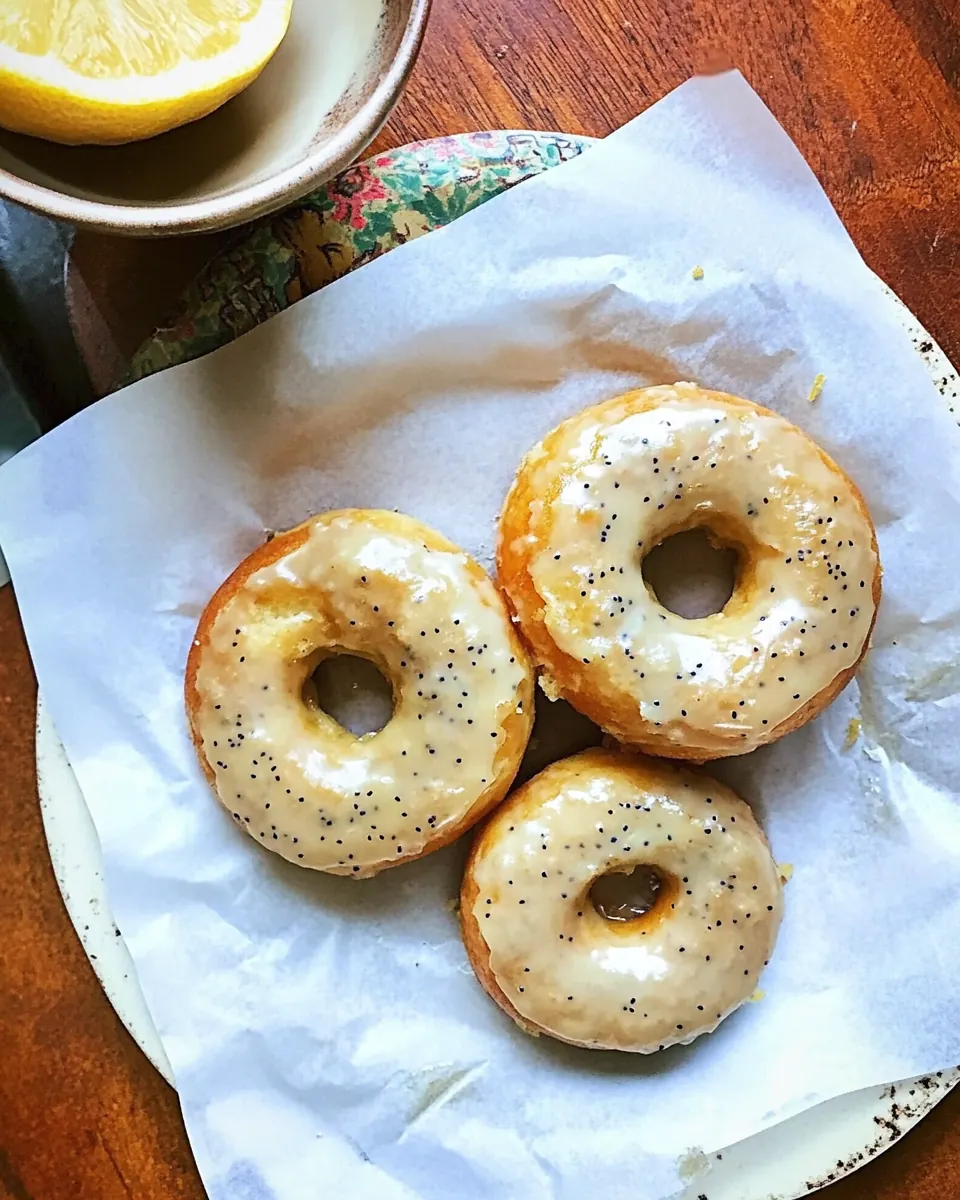
I like to approach these instructions with a calm kitchen rhythm, so everything is ready and paced. Gather your ingredients, preheat your donut pan maker, and give yourself a few uninterrupted minutes so the batter is mixed just right. The steps below are detailed to guide your senses and prevent common pitfalls.
- Spray your donut pan maker with cooking spray and preheat it.: As the pan warms, you will notice a faint metallic scent and a little steam if it is electric, which indicates it is reaching temperature. Preheating ensures the batter begins to set immediately on contact, producing a tender edge and even rise, and spraying prevents sticking so the donuts release cleanly. A typical mistake is skipping the spray or preheat, which can cause donuts to cling and break when removed.
- In a large mixing bowl, beat the egg, lemon juice, lemon zest, and the Splenda on high with an electric mixer until the mixture is light and foamy. Set aside.: As you beat, the mixture should transform into a pale, airy foam, and you may smell the lemon oils become more vibrant. This aeration traps tiny bubbles that lighten the final crumb, which is why vigorous beating matters at this stage. Avoid overbeating to a dry foam, as that can lead to collapse when folded with denser ingredients.
- In a separate medium bowl, combine the whole-wheat pastry flour, baking powder, and poppy seeds.: When you whisk these dry ingredients, you are distributing the baking powder and the poppy seeds so the rise is consistent and seeds are evenly scattered. The flour will look slightly more buff than all purpose, and the little black flecks of poppy seeds will stand out visually. Do not skip this step, since uneven leavening can create tunnels or dense pockets.
- Slowly stir the dry mixture and the sour cream into the egg mixture. Fold gently until well combined.: After adding a bit of the dry mix to the wet, the batter will look creamy and speckled with poppy seeds. The folding motion preserves air and prevents developing gluten, which keeps the donuts tender. If you stir too vigorously, you might end up with a gummy texture, so use gentle, sweeping folds until everything just disappears into a uniform batter.
- Drop a tablespoonful of the mixture into each donut spot and close the lid.: As you fill the cavities, the batter should hold shape briefly before settling, and the poppy seeds will dot the surface. Filling from a spoon or piping bag helps control portions and keeps the donuts uniform. Overfilling causes spillover and uneven cooking, while underfilling leads to tiny, shallow donuts, so aim for consistent spoonfuls.
- While the donuts cook (3-4 minutes a batch), it's time to make the glaze.: The donuts will emit a gentle, bready aroma and you may hear faint hissing as steam escapes; this is normal. Use this time to combine glaze ingredients and bring them to a simmer so they are ready to coat the hot donuts. Rushing the glaze can make it too thin or uneven, so keep a close eye on the pot.
- In a small saucepan, combine all the glaze ingredients and bring to a boil, stirring constantly.: The glaze will transform from grainy to glossy as the sweetener dissolves and the mixture heats. Stirring prevents scorching and ensures a silky finish. If the glaze is not fully dissolved, it can feel slightly gritty on the finished donut, so continue until it looks uniform and shiny.
- Boil for 1 minute and remove from heat.: You will see the glaze bubble gently and thicken a little, and a small whisk will leave a trail that fills in slowly when lifted. That brief boil stabilizes the glaze so it clings to the donuts, creating a thin shell as it cools. Boiling much longer risks over reducing and making the glaze too thick or grainy, so stopwatch it for accuracy.
- Take your cooked donuts out of the pan and dip right into the glaze, or use a spoon—either works!: When you remove the donuts, they should be warm and spring back lightly when touched. Dipping them immediately helps the glaze adhere smoothly and creates an even coating; using a spoon allows you to control coverage if you prefer a lighter finish. A common error is letting the donuts cool too long which makes the glaze less likely to stick, so dip while warm.
- DEVOUR!: The first bite should present a contrast of warm, soft interior and glossy, slightly cool glaze, with little pops from the poppy seeds . Enjoy slowly to appreciate the lemon lift and tender crumb. Be mindful that the glaze can be sticky at first, so place finished donuts on parchment as they set and avoid stacking them until the coating has slightly cooled.
Helpful Notes about Baked Donuts with Lemon and Poppy Seeds Whole Wheat
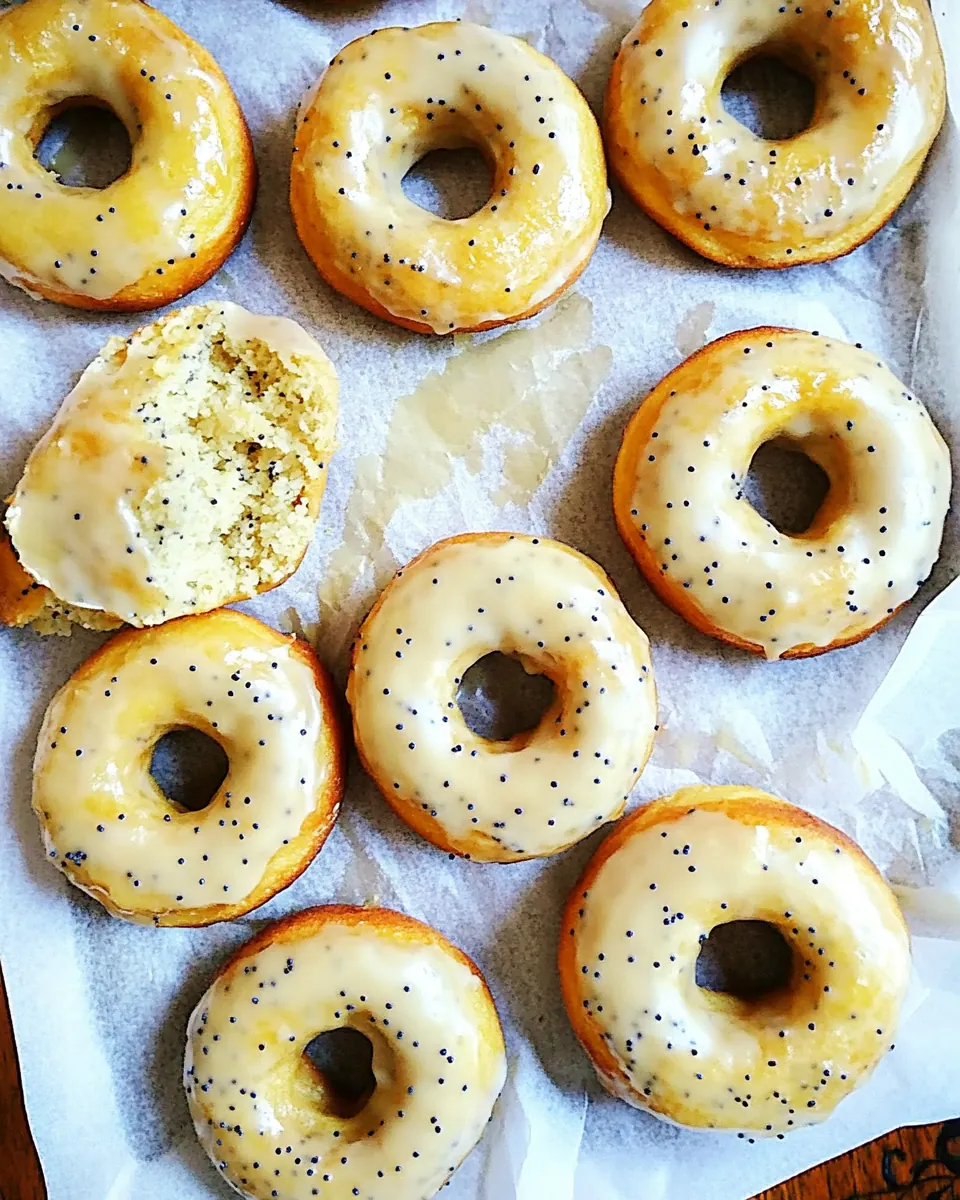
These notes collect small techniques and troubleshooting points that I use to turn out excellent donuts consistently. They are practical, focused, and written from repeated kitchen sessions so you can avoid the little errors that slow things down.
- Room temperature ingredients help the batter come together smoothly and encourage even texture, so take the egg and light sour cream out of the fridge briefly before starting.
- Gentle folding preserves the air you beat into the wet mix, resulting in a lighter crumb, so avoid vigorous stirring once the flour is introduced.
- Fresh leavening matters, if your baking powder is old, the donuts will be flatter and denser, so refresh your leavening agents regularly.
- Warm glaze adhesion is best, dip the donuts while they are still warm so the coating sets smoothly and glossy without cracking.
- Consistent filling yields uniform donuts, use the same tablespoon measure or a small scoop for each cavity to cook evenly.
Serving Options for Baked Donuts with Lemon and Poppy Seeds Whole Wheat
I usually serve these freshly glazed at casual gatherings, brunches, or small celebrations. They pair wonderfully with tea or coffee, and their bright citrus character makes them especially welcome in spring when citrus feels seasonal. Serve on a platter or in a single layer on parchment so the glaze does not stick.
- Morning brunch Serve warm with a pot of coffee or tea for a relaxed weekend breakfast, making them a centerpiece of a casual spread.
- Afternoon tea The lemon note pairs nicely with lighter teas, and the small size makes them perfect for nibbling during an afternoon visit.
- Picnic friendly Pack them in a single layer container for short trips, they travel well for a couple of hours without losing texture.
- Small celebration These work as an elegant homemade option for birthdays or baby showers where you want something pretty and approachable.
- Storage Keep leftovers in an airtight container at room temperature for up to two days, or refrigerate briefly if your climate is humid to preserve the glaze texture.
- Seasonal pairing The citrus flavor makes these especially fitting for spring menus, but their light sweetness suits year round entertaining.
FAQ
Conclusion
These Baked Donuts with Lemon and Poppy Seeds Whole Wheat stand out for their bright citrus notes, gentle nutty crumb, and satisfying little crunch from the poppy seeds. They are a fast, approachable treat that looks and tastes like something from a bakery, without the fuss of frying. I hope you give them a try at your next brunch or casual gathering, and enjoy the way the lemon and whole wheat pastry flour come together in a simple, memorable bite.
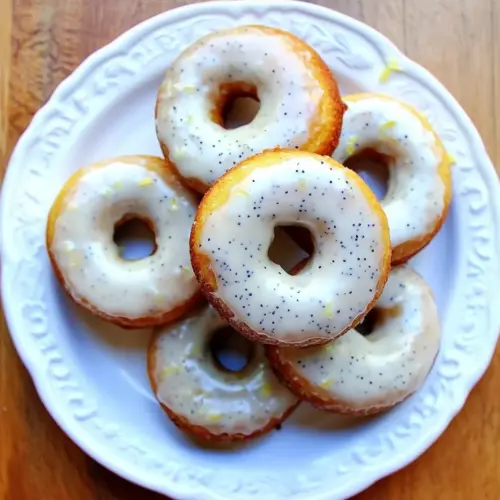
Baked Donuts with Lemon and Poppy Seeds Whole Wheat
Equipment
- Donut pan maker
- Electric Mixer
- Mixing Bowls
- Small Saucepan
Ingredients
- 1 egg Beat to incorporate air and provide structure; binds the batter and helps create a tender crumb when baked. Adds moisture and contributes to leavening through steam expansion, supporting a light donut texture.
- 2 tablespoons lemon juice Add bright acidity and citrus flavor while balancing sweetness; helps activate baking powder for slight lift. Imparts fresh lemon aroma and tenderizes the crumb for a moist finished donut.
- 1/2 teaspoon lemon zest Provide concentrated citrus oil and aroma to amplify lemon flavor; enhances brightness without adding extra liquid. Pair with lemon juice to create a pronounced citrus profile throughout the batter.
- 1.5 cups Splenda Sweeten without added sugar and reduce calories while maintaining bulk; integrates into wet ingredients to dissolve and distribute sweetness evenly. Support texture by contributing some bulk similar to granulated sugar in the dough.
- 1/2 cup whole-wheat pastry flour Supply whole-grain structure and nutty flavor while keeping texture light due to pastry grind; contributes fiber and a wholesome character. Combine with leavening to form the dry matrix that traps air for tender baked donuts.
- 1/2 teaspoon baking powder Leaven the batter slightly to promote rise and create a lighter texture; reacts with moisture and acids for gentle lift. Dispense evenly into dry flour to prevent clumping and ensure uniform rise during baking.
- 1 tablespoon poppy seeds Introduce a subtle crunch and nutty, slightly earthy flavor; disperses throughout the batter to provide textural contrast. Complement lemon notes and add visual interest to each donut bite.
- 2 tablespoons light sour cream Enrich the batter with a tangy creaminess and add moisture while cutting richness compared with full-fat sour cream. Help tenderize gluten for a softer crumb and contribute to overall moistness.
- 1/4 cup light sour cream Boost moisture and creaminess while offering controlled fat content; adds silkiness to the batter and balances drier ingredients. Combine with other dairy and liquids to ensure proper consistency and tender texture.
- 1/8 teaspoon vanilla Enhance overall flavor with a warm, sweet vanilla note; round out citrus and sweet elements without overpowering them. Add sparingly to avoid masking delicate lemon and poppy seed flavors.
- 1/4 cup splenda Provide additional sweetness and help adjust final sweetness level precisely; used often for glazing or batter tweaks for balance. Blend with other sweeteners to achieve the desired taste without altering texture dramatically.
- 1/8 teaspoon salt Stabilize and enhance flavor balance by emphasizing other ingredients and controlling blandness; supports chemical leaveners for consistent results. Sprinkle into dry mix to ensure even seasoning throughout the batter.
Instructions
- Spray your donut pan maker with cooking spray and preheat it.: As the pan warms, you will notice a faint metallic scent and a little steam if it is electric, which indicates it is reaching temperature. Preheating ensures the batter begins to set immediately on contact, producing a tender edge and even rise, and spraying prevents sticking so the donuts release cleanly. A typical mistake is skipping the spray or preheat, which can cause donuts to cling and break when removed.
- In a large mixing bowl, beat the egg, lemon juice, lemon zest, and the Splenda on high with an electric mixer until the mixture is light and foamy. Set aside.: As you beat, the mixture should transform into a pale, airy foam, and you may smell the lemon oils become more vibrant. This aeration traps tiny bubbles that lighten the final crumb, which is why vigorous beating matters at this stage. Avoid overbeating to a dry foam, as that can lead to collapse when folded with denser ingredients.
- In a separate medium bowl, combine the whole-wheat pastry flour, baking powder, and poppy seeds.: When you whisk these dry ingredients, you are distributing the baking powder and the poppy seeds so the rise is consistent and seeds are evenly scattered. The flour will look slightly more buff than all purpose, and the little black flecks of poppy seeds will stand out visually. Do not skip this step, since uneven leavening can create tunnels or dense pockets.
- Slowly stir the dry mixture and the sour cream into the egg mixture. Fold gently until well combined.: After adding a bit of the dry mix to the wet, the batter will look creamy and speckled with poppy seeds. The folding motion preserves air and prevents developing gluten, which keeps the donuts tender. If you stir too vigorously, you might end up with a gummy texture, so use gentle, sweeping folds until everything just disappears into a uniform batter.
- Drop a tablespoonful of the mixture into each donut spot and close the lid.: As you fill the cavities, the batter should hold shape briefly before settling, and the poppy seeds will dot the surface. Filling from a spoon or piping bag helps control portions and keeps the donuts uniform. Overfilling causes spillover and uneven cooking, while underfilling leads to tiny, shallow donuts, so aim for consistent spoonfuls.
- While the donuts cook (3-4 minutes a batch), it's time to make the glaze.: The donuts will emit a gentle, bready aroma and you may hear faint hissing as steam escapes; this is normal. Use this time to combine glaze ingredients and bring them to a simmer so they are ready to coat the hot donuts. Rushing the glaze can make it too thin or uneven, so keep a close eye on the pot.
- In a small saucepan, combine all the glaze ingredients and bring to a boil, stirring constantly.: The glaze will transform from grainy to glossy as the sweetener dissolves and the mixture heats. Stirring prevents scorching and ensures a silky finish. If the glaze is not fully dissolved, it can feel slightly gritty on the finished donut, so continue until it looks uniform and shiny.
- Boil for 1 minute and remove from heat.: You will see the glaze bubble gently and thicken a little, and a small whisk will leave a trail that fills in slowly when lifted. That brief boil stabilizes the glaze so it clings to the donuts, creating a thin shell as it cools. Boiling much longer risks over reducing and making the glaze too thick or grainy, so stopwatch it for accuracy.
- Take your cooked donuts out of the pan and dip right into the glaze, or use a spoon—either works!: When you remove the donuts, they should be warm and spring back lightly when touched. Dipping them immediately helps the glaze adhere smoothly and creates an even coating; using a spoon allows you to control coverage if you prefer a lighter finish. A common error is letting the donuts cool too long which makes the glaze less likely to stick, so dip while warm.
- DEVOUR!: The first bite should present a contrast of warm, soft interior and glossy, slightly cool glaze, with little pops from the poppy seeds . Enjoy slowly to appreciate the lemon lift and tender crumb. Be mindful that the glaze can be sticky at first, so place finished donuts on parchment as they set and avoid stacking them until the coating has slightly cooled.
Notes
- Room temperature ingredients help the batter come together smoothly and encourage even texture, so take the egg and light sour cream out of the fridge briefly before starting.
- Gentle folding preserves the air you beat into the wet mix, resulting in a lighter crumb, so avoid vigorous stirring once the flour is introduced.
- Fresh leavening matters, if your baking powder is old, the donuts will be flatter and denser, so refresh your leavening agents regularly.
- Warm glaze adhesion is best, dip the donuts while they are still warm so the coating sets smoothly and glossy without cracking.
- Consistent filling yields uniform donuts, use the same tablespoon measure or a small scoop for each cavity to cook evenly.