Blueberry Cream Cheese Cookies with a Lemon Glaze
Blueberry Cream Cheese Cookies with a Lemon Glaze started as a weekday treat I baked for a neighbor who had just moved into the building, and the response was immediate, warm, and very encouraging. I remember standing in my small kitchen with a bowl of glossy batter and a hum of the mixer, thinking how simple ingredients can yield something unexpectedly comforting. That first batch vanished over a single afternoon, and it became my go to whenever I wanted to show appreciation without fuss.
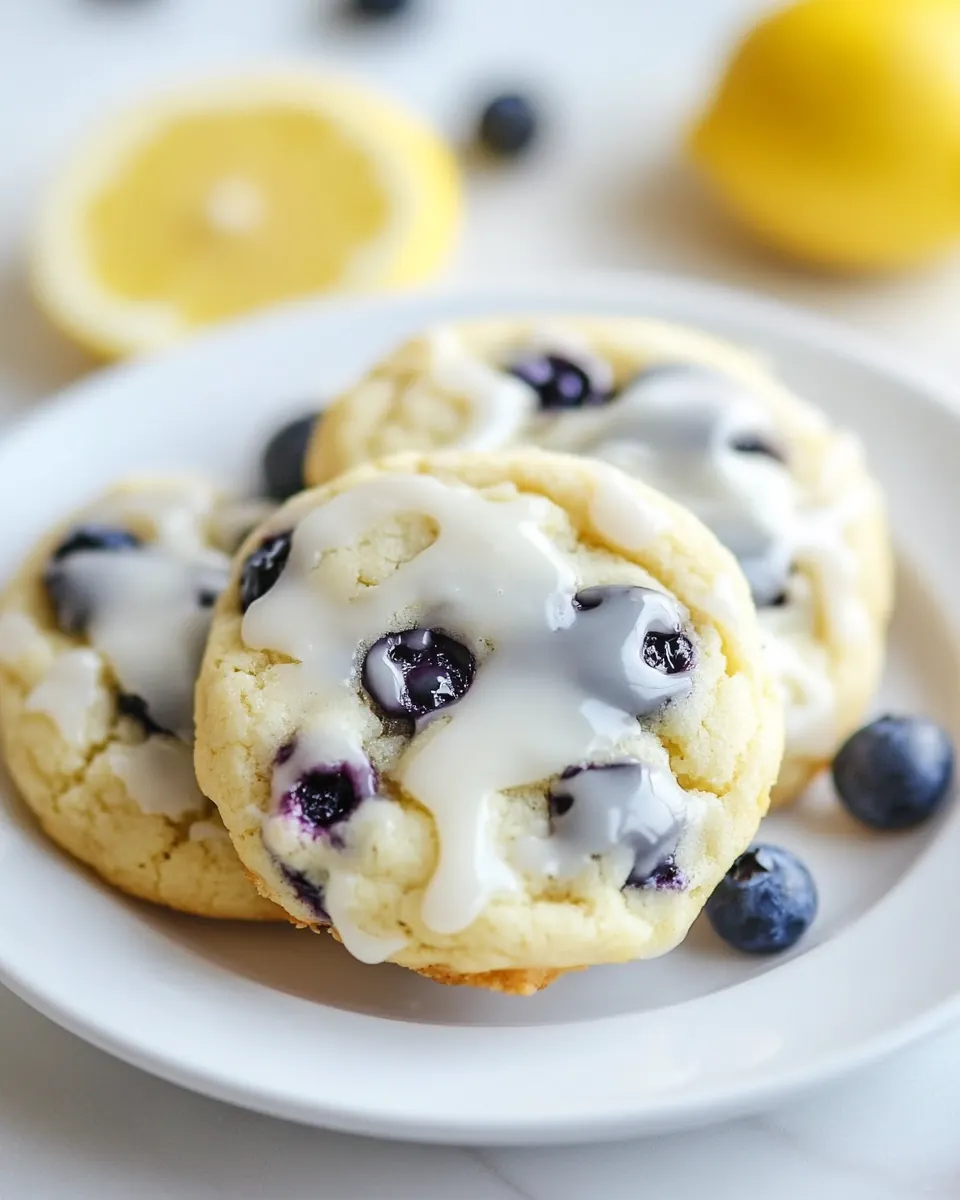
On another afternoon, I tweaked the texture after a rainy week of experimenting, dialing the butter and cream cheese to find a balance between tender and slightly chewy. The bright, tart pop from the blueberries cut through the richness, and the lemon glaze tied it all together with a clean finish. Friends started asking for the recipe, and I wrote it down in my notebook with little tips that saved me time during busy mornings.
Baking these cookies has become a ritual for me, a short pause that turns a plain day into something a bit celebratory. I love how adaptable the dough is, and how the lemon glaze makes each cookie feel like a small indulgence. If you enjoy quick projects that reward you with soft edges, pillowy centers, and a zing of citrus, these cookies will probably become a staple in your repertoire as well.
Recipe Snapshot
20 mins
10 mins
10 mins
Easy
150 kcal
American
Gluten-Free, Low FODMAP
Desserts
Mixer, Mixing bowls, Baking sheet, Parchment paper, Wire rack
What’s Great About This Blueberry Cream Cheese Cookies with a Lemon Glaze
Soft but Slightly Chewy Texture
I adore how the combination of cream cheese and butter makes the cookie tender yet slightly chewy, creating a mouthfeel that keeps you reaching for one more. The cream cheese adds moisture that prevents over drying, so these cookies stay fresh for days when stored properly.
Bright Blueberry Flavor
The burst of real blueberries in every bite brings a natural sweetness and occasional juicy pop. I prefer using plump berries that are in season, because they give a fuller flavor and pleasant texture contrast to the soft dough.
Lemon Glaze That Finishes with Zest
The simple glaze of powdered sugar, lemon juice, and a touch of zest lifts the whole cookie, balancing richness with brightness. I like that it adds visual appeal, and each drizzle makes the cookies feel more polished for gifting.
Simple Ingredients, Big Impact
This recipe uses pantry friendly items like all purpose flour, sugar, and a few small additions, so you can make a batch almost any time. The technique is straightforward, which makes it a great weekend baking project or a last minute dessert.
Versatile for Occasions
Whether I need something for a casual afternoon tea or a small celebration, these cookies adapt well. They travel nicely in a tin, and the glaze helps them look finished and thoughtful without lengthy decoration.
Blueberry Cream Cheese Cookies with a Lemon Glaze Ingredients
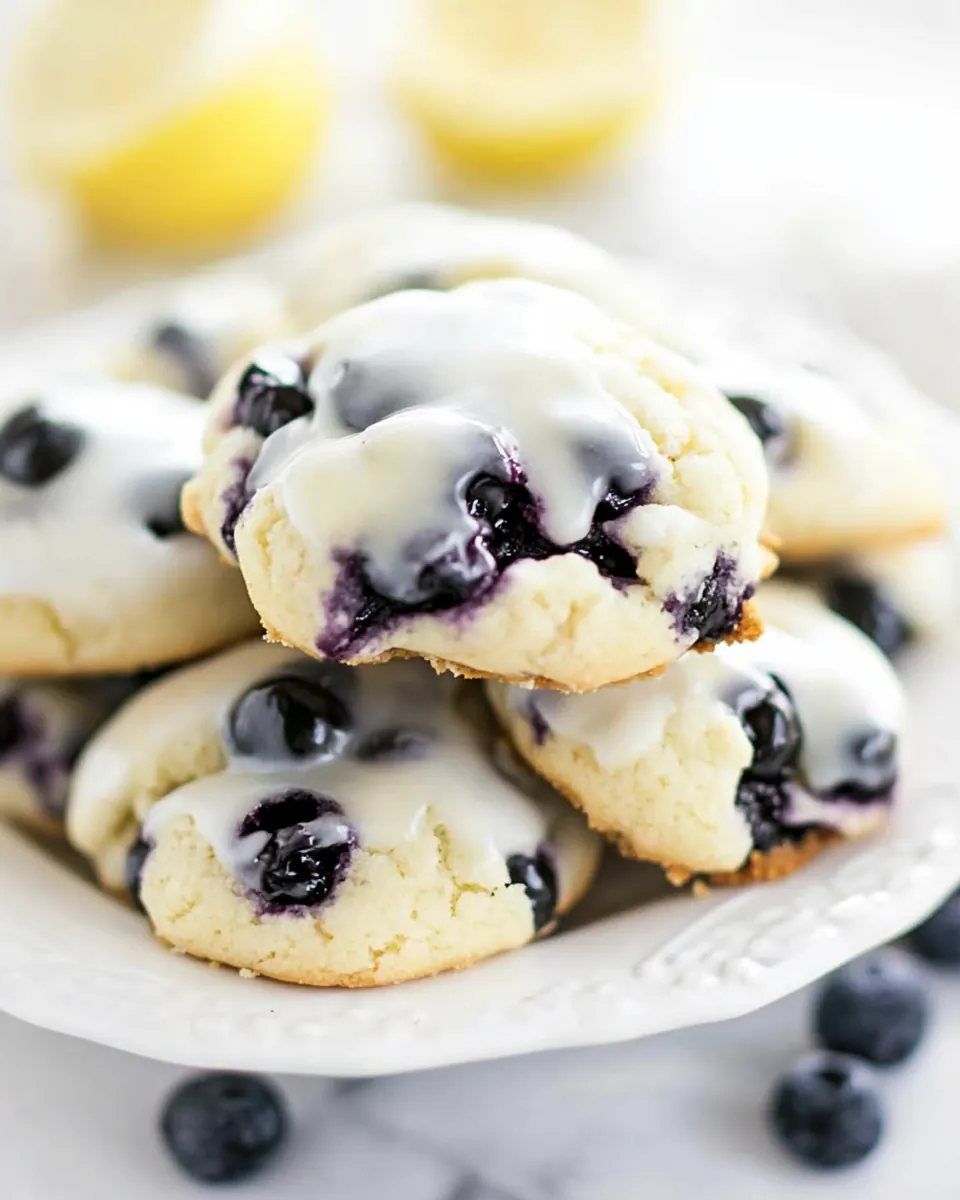
These ingredients are chosen to create a tender, slightly tangy cookie with bright bursts of fruit and a finishing citrus note. The key players are the cream cheese which brings moisture and tang, the butter for richness and structure, and the blueberries for fresh fruit pockets. The dry components provide lift and tenderness, while the glaze adds a final sweet and zesty layer.
- 1 cups sugar: Provide sweetness and structure to the cookie dough, helping to create a tender crumb and promote browning during baking. Creams with butter to incorporate air for a lighter texture, and balances flavors of cream cheese and lemon.
- 1/2 cups softened unsalted butter: Contribute richness and moisture to the dough while aiding in creaming with sugar to trap air for a soft, tender cookie. Soften before use to ensure even mixing and smooth texture without overworking the dough.
- 4 ounces cream cheese: Add tangy creaminess that enriches the dough and lends a soft, slightly dense texture to the cookies. Soften to room temperature for easier incorporation and to prevent streaks while enhancing overall flavor depth.
- 1 egg: Bind the ingredients together and add moisture and structure, supporting leavening and contributing to a tender crumb. Beat in with sugars to help emulsify fats and produce a uniform dough consistency.
- 1 teaspoon vanilla: Enhance the cookie’s aroma and flavor with warm, sweet notes that complement the cream cheese and lemon components. Add with wet ingredients to evenly distribute flavor throughout the dough.
- 2 1/2 cups all-purpose flour: Provide the main bulk and structure through gluten formation when mixed, creating the cookie’s chew and shape. Sift and measure accurately to maintain proper dough consistency and prevent overly dense results.
- 1 teaspoon baking soda: Act as a chemical leavening agent that reacts with acidic components to create lift and lightness in the cookies. Distribute evenly throughout the flour to ensure consistent rising and texture.
- 1 teaspoon baking powder: Offer additional lift and tenderness by releasing carbon dioxide when heated, balancing the baking soda for controlled rise and crumb. Use with baking soda to fine-tune texture and create a delicate crumb.
- 1/4 teaspoons salt: Control overall seasoning and enhance other flavors while balancing sweetness; prevents the cookies from tasting flat. Dissolve and mix evenly to ensure consistent seasoning throughout the dough.
- 2 cups blueberries: Provide bursts of fresh, juicy fruitiness and slight tartness that contrast the sweet, creamy dough and contribute texture. Fold in gently to prevent crushing and color bleeding into the dough.
- 1 1/2 cup powdered sugar: Form the base of the lemon glaze, adding smooth sweetness and helping to set a glossy finish when mixed with lemon juice and milk. Sift if lumpy to ensure a silky, pourable glaze consistency.
- 1 tablespoon lemon juice: Impart bright, acidic lemon flavor to the glaze that cuts richness and adds freshness to the cookies. Combine with powdered sugar and milk to achieve a balanced, pourable glaze.
- 1 tablespoon milk: Adjust the glaze consistency to a smooth, drizzling texture and temper the lemon juice’s acidity for a milder finish. Add gradually to reach desired glaze thickness without thinning too much.
- 1 teaspoon vanilla: Provide additional sweet, floral, and vanilla notes to the glaze, rounding flavors and enhancing overall aroma. Stir in last to preserve delicate aromatic compounds and balance the citrus.
- zest of one lemon: Deliver concentrated citrus aroma and a burst of bright flavor to both dough and glaze, amplifying the lemon character. Grate finely to avoid bitter pith and sprinkle or fold in as instructed for consistent flavor.
How to Prepare Blueberry Cream Cheese Cookies with a Lemon Glaze
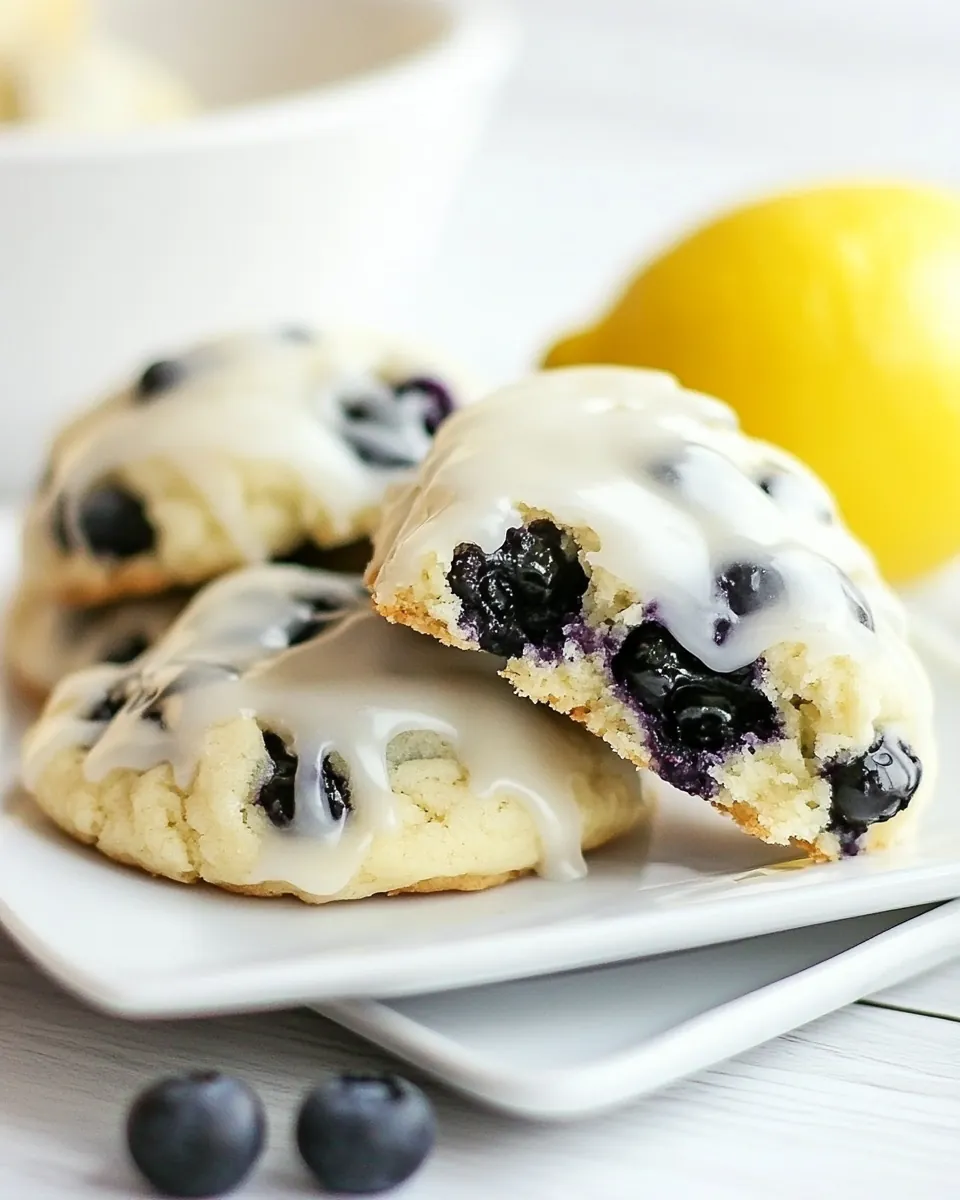
These steps guide you from mixing to glazing, using sensory cues and practical troubleshooting so you feel confident at each stage. Read them through and prepare your tools before you start for a smoother workflow.
- Preheat oven to 350 degrees Fahrenheit. Line a baking sheet with parchment paper or lightly spray with non-stick cooking spray.: As the oven warms, you will notice a dry, warm scent filling the kitchen, signaling an even bake environment; preheating ensures the cookies start cooking immediately for proper rise and texture. Using parchment prevents sticking and promotes even browning on the bottom, while a light spray can be a fallback if you do not have parchment. A common mistake is putting cold dough into an oven that is not fully preheated, which can cause uneven spread and inconsistent texture, so wait until the oven reaches the full temperature.
- Using a hand or stand mixer, whisk together the 1 cup sugar, 1/2 cup softened unsalted butter, and 4 ounces cream cheese until smooth and creamy. Add in 1 egg and 1 teaspoon vanilla and beat until just incorporated.: You will hear the mixer change tone as the ingredients come together, and the bowl contents should look glossy and homogeneous, with no streaks of butter or lumps of cream cheese . Creaming traps air tiny pockets, which contributes to a tender structure; achieving a smooth emulsion here is important for consistent crumb. Overbeating at this stage can make the batter too soft and cause excessive spreading, so mix until combined and smooth, pausing to scrape the bowl so everything is evenly incorporated.
- In another bowl combine 2 1/2 cups all-purpose flour, 1 teaspoon baking soda, 1 teaspoon baking powder, and 1/4 teaspoon salt. Beat the flour mixture into the butter mixture until incorporated. Gently fold in the 2 cups blueberries.: When you whisk the dry ingredients together, you will see a uniform, pale mixture that ensures even distribution of leavening and salt, which prevents pockets of bitter or overly salty spots in baked cookies. Sifting or thorough whisking aerates the flour slightly, which helps keep the cookies light. A common error is adding wet ingredients before properly mixing the dry ones, which can lead to uneven rising and spots of unmixed leavening in the final bake.
- Drop heaping tablespoons of dough onto the cookie sheet. Bake for 10-12 minutes. Let cool on a wire rack.: After adding the dry mixture you will notice the dough thicken and become more structured, moving from glossy to more matte as the flour hydrates. Folding in the blueberries should be gentle and brief, because their skins are delicate and you want whole bursts of fruit rather than a uniformly purple dough. If you overmix, the dough will become tough and the berries will bleed, so stop once the berries are evenly distributed.
- Whisk together the 1 1/2 cup powdered sugar, 1 tablespoon lemon juice, 1 tablespoon milk, 1 teaspoon vanilla, and the zest of one lemon. Drizzle on top of cookies.: As the cookies bake, watch for edges to set and become lightly golden while the centers remain soft; you may hear a faint crackle as moisture escapes. The tops should look mattified rather than wet. Cooling on a wire rack allows air to circulate underneath, preventing the bottoms from becoming soggy. A frequent misstep is leaving cookies on the hot sheet too long after baking, which continues cooking them and can rob them of a soft center, so transfer to the rack within a couple of minutes.
- Whisk together the 1 1/2 cup powdered sugar, 1 tablespoon lemon juice, 1 tablespoon milk, 1 teaspoon vanilla, and the zest of one lemon. Drizzle on top of cookies: The glaze should be smooth and glossy, with a bright citrus aroma from the lemon zest . Drizzling while the cookies are slightly warm allows the glaze to set thinly on the surface, creating a pleasant contrast between soft cookie and slightly firmer topping. If the glaze is too thin, it will run off the cookies and pool on the rack, so adjust by adding more powdered sugar a little at a time until it reaches a syrupy consistency. A common oversight is using too much liquid, which makes a runny glaze and reduces the visual impact and texture contrast.
Customization Ideas
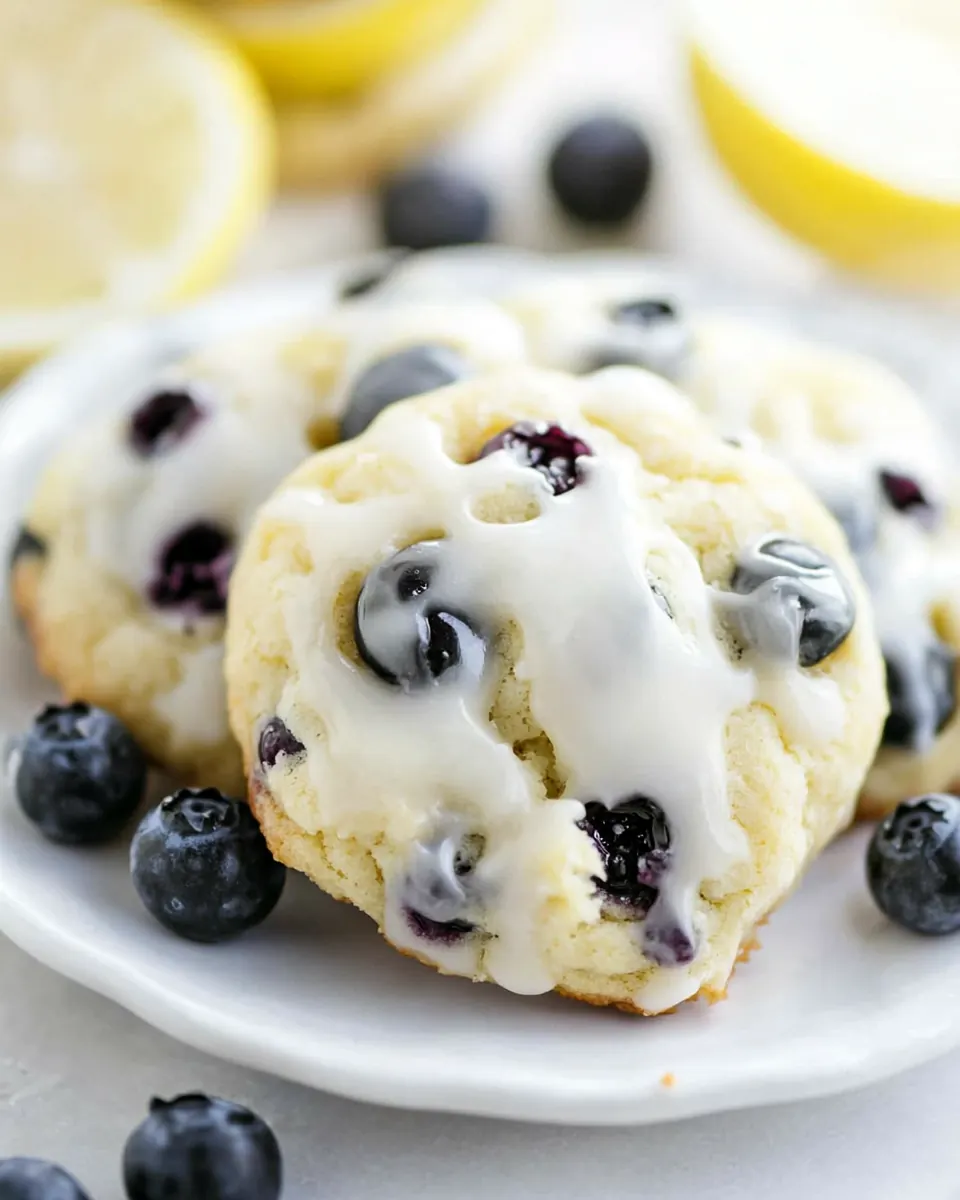
If you want to adapt these cookies for different tastes or occasions, small changes go a long way. Below are practical, tested ideas to swap textures, flavors, or finishes while keeping the core method intact.
- Swap berry sizes thoughtfully. Use smaller, wild blueberries for concentrated bursts, or larger domestic berries if you want juicier pockets, taking care to fold them in gently so they do not burst.
- Brighten the glaze. Increase the amount of lemon zest for a more aromatic finish, or add an extra half teaspoon of lemon juice for a tangier profile, balancing with powdered sugar to maintain consistency.
- Make smaller cookies for tea time. Scoop smaller portions and shorten baking time slightly to create dainty cookies ideal for serving with tea, watching for the same visual cues of set edges and soft centers.
- Freeze dough balls. Portion dough onto a tray, freeze until firm, then transfer to a bag; bake from frozen adding a minute or two to the bake time for fresh cookies on demand.
- Gild with extra zest after glazing. Sprinkle a tiny bit of finely grated lemon zest on the glaze before it sets to intensify aroma and add a professional touch.
What Complements This Blueberry Cream Cheese Cookies with a Lemon Glaze
These cookies pair beautifully with simple beverages and casual gatherings, and their bright flavor profile suits sunny afternoons and small celebrations. Below are thoughtful serving ideas and storage notes to help you plan occasions around them.
- Casual teatime pairing. Serve the cookies on a small platter alongside a pot of herbal or black tea for a relaxed afternoon snack, letting guests enjoy the citrus brightness between sips.
- Brunch addition. Place the cookies on a brunch buffet with fresh fruit and light pastries to add a sweet, tangy option that complements savory items without overpowering them.
- Gifting idea. Pack a dozen in a decorative tin with parchment for a thoughtful housewarming or hostess gift, as the glaze keeps them looking polished and the cookies travel well for short trips.
- Storage for later. Store cooled cookies in an airtight container at room temperature for two to three days; if you need longer storage, freeze unglazed cookies and thaw before glazing to preserve texture.
- Seasonal pairing. These cookies shine in summer when blueberries are at their peak, and they also make a bright addition to spring gatherings where citrus notes feel fresh and uplifting.
FAQ
Conclusion
These Blueberry Cream Cheese Cookies with a Lemon Glaze stand out because they balance tender, tangy richness with bright, fruity bursts and a citrus finish. Give them a try when you want a simple but impressive treat for guests or a special afternoon indulgence. Baking them is a small, satisfying ritual that yields bakery style results with everyday ingredients, and once you taste that soft interior and zesty glaze, you may find yourself making them again and again.
Blueberry Cream Cheese Cookies with a Lemon Glaze
Equipment
- Mixer
- Mixing Bowls
- Baking Sheet
- Parchment Paper
- Wire Rack
Ingredients
- 1 cups sugar Provide sweetness and structure to the cookie dough, helping to create a tender crumb and promote browning during baking. Creams with butter to incorporate air for a lighter texture, and balances flavors of cream cheese and lemon.
- 1/2 cups softened unsalted butter Contribute richness and moisture to the dough while aiding in creaming with sugar to trap air for a soft, tender cookie. Soften before use to ensure even mixing and smooth texture without overworking the dough.
- 4 ounces cream cheese Add tangy creaminess that enriches the dough and lends a soft, slightly dense texture to the cookies. Soften to room temperature for easier incorporation and to prevent streaks while enhancing overall flavor depth.
- 1 egg Bind the ingredients together and add moisture and structure, supporting leavening and contributing to a tender crumb. Beat in with sugars to help emulsify fats and produce a uniform dough consistency.
- 1 teaspoon vanilla Enhance the cookie’s aroma and flavor with warm, sweet notes that complement the cream cheese and lemon components. Add with wet ingredients to evenly distribute flavor throughout the dough.
- 2 1/2 cups all-purpose flour Provide the main bulk and structure through gluten formation when mixed, creating the cookie’s chew and shape. Sift and measure accurately to maintain proper dough consistency and prevent overly dense results.
- 1 teaspoon baking soda Act as a chemical leavening agent that reacts with acidic components to create lift and lightness in the cookies. Distribute evenly throughout the flour to ensure consistent rising and texture.
- 1 teaspoon baking powder Offer additional lift and tenderness by releasing carbon dioxide when heated, balancing the baking soda for controlled rise and crumb. Use with baking soda to fine-tune texture and create a delicate crumb.
- 1/4 teaspoons salt Control overall seasoning and enhance other flavors while balancing sweetness; prevents the cookies from tasting flat. Dissolve and mix evenly to ensure consistent seasoning throughout the dough.
- 2 cups blueberries Provide bursts of fresh, juicy fruitiness and slight tartness that contrast the sweet, creamy dough and contribute texture. Fold in gently to prevent crushing and color bleeding into the dough.
- 1 1/2 cup powdered sugar Form the base of the lemon glaze, adding smooth sweetness and helping to set a glossy finish when mixed with lemon juice and milk. Sift if lumpy to ensure a silky, pourable glaze consistency.
- 1 tablespoon lemon juice Impart bright, acidic lemon flavor to the glaze that cuts richness and adds freshness to the cookies. Combine with powdered sugar and milk to achieve a balanced, pourable glaze.
- 1 tablespoon milk Adjust the glaze consistency to a smooth, drizzling texture and temper the lemon juice’s acidity for a milder finish. Add gradually to reach desired glaze thickness without thinning too much.
- 1 teaspoon vanilla Provide additional sweet, floral, and vanilla notes to the glaze, rounding flavors and enhancing overall aroma. Stir in last to preserve delicate aromatic compounds and balance the citrus.
- zest of one lemon Deliver concentrated citrus aroma and a burst of bright flavor to both dough and glaze, amplifying the lemon character. Grate finely to avoid bitter pith and sprinkle or fold in as instructed for consistent flavor.
Instructions
- Preheat oven to 350 degrees Fahrenheit. Line a baking sheet with parchment paper or lightly spray with non-stick cooking spray.: As the oven warms, you will notice a dry, warm scent filling the kitchen, signaling an even bake environment; preheating ensures the cookies start cooking immediately for proper rise and texture. Using parchment prevents sticking and promotes even browning on the bottom, while a light spray can be a fallback if you do not have parchment. A common mistake is putting cold dough into an oven that is not fully preheated, which can cause uneven spread and inconsistent texture, so wait until the oven reaches the full temperature.
- Using a hand or stand mixer, whisk together the 1 cup sugar, 1/2 cup softened unsalted butter, and 4 ounces cream cheese until smooth and creamy. Add in 1 egg and 1 teaspoon vanilla and beat until just incorporated.: You will hear the mixer change tone as the ingredients come together, and the bowl contents should look glossy and homogeneous, with no streaks of butter or lumps of cream cheese . Creaming traps air tiny pockets, which contributes to a tender structure; achieving a smooth emulsion here is important for consistent crumb. Overbeating at this stage can make the batter too soft and cause excessive spreading, so mix until combined and smooth, pausing to scrape the bowl so everything is evenly incorporated.
- In another bowl combine 2 1/2 cups all-purpose flour, 1 teaspoon baking soda, 1 teaspoon baking powder, and 1/4 teaspoon salt. Beat the flour mixture into the butter mixture until incorporated. Gently fold in the 2 cups blueberries.: When you whisk the dry ingredients together, you will see a uniform, pale mixture that ensures even distribution of leavening and salt, which prevents pockets of bitter or overly salty spots in baked cookies. Sifting or thorough whisking aerates the flour slightly, which helps keep the cookies light. A common error is adding wet ingredients before properly mixing the dry ones, which can lead to uneven rising and spots of unmixed leavening in the final bake.
- Drop heaping tablespoons of dough onto the cookie sheet. Bake for 10-12 minutes. Let cool on a wire rack.: After adding the dry mixture you will notice the dough thicken and become more structured, moving from glossy to more matte as the flour hydrates. Folding in the blueberries should be gentle and brief, because their skins are delicate and you want whole bursts of fruit rather than a uniformly purple dough. If you overmix, the dough will become tough and the berries will bleed, so stop once the berries are evenly distributed.
- Whisk together the 1 1/2 cup powdered sugar, 1 tablespoon lemon juice, 1 tablespoon milk, 1 teaspoon vanilla, and the zest of one lemon. Drizzle on top of cookies.: As the cookies bake, watch for edges to set and become lightly golden while the centers remain soft; you may hear a faint crackle as moisture escapes. The tops should look mattified rather than wet. Cooling on a wire rack allows air to circulate underneath, preventing the bottoms from becoming soggy. A frequent misstep is leaving cookies on the hot sheet too long after baking, which continues cooking them and can rob them of a soft center, so transfer to the rack within a couple of minutes.
- Whisk together the 1 1/2 cup powdered sugar, 1 tablespoon lemon juice, 1 tablespoon milk, 1 teaspoon vanilla, and the zest of one lemon. Drizzle on top of cookies: The glaze should be smooth and glossy, with a bright citrus aroma from the lemon zest . Drizzling while the cookies are slightly warm allows the glaze to set thinly on the surface, creating a pleasant contrast between soft cookie and slightly firmer topping. If the glaze is too thin, it will run off the cookies and pool on the rack, so adjust by adding more powdered sugar a little at a time until it reaches a syrupy consistency. A common oversight is using too much liquid, which makes a runny glaze and reduces the visual impact and texture contrast.
Notes
- Swap berry sizes thoughtfully. Use smaller, wild blueberries for concentrated bursts, or larger domestic berries if you want juicier pockets, taking care to fold them in gently so they do not burst.
- Brighten the glaze. Increase the amount of lemon zest for a more aromatic finish, or add an extra half teaspoon of lemon juice for a tangier profile, balancing with powdered sugar to maintain consistency.
- Make smaller cookies for tea time. Scoop smaller portions and shorten baking time slightly to create dainty cookies ideal for serving with tea, watching for the same visual cues of set edges and soft centers.
- Freeze dough balls. Portion dough onto a tray, freeze until firm, then transfer to a bag; bake from frozen adding a minute or two to the bake time for fresh cookies on demand.
- Gild with extra zest after glazing. Sprinkle a tiny bit of finely grated lemon zest on the glaze before it sets to intensify aroma and add a professional touch.