Coconut Coffee Cake
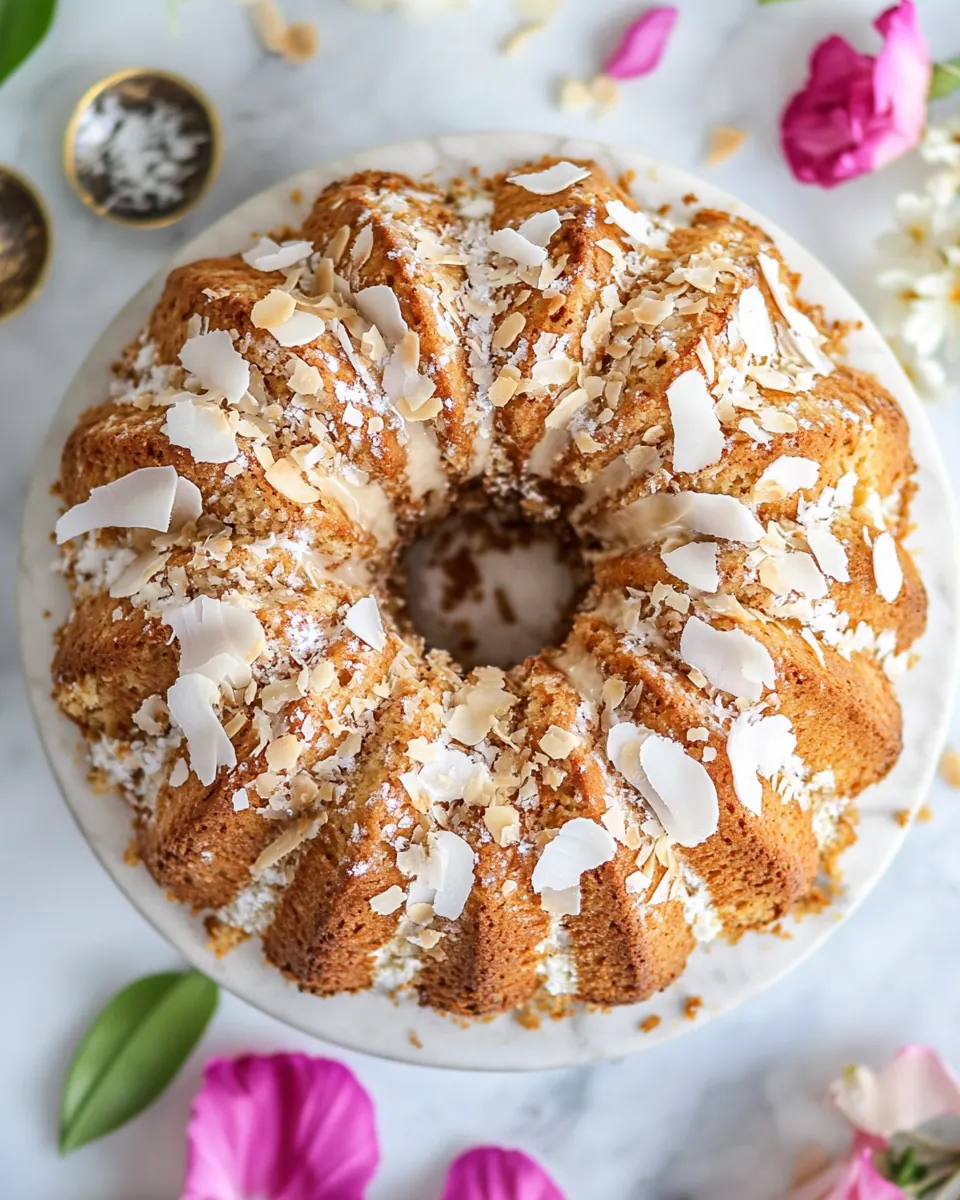
Coconut Coffee Cake is one of those recipes I reach for when I want something a little nostalgic, with a tropical twist that still feels cozy at the kitchen table.
I remember the first time I tried to bake this, the house smelled like warm cinnamon and toasted coconut, and a neighbor knocked on the door because she thought something magical was happening. I laughed and invited her in, and we sat with forks, tea, and stories; that memory has kept this cake on my regular rotation ever since. The texture is tender and a bit crumbly, the streusel pockets give you bursts of sweet, spiced crunch, and the coconut glaze pulls everything together with a creamy sheen that soaks into the crumb just enough to make each slice sing.
When I bring out this cake at brunches, people ask me for the recipe not because it looks fancy, but because it tastes comfortingly familiar with an unexpected coconut note. I love how the espresso powder accentuates the cocoa and cinnamon without turning the cake into a coffee cake in the usual sense, so the flavor balance is subtle and grown up. Over time I learned a few small habits while making it, like toasting the coconut at the end so it stays fragrant and crisp, and to cool the cake fully before glazing so the glaze sits prettily on the top instead of melting away.
Recipe Snapshot
2 hr
65 mins
55 mins
Medium
350 kcal
American
Gluten-Free, Low FODMAP
Desserts
10-inch bundt cake pan, Electric mixer, Mixing bowls, Skillet, Wire rack
Why You Need This Coconut Coffee Cake
Texture that feels like a memory
One reason I adore Coconut Coffee Cake is the way the crumb yields under your fork, yet still holds the streusel pockets. I like that each bite offers contrast, because the cake crumb is buttery and tender, and the streusel is intentionally sandy and slightly crisp. I often tell friends the texture is what makes it perfect for lazy weekend mornings.
Balanced, nuanced flavor
I love how the recipe layers flavors. The tiny bit of instant espresso powder lifts the cocoa and cinnamon, while the coconut extract and shredded coconut give that tropical whisper. It never overwhelms, it simply enhances, so the cake feels refined rather than cloying. That balance is why I make it when I want something special but not over the top.
Streusel pockets for delightful surprises
Sprinkling the streusel between batter layers creates those delightful pockets that break up the cake in the best way. I find guests smile when they hit one of these pockets mid slice, and I like that it adds texture without extra fuss. Making the streusel with cold, cubed butter is my trick to keep it sandy and crumbly, rather than melting into a dense paste.
Versatile for gatherings
Coconut Coffee Cake travels well to potlucks and brunches. It slices cleanly after it has fully cooled, and the toasted coconut flakes on top stay crisp for hours if you keep them in a covered container. I’ve taken it to book club, neighborhood breakfasts, and quiet Sunday coffees, and it always fits in, whether it’s a casual crowd or a more formal table.
Simple ingredients, big payoff
What’s lovely is how pantry-friendly most ingredients are. With all-purpose flour, sugar, and a few warming spices, you can turn out something that feels indulgent. I appreciate recipes that reward small effort with a big impression, and this one absolutely does.
Coconut Coffee Cake Ingredients
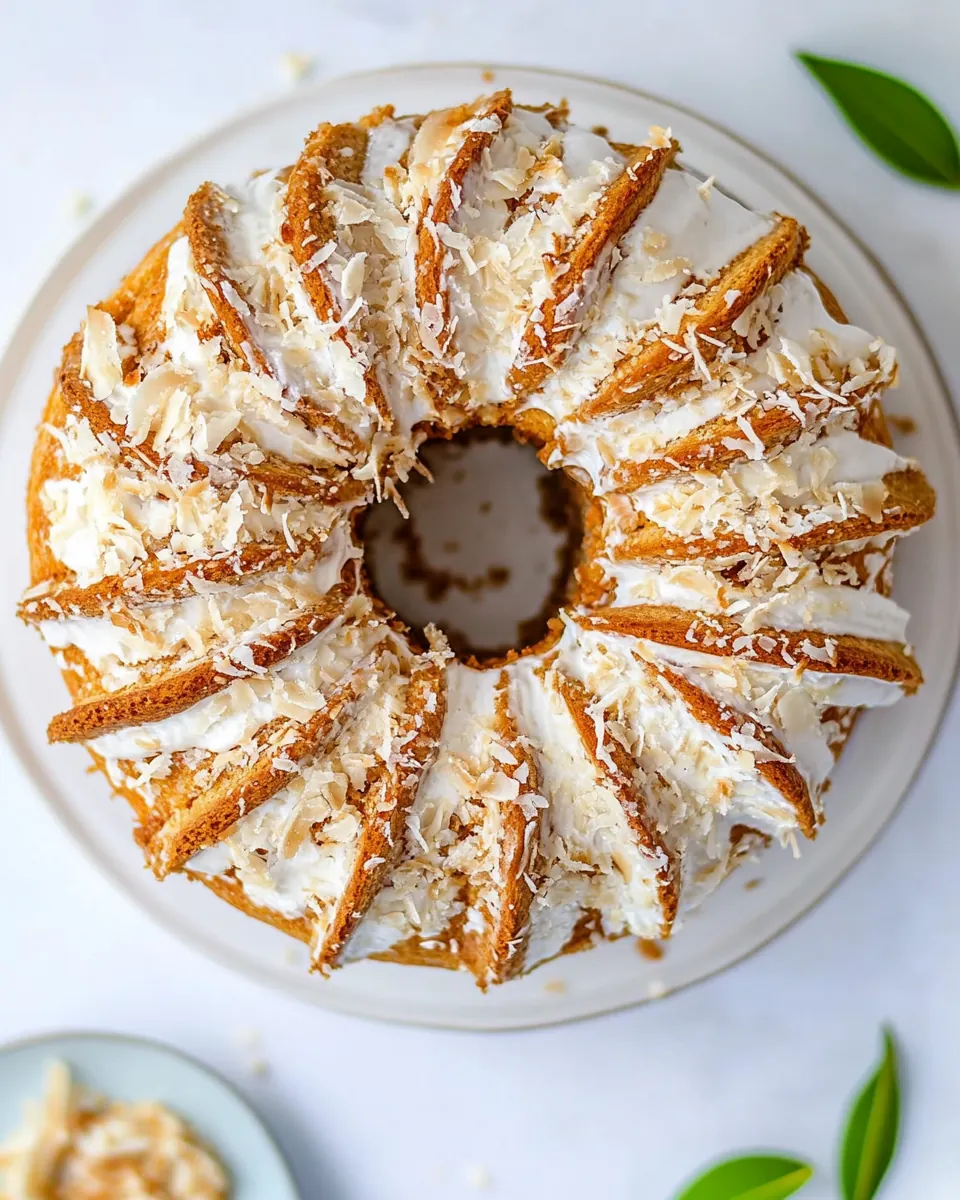
I treat the ingredient list like a short cast of characters, each with an important role. The cake needs structure from the flours and leaveners, moisture and richness from the butter, yogurt, and eggs, and a crunchy contrast from the streusel and toasted coconut flakes. The extracts and espresso powder are small players that punch above their weight, subtly heightening the overall profile.
- 1/2 cup packed light brown sugar: Adds deep caramelized sweetness and moisture to the streusel; helps bind the crumb topping and creates a chewy texture when baked. Enhances overall flavor with a hint of molasses that balances the cake's sweetness. Works well with spices to create a complex topping profile.
- 1/2 cup all-purpose flour: Provides structure and body to the streusel, helping it hold together when baked and offering a tender bite. Contributes lightness without adding extra sweetness, allowing the brown sugar and spices to shine. Blends easily with the butter to form coarse crumbs.
- 2 teaspoons cinnamon: Imparts warm, aromatic spice to the streusel with a sweet-woody note that complements brown sugar and coconut. Helps create a classic coffee cake flavor profile and rounds out sweetness with subtle complexity. Balances richer components like butter and cocoa.
- 1 teaspoon unsweetened cocoa powder: Lends a faint chocolate bitterness to the streusel, accentuating depth and contrast against sweet elements. Enhances the overall flavor complexity without overpowering the coconut and cinnamon. Dissolves easily and blends into the crumb mixture.
- 1 teaspoon instant espresso powder: Boosts coffee-like aroma and flavor in the streusel without adding liquid, intensifying the cake's mocha notes. Provides an aromatic lift that pairs well with cocoa and cinnamon. Blends into dry ingredients for an even distribution of flavor.
- 1/2 teaspoons salt: Sharpens and balances flavors by tempering sweetness and amplifying other aromatics in the streusel. Maintains overall seasoning and prevents the topping from tasting flat. Essential for flavor equilibrium in the crumb mix.
- 1/4 cup cold unsalted butter cut into pieces: Incorporates fat to bind the streusel components, melting during baking to yield a tender, flaky topping. Cold butter cut into pieces helps form pea-sized crumbs that create a desirable texture. Contributes richness and mouthfeel.
- 3 cups all-purpose flour: Forms the primary dry structure of the cake batter, supplying gluten-forming proteins for rise and stability. Works with leaveners to produce a tender but sturdy crumb that supports fillings and toppings. Needs proper mixing to avoid overdeveloping gluten.
- 2 teaspoons baking powder: Provides lift and lightness by releasing gas during baking, helping the cake rise and achieve an airy texture. Reacts with moisture and heat to produce a fine, even crumb. Should be evenly distributed for consistent rise.
- 1/2 teaspoon baking soda: Helps with oven rise and tenderness by reacting with acidic ingredients, creating additional leavening gas. Works in tandem with baking powder to fine-tune crumb texture and volume. Use measured amounts to prevent metallic aftertastes.
- 1/2 teaspoons salt: Balances sweetness and controls dough chemistry by enhancing leaveners' action and flavor profile. Prevents the cake from tasting flat and ensures proper yeast-free chemical reactions. Essential duplicate salt to adjust seasoning in both topping and batter.
- 1 cup unsalted butter softened to room temperature: Adds richness, moisture, and tenderness to the batter while contributing to structure and emulsion. Softened unsalted butter creamed with sugar creates aeration for lift and a fine crumb. Unsalted butter allows precise salt control in the recipe.
- 1 1/2 cups sugar: Sweetens and aerates the batter when creamed with butter, supplying bulk and contributing to the cake's tender texture. Dissolves during baking to produce a balanced sweet profile. Quantity affects moisture and overall crumb softness.
- 3 large eggs: Provides structure and stability to the batter, setting as it cooks to create lift and moisture retention. Adds richness and contributes to emulsification when combined with butter and sugar. Room–temperature eggs incorporate air for lighter texture.
- 2 teaspoons vanilla extract: Enhances overall flavor with a familiar vanilla warmth that rounds out other aromatics and supports sweetness. Adds aroma and subtle complexity to both crumb and frosting components. Works synergistically with coconut extract and spices.
- 1 teaspoon coconut extract: Introduces a concentrated tropical coconut note to the batter, reinforcing the cake's coconut theme without adding extra moisture. Complements vanilla and coconut milk for layered coconut flavor. Use sparingly to avoid overpowering delicate flavors.
- 1 cup plain greek yogurt, full-fat or 2% is best: Contributes tang, moisture, and tenderness to the batter while acting as a partial liquid component for proper texture. Greek yogurt's acidity also reacts with baking soda to enhance rise and produce a fine crumb. Full-fat or 2% yields creamier mouthfeel and richer flavor.
- 1 cup sweetened, shredded coconut: Delivers sweet chewiness and pronounced coconut flavor throughout the cake, adding textural interest and tropical character. Toasts lightly during baking to develop nuttier notes and contrast the tender crumb. Blends with batter for even distribution.
- 1 heaping cup powdered sugar: Creates a smooth, sweet glaze texture when combined with liquid, providing sweetness and structure for pouring over the cake. Powdered sugar dissolves easily to form a glossy finish that adheres to warm cake surfaces. Quantity controls thickness and drizzle consistency.
- 1 1/2 teaspoons vanilla extract: Adds concentrated sweet vanilla aroma and depth to the glaze, harmonizing with coconut flavors and powdered sugar. Enhances the overall scent and rounds out any sharpness from the confectioners' sugar. Small amounts go a long way in the icing.
- 1/2 teaspoon coconut extract: Intensifies coconut presence in the glaze with a fragrant, tropical accent that pairs with vanilla and coconut milk. Helps anchor the cake's coconut theme in the finishing sauce. Use sparingly to prevent artificial or cloying notes.
- 1/4 to 1/3 cup coconut milk: Adjusts glaze consistency and adds subtle creamy coconut flavor, helping powdered sugar reach a pourable texture. Coconut milk contributes smoothness and a hint of richness without overpowering the coconut extract. Quantity range allows tuning for desired drizzle thickness.
- 1 cup unsweetened coconut flakes: Provides large, chewy flakes for texture and visual appeal when sprinkled on top or toasted; adds pronounced coconut flavor and a slightly nutty profile when baked. Enhances mouthfeel and reinforces the dessert's tropical character. Can be used raw or lightly toasted for depth.
Step by Step Guide for Coconut Coffee Cake
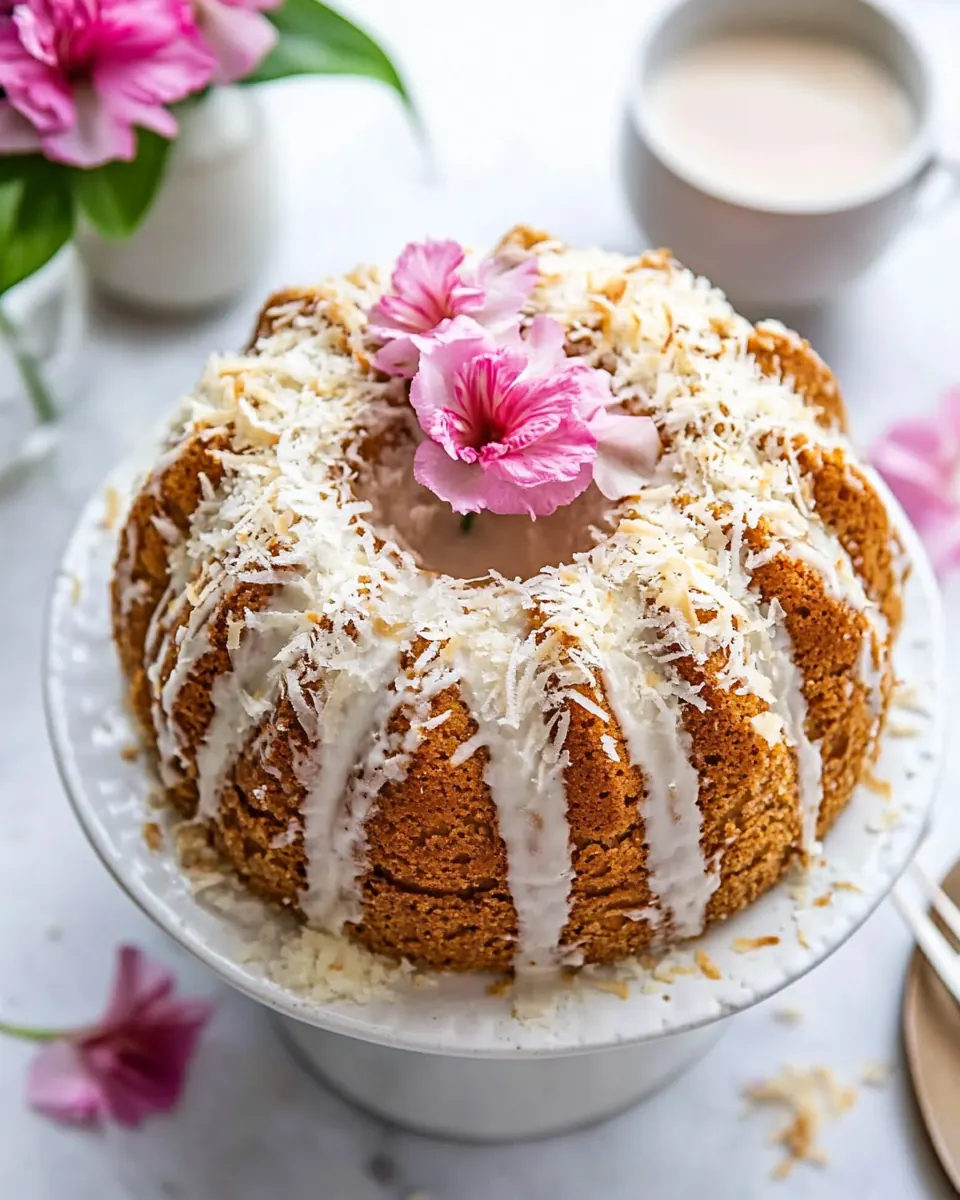
This is a cake I make with deliberate, comforting motions. Take your time with the creaming and the streusel, and pay attention to the visual cues. The following steps follow the original directions, expanded so you can feel confident at each stage.
- Preheat the oven to 350 degrees F. Butter and flour a 10-inch bundt cake pan and set aside. Butter and flour is key or use a nonstick baking spray with the flour in it.: Warm, fragrant air from a properly preheated oven helps the cake rise evenly and bake through without dense centers. As the oven reaches 350 degrees F , you may notice a dry, warm smell that indicates it is ready. Greasing and flouring the pan ensures the cake releases cleanly; if you skip this, the cake can cling and tear, so be thorough. A common mistake is to under-grease the pan or forget to get into nooks, which causes sticking. If you are using a nonstick baking spray with flour, make sure it covers all surfaces because bundt pans have crevices that trap batter.
- Whisk together the sugar, flour, cinnamon, cocoa, espresso powder and salt. Add the butter pieces and using your hands, mix together the flour and butter until the flour is incorporated and in tiny pieces. It’s okay if the mixture looks like SAND!: The streusel starts with dry ingredients whisked so the spices are evenly distributed, which means every bite has consistent flavor. When you rub the cold butter into the flour mixture with your fingertips, you should feel small pea sized bits that resemble coarse sand. These tiny butter pockets melt during baking and create that delightful crumbly texture. If the butter gets too warm, the streusel will clump into a paste, so work quickly and return it to the fridge if needed.
- In a small bowl, whisk together the flour, baking powder, soda and salt. In the bowl of your electric mixer, beat the butter on medium speed until creamy, then add the sugar and beat for 4 to 5 minutes on medium speed until fluffy, scraping down the sides if needed. Add the eggs one at a time, beating well for a minute or so after each addition. Add the extracts and beat well. Beat in the yogurt, again scraping down the sides if needed.: Creaming the butter and sugar until light and fluffy incorporates air, giving the cake lift and a tender crumb. You should see the mixture become paler and slightly increased in volume after 4 to 5 minutes. Adding the eggs one by one allows the emulsion to form, reducing the risk of curdling. When you add the yogurt , the batter will relax and smell tangy and creamy, which is normal. Overbeating after adding flour can lead to a tough cake, so keep mixing to the point of incorporation only once dry ingredients are added.
- Gradually add the dry ingredients with the mix on low speed. Beat until they are just incorporated. Stir in the shredded coconut. Spoon half of the batter into the greased bundt pan. Sprinkle the batter with two thirds of the streusel. Add the remaining batter on top then, swirl in the remaining streusel with a knife. Bake until a wooden pick inserted into the cake comes out clean, about 45 to 55 minutes. My cake needed the full 55 and it was perfect.: As you fold in the dry mix, the batter will thicken and look slightly glossy; mixing on low prevents gluten development that makes cakes chewy. When you fold in the shredded coconut , you should notice flecks throughout the batter and a faint coconut aroma. Layering the batter with streusel creates pockets that crisp and caramelize; when you swirl the remaining streusel with a knife, do not overmix or the layers will blend. During baking the top should set and turn a warm golden brown, and the kitchen will fill with cinnamon and coconut notes. If the skewer comes out with wet batter, the center needs more time; if the top browns too quickly, tent with foil to avoid burning while allowing the middle to finish baking.
- Remove the cake from the oven and allow to cool for 10 minutes. Invert the pan on a wire rack and allow the cake to cool completely. Don’t attempt to move it or it will break apart!: After baking, the cake continues to set, so a brief rest in the pan prevents collapsing. Cooling for about 10 minutes makes the cake firm enough to release; if you rush this, the cake can tear. Inverting onto a wire rack allows air to circulate and cool evenly, avoiding sogginess. If you find the cake stuck in spots, tap the pan gently and use a thin spatula to loosen it around the edges, being careful not to gouge the crumb.
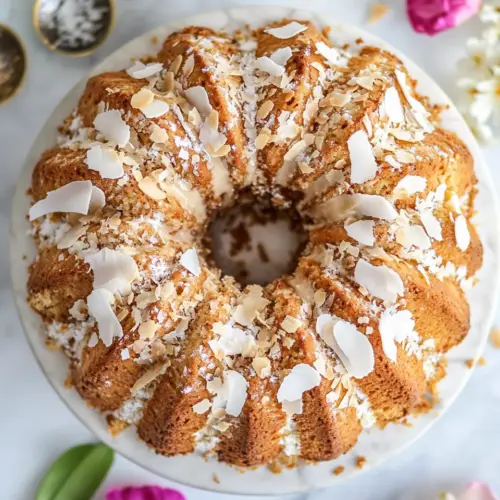
- Once cool, drizzle the cake with the coconut glaze. Sprinkle with the toasted coconut. Let set for about 30 minutes then slice and serve.: A cool cake will accept the coconut glaze without it melting into the crumb, so wait until the cake is fully cool. Drizzling should be done in slow, steady motions to create pretty ribbons rather than a single puddle. Once you add the toasted coconut flakes , they provide a crisp contrast and a toasty aroma that elevates the cake. Let the glaze set for about 30 minutes so slices cut cleanly; slicing too early can smear the glaze and tear the edges.
- Whisk together the powdered sugar, extracts and coconut milk (start with 1/4 cup!) until combined and smooth. If the mixture is too thin, whisk in more powdered sugar about 1/4 cup at a time. If it’s too thick, drizzle in more coconut milk 1 tablespoon at a time.: The glaze should be glossy and thick enough to cling, but thin enough to drizzle, so start with 1/4 cup coconut milk and adjust gradually. When whisking, you will notice the powdered sugar dissolve into a smooth, almost satin looking glaze. Small adjustments matter a lot here because a too thin glaze will run off and not add flavor, while a too thick one will be pasty. If your glaze separates, whisk vigorously or add a few drops more liquid to bring it back together.
- To toast the coconut, add the flakes to a skillet over medium-low heat. Toss and stir (and shake the pan!) until the coconut is golden and fragrant, about 5 minutes. Don’t walk away! Keep your eye on it the entire time. Remove the skillet and let it cool slightly before sprinkling on top.: Toasting the coconut flakes releases oils and creates a warm, nutty scent that is intoxicating; watch for a golden color and a toasty aroma as your signal. The sound is subtle, more like a quiet sizzle and crackle than a loud pop. Because coconut can burn quickly, continuous stirring and gentle heat are essential. If you overtoast, it will turn bitter, so transfer it off the heat as soon as you see light golden edges and a strong coconut smell.
Recipe Variations about Coconut Coffee Cake
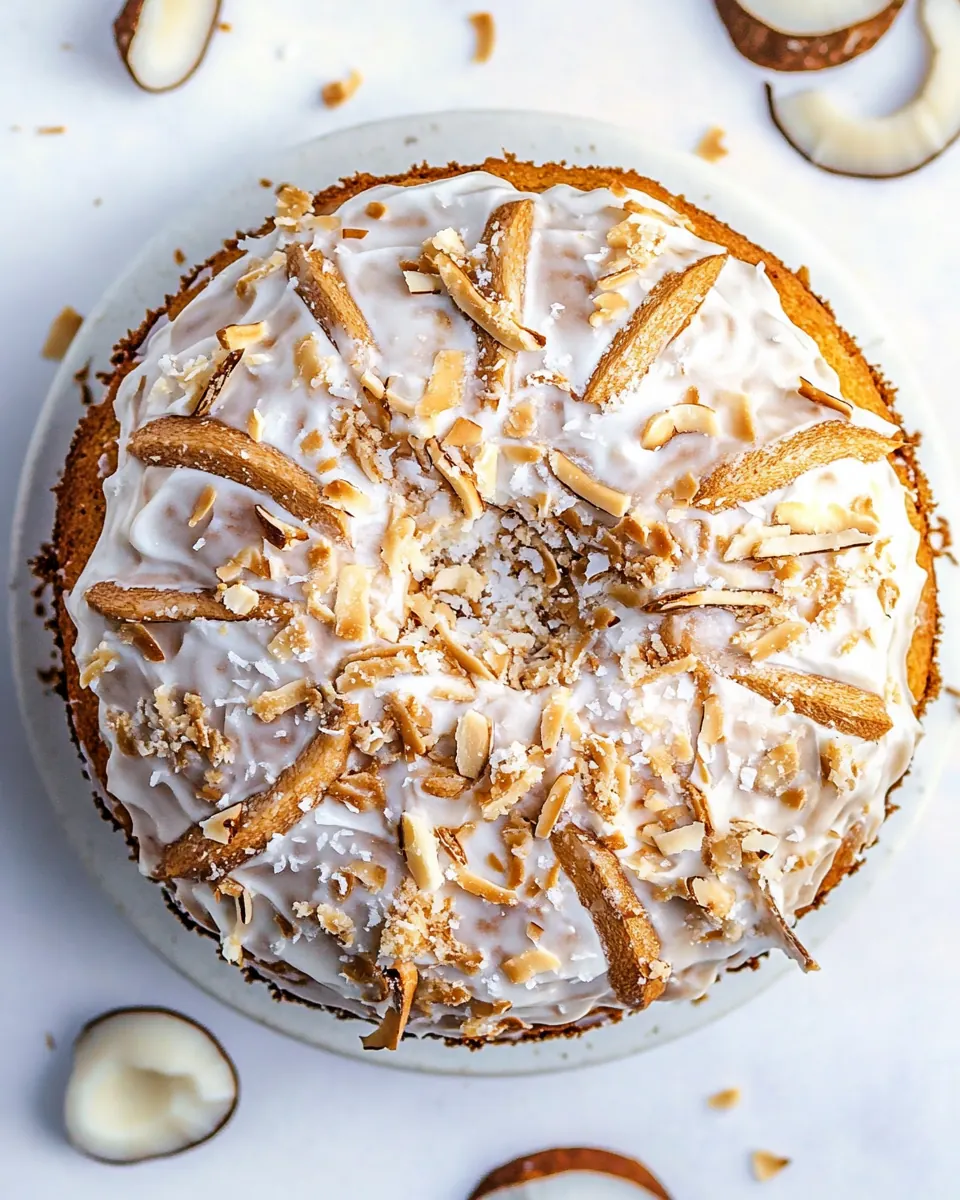
This cake adapts nicely to slight changes if you want to personalize it. Below are practical variations and ideas to help you tailor the recipe while keeping the core texture and flavor intact.
- Use extra toasted coconut for more crunch by doubling the unsweetened coconut flakes and toasting half to scatter on top for extra texture.
- Adjust the streusel sweetness by swapping some of the light brown sugar for granulated sugar if you prefer a lighter caramel note.
- Make it more coconut-forward by increasing the coconut extract slightly in both batter and glaze, but add in small increments to avoid overpowering the other flavors.
- For a tangier crumb use full-fat plain greek yogurt as suggested; it enhances moisture and gives a pleasant tang that balances sweetness.
- Almond swap try a couple teaspoons of almond extract in place of vanilla for a complementary nutty background that pairs well with coconut.
What to Pair With Coconut Coffee Cake
This cake makes a flexible centerpiece for many occasions, from relaxed mornings to festive brunches. Think about pairing it with beverages and sides that enhance its coconut and warm spice notes while keeping service simple. Below are suggestions for pairings, occasions, storage, and ways to present the cake attractively.
- Morning brunch pairing serve slices with a pot of strong black coffee or a mild tea, the bittersweet notes of coffee cut through the sweetness and make each bite feel balanced.
- Afternoon tea pair the cake with light herbal teas or a slightly citrusy tea to brighten the coconut flavor for a gentle afternoon treat.
- Occasion suggestions it works well for casual gatherings, book clubs, Ramadan iftar tables as a sweet offering after breaking the fast, and celebratory brunches because it serves easily to a crowd.
- Side dishes add fresh fruit like sliced mango or pineapple to echo the tropical notes, or simple berries to introduce a bright contrast.
- Storage tips keep leftovers covered at room temperature for up to two days, or refrigerate for up to five days; bring to room temperature before serving so the texture softens slightly.
- Make ahead you can bake the cake a day in advance and toast the coconut just before serving to maintain its crunch and aroma.
- Presentation sprinkle the toasted coconut flakes just before serving and place on a cake stand for a welcoming display.
- Seasonal notes this cake is truly evergreen and fits into spring and summer brunches with its coconut character, and into fall and winter when the warming spices make it feel cozy.
- Portioning slice into moderate pieces for gatherings to ensure everyone can try a bit, the cake yields well to serving at least eight people as indicated.
- Reheating warm a slice gently in a low oven for a few minutes or in a microwave for 10 to 15 seconds to refresh the texture and accentuate aromas.
FAQ
Conclusion
This Coconut Coffee Cake stands out because it balances tender cake, spiced streusel pockets, and toasty coconut for a comforting yet distinctive treat. I hope the little techniques and thoughtful layering encourage you to bake it soon. Once you taste the contrast of soft crumb and crisp toasted coconut, you will understand why it has become one of my reliable recipes for gatherings and quiet mornings alike. Enjoy the warm spices and coconut aroma as you slice into your first piece, and don’t be surprised if someone asks for the recipe.
Coconut Coffee Cake
Equipment
- 10-inch bundt cake pan
- Electric Mixer
- Mixing Bowls
- Skillet
- Wire Rack
Ingredients
- 1/2 cup packed light brown sugar Adds deep caramelized sweetness and moisture to the streusel; helps bind the crumb topping and creates a chewy texture when baked. Enhances overall flavor with a hint of molasses that balances the cake's sweetness. Works well with spices to create a complex topping profile.
- 1/2 cup all-purpose flour Provides structure and body to the streusel, helping it hold together when baked and offering a tender bite. Contributes lightness without adding extra sweetness, allowing the brown sugar and spices to shine. Blends easily with the butter to form coarse crumbs.
- 2 teaspoons cinnamon Imparts warm, aromatic spice to the streusel with a sweet-woody note that complements brown sugar and coconut. Helps create a classic coffee cake flavor profile and rounds out sweetness with subtle complexity. Balances richer components like butter and cocoa.
- 1 teaspoon unsweetened cocoa powder Lends a faint chocolate bitterness to the streusel, accentuating depth and contrast against sweet elements. Enhances the overall flavor complexity without overpowering the coconut and cinnamon. Dissolves easily and blends into the crumb mixture.
- 1 teaspoon instant espresso powder Boosts coffee-like aroma and flavor in the streusel without adding liquid, intensifying the cake's mocha notes. Provides an aromatic lift that pairs well with cocoa and cinnamon. Blends into dry ingredients for an even distribution of flavor.
- 1/2 teaspoons salt Sharpens and balances flavors by tempering sweetness and amplifying other aromatics in the streusel. Maintains overall seasoning and prevents the topping from tasting flat. Essential for flavor equilibrium in the crumb mix.
- 1/4 cup cold unsalted butter cut into pieces Incorporates fat to bind the streusel components, melting during baking to yield a tender, flaky topping. Cold butter cut into pieces helps form pea-sized crumbs that create a desirable texture. Contributes richness and mouthfeel.
- 3 cups all-purpose flour Forms the primary dry structure of the cake batter, supplying gluten-forming proteins for rise and stability. Works with leaveners to produce a tender but sturdy crumb that supports fillings and toppings. Needs proper mixing to avoid overdeveloping gluten.
- 2 teaspoons baking powder Provides lift and lightness by releasing gas during baking, helping the cake rise and achieve an airy texture. Reacts with moisture and heat to produce a fine, even crumb. Should be evenly distributed for consistent rise.
- 1/2 teaspoon baking soda Helps with oven rise and tenderness by reacting with acidic ingredients, creating additional leavening gas. Works in tandem with baking powder to fine-tune crumb texture and volume. Use measured amounts to prevent metallic aftertastes.
- 1/2 teaspoons salt Balances sweetness and controls dough chemistry by enhancing leaveners' action and flavor profile. Prevents the cake from tasting flat and ensures proper yeast-free chemical reactions. Essential duplicate salt to adjust seasoning in both topping and batter.
- 1 cup unsalted butter softened to room temperature Adds richness, moisture, and tenderness to the batter while contributing to structure and emulsion. Softened unsalted butter creamed with sugar creates aeration for lift and a fine crumb. Unsalted butter allows precise salt control in the recipe.
- 1 1/2 cups sugar Sweetens and aerates the batter when creamed with butter, supplying bulk and contributing to the cake's tender texture. Dissolves during baking to produce a balanced sweet profile. Quantity affects moisture and overall crumb softness.
- 3 large eggs Provides structure and stability to the batter, setting as it cooks to create lift and moisture retention. Adds richness and contributes to emulsification when combined with butter and sugar. Room-temperature eggs incorporate air for lighter texture.
- 2 teaspoons vanilla extract Enhances overall flavor with a familiar vanilla warmth that rounds out other aromatics and supports sweetness. Adds aroma and subtle complexity to both crumb and frosting components. Works synergistically with coconut extract and spices.
- 1 teaspoon coconut extract Introduces a concentrated tropical coconut note to the batter, reinforcing the cake's coconut theme without adding extra moisture. Complements vanilla and coconut milk for layered coconut flavor. Use sparingly to avoid overpowering delicate flavors.
- 1 cup plain greek yogurt, full-fat or 2% is best Contributes tang, moisture, and tenderness to the batter while acting as a partial liquid component for proper texture. Greek yogurt's acidity also reacts with baking soda to enhance rise and produce a fine crumb. Full-fat or 2% yields creamier mouthfeel and richer flavor.
- 1 cup sweetened, shredded coconut Delivers sweet chewiness and pronounced coconut flavor throughout the cake, adding textural interest and tropical character. Toasts lightly during baking to develop nuttier notes and contrast the tender crumb. Blends with batter for even distribution.
- 1 heaping cup powdered sugar Creates a smooth, sweet glaze texture when combined with liquid, providing sweetness and structure for pouring over the cake. Powdered sugar dissolves easily to form a glossy finish that adheres to warm cake surfaces. Quantity controls thickness and drizzle consistency.
- 1 1/2 teaspoons vanilla extract Adds concentrated sweet vanilla aroma and depth to the glaze, harmonizing with coconut flavors and powdered sugar. Enhances the overall scent and rounds out any sharpness from the confectioners' sugar. Small amounts go a long way in the icing.
- 1/2 teaspoon coconut extract Intensifies coconut presence in the glaze with a fragrant, tropical accent that pairs with vanilla and coconut milk. Helps anchor the cake's coconut theme in the finishing sauce. Use sparingly to prevent artificial or cloying notes.
- 1/4 to 1/3 cup coconut milk Adjusts glaze consistency and adds subtle creamy coconut flavor, helping powdered sugar reach a pourable texture. Coconut milk contributes smoothness and a hint of richness without overpowering the coconut extract. Quantity range allows tuning for desired drizzle thickness.
- 1 cup unsweetened coconut flakes Provides large, chewy flakes for texture and visual appeal when sprinkled on top or toasted; adds pronounced coconut flavor and a slightly nutty profile when baked. Enhances mouthfeel and reinforces the dessert's tropical character. Can be used raw or lightly toasted for depth.
Instructions
- Preheat the oven to 350 degrees F. Butter and flour a 10-inch bundt cake pan and set aside. Butter and flour is key or use a nonstick baking spray with the flour in it.: Warm, fragrant air from a properly preheated oven helps the cake rise evenly and bake through without dense centers. As the oven reaches 350 degrees F , you may notice a dry, warm smell that indicates it is ready. Greasing and flouring the pan ensures the cake releases cleanly; if you skip this, the cake can cling and tear, so be thorough. A common mistake is to under-grease the pan or forget to get into nooks, which causes sticking. If you are using a nonstick baking spray with flour, make sure it covers all surfaces because bundt pans have crevices that trap batter.
- Whisk together the sugar, flour, cinnamon, cocoa, espresso powder and salt. Add the butter pieces and using your hands, mix together the flour and butter until the flour is incorporated and in tiny pieces. It’s okay if the mixture looks like SAND!: The streusel starts with dry ingredients whisked so the spices are evenly distributed, which means every bite has consistent flavor. When you rub the cold butter into the flour mixture with your fingertips, you should feel small pea sized bits that resemble coarse sand. These tiny butter pockets melt during baking and create that delightful crumbly texture. If the butter gets too warm, the streusel will clump into a paste, so work quickly and return it to the fridge if needed.
- In a small bowl, whisk together the flour, baking powder, soda and salt. In the bowl of your electric mixer, beat the butter on medium speed until creamy, then add the sugar and beat for 4 to 5 minutes on medium speed until fluffy, scraping down the sides if needed. Add the eggs one at a time, beating well for a minute or so after each addition. Add the extracts and beat well. Beat in the yogurt, again scraping down the sides if needed.: Creaming the butter and sugar until light and fluffy incorporates air, giving the cake lift and a tender crumb. You should see the mixture become paler and slightly increased in volume after 4 to 5 minutes. Adding the eggs one by one allows the emulsion to form, reducing the risk of curdling. When you add the yogurt , the batter will relax and smell tangy and creamy, which is normal. Overbeating after adding flour can lead to a tough cake, so keep mixing to the point of incorporation only once dry ingredients are added.
- Gradually add the dry ingredients with the mix on low speed. Beat until they are just incorporated. Stir in the shredded coconut. Spoon half of the batter into the greased bundt pan. Sprinkle the batter with two thirds of the streusel. Add the remaining batter on top then, swirl in the remaining streusel with a knife. Bake until a wooden pick inserted into the cake comes out clean, about 45 to 55 minutes. My cake needed the full 55 and it was perfect.: As you fold in the dry mix, the batter will thicken and look slightly glossy; mixing on low prevents gluten development that makes cakes chewy. When you fold in the shredded coconut , you should notice flecks throughout the batter and a faint coconut aroma. Layering the batter with streusel creates pockets that crisp and caramelize; when you swirl the remaining streusel with a knife, do not overmix or the layers will blend. During baking the top should set and turn a warm golden brown, and the kitchen will fill with cinnamon and coconut notes. If the skewer comes out with wet batter, the center needs more time; if the top browns too quickly, tent with foil to avoid burning while allowing the middle to finish baking.
- Remove the cake from the oven and allow to cool for 10 minutes. Invert the pan on a wire rack and allow the cake to cool completely. Don’t attempt to move it or it will break apart!: After baking, the cake continues to set, so a brief rest in the pan prevents collapsing. Cooling for about 10 minutes makes the cake firm enough to release; if you rush this, the cake can tear. Inverting onto a wire rack allows air to circulate and cool evenly, avoiding sogginess. If you find the cake stuck in spots, tap the pan gently and use a thin spatula to loosen it around the edges, being careful not to gouge the crumb.
- Once cool, drizzle the cake with the coconut glaze. Sprinkle with the toasted coconut. Let set for about 30 minutes then slice and serve.: A cool cake will accept the coconut glaze without it melting into the crumb, so wait until the cake is fully cool. Drizzling should be done in slow, steady motions to create pretty ribbons rather than a single puddle. Once you add the toasted coconut flakes , they provide a crisp contrast and a toasty aroma that elevates the cake. Let the glaze set for about 30 minutes so slices cut cleanly; slicing too early can smear the glaze and tear the edges.
- Whisk together the powdered sugar, extracts and coconut milk (start with 1/4 cup!) until combined and smooth. If the mixture is too thin, whisk in more powdered sugar about 1/4 cup at a time. If it’s too thick, drizzle in more coconut milk 1 tablespoon at a time.: The glaze should be glossy and thick enough to cling, but thin enough to drizzle, so start with 1/4 cup coconut milk and adjust gradually. When whisking, you will notice the powdered sugar dissolve into a smooth, almost satin looking glaze. Small adjustments matter a lot here because a too thin glaze will run off and not add flavor, while a too thick one will be pasty. If your glaze separates, whisk vigorously or add a few drops more liquid to bring it back together.
- To toast the coconut, add the flakes to a skillet over medium-low heat. Toss and stir (and shake the pan!) until the coconut is golden and fragrant, about 5 minutes. Don’t walk away! Keep your eye on it the entire time. Remove the skillet and let it cool slightly before sprinkling on top.: Toasting the coconut flakes releases oils and creates a warm, nutty scent that is intoxicating; watch for a golden color and a toasty aroma as your signal. The sound is subtle, more like a quiet sizzle and crackle than a loud pop. Because coconut can burn quickly, continuous stirring and gentle heat are essential. If you overtoast, it will turn bitter, so transfer it off the heat as soon as you see light golden edges and a strong coconut smell.
Notes
- Use extra toasted coconut for more crunch by doubling the unsweetened coconut flakes and toasting half to scatter on top for extra texture.
- Adjust the streusel sweetness by swapping some of the light brown sugar for granulated sugar if you prefer a lighter caramel note.
- Make it more coconut-forward by increasing the coconut extract slightly in both batter and glaze, but add in small increments to avoid overpowering the other flavors.
- For a tangier crumb use full-fat plain greek yogurt as suggested; it enhances moisture and gives a pleasant tang that balances sweetness.
- Almond swap try a couple teaspoons of almond extract in place of vanilla for a complementary nutty background that pairs well with coconut.