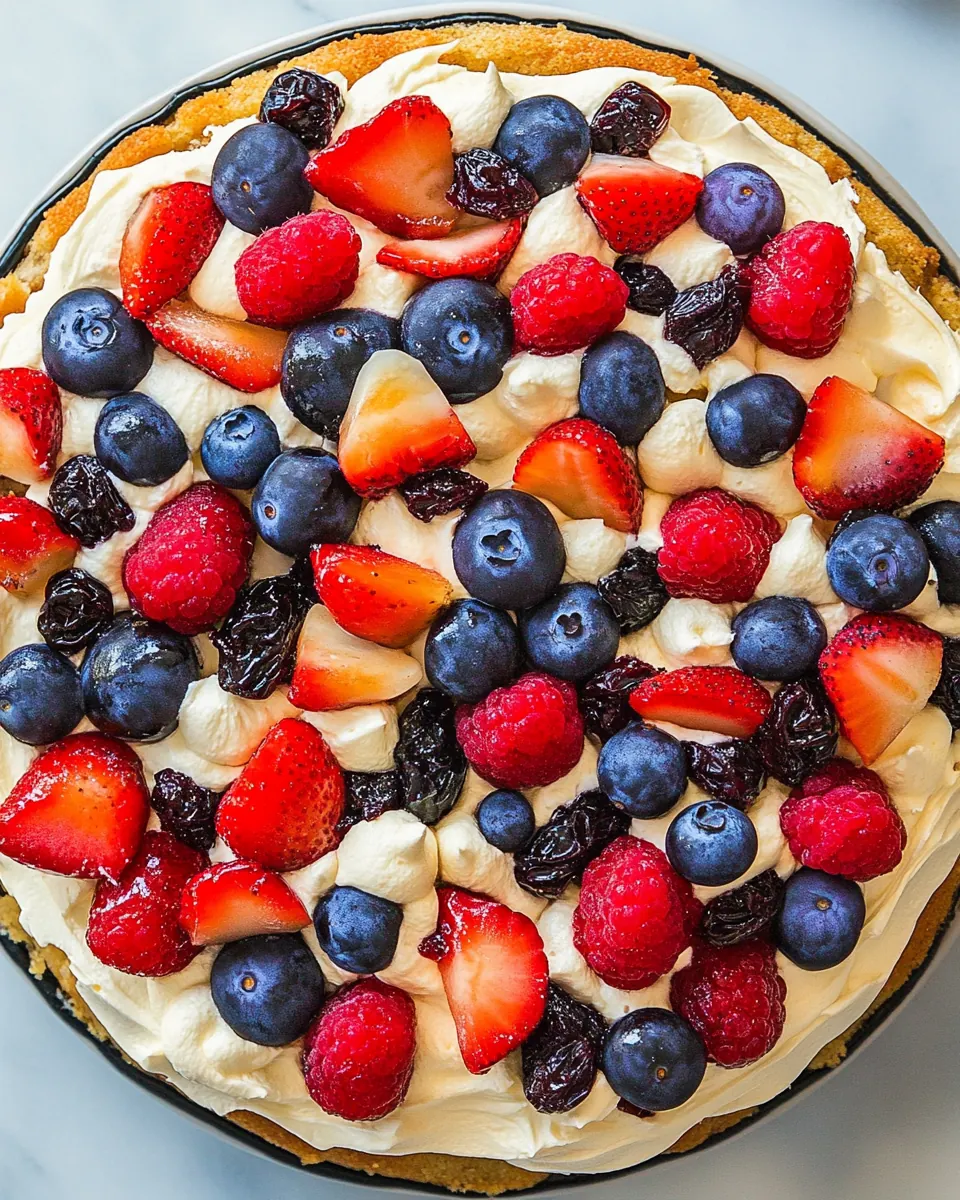
German Fruit Cake
German Fruit Cake has been a staple on my table ever since I first tasted a slice at a neighbor’s spring gathering, and that memory still shapes how I bake it today. The first time I cut into a cake layered with light, airy crumb, lush whipped filling, and jewel like berries glazed to a shine I knew I wanted to recreate that balance of textures at home. Over the years I adjusted small details, and now this version feels like a true comfort, one I reach for when I want something special but not fussy.
My approach to German Fruit Cake is practical and a little sentimental. I love how the sponge is forgiving, and how a simple jam glaze can make the fruit sing. There was a rainy afternoon when I experimented with whipped pudding frosting, and that became the signature touch I never skip. I remember laughing as the kids insisted on the first slice while the cake was barely cooled, and that impatience taught me to trust modest bake times more than elaborate techniques.
When friends ask why I make this instead of a layered torte, I tell them it is the honest combination of light cake, fluffy cream, and fresh berries, all finished with a glossy glaze. It serves beautifully for a brunch or a spring celebration, and it travels well when I bring it to potlucks. I like recipes that invite conversation, and this one always does because each component is simple, yet together they create a moment worth sharing.
Recipe Snapshot
60 mins
35 mins
25 mins
Medium
320 kcal
German
Gluten-Free, Low FODMAP
Desserts
9 inch round cake pan, Mixer with whisk attachment, Mixing bowl, Piping bag with Wilton 2D tip, Wire rack
The Magic of This German Fruit Cake
Light and approachable texture
I love that German Fruit Cake achieves a tender crumb without elaborate methods. The egg whipping technique creates structure while keeping the cake airy, so you get a slice that feels delicate on the fork. When I make it, the kitchen fills with a sweet, warmed aroma as the batter bakes, which always tells me I am on the right track.
Fresh fruit brightness
Using mixed berries gives this cake a bright lift, balancing the creamy frosting. I choose berries that are in season to maximize flavor and texture. The contrast between the tartness of the fruit and the sweet whipped filling is one of my favorite things about this recipe, it keeps each bite lively rather than cloying.
Customizable yet reliable frosting
The whipped cream folded with white chocolate instant pudding powder makes a stable, silky frosting that holds piping but still tastes fresh. I appreciate how forgiving it is, so even if you overbeat a little or need to thin it with a splash of milk, it recovers nicely. That reliability is why I often recommend this version to home bakers who want a pretty finish without stress.
Quick glaze with big impact
The simple seedless raspberry jam glaze transforms the fruit and gives the cake a professional shine. I always mix it with warm water to make it brushable, and sometimes I heat it briefly to smooth any lumps. This small step elevates the presentation dramatically while keeping the ingredient list minimal.
Perfect for gatherings
This cake scales well for company, and I often make it for casual brunches or springtime celebrations. It slices cleanly into portions, and the combination of texture and color makes it a centerpiece that invites compliments. I keep a chilled bowl and the right tools on hand so the assembly is as calm as the day deserves.
Ingredients for German Fruit Cake
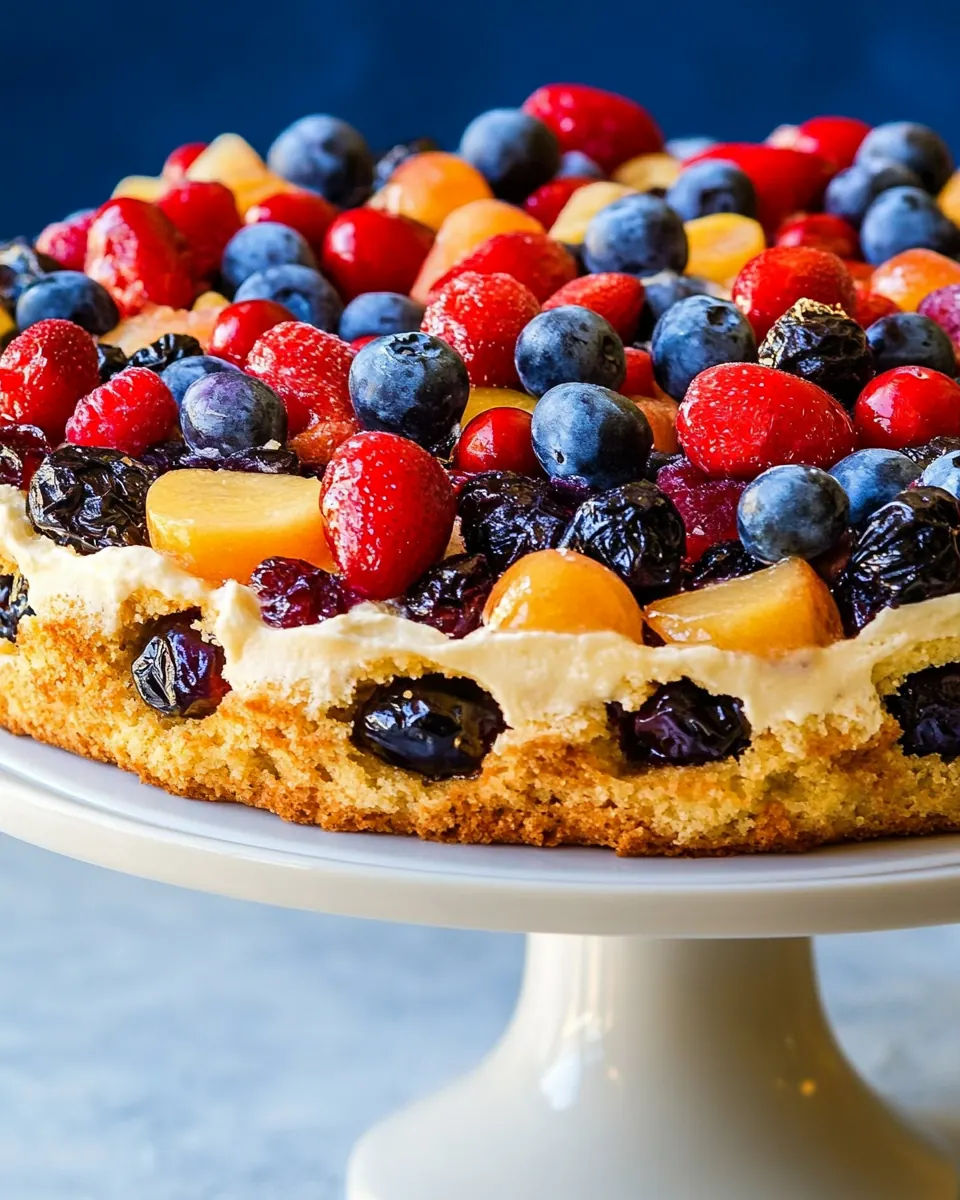
These ingredients work together to produce a light sponge, a stable but airy filling, and a glossy fruit topping. The eggs build structure and lift, the flour and baking powder give just enough support, and the combination of jam and water creates a shiny glaze. The whipped cream folded with instant pudding brings body and sweetness so the fruit sits beautifully on the cake without collapsing.
- 3 large eggs, room temperature: Whisk to incorporate air and provide structure and richness to the cake batter; bring to room temperature to ensure even mixing and proper volume when beaten.
- 1/2 cup all-purpose flour: Sift to lighten and prevent lumps while forming the cake's crumb; contributes gluten for structure and balances moisture.
- 1/2 cup granulated sugar: Cream to add sweetness and help tenderize the cake by interacting with the fat and eggs; dissolves into the batter for even flavor distribution.
- 1/2 tsp baking powder: Leaven lightly to create gentle rise and tenderness by producing gas when heated; combined with other dry ingredients to ensure even distribution.
- 1/2 tsp vanilla extract: Flavor to impart a warm, aromatic vanilla note and enhance overall sweetness; add with wet ingredients for even dispersion.
- 1 1/2 cups mixed berries: Fold gently to add bursts of fruity flavor, color, and texture; choose fresh or thawed berries and fold in near the end to avoid crushing.
- 3 tbsp seedless raspberry jam + 1 1/2 tbsp hot water: Warm to loosen and sweeten fruit components and provide a glossy, spreadable layer; dissolve jam with hot water to create a thin glaze or flavoring syrup.
- 1 cup heavy whipping cream, chilled: Chill and whip to stabilize the cream and create airy, light texture for fillings or toppings; maintain low temperature for best volume and stiffness.
- 4 tbsp white chocolate instant pudding powder, (45 grams): Dissolve to thicken and stabilize cream mixtures while adding subtle white chocolate flavor; measure precisely for consistent setting.
- 3 tbsp powdered sugar: Sift to sweeten and help stabilize whipped cream by preventing graininess; add gradually while whipping for smooth texture.
- 2 tbsp milk, or to reach desired texture: Adjust to achieve desired consistency in fillings or whipped mixtures; add sparingly to lighten or thin mixtures without altering flavor significantly.
Recipe Directions for German Fruit Cake
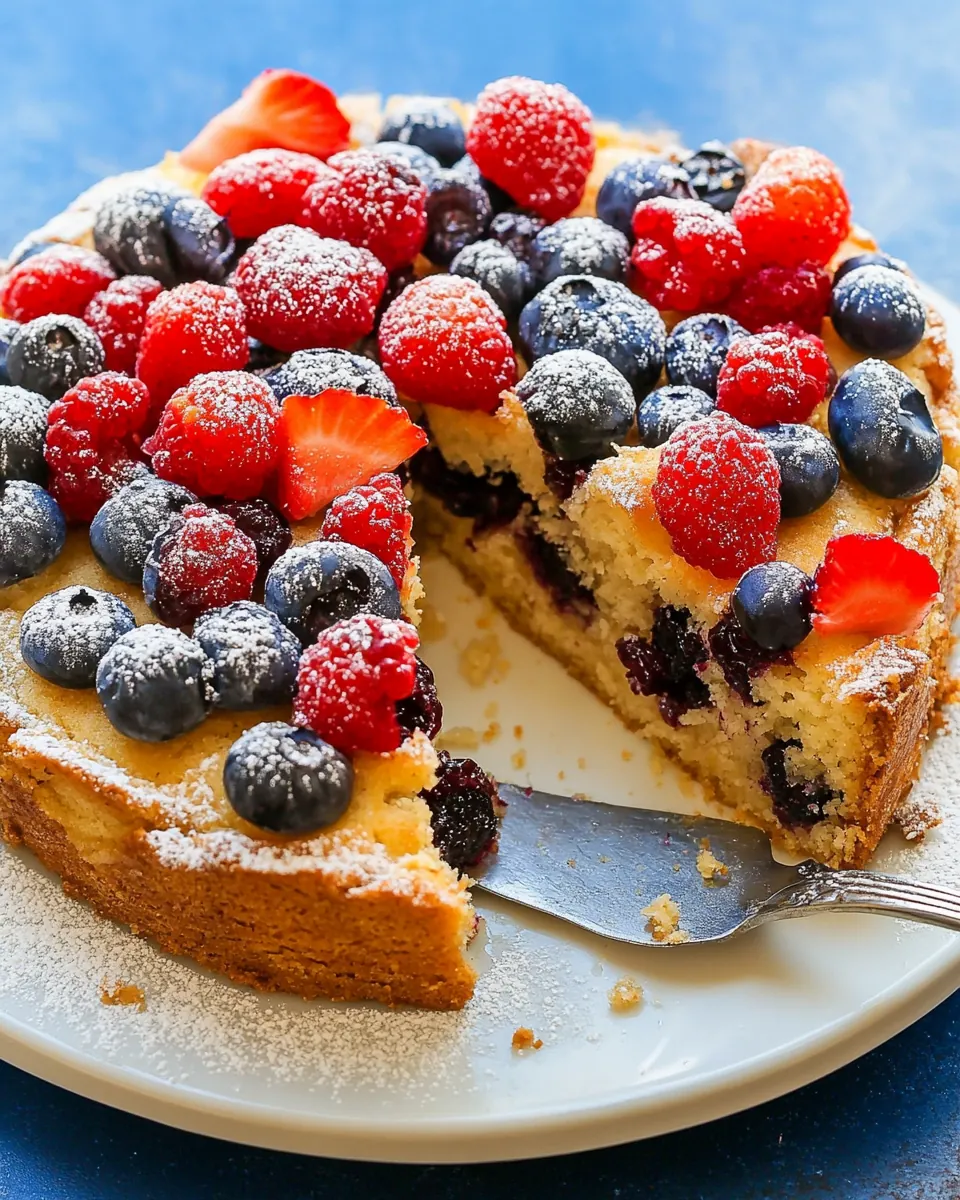
I like to keep the assembly relaxed and organized, so I usually prep tools and chill the bowl ahead of time. These directions will walk you through from batter to finished cake with sensory cues and troubleshooting so you feel confident at every stage.
- Preheat oven to 350˚F and line the bottom of a 9" round cake pan (or springform pan). Chill a large mixing bowl in the freezer. A chilled mixing bowl will make it easier to beat the whipping cream.: A warm oven aroma begins almost immediately as the air heats, and you will notice the dry heat buzzing in the kitchen. Preheating ensures the batter sets properly once it hits the pan, creating a tender interior and a delicate crust, while lining the pan with parchment helps you unmold the cake cleanly later. Chilling the mixing bowl is a tactile habit I rely on, because cold metal or glass keeps the whipping cream stable and gives quicker, firmer peaks. One common error is neglecting to preheat, which can cause uneven rise and a longer bake time that dries the cake.
- Add 3 eggs to the bowl of your mixer and beat with whisk attachment on high speed 1 minute. Gradually add sugar and continue beating 8 min. It should be whipped and form a thick ribbon when you pull up on the whisk.: You will feel the mixture shift from runny to pillowy as air is folded in, and the color lightens to a pale cream while the batter becomes glossy. The ribbon test is a reliable sensory cue to know the foam is ready, it should fall in slow loops and maintain shape briefly. This step creates the lift that defines the sponge, so patience here matters more than speed. A frequent pitfall is under whipping, which yields a dense cake, or over whipping, which can cause the foam to break and lose volume.
- In a small bowl, whisk together 1/2 cup flour and 1/2 tsp baking powder then sift it into the whipped eggs in thirds, folding between each addition. Fold in 1/2 tsp vanilla just until blended (do not overmix).: As you fold, you should hear a quiet rustle and see the batter lighten, with streaks of flour disappearing as you work gently. Folding preserves the air bubbles created earlier, giving the finished cake its airy texture while the sifted flour distributes the leavener evenly. I recommend using a wide spatula and turning the bowl rather than aggressively stirring; this keeps the batter uniform without deflating it. Overworking at this stage loses precious lift and creates a tighter crumb.
- Bake at 350˚F for 25 min. Let cake rest 3 min in pan then run a thin spatula around the edges to release from the pan. Invert cake onto a wire rack, peel back parchment paper and let cool completely to room temperature.: The oven will give off a warm, sugared aroma as the top turns lightly golden, and a toothpick inserted into the center should come out clean with a few moist crumbs. Allowing the cake to rest briefly in the pan prevents sudden structural shocks, which can cause cracking, and inverting it while still warm helps the bottom release smoothly. Cooling on a rack avoids condensation that would make the cake soggy, and patience here ensures the frosting will not melt on contact. Rushing to frost a warm cake is the most common mistake and leads to a runny finish.
- In a measuring cup, combine 3 tbsp raspberry jam with 1 1/2 tbsp hot water and stir until completely smooth. If glaze seems lumpy, heat slightly to loosen it up.: The jam will become glossy and run a little more fluidly when warmed, creating a brushable glaze that clings to fruit. You should be able to feel the smoothness between your spoon and the cup as you stir, and steam rising if you warm it gently. This glaze binds the fruit juices and gives a bright sheen that elevates the appearance. If the jam is too thick it will not spread cleanly, and if it is too hot it can wilt the berries, so aim for warm but not boiling.
- In your chilled mixing bowl, add 1 cup heavy whipping cream and beat on high speed (1-2 min) just until stiff peaks form.: You will hear a change in the mixer sound as the cream thickens, and small peaks will appear when you lift the whisk. The cream should be smooth and satiny, holding shape without looking grainy. This foundation is key to a stable filling, so watch closely to avoid overbeating, which causes separation into butter and buttermilk. If that happens, it is difficult to recover the texture for piping or spreading.
- Add 4 tbsp instant pudding and 3 tbsp powdered sugar, adding them 1 tbsp at a time, mixing with each addition. Beat on med/high speed until fully incorporated. If frosting seems too thick, add milk 1/2 tbsp at a time (I added 2 tbsp milk). Beat until the pudding mix is fully dissolved and frosting is smooth (2 min).: As you incorporate the pudding and powdered sugar you will notice the frosting tighten and gain body, becoming glossy and slightly denser while still holding peaks. Adding the dry ingredients slowly prevents lumps and keeps the texture even, and a small splash of milk softens the mix to a spreadable consistency. The aroma becomes sweet and creamy, reminiscent of white chocolate, and the final frosting should pipe without cracking. A common misstep is adding too much milk too quickly, which can thin the frosting excessively and make it sag under fruit.
- Transfer half of the frosting to a piping bag fitted with a large closed star tip (Wilton 2 D) and set aside. Dollop and spread half of the frosting over the top of cake.: The act of piping gives rhythm to the assembly, and spreading the first layer creates a stable bed for the fruit. You will feel the frosting glide smoothly across the cake surface, and the contrast of white cream against the golden sponge is visually pleasing. Reserving half the frosting ensures you have enough to pipe a decorative border, which frames the fruit. Piping into a bag that is too full can be unwieldy, so aim for a manageable quantity to avoid squeezing mishaps.
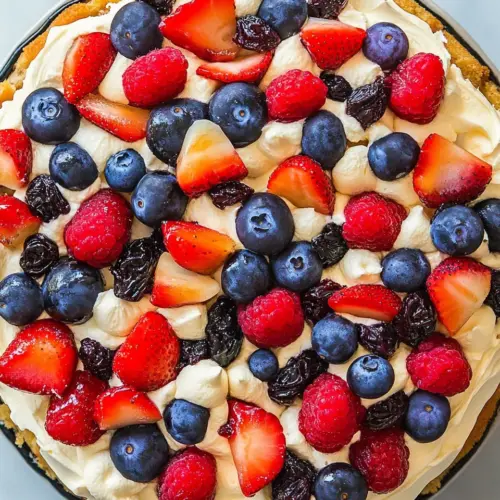
- Arrange fruit over the frosting, leaving a 1" border. Brush all of the glaze over berries then pipe the second half of frosting around the top border of the cake. Serve right away or refrigerate until serving.: As you place the mixed berries , you will enjoy the fresh fragrance and the pop of color, and brushing the glaze will amplify the shine and lock in juices. The 1" border gives a clean frame for the berries and prevents filling from spilling over the edge. Once glazed, the fruit should glisten and the frosting border will provide a polished finish. If refrigerated, allow the cake to sit at room temperature briefly before serving so the cream regains a soft, creamy mouthfeel. A common oversight is glazing fruit that is too cold, which can cause the glaze to set unevenly.
Helpful Notes about German Fruit Cake
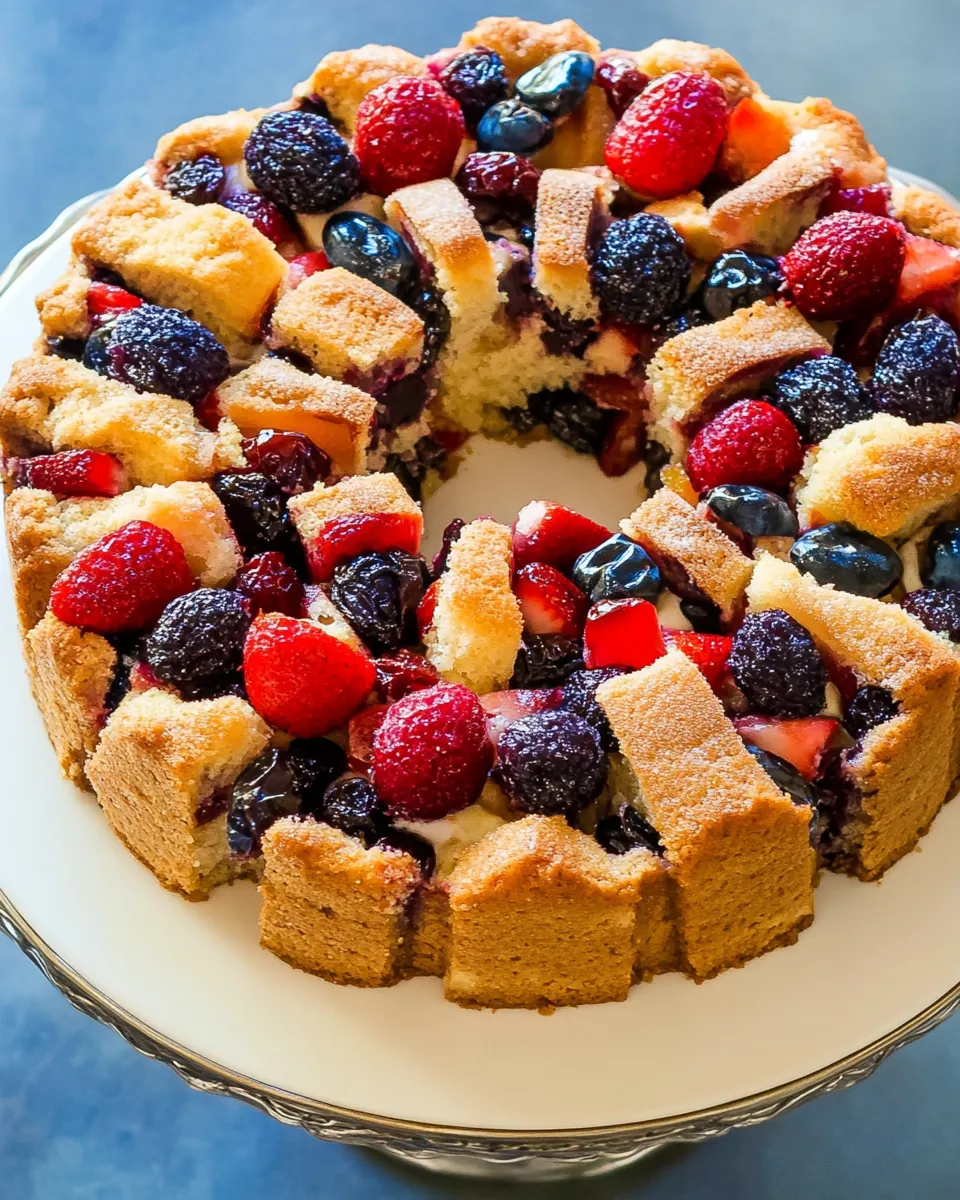
These tips will help you produce a reliably tender sponge and silky filling every time. I expanded the original note and added practical pointers so you can adapt based on your tools and the ambient temperature in your kitchen.
- Electric mixer timing: If you are using an electric hand mixer, beat the eggs and sugar on highest speed for 10 minutes as the note suggests to ensure the batter reaches proper volume and a ribbon consistency.
- Room temperature eggs: Let your eggs sit out for 20 to 30 minutes before starting, because they whip to a higher volume than cold eggs and stabilize the foam better.
- Chill vessels: Chill the mixing bowl and beaters for at least 15 minutes prior to whipping the heavy whipping cream, this short step improves whipping speed and peak stability.
- Adjust glaze viscosity: If your seedless raspberry jam glaze is too thick, warm it gently and add hot water a little at a time until brushable, but avoid making it so thin that it runs off the berries.
- Frosting consistency: If the frosting firms too much after adding pudding powder, thin it with milk in 1/2 tablespoon increments until you reach a pipeable texture, taking care not to overthin.
Great Combinations for German Fruit Cake
This cake pairs well with light accompaniments and suits many occasions, from brunch to springtime celebrations. Below I outline practical serving styles, storage suggestions, and pairing ideas to make the most of your slices.
- Serve with coffee or tea: A lightly brewed tea or a medium roast coffee complements the creamy filling and fruity top without overpowering the cake.
- Brunch centerpiece: Present the cake as a brunch highlight alongside fresh fruit platters and simple egg dishes to balance savory and sweet.
- Spring celebration: For occasions like family gatherings in spring, garnish with extra berries and edible flowers to emphasize the seasonal freshness.
- Storage tips: Refrigerate the cake in an airtight container for up to 3 days to preserve the whipped filling and fruit texture; bring to room temperature 20 to 30 minutes before serving.
- Transporting: Place the cake in a shallow box and keep it chilled until just before serving to avoid melting the frosting during travel.
- Slice presentation: Use a hot, dry knife wiped between cuts for clean slices that show the layered contrast between sponge, filling, and fruit.
- Occasion ideas: This cake fits well for springtime gatherings, afternoon tea, Ramadan if looking for a light dessert after iftar, or casual potlucks where a fresh dessert is desired.
- Portioning: Cut into 8 even slices for serving, which matches the recipe yield and helps with consistent presentation.
- Seasonal adaptation: Swap the mixed berries for other seasonal fruits while keeping the glaze technique the same for consistent results.
- Make ahead: Bake the sponge a day ahead and refrigerate wrapped, then frost and decorate the day of service for the freshest look.
FAQ
Conclusion
This German Fruit Cake stands out because it marries a light, airy sponge with a stable, silky whipped pudding frosting and bright, glossy berries. Try it when you want a dessert that feels special but is actually approachable to make; the components are straightforward and forgiving. I encourage you to enjoy the process of whipping, folding, and arranging the fruit, because the cake rewards that small attention with a beautiful presentation and delicate flavors. Share it with friends or family, and notice how the simple combination of sponge, cream, and fruit brings people together around the table.
German Fruit Cake
Equipment
- 9-inch Round Cake Pan
- Mixer with whisk attachment
- Mixing Bowl
- Piping bag with Wilton 2D tip
- Wire Rack
Ingredients
- 3 large eggs, room temperature Whisk to incorporate air and provide structure and richness to the cake batter; bring to room temperature to ensure even mixing and proper volume when beaten.
- 1/2 cup all-purpose flour Sift to lighten and prevent lumps while forming the cake's crumb; contributes gluten for structure and balances moisture.
- 1/2 cup granulated sugar Cream to add sweetness and help tenderize the cake by interacting with the fat and eggs; dissolves into the batter for even flavor distribution.
- 1/2 tsp baking powder Leaven lightly to create gentle rise and tenderness by producing gas when heated; combined with other dry ingredients to ensure even distribution.
- 1/2 tsp vanilla extract Flavor to impart a warm, aromatic vanilla note and enhance overall sweetness; add with wet ingredients for even dispersion.
- 1 1/2 cups mixed berries Fold gently to add bursts of fruity flavor, color, and texture; choose fresh or thawed berries and fold in near the end to avoid crushing.
- 3 tbsp seedless raspberry jam + 1 1/2 tbsp hot water Warm to loosen and sweeten fruit components and provide a glossy, spreadable layer; dissolve jam with hot water to create a thin glaze or flavoring syrup.
- 1 cup heavy whipping cream, chilled Chill and whip to stabilize the cream and create airy, light texture for fillings or toppings; maintain low temperature for best volume and stiffness.
- 4 tbsp white chocolate instant pudding powder, (45 grams) Dissolve to thicken and stabilize cream mixtures while adding subtle white chocolate flavor; measure precisely for consistent setting.
- 3 tbsp powdered sugar Sift to sweeten and help stabilize whipped cream by preventing graininess; add gradually while whipping for smooth texture.
- 2 tbsp milk, or to reach desired texture Adjust to achieve desired consistency in fillings or whipped mixtures; add sparingly to lighten or thin mixtures without altering flavor significantly.
Instructions
- Preheat oven to 350˚F and line the bottom of a 9" round cake pan (or springform pan). Chill a large mixing bowl in the freezer. A chilled mixing bowl will make it easier to beat the whipping cream.: A warm oven aroma begins almost immediately as the air heats, and you will notice the dry heat buzzing in the kitchen. Preheating ensures the batter sets properly once it hits the pan, creating a tender interior and a delicate crust, while lining the pan with parchment helps you unmold the cake cleanly later. Chilling the mixing bowl is a tactile habit I rely on, because cold metal or glass keeps the whipping cream stable and gives quicker, firmer peaks. One common error is neglecting to preheat, which can cause uneven rise and a longer bake time that dries the cake.
- Add 3 eggs to the bowl of your mixer and beat with whisk attachment on high speed 1 minute. Gradually add sugar and continue beating 8 min. It should be whipped and form a thick ribbon when you pull up on the whisk.: You will feel the mixture shift from runny to pillowy as air is folded in, and the color lightens to a pale cream while the batter becomes glossy. The ribbon test is a reliable sensory cue to know the foam is ready, it should fall in slow loops and maintain shape briefly. This step creates the lift that defines the sponge, so patience here matters more than speed. A frequent pitfall is under whipping, which yields a dense cake, or over whipping, which can cause the foam to break and lose volume.
- In a small bowl, whisk together 1/2 cup flour and 1/2 tsp baking powder then sift it into the whipped eggs in thirds, folding between each addition. Fold in 1/2 tsp vanilla just until blended (do not overmix).: As you fold, you should hear a quiet rustle and see the batter lighten, with streaks of flour disappearing as you work gently. Folding preserves the air bubbles created earlier, giving the finished cake its airy texture while the sifted flour distributes the leavener evenly. I recommend using a wide spatula and turning the bowl rather than aggressively stirring; this keeps the batter uniform without deflating it. Overworking at this stage loses precious lift and creates a tighter crumb.
- Bake at 350˚F for 25 min. Let cake rest 3 min in pan then run a thin spatula around the edges to release from the pan. Invert cake onto a wire rack, peel back parchment paper and let cool completely to room temperature.: The oven will give off a warm, sugared aroma as the top turns lightly golden, and a toothpick inserted into the center should come out clean with a few moist crumbs. Allowing the cake to rest briefly in the pan prevents sudden structural shocks, which can cause cracking, and inverting it while still warm helps the bottom release smoothly. Cooling on a rack avoids condensation that would make the cake soggy, and patience here ensures the frosting will not melt on contact. Rushing to frost a warm cake is the most common mistake and leads to a runny finish.
- In a measuring cup, combine 3 tbsp raspberry jam with 1 1/2 tbsp hot water and stir until completely smooth. If glaze seems lumpy, heat slightly to loosen it up.: The jam will become glossy and run a little more fluidly when warmed, creating a brushable glaze that clings to fruit. You should be able to feel the smoothness between your spoon and the cup as you stir, and steam rising if you warm it gently. This glaze binds the fruit juices and gives a bright sheen that elevates the appearance. If the jam is too thick it will not spread cleanly, and if it is too hot it can wilt the berries, so aim for warm but not boiling.
- In your chilled mixing bowl, add 1 cup heavy whipping cream and beat on high speed (1-2 min) just until stiff peaks form.: You will hear a change in the mixer sound as the cream thickens, and small peaks will appear when you lift the whisk. The cream should be smooth and satiny, holding shape without looking grainy. This foundation is key to a stable filling, so watch closely to avoid overbeating, which causes separation into butter and buttermilk. If that happens, it is difficult to recover the texture for piping or spreading.
- Add 4 tbsp instant pudding and 3 tbsp powdered sugar, adding them 1 tbsp at a time, mixing with each addition. Beat on med/high speed until fully incorporated. If frosting seems too thick, add milk 1/2 tbsp at a time (I added 2 tbsp milk). Beat until the pudding mix is fully dissolved and frosting is smooth (2 min).: As you incorporate the pudding and powdered sugar you will notice the frosting tighten and gain body, becoming glossy and slightly denser while still holding peaks. Adding the dry ingredients slowly prevents lumps and keeps the texture even, and a small splash of milk softens the mix to a spreadable consistency. The aroma becomes sweet and creamy, reminiscent of white chocolate, and the final frosting should pipe without cracking. A common misstep is adding too much milk too quickly, which can thin the frosting excessively and make it sag under fruit.
- Transfer half of the frosting to a piping bag fitted with a large closed star tip (Wilton 2 D) and set aside. Dollop and spread half of the frosting over the top of cake.: The act of piping gives rhythm to the assembly, and spreading the first layer creates a stable bed for the fruit. You will feel the frosting glide smoothly across the cake surface, and the contrast of white cream against the golden sponge is visually pleasing. Reserving half the frosting ensures you have enough to pipe a decorative border, which frames the fruit. Piping into a bag that is too full can be unwieldy, so aim for a manageable quantity to avoid squeezing mishaps.
- Arrange fruit over the frosting, leaving a 1" border. Brush all of the glaze over berries then pipe the second half of frosting around the top border of the cake. Serve right away or refrigerate until serving.: As you place the mixed berries , you will enjoy the fresh fragrance and the pop of color, and brushing the glaze will amplify the shine and lock in juices. The 1" border gives a clean frame for the berries and prevents filling from spilling over the edge. Once glazed, the fruit should glisten and the frosting border will provide a polished finish. If refrigerated, allow the cake to sit at room temperature briefly before serving so the cream regains a soft, creamy mouthfeel. A common oversight is glazing fruit that is too cold, which can cause the glaze to set unevenly.
Notes
- Electric mixer timing: If you are using an electric hand mixer, beat the eggs and sugar on highest speed for 10 minutes as the note suggests to ensure the batter reaches proper volume and a ribbon consistency.
- Room temperature eggs: Let your eggs sit out for 20 to 30 minutes before starting, because they whip to a higher volume than cold eggs and stabilize the foam better.
- Chill vessels: Chill the mixing bowl and beaters for at least 15 minutes prior to whipping the heavy whipping cream, this short step improves whipping speed and peak stability.
- Adjust glaze viscosity: If your seedless raspberry jam glaze is too thick, warm it gently and add hot water a little at a time until brushable, but avoid making it so thin that it runs off the berries.
- Frosting consistency: If the frosting firms too much after adding pudding powder, thin it with milk in 1/2 tablespoon increments until you reach a pipeable texture, taking care not to overthin.
