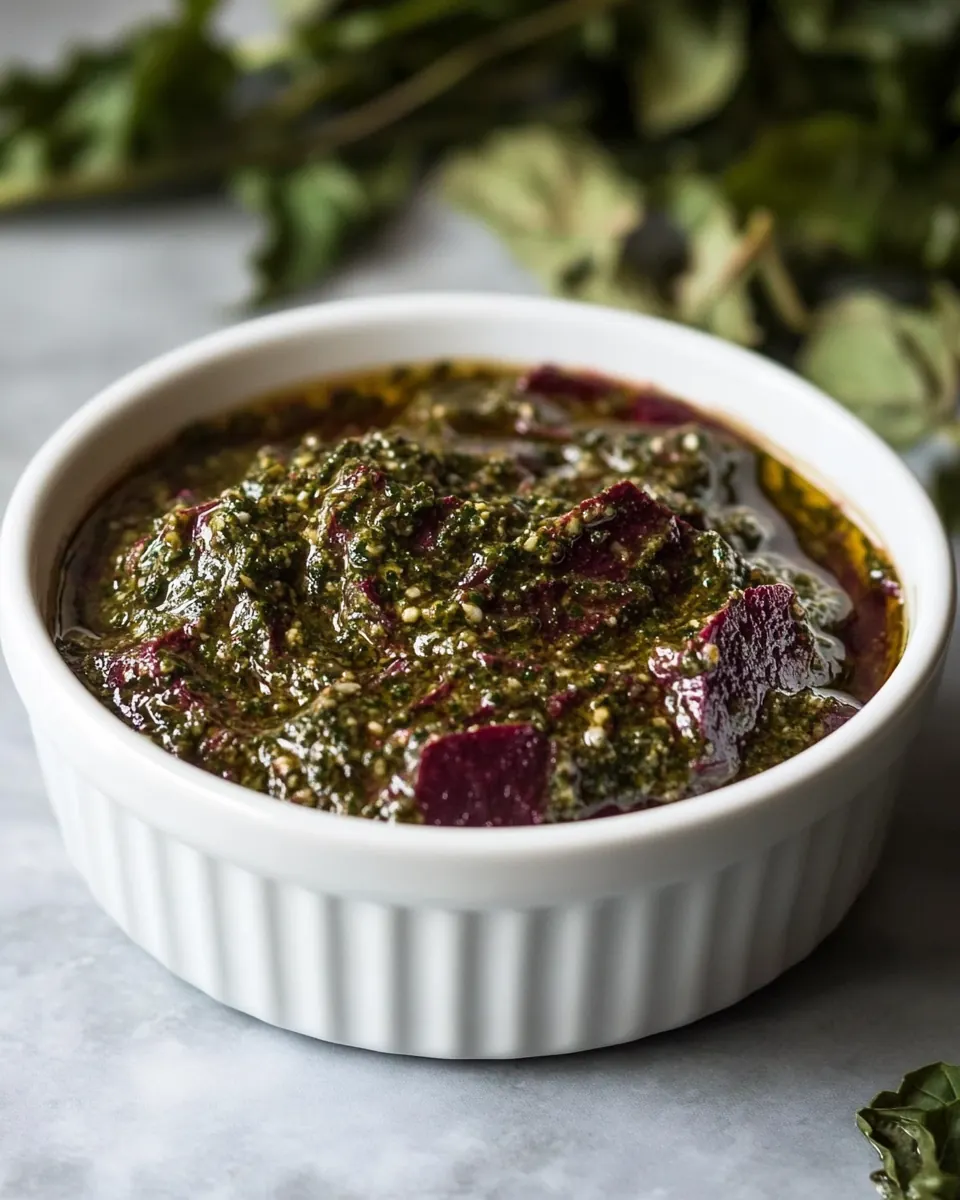
Beet Green Pesto
Beet Green Pesto is one of those bright pantry recipes I turn to when the farmer’s market gives me a bag of leafy greens I do not want to waste. The first time I made this, I had leftover roasted beets and a mound of beet greens that seemed too tender to compost, so I tossed them into the food processor with a handful of nuts and garlic, and the kitchen filled with an herbaceous, earthy aroma that made me grin. It felt like a small rescue mission, turning what might have been trash into a jar of intense green flavor.
Over the years I’ve adapted this into a weeknight staple. I love spreading spoonfuls on toast, swirling it into steaming pasta, or dolloping it onto roasted vegetables for an instant flavor boost. Every batch tastes different depending on the nut I pick, and that flexibility keeps the recipe exciting. When friends come over, I serve it with crunchy crudites and watch them ask for seconds, which never gets old. I always tell them it is part thrift, part magic.
Recipe Snapshot
10 mins
10 mins
Easy
250 kcal
Mediterranean
Paleo, Vegan
Appetizers
Food processor, Sealable container
The Magic of This Beet Green Pesto
Vibrant use of often discarded greens
I love that Beet Green Pesto elevates the parts of the plant people usually toss. Those dark leaves bring a deep, slightly sweet earthiness that rivals basil without being fussy. Using them feels resourceful and celebratory at the same time.
Flexible texture and richness
Because the recipe relies on shelled pistachios and olive oil, you can dial the texture from rustic and chunky to silky and smooth simply by pulsing more or less. I often play with that contrast depending on whether I want a spread or a sauce for pasta.
Roasted garlic adds mellow depth
The use of roasted garlic gives the pesto a warm, caramelized backdrop that softens the vegetal notes from the beet greens. It keeps the flavor layered, so each bite feels balanced instead of one note shouting over the others.
Bright acidity for balance
A touch of cider vinegar brings brightness and keeps the oil from feeling heavy. I always appreciate how that small acid lift makes the pesto pop on plain toast or as a finishing spoonful for roasted vegetables.
Make ahead and multipurpose
This pesto stores well in the fridge, so it becomes an easy shortcut for breakfasts, lunches, and dinners throughout the week. Having a jar handy transforms simple meals into something that tastes intentional and crafted.
Main Ingredients for Beet Green Pesto
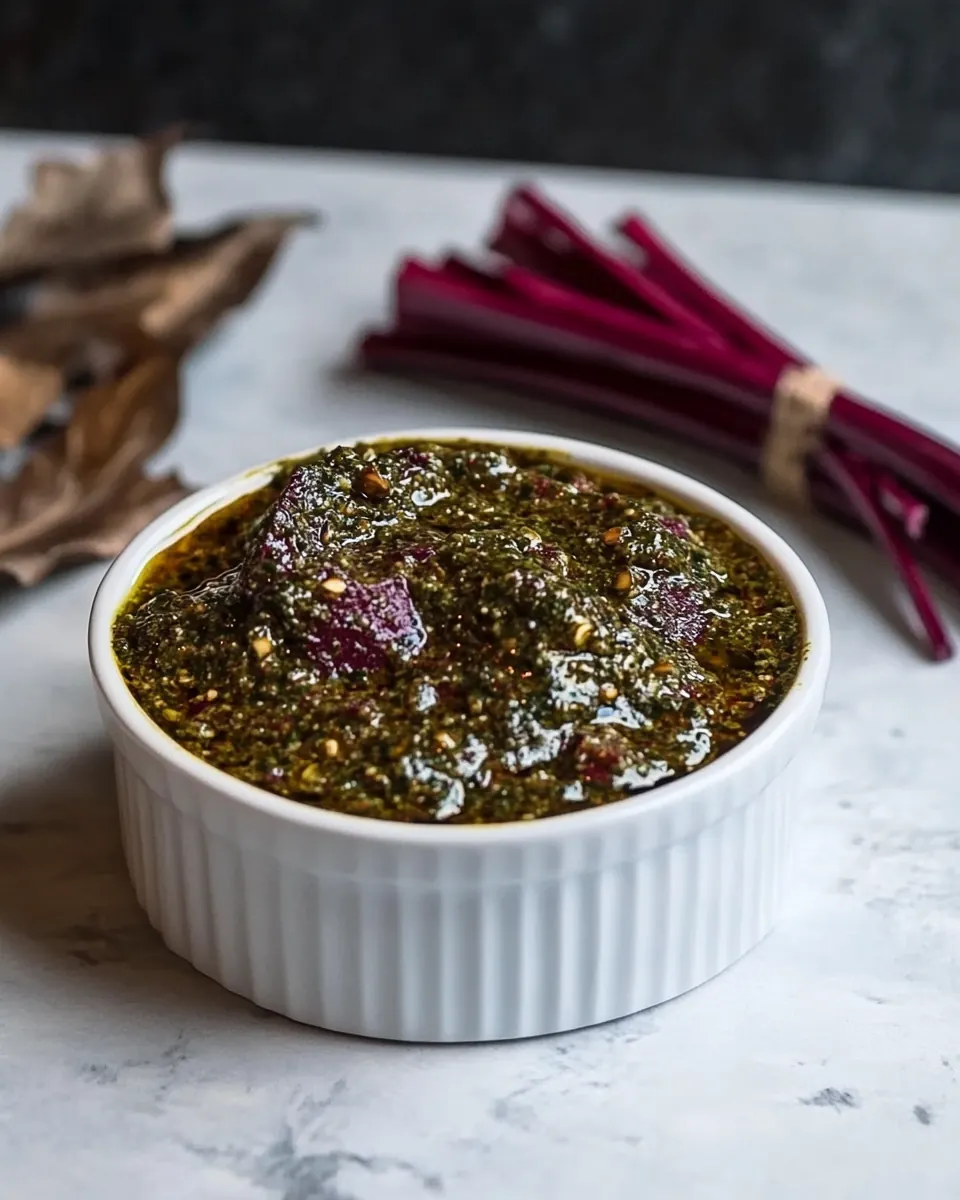
These ingredients form a small but perfectly balanced cast. The leafy beet greens provide the base flavor and color, while the shelled pistachios contribute richness and body. Roasted garlic gives depth, and a pinch of sea salt plus a splash of cider vinegar sharpen and balance the mix. Finally, olive oil binds everything into a silky texture that carries the flavors.
- 2 cups beet greens tightly packed: Provide tender, leafy flavor and vibrant color while contributing mild earthiness and a slightly sweet, beet-like undertone to the pesto; blend thoroughly to incorporate their delicate texture and maximize bright green pigment for an attractive sauce. Wilt gently or pack tightly before measuring to ensure accurate volume and a smoother purée when combined with oil and nuts.
- 1/2 cups shelled pistachios see note: Add rich, buttery texture and a toasty, nutty backbone that helps emulsify the pesto and balance vegetal notes; lightly toast if desired to intensify flavor but avoid burning to keep a clean pistachio character. Use shelled pistachios for ease of blending and a creamy mouthfeel that supports the sauce structure.
- 5 cloves roasted garlic see note: Deliver mellow, caramelized garlic flavor with reduced sharpness, lending depth and savory complexity without overpowering the greens; roasting concentrates sugars and creates a softer, spreadable garlic that blends smoothly into the pesto. Adjust number of cloves based on personal preference for garlic intensity and ensure skins are removed for a silky texture.
- 1 teaspoons sea salt to taste: Season and enhance overall flavor profile by elevating natural tastes and balancing acidity and bitterness; add sparingly and taste as you go to avoid over-salting. Dissolve into the mixture to help bind flavors and bring out the sweetness of the greens and nuts.
- 2 tablespoons cider vinegar: Provide bright acidity and tang that lifts the richness of the oil and nuts, adding a pleasant zip to the pesto; stir in gradually and taste to achieve a balanced finish. Use cider vinegar for its fruity, slightly sweet profile that complements beet greens without masking their character.
- 1/2 cup olive oil: Create a smooth, cohesive emulsion that carries flavors and delivers a silky mouthfeel while preserving the pesto’s glossy appearance; add slowly while blending to achieve desired consistency. Choose extra-virgin olive oil for its fruity, peppery notes that enhance the overall depth of the sauce.
How to Cook Beet Green Pesto
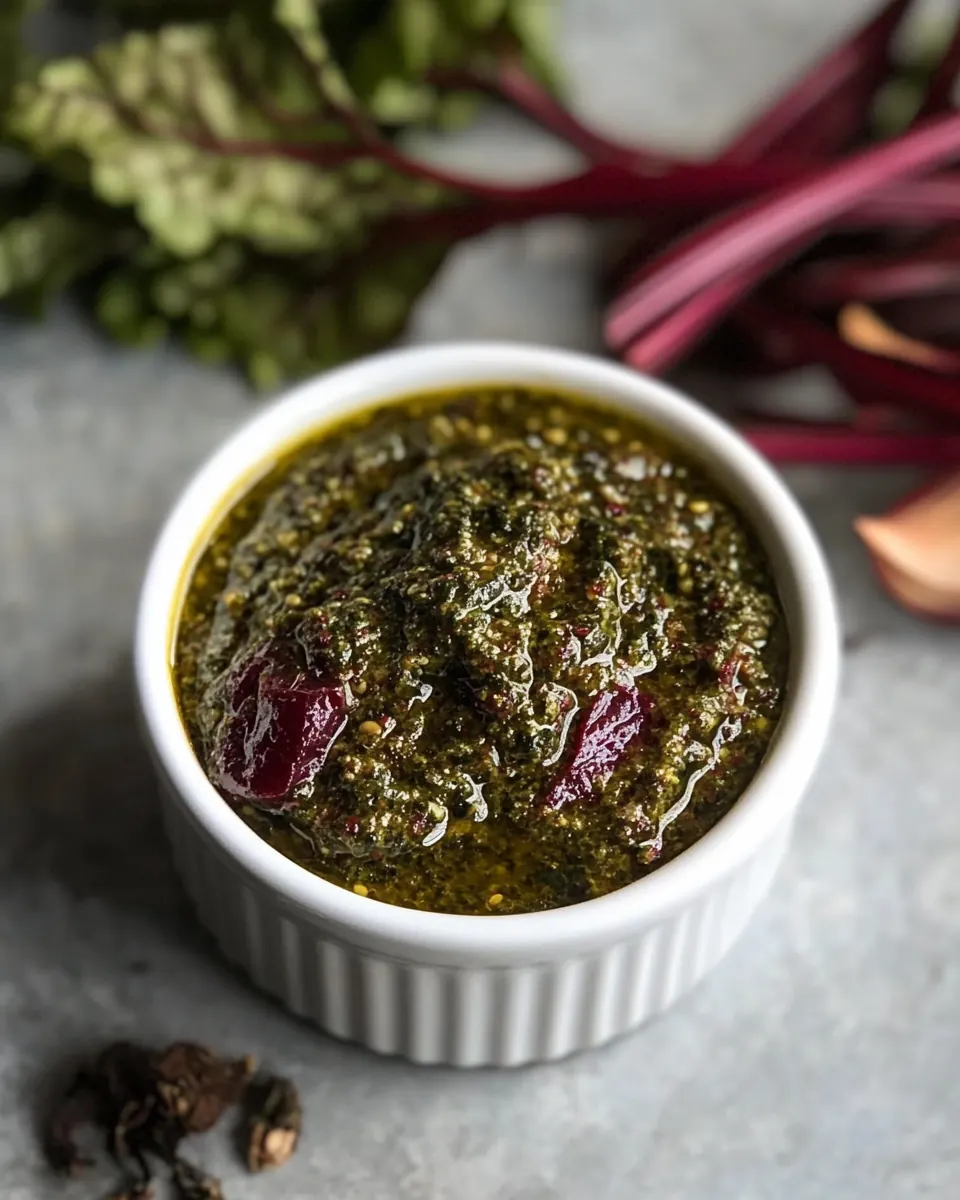
Making this pesto is gratifyingly quick, and it rewards small attentions like how you pulse and drizzle the oil. Below I expand each direction into a sensory, step by step guide so you can nail the texture and flavor every time.
- Add all of the ingredients except for the olive oil to a food processor. Pulse 5 to 10 times, or until the ingredients are roughly chopped.: The first pulses release aromas as the beet greens , shelled pistachios , and roasted garlic break down. You will notice an immediate green fragrance with nutty undertones, and the mixture should look coarsely chopped, not a puree. This texture stage matters because it determines how much structure remains in the final pesto. Too many pulses here can make the nuts turn past coarse into a paste, so stop while you still see distinct bits. A common mistake is over-processing, which can heat the mixture and dull the fresh color, so pulse in short bursts and scrape the bowl if needed.
- Turn the food processor on and slowly stream the olive oil through the opening at the top.: As you drizzle the olive oil , the mixture will begin to shine and coalesce, transforming from dusty bits into a glossy, cohesive pesto. Listen for a steady motor hum and watch for the mixture to smooth out, with the oil binding tiny flecks of green and nutty pearls. Pouring too quickly can cause the oil to separate instead of emulsify, leaving a greasy top layer. If separation occurs, stop adding oil and pulse briefly to bring it back together. The ideal cue is a velvety texture that holds together on a spoon.
- Taste the pesto for flavor and add more sea salt, vinegar, or garlic to taste.: This is when the flavors harmonize, and you must fine tune. I sample a small spoonful to check salt, acidity, and garlic presence. The cider vinegar should lift the overall profile without tasting vinegary, and the sea salt should make the green notes pop. If the pesto feels heavy, another splash of vinegar lifts it. One common pitfall is over-salting before tasting with the intended accompaniment, so season cautiously.
- Use immediately or transfer to a sealable container and refrigerate until ready to use. Pesto will stay fresh for up to 7 days in a sealed container in the refrigerator.: Fresh pesto has bright color and lively aroma right away, and when stored it mellows but remains flavorful. Press a thin layer of olive oil on top before sealing to slow oxidation and color loss. You will notice aroma fade over days, which is normal, but the taste remains vibrant. Avoid leaving it at room temperature for long periods, as that shortens its shelf life. A typical error is storing without oil seal, which leads to faster browning and flavor degradation.
Tips and Variations
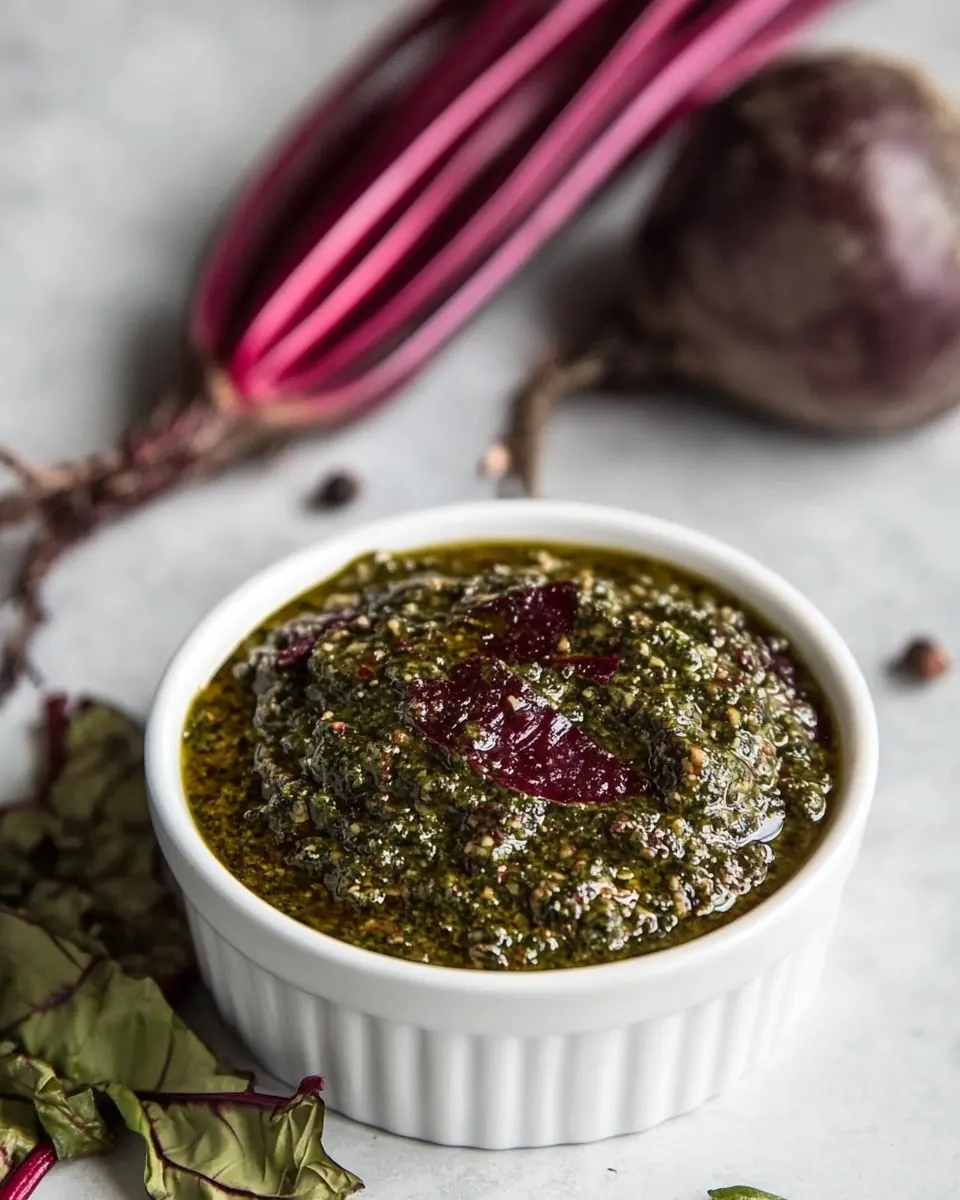
I keep a running list of small changes that transform this pesto from great to unforgettable. These ideas focus on texture, storage, and pairing so you can customize the pesto to your routine and tastes.
- Substitute nuts or seeds — You can swap the shelled pistachios with walnuts, almonds, pecans, pumpkin seeds, or pine nuts, each offering a different richness and flavor profile. Toasting them lightly deepens the nuttiness and adds complexity.
- Adjust garlic intensity — If using raw garlic instead of roasted garlic, start with two large cloves and add more to taste, because raw garlic can dominate the mix quickly.
- Make it lemony — A squeeze of lemon can replace or complement the cider vinegar for a fresher, citrus lift that pairs beautifully with seafood or bright salads.
- Freeze for long term — Spoon pesto into ice cube trays and freeze, then transfer cubes to a bag so you have portioned sauce ready for quick meals.
- Adjust oil for texture — Reduce the olive oil slightly for a thicker paste, or increase it for a looser sauce that dresses pasta and salads easily.
Perfect Matches for Beet Green Pesto
Beet Green Pesto pairs beautifully with many simple preparations, making it a versatile pantry booster. Below are ideas for serving occasions, complementary dishes, and storage guidelines that help you get the most from every jar.
- On toast or crostini: Spread a generous layer on warm toast for an instant snack or light lunch. The pesto sings with a soft cheese, or simply on its own for a clean, vegetal bite.
- Tossed with pasta: Warm pasta tossed with the pesto creates a quick weeknight dinner. Add a splash of reserved pasta water to make a glossy, silky sauce that clings to the noodles.
- As a condiment for roasted vegetables: Drizzle over roasted vegetables like carrots, potatoes, or Brussels sprouts for a fresh finish that adds color and lift.
- Sandwich and grain bowl booster: Dollop into grain bowls, spread on sandwiches, or mix through warm grains for immediate flavor enhancement that feels composed and satisfying.
- Storage and occasions: Keep in the refrigerator for up to seven days with a thin oil layer on top. For longer storage, freeze in small portions. This makes it perfect for meal prep during spring markets, casual weeknight dinners, or when you want a bright addition to Ramadan iftar spreads.
FAQ
Conclusion
Beet Green Pesto stands out because it turns humble leafy greens into a vibrant, versatile sauce that brightens so many meals. I encourage you to give it a try the next time you have a bag of beet tops or want an easy way to add character to simple dishes. It stores well, adapts to your favorite nuts, and serves as a quick flavor shortcut that will make weekday dinners feel thoughtful and delicious.
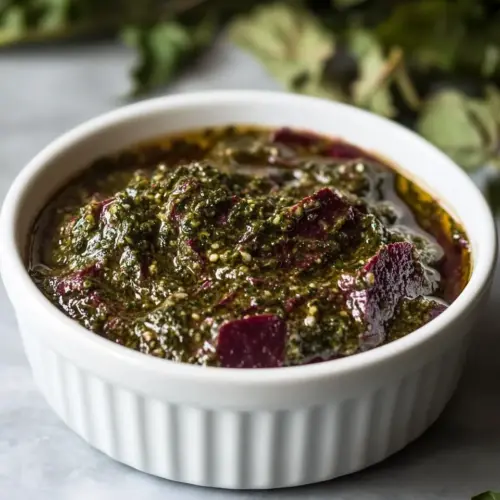
Beet Green Pesto
Equipment
- Food Processor
- Sealable Container
Ingredients
- 2 cups beet greens tightly packed Provide tender, leafy flavor and vibrant color while contributing mild earthiness and a slightly sweet, beet-like undertone to the pesto; blend thoroughly to incorporate their delicate texture and maximize bright green pigment for an attractive sauce. Wilt gently or pack tightly before measuring to ensure accurate volume and a smoother purée when combined with oil and nuts.
- 1/2 cups shelled pistachios see note Add rich, buttery texture and a toasty, nutty backbone that helps emulsify the pesto and balance vegetal notes; lightly toast if desired to intensify flavor but avoid burning to keep a clean pistachio character. Use shelled pistachios for ease of blending and a creamy mouthfeel that supports the sauce structure.
- 5 cloves roasted garlic see note Deliver mellow, caramelized garlic flavor with reduced sharpness, lending depth and savory complexity without overpowering the greens; roasting concentrates sugars and creates a softer, spreadable garlic that blends smoothly into the pesto. Adjust number of cloves based on personal preference for garlic intensity and ensure skins are removed for a silky texture.
- 1 teaspoons sea salt to taste Season and enhance overall flavor profile by elevating natural tastes and balancing acidity and bitterness; add sparingly and taste as you go to avoid over-salting. Dissolve into the mixture to help bind flavors and bring out the sweetness of the greens and nuts.
- 2 tablespoons cider vinegar Provide bright acidity and tang that lifts the richness of the oil and nuts, adding a pleasant zip to the pesto; stir in gradually and taste to achieve a balanced finish. Use cider vinegar for its fruity, slightly sweet profile that complements beet greens without masking their character.
- 1/2 cup olive oil Create a smooth, cohesive emulsion that carries flavors and delivers a silky mouthfeel while preserving the pesto’s glossy appearance; add slowly while blending to achieve desired consistency. Choose extra-virgin olive oil for its fruity, peppery notes that enhance the overall depth of the sauce.
Instructions
- Add all of the ingredients except for the olive oil to a food processor. Pulse 5 to 10 times, or until the ingredients are roughly chopped.: The first pulses release aromas as the beet greens , shelled pistachios , and roasted garlic break down. You will notice an immediate green fragrance with nutty undertones, and the mixture should look coarsely chopped, not a puree. This texture stage matters because it determines how much structure remains in the final pesto. Too many pulses here can make the nuts turn past coarse into a paste, so stop while you still see distinct bits. A common mistake is over-processing, which can heat the mixture and dull the fresh color, so pulse in short bursts and scrape the bowl if needed.
- Turn the food processor on and slowly stream the olive oil through the opening at the top.: As you drizzle the olive oil , the mixture will begin to shine and coalesce, transforming from dusty bits into a glossy, cohesive pesto. Listen for a steady motor hum and watch for the mixture to smooth out, with the oil binding tiny flecks of green and nutty pearls. Pouring too quickly can cause the oil to separate instead of emulsify, leaving a greasy top layer. If separation occurs, stop adding oil and pulse briefly to bring it back together. The ideal cue is a velvety texture that holds together on a spoon.
- Taste the pesto for flavor and add more sea salt, vinegar, or garlic to taste.: This is when the flavors harmonize, and you must fine tune. I sample a small spoonful to check salt, acidity, and garlic presence. The cider vinegar should lift the overall profile without tasting vinegary, and the sea salt should make the green notes pop. If the pesto feels heavy, another splash of vinegar lifts it. One common pitfall is over-salting before tasting with the intended accompaniment, so season cautiously.
- Use immediately or transfer to a sealable container and refrigerate until ready to use. Pesto will stay fresh for up to 7 days in a sealed container in the refrigerator.: Fresh pesto has bright color and lively aroma right away, and when stored it mellows but remains flavorful. Press a thin layer of olive oil on top before sealing to slow oxidation and color loss. You will notice aroma fade over days, which is normal, but the taste remains vibrant. Avoid leaving it at room temperature for long periods, as that shortens its shelf life. A typical error is storing without oil seal, which leads to faster browning and flavor degradation.
Notes
- Substitute nuts or seeds — You can swap the shelled pistachios with walnuts, almonds, pecans, pumpkin seeds, or pine nuts, each offering a different richness and flavor profile. Toasting them lightly deepens the nuttiness and adds complexity.
- Adjust garlic intensity — If using raw garlic instead of roasted garlic, start with two large cloves and add more to taste, because raw garlic can dominate the mix quickly.
- Make it lemony — A squeeze of lemon can replace or complement the cider vinegar for a fresher, citrus lift that pairs beautifully with seafood or bright salads.
- Freeze for long term — Spoon pesto into ice cube trays and freeze, then transfer cubes to a bag so you have portioned sauce ready for quick meals.
- Adjust oil for texture — Reduce the olive oil slightly for a thicker paste, or increase it for a looser sauce that dresses pasta and salads easily.