Apple Fritter Cake
Apple Fritter Cake is the kind of dessert that feels like a warm memory on a plate, one I reach for whenever the air turns crisp and the kitchen begs for spice and comfort.
I first made Apple Fritter Cake on a slow Saturday morning when the apples from a weekend market were begging to be used. I remember the scent of cinnamon and butter filling the house, and how the diced apples softened into little pockets of tartness inside the tender crumb. Baking it felt like pressing pause, a small ritual that turned a pile of simple pantry items into something shareable and memorable.
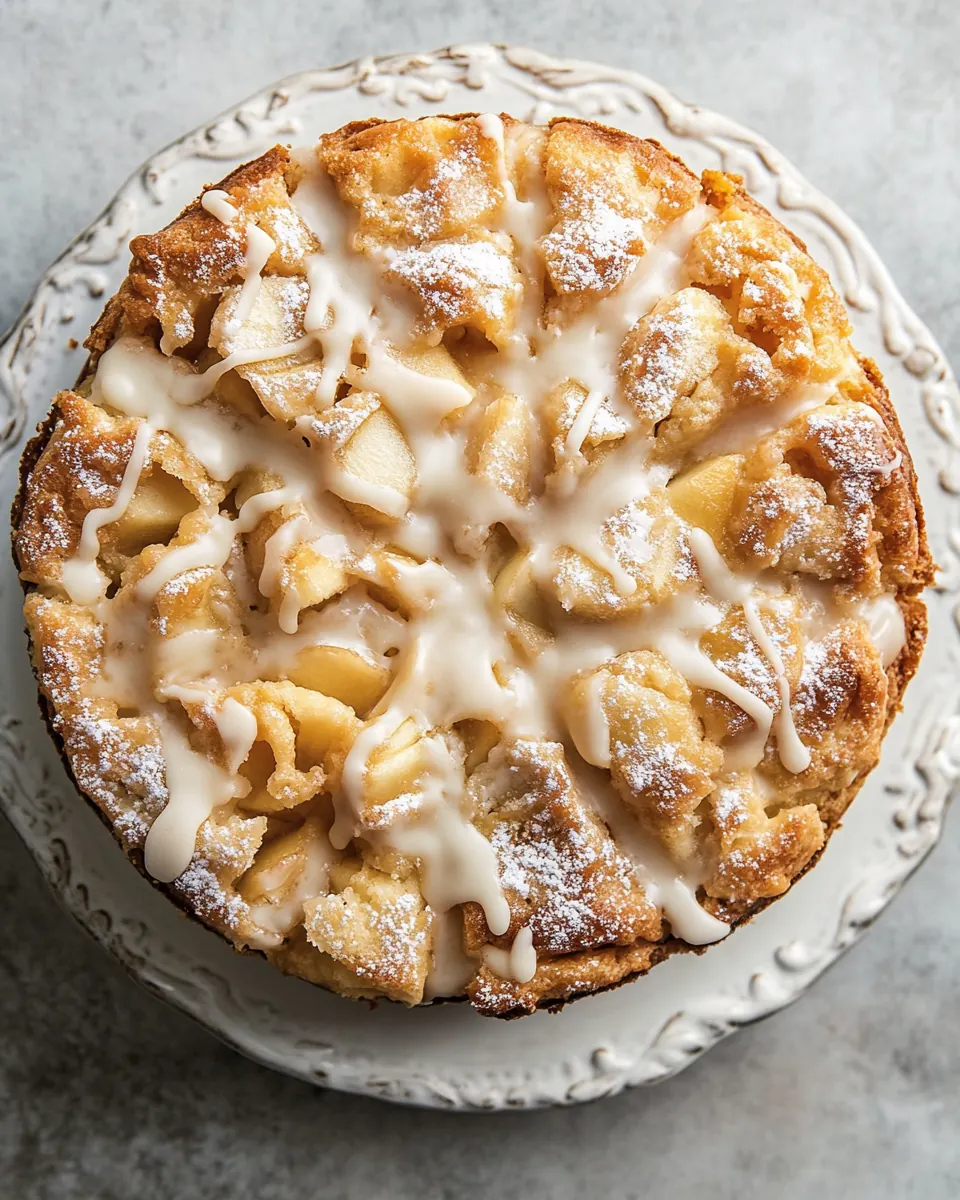
The texture is what hooked me: a cake that flirts with the idea of a fritter, where the top gets that golden, slightly crisp edge while the interior stays moist because of the sour cream and applesauce. When I sliced into it, steam rose and the kitchen hummed, and friends who popped by couldn’t help but take another piece. I love how it works for a casual brunch or an after dinner coffee, and it travels well if you want to bring it to a neighbor.
Recipe Snapshot
1 hr 5 mins
20 mins
45 mins
Medium
300 kcal
American
Gluten-Free, Low FODMAP
Desserts
8 inch square baking pan, Parchment paper, Mixing bowls, Whisk, Rubber spatula, Wire rack
Why This Apple Fritter Cake Is a Winner
Comforting familiar flavors
I love Apple Fritter Cake because it takes the flavors we associate with autumn and presents them in an easy to slice format. The mix of cinnamon and apples brings a cozy warmth, and the brown sugar lends that molasses like depth that makes every bite feel indulgent yet homey.
Textural balance
The contrast between a lightly crisp top and a moist interior is essential. The combination of unsalted butter, sour cream, and applesauce keeps the crumb tender while the diced apples provide little bursts of juiciness. I find that this juxtaposition keeps people reaching for seconds.
Simple, reliable method
This recipe follows straightforward steps that are forgiving. I trust it for last minute plans because measuring and folding are not fussy, and minor deviations rarely derail the result. That kind of reliability is why I come back to Apple Fritter Cake when I want a win without stress.
Versatile serving options
You can serve Apple Fritter Cake warm with a drizzle of glaze or let it cool and pack it for a picnic. It adapts easily to a variety of occasions, from weekend brunch to a potluck dessert. It is approachable for bakers of all levels, which makes it a favorite to share.
Ingredient driven flavor
There are no gimmicks here, just a handful of well chosen ingredients that shine together. The apples are the star, supported by the tang of lemon juice and the mellow sweetness of brown sugar. I love how simple swaps in apple variety can nudge the final flavor without changing the method.
Ingredient List for Apple Fritter Cake
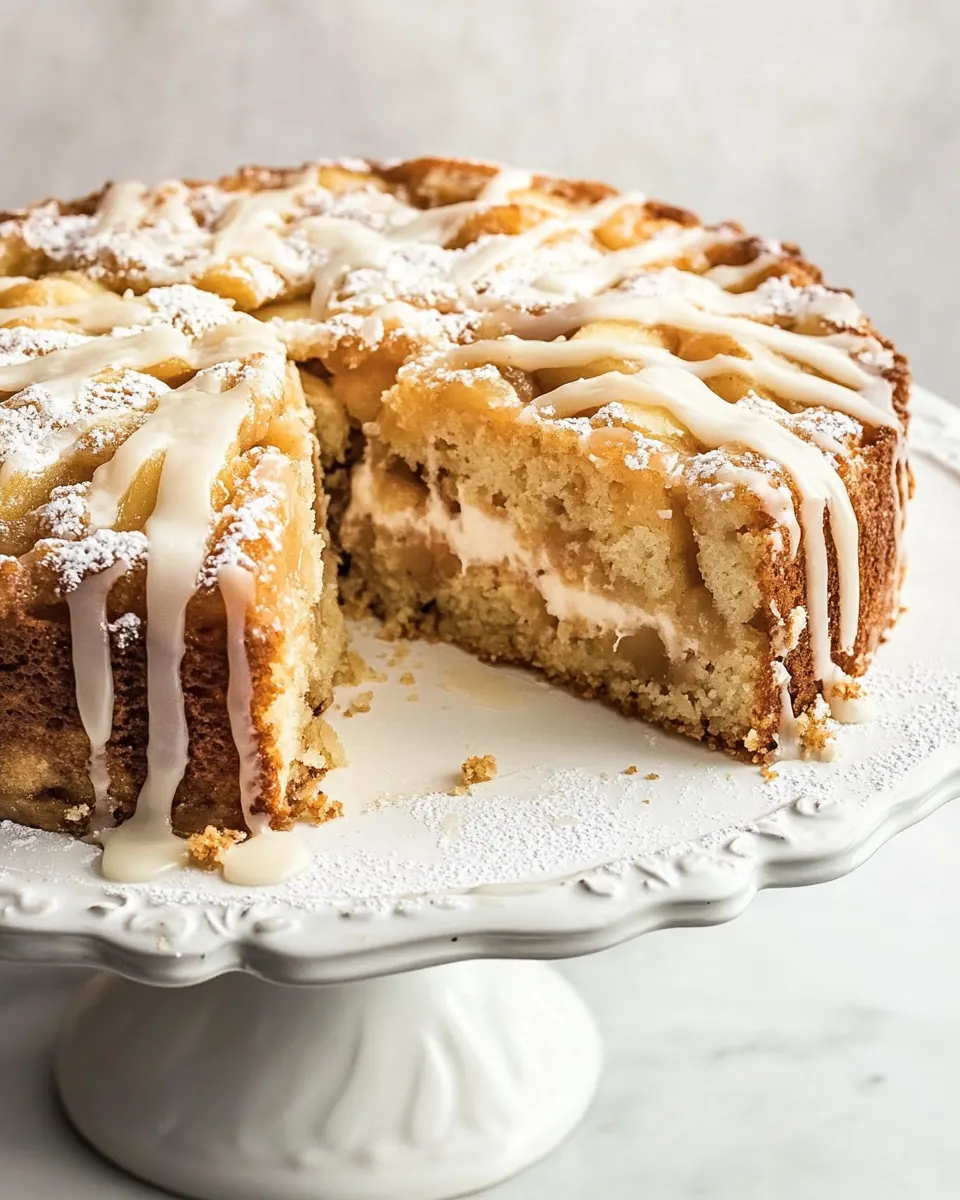
These ingredients form a straightforward but thoughtful cast. Each item plays a role, from building structure to contributing moisture and flavor. The key players are the all purpose flour that creates the tender crumb, the diced apples that add texture and brightness, and the combination of butter, sour cream, and applesauce that keep the cake moist and balanced.
- 1 3/4 cup s(219 grams) all-purpose flour: Sifted and measured to provide structure and bulk to the cake batter, creating the crumb and supporting trapped air from leaveners. Adds slight gluten development for chew while blending smoothly with wet ingredients for uniform texture.
- 1 1/2 teaspoon s(7.5 grams) baking powder: Leavening agent that helps the cake rise by releasing gas when heated, contributing to a light, tender crumb. Should be evenly distributed in the dry mix to prevent uneven rising or dense spots.
- 1 teaspoon (2 grams) ground cinnamon: Warm, aromatic spice used to flavor the batter and complement the apples, imparting a cozy, autumnal character. Blends with sugars and butter to deepen overall flavor without overpowering other components.
- 3/4 teaspoon (2.25 grams) kosher salt: Used to enhance overall flavor and balance sweetness while slightly strengthening gluten formation; helps control fermentation and leavening reactions. Dissolves into the batter so it contributes evenly to seasoning throughout.
- 2 cup s(232 grams) diced Honeycrisp apples, divided: Fresh, diced apples that provide moisture, texture, and bursts of fruity flavor throughout the cake; divided so some can be folded into the batter while some can be reserved for topping or extra pockets of apple. Choose crisp, sweet-tart Honeycrisp for best balance and to hold shape during baking.
- 1 cup (220 grams) firmly packed light brown sugar: Adds deep caramel-like sweetness and moisture, contributing to tender crumb and rich flavor. Packed brown sugar also adds subtle molasses notes that enhance the fritter-like profile.
- 1 large egg (50 grams): Beaten to provide structure, richness, and emulsification; contributes to leavening by trapping air when mixed, improving texture and color. Adds protein and some moisture while binding ingredients together.
- 1 large egg white (30 grams): Used for additional binding and to reduce fat content while still providing structure and moisture; egg white helps set the cake and contributes to a lighter texture. Whisk gently before folding to incorporate evenly without deflating batter.
- 1/2 cup (113 grams) unsalted butter, melted and slightly cooled: Melted and slightly cooled to blend smoothly into batter, providing richness, moisture, and tenderizing fat. Distributes flavor and helps create a fine crumb while aiding in browning during baking.
- cup(80 grams) sour cream: Adds acidity and creaminess to enrich the batter, contributing tang that balances sweetness and reacts with leavening for lift. Provides moisture and helps achieve a tender, moist crumb when folded into the mix.
- cup(80 grams) unsweetened applesauce: Adds moisture and natural apple flavor while reducing overall fat; contributes to tender texture and subtle sweetness. Works well with apples to intensify fruitiness and maintain moistness without heaviness.
- 1 tablespoon (15 grams) fresh lemon juice: Provides brightness and acidity to balance the sweetness and enhance the apple flavor; helps prevent browning of diced apples. Adds a slight zing that lifts overall flavor complexity in the finished cake.
- 1 teaspoon (4 grams) vanilla extract: Adds warm, sweet aromatic depth and rounds out flavors by enhancing vanilla notes in the batter and glaze. Small amount is sufficient to create a pleasant background flavor without overwhelming the apples or spices.
- 1 cup (120 grams) confectioners’ sugar: Finely powdered sugar used to make a smooth glaze that adds sweetness and a glossy finish to the cake; dissolves easily when mixed with milk. Creates a delicate exterior coating that contrasts with the tender crumb and apple pieces.
- 2 tablespoons plus 2 teaspoons (40 grams) whole milk: Used to thin the confectioners’ sugar into a pourable glaze, adding creaminess and smooth texture while contributing a bit of richness. Helps achieve desired consistency so the glaze sets with a slight sheen on the cooled cake.
The Method for Apple Fritter Cake
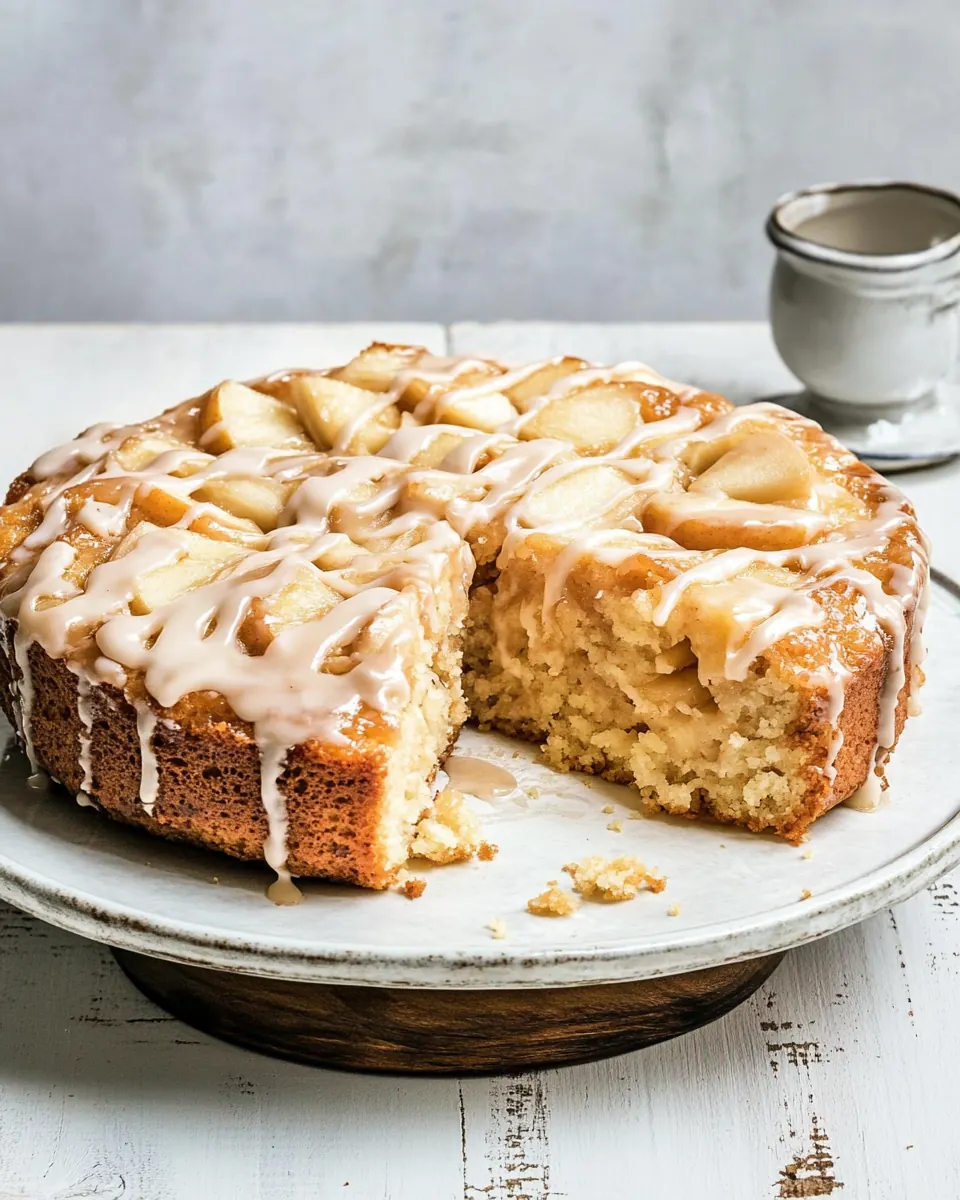
The following method is straightforward and forgiving, ideal for bakers who like clear cues. As you work through the steps, pay attention to the visual and sensory signals I describe so you can tell when the batter and cake are where they should be.
- Preheat oven to 350°F (180°C). Spray an 8-inch square baking pan with baking spray with flour. Line pan with parchment paper, letting excess extend over sides of pan.: As the oven comes up to 350°F , you should feel that warm anticipation in the kitchen and notice the dry, warm smell as the heating elements cycle on. Rubbing a fingertip near the oven rack will reveal increasing warmth; this steady heat ensures an even rise and a golden top. Lining the pan with parchment creates handles that make removing the cake easy, and the baking spray with flour prevents sticking while contributing to a clean release. One common mistake is skipping the parchment which can make release difficult and damage the cake edges. Using a pan that is too large or too small will change bake times, so use the recommended 8 inch square pan for consistent results. If your oven runs hot, consider reducing the temperature by ten degrees to avoid an over browned exterior before the center sets.
- In a medium bowl, whisk together flour, baking powder, cinnamon, and salt. Add 1 1/2 cups (174 grams) apples, tossing to coat.: At this stage you will notice the dry mixture takes on the faint sweet perfume of cinnamon . Whisking aerates the all purpose flour and evenly distributes the baking powder so pockets of rise are consistent. Tossing the diced apples in the dry mix helps suspend them through the batter and prevents sinking to the bottom. If the apples are too wet they may clump, so patting them dry first is useful. A frequent error here is over mixing the flour into a paste if you add the wet ingredients while still vigorously stirring, which can tighten the crumb and make the cake dense.
- In another medium bowl, whisk together brown sugar, egg, and egg white until light and fluffy, about 2 minutes. Whisk in melted butter, sour cream, applesauce, lemon juice, and vanilla until well combined. Using a rubber spatula, fold in flour mixture until just combined and no dry streaks remain. (Batter will not be completely smooth.) Pour batter into prepared pan, and smooth top. Top with remaining 1/2 cup (58 grams) apples.: As you whisk the brown sugar with the egg and egg white , the bowl should lighten in color and take on a slightly fluffy texture, which traps air to help the cake rise. When you add the melted unsalted butter , the mixture smells richer, and the tang from the sour cream cuts through the sweetness, giving depth. Folding in the dry mix gently preserves the trapped air, ensuring a tender crumb. The batter may show streaks, this is okay; over mixing will develop gluten and reduce tenderness. Smoothing the top with a spatula gives a uniform bake surface, and scattering the final diced apples on top creates appealing fruit pockets and a slightly caramelized surface. Watch the consistency, if the batter seems overly stiff you may have over measured the flour . A common misstep is vigorously mixing here, which flattens the batter and yields a tougher cake.
- Bake until golden brown and a wooden pick inserted in center comes out clean, 40 to 45 minutes. Let cool in pan for 10 minutes. Using excess parchment as handles, remove from pan, and let cool on a wire rack for 10 minutes.: As the cake bakes you will see the top turn a warm golden brown and the kitchen will fill with a toasty, sweet aroma of apples and cinnamon . The edges will pull slightly from the pan sides, signaling doneness. The wooden pick should emerge free of wet batter, a few moist crumbs are fine. Allowing the cake to rest in the pan for ten minutes helps it set, reducing the risk of breaking when you lift it out. Cooling on a wire rack prevents steam from pooling under the cake, which could sog the bottom. A common error is cutting too soon, which makes slices fall apart. If the center seems underdone but the top is browning, tent loosely with foil and continue baking in five minute increments to avoid over browning.
- In a small bowl, whisk together confectioners’ sugar and milk until smooth; drizzle onto warm cake. Serve immediately. Store in an airtight container for up to 3 days.: The glaze should be silky and pourable, offering a sweet sheen that settles into nooks and highlights the golden top. Whisk the confectioners sugar and whole milk until no lumps remain, and adjust the thickness by adding tiny amounts of milk if needed. Drizzling while the cake is still warm helps the glaze set with a delicate crust and soak slightly into the surface for a pretty finish. Beware of making the glaze too thin which will run off the cake; too thick and it will look clumpy. Serve immediately for the best contrast between warm crumb and cool glaze, or let the cake sit for a few minutes if you prefer a firmer topping.
Expert Tips about Apple Fritter Cake
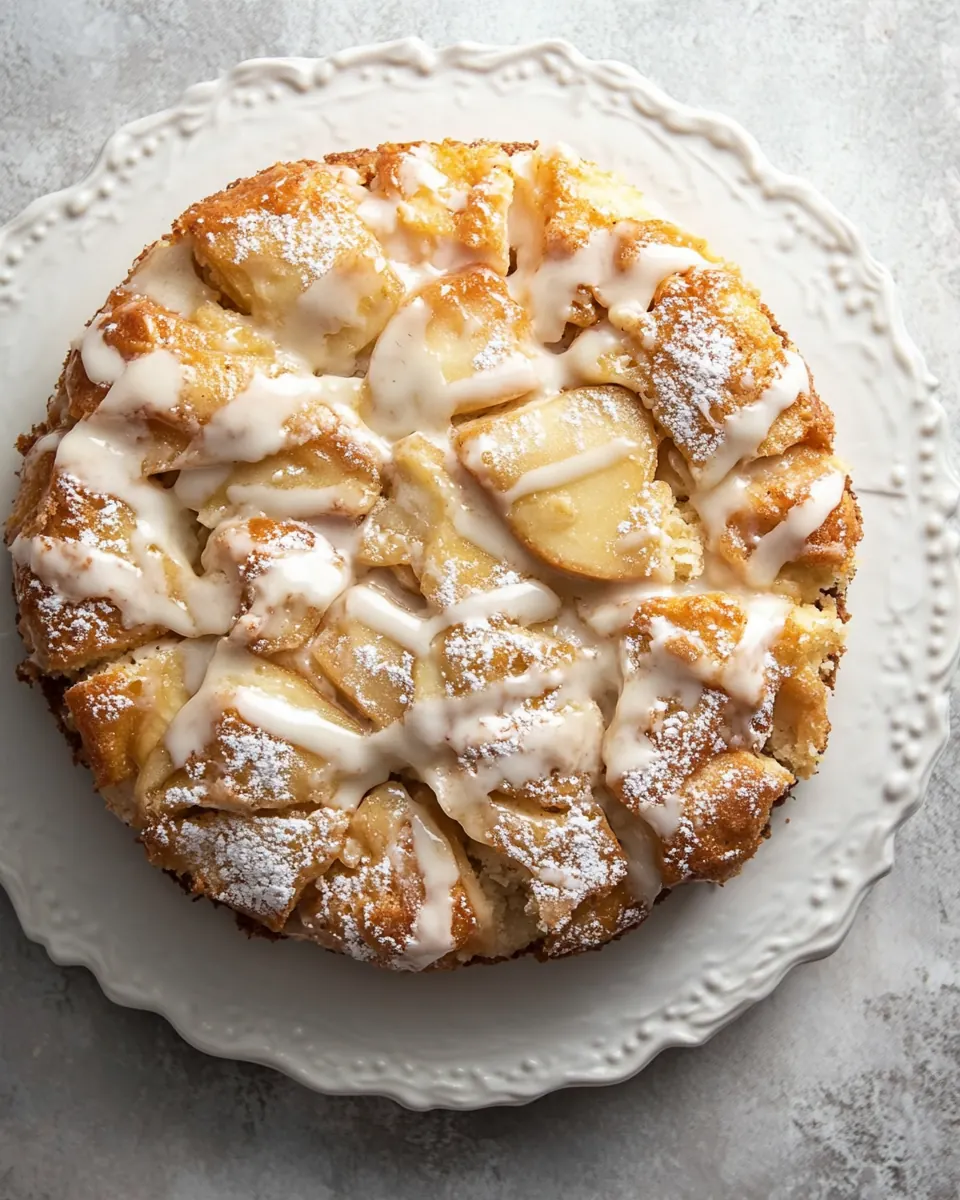
This cake benefits from small technique choices that change the final texture. Below are dependable tips I use every time I bake Apple Fritter Cake.
- Measure flour correctly by spooning it into the cup and leveling with a knife so you avoid a dry, heavy cake.
- Keep ingredients at room temperature so the batter emulsifies smoothly and bakes evenly without streaks of butter or curdled bits.
- Toss apples in the dry mix to prevent them from sinking to the bottom and to distribute fruit evenly throughout the cake.
- Watch your oven temperature and use an oven thermometer if needed because a variance of ten to twenty degrees can change bake times significantly.
- Cool on a rack to prevent condensation under the cake which can make the bottom soggy and change the texture.
- Adjust glaze consistency with milk small amounts at a time so you get a drizzle that sets but does not run off completely.
Serving Suggestions
Apple Fritter Cake is wonderfully flexible in how you present it. Serve it warm for brunch or let it cool for an afternoon treat. It pairs well with coffee, tea, or a scoop of ice cream if you want a more decadent finish.
- Brunch centerpiece Serve sliced with small bowls of jam and butter for spreading, making it a cozy addition to a weekend spread.
- Casual dessert Offer warm slices with a scoop of vanilla ice cream or a dollop of whipped cream for an approachable after dinner treat.
- Picnic friendly Wrap slices in parchment for easy transport, the cake holds up well and keeps its moisture, making it ideal for outdoor gatherings.
- Holiday table Place the cake on a simple cake stand surrounded by whole apples and cinnamon sticks for a seasonal presentation that feels festive without fuss.
- Storage tips Keep the cake in an airtight container at room temperature for up to three days, or refrigerate if your kitchen is very warm. Reheat slices briefly to restore that just baked warmth before serving.
- Portioning Cut into modest squares to allow people to taste without feeling guilty, the cake is rich and satisfying so small portions work well.
FAQ
Conclusion
Apple Fritter Cake shines because it transforms simple pantry staples and fresh apples into a warmly spiced, tender cake that feels both nostalgic and effortless. Give it a try the next time you have apples nearing their peak, and enjoy how the combination of apples, cinnamon, and a light glaze brings comfort to your table. I hope this recipe becomes one of those reliable favorites you reach for when you want a slice of homestyle baking to share with friends and family.
Apple Fritter Cake
Equipment
- 8-inch square baking pan
- Parchment Paper
- Mixing Bowls
- Whisk
- Rubber spatula
- Wire Rack
Ingredients
- 1 3/4 cup s(219 grams) all-purpose flour Sifted and measured to provide structure and bulk to the cake batter, creating the crumb and supporting trapped air from leaveners. Adds slight gluten development for chew while blending smoothly with wet ingredients for uniform texture.
- 1 1/2 teaspoon s(7.5 grams) baking powder Leavening agent that helps the cake rise by releasing gas when heated, contributing to a light, tender crumb. Should be evenly distributed in the dry mix to prevent uneven rising or dense spots.
- 1 teaspoon (2 grams) ground cinnamon Warm, aromatic spice used to flavor the batter and complement the apples, imparting a cozy, autumnal character. Blends with sugars and butter to deepen overall flavor without overpowering other components.
- 3/4 teaspoon (2.25 grams) kosher salt Used to enhance overall flavor and balance sweetness while slightly strengthening gluten formation; helps control fermentation and leavening reactions. Dissolves into the batter so it contributes evenly to seasoning throughout.
- 2 cup s(232 grams) diced Honeycrisp apples, divided Fresh, diced apples that provide moisture, texture, and bursts of fruity flavor throughout the cake; divided so some can be folded into the batter while some can be reserved for topping or extra pockets of apple. Choose crisp, sweet-tart Honeycrisp for best balance and to hold shape during baking.
- 1 cup (220 grams) firmly packed light brown sugar Adds deep caramel-like sweetness and moisture, contributing to tender crumb and rich flavor. Packed brown sugar also adds subtle molasses notes that enhance the fritter-like profile.
- 1 large egg (50 grams) Beaten to provide structure, richness, and emulsification; contributes to leavening by trapping air when mixed, improving texture and color. Adds protein and some moisture while binding ingredients together.
- 1 large egg white (30 grams) Used for additional binding and to reduce fat content while still providing structure and moisture; egg white helps set the cake and contributes to a lighter texture. Whisk gently before folding to incorporate evenly without deflating batter.
- 1/2 cup (113 grams) unsalted butter, melted and slightly cooled Melted and slightly cooled to blend smoothly into batter, providing richness, moisture, and tenderizing fat. Distributes flavor and helps create a fine crumb while aiding in browning during baking.
- cup(80 grams) sour cream Adds acidity and creaminess to enrich the batter, contributing tang that balances sweetness and reacts with leavening for lift. Provides moisture and helps achieve a tender, moist crumb when folded into the mix.
- cup(80 grams) unsweetened applesauce Adds moisture and natural apple flavor while reducing overall fat; contributes to tender texture and subtle sweetness. Works well with apples to intensify fruitiness and maintain moistness without heaviness.
- 1 tablespoon (15 grams) fresh lemon juice Provides brightness and acidity to balance the sweetness and enhance the apple flavor; helps prevent browning of diced apples. Adds a slight zing that lifts overall flavor complexity in the finished cake.
- 1 teaspoon (4 grams) vanilla extract Adds warm, sweet aromatic depth and rounds out flavors by enhancing vanilla notes in the batter and glaze. Small amount is sufficient to create a pleasant background flavor without overwhelming the apples or spices.
- 1 cup (120 grams) confectioners’ sugar Finely powdered sugar used to make a smooth glaze that adds sweetness and a glossy finish to the cake; dissolves easily when mixed with milk. Creates a delicate exterior coating that contrasts with the tender crumb and apple pieces.
- 2 tablespoons plus 2 teaspoons (40 grams) whole milk Used to thin the confectioners’ sugar into a pourable glaze, adding creaminess and smooth texture while contributing a bit of richness. Helps achieve desired consistency so the glaze sets with a slight sheen on the cooled cake.
Instructions
- Preheat oven to 350°F (180°C). Spray an 8-inch square baking pan with baking spray with flour. Line pan with parchment paper, letting excess extend over sides of pan.: As the oven comes up to 350°F , you should feel that warm anticipation in the kitchen and notice the dry, warm smell as the heating elements cycle on. Rubbing a fingertip near the oven rack will reveal increasing warmth; this steady heat ensures an even rise and a golden top. Lining the pan with parchment creates handles that make removing the cake easy, and the baking spray with flour prevents sticking while contributing to a clean release. One common mistake is skipping the parchment which can make release difficult and damage the cake edges. Using a pan that is too large or too small will change bake times, so use the recommended 8 inch square pan for consistent results. If your oven runs hot, consider reducing the temperature by ten degrees to avoid an over browned exterior before the center sets.
- In a medium bowl, whisk together flour, baking powder, cinnamon, and salt. Add 1 1/2 cups (174 grams) apples, tossing to coat.: At this stage you will notice the dry mixture takes on the faint sweet perfume of cinnamon . Whisking aerates the all purpose flour and evenly distributes the baking powder so pockets of rise are consistent. Tossing the diced apples in the dry mix helps suspend them through the batter and prevents sinking to the bottom. If the apples are too wet they may clump, so patting them dry first is useful. A frequent error here is over mixing the flour into a paste if you add the wet ingredients while still vigorously stirring, which can tighten the crumb and make the cake dense.
- In another medium bowl, whisk together brown sugar, egg, and egg white until light and fluffy, about 2 minutes. Whisk in melted butter, sour cream, applesauce, lemon juice, and vanilla until well combined. Using a rubber spatula, fold in flour mixture until just combined and no dry streaks remain. (Batter will not be completely smooth.) Pour batter into prepared pan, and smooth top. Top with remaining 1/2 cup (58 grams) apples.: As you whisk the brown sugar with the egg and egg white , the bowl should lighten in color and take on a slightly fluffy texture, which traps air to help the cake rise. When you add the melted unsalted butter , the mixture smells richer, and the tang from the sour cream cuts through the sweetness, giving depth. Folding in the dry mix gently preserves the trapped air, ensuring a tender crumb. The batter may show streaks, this is okay; over mixing will develop gluten and reduce tenderness. Smoothing the top with a spatula gives a uniform bake surface, and scattering the final diced apples on top creates appealing fruit pockets and a slightly caramelized surface. Watch the consistency, if the batter seems overly stiff you may have over measured the flour . A common misstep is vigorously mixing here, which flattens the batter and yields a tougher cake.
- Bake until golden brown and a wooden pick inserted in center comes out clean, 40 to 45 minutes. Let cool in pan for 10 minutes. Using excess parchment as handles, remove from pan, and let cool on a wire rack for 10 minutes.: As the cake bakes you will see the top turn a warm golden brown and the kitchen will fill with a toasty, sweet aroma of apples and cinnamon . The edges will pull slightly from the pan sides, signaling doneness. The wooden pick should emerge free of wet batter, a few moist crumbs are fine. Allowing the cake to rest in the pan for ten minutes helps it set, reducing the risk of breaking when you lift it out. Cooling on a wire rack prevents steam from pooling under the cake, which could sog the bottom. A common error is cutting too soon, which makes slices fall apart. If the center seems underdone but the top is browning, tent loosely with foil and continue baking in five minute increments to avoid over browning.
- In a small bowl, whisk together confectioners’ sugar and milk until smooth; drizzle onto warm cake. Serve immediately. Store in an airtight container for up to 3 days.: The glaze should be silky and pourable, offering a sweet sheen that settles into nooks and highlights the golden top. Whisk the confectioners sugar and whole milk until no lumps remain, and adjust the thickness by adding tiny amounts of milk if needed. Drizzling while the cake is still warm helps the glaze set with a delicate crust and soak slightly into the surface for a pretty finish. Beware of making the glaze too thin which will run off the cake; too thick and it will look clumpy. Serve immediately for the best contrast between warm crumb and cool glaze, or let the cake sit for a few minutes if you prefer a firmer topping.
Notes
- Measure flour correctly by spooning it into the cup and leveling with a knife so you avoid a dry, heavy cake.
- Keep ingredients at room temperature so the batter emulsifies smoothly and bakes evenly without streaks of butter or curdled bits.
- Toss apples in the dry mix to prevent them from sinking to the bottom and to distribute fruit evenly throughout the cake.
- Watch your oven temperature and use an oven thermometer if needed because a variance of ten to twenty degrees can change bake times significantly.
- Cool on a rack to prevent condensation under the cake which can make the bottom soggy and change the texture.
- Adjust glaze consistency with milk small amounts at a time so you get a drizzle that sets but does not run off completely.