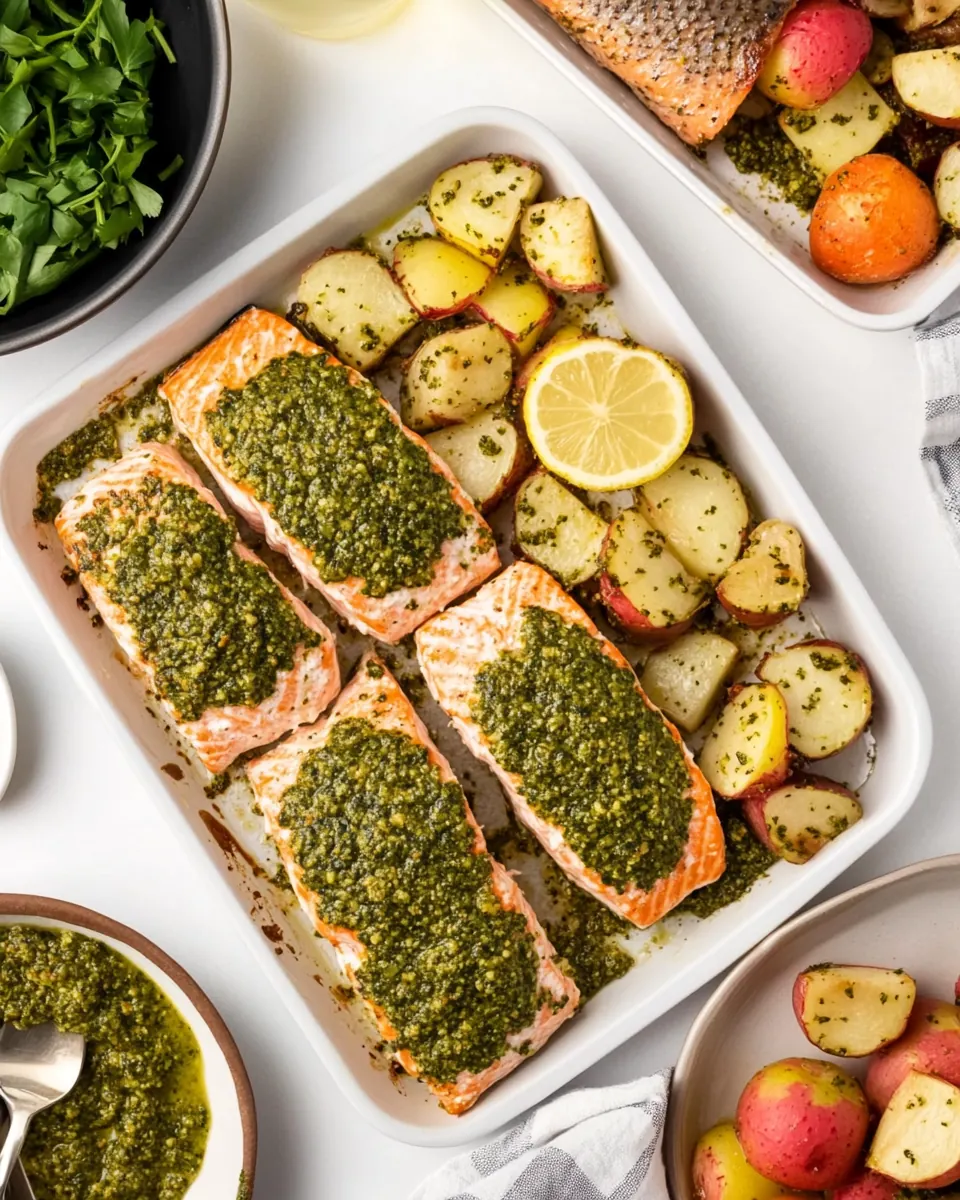
Pesto Salmon Sheet Pan Dinner
Pesto Salmon Sheet Pan Dinner became my go to when life is busy and I still want a meal that feels thoughtful and special.
I remember the first time I tossed everything onto one pan, skeptical that such a simple lineup could deliver on flavor. The kitchen filled with the bright, herbaceous scent of pesto and the warm, toasty perfume of roasting potatoes. As the salmon finished, flaky and tender, I realized how magic happens when ingredients are treated respectfully and roasted together. That evening I sat at the table with a forkful that had crunchy potato edges, silky salmon, and crisp-tender asparagus, and I felt proud for pulling off a restaurant worthy dinner on a weeknight.
Since then I tweak tiny things depending on produce quality, but the core idea never changes: highlight fresh ingredients and let the oven do most of the work. This is a recipe I reach for when friends drop by unexpectedly or when I want a no fuss family meal that still tastes like effort. The easy cleanup helps too, because I care less about dishes at the end of the night and more about that first bite. Over time it’s become a ritual, and every time I plate it I remember how a handful of simple choices can create a memorable dinner.
Recipe Snapshot
45 mins
10 mins
35 mins
Medium
450 kcal
Mediterranean
Gluten-Free, Keto
Dinner
Sheet pan, Oven, Mixing bowl, Knife, Tongs
The Magic of This Pesto Salmon Sheet Pan Dinner
One pan simplicity that saves time
I love how Pesto Salmon Sheet Pan Dinner turns a busy evening into something manageable. Roasting everything on a single sheet pan means fewer dishes, and you get a cohesive meal where flavors mingle without extra effort. It feels efficient, and I always appreciate a method that respects both my schedule and my appetite.
Bright herb flavor with comforting textures
The herbal punch from pesto lifts the rich mouthfeel of the salmon while the parmesan cheese and roasted potatoes add crunchy, savory contrast. I find that the combination keeps each bite interesting, alternating silky, tangy, and crisp notes. That contrast is what makes this dish linger in my memory and on my plate.
Flexible and forgiving recipe
I often vary quantities and timing depending on the thickness of the salmon or how large the potato pieces are. This recipe welcomes adjustments, and that helps me relax while cooking. If something runs a little long in the oven, the vegetables still shine and the salmon stays flavorful. The technique is tolerant, which I appreciate when feeding people who like their food cooked differently.
Meal friendly and healthy
This dinner is satisfying without feeling heavy. With salmon as the protein and roasted potatoes and asparagus as the veg, it feels balanced. I enjoy serving it when I want a meal that’s nourishing, quick to assemble, and still impressive when guests arrive.
Easy to scale and adapt
Whether I am cooking for two or a small group, I can scale the ingredients and still keep the same sheet pan approach. That makes Pesto Salmon Sheet Pan Dinner perfect for weeknight dinners, casual gatherings, or a relaxed weekend meal. The results are reliably tasty and visually appealing, which keeps me coming back to this recipe.
Ingredients Required for Pesto Salmon Sheet Pan Dinner
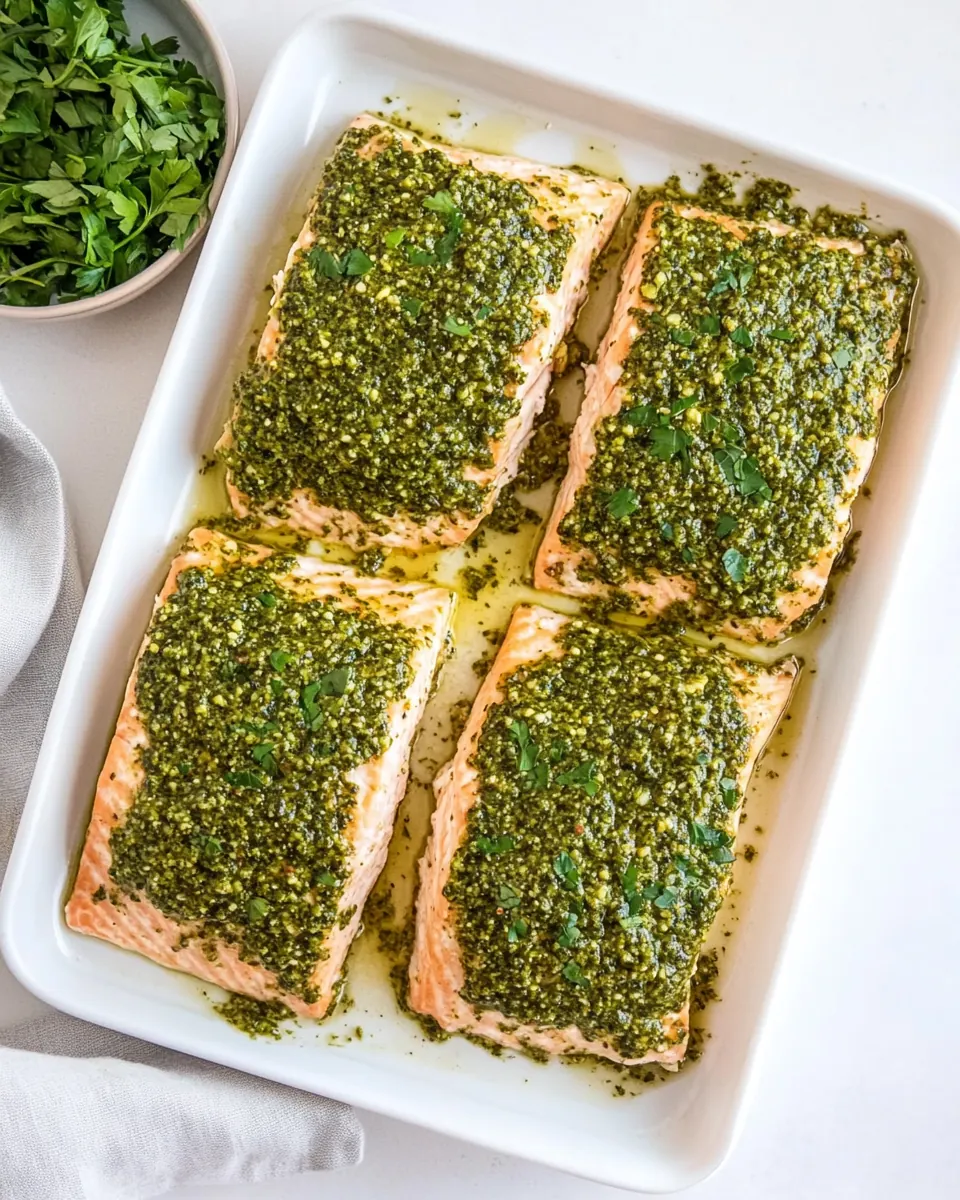
These ingredients are chosen to balance richness, freshness, and texture. The salmon is the star, bringing silky protein and healthy fats. Starchy potatoes roast up crisp at the edges while staying tender inside, giving satisfying body. Asparagus offers a green, slightly sweet counterpoint, and the pesto plus parmesan cheese tie everything together with herbaceous, savory notes. Small touches like minced garlic and olive oil help the components sing together.
- 1 1/2 lbs salmon, 3-4 filets: Season and provide the main protein for the dish, offering rich, flaky texture and healthy omega-3 fats; bake to a tender finish while absorbing surrounding flavors from pesto and seasonings. Slice into portions before serving to showcase the pink, moist interior and pair perfectly with roasted vegetables.
- 1 1/2 lb petite potatoes, red or yellow, cut into bite sized pieces: Cut and contribute hearty, bite–sized starch that roast to crispy edges and a creamy interior; absorb olive oil, garlic, and seasonings to create flavorful bites alongside the salmon. Choose red or yellow varieties for even roasting and attractive color contrast on the sheet pan.
- 1 lb asparagus, bottom inch trimmed: Trim and supply a crisp-tender green vegetable that roasts quickly and adds fresh, grassy notes; remove the woody ends to ensure even cooking and pleasant texture. Arrange near the salmon late in the cooking time to preserve vibrant color and snap.
- 1/4 c pesto: Coat and infuse the salmon with concentrated herbaceous flavor, binding with olive oil to create a glossy, aromatic layer; deliver basil, pine nut, and cheesy notes that elevate the protein. Spoon over fish and vegetables to provide an herby finish that caramelizes slightly during baking.
- 1/4 c parmesan cheese: Sprinkle and add umami-rich, nutty saltiness to finish the dish with depth and a savory boost; melt slightly when combined with warm pesto for cohesive flavor. Grate over the assembled dinner just before serving to enhance richness and aroma.
- 3 garlic cloves, minced: Mince and impart pungent, aromatic warmth that flavors both potatoes and asparagus as they roast; release oils when sautéed or mixed with olive oil to infuse the entire sheet pan. Use sparingly to complement the pesto and cheese without overpowering the delicate salmon.
- 1 T plus 2 tsp olive oil: Toss and help coat potatoes and asparagus to promote even browning and crispness while roasting; drizzle over salmon to help pesto adhere and aid in flavor distribution. Use measured tablespoons and teaspoons to control fat and mouthfeel for the finished dinner.
- 1 tsp sea salt, use as desired: Season and balance flavors by enhancing natural tastes and aiding in proper seasoning throughout the dish; sprinkle to taste to bring out savory notes in salmon, potatoes, and asparagus. Adjust amount as desired to suit dietary sodium preferences while ensuring well-seasoned components.
- 1 tsp cracked pepper: Season and provide a sharp, aromatic contrast that brightens the overall flavor profile; freshly cracked pepper adds warmth and subtle heat that highlights the pesto and garlic. Grind over the finished dish for best texture and more pronounced flavor release.
Preparation Steps for Pesto Salmon Sheet Pan Dinner
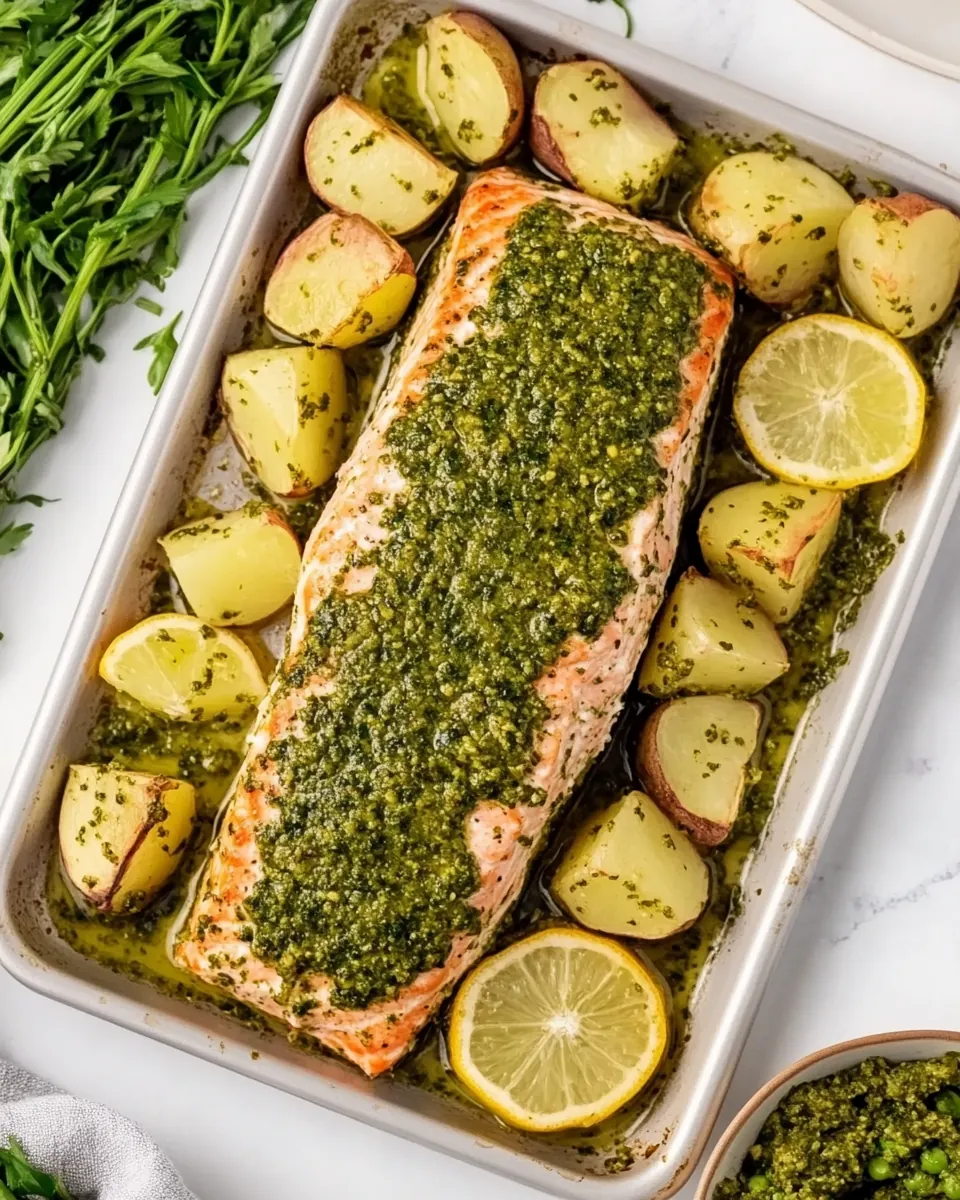
This is a relaxed, hands on process where timing matters for texture but the technique is forgiving. Read through the steps so you know when to add each component, and keep an eye on visual cues like golden edges, opaque flesh, and tender asparagus. Gather your mise en place and warm the oven first so you can move confidently once you start.
- Preheat oven to 425°F.: Warm air envelops the kitchen and you should sense an immediate increase in heat. The oven temperature must be steady for proper roasting, which creates those crisp, caramelized edges on the potatoes and gives the salmon an even cook. A properly preheated oven prevents the pan from starting cold and steaming the vegetables. One common mistake is not waiting for the full preheat, which leads to uneven browning and longer cook times.
- Prep the potatoes. Toss the chopped potatoes in 1 tablespoon olive oil, 2 garlic cloves, parmesan, 1/4 teaspoon sea salt and 1/2 teaspoon cracked pepper. Spread evenly on a sheet pan and bake for about 20-25 minutes until they start to become tender and just barely are starting to brown.: As the potatoes roast you will hear the faint sizzle as moisture evaporates and soon see golden crumbs forming on the edges, which indicates Maillard reactions that deliver savory depth. The garlic becomes mellow and aromatic, while the parmesan cheese melts and encourages browning. Stirring halfway can help even color, but avoid crowding the pan since that causes steaming rather than roasting. A frequent slip here is cutting uneven pieces, which makes some bites overdone while others stay raw.
- Remove the sheet pan from the oven and push the potatoes to one third of the sheet pan. Lay the salmon (spray oil to keep from sticking if not using parchment) on the sheet pan and season with about 1/2 teaspoon of sea salt and pepper. Spread the pesto evenly over the salmon. Add the asparagus to the last third of the sheet pan. Drizzle with about 2 teaspoons of olive oil. Add one minced garlic clove and a pinch of salt and pepper. Toss to coat.: The pan will be hot and releasing a roasted aroma from the potatoes, which is satisfying. When you place the salmon , it should sit skin side down if it has skin, and the surface should feel slightly warm to the touch. Spreading pesto now ensures the herb oils bake into the fish, infusing flavor without overpowering. The asparagus will shimmer with oil and the lone garlic clove will sweeten as it roasts. One mistake is piling ingredients too closely, which reduces airflow and prevents crisping, so keep each third distinct.
- Transfer the pan back into the oven and cook for about 12-15 minutes or until the salmon is opaque and flakes easily. Temperature should be just under 145°F as it will continue to cook out of the oven.: During this final roast you will notice the salmon change color from translucent to opaque, and the flesh will start to flake at its weakest point when tested with a fork, a tactile confirmation the fish is done. The asparagus should be bright green with slightly blistered tips, and the potatoes will deepen in color. If you own a thermometer, aim just under 145°F because carryover heat finishes the job. Overcooking here can dry the salmon , which is the most common misstep; watch for the flake test rather than relying only on time.
- For extra crispy brown potatoes, broil on high for 4-5 minutes more. You can remove the salmon if you are worried about it getting too done.: Broiling adds concentrated top heat that crisps and creates darker edges with nutty aroma. The sound changes to a higher pitched sizzle as surfaces char slightly, and visually you will see deep golden spots appear. If your salmon is thin, removing it first prevents drying. A typical error is leaving the broil unattended, so stay nearby and watch closely to avoid burning.
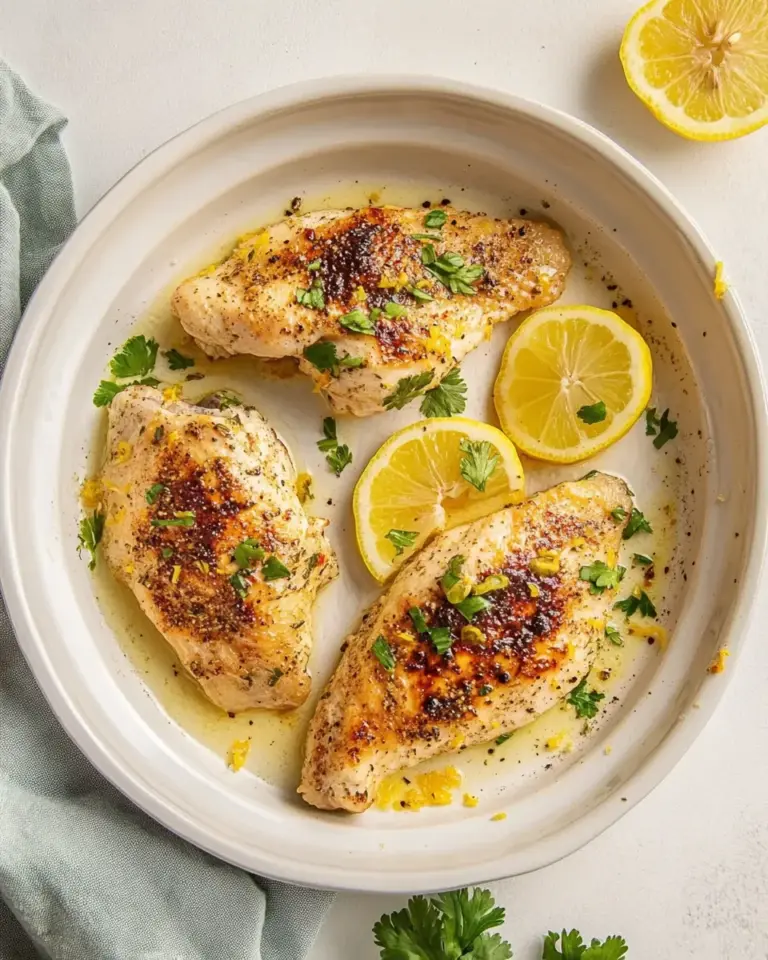
- Serve with a fresh lemon wedge and enjoy! Store leftovers in the fridge in a tightly sealed container.: The bright citrus cut through the richness, lifting each bite and adding a finishing note of acidity. As you plate, note the contrast of textures, and the aroma of roasted garlic and herbaceous pesto will be front and center. When storing, cool the pan slightly before transferring to a container to preserve texture. Reheating too long will soften crisp edges, so warm gently when ready to eat. A common storage mistake is leaving food uncovered, which leads to drying and flavor loss.
Tips and Variations
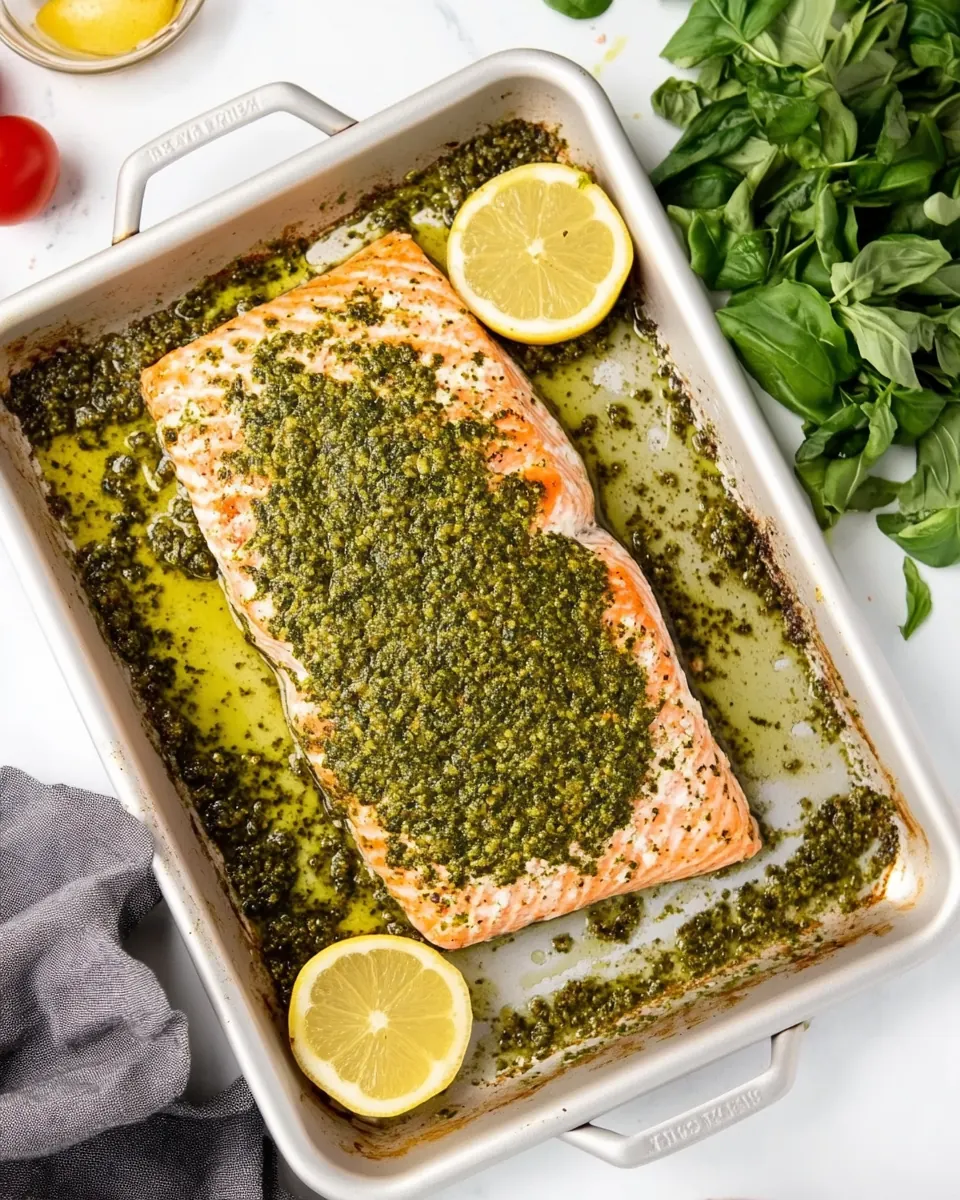
This section expands on small changes and useful tricks I rely on when making this meal. These tips help you control texture, flavor balance, and timing. Try a few to personalize the dish to your taste and pantry.
- Adjust cooking time by thickness: Thicker salmon needs a few extra minutes, so check with a thermometer or the flake test rather than assuming one size fits all.
- Use parchment for easy cleanup: Lining the pan prevents sticking and makes transferring roasted vegetables simpler, plus it protects delicate salmon flesh from tearing.
- Broil briefly for extra crisp: If you want crisper potato edges, move the pan under the broiler for a few minutes but watch closely to avoid burning.
- Reserve a lemon wedge: A squeeze of fresh lemon brightens the finish of each bite and cuts through the richness of the pesto and salmon.
- Trim asparagus uniformly: Evenly sized stalks cook at the same rate and keep the texture consistent across the pan.
- Don’t overcrowd the pan: Leave space between items so hot air circulates and promotes even roasting and browning.
- Reheat gently in an air fryer: For leftovers, warm at a moderate temperature for a few minutes to restore crisp edges without drying the fish.
What Complements This Pesto Salmon Sheet Pan Dinner
Serving this meal is about highlighting texture and freshness. Think simple accompaniments that add brightness or extra crunch, and serve it for casual dinners, weekend lunches, or anytime you want something satisfying without fuss. Below are detailed pairing ideas and storage notes to help you present it the way you like.
- Simple green salad: A crisp salad with a light vinaigrette adds freshness and a crisp counterpoint to the roasted elements, making the meal feel lighter and more balanced.
- Steamed rice or couscous: If you want extra starch, serve with a bed of rice or couscous to soak up any juices and pesto, turning the plate into a comforting bowl.
- Serve for weeknight dinners: This dish is ideal for a no fuss weeknight main, delivering a composed plate with minimal hands on time and quick cleanup.
- Casual weekend lunch: The recipe’s relaxed prep makes it great for a weekend gathering where you can roast while chatting with guests and serve family style.
- Storage tips: Store leftovers in a tightly sealed container in the fridge for up to three days, and reheat gently in an air fryer or oven to preserve textures.
- Seasonal pairing: In spring when asparagus is at its best, the green notes are vivid and the meal feels lighter; in other seasons the dish still works well and can be paired with roasted winter greens.
- Presentation style: Serve directly from the sheet pan for an informal family meal, or plate individually with a lemon wedge for a slightly elevated look.
FAQ
Conclusion
Pesto Salmon Sheet Pan Dinner shines because it pairs vibrant herb flavor with comforting roasted textures, all while keeping cleanup minimal. Try it when you want a satisfying meal that feels special but is easy to pull together on a busy evening. It’s a reliable weekday favorite that invites small adjustments without losing its charm, and I hope you enjoy making it as much as I do.
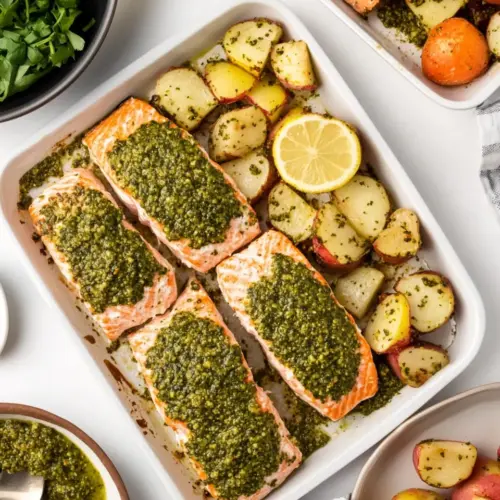
Pesto Salmon Sheet Pan Dinner
Equipment
- Sheet Pan
- Oven
- Mixing Bowl
- Knife
- Tongs
Ingredients
- 1 1/2 lbs salmon, 3-4 filets Season and provide the main protein for the dish, offering rich, flaky texture and healthy omega-3 fats; bake to a tender finish while absorbing surrounding flavors from pesto and seasonings. Slice into portions before serving to showcase the pink, moist interior and pair perfectly with roasted vegetables.
- 1 1/2 lb petite potatoes, red or yellow, cut into bite sized pieces Cut and contribute hearty, bite-sized starch that roast to crispy edges and a creamy interior; absorb olive oil, garlic, and seasonings to create flavorful bites alongside the salmon. Choose red or yellow varieties for even roasting and attractive color contrast on the sheet pan.
- 1 lb asparagus, bottom inch trimmed Trim and supply a crisp-tender green vegetable that roasts quickly and adds fresh, grassy notes; remove the woody ends to ensure even cooking and pleasant texture. Arrange near the salmon late in the cooking time to preserve vibrant color and snap.
- 1/4 c pesto Coat and infuse the salmon with concentrated herbaceous flavor, binding with olive oil to create a glossy, aromatic layer; deliver basil, pine nut, and cheesy notes that elevate the protein. Spoon over fish and vegetables to provide an herby finish that caramelizes slightly during baking.
- 1/4 c parmesan cheese Sprinkle and add umami-rich, nutty saltiness to finish the dish with depth and a savory boost; melt slightly when combined with warm pesto for cohesive flavor. Grate over the assembled dinner just before serving to enhance richness and aroma.
- 3 garlic cloves, minced Mince and impart pungent, aromatic warmth that flavors both potatoes and asparagus as they roast; release oils when sautéed or mixed with olive oil to infuse the entire sheet pan. Use sparingly to complement the pesto and cheese without overpowering the delicate salmon.
- 1 T plus 2 tsp olive oil Toss and help coat potatoes and asparagus to promote even browning and crispness while roasting; drizzle over salmon to help pesto adhere and aid in flavor distribution. Use measured tablespoons and teaspoons to control fat and mouthfeel for the finished dinner.
- 1 tsp sea salt, use as desired Season and balance flavors by enhancing natural tastes and aiding in proper seasoning throughout the dish; sprinkle to taste to bring out savory notes in salmon, potatoes, and asparagus. Adjust amount as desired to suit dietary sodium preferences while ensuring well-seasoned components.
- 1 tsp cracked pepper Season and provide a sharp, aromatic contrast that brightens the overall flavor profile; freshly cracked pepper adds warmth and subtle heat that highlights the pesto and garlic. Grind over the finished dish for best texture and more pronounced flavor release.
Instructions
- Preheat oven to 425°F.: Warm air envelops the kitchen and you should sense an immediate increase in heat. The oven temperature must be steady for proper roasting, which creates those crisp, caramelized edges on the potatoes and gives the salmon an even cook. A properly preheated oven prevents the pan from starting cold and steaming the vegetables. One common mistake is not waiting for the full preheat, which leads to uneven browning and longer cook times.
- Prep the potatoes. Toss the chopped potatoes in 1 tablespoon olive oil, 2 garlic cloves, parmesan, 1/4 teaspoon sea salt and 1/2 teaspoon cracked pepper. Spread evenly on a sheet pan and bake for about 20-25 minutes until they start to become tender and just barely are starting to brown.: As the potatoes roast you will hear the faint sizzle as moisture evaporates and soon see golden crumbs forming on the edges, which indicates Maillard reactions that deliver savory depth. The garlic becomes mellow and aromatic, while the parmesan cheese melts and encourages browning. Stirring halfway can help even color, but avoid crowding the pan since that causes steaming rather than roasting. A frequent slip here is cutting uneven pieces, which makes some bites overdone while others stay raw.
- Remove the sheet pan from the oven and push the potatoes to one third of the sheet pan. Lay the salmon (spray oil to keep from sticking if not using parchment) on the sheet pan and season with about 1/2 teaspoon of sea salt and pepper. Spread the pesto evenly over the salmon. Add the asparagus to the last third of the sheet pan. Drizzle with about 2 teaspoons of olive oil. Add one minced garlic clove and a pinch of salt and pepper. Toss to coat.: The pan will be hot and releasing a roasted aroma from the potatoes, which is satisfying. When you place the salmon , it should sit skin side down if it has skin, and the surface should feel slightly warm to the touch. Spreading pesto now ensures the herb oils bake into the fish, infusing flavor without overpowering. The asparagus will shimmer with oil and the lone garlic clove will sweeten as it roasts. One mistake is piling ingredients too closely, which reduces airflow and prevents crisping, so keep each third distinct.
- Transfer the pan back into the oven and cook for about 12-15 minutes or until the salmon is opaque and flakes easily. Temperature should be just under 145°F as it will continue to cook out of the oven.: During this final roast you will notice the salmon change color from translucent to opaque, and the flesh will start to flake at its weakest point when tested with a fork, a tactile confirmation the fish is done. The asparagus should be bright green with slightly blistered tips, and the potatoes will deepen in color. If you own a thermometer, aim just under 145°F because carryover heat finishes the job. Overcooking here can dry the salmon , which is the most common misstep; watch for the flake test rather than relying only on time.
- For extra crispy brown potatoes, broil on high for 4-5 minutes more. You can remove the salmon if you are worried about it getting too done.: Broiling adds concentrated top heat that crisps and creates darker edges with nutty aroma. The sound changes to a higher pitched sizzle as surfaces char slightly, and visually you will see deep golden spots appear. If your salmon is thin, removing it first prevents drying. A typical error is leaving the broil unattended, so stay nearby and watch closely to avoid burning.
- Serve with a fresh lemon wedge and enjoy! Store leftovers in the fridge in a tightly sealed container.: The bright citrus cut through the richness, lifting each bite and adding a finishing note of acidity. As you plate, note the contrast of textures, and the aroma of roasted garlic and herbaceous pesto will be front and center. When storing, cool the pan slightly before transferring to a container to preserve texture. Reheating too long will soften crisp edges, so warm gently when ready to eat. A common storage mistake is leaving food uncovered, which leads to drying and flavor loss.
Notes
- Adjust cooking time by thickness: Thicker salmon needs a few extra minutes, so check with a thermometer or the flake test rather than assuming one size fits all.
- Use parchment for easy cleanup: Lining the pan prevents sticking and makes transferring roasted vegetables simpler, plus it protects delicate salmon flesh from tearing.
- Broil briefly for extra crisp: If you want crisper potato edges, move the pan under the broiler for a few minutes but watch closely to avoid burning.
- Reserve a lemon wedge: A squeeze of fresh lemon brightens the finish of each bite and cuts through the richness of the pesto and salmon.
- Trim asparagus uniformly: Evenly sized stalks cook at the same rate and keep the texture consistent across the pan.
- Don’t overcrowd the pan: Leave space between items so hot air circulates and promotes even roasting and browning.
- Reheat gently in an air fryer: For leftovers, warm at a moderate temperature for a few minutes to restore crisp edges without drying the fish.