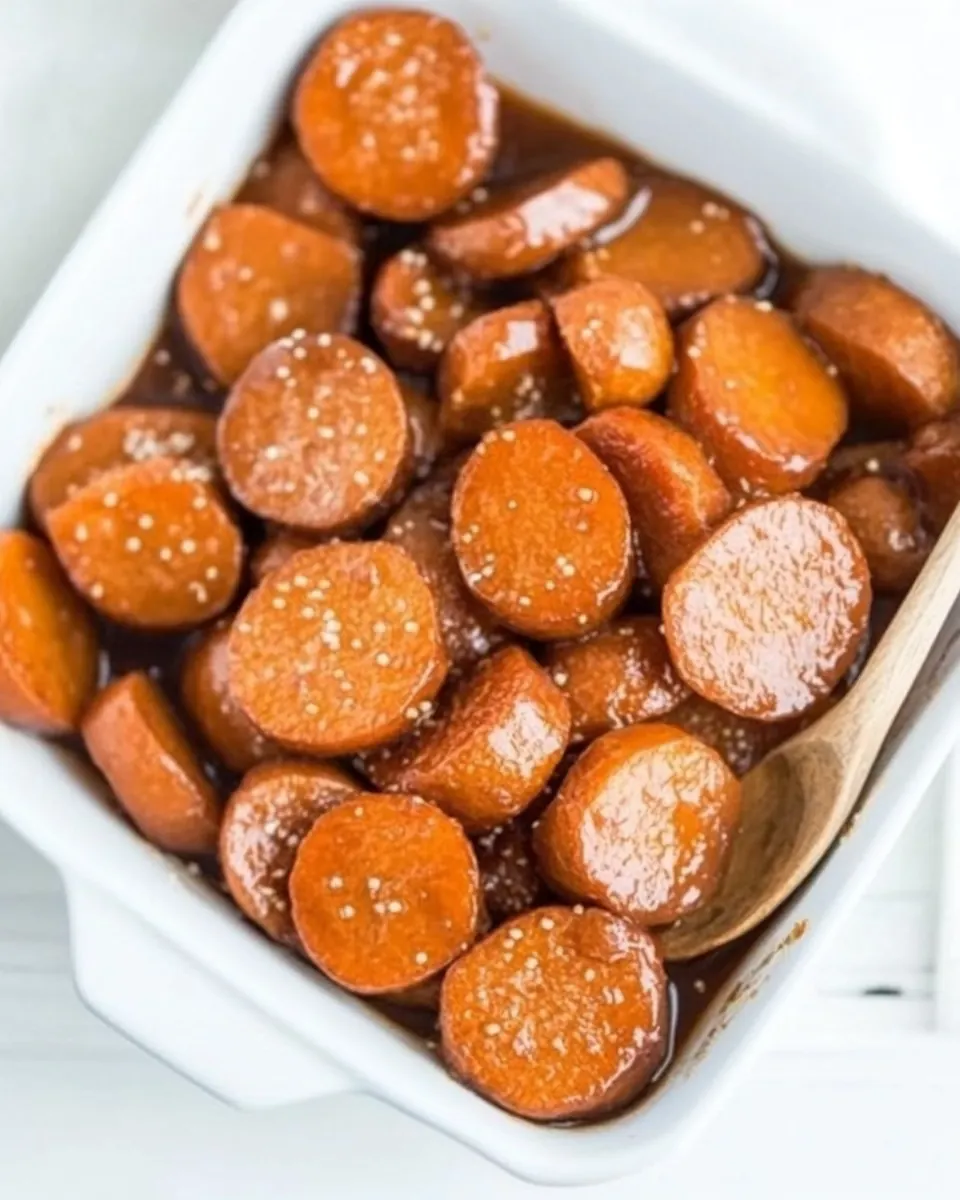
Delicious Candied Yams
Delicious Candied Yams is one of those recipes I return to every fall when the air gets crisp and I crave comfort food that feels like a warm hug on a plate.
My first memory of making Delicious Candied Yams was in my grandmother’s kitchen, standing on a stool, watching the sugar and butter bubble and smell like caramel as she stirred slowly. I learned then that this dish is more about patience than speed, and that the magic comes from simple, honest ingredients working together. Over the years I’ve tweaked small things, but I’ve always kept the core of the recipe true, because the combination of yams, butter, and brown sugar sings on its own. When guests arrive, the aroma that hits them as the oven door opens usually sparks a line of nostalgic stories and requests for the recipe.
What I love about Delicious Candied Yams is how forgiving it is, yet how reliably it brings depth and warmth to the table. It fits right into holiday menus, weeknight dinners that need a cozy element, or anytime you want a side that doubles as a star. I often pair it with roasted mains or simply serve it with extra sauce spooned on top, and people never cease to lick their plates. Making this dish has become a small ritual for me, one that bridges generations and invites conversation around the table.
Recipe Snapshot
1 hr 40 mins
10 mins
90 mins
Medium
250 kcal
American
Gluten-Free, Low FODMAP
Side Dishes
Oven, Large bowl, Medium size pan or pot, Whisk, 13×9 casserole dish, Foil
Why This Delicious Candied Yams Works
Comfort with minimal fuss
I adore that Delicious Candied Yams delivers deep, comforting flavors without a long ingredient list. The simplicity means I can have something soulful on the table even when time is short. The yams roast down until tender and soak up the sweet, buttery sauce, giving you that melt in your mouth texture I prize.
Perfect for holiday spreads
I’ve served Delicious Candied Yams at Thanksgiving and watched it disappear faster than many more complicated dishes. The warming spices and glossy sauce feel celebratory, making this an essential side when you want something that pleases nearly everyone at the table.
Flexible and forgiving
One of the reasons I reach for this recipe is how tolerant it is. You can make it a bit ahead, rewarm it, and it still tastes fresh. The method is straightforward, so even cooks who are nervous in the kitchen can succeed and feel proud to present a dish that looks and tastes like effort went into it.
Layered flavors from simple ingredients
The mix of unsalted butter, brown sugar, and warm spices like cinnamon and nutmeg creates complexity without fuss. The vanilla extract rounds the sweetness and lifts the whole dish, giving a very pleasing aromatic finish that I always notice first when I take the lid off the baking dish.
Textural satisfaction
The contrast between soft, tender yams and the glossy syrupy coating makes every bite satisfying. I appreciate a recipe that balances texture and flavor so well, and this one reliably hits both notes, which is why it often gets requested at gatherings.
What’s In This Delicious Candied Yams
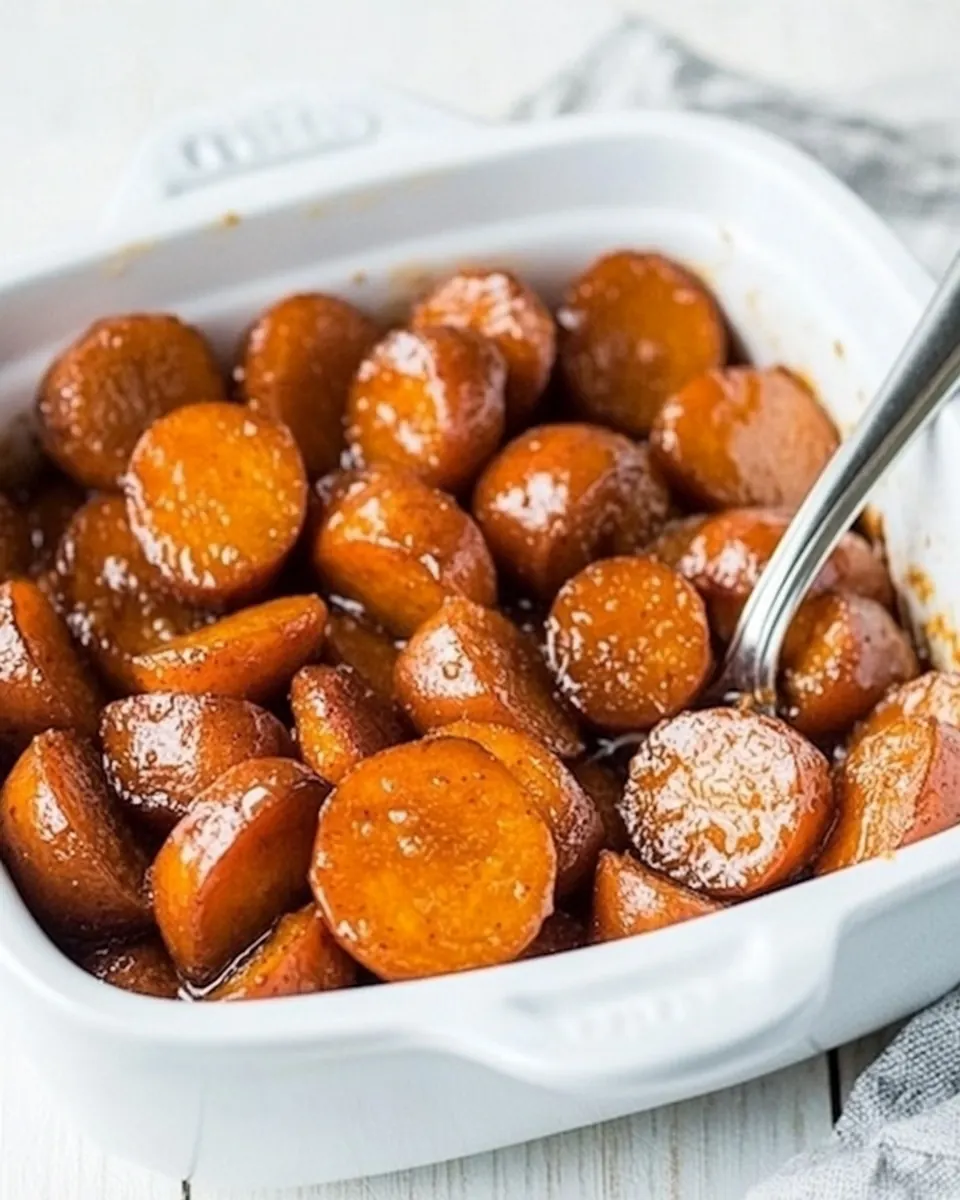
The philosophy behind these ingredients is about harmony. Each item plays a distinct role, from providing body and sweetness, to tracking the warm spice notes that make the dish unmistakable. I treat the yams as the star, while the rest of the elements build a glossy sauce that clings to every slice, ensuring consistent flavor in each forkful.
- 2 pounds peeled and thickly sliced yams or sweet potatoes: Provide sweet, starchy body and tender texture when baked; sliced thickly to hold shape and absorb syrupy glaze. Contribute natural sweetness and a creamy mouthfeel that balance the rich butter and sugar.
- 1 1/2 sticks unsalted butter: Add rich, silky fat that creates a glossy, luscious sauce; melts into the sugar to form a caramelized coating. Enhance mouthfeel and carry warm spices throughout the dish for depth and richness.
- 1 3/4 cup packed light brown sugar: Supply deep, molasses-like sweetness and sticky texture that help form the candied coating. Balance buttery richness and spice while adding a complex, toasted sugar flavor to the finished yams.
- 2 teaspoons vanilla extract: Impart aromatic floral-vanilla notes that brighten the sweet base; blends seamlessly into the sauce for a rounded flavor. Help lift and unify the brown sugar and spices without overpowering the dish.
- 2 teaspoons ground cinnamon: Provide warm, sweet-earthy spice that complements the yam's natural sugars; blended into the glaze for classic flavor. Add aroma and a comforting, holiday-associated taste profile.
- 1/2 teaspoon ground nutmeg: Introduce a subtle, nutty warmth with slightly sweet, aromatic tones; paired sparingly to avoid overpowering the cinnamon. Enhance complexity and give a delicate finishing nuance to the spice blend.
- salt to taste: Balance and enhance the overall flavors by adjusting seasoning to taste; tiny amounts make sweetness and spices pop. Prevents the dish from tasting flat and helps highlight other ingredients' nuances.
Instructions for Delicious Candied Yams
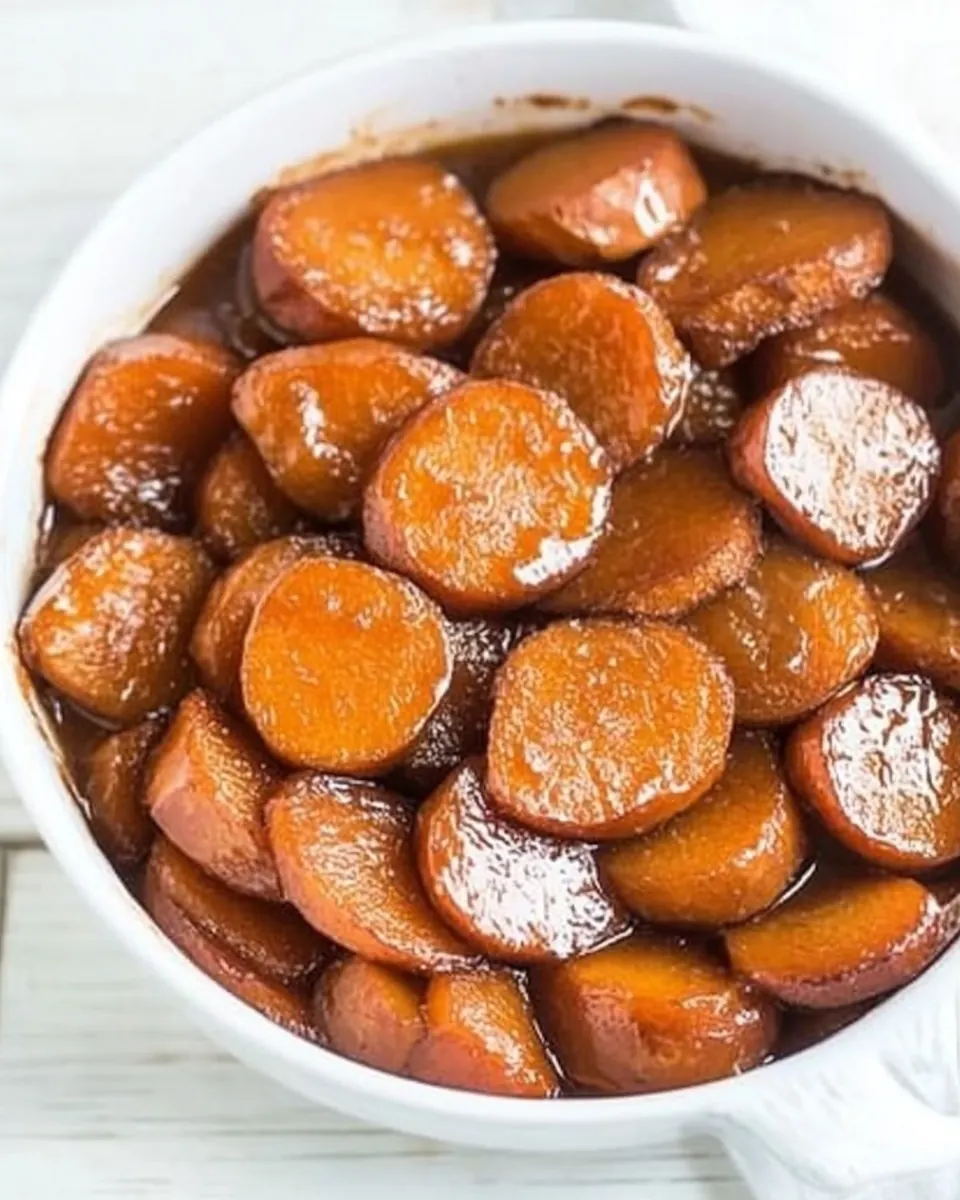
These directions will walk you through the steps from preheating to tender, glossy yams. The process is forgiving, but attention to small sensory cues will make the difference between good and outstanding results.
- Preheat the oven to 375°.: The kitchen should begin to fill with a faint warmth that hints at what is coming, and you will notice a subtle drying of humid air as the oven reaches temperature. This step is important because it ensures the baking environment is consistent, allowing the yams to cook evenly and the sugar to caramelize properly. If the oven is not fully heated, the dish may take longer and the sauce might not thicken as expected. A common error is relying on an oven light instead of waiting the full time for the oven to stabilize; use an oven thermometer if you have one to confirm the correct temperature.
- Add the yams or sweet potatoes to a large bowl and set aside.: When you place the peeled and sliced yams in a bowl, notice their weight and the earthy scent that hints at their natural sweetness. Setting them aside gives you a workspace to prepare the sauce and ensures each piece gets coated. This gathering step matters because crowding the baking dish later can lead to uneven cooking. Avoid leaving the slices exposed too long to air, which can dry the edges; keep them covered briefly if you need time to finish the sauce.
- Put the butter, brown sugar, vanilla, cinnamon, nutmeg, and salt in a medium-size pan or pot and heat over low heat while whisking until the butter is melted and the mixture is combined.: As you warm the mixture, the air will be filled with a heady sweetness and spice aroma, and you will see the brown sugar dissolve into a glossy syrup. Whisking gently is crucial to emulsify the butter with the sugar, creating a smooth sauce that clings to the yams . If you heat too quickly, the sugar can scorch or the butter can separate, leaving oily pockets. Keep the heat low and watch for a uniform sheen; that tells you the mixture is ready to coat the slices.
- Pour the butter-brown sugar mixture over top of the yams or sweet potatoes in the bowl and thoroughly mix until coated.: When you pour the warm sauce over the yams , the scent should intensify and the slices will glisten as they become enveloped in the syrup. Thorough mixing helps ensure every piece gets an even layer so each bite delivers the same sweet, spiced flavor. Use a gentle folding motion to avoid breaking the slices, and make sure to scrape the bottom of the bowl to capture any pooled sauce. A frequent misstep is under mixing, which results in some pieces dry and others overly sauced, so take the time to coat each slice evenly.
- Transfer the mixture to a 13×9 casserole or a similar sized baking dish and cover in foil or a lid.: Moving the coated yams into a shallow baking dish spreads them into a single layer, promoting even heat circulation and uniform tenderness. Covering the dish traps steam which helps the interiors become soft while the sauce simmers gently. You will hear a faint sizzle as the dish goes into the hot oven, and eventually the top will develop a glossy, bubbling sheen. Avoid using a dish that is too deep as that can cause uneven cooking; too shallow and the sauce may over reduce and burn at the edges.
- Bake in the oven at 375° for 45, remove from the oven, stir and place back in the oven for another 45 minutes or until the yams or sweet potatoes are very tender.: During the first phase you will notice the aroma deepen and small bubbles forming at the edges of the sauce, signaling the sugars are caramelizing. Removing and stirring halfway through encourages even browning and prevents any sticky hot spots from forming on the surface. After returning the dish to the oven, keep an eye out for a uniform softness, where a fork slides effortlessly into the yams and the sauce becomes thick and syrupy. The final texture should be tender and luscious rather than mushy, which is achieved by balancing bake time with proper slice thickness. A common mistake is skipping the mid bake stir, which can yield uneven caramelization and texture differences across the dish.
How to Switch It Up
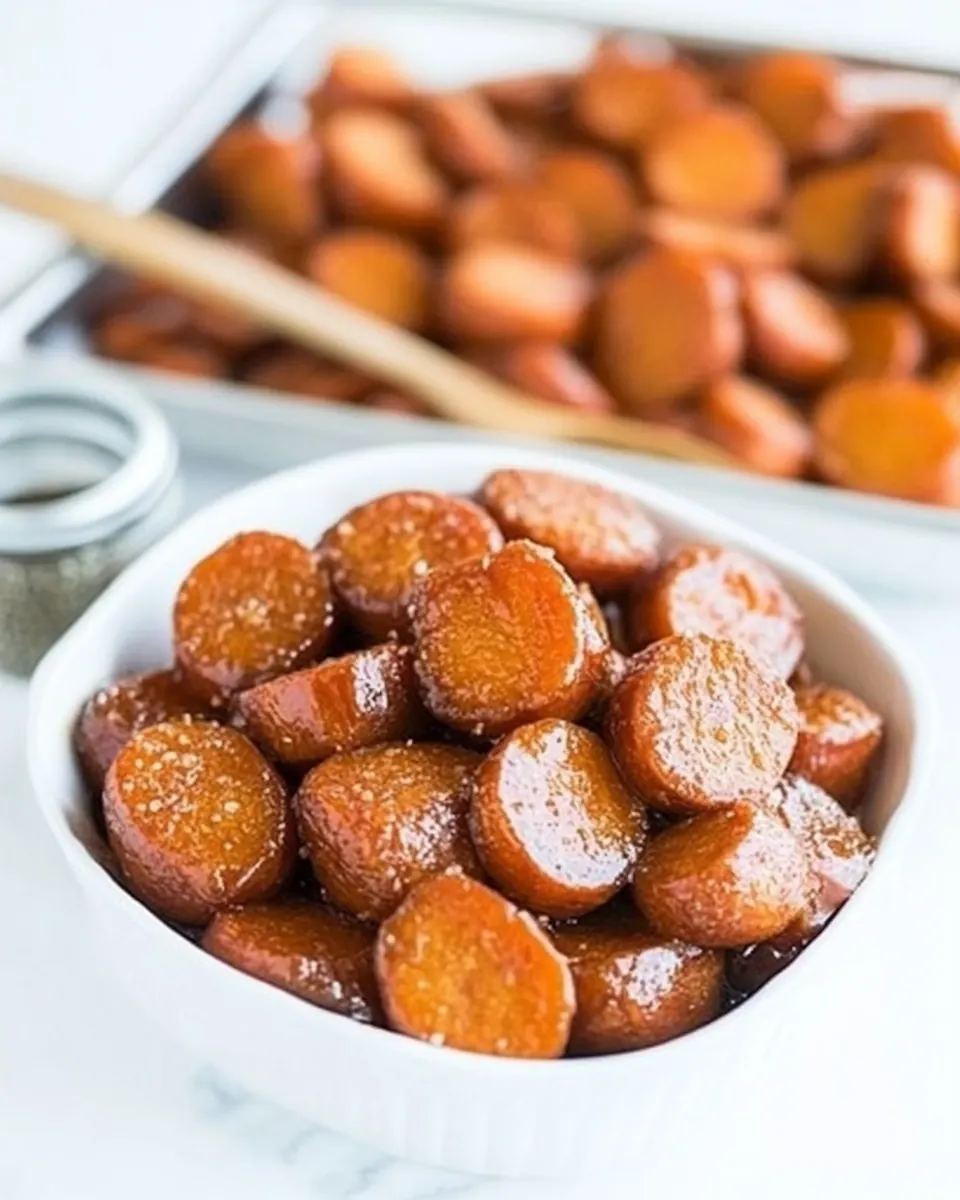
There are a few simple variations that let you tailor Delicious Candied Yams to the occasion. Small tweaks lift the dish without changing its soul. Below are practical ideas to adapt texture, spice level, and make ahead options while keeping the fundamentals intact.
- Add warm spices The notes of cinnamon and nutmeg are central, and you can gently increase them for a more aromatic profile, but do so in small increments to avoid overpowering the natural yams flavor.
- Adjust sweetness If you prefer a less sugary finish, reduce the brown sugar slightly and rely on the natural sweetness of the yams, tasting the sauce before coating to ensure balance.
- Make ahead strategy Prepare the dish up to one hour before serving and keep it covered and warm, which helps when coordinating multiple dishes on a busy holiday table.
- Reheating method For best results, rewarm in a covered casserole at 350 degrees until warmed through, this preserves moisture and prevents the sauce from drying out.
- Spice additions A small pinch of ground ginger or cloves can add depth, but add sparingly and taste as you go, because these spices can become forward quickly.
Serving Ideas for Delicious Candied Yams
This dish is versatile at the table, moving easily from weeknight side to holiday centerpiece. It pairs wonderfully with savory mains and can be presented in different styles depending on the occasion. Below are numerous serving approaches and storage suggestions to keep your presentation and timing effortless.
- Classic holiday plate Serve alongside roasted mains for a traditional Thanksgiving or winter meal, placing the yams in a shallow serving dish so guests can spoon sauce over each helping.
- Weeknight comfort Present a smaller portion as a warm side for an easy weeknight dinner, letting the glossy sauce act as a flavor bridge between main and sides.
- Family style Place the baking dish in the center of the table so everyone can serve themselves, which creates a casual, communal atmosphere I favor for gatherings.
- Make ahead and store Cover and refrigerate for up to five days, then rewarm gently in the oven to retain moisture and texture; do not freeze as texture will degrade.
- Occasion flexibility Suitable for holiday menus, potlucks, or cozy dinners during fall and winter, the dish feels seasonal and familiar which makes it a reliable crowd pleaser.
- Presentation tip Spoon some of the thickened sauce over the top just before serving to restore shine and encourage extra saucy bites.
FAQ
Conclusion
Delicious Candied Yams stand out because they combine simple ingredients into a richly flavored, tender side that feels both nostalgic and satisfying. Every bite offers the comfort of buttery sweetness with warm spice notes that make it ideal for holidays or cozy dinners. I encourage you to give this recipe a try, because it rewards patience with an inviting aroma and a glossy, saucy finish that guests always appreciate. Treat it as a small ritual in the kitchen; the results will bring both warmth and smiles to your table.
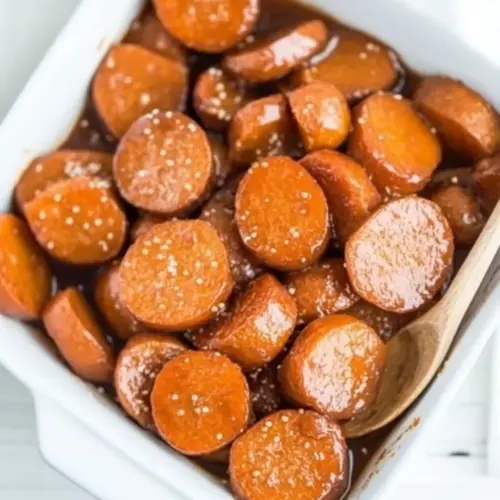
Delicious Candied Yams
Equipment
- Oven
- Large Bowl
- Medium size pan or pot
- Whisk
- 13x9 casserole dish
- Foil
Ingredients
- 2 pounds peeled and thickly sliced yams or sweet potatoes Provide sweet, starchy body and tender texture when baked; sliced thickly to hold shape and absorb syrupy glaze. Contribute natural sweetness and a creamy mouthfeel that balance the rich butter and sugar.
- 1 1/2 sticks unsalted butter Add rich, silky fat that creates a glossy, luscious sauce; melts into the sugar to form a caramelized coating. Enhance mouthfeel and carry warm spices throughout the dish for depth and richness.
- 1 3/4 cup packed light brown sugar Supply deep, molasses-like sweetness and sticky texture that help form the candied coating. Balance buttery richness and spice while adding a complex, toasted sugar flavor to the finished yams.
- 2 teaspoons vanilla extract Impart aromatic floral-vanilla notes that brighten the sweet base; blends seamlessly into the sauce for a rounded flavor. Help lift and unify the brown sugar and spices without overpowering the dish.
- 2 teaspoons ground cinnamon Provide warm, sweet-earthy spice that complements the yam's natural sugars; blended into the glaze for classic flavor. Add aroma and a comforting, holiday-associated taste profile.
- 1/2 teaspoon ground nutmeg Introduce a subtle, nutty warmth with slightly sweet, aromatic tones; paired sparingly to avoid overpowering the cinnamon. Enhance complexity and give a delicate finishing nuance to the spice blend.
- salt to taste Balance and enhance the overall flavors by adjusting seasoning to taste; tiny amounts make sweetness and spices pop. Prevents the dish from tasting flat and helps highlight other ingredients' nuances.
Instructions
- Preheat the oven to 375°.: The kitchen should begin to fill with a faint warmth that hints at what is coming, and you will notice a subtle drying of humid air as the oven reaches temperature. This step is important because it ensures the baking environment is consistent, allowing the yams to cook evenly and the sugar to caramelize properly. If the oven is not fully heated, the dish may take longer and the sauce might not thicken as expected. A common error is relying on an oven light instead of waiting the full time for the oven to stabilize; use an oven thermometer if you have one to confirm the correct temperature.
- Add the yams or sweet potatoes to a large bowl and set aside.: When you place the peeled and sliced yams in a bowl, notice their weight and the earthy scent that hints at their natural sweetness. Setting them aside gives you a workspace to prepare the sauce and ensures each piece gets coated. This gathering step matters because crowding the baking dish later can lead to uneven cooking. Avoid leaving the slices exposed too long to air, which can dry the edges; keep them covered briefly if you need time to finish the sauce.
- Put the butter, brown sugar, vanilla, cinnamon, nutmeg, and salt in a medium-size pan or pot and heat over low heat while whisking until the butter is melted and the mixture is combined.: As you warm the mixture, the air will be filled with a heady sweetness and spice aroma, and you will see the brown sugar dissolve into a glossy syrup. Whisking gently is crucial to emulsify the butter with the sugar, creating a smooth sauce that clings to the yams . If you heat too quickly, the sugar can scorch or the butter can separate, leaving oily pockets. Keep the heat low and watch for a uniform sheen; that tells you the mixture is ready to coat the slices.
- Pour the butter-brown sugar mixture over top of the yams or sweet potatoes in the bowl and thoroughly mix until coated.: When you pour the warm sauce over the yams , the scent should intensify and the slices will glisten as they become enveloped in the syrup. Thorough mixing helps ensure every piece gets an even layer so each bite delivers the same sweet, spiced flavor. Use a gentle folding motion to avoid breaking the slices, and make sure to scrape the bottom of the bowl to capture any pooled sauce. A frequent misstep is under mixing, which results in some pieces dry and others overly sauced, so take the time to coat each slice evenly.
- Transfer the mixture to a 13×9 casserole or a similar sized baking dish and cover in foil or a lid.: Moving the coated yams into a shallow baking dish spreads them into a single layer, promoting even heat circulation and uniform tenderness. Covering the dish traps steam which helps the interiors become soft while the sauce simmers gently. You will hear a faint sizzle as the dish goes into the hot oven, and eventually the top will develop a glossy, bubbling sheen. Avoid using a dish that is too deep as that can cause uneven cooking; too shallow and the sauce may over reduce and burn at the edges.
- Bake in the oven at 375° for 45, remove from the oven, stir and place back in the oven for another 45 minutes or until the yams or sweet potatoes are very tender.: During the first phase you will notice the aroma deepen and small bubbles forming at the edges of the sauce, signaling the sugars are caramelizing. Removing and stirring halfway through encourages even browning and prevents any sticky hot spots from forming on the surface. After returning the dish to the oven, keep an eye out for a uniform softness, where a fork slides effortlessly into the yams and the sauce becomes thick and syrupy. The final texture should be tender and luscious rather than mushy, which is achieved by balancing bake time with proper slice thickness. A common mistake is skipping the mid bake stir, which can yield uneven caramelization and texture differences across the dish.
Notes
- Add warm spices The notes of cinnamon and nutmeg are central, and you can gently increase them for a more aromatic profile, but do so in small increments to avoid overpowering the natural yams flavor.
- Adjust sweetness If you prefer a less sugary finish, reduce the brown sugar slightly and rely on the natural sweetness of the yams, tasting the sauce before coating to ensure balance.
- Make ahead strategy Prepare the dish up to one hour before serving and keep it covered and warm, which helps when coordinating multiple dishes on a busy holiday table.
- Reheating method For best results, rewarm in a covered casserole at 350 degrees until warmed through, this preserves moisture and prevents the sauce from drying out.
- Spice additions A small pinch of ground ginger or cloves can add depth, but add sparingly and taste as you go, because these spices can become forward quickly.