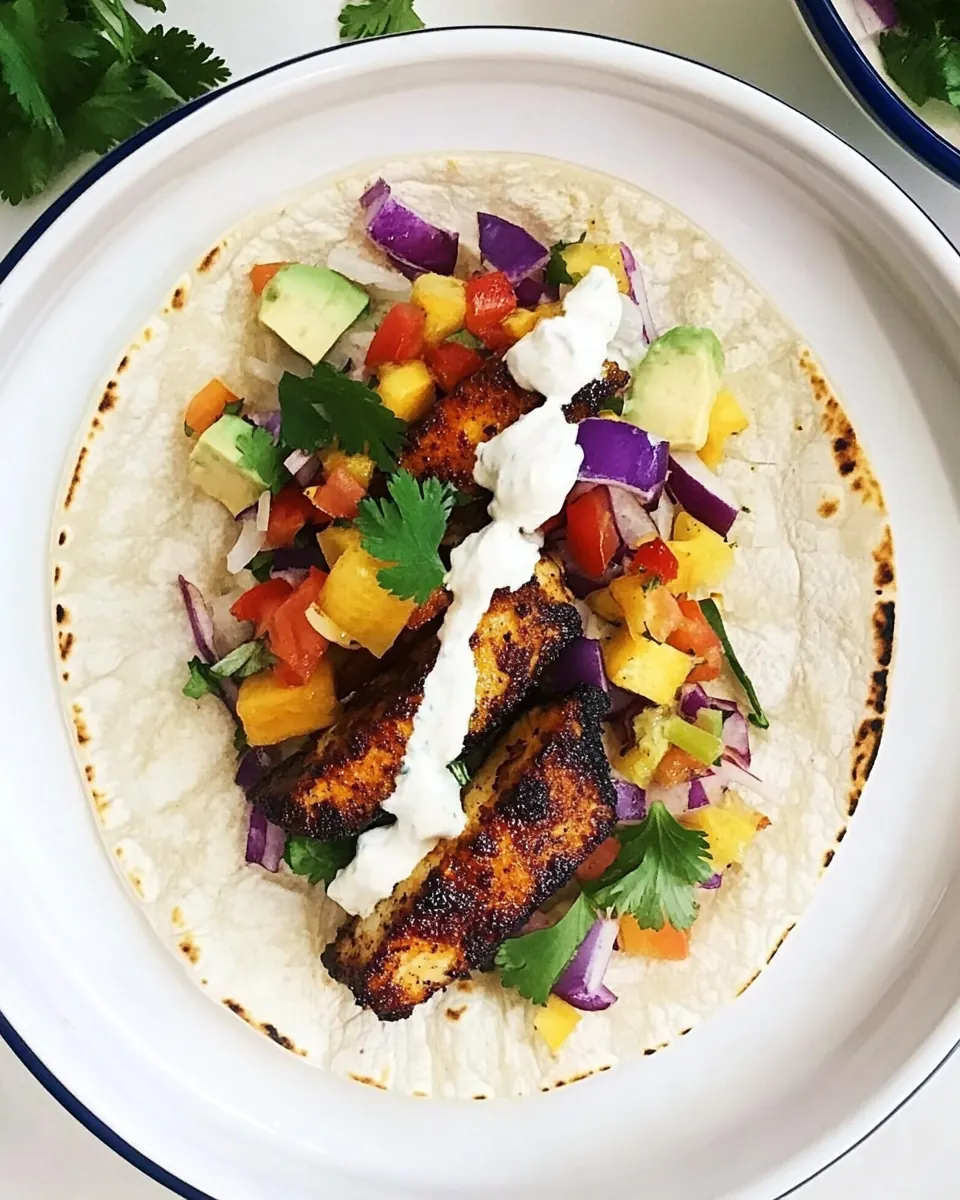
Blackened Mahi Mahi Tacos
Blackened Mahi Mahi Tacos have been my go to on hot summer evenings when I want something bright, a little smoky, and downright simple to throw together. The first time I made them I was running short on time but craving bold flavors, so I reached for a spice blend and a skillet, and what came out of that pan convinced everyone at the table to ask for seconds. I love how the peppery crust contrasts with the cool, creamy toppings, and how the corn tortillas fold it into a perfect handheld meal.
There is a memory tied to these Blackened Mahi Mahi Tacos that always makes me smile. A friend brought over a jar of homemade mango salsa, and we assembled the tacos on the patio while waves of laughter mixed with the citrusy aroma of lime. I remember the first bite being crunchy and tender at once, with the heat from the blackening seasoning mellowed by the avocado crema. Those simple elements, when assembled just right, feel celebratory and relaxed at the same time.
Over the years I have tweaked little things, like warming the tortillas and heating the beans, because small rituals make a big difference in the final dish. I find the technique of patting and searing the fish gives it a caramelized crust that holds up against dressings, and the combination of red and green cabbage adds a textural lift. If you love hands on food that still feels light and vibrant, these tacos are for you. They’re also perfect for serving a crowd, since everyone can build their own, and the colorful presentation makes the table look inviting without extra fuss.
Recipe Snapshot
40 mins
30 mins
10 mins
Easy
350 kcal
Mexican
Vegan, Gluten-Free
Dinner
Large frying pan, Paper towels, Spatula
The Beauty of This Blackened Mahi Mahi Tacos
Bold flavor with minimal fuss
I adore these Blackened Mahi Mahi Tacos because they pack so much personality with so little effort. The blackening seasoning creates an intense crust that gives the fish a smoky, peppery bite, while the toppings cool and brighten each mouthful. For weeknights when time is tight, this recipe delivers on flavor without complicated steps.
Texture contrast that sings
The interplay between crunchy cabbage and tender mahi mahi is what keeps me coming back. The firm flakes of the fish against the crisp bite of shredded cabbage and the silky avocado crema provide a satisfying mouthfeel. I always make sure to shred the cabbage thin so every bite has contrast.
Customizable and crowd friendly
One of the best things about these tacos is how easy they are to scale. Whether you are serving a few people or ten, the core elements remain the same and guests can assemble to their liking. I like offering the heated black beans and both cabbages so everyone can mix textures and flavors on their own plate.
Bright, fresh finishing touches
The mango salsa and lime wedges make each bite pop. I find that a squeeze of lime right before eating ties everything together, and a handful of fresh cilantro adds an herbal lift. Those finishing elements transform good tacos into memorable ones.
Quick to make, perfect for summer
With about forty minutes from start to finish, these Blackened Mahi Mahi Tacos are ideal for warm-weather gatherings. The short cook time keeps the fish moist, and most of the prep is hands off. I often prep the cabbage and toppings ahead so the final assembly becomes a joyful, fast party.
Shopping List for Blackened Mahi Mahi Tacos
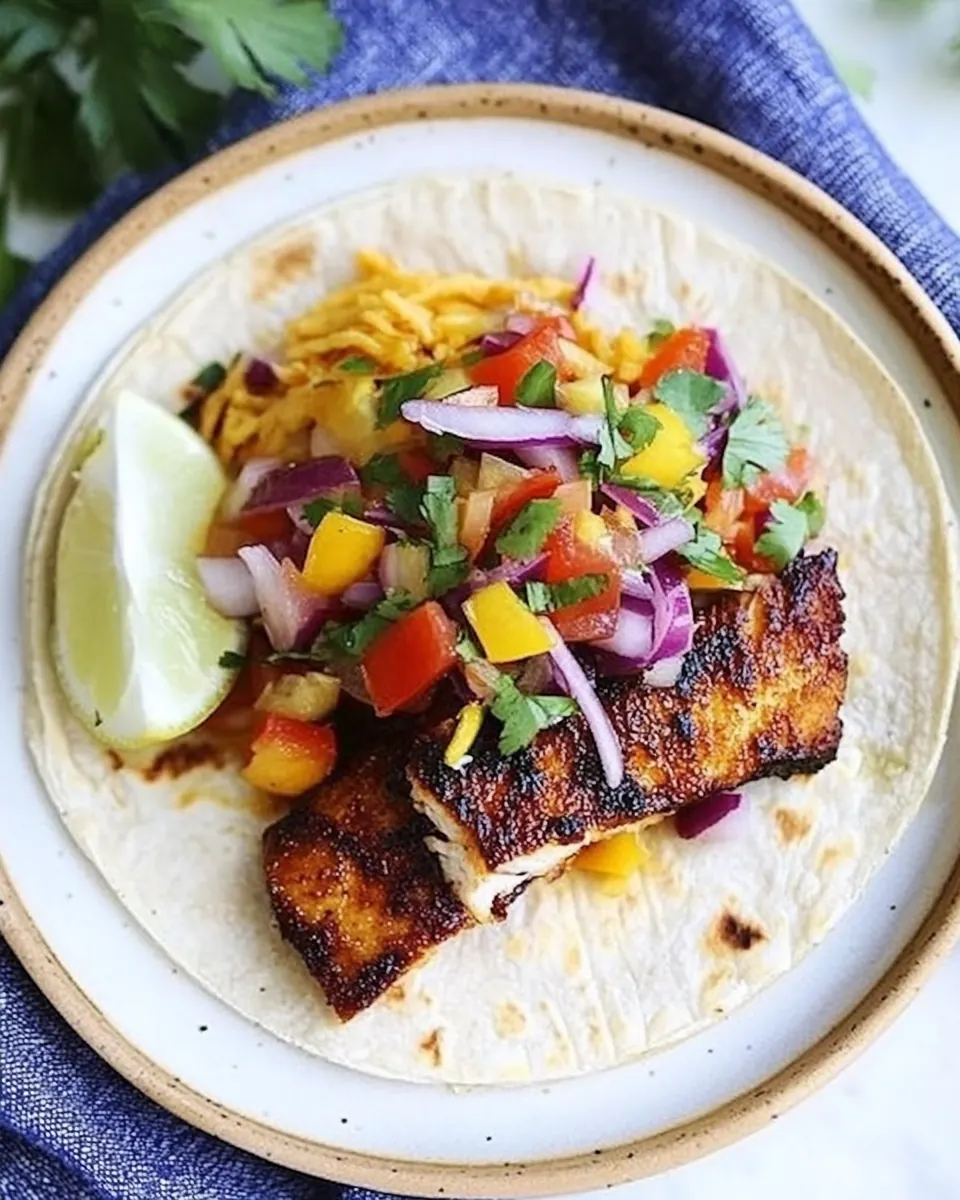
These ingredients were chosen to balance bold spice, fresh acidity, and cooling cream. The star is the fresh mahi mahi, which holds up well to blackening. Supporting players like the tortillas and cabbages provide structure and crunch, while the beans and salsas add heartiness and brightness. Together they create a taco that is layered, colorful, and very satisfying.
- 2 pounds fresh mahi mahi fillets: Provide firm, flaky white fish that serves as the main protein for the tacos; pat dry and cut into portions before seasoning to ensure even blackening and a crisp exterior when seared.
- 1 recipe for blackened seasoning: Add a complex blend of smoked, sweet, and spicy flavors that forms the signature crust on the fish; rub generously and allow it to adhere so the fillets develop a deeply seasoned, aromatic exterior.
- 3 tablespoons neutral-flavored oil: Coat the fish lightly and facilitate high-heat searing to create the blackened crust; choose a neutral oil with a high smoke point to prevent burning and to help transfer heat evenly across the fillets.
- 10 corn tortillas: Serve as the soft, handheld base for assembling tacos; warm or char lightly to enhance pliability and add a subtle toasty flavor that complements the blackened fish.
- 1 cups shredded red cabbage: Contribute a crunchy, slightly peppery texture and vivid color to balance the richness of the fish; shred finely and toss with a light acid if desired to keep it crisp and bright.
- 1 cups shredded green cabbage: Bring a milder, slightly sweet crunch that complements the red cabbage and provides textural contrast; shred and layer with the other slaw components for color and mouthfeel.
- 15 ounce can drained, rinsed, and heated black beans: Offer a hearty, savory, and protein-rich component that can be spooned into tacos or served alongside; drain and rinse to remove excess sodium and heat gently to meld flavors before serving.
- 1 mango salsa recipe: Introduce a bright, sweet, and tangy element that contrasts the smoky fish and savory beans; prepare ahead to allow flavors to meld and spoon over tacos just before serving for freshness.
- 1 recipe for avocado crema: Provide a creamy, cooling counterpoint to the spicy blackened seasoning and add richness; blend ripe avocado with lime and seasoning until smooth and drizzle or dollop onto assembled tacos.
- 1/2 cup fresh cilantro leaves: Add a fresh, herbaceous note and pop of green that lifts the overall flavor profile; use whole leaves or chopped cilantro as a finishing garnish to enhance aroma and brightness.
- Lime wedges for garnish: Provide an acidic, bright finishing touch that enhances flavors and balances richness; cut wedges and squeeze over tacos just before eating to add liveliness and cut through the seasoning.
How to Assemble Blackened Mahi Mahi Tacos
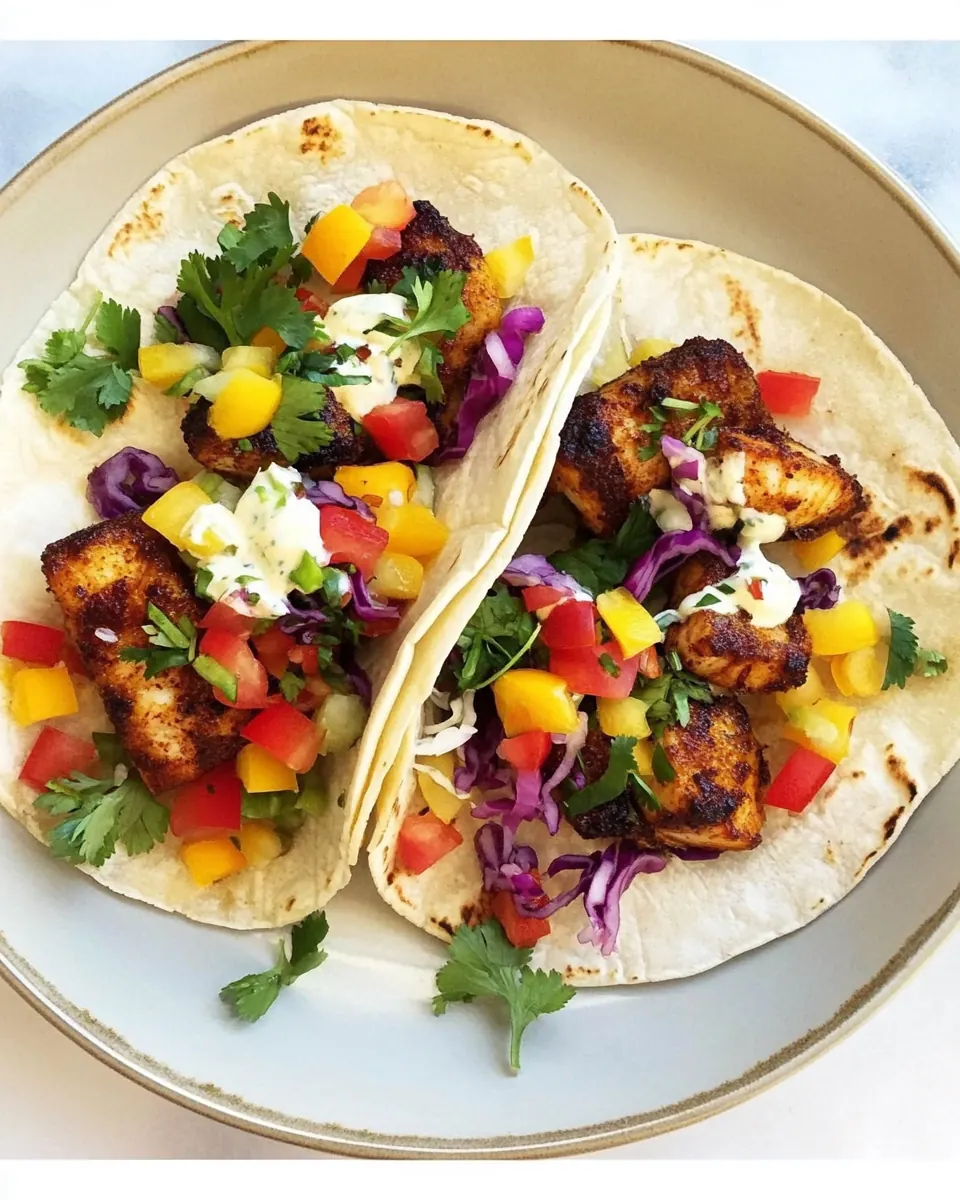
Assembling these tacos is a joyful, sensory process that brings together seared fish, warm beans, crisp cabbage, and creamy sauces. I like to plate everything family style so people can build their own, but the plated order below ensures each taco has the right balance of texture and temperature.
- Pat the fish down on all sides with paper towels.: You will feel the surface go from damp to dry beneath your hands, which is important because moisture prevents a proper sear. The drying step allows the blackening seasoning to adhere and encourages a richly browned crust. If you skip this, the fish steams instead of sears, leading to a pale exterior and weaker flavor development. Watch for any sliminess which indicates the fish needs more time to dry, not more salt.
- Next, generously season the Mahi Mahi well on both sides with the blackening seasoning. Set aside.: As you sprinkle the seasoning, inhale the peppery and smoky aromas that start to build, a preview of the bold crust to come. Press the rub lightly so it clings, which helps form a compact, dark sear. Resting briefly after seasoning lets the spices settle into the fish. A common misstep is overloading one side only, which gives uneven flavor and crust, so season both sides evenly.
- Add the oil to a large frying pan over medium-high heat until it begins to smoke lightly.: When the oil shimmers and a faint wisp of smoke appears, the pan is hot enough to produce immediate sizzle upon contact. That sizzle is the sound you want, it signals Maillard reactions that create deep flavor. If the oil smokes heavily, reduce heat slightly to prevent burning the spices. Using too cool a pan leads to a dull, greasy finish instead of a crisp crust.
- Place in the fish fillets, turn the heat to medium, and cook the fish for 2 to 3 minutes per side or until well browned and cooked throughout.: You should hear a confident sizzling when the fillets hit the pan, and the edges will transition from glossy to opaque as they cook. A dark, almost charred crust is desirable here, paired with moist, flaky interior. Flip gently using a thin spatula to avoid tearing the flesh. Overcooking will yield dry flakes, so test for doneness by tapping the thickest part for slight firmness and checking that the center is opaque.
- Drain the fish on paper towels to rid of any excess oil.: After searing, the fish carries a bit of surface oil that can weigh down the taco, so blotting is satisfying and practical. The paper will darken slightly, a sign that the crust released cooking oil but the interior remains moist. Don’t press hard and break the fillets when blotting. Leaving the fish too oily can make the tortillas soggy and mask the seasoning.
- To Plate: Layer on top of a heated corn tortilla: heated beans, cabbages, blackened mahi-mahi, crema, salsa, and cilantro leaves, and garnish with lime wedges.: Layer on top of a heated corn tortilla: heated beans, cabbages, blackened mahi–mahi, crema, salsa, and cilantro leaves, and garnish with lime wedges. : As you assemble, notice the contrast of temperatures and textures, the warm beans against cool crema and the crisp cabbage against flaky mahi mahi . Arrange toppings so each bite includes a bit of everything, then finish with a squeeze of lime that brightens all components. A common assembly mistake is overfilling the tortilla which makes it tear, so keep portions moderate and distribute elements evenly across tacos rather than piling in one spot.
Tips for Success
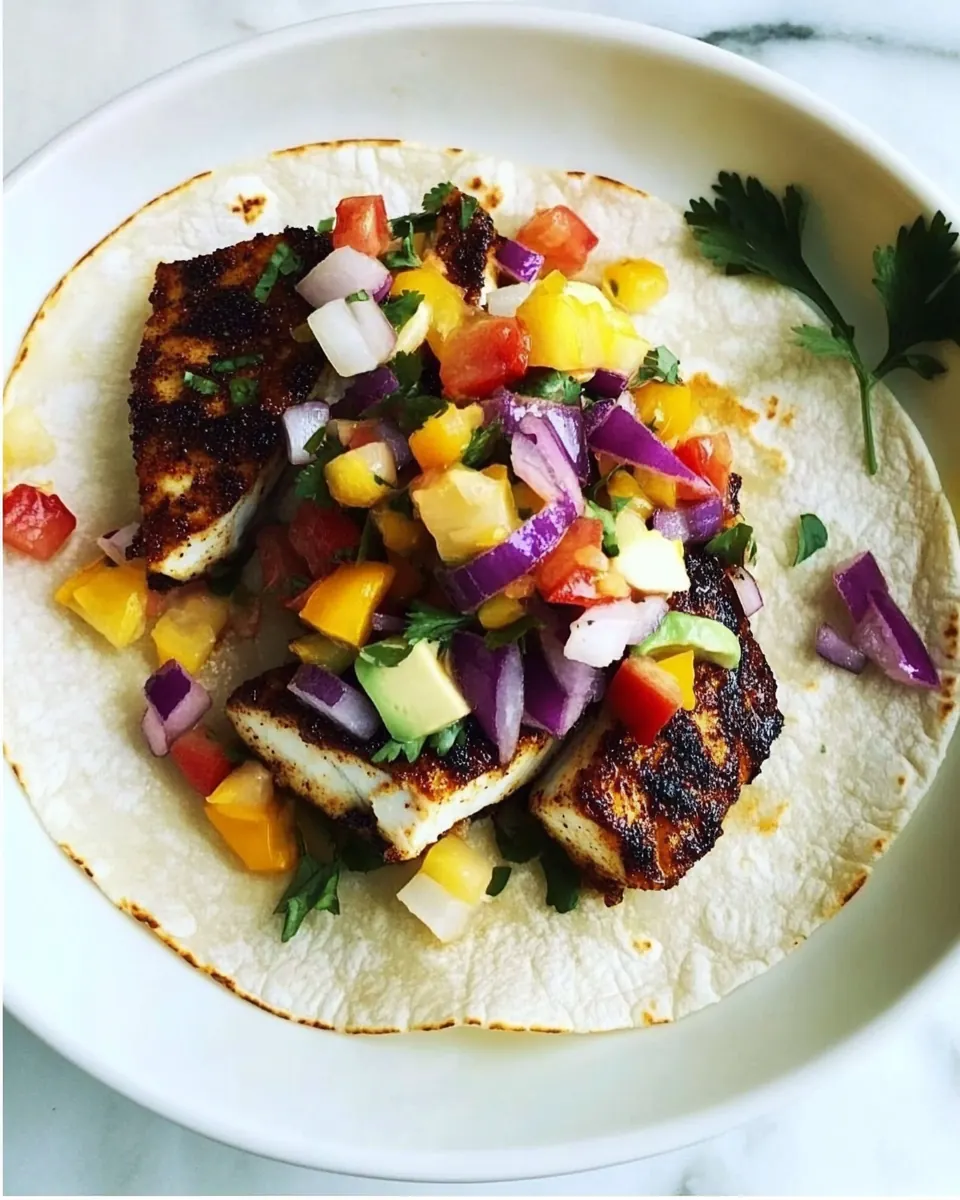
Here are focused tips that capture small techniques that make a big difference. I expand on each point so you can feel confident about timing, texture, and seasoning choices. These are practical notes I rely on whenever I make these tacos.
- Dry the fish thoroughly, patting the mahi mahi until the surface is no longer damp. This ensures the blackening seasoning adheres and promotes a deep, even crust instead of steaming the fish which yields a pale exterior.
- Use a high smoke point oil, such as canola or vegetable oil, to get the pan hot enough for a proper sear without burning the seasoning. The right oil helps produce that satisfying sizzle and dark crust that defines blackened fish.
- Season generously and evenly, pressing the blackened seasoning into both sides of the fillets so every bite has balanced flavor. Uneven seasoning results in inconsistent taste and appearance across fillets.
- Warm tortillas before assembling by holding them over a hot skillet briefly or wrapping them in a towel after heating, which makes them flexible and prevents tearing during assembly.
- Keep toppings separate until serving so textures remain distinct, especially the cabbages and crema. Pre-mixing can make the components soggy and dull the bright contrasts that make these tacos great.
- Don’t overcrowd the pan when searing the fish; leave space between fillets so they sear properly rather than steam. Crowding lowers pan temperature and prevents crust formation.
Pairing Suggestions for Blackened Mahi Mahi Tacos
These tacos are versatile and pair well with a variety of sides and occasions. I often serve them for casual dinners or summer gatherings where guests can customize their plates. Below are thoughtful serving notes and pairing ideas to elevate the experience.
- Serve with extra mango salsa on the side for guests who want additional sweetness and acidity, which balances the peppery blackened seasoning and brightens the whole plate.
- Offer warm black beans and rice as heartier accompaniments when feeding a larger group, which add substance and make the meal feel more complete for dinner occasions.
- Present lime wedges and extra cilantro for final garnishes, letting each person adjust brightness and herbal notes to their liking, an easy way to personalize flavor intensity.
- Arrange a simple salad of greens tossed in light citrus dressing for a refreshing side during spring and summer gatherings, adding leafy contrast without heavy components.
- Pack components separately for leftovers, storing fish apart from tortillas and toppings to maintain texture for up to three days in the fridge, so assemblies remain fresh when reheated gently.
- Make it a casual buffet for parties by laying out warm tortillas, beans, cabbages, fish, crema, and salsas so guests assemble as they please, which keeps service relaxed and interactive.
FAQ
Conclusion
These tacos shine because they combine a deeply seasoned, crisp sear with bright, cooling toppings that balance heat and texture. I encourage you to give them a try, whether for a casual weeknight or a summer gathering, because the assembly is simple and the payoff is big. Bringing together warm beans, flaky mahi mahi, crunchy cabbages, and vibrant mango salsa creates a meal that feels both festive and effortless, and making them is a delightful way to feed a crowd or enjoy a flavorful solo dinner.
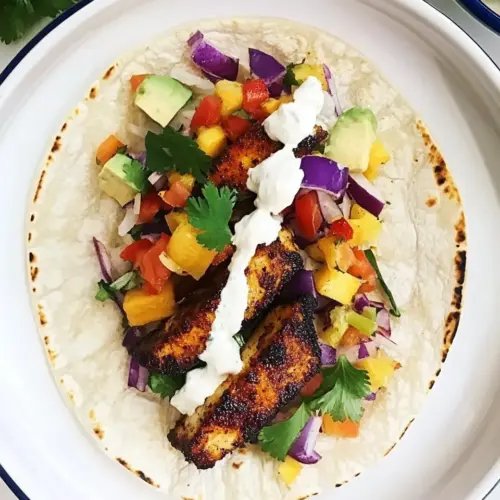
Blackened Mahi Mahi Tacos
Equipment
- Large Frying Pan
- Paper towels
- Spatula
Ingredients
- 2 pounds fresh mahi mahi fillets Provide firm, flaky white fish that serves as the main protein for the tacos; pat dry and cut into portions before seasoning to ensure even blackening and a crisp exterior when seared.
- 1 recipe for blackened seasoning Add a complex blend of smoked, sweet, and spicy flavors that forms the signature crust on the fish; rub generously and allow it to adhere so the fillets develop a deeply seasoned, aromatic exterior.
- 3 tablespoons neutral-flavored oil Coat the fish lightly and facilitate high-heat searing to create the blackened crust; choose a neutral oil with a high smoke point to prevent burning and to help transfer heat evenly across the fillets.
- 10 corn tortillas Serve as the soft, handheld base for assembling tacos; warm or char lightly to enhance pliability and add a subtle toasty flavor that complements the blackened fish.
- 1 cups shredded red cabbage Contribute a crunchy, slightly peppery texture and vivid color to balance the richness of the fish; shred finely and toss with a light acid if desired to keep it crisp and bright.
- 1 cups shredded green cabbage Bring a milder, slightly sweet crunch that complements the red cabbage and provides textural contrast; shred and layer with the other slaw components for color and mouthfeel.
- 15 ounce can drained, rinsed, and heated black beans Offer a hearty, savory, and protein-rich component that can be spooned into tacos or served alongside; drain and rinse to remove excess sodium and heat gently to meld flavors before serving.
- 1 mango salsa recipe Introduce a bright, sweet, and tangy element that contrasts the smoky fish and savory beans; prepare ahead to allow flavors to meld and spoon over tacos just before serving for freshness.
- 1 recipe for avocado crema Provide a creamy, cooling counterpoint to the spicy blackened seasoning and add richness; blend ripe avocado with lime and seasoning until smooth and drizzle or dollop onto assembled tacos.
- 1/2 cup fresh cilantro leaves Add a fresh, herbaceous note and pop of green that lifts the overall flavor profile; use whole leaves or chopped cilantro as a finishing garnish to enhance aroma and brightness.
- Lime wedges for garnish Provide an acidic, bright finishing touch that enhances flavors and balances richness; cut wedges and squeeze over tacos just before eating to add liveliness and cut through the seasoning.
Instructions
- Pat the fish down on all sides with paper towels.: You will feel the surface go from damp to dry beneath your hands, which is important because moisture prevents a proper sear. The drying step allows the blackening seasoning to adhere and encourages a richly browned crust. If you skip this, the fish steams instead of sears, leading to a pale exterior and weaker flavor development. Watch for any sliminess which indicates the fish needs more time to dry, not more salt.
- Next, generously season the Mahi Mahi well on both sides with the blackening seasoning. Set aside.: As you sprinkle the seasoning, inhale the peppery and smoky aromas that start to build, a preview of the bold crust to come. Press the rub lightly so it clings, which helps form a compact, dark sear. Resting briefly after seasoning lets the spices settle into the fish. A common misstep is overloading one side only, which gives uneven flavor and crust, so season both sides evenly.
- Add the oil to a large frying pan over medium-high heat until it begins to smoke lightly.: When the oil shimmers and a faint wisp of smoke appears, the pan is hot enough to produce immediate sizzle upon contact. That sizzle is the sound you want, it signals Maillard reactions that create deep flavor. If the oil smokes heavily, reduce heat slightly to prevent burning the spices. Using too cool a pan leads to a dull, greasy finish instead of a crisp crust.
- Place in the fish fillets, turn the heat to medium, and cook the fish for 2 to 3 minutes per side or until well browned and cooked throughout.: You should hear a confident sizzling when the fillets hit the pan, and the edges will transition from glossy to opaque as they cook. A dark, almost charred crust is desirable here, paired with moist, flaky interior. Flip gently using a thin spatula to avoid tearing the flesh. Overcooking will yield dry flakes, so test for doneness by tapping the thickest part for slight firmness and checking that the center is opaque.
- Drain the fish on paper towels to rid of any excess oil.: After searing, the fish carries a bit of surface oil that can weigh down the taco, so blotting is satisfying and practical. The paper will darken slightly, a sign that the crust released cooking oil but the interior remains moist. Don’t press hard and break the fillets when blotting. Leaving the fish too oily can make the tortillas soggy and mask the seasoning.
- To Plate: Layer on top of a heated corn tortilla: heated beans, cabbages, blackened mahi-mahi, crema, salsa, and cilantro leaves, and garnish with lime wedges.: Layer on top of a heated corn tortilla: heated beans, cabbages, blackened mahi-mahi, crema, salsa, and cilantro leaves, and garnish with lime wedges. : As you assemble, notice the contrast of temperatures and textures, the warm beans against cool crema and the crisp cabbage against flaky mahi mahi . Arrange toppings so each bite includes a bit of everything, then finish with a squeeze of lime that brightens all components. A common assembly mistake is overfilling the tortilla which makes it tear, so keep portions moderate and distribute elements evenly across tacos rather than piling in one spot.
Notes
- Dry the fish thoroughly, patting the mahi mahi until the surface is no longer damp. This ensures the blackening seasoning adheres and promotes a deep, even crust instead of steaming the fish which yields a pale exterior.
- Use a high smoke point oil, such as canola or vegetable oil, to get the pan hot enough for a proper sear without burning the seasoning. The right oil helps produce that satisfying sizzle and dark crust that defines blackened fish.
- Season generously and evenly, pressing the blackened seasoning into both sides of the fillets so every bite has balanced flavor. Uneven seasoning results in inconsistent taste and appearance across fillets.
- Warm tortillas before assembling by holding them over a hot skillet briefly or wrapping them in a towel after heating, which makes them flexible and prevents tearing during assembly.
- Keep toppings separate until serving so textures remain distinct, especially the cabbages and crema. Pre-mixing can make the components soggy and dull the bright contrasts that make these tacos great.
- Don’t overcrowd the pan when searing the fish; leave space between fillets so they sear properly rather than steam. Crowding lowers pan temperature and prevents crust formation.