Asparagus Topped Eggs with Hats
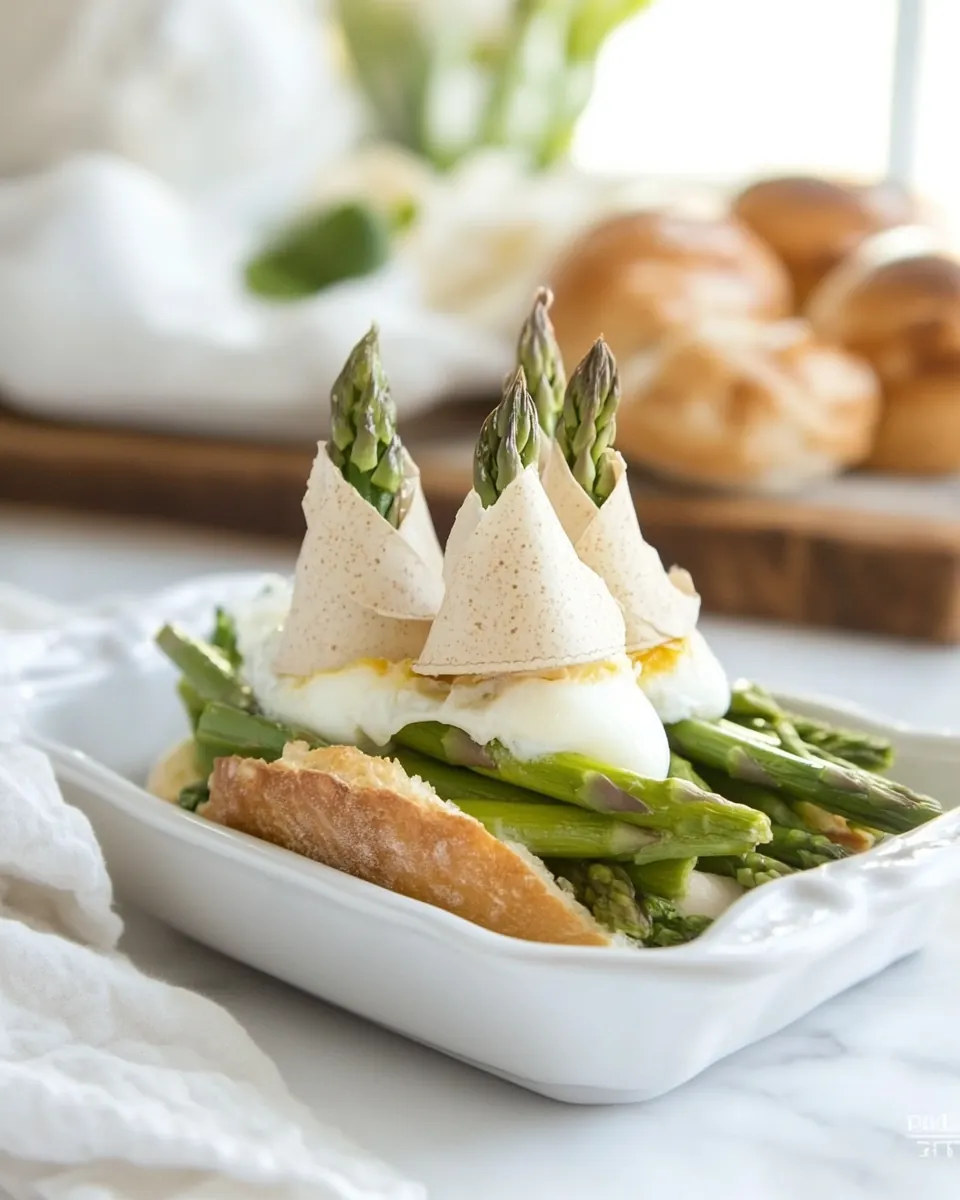
Asparagus Topped Eggs with Hats started showing up in my weekend kitchen the moment spring asparagus landed at the market, and it quickly became my go to for a brunch that feels both playful and grown up.
I first made Asparagus Topped Eggs with Hats on a rainy Saturday when I wanted something comforting yet bright. I loved the ritual of cutting tiny rounds from bread to make little nests, and how the eggs peeked out like faces beneath their crisped hats. There is a small, satisfying show in the pan as butter sizzles and the edges go golden while the egg whites set. The addition of tender asparagus and a creamy, cheesy sauce turned a simple eggs on toast idea into a plate I wanted to photograph and eat right away.
Over time I tweaked the technique, learning to watch for specific visual cues: when the bread’s edge is bubbling and bronzed, when the cheese sauce has just the right silkiness, and when the eggs are set but the yolks still give under gentle pressure. These moments are what make Asparagus Topped Eggs with Hats feel special, and they make it a dish I reach for when I want to impress without fuss. I hope this recipe brings the same little joy to your kitchen that it does to mine.
Recipe Snapshot
35 mins
15 mins
20 mins
Medium
350 kcal
American
Gluten-Free, Low FODMAP
Breakfast
Medium saucepan, Whisk, Medium saute pan, Shot glass or cookie cutter, Spatula
Why This Asparagus Topped Eggs with Hats Stands Out
Playful Presentation
I adore how Asparagus Topped Eggs with Hats looks on the plate. The little bread “hats” give the dish personality, and the vertical pop of asparagus adds color and texture. Serving this gives guests something to talk about, and it makes weekday mornings feel celebratory.
Textural Contrast
The combination of crisp, buttery bread, tender asparagus, soft egg white, and a silky cheese sauce is irresistible. I love how each bite offers crunch, creaminess, and a gentle eggy richness. That interplay is what keeps me making this again and again.
Simple Technique, Big Flavor
Despite its fancy look, this recipe uses straightforward cooking methods. Melting butter, whisking a quick roux, and pan frying bread are things most home cooks already know. I like that you get elevated flavor without complicated steps, which is why I recommend it for both relaxed brunches and small gatherings.
Seasonal Freshness
Because the recipe highlights asparagus, it sings brightest in spring when the vegetable is sweet and tender. I find the vegetal, slightly grassy notes of fresh asparagus cut through the richness of the cheese sauce, creating balance on every forkful.
Adaptable and Friendly
You can scale this recipe up or down, and it pairs well with light salads or roasted vegetables. I often double the sauce to spoon over extra asparagus, and it keeps beautifully for a short while if you need to reheat it gently on the stove.
Ingredients to Make Asparagus Topped Eggs with Hats
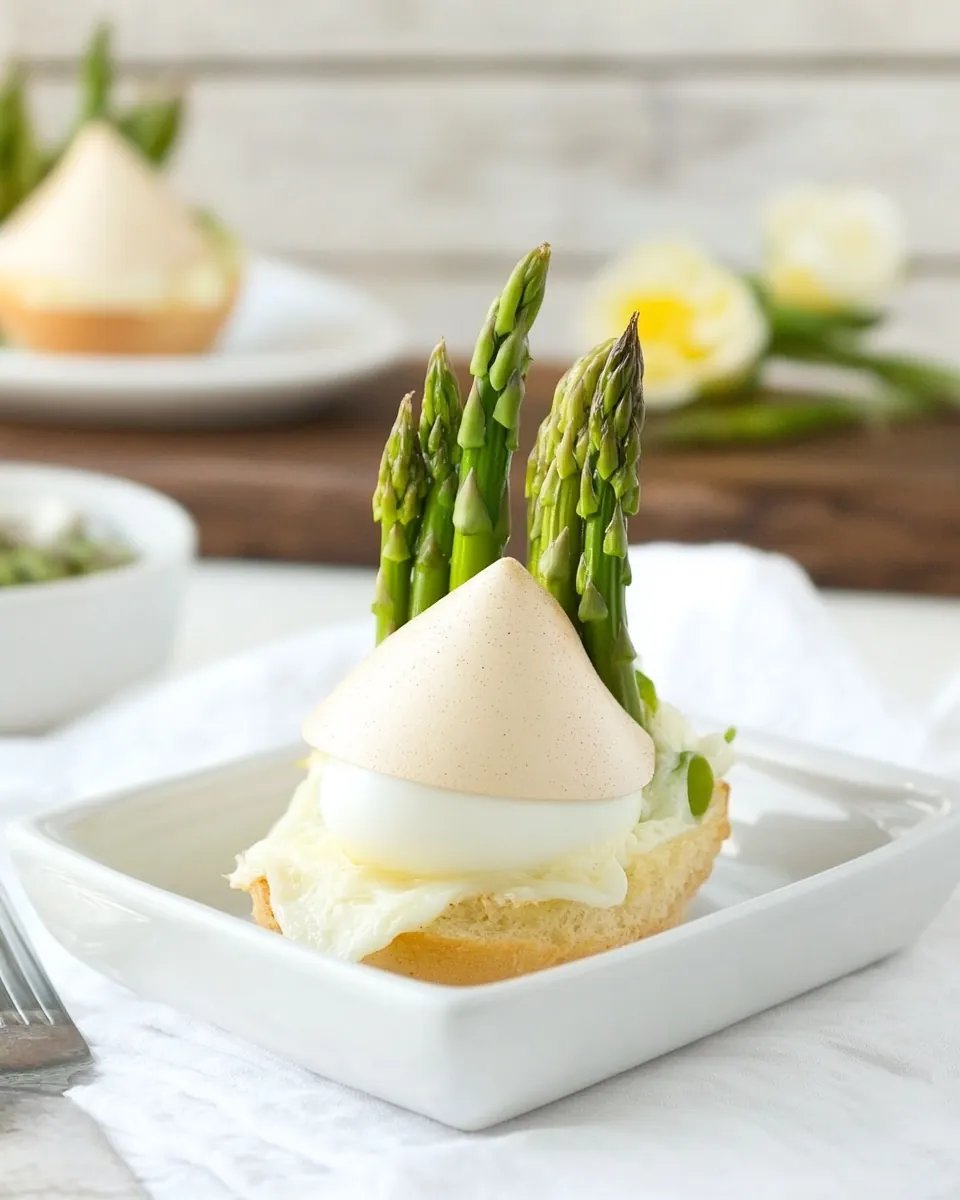
I believe great dishes are built from ingredients that play clear roles. For Asparagus Topped Eggs with Hats, the cast is small and precise: a roux forming the backbone of the cheese sauce, butter for flavor and browning, milk for silkiness, a duo of cheeses for complexity, and salt and pepper to lift everything. Each element supports the eggs and asparagus, so the final bite is balanced and bright.
- 1 tablespoon Wondra flour (all-purpose is fine, too, but Wondra is less likely to get lumpy): Leavened slightly to prevent lumps and help thicken sauces quickly; Wondra flour (or all-purpose) blends smoothly into warm liquids, creating a velvety base for the dish and stabilizing the sauce so it coats asparagus and eggs evenly.
- 1 tablespoon butter: Melted to enrich and carry flavors while providing a silky mouthfeel; butter helps form the roux with the Wondra, adds richness to the sauce, and contributes subtle nutty notes when warmed.
- 3/4 cup warm milk, plus more to thin if needed: Warmed to encourage smooth incorporation and proper sauce consistency; warm milk hydrates the flour, prevents temperature shock that causes lumping, and allows controlled thinning to achieve the desired creaminess.
- 2 tablespoons sharp cheddar: Shredded to add sharp, tangy flavor and contribute to a creamy, cohesive sauce; sharp cheddar melts into the warm milk mixture, delivering savory depth and a slightly bold cheesiness that complements asparagus and eggs.
- 2 tablespoons grated Parmesan: Grated to impart salty, umami richness and a granular, savory finish; Parmesan enhances overall complexity, balances the sharpness of cheddar, and helps the sauce develop a more pronounced savory profile.
- Salt and pepper to taste: Seasoned sparingly to enhance and balance flavors; salt and pepper bring out the natural tastes of the dairy and cheeses, cut through richness, and provide finishing contrast to the asparagus-topped eggs.
Cooking Method for Asparagus Topped Eggs with Hats
I like to walk through this recipe with calm focus, paying attention to bubbling edges and the way the sauce coats a spoon. Below are the cleaned steps from the recipe, rewritten into rich, sensory guidance so you know exactly what to watch for and how to avoid common slip ups.
- Make the cheese sauce by melting the butter in a medium saucepan. Whisk in the flour and cook for about 3 minutes, while continuing to whisk. Slowly add the milk, whisking until smooth and thick.: The pan should smell warmly of toasted flour and butter as you whisk, a soft nutty aroma that tells you the raw flour has cooked out. Use medium heat so the mixture does not brown, and whisk constantly so tiny bubbles form and the roux feels cohesive. This step is about creating a stable base; if you cook too hot the mixture will brown and the sauce can taste bitter. A common mistake is rushing and adding milk too cold, which causes lumps. Keep the whisk moving and use warm milk to maintain smoothness.
- Strain the sauce, then add cheeses and whisk to combine. Return sauce to the pan. Set aside.: As you pour in the warm milk in a thin stream, the saucepan will go from paste like to glossy and semi thick. Listen for a gentle, low simmer as the sauce warms and begins to thicken, and watch for it to coat the back of a spoon in a sheen. If it is grainy, keep whisking over gentle heat until it comes together. Avoid turning the heat too high, which can cause the sauce to split. If it tightens too much, stir in a little extra warm milk to loosen the texture.
- Cut a round of bread out of each slice using a shot glass or cookie/biscuit cutter.: Straining removes any residual bits from the roux and gives the sauce a silkier mouthfeel. After straining, add the grated cheddar and Parmesan off heat so they melt gently into the warm base without becoming stringy. Whisk until glossy, and then place the pan off the burner; residual heat keeps things smooth. If the sauce seems too thin, let it rest briefly and it will thicken. A typical error is overheating the cheese which causes separation, so be patient and keep temperature moderate.
- Heat butter in a medium saute pan. Add bread slices and bread rounds.: The act of cutting a round creates the hat and the hole for the egg to nestle in. Use slightly thick slices so the rounds hold together while frying. Press firmly when cutting to produce clean edges, and save the cutout circle to fry as a hat or to brown alongside the slice. If your cut feels flimsy, your bread may be too thin or stale, so pick a sturdier loaf.
- Break an egg into the middle of each slice of bread. Cover pan with a lid for a couple of minutes until the egg starts to set. Remove lid and check hats to see if they're browned. When they're browned, flip all the bread to brown the other sides, adding more butter if needed.: When the butter foams and the milk solids begin to brown slightly, that is the moment to add the bread. Lay the slices gently so they sizzle softly and begin to crisp. You should hear a low, encouraging sizzle and see the edges go golden in a minute or two. Crowding the pan cools the butter and prevents proper browning, so give each piece breathing room. If the bread soaks up too much fat and goes soggy, reduce the heat slightly and drain excess butter .
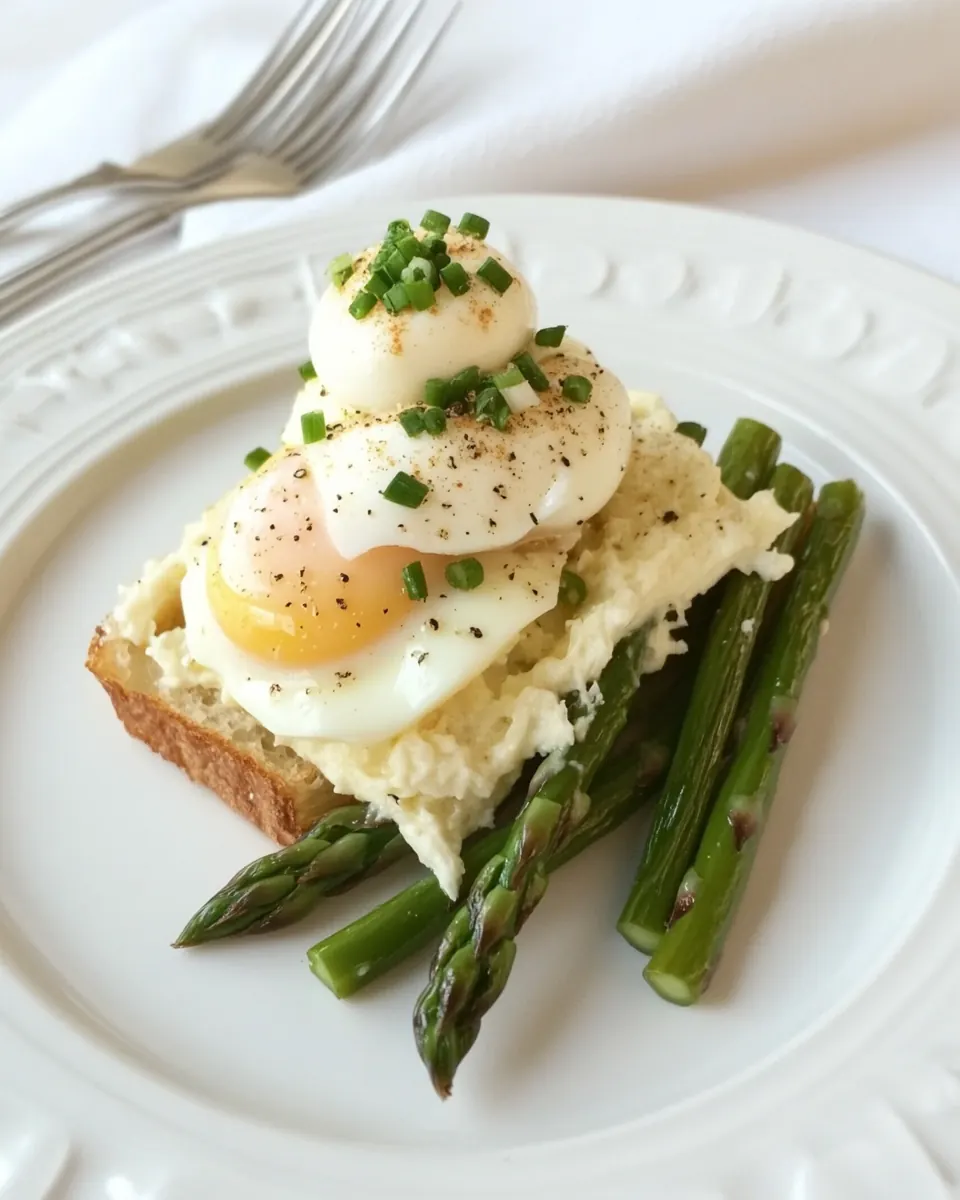
- Once the second side is browned, remove to plates, top with asparagus.: As the egg whites begin to firm under the lid, you will hear a faint pop and see the white opacify. Peek to confirm the bottom of the bread is bronzed, which creates a sturdy platform. Flipping lets heat carry through and finish the top gently, while keeping yolks soft if that is your preference. A classic misstep is overcooking; if you want runny yolks, time this carefully and use moderate heat so the center cooks evenly.
- Check the cheese sauce. If it is too thick, thin with a little milk and reheat if necessary.: The second side should be golden and slightly crisp, giving a pleasant contrast to the tender egg white. Arrange warmed or briefly steamed asparagus on top, so it retains tenderness and a hint of snap. The green stalks should glisten and smell fresh, not mushy. If the asparagus is limp, it may have been overcooked earlier, so aim for bright color and slight resistance to the bite.
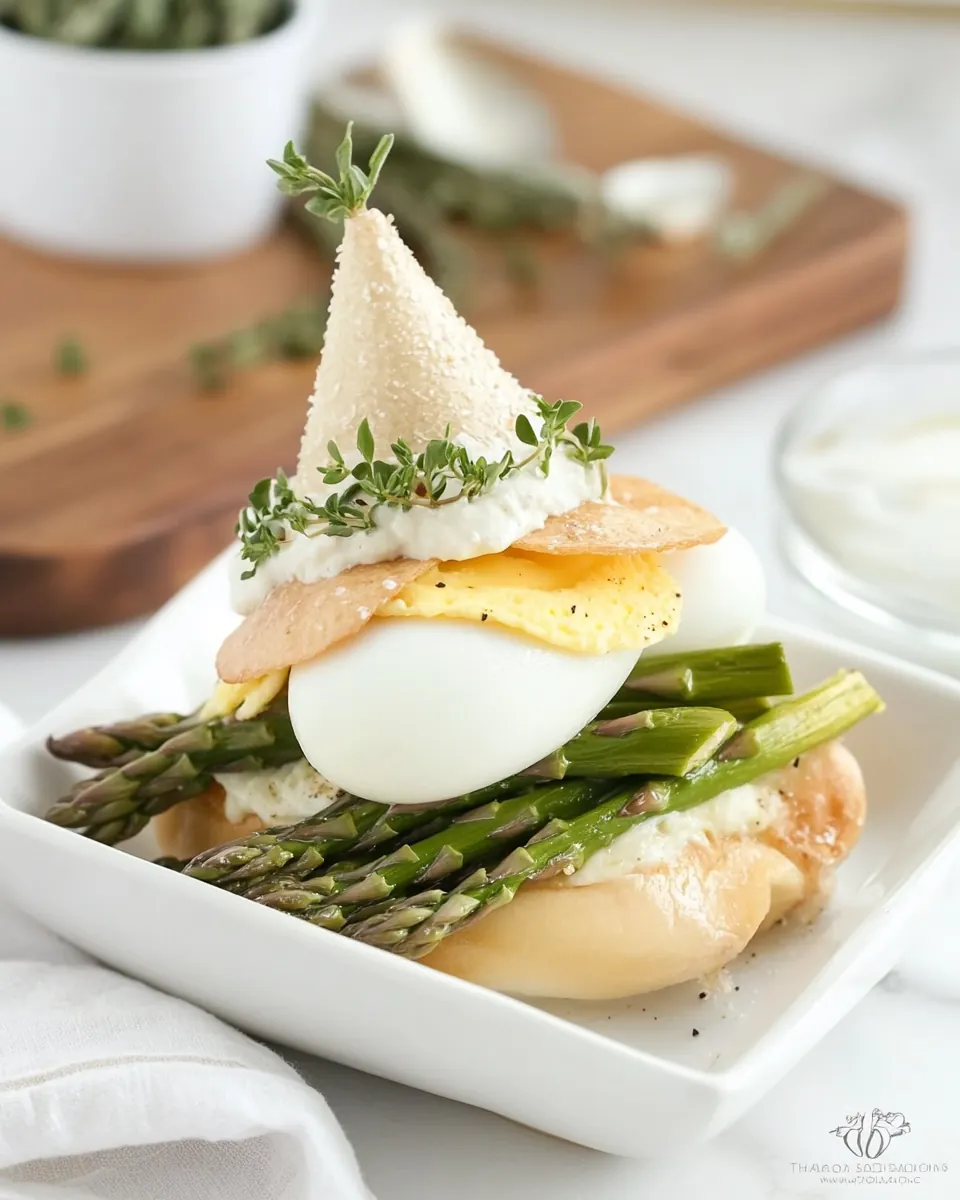
- Top the asparagus with cheese sauce, more cheese, and a sprinkle of cayenne, if desired. Then perch the "hat" over the egg.: Rewarming the sauce over very low heat while stirring will bring it back to pouring consistency. If you see tiny oil pools, whisk in a splash of warm milk to re emulsify the sauce. The ideal texture is silky and pourable, not gloopy. A typical problem is overheating which causes separation; correcting it requires gentle whisking and gradual addition of warm milk .
- Serve immediately.: Spoon the warm sauce so it clings to the asparagus and drips slightly over the edges, creating an inviting glossy finish. Sprinkle extra grated Parmesan or cheddar if you want more savory bite, and add a pinch of cayenne for subtle warmth. Place the cutout bread hat over the egg so it balances without crushing the yolk. If the hat slides, a small dab of sauce will help it stay in place.
- Serve immediately: Serve while everything is warm so textures are at their best, the sauce is silky, and the fried bread is crisp. The first forkful should offer hot sauce, tender asparagus , and a creamy yolk. If you wait too long the bread softens and the contrast diminishes, so serve straight from the pan for best results.
Helpful Notes about Asparagus Topped Eggs with Hats
This dish benefits from small, focused tips that protect texture and flavor. Read these notes before you begin so you can stage ingredients and tools for a smooth, enjoyable cook.
- Warm the milk before adding it to the roux to prevent lumps and to accelerate thickening, which yields a silkier sauce faster.
- Grate cheeses finely so they melt instantly and evenly into the sauce, preventing stringiness or clumping that can occur with large shreds.
- Don’t overcrowd the pan when frying bread; leave space so each slice crisps rather than steams, which preserves texture.
- Use a lid early to set egg whites, then remove it for browning; this hybrid method gives tender whites and golden bread edges.
- Reserve a splash of milk when you start so you can quickly adjust sauce consistency without heating it too much.
What to Serve Alongside Asparagus Topped Eggs with Hats
This dish pairs beautifully with simple, fresh sides and suits many occasions from casual brunch to a light dinner. Below are serving ideas, storage notes, and occasion suggestions to help you build a complete menu.
- Light green salad with lemon vinaigrette, which brings acidity that cuts through the rich cheese sauce and refreshes the palate for another bite.
- Roasted baby potatoes tossed with herbs, offering a comforting, starchy counterpoint to the tender asparagus and eggs for a heartier meal.
- Fresh fruit platter such as sliced citrus and berries, providing bright sweetness that complements savory flavors and is ideal for spring brunch.
- Steamed asparagus extra for guests who want more vegetables on the plate, simply dressed with a little olive oil and lemon to echo the recipe’s fresh notes.
- Occasion notes This recipe is excellent for spring gatherings, weekend brunches, or a special Ramadan iftar starter because it is satisfying without being heavy.
- Storage tips Keep leftover cheese sauce in an airtight container in the fridge for up to two days, and reheat gently with a splash of warm milk to restore consistency. The assembled topped eggs are best eaten immediately, as the crisped bread will soften if stored.
- Seasonal pairing Serve during spring when asparagus is at its peak, and pair with light white teas or citrus drinks for a balanced menu.
FAQ
Conclusion
This recipe stands out for its charming presentation and satisfying blend of textures. It brings together crisp, buttery bread, tender asparagus, rich egg yolks, and a silky cheese sauce in a way that feels both playful and refined. I encourage you to try Asparagus Topped Eggs with Hats this season, especially when fresh asparagus is available. It’s an approachable dish that rewards small attentions to heat and timing, and it makes a simple meal feel special. Have fun with the plating and enjoy the smiles it brings to the table.
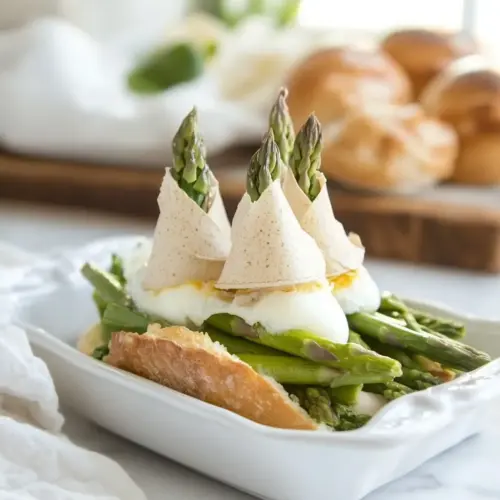
Asparagus Topped Eggs with Hats
Equipment
- Medium Saucepan
- Whisk
- Medium sauté pan
- Shot glass or cookie cutter
- Spatula
Ingredients
- 1 tablespoon Wondra flour (all-purpose is fine, too, but Wondra is less likely to get lumpy) Leavened slightly to prevent lumps and help thicken sauces quickly; Wondra flour (or all-purpose) blends smoothly into warm liquids, creating a velvety base for the dish and stabilizing the sauce so it coats asparagus and eggs evenly.
- 1 tablespoon butter Melted to enrich and carry flavors while providing a silky mouthfeel; butter helps form the roux with the Wondra, adds richness to the sauce, and contributes subtle nutty notes when warmed.
- 3/4 cup warm milk, plus more to thin if needed Warmed to encourage smooth incorporation and proper sauce consistency; warm milk hydrates the flour, prevents temperature shock that causes lumping, and allows controlled thinning to achieve the desired creaminess.
- 2 tablespoons sharp cheddar Shredded to add sharp, tangy flavor and contribute to a creamy, cohesive sauce; sharp cheddar melts into the warm milk mixture, delivering savory depth and a slightly bold cheesiness that complements asparagus and eggs.
- 2 tablespoons grated Parmesan Grated to impart salty, umami richness and a granular, savory finish; Parmesan enhances overall complexity, balances the sharpness of cheddar, and helps the sauce develop a more pronounced savory profile.
- Salt and pepper to taste Seasoned sparingly to enhance and balance flavors; salt and pepper bring out the natural tastes of the dairy and cheeses, cut through richness, and provide finishing contrast to the asparagus-topped eggs.
Instructions
- Make the cheese sauce by melting the butter in a medium saucepan. Whisk in the flour and cook for about 3 minutes, while continuing to whisk. Slowly add the milk, whisking until smooth and thick.: The pan should smell warmly of toasted flour and butter as you whisk, a soft nutty aroma that tells you the raw flour has cooked out. Use medium heat so the mixture does not brown, and whisk constantly so tiny bubbles form and the roux feels cohesive. This step is about creating a stable base; if you cook too hot the mixture will brown and the sauce can taste bitter. A common mistake is rushing and adding milk too cold, which causes lumps. Keep the whisk moving and use warm milk to maintain smoothness.
- Strain the sauce, then add cheeses and whisk to combine. Return sauce to the pan. Set aside.: As you pour in the warm milk in a thin stream, the saucepan will go from paste like to glossy and semi thick. Listen for a gentle, low simmer as the sauce warms and begins to thicken, and watch for it to coat the back of a spoon in a sheen. If it is grainy, keep whisking over gentle heat until it comes together. Avoid turning the heat too high, which can cause the sauce to split. If it tightens too much, stir in a little extra warm milk to loosen the texture.
- Cut a round of bread out of each slice using a shot glass or cookie/biscuit cutter.: Straining removes any residual bits from the roux and gives the sauce a silkier mouthfeel. After straining, add the grated cheddar and Parmesan off heat so they melt gently into the warm base without becoming stringy. Whisk until glossy, and then place the pan off the burner; residual heat keeps things smooth. If the sauce seems too thin, let it rest briefly and it will thicken. A typical error is overheating the cheese which causes separation, so be patient and keep temperature moderate.
- Heat butter in a medium saute pan. Add bread slices and bread rounds.: The act of cutting a round creates the hat and the hole for the egg to nestle in. Use slightly thick slices so the rounds hold together while frying. Press firmly when cutting to produce clean edges, and save the cutout circle to fry as a hat or to brown alongside the slice. If your cut feels flimsy, your bread may be too thin or stale, so pick a sturdier loaf.
- Break an egg into the middle of each slice of bread. Cover pan with a lid for a couple of minutes until the egg starts to set. Remove lid and check hats to see if they're browned. When they're browned, flip all the bread to brown the other sides, adding more butter if needed.: When the butter foams and the milk solids begin to brown slightly, that is the moment to add the bread. Lay the slices gently so they sizzle softly and begin to crisp. You should hear a low, encouraging sizzle and see the edges go golden in a minute or two. Crowding the pan cools the butter and prevents proper browning, so give each piece breathing room. If the bread soaks up too much fat and goes soggy, reduce the heat slightly and drain excess butter .
- Once the second side is browned, remove to plates, top with asparagus.: As the egg whites begin to firm under the lid, you will hear a faint pop and see the white opacify. Peek to confirm the bottom of the bread is bronzed, which creates a sturdy platform. Flipping lets heat carry through and finish the top gently, while keeping yolks soft if that is your preference. A classic misstep is overcooking; if you want runny yolks, time this carefully and use moderate heat so the center cooks evenly.
- Check the cheese sauce. If it is too thick, thin with a little milk and reheat if necessary.: The second side should be golden and slightly crisp, giving a pleasant contrast to the tender egg white. Arrange warmed or briefly steamed asparagus on top, so it retains tenderness and a hint of snap. The green stalks should glisten and smell fresh, not mushy. If the asparagus is limp, it may have been overcooked earlier, so aim for bright color and slight resistance to the bite.
- Top the asparagus with cheese sauce, more cheese, and a sprinkle of cayenne, if desired. Then perch the "hat" over the egg.: Rewarming the sauce over very low heat while stirring will bring it back to pouring consistency. If you see tiny oil pools, whisk in a splash of warm milk to re emulsify the sauce. The ideal texture is silky and pourable, not gloopy. A typical problem is overheating which causes separation; correcting it requires gentle whisking and gradual addition of warm milk .
- Serve immediately.: Spoon the warm sauce so it clings to the asparagus and drips slightly over the edges, creating an inviting glossy finish. Sprinkle extra grated Parmesan or cheddar if you want more savory bite, and add a pinch of cayenne for subtle warmth. Place the cutout bread hat over the egg so it balances without crushing the yolk. If the hat slides, a small dab of sauce will help it stay in place.
- Serve immediately: Serve while everything is warm so textures are at their best, the sauce is silky, and the fried bread is crisp. The first forkful should offer hot sauce, tender asparagus , and a creamy yolk. If you wait too long the bread softens and the contrast diminishes, so serve straight from the pan for best results.
Notes
- Warm the milk before adding it to the roux to prevent lumps and to accelerate thickening, which yields a silkier sauce faster.
- Grate cheeses finely so they melt instantly and evenly into the sauce, preventing stringiness or clumping that can occur with large shreds.
- Don’t overcrowd the pan when frying bread; leave space so each slice crisps rather than steams, which preserves texture.
- Use a lid early to set egg whites, then remove it for browning; this hybrid method gives tender whites and golden bread edges.
- Reserve a splash of milk when you start so you can quickly adjust sauce consistency without heating it too much.