Roasted Vegetables
Roasted Vegetables are the kind of food I reach for when I want something honest and satisfying, something that smells like home as soon as it hits the oven. The first time I learned to roast a big tray of mixed vegetables, I was cooking for a friend who had just moved into a tiny apartment. We had nothing fancy, just a baking sheet and a stubbornly small oven, but the kitchen filled with that warm, slightly caramelized aroma that makes everyone pause and take a breath. I remember telling stories while I flipped the tray midway through, and we ate straight from the pan with crusty bread on the side, laughing about the kind of life that can be built on little, practical meals.
Years later, I still turn to Roasted Vegetables when I want a reliable, flexible dish that adapts to seasons and mood. In fall I lean on squash and Brussels sprouts, enjoying the way their edges crisp and deepen in flavor. When company comes, I use the highest quality olive oil I have and toss everything with care, because tiny choices make a difference. When cooking alone, I keep things simple and rustic, letting the oven do the heavy lifting. That combination of low effort and rich reward is why this tray always shows up on my table, whether it is an impromptu weeknight meal or part of a larger spread.
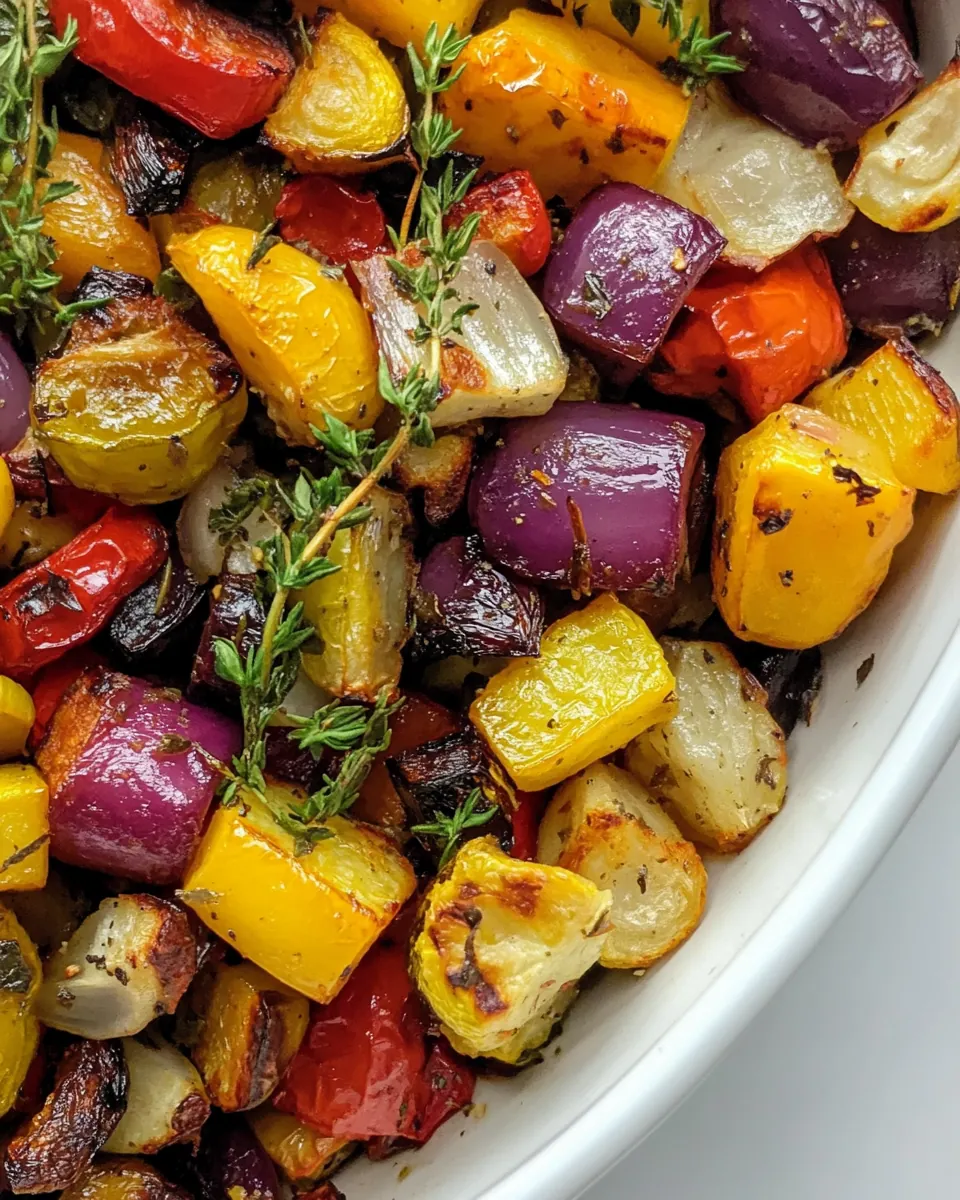
There is also something quietly celebratory about the ritual: chop, toss, roast, flip, and wait just long enough for the vegetables to turn golden at the edges. Each vegetable contributes a different texture and note: the creamy bite of potato, the sweet snap of red pepper, the mellow onion that becomes almost jammy. Over time I learned little tricks that keep the results consistent, and those techniques have become my go to when I want vegetables that are more than a side, they are the moment. Try making a tray and notice how the room changes when those savory scents begin to rise from the oven.
Recipe Snapshot
1 hr 10 mins
15 mins
55 mins
Medium
200 kcal
American
Vegan, Gluten-Free
Side Dishes
Baking Sheet
Why This Roasted Vegetables Works
Simple mechanics, big payoff
I love Roasted Vegetables because the technique is straightforward, and the results are reliably excellent. You just need a hot oven and a sheet pan, and the transformation from raw to caramelized is almost magical. I enjoy the way a little time and heat amplifies each vegetable’s natural sugars, turning humble pieces into something that tastes intentional. This method is forgiving, so even when life gets chaotic, you can still pull off a dish that looks and tastes composed.
Versatility that adapts
One reason I return to this dish is its adaptability. I can change the mix of vegetables, adjust the oil, or add a squeeze of lemon after roasting, and the whole profile shifts. For weeknights I keep it minimal and bright, while for gatherings I push for deeper roast times and bolder seasoning. The same basic approach fits lunches, dinners, and everything in between.
Texture and depth
The contrast between caramelized edges and tender centers is a real joy. I make sure pieces are cut to similar sizes so everything finishes together, which creates that ideal mix of crisp and soft. The roasting concentrates flavors, and when you flip the tray halfway through, you get those golden blotches that signal success. I find that most people are surprised at how complex roasted vegetables can taste when done right.
Comfort without fuss
There is comfort to be found in bones free cooking, a kind of honest satisfaction. Roasted Vegetables require minimal hands on time, letting you focus on conversation or other dishes while the oven does the work. I especially appreciate how it pairs with so many mains, or how it stands alone as a warm, filling plate when I want something simple. That reliability makes it a trusted recipe in my repertoire.
Healthy and seasonal
I love that this dish highlights seasonal produce, which keeps it fresh and interesting throughout the year. Roasting brings out sweetness in fall squash and depth in root vegetables. It is an effortless way to eat more vegetables, and it can be tailored to dietary needs without losing character. For me, that balance of flavor, ease, and nutrition is what keeps this dish on repeat.
Shopping List for Roasted Vegetables
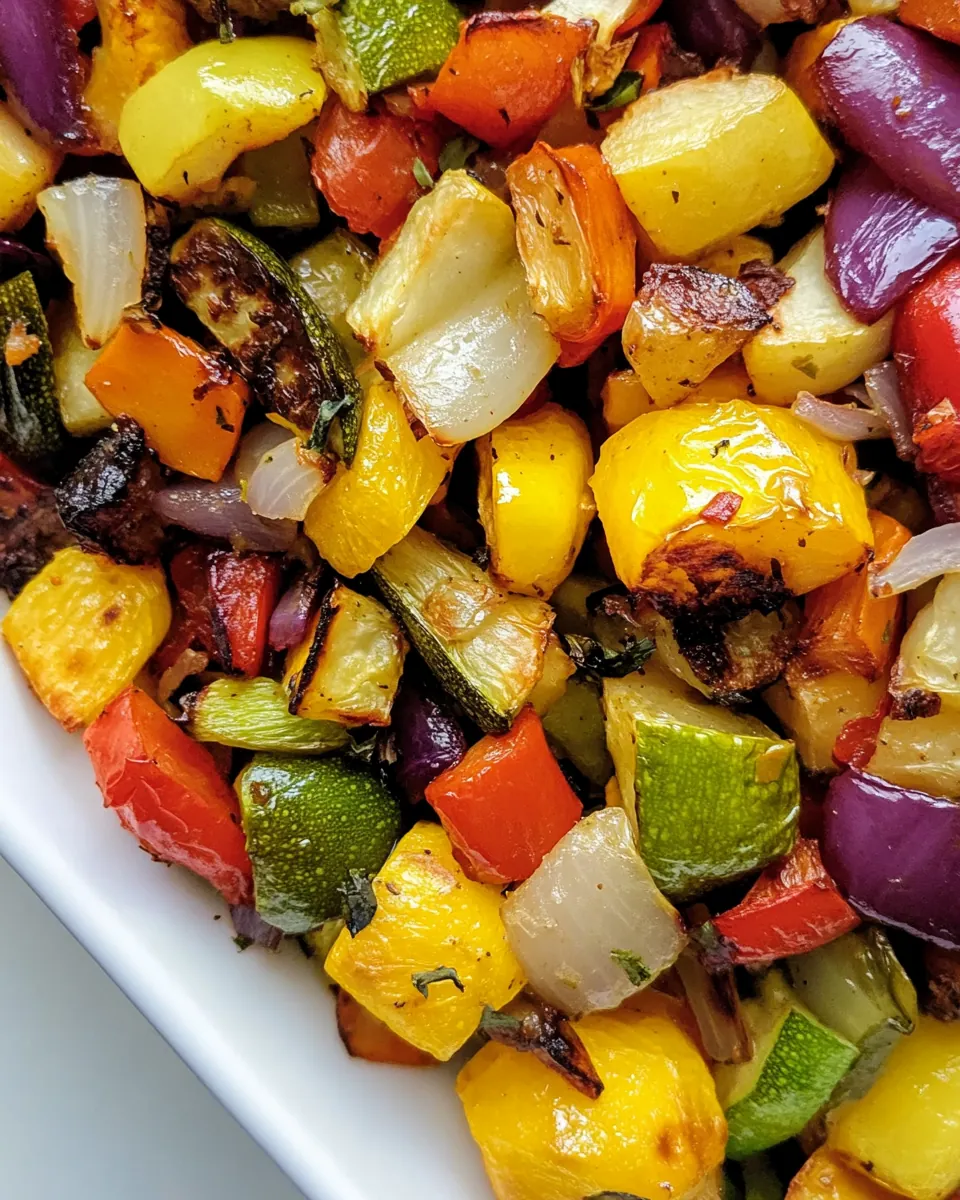
These ingredients are deliberately simple, chosen to let each vegetable sing while the olive oil helps carry flavor and encourage caramelization. The philosophy here is balance, mixing starchy, sweet, and bright vegetables so textures complement each other. The key players are the potatoes for creaminess, the peppers and onion for sweetness, and the garlic plus olive oil for aromatic depth.
- 2 potatoes I used Yukon Gold, but any kind will work!: Cube and roast to develop a creamy interior and crisp edges; Yukon Golds hold shape well and provide a buttery flavor that balances the mix. Parboil briefly if large to ensure even roasting with other vegetables. Season while hot to help the surface absorb flavors.
- 2 red peppers: Char and slice to add sweet, smoky notes and tender texture; red peppers caramelize beautifully under high heat and contribute vibrant color. Remove seeds and membranes so pieces roast evenly without excess moisture. Toss with oil to encourage browning.
- 1 red onion: Slice into wedges to bring a sweet, slightly pungent flavor that softens and caramelizes when roasted. Red onion adds moisture and depth, helping to create a savory-sweet contrast with starchy potatoes. Separate layers slightly to allow the heat to reach inner surfaces.
- 1 cup halved Brussels sprouts: Halve to expose cut surfaces for caramelization and to ensure even cooking; Brussels sprouts develop sweet, nutty flavors and crispy outer leaves when roasted. Small sprouts cook quickly so space them on the pan to avoid steaming. Toss cut-side down for maximum browning.
- 3 spears asparagus: Trim and leave whole or cut on the bias for quick roasting; asparagus provides a tender, grassy element and bright green color to the medley. Add during the last portion of roasting time to avoid overcooking and preserve texture. Drizzle with oil to prevent drying out.
- 1 cup chopped squash: Cube or slice to contribute a sweet, creamy component that roasts to golden-brown edges; squash adds moisture and a pleasant contrast to firmer vegetables. Choose uniform pieces so they finish cooking with the rest. Season lightly to complement natural sweetness.
- 4 cloves garlic minced: Mince finely to disperse aromatic, savory intensity throughout the dish; garlic becomes mellow and sweet when roasted, infusing the vegetables. Mix with oil to prevent burning and ensure even distribution of flavor. Add early enough to flavor the oil but monitor to avoid scorching.
- 6 tablespoons olive oil: Drizzle to coat vegetables evenly and promote browning and crispness; olive oil helps heat transfer and carries aromatic seasonings across the pan. Use enough to lightly coat surfaces without pooling to allow edges to caramelize. Choose extra-virgin for richer flavor or regular for neutral taste.
- Kosher salt and freshly ground black pepper to taste: Season liberally to enhance and balance the roasted flavors; kosher salt brings out natural sweetness while freshly ground black pepper adds warm, piquant notes. Adjust to taste after roasting for best control over seasoning. Sprinkle evenly to avoid under- or over-salted bites.
How to Make Roasted Vegetables
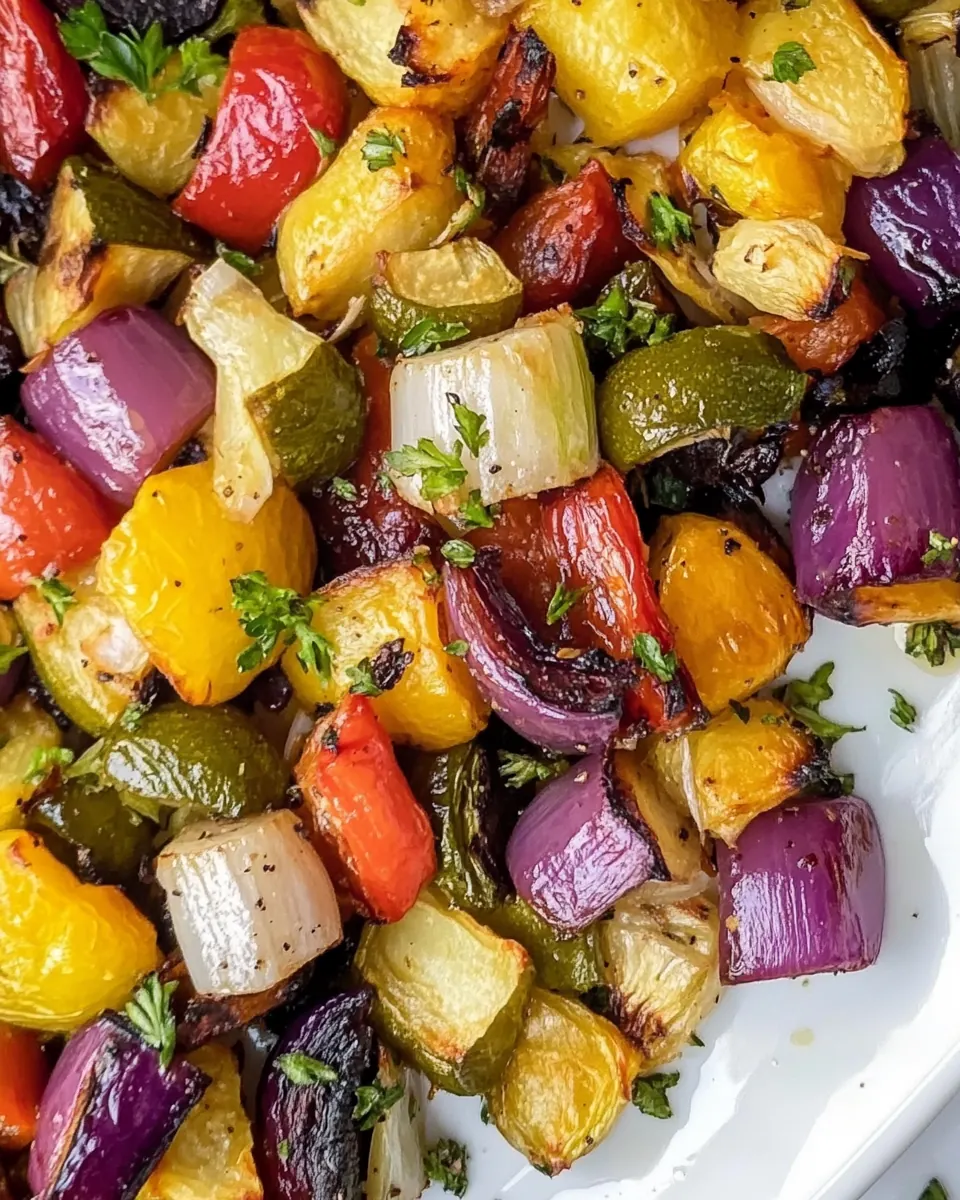
These steps are straightforward but rewarding. I like to approach the tray with intention, focusing on even cuts and proper heat so flavors concentrate and textures contrast. Follow each step and pay attention to visual and aromatic cues for the best results.
- Cut the veggies into medium-sized pieces. You want bite-sized pieces of everything. Preheat oven to 400°F.: The air should smell fresh and slightly metallic when you first start, then it will fill with warm, sweet notes as the oven comes to temperature, signaling preparation is complete. Cutting vegetables to a similar size ensures even cooking, which is why I take an extra minute to eyeball pieces and adjust as needed. When chopping potatoes , aim for uniform chunks so they become tender at the same moment the peppers and squash reach their ideal doneness. Avoid cutting some pieces too small, because tiny bits will overbrown before the denser items finish. A common misstep here is rushing the chopping and ending up with mismatched sizes, which results in some pieces being mushy while others remain underdone.
- Spray a baking sheet with nonstick spray. Arrange the veggies and garlic on the baking tray. Some overlap is fine, but you want the vegetables to all touch the baking sheet if possible.: When you spread the pieces out, listen for the faint patter of pieces settling and watch for the vegetables to form a single layer. Direct contact with the sheet promotes browning, so I favor minimal overlap even if the tray looks crowded; the trade off is better caramelization. The garlic should be distributed across the tray so it infuses without burning. If you pile items, steam will build underneath and prevent the roasted, crisp edges you want. A mistake I see often is overcrowding the pan, which leads to soggy results rather than the crisp, golden surfaces we are aiming for.
- Drizzle with olive oil and sprinkle with salt and pepper to taste. Bake for 30 minutes, then flip the veggies and bake for another 20-25 minutes.: As you pour the olive oil , notice how it glistens and clings to the vegetable surfaces, highlighting contours and promising crisping at the edges. Salt draws out moisture and amplifies natural sweetness, while freshly ground black pepper adds a subtle, aromatic sting. I usually lift the tray and toss with my hands or a spatula to make sure every piece is lightly coated, which helps create even browning. Be careful not to over oil, because excess will pool on the sheet and fry rather than roast. A typical error is under seasoning, which leaves the finished vegetables flat; taste and be confident when seasoning going in.
- Bake for 30 minutes, then flip the veggies and bake for another 20-25 minutes.: In the oven, the sound is faint, but you will notice a deepening aroma after about 20 to 25 minutes, a hint that sugars are caramelizing. When you open the oven to flip, the edges should look blistered and golden, and the aroma should be toasty with a gentle sweetness. Flipping encourages even browning on all sides, so use a spatula to turn pieces gently to avoid breaking softer items. Continue roasting until vegetables show golden crusts and tender centers; for dense pieces like potatoes , a fork should glide in without resistance. A common mistake is leaving them too long without checking after the flip, which can result in overly dark edges or dried interiors. Remove at the right moment so textures remain contrasting and vibrant.
Ways to Customize
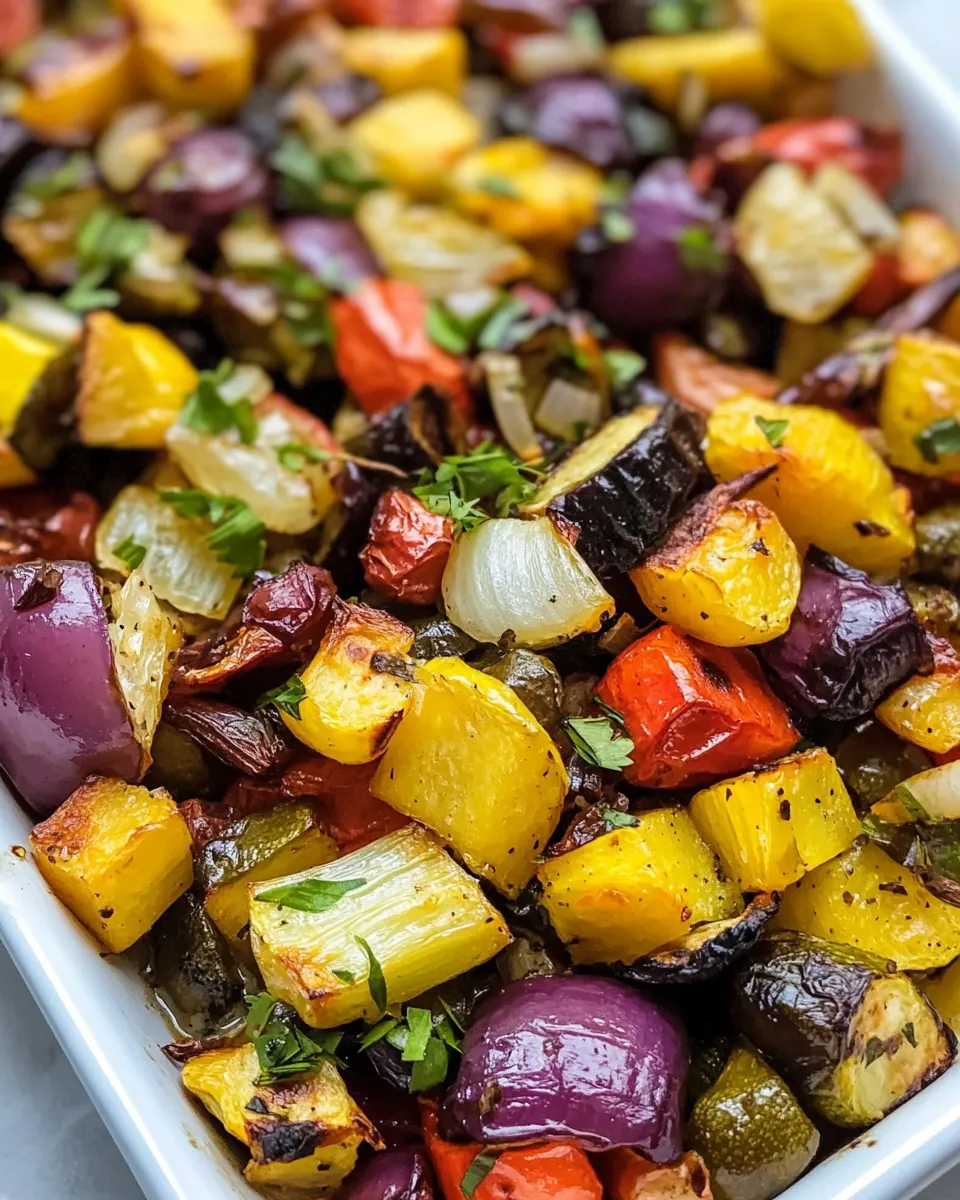
There are many simple ways to tailor Roasted Vegetables to your pantry and mood. Small adjustments in oil, timing, or seasoning can yield noticeably different results. Below are expanded tips you can adopt depending on the occasion, available produce, or desired texture.
- Use parchment paper to line the baking sheet for easier cleanup and to prevent sticking, which helps maintain intact roasted pieces when you flip the tray.
- Toss in a bowl first so the olive oil, minced garlic, salt, and pepper coat every piece evenly, increasing the likelihood of uniform browning on the sheet.
- Add asparagus later because it cooks faster than root vegetables, which prevents limp or overdone spears while denser items finish roasting.
- Cut vegetables uniformly to promote even texture and timing, which avoids a mix of undercooked and overly soft pieces on the same tray.
- Gently flip halfway to expose multiple sides to the hot sheet for the most even caramelization, watching carefully to avoid breaking softer pieces like squash.
Serve This Roasted Vegetables With
These serving ideas will help you turn Roasted Vegetables into a full plate or part of a larger meal. Think about seasonality and texture when pairing, and consider how the tray will play with different mains and occasions.
- As a hearty side for dinner, plate the roasted vegetables alongside a grain and a simple protein for a balanced weeknight meal. Their caramelized edges and tender centers work with many mains.
- For a casual lunch, pile the tray onto warm bread or a bowl of rice for an easy grain bowl that highlights the vegetables as the main attraction.
- At gatherings, serve the tray family style with small bowls of condiments and a lemon wedge so guests can customize bites to taste.
- Seasonal occasions, especially in fall, benefit from squash and Brussels sprouts on the tray, making it a natural fit for holiday spreads or cozy dinners.
- Storage tips, cool leftovers fully before refrigerating in an airtight container, then gently reheat in the oven to restore crisp edges rather than microwaving, which can make them limp.
- Healthy pairing, combine with a leafy salad or steamed grain for a balanced plate that feels substantial without being heavy, and the roasted vegetables add warmth and texture.
FAQ
Conclusion
Roasted Vegetables shine because they turn simple ingredients into a dish with depth, texture, and warmth. Give this recipe a try on a busy weeknight or for a seasonal gathering, and notice how a few careful steps produce reliably delicious results. Enjoy the process of chopping, tossing, and pulling a golden tray from the oven, and savor how the flavors deepen with every minute of roasting.
Roasted Vegetables
Equipment
- Baking Sheet
Ingredients
- 2 potatoes I used Yukon Gold, but any kind will work! Cube and roast to develop a creamy interior and crisp edges; Yukon Golds hold shape well and provide a buttery flavor that balances the mix. Parboil briefly if large to ensure even roasting with other vegetables. Season while hot to help the surface absorb flavors.
- 2 red peppers Char and slice to add sweet, smoky notes and tender texture; red peppers caramelize beautifully under high heat and contribute vibrant color. Remove seeds and membranes so pieces roast evenly without excess moisture. Toss with oil to encourage browning.
- 1 red onion Slice into wedges to bring a sweet, slightly pungent flavor that softens and caramelizes when roasted. Red onion adds moisture and depth, helping to create a savory-sweet contrast with starchy potatoes. Separate layers slightly to allow the heat to reach inner surfaces.
- 1 cup halved Brussels sprouts Halve to expose cut surfaces for caramelization and to ensure even cooking; Brussels sprouts develop sweet, nutty flavors and crispy outer leaves when roasted. Small sprouts cook quickly so space them on the pan to avoid steaming. Toss cut-side down for maximum browning.
- 3 spears asparagus Trim and leave whole or cut on the bias for quick roasting; asparagus provides a tender, grassy element and bright green color to the medley. Add during the last portion of roasting time to avoid overcooking and preserve texture. Drizzle with oil to prevent drying out.
- 1 cup chopped squash Cube or slice to contribute a sweet, creamy component that roasts to golden-brown edges; squash adds moisture and a pleasant contrast to firmer vegetables. Choose uniform pieces so they finish cooking with the rest. Season lightly to complement natural sweetness.
- 4 cloves garlic minced Mince finely to disperse aromatic, savory intensity throughout the dish; garlic becomes mellow and sweet when roasted, infusing the vegetables. Mix with oil to prevent burning and ensure even distribution of flavor. Add early enough to flavor the oil but monitor to avoid scorching.
- 6 tablespoons olive oil Drizzle to coat vegetables evenly and promote browning and crispness; olive oil helps heat transfer and carries aromatic seasonings across the pan. Use enough to lightly coat surfaces without pooling to allow edges to caramelize. Choose extra-virgin for richer flavor or regular for neutral taste.
- Kosher salt and freshly ground black pepper to taste Season liberally to enhance and balance the roasted flavors; kosher salt brings out natural sweetness while freshly ground black pepper adds warm, piquant notes. Adjust to taste after roasting for best control over seasoning. Sprinkle evenly to avoid under- or over-salted bites.
Instructions
- Cut the veggies into medium-sized pieces. You want bite-sized pieces of everything. Preheat oven to 400°F.: The air should smell fresh and slightly metallic when you first start, then it will fill with warm, sweet notes as the oven comes to temperature, signaling preparation is complete. Cutting vegetables to a similar size ensures even cooking, which is why I take an extra minute to eyeball pieces and adjust as needed. When chopping potatoes , aim for uniform chunks so they become tender at the same moment the peppers and squash reach their ideal doneness. Avoid cutting some pieces too small, because tiny bits will overbrown before the denser items finish. A common misstep here is rushing the chopping and ending up with mismatched sizes, which results in some pieces being mushy while others remain underdone.
- Spray a baking sheet with nonstick spray. Arrange the veggies and garlic on the baking tray. Some overlap is fine, but you want the vegetables to all touch the baking sheet if possible.: When you spread the pieces out, listen for the faint patter of pieces settling and watch for the vegetables to form a single layer. Direct contact with the sheet promotes browning, so I favor minimal overlap even if the tray looks crowded; the trade off is better caramelization. The garlic should be distributed across the tray so it infuses without burning. If you pile items, steam will build underneath and prevent the roasted, crisp edges you want. A mistake I see often is overcrowding the pan, which leads to soggy results rather than the crisp, golden surfaces we are aiming for.
- Drizzle with olive oil and sprinkle with salt and pepper to taste. Bake for 30 minutes, then flip the veggies and bake for another 20-25 minutes.: As you pour the olive oil , notice how it glistens and clings to the vegetable surfaces, highlighting contours and promising crisping at the edges. Salt draws out moisture and amplifies natural sweetness, while freshly ground black pepper adds a subtle, aromatic sting. I usually lift the tray and toss with my hands or a spatula to make sure every piece is lightly coated, which helps create even browning. Be careful not to over oil, because excess will pool on the sheet and fry rather than roast. A typical error is under seasoning, which leaves the finished vegetables flat; taste and be confident when seasoning going in.
- Bake for 30 minutes, then flip the veggies and bake for another 20-25 minutes.: In the oven, the sound is faint, but you will notice a deepening aroma after about 20 to 25 minutes, a hint that sugars are caramelizing. When you open the oven to flip, the edges should look blistered and golden, and the aroma should be toasty with a gentle sweetness. Flipping encourages even browning on all sides, so use a spatula to turn pieces gently to avoid breaking softer items. Continue roasting until vegetables show golden crusts and tender centers; for dense pieces like potatoes , a fork should glide in without resistance. A common mistake is leaving them too long without checking after the flip, which can result in overly dark edges or dried interiors. Remove at the right moment so textures remain contrasting and vibrant.
Notes
- Use parchment paper to line the baking sheet for easier cleanup and to prevent sticking, which helps maintain intact roasted pieces when you flip the tray.
- Toss in a bowl first so the olive oil, minced garlic, salt, and pepper coat every piece evenly, increasing the likelihood of uniform browning on the sheet.
- Add asparagus later because it cooks faster than root vegetables, which prevents limp or overdone spears while denser items finish roasting.
- Cut vegetables uniformly to promote even texture and timing, which avoids a mix of undercooked and overly soft pieces on the same tray.
- Gently flip halfway to expose multiple sides to the hot sheet for the most even caramelization, watching carefully to avoid breaking softer pieces like squash.