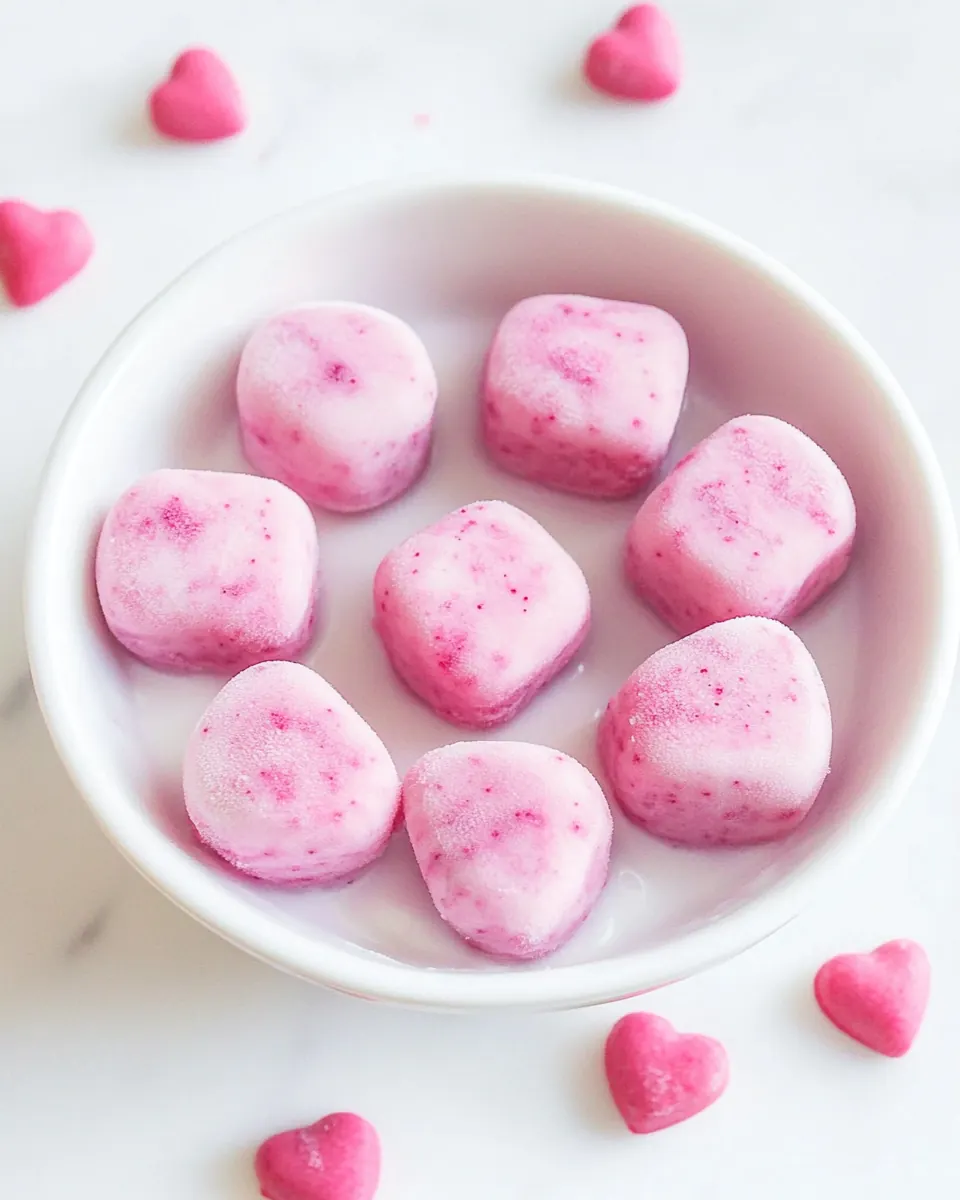
Frozen Yogurt Bites
Frozen Yogurt Bites have been my go to for cooling off on hot afternoons when I want something playful, simple, and just a little bit nostalgic. I first made these on a whim with a mismatched set of silicone trays, a pint of yogurt, and a handful of berries from the farmers market. The result felt like the kind of snack that makes you smile for no reason, a spoon free, mess minimal treat that kids and adults both reach for again and again.
That first batch taught me a few things about balance. The sweetness of ripe strawberries and the bright tartness of raspberries cut through the creamy tang of the vanilla Greek yogurt, and freezing them in small shapes made the texture feel like a tiny, icy custard. I loved how portable they were, tucked into a cooler for a beach day, or kept in the freezer for a late night nibble. Over time I experimented with tray shapes, berry ratios, and how long to blend, and each change nudged the flavor and mouthfeel slightly. I still prefer the small, one bite pieces because they chill your palate, without turning into an icicle.
Recipe Snapshot
4 hr 5 mins
5 mins
240 mins
Hard
80 kcal
American
Keto, Gluten-Free
Desserts
Equipment, The Best Homemade Kid’s Snacks on the Planet, Clean Treats Cookbook
The Best Thing About This Frozen Yogurt Bites
They are incredibly simple
I love that Frozen Yogurt Bites require just a few steps and minimal equipment. You do not need any fancy appliances, which makes them perfect when I want a quick, wholesome snack that does not monopolize my time. The short ingredient list means I can improvise with whatever berries are in the fruit drawer.
Flavor balance is effortless
When I make these, the creamy tang of the vanilla Greek yogurt pairs beautifully with the natural sugars of the mixed berries. I find the contrast keeps each bite lively, rather than cloying sweet. If you like a brighter bite, add more tart berries, if you prefer creamier, slightly sweeter results, increase the yogurt proportion just a touch.
Kid friendly and portable
I often prepare a batch for packed lunches or outings. The small shape and firm frozen texture make them easy to pop into a cooler without worrying about spills. Kids love the novelty of the tiny shapes, and adults appreciate the portion control when they want a cool treat without overindulging.
Customizable texture and shape
Using different silicone trays changes the experience entirely. Tiny rounds yield quick freezing and a smooth, almost creamy center, while larger shapes take longer and develop a firmer bite. I like experimenting with hearts for holidays and geometric molds for casual snacking.
A healthy, refreshing option
As someone who values snacks that feel intentional, these bites deliver a satisfying combo of protein and fruit. They are refreshing on hot days and comforting after a workout, a quick way to get a bit of fruit along with the creamy texture of yogurt.
Frozen Yogurt Bites Ingredients
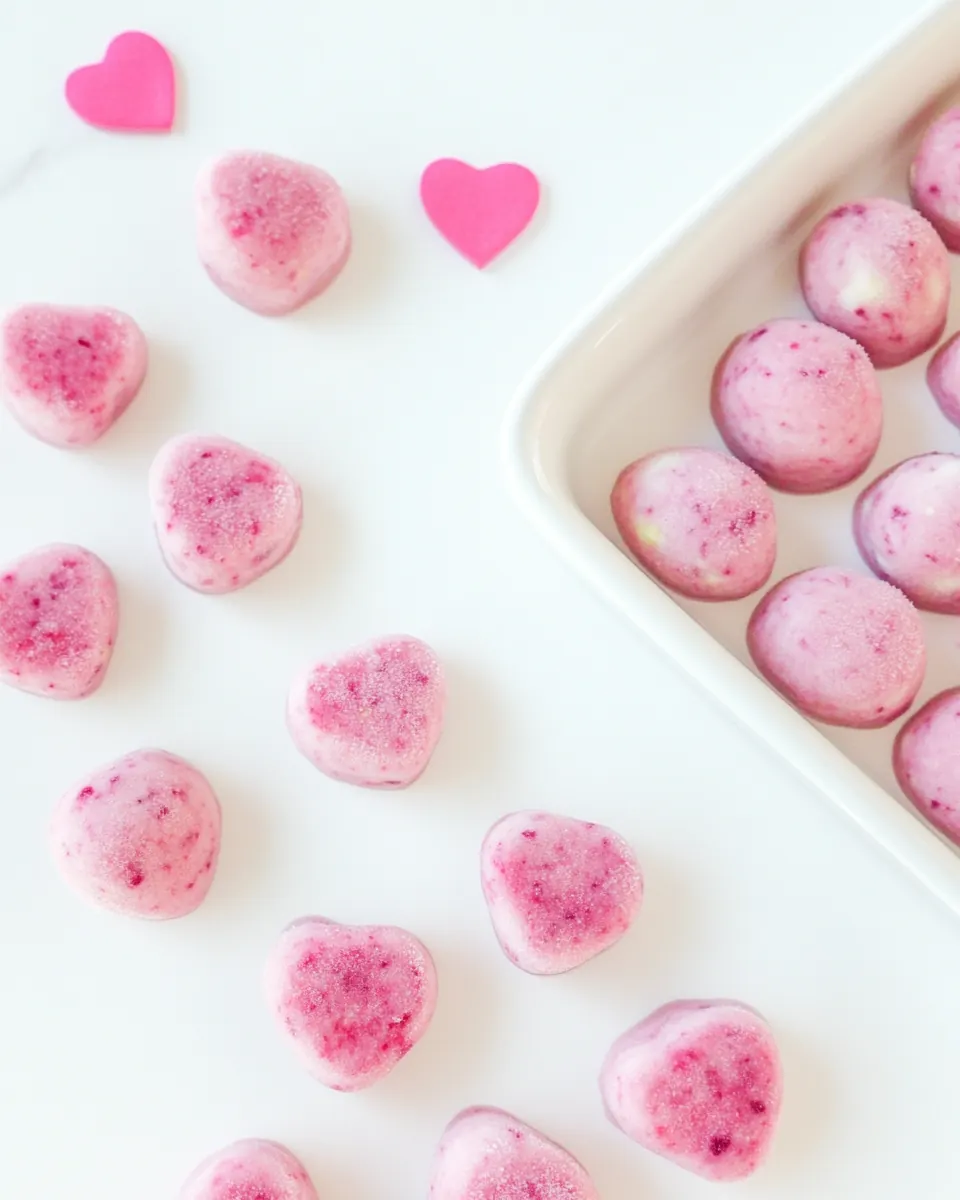
These few ingredients work together by combining creamy tang, bright fruit, and the right vessel for freezing. The trio is designed to create tiny, flavorful morsels that freeze quickly and keep their pleasant texture, rather than becoming rock hard. Each component plays a clear role: the mixed berries bring acidity and bursts of flavor, the vanilla Greek yogurt provides body and creaminess, and the silicone ice cube tray shapes and insulates the bites for easy removal.
- 1 cup mixed berries, for ours, we used strawberries, blackberries, and raspberries: Provide bright, fresh flavor and natural sweetness while contributing color and texture; chop larger berries for even freezing and distribute evenly in the tray to avoid clumping. Include a mix of varieties to balance tartness and sweetness, and lightly macerate if extra juice is desired for easier spooning. Serve as the primary fruit component that complements the creamy yogurt base and adds visual appeal when popped from the mold.
- 1 cup vanilla Greek yogurt: Supply a creamy, tangy base that binds the fruit and freezes into a smooth, scoopable texture; choose full-fat Greek yogurt for richer mouthfeel or low-fat for lighter bites. Stir gently to ensure uniform consistency before portioning into the silicone tray, and lightly sweeten if preferred to balance berry tartness. Act as the dairy component that provides protein and structure to the frozen bites.
- Silicone ice cube tray, any shape: Allow easy removal of frozen bites and determine the final shape, making portioning simple and consistent; choose a flexible silicone tray for effortless popping and minimal breakage. Ensure the tray is clean and dry before filling to prevent sticking and freeze on a level surface for even setting. Function as the mold that controls size and presentation of each frozen yogurt bite.
Step by Step Guide for Frozen Yogurt Bites
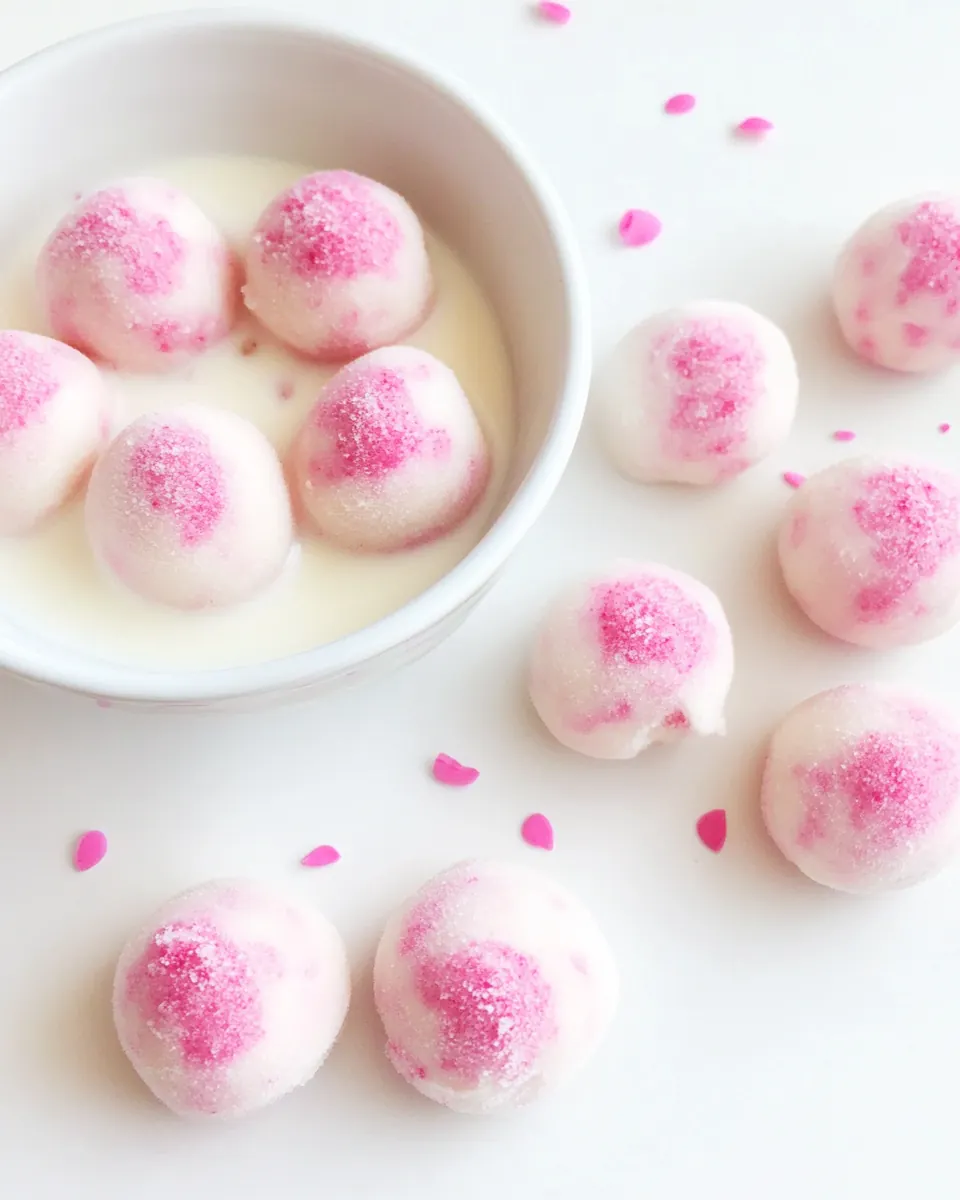
These steps are straightforward, but I like to walk you through sensory cues and potential pitfalls so each batch comes out reliably. Follow the sequence and pay attention to texture, smell, and the look of the mixture before freezing.
- Place the mixed berries in a small blender, and blend until they are coarsely chopped. Add the vanilla yogurt and blend until smooth.: You will notice the color deepen and a fragrant berry aroma lifting as you pulse the mixed berries , with small flecks still visible if you stop early. This texture gives little bursts of fruit in the finished bites and prevents the mixture from becoming uniformly pink, which I find less interesting. A frequent mistake is overblending, which completely liquefies the berries and releases more water, making the frozen bites icier, so pulse just enough to break the berries down to coarse pieces. The sound will be a gentle chopping rather than a steady whirr when you do short pulses, and visually you should still see tiny seeds and bits of flesh. If your blender warms the mixture, pause and scrape the sides, as heat can soften the texture and change freezing time.
- Pour the mixture into the silicone ice cube trays and transfer to the freezer. Freeze for 3 to 4 hours or until frozen solid.: As you add the vanilla Greek yogurt , the mixture becomes creamier and the raw fruit tang mellows into a harmonious pink hue. The smell will shift from purely fruity to a subtle, creamy scent with a hint of vanilla, and the texture should become thick and pourable rather than runny. This step matters because blending the yogurt fully integrates the dairy proteins with the fruit, which creates a more cohesive frozen bite and reduces ice crystal formation. Avoid adding too much additional liquid, and do not overblend into a thin slurry, because that leads to an icier mouthfeel once frozen. If you see separation, stop and fold gently with a spatula to combine, as aggressive blending can also incorporate excess air that changes the final creaminess.
- Once they're solid, transfer the frozen bites out of the trays into freezer bags.: Slowly pouring the mixture into each cavity helps control portions and keeps the surface smooth. You will see the mixture settle, and the surface should look glossy and uniform. If air bubbles appear, tap the tray gently on the counter to release them, resulting in a denser, creamier bite. This technique is important because trapped air pockets can make the texture less pleasant, and uneven filling causes inconsistent freezing. One mistake is overfilling the cavities, which makes demolding difficult and may cause the bites to freeze together. Use a small spoon or a measuring cup with a spout for precision, and place the trays flat in the coldest part of the freezer to ensure even freezing.
- Freeze for 3 to 4 hours or until frozen solid: You will notice the trays change from glossy to matte and firm when the bites are set, and the cold air in the freezer will remove residual warmth quickly. The timing depends on the cavity size and your freezer's temperature, so check after 3 hours by gently pressing the surface; it should feel firm and resist indentation. This waiting time is crucial for texture, because partially frozen centers will be too soft and prone to melting, whereas overfreezing is seldom a problem for these small bites. A typical error is opening the freezer repeatedly, which lengthens freezing time and can introduce temperature fluctuations, so try to minimize door openings. If your freezer is packed, give them extra time and ensure the tray sits on a flat surface for uniform setting.
- Once they're solid, transfer the frozen bites out of the trays into freezer bags: The moment you flex the silicone ice cube tray the pieces should pop out easily, emitting a faint scent of frozen yogurt and berries. Transferring them to airtight freezer bags protects their flavor and prevents freezer burn, which preserves texture and taste for weeks. Work quickly but gently, laying them in a single layer first to avoid clumping, then press out excess air before sealing. A common pitfall is leaving them exposed on a baking sheet in the freezer, where they can absorb other odors or get freezer frost, so airtight storage is essential. Label the bag with the date to keep track of freshness, and store at the back of the freezer where the temperature is most consistent.
Helpful Hints
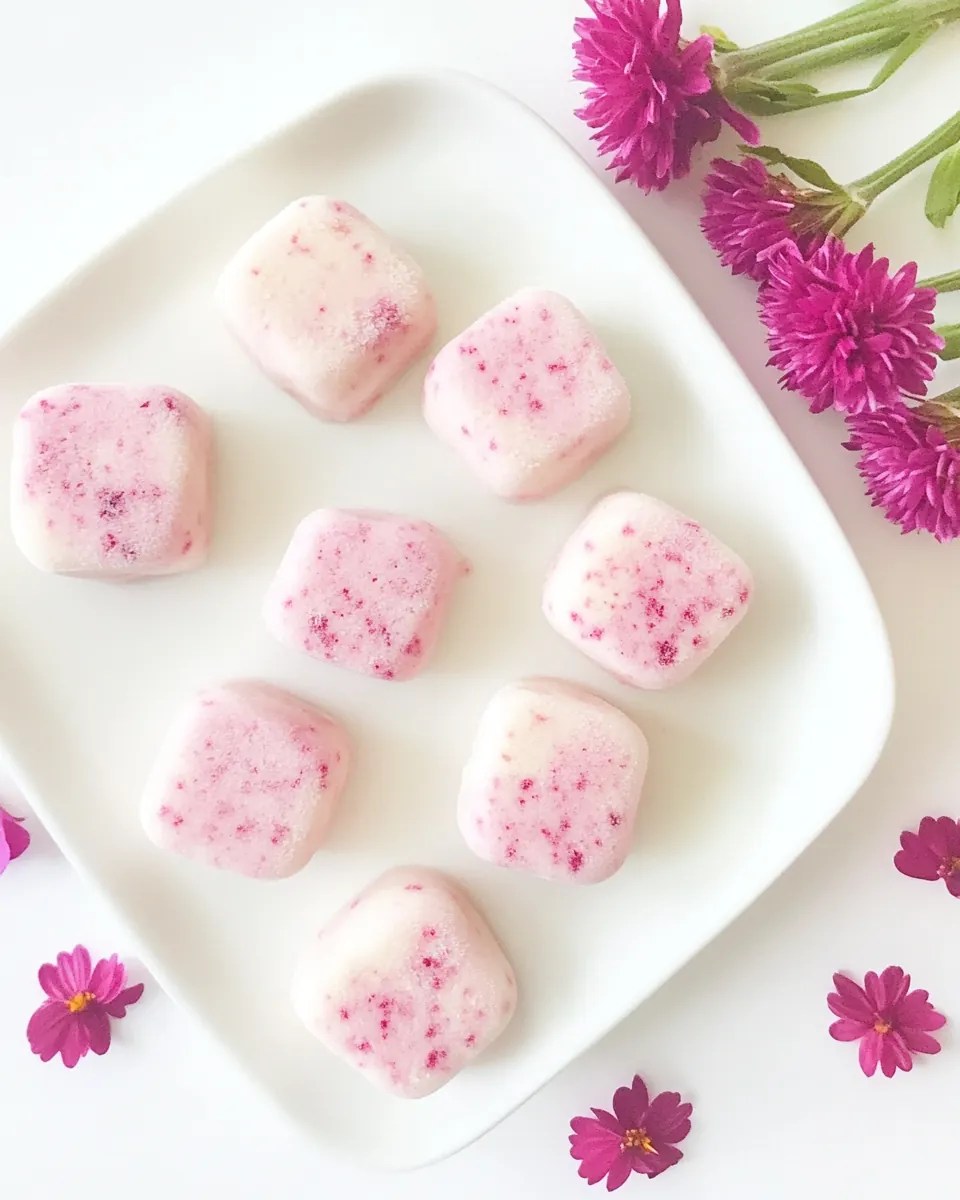
I like to keep a few practical tricks handy when I make Frozen Yogurt Bites. These notes help with texture, storage, and flavor balance so each batch is as enjoyable as the last.
- Choose the right berries – Opt for firm, ripe mixed berries rather than overripe ones to limit excess liquid and improve freezing texture; if berries are slightly overripe, drain some juice before blending.
- Use thick yogurt – Full fat or strained vanilla Greek yogurt produces a creamier bite and prevents an icy finish; if your yogurt is thin, strain it in a fine mesh for 30 minutes before using.
- Mind the tray size – Smaller cavities freeze faster and create creamier centers, while larger molds take longer and yield a firmer, icier bite, so pick the tray size to match the texture you prefer.
- Minimize freezer openings – Place trays in the coldest section and avoid opening the freezer frequently during the 3 to 4 hours freeze period to ensure consistent setting.
- Seal well – Transfer frozen bites to airtight freezer bags and remove excess air to maintain flavor and prevent freezer burn; portion into small bags for easy snacks.
Serving This Frozen Yogurt Bites
These bites are versatile in how you serve them, and they work well across occasions from lunchboxes to light desserts. Below I describe serving ideas, pairings, and storage details in list form so you can pick the approach that fits your moment.
- Casual snacking – Serve a handful straight from the freezer in a small bowl for a quick, chilled treat during hot afternoons.
- Lunchbox addition – Pack several in a small insulated container to keep lunches cool and add a healthy frozen dessert alternative.
- Party platter – Arrange different shapes and colors of Frozen Yogurt Bites on a tray for a kid friendly party station that is visually appealing and easy to grab.
- Post workout snack – Offer a small portion as a refreshing, protein rich bite to cool down and replenish after exercise.
- Storage tips – Keep them in airtight freezer bags in the back of the freezer for up to one month, labeling with the date to track freshness and avoid freezer flavors.
- Seasonal pairing – These are ideal in summer when berries are at their peak, but they also brighten indoor gatherings in cooler months when you crave something refreshing.
FAQ
Conclusion
Frozen Yogurt Bites are special because they deliver creamy, fruity flavor in a tiny, portable package that is effortless to make. I encourage you to try this recipe when you want a quick, wholesome snack that feels indulgent without fuss. Keep an eye on berry ripeness and yogurt thickness, experiment with tray shapes, and enjoy how versatile these little frozen treats can be for snacks, gatherings, or lunchboxes.
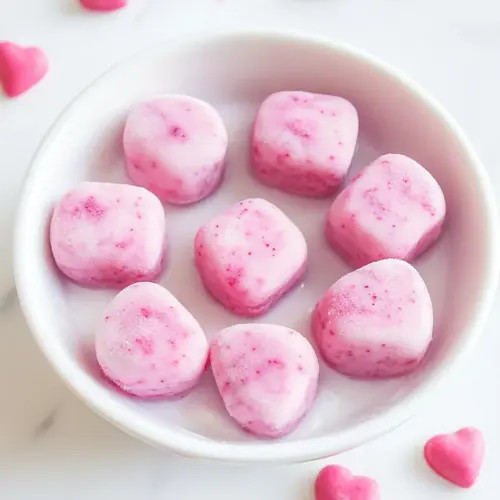
Frozen Yogurt Bites
Equipment
- Equipment
- The Best Homemade Kid’s Snacks on the Planet
- Clean Treats Cookbook
Ingredients
- 1 cup mixed berries, for ours, we used strawberries, blackberries, and raspberries Provide bright, fresh flavor and natural sweetness while contributing color and texture; chop larger berries for even freezing and distribute evenly in the tray to avoid clumping. Include a mix of varieties to balance tartness and sweetness, and lightly macerate if extra juice is desired for easier spooning. Serve as the primary fruit component that complements the creamy yogurt base and adds visual appeal when popped from the mold.
- 1 cup vanilla Greek yogurt Supply a creamy, tangy base that binds the fruit and freezes into a smooth, scoopable texture; choose full-fat Greek yogurt for richer mouthfeel or low-fat for lighter bites. Stir gently to ensure uniform consistency before portioning into the silicone tray, and lightly sweeten if preferred to balance berry tartness. Act as the dairy component that provides protein and structure to the frozen bites.
- Silicone ice cube tray, any shape Allow easy removal of frozen bites and determine the final shape, making portioning simple and consistent; choose a flexible silicone tray for effortless popping and minimal breakage. Ensure the tray is clean and dry before filling to prevent sticking and freeze on a level surface for even setting. Function as the mold that controls size and presentation of each frozen yogurt bite.
Instructions
- Place the mixed berries in a small blender, and blend until they are coarsely chopped. Add the vanilla yogurt and blend until smooth.: You will notice the color deepen and a fragrant berry aroma lifting as you pulse the mixed berries , with small flecks still visible if you stop early. This texture gives little bursts of fruit in the finished bites and prevents the mixture from becoming uniformly pink, which I find less interesting. A frequent mistake is overblending, which completely liquefies the berries and releases more water, making the frozen bites icier, so pulse just enough to break the berries down to coarse pieces. The sound will be a gentle chopping rather than a steady whirr when you do short pulses, and visually you should still see tiny seeds and bits of flesh. If your blender warms the mixture, pause and scrape the sides, as heat can soften the texture and change freezing time.
- Pour the mixture into the silicone ice cube trays and transfer to the freezer. Freeze for 3 to 4 hours or until frozen solid.: As you add the vanilla Greek yogurt , the mixture becomes creamier and the raw fruit tang mellows into a harmonious pink hue. The smell will shift from purely fruity to a subtle, creamy scent with a hint of vanilla, and the texture should become thick and pourable rather than runny. This step matters because blending the yogurt fully integrates the dairy proteins with the fruit, which creates a more cohesive frozen bite and reduces ice crystal formation. Avoid adding too much additional liquid, and do not overblend into a thin slurry, because that leads to an icier mouthfeel once frozen. If you see separation, stop and fold gently with a spatula to combine, as aggressive blending can also incorporate excess air that changes the final creaminess.
- Once they're solid, transfer the frozen bites out of the trays into freezer bags.: Slowly pouring the mixture into each cavity helps control portions and keeps the surface smooth. You will see the mixture settle, and the surface should look glossy and uniform. If air bubbles appear, tap the tray gently on the counter to release them, resulting in a denser, creamier bite. This technique is important because trapped air pockets can make the texture less pleasant, and uneven filling causes inconsistent freezing. One mistake is overfilling the cavities, which makes demolding difficult and may cause the bites to freeze together. Use a small spoon or a measuring cup with a spout for precision, and place the trays flat in the coldest part of the freezer to ensure even freezing.
- Freeze for 3 to 4 hours or until frozen solid: You will notice the trays change from glossy to matte and firm when the bites are set, and the cold air in the freezer will remove residual warmth quickly. The timing depends on the cavity size and your freezer's temperature, so check after 3 hours by gently pressing the surface; it should feel firm and resist indentation. This waiting time is crucial for texture, because partially frozen centers will be too soft and prone to melting, whereas overfreezing is seldom a problem for these small bites. A typical error is opening the freezer repeatedly, which lengthens freezing time and can introduce temperature fluctuations, so try to minimize door openings. If your freezer is packed, give them extra time and ensure the tray sits on a flat surface for uniform setting.
- Once they're solid, transfer the frozen bites out of the trays into freezer bags: The moment you flex the silicone ice cube tray the pieces should pop out easily, emitting a faint scent of frozen yogurt and berries. Transferring them to airtight freezer bags protects their flavor and prevents freezer burn, which preserves texture and taste for weeks. Work quickly but gently, laying them in a single layer first to avoid clumping, then press out excess air before sealing. A common pitfall is leaving them exposed on a baking sheet in the freezer, where they can absorb other odors or get freezer frost, so airtight storage is essential. Label the bag with the date to keep track of freshness, and store at the back of the freezer where the temperature is most consistent.
Notes
- Choose the right berries - Opt for firm, ripe mixed berries rather than overripe ones to limit excess liquid and improve freezing texture; if berries are slightly overripe, drain some juice before blending.
- Use thick yogurt - Full fat or strained vanilla Greek yogurt produces a creamier bite and prevents an icy finish; if your yogurt is thin, strain it in a fine mesh for 30 minutes before using.
- Mind the tray size - Smaller cavities freeze faster and create creamier centers, while larger molds take longer and yield a firmer, icier bite, so pick the tray size to match the texture you prefer.
- Minimize freezer openings - Place trays in the coldest section and avoid opening the freezer frequently during the 3 to 4 hours freeze period to ensure consistent setting.
- Seal well - Transfer frozen bites to airtight freezer bags and remove excess air to maintain flavor and prevent freezer burn; portion into small bags for easy snacks.