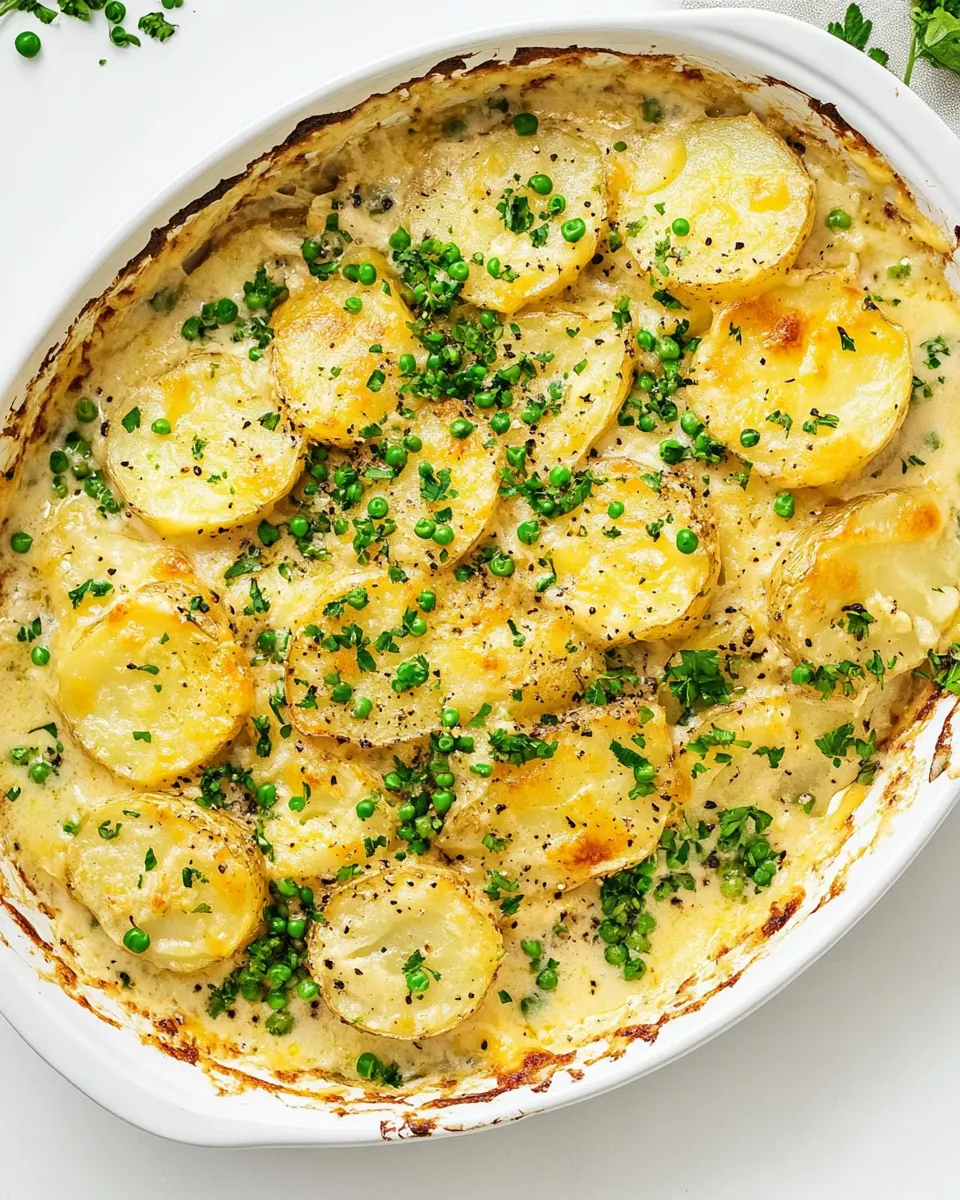
Vegan Scalloped Potatoes
Vegan Scalloped Potatoes is the kind of recipe I reach for when I want comfort without fuss. The first time I made it, a rainy Saturday slowed the city down and I found myself standing at the counter with a stack of potatoes, a blender full of creamy cashew sauce, and the kind of quiet focus that turns cooking into a small ceremony. My kitchen filled with warm, savory aromas that promised a cozy dinner and a little celebration of simple ingredients.
I grew up with scalloped potatoes at holiday tables, but I wanted to recreate that silky, layered warmth without dairy. Converting it to a plant based version felt like a small act of invention, and I was surprised at how naturally the flavors settled into that classic profile. The cashew based sauce gives body and silkiness, while the thinly sliced potatoes bake into tender ribbons that hold each bite together. When friends came by, they could not believe this was vegan.
Every time I make Vegan Scalloped Potatoes I adjust the seasoning a little, sometimes adding more salt or scattering chopped fresh chives on top for brightness. It is a forgiving dish, one that rewards patience more than precision. I often tell people that the slow bake is where the magic happens, the kind of slow transformation that produces bubbling edges and creamy centers. This recipe has become my go to when I want something warming, shareable, and reliably satisfying.
Recipe Snapshot
1 hr 30 mins
15 mins
75 mins
Medium
250 kcal
American
Vegan, Gluten-Free
Side Dishes
High speed blender, Large skillet, 9×13 inch baking dish, Mandoline or sharp knife
Why We Love This Vegan Scalloped Potatoes
Comfort Without Compromise
I love that Vegan Scalloped Potatoes delivers the same rich mouthfeel as the traditional dish, but uses plant based ingredients that let everyone at the table dig in. The cashew cream creates a lush texture that clings to each slice, so every bite feels indulgent in the best way.
Simple Ingredients, Big Impact
This recipe leans on pantry friends like nutritional yeast and vegetable broth to build savory depth. I appreciate recipes where a handful of thoughtful items can transform into something memorable, and that is exactly what happens here. The approach is efficient, and the payoff is high.
Flexible and Friendly
I’ve made this casserole for weeknight dinners and for holiday spreads, and it fits both roles easily. You can prep elements ahead, and the layers hold up well, which makes it a great choice if you want to spend less time at the stove and more time with guests.
Textures That Tell a Story
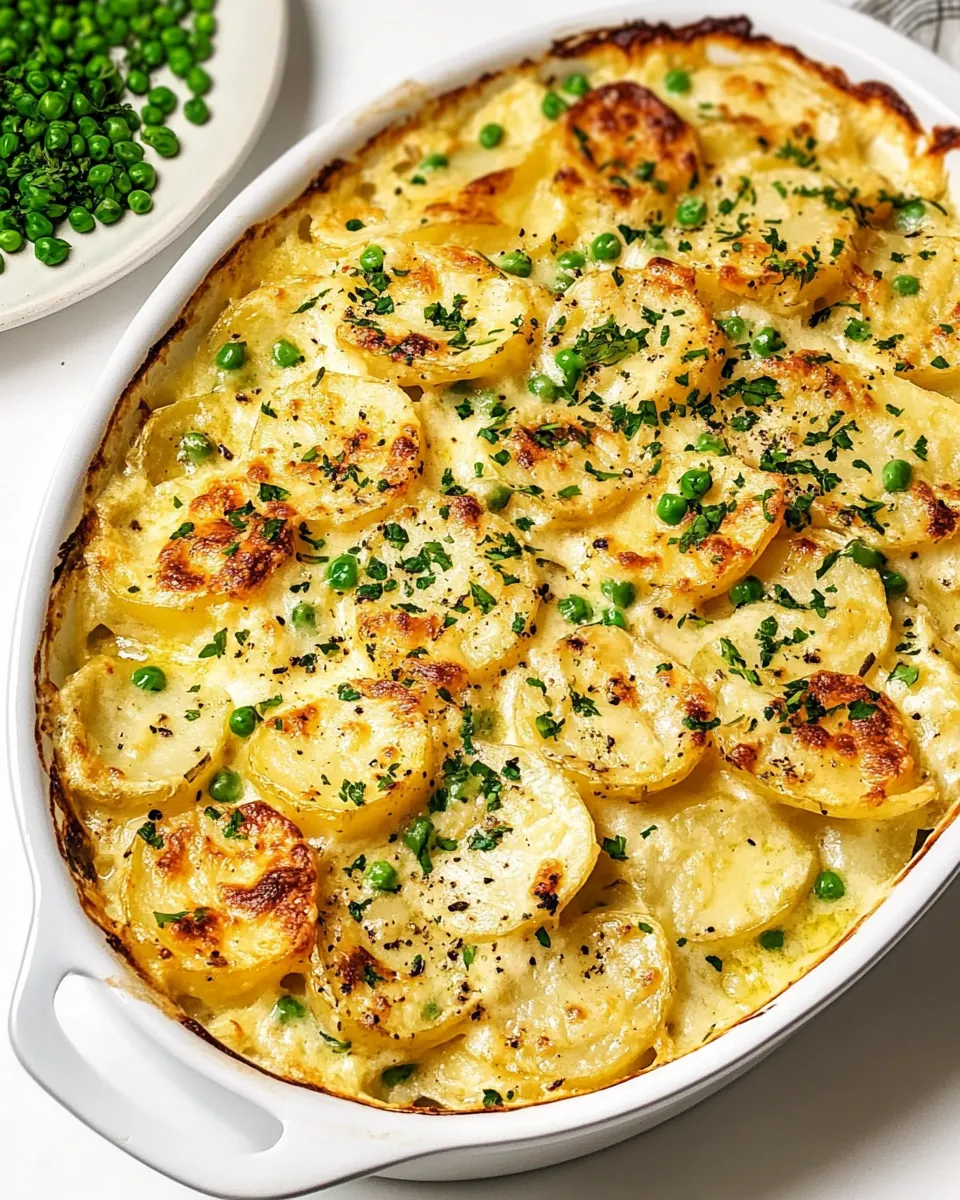
What keeps me coming back is the contrast between the soft, almost velvet center and the slightly caramelized edges where the sauce bubbles up. That variety in mouthfeel makes the dish feel crafted, not just assembled. It is the sort of home cooking that earns compliments without needing complicated techniques.
Approachable for All Skill Levels
Finally, I adore how approachable this is. You do not need specialized skills to get excellent results, just attention to slicing and a patient bake. I like to encourage cooks of every level to give it a go, because it rewards care more than experience.
What to Gather for Vegan Scalloped Potatoes
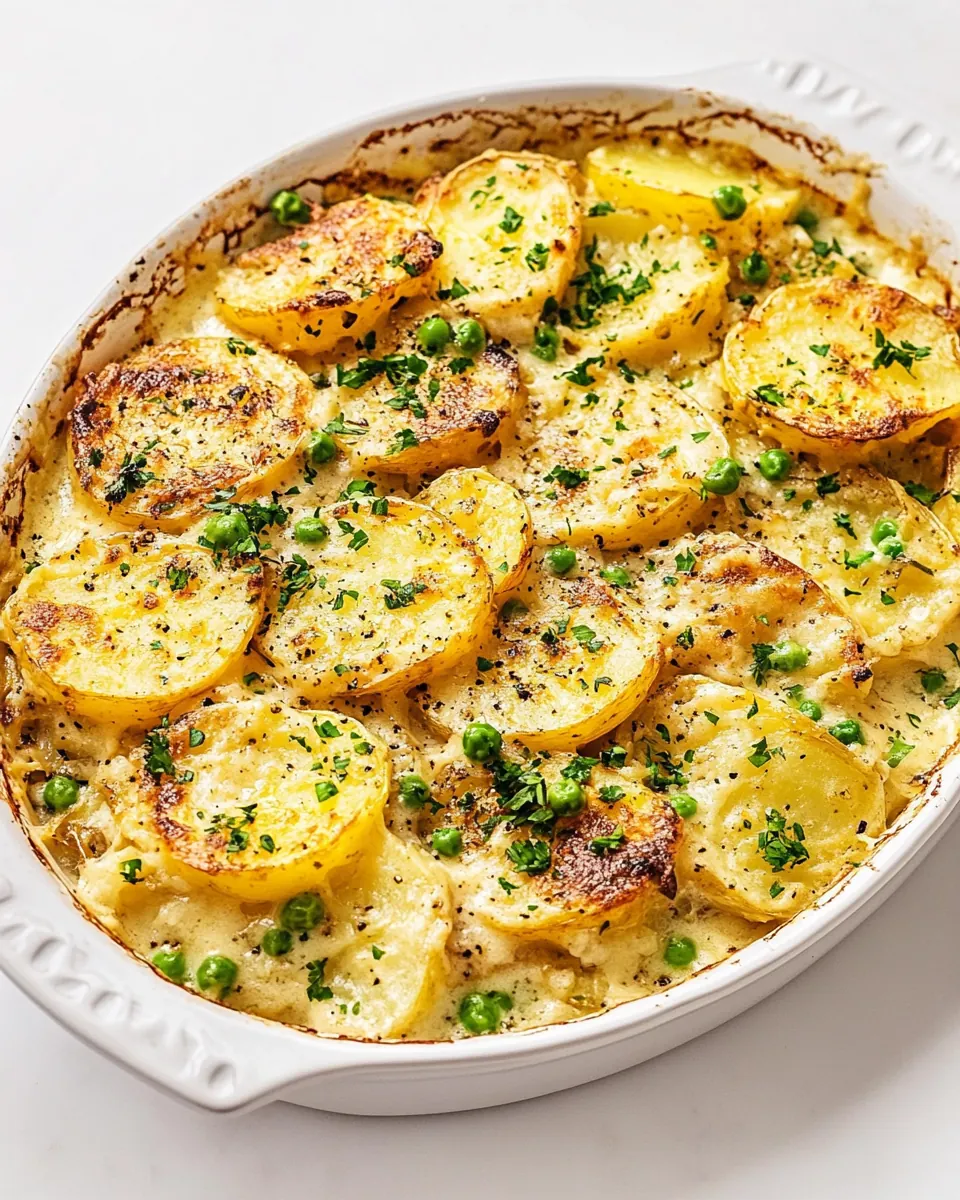
The ingredient list for Vegan Scalloped Potatoes is intentionally focused. I aim for ingredients that layer flavor and texture without clutter. The key players are the potatoes for structure, the cashews for creaminess, and the savory trio of vegetable broth, nutritional yeast, and salt to lift the profile. A little olive oil, sautéed onion and garlic add aromatic depth, while chopped fresh chives bring a bright finish.
- 4 pounds Yukon Gold potatoes: Peel and slice into uniform rounds to ensure even cooking; provides a creamy, tender base and substantial texture for the casserole. Yukon Golds hold shape well while offering a naturally buttery flavor that enhances the dish without dairy.
- 1 2/3 cups raw cashews soaked in hot water for 5 minutes then drained: Soak briefly then drain before blending to create a silky, nut-based cream; supplies rich, velvety body and healthy fats to mimic traditional cheese sauce. Raw cashews also lend a neutral, slightly sweet backdrop that carries savory seasonings.
- 2 cups vegetable broth: Simmer with aromatics or add to blended cashew cream for depth and moisture; contributes savory umami and helps achieve a saucy consistency. Vegetable broth boosts flavor while keeping the dish fully plant-based.
- 2 cups unsweetened almond milk: Heat gently or combine with nuts when pureeing to form a smooth, creamy sauce; delivers subtle nuttiness and thins the mixture to a luscious, pourable texture. Unsweetened almond milk maintains neutrality without adding sweetness.
- 1/2 cup nutritional yeast: Stir into the sauce to introduce a nutty, cheesy flavor and enhance savory complexity; fortifies the vegan 'cheese' profile and contributes to a golden finish when baked. Nutritional yeast also adds B vitamins and depth.
- 1 1/4 teaspoons salt: Dissolve into the sauce to season layers evenly; crucial for balancing flavors and preventing blandness in the final bake. Salt also helps draw moisture from potatoes, improving texture and melding components.
- 2 teaspoons olive oil: Sauté with onions or use to coat the baking dish, adding a fruity, aromatic note while preventing sticking; elevates mouthfeel and adds a light richness. Olive oil also helps soften aromatics and carries flavors throughout.
- 1 medium onion thinly sliced: Cook slowly until softened and slightly caramelized to impart sweetness and savory complexity; acts as a base flavor that complements the creamy sauce and tender potatoes. Thin slicing ensures even distribution and pleasant texture in each bite.
- 4 garlic cloves minced: Mince finely and gently cook with onions to release aromatic pungency and savory warmth; boosts overall flavor profile and balances richness. Garlic also adds characteristic depth that enhances the casserole's savory elements.
- Chopped fresh chives , for garnish (optional): Chop finely and sprinkle over the finished dish to add a fresh, onion-like brightness and subtle color contrast; serves as an optional garnish that lifts flavors and provides a crisp herbal note.
Making This Vegan Scalloped Potatoes
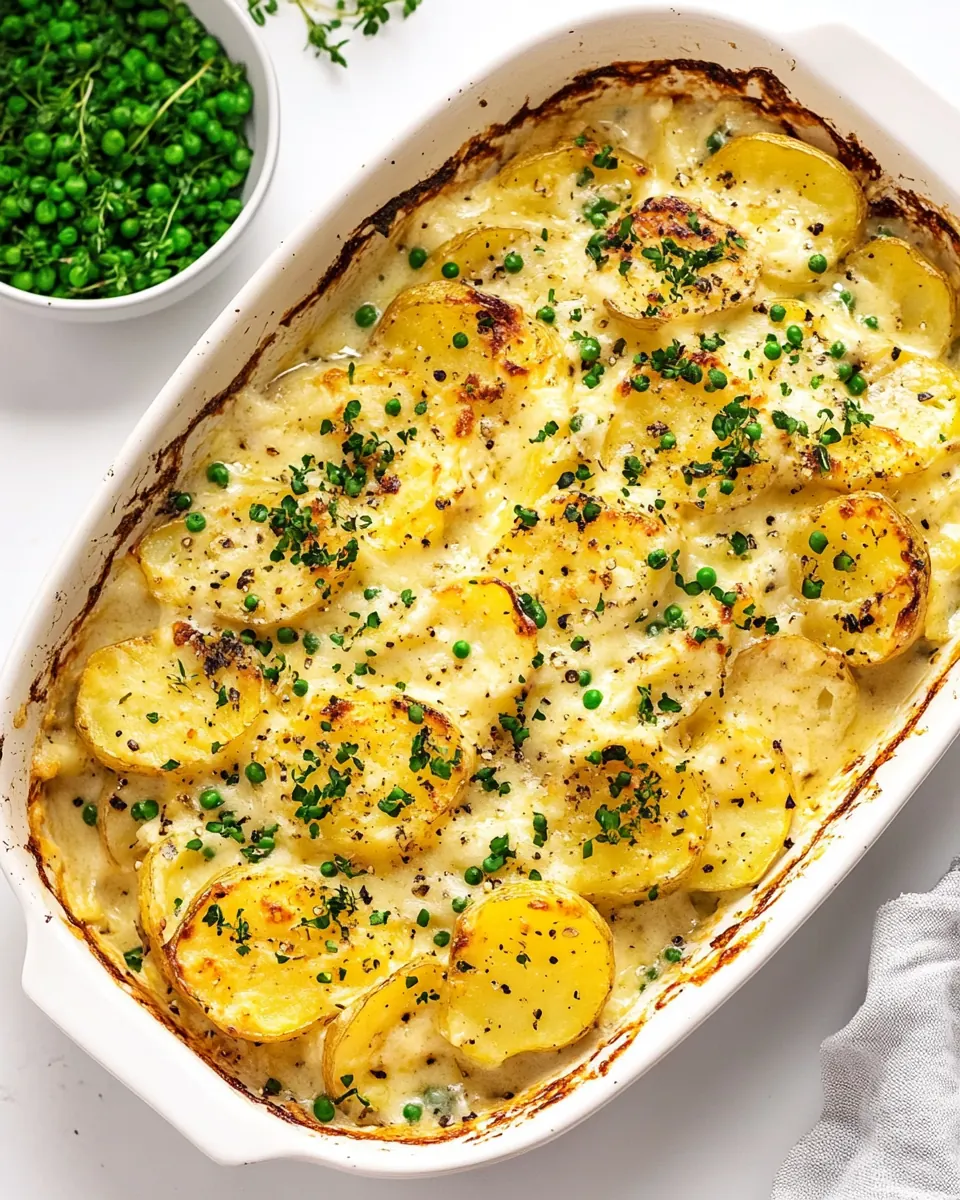
This recipe asks for a bit of pacing, and I enjoy the slow rhythm of assembling layers and watching them transform in the oven. Follow the sequence and give the casserole the time it needs, because the payoff is a silky interior and bubbling, slightly browned edges. Below I expand each direction into helpful, sensory rich guidance so you feel confident at every step.
- Preheat your oven to 400°F and lightly grease a 9×13-inch baking dish.: The oven heat creates steady, even baking so the potatoes become tender without drying out. You should feel the warmth when you open the oven door and hear the faint hum of the preheating element as it reaches temperature. Greasing the dish prevents sticking and encourages those golden edges to release easily. A common mistake is skipping preheating, which can lengthen the bake and produce uneven doneness; always wait until the oven signals it has reached 400°F .
- Peel the potatoes and slice them into 1/8-inch rounds. Set aside in a bowl of cold water if not using immediately.: Thin, uniform slices are the secret to even cooking and a cohesive texture. As you slice, notice the smooth, pale flesh of the potatoes and the slight resistance of a well sharpened knife or mandoline. Placing slices in cold water prevents them from oxidizing and keeps them bright. Avoid irregular thickness, because thick slices may remain firm while thin ones overcook, producing an inconsistent casserole.
- Place the cashews, vegetable broth, almond milk, nutritional yeast, and salt in a high-speed blender. Blend until very smooth to create a creamy sauce. If the sauce is too thick, thin it with a little bit more almond milk.: When you blend these, the motor should hum steadily and the mixture will first pulse then smooth into a glossy, pale sauce. The aroma will shift from raw nuts to a warm, savory scent as the nutritional yeast integrates. If the sauce seems too thick, thinning it with small amounts of extra almond milk helps it coat the slices evenly. A typical error is under blending, which leaves a grainy texture instead of the desired velvety cream.
- Heat olive oil in a large skillet over medium heat. Add the sliced onion and sauté for 3-4 minutes until translucent. Stir in the minced garlic and cook for an additional 1 minute.: You will see the onion soften and become glossy, and the scent will turn sweet and aromatic. Stirring prevents uneven browning and helps the edges to caramelize gently. After the onion is translucent, stir in the minced garlic and cook for an additional 1 minute until fragrant; garlic releases a fragrant warmth that signals readiness. The mistake to avoid here is letting the garlic brown too much, which introduces a bitter note to the dish.
- Spread half of the sliced potatoes evenly in the prepared baking dish. Pour half of the blended sauce over the potatoes, then distribute the sautéed onions and garlic evenly on top. Layer the remaining potato slices over this mixture, then pour the rest of the sauce over the casserole.: As you layer, notice how the sauce settles into the crevices, coating each slice and promising tenderness in the finished dish. The interplay of creamy sauce and thin potato layers ensures every forkful has balance. Press lightly so the layers make contact without compressing them flat; this allows even baking and sauce penetration. A common pitfall is uneven layering, which can trap sauce in pockets and leave other areas dry, so take a moment to distribute the components evenly.
- Cover the dish with foil. Bake in the preheated oven until the potatoes are fork tender, about 60-70 minutes. Take the dish out of the oven, remove the foil, and let sit for 5 minutes.: During baking you will notice gentle bubbling at the edges and a faint golden hue forming where the sauce kisses the dish. The smell will deepen into savory comfort, and a fork should slide through the center slices without resistance when ready. Removing the foil toward the end encourages slight browning on top, creating contrast in texture. Letting the casserole rest for 5 minutes allows the sauce to settle and thicken, making it easier to slice. Avoid opening the oven repeatedly, which cools the cavity and extends cook time.
- Optionally sprinkle chopped fresh chives over the top before serving while warm.: The final scatter of chopped chives adds a bright green contrast and a fresh oniony note that lifts the dish. When you add them warm, they release a gentle fragrance without wilting, preserving color and texture. This finishing touch changes the first impression from purely rich to balanced and inviting. A misstep is adding herbs too early, which causes them to lose vibrancy, so reserve them until right before serving.
Helpful Hints
I like to think of these hints as small habits that lead to big results. They reflect little adjustments I make each time to elevate texture and flavor. Keep them in mind while prepping and baking to get the best version of Vegan Scalloped Potatoes.
- Slice consistently, use a mandoline or a sharp knife to ensure each slice is about 1 1/8-inch thick, which promotes even cooking and a pleasing layered texture.
- Soak cashews briefly, even a short soak in hot water softens them enough to blend into a silky sauce without grittiness, which is crucial for that creamy mouthfeel.
- Adjust sauce thickness, if the blended mixture seems too thin add slightly more cashews or blend less liquid into it, while if it is too thick thin with small amounts of almond milk.
- Control salt carefully, because broths vary widely in salt content taste before pouring and add small increments to avoid over salting the entire dish.
- Don’t rush the bake, long, steady heat yields tender potatoes and bubbling edges; opening the oven often extends time and can disrupt even cooking.
- Garnish last, add chopped fresh chives right before serving to preserve color and fresh flavor, which brightens the rich casserole.
Serving Suggestions
Serving Vegan Scalloped Potatoes is about balance and presentation, and I like to pair it with simple sides that contrast texture and lift the palate. It works beautifully for family dinners and festive occasions alike, offering a warm, shareable centerpiece. Below I outline ways to present and pair it so the meal feels cohesive and inviting.
- Family style main, serve the casserole straight from the baking dish on the table so everyone can help themselves, making it ideal for casual dinners and a relaxed atmosphere.
- Holiday side, place the dish alongside roasted vegetables and a green salad for a complete holiday spread where the creamy casserole plays the comforting supporting role.
- Weeknight pairing, combine with a lightly dressed leafy green for contrast, the crispness of the salad cuts through the richness of the creamy layers and keeps the meal balanced.
- Make ahead, assemble the casserole up to the point of baking and refrigerate overnight; bring to room temperature before baking and add extra 5 to 10 minutes to cook time if chilled.
- Storage tips, cool completely, cover tightly, and refrigerate for up to 4 days; reheat in a 350°F oven until warmed through to revive texture and avoid microwave sogginess.
- Occasion ideas, it works for brunch, lunch, dinner, and holiday gatherings like Thanksgiving or cozy fall meals when hearty sides are welcome.
FAQ
Conclusion
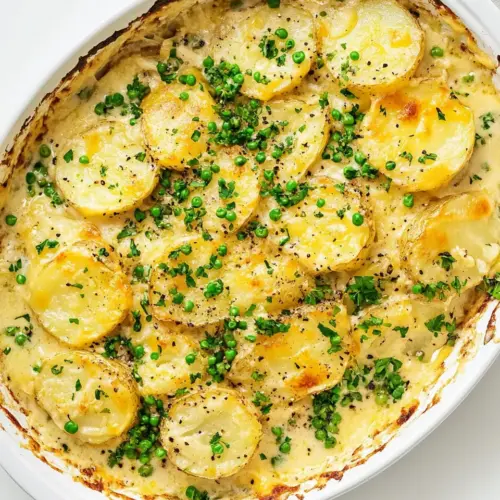
This Vegan Scalloped Potatoes recipe is special because it recreates that classic creamy, layered comfort without dairy, using cashew cream and thoughtful seasonings to achieve depth and texture. Give it a try when you want a crowd pleasing side or a cozy family main, because the technique is approachable and the results are reliably comforting. I hope you enjoy the warm aromas, the tender potatoes, and the bright finish from fresh chives; it has become a favorite in my kitchen for good reason.
Vegan Scalloped Potatoes
Equipment
- High Speed Blender
- Large Skillet
- 9x13-inch Baking Dish
- Mandoline or sharp knife
Ingredients
- 4 pounds Yukon Gold potatoes Peel and slice into uniform rounds to ensure even cooking; provides a creamy, tender base and substantial texture for the casserole. Yukon Golds hold shape well while offering a naturally buttery flavor that enhances the dish without dairy.
- 1 2/3 cups raw cashews soaked in hot water for 5 minutes then drained Soak briefly then drain before blending to create a silky, nut-based cream; supplies rich, velvety body and healthy fats to mimic traditional cheese sauce. Raw cashews also lend a neutral, slightly sweet backdrop that carries savory seasonings.
- 2 cups vegetable broth Simmer with aromatics or add to blended cashew cream for depth and moisture; contributes savory umami and helps achieve a saucy consistency. Vegetable broth boosts flavor while keeping the dish fully plant-based.
- 2 cups unsweetened almond milk Heat gently or combine with nuts when pureeing to form a smooth, creamy sauce; delivers subtle nuttiness and thins the mixture to a luscious, pourable texture. Unsweetened almond milk maintains neutrality without adding sweetness.
- 1/2 cup nutritional yeast Stir into the sauce to introduce a nutty, cheesy flavor and enhance savory complexity; fortifies the vegan 'cheese' profile and contributes to a golden finish when baked. Nutritional yeast also adds B vitamins and depth.
- 1 1/4 teaspoons salt Dissolve into the sauce to season layers evenly; crucial for balancing flavors and preventing blandness in the final bake. Salt also helps draw moisture from potatoes, improving texture and melding components.
- 2 teaspoons olive oil Sauté with onions or use to coat the baking dish, adding a fruity, aromatic note while preventing sticking; elevates mouthfeel and adds a light richness. Olive oil also helps soften aromatics and carries flavors throughout.
- 1 medium onion thinly sliced Cook slowly until softened and slightly caramelized to impart sweetness and savory complexity; acts as a base flavor that complements the creamy sauce and tender potatoes. Thin slicing ensures even distribution and pleasant texture in each bite.
- 4 garlic cloves minced Mince finely and gently cook with onions to release aromatic pungency and savory warmth; boosts overall flavor profile and balances richness. Garlic also adds characteristic depth that enhances the casserole's savory elements.
- Chopped fresh chives optional, for garnish Chop finely and sprinkle over the finished dish to add a fresh, onion-like brightness and subtle color contrast; serves as an optional garnish that lifts flavors and provides a crisp herbal note.
Instructions
- Preheat your oven to 400°F and lightly grease a 9×13-inch baking dish.: The oven heat creates steady, even baking so the potatoes become tender without drying out. You should feel the warmth when you open the oven door and hear the faint hum of the preheating element as it reaches temperature. Greasing the dish prevents sticking and encourages those golden edges to release easily. A common mistake is skipping preheating, which can lengthen the bake and produce uneven doneness; always wait until the oven signals it has reached 400°F .
- Peel the potatoes and slice them into 1/8-inch rounds. Set aside in a bowl of cold water if not using immediately.: Thin, uniform slices are the secret to even cooking and a cohesive texture. As you slice, notice the smooth, pale flesh of the potatoes and the slight resistance of a well sharpened knife or mandoline. Placing slices in cold water prevents them from oxidizing and keeps them bright. Avoid irregular thickness, because thick slices may remain firm while thin ones overcook, producing an inconsistent casserole.
- Place the cashews, vegetable broth, almond milk, nutritional yeast, and salt in a high-speed blender. Blend until very smooth to create a creamy sauce. If the sauce is too thick, thin it with a little bit more almond milk.: When you blend these, the motor should hum steadily and the mixture will first pulse then smooth into a glossy, pale sauce. The aroma will shift from raw nuts to a warm, savory scent as the nutritional yeast integrates. If the sauce seems too thick, thinning it with small amounts of extra almond milk helps it coat the slices evenly. A typical error is under blending, which leaves a grainy texture instead of the desired velvety cream.
- Heat olive oil in a large skillet over medium heat. Add the sliced onion and sauté for 3-4 minutes until translucent. Stir in the minced garlic and cook for an additional 1 minute.: You will see the onion soften and become glossy, and the scent will turn sweet and aromatic. Stirring prevents uneven browning and helps the edges to caramelize gently. After the onion is translucent, stir in the minced garlic and cook for an additional 1 minute until fragrant; garlic releases a fragrant warmth that signals readiness. The mistake to avoid here is letting the garlic brown too much, which introduces a bitter note to the dish.
- Spread half of the sliced potatoes evenly in the prepared baking dish. Pour half of the blended sauce over the potatoes, then distribute the sautéed onions and garlic evenly on top. Layer the remaining potato slices over this mixture, then pour the rest of the sauce over the casserole.: As you layer, notice how the sauce settles into the crevices, coating each slice and promising tenderness in the finished dish. The interplay of creamy sauce and thin potato layers ensures every forkful has balance. Press lightly so the layers make contact without compressing them flat; this allows even baking and sauce penetration. A common pitfall is uneven layering, which can trap sauce in pockets and leave other areas dry, so take a moment to distribute the components evenly.
- Cover the dish with foil. Bake in the preheated oven until the potatoes are fork tender, about 60-70 minutes. Take the dish out of the oven, remove the foil, and let sit for 5 minutes.: During baking you will notice gentle bubbling at the edges and a faint golden hue forming where the sauce kisses the dish. The smell will deepen into savory comfort, and a fork should slide through the center slices without resistance when ready. Removing the foil toward the end encourages slight browning on top, creating contrast in texture. Letting the casserole rest for 5 minutes allows the sauce to settle and thicken, making it easier to slice. Avoid opening the oven repeatedly, which cools the cavity and extends cook time.
- Optionally sprinkle chopped fresh chives over the top before serving while warm.: The final scatter of chopped chives adds a bright green contrast and a fresh oniony note that lifts the dish. When you add them warm, they release a gentle fragrance without wilting, preserving color and texture. This finishing touch changes the first impression from purely rich to balanced and inviting. A misstep is adding herbs too early, which causes them to lose vibrancy, so reserve them until right before serving.
Notes
- Slice consistently, use a mandoline or a sharp knife to ensure each slice is about 1 1/8-inch thick, which promotes even cooking and a pleasing layered texture.
- Soak cashews briefly, even a short soak in hot water softens them enough to blend into a silky sauce without grittiness, which is crucial for that creamy mouthfeel.
- Adjust sauce thickness, if the blended mixture seems too thin add slightly more cashews or blend less liquid into it, while if it is too thick thin with small amounts of almond milk.
- Control salt carefully, because broths vary widely in salt content taste before pouring and add small increments to avoid over salting the entire dish.
- Don’t rush the bake, long, steady heat yields tender potatoes and bubbling edges; opening the oven often extends time and can disrupt even cooking.
- Garnish last, add chopped fresh chives right before serving to preserve color and fresh flavor, which brightens the rich casserole.