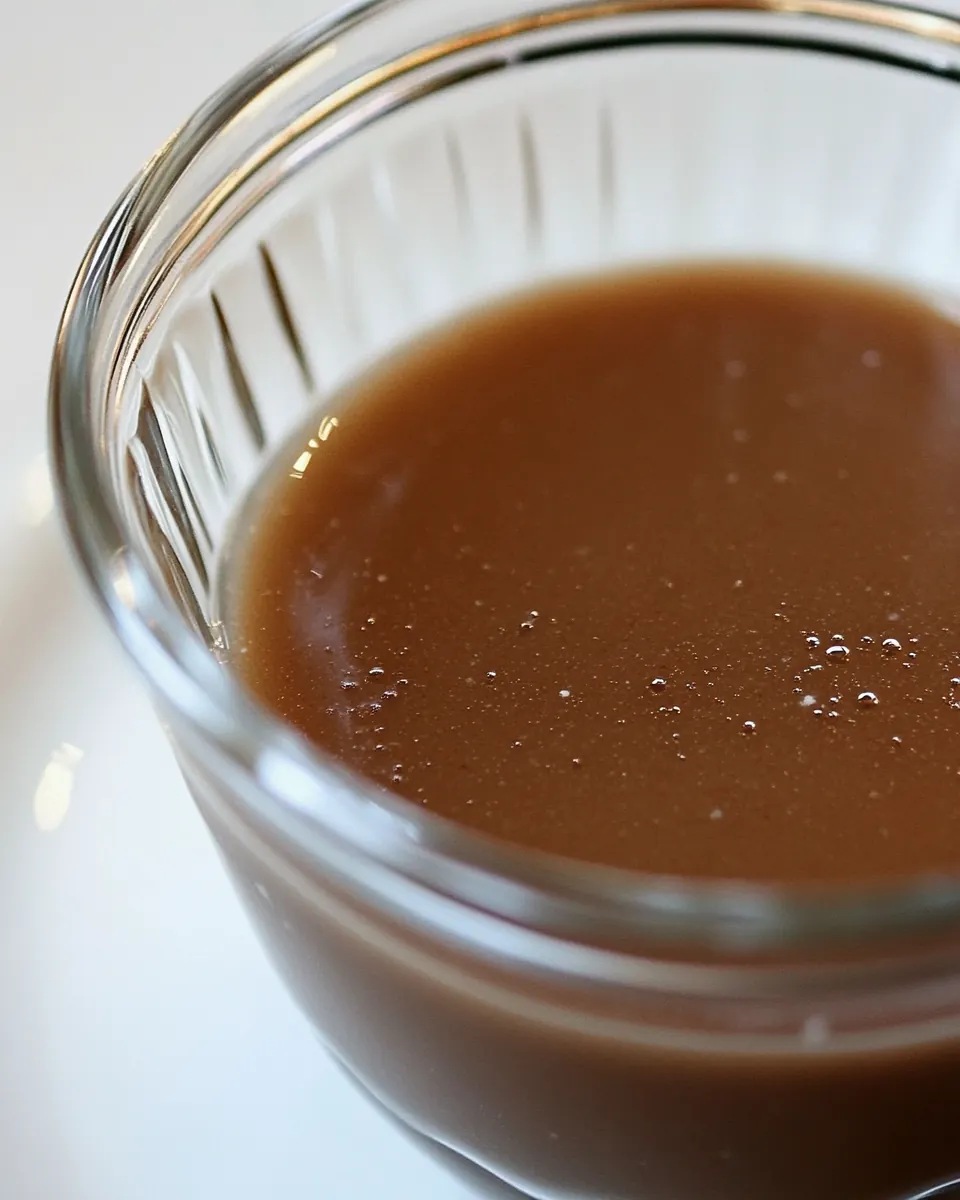
Butterscotch Sauce
Butterscotch Sauce began for me as a quick fix on a rainy afternoon when I wanted something warm and comforting to spoon over a bowl of plain ice cream.
I remember standing at the stove with a small saucepan, the scent of melted butter and caramelizing light brown sugar filling the kitchen, while a slow, steady bubble told me everything was coming together. That first batch was imperfect, a little grainy in places, yet it tasted like a hug, so I kept refining the process over many evenings and weekend experiments. Each tweak taught me more about how the simple trio of butter, brown sugar, and heavy cream behaves, and how a touch of vanilla extract at the end lifts the whole sauce.
Since then, I’ve served Butterscotch Sauce warm over roasted fruit, drizzled on pancakes, and spooned into jars to gift friends. The recipe is forgiving, and you can see and hear when it’s right, which is why I love making it when I want something that feels homemade in minutes. It never fails to make people smile, and it stores well so I can pull it out on a busy weeknight to add a special finish to a simple dessert.
Recipe Snapshot
8 mins
5 mins
3 mins
Easy
200 kcal
American
Gluten-Free, Low FODMAP
Desserts
Saucepan, Wooden spoon, Measuring cups
Why This Butterscotch Sauce Is a Winner
Comfort in a Spoon
One reason I keep coming back to Butterscotch Sauce is its immediate comfort factor. The warm, buttery aroma transports me to family gatherings, and serving it always feels like handing someone a small luxury. I often reach for it when I want an easy way to elevate plain desserts, because a single spoonful changes texture and flavor profoundly.
Simple, High Impact Ingredients
I love that this recipe uses a handful of pantry staples, yet delivers a complex, layered flavor. The interplay between butter and light brown sugar creates a toasty, slightly molasses note, while heavy cream brings silkiness. A splash of vanilla extract at the end brightens the whole sauce, so you get depth without fuss.
Fast and Forgiving
Timing is generous with Butterscotch Sauce. It cooks quickly, so you don’t need to plan far ahead, and it’s forgiving if you keep your eye on the pan. If you let it bubble steadily without stirring for the brief simmer, the texture becomes perfect. I appreciate a recipe that rewards attention without demanding it, and this one fits that bill.
Versatility on the Table
Whether I spoon it over ice cream, swirl it into yogurt, or drizzle it on roasted fruit, Butterscotch Sauce adapts to many dishes. It also stores well, which makes it an excellent make-ahead component for gatherings. I often prepare a jar in advance when I know friends will be stopping by, because it elevates simple desserts into memorable treats.
Small Tricks, Big Results
There are tiny details that make a big difference, and this sauce responds to them. The moment you remove the pan from heat before adding the remaining cream avoids scorching, and stirring in the vanilla extract off the heat preserves its aromatic qualities. Over time, these small habits have transformed a basic caramel idea into my go-to Butterscotch Sauce.
Key Ingredients for Butterscotch Sauce
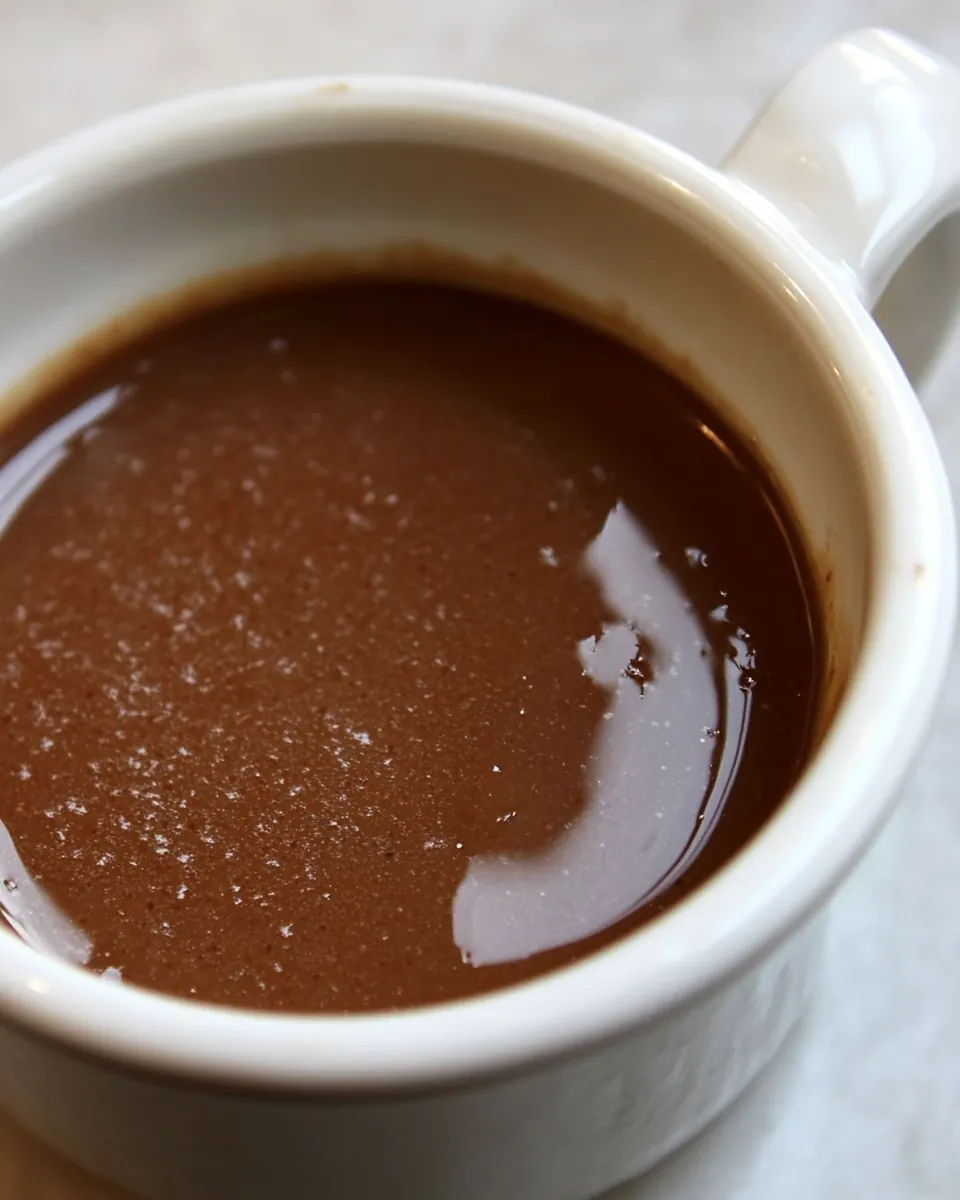
The philosophy behind these ingredients is a study in balance. Each element plays a distinct role: one for fat and richness, one for sweetness and depth, one for silkiness, and one for aroma. When combined with attention to heat and timing, they yield a glossy, pourable sauce that feels luxurious even though it is remarkably simple.
- 4 tablespoons (55 g) salted butter: Melds into a rich base that adds silky texture and a savory richness to balance the sauce; melt slowly to prevent burning and stir constantly for an even emulsion. Contributes fats that carry flavor and create a glossy finish when combined with sugar and cream.
- 1 cup (180 g) packed light brown sugar: Provides deep caramel-like sweetness and moisture that forms the backbone of butterscotch flavor when dissolved and cooked; brown sugar also adds a subtle molasses note that enhances complexity. Pack tightly when measuring to ensure consistent sweetness and proper caramelization.
- 1/4 cup (90 ml) plus 6 tablespoons (60 ml) heavy cream: Enriches the sauce with creamy body and helps create a smooth, pourable consistency when added gradually and warmed; reserve part to adjust final thickness if needed. Use warm cream to avoid shocking the hot sugar–butter mixture and to promote smooth incorporation.
- 1/2 teaspoon vanilla extract: Imparts a fragrant warmth and rounds out sweetness with a subtle aromatic lift; stir in at the end off heat to preserve delicate flavor. Small amount enhances overall depth without overpowering the sauce.
The Method for Butterscotch Sauce
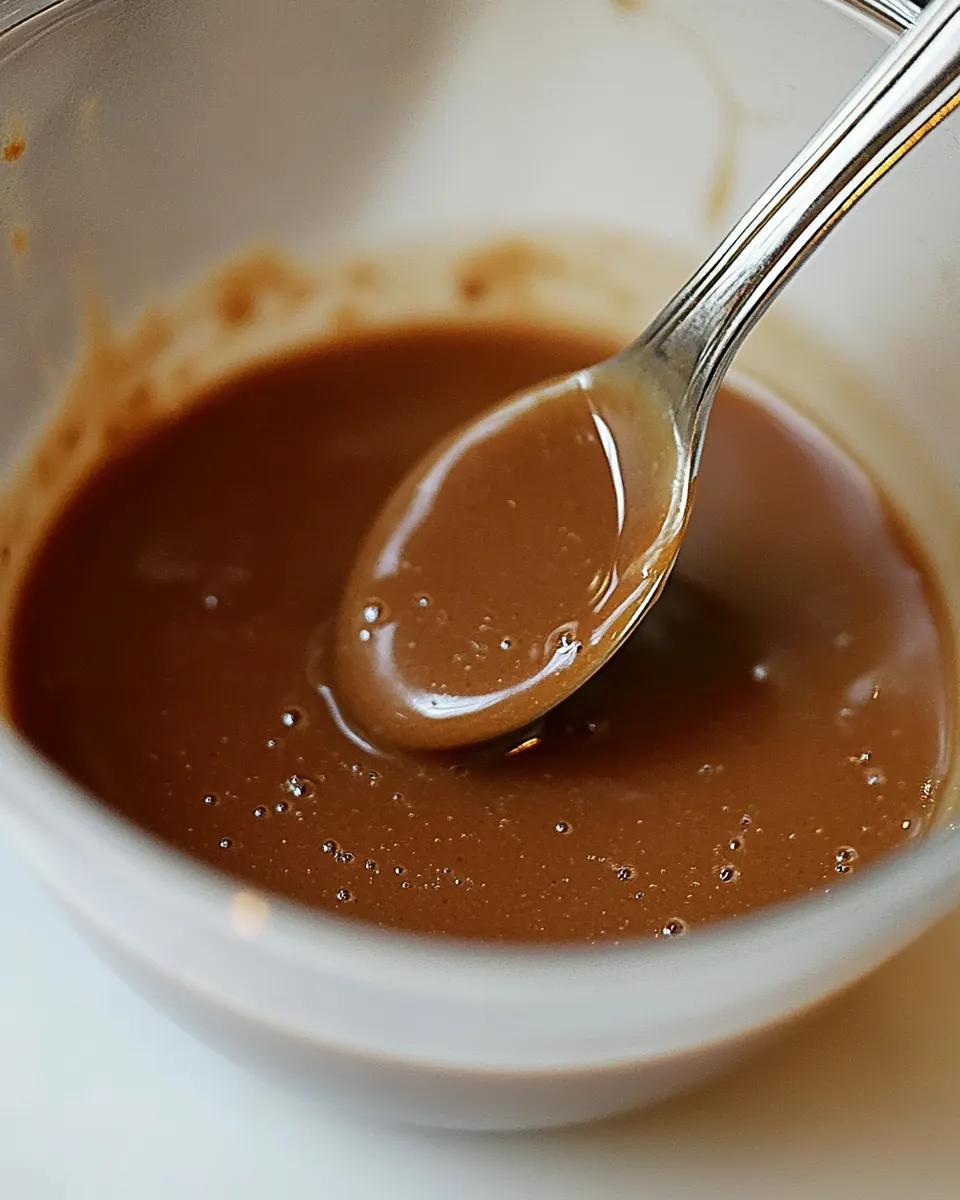
Making this sauce is a short, focused process that rewards attention to heat and timing. Gather your ingredients, use a wide pan to encourage even heating, and stay nearby so you can monitor the bubbling. The directions below expand on each step to help you sense when the sauce has reached the perfect moment.
- In a wide saucepan or skillet, melt the butter with the brown sugar and the 1/4 cup of heavy cream, stirring until smooth.: The moment the butter hits the pan you'll notice a nutty aroma as it melts, and as you stir in the light brown sugar the mixture begins to smooth into a glossy batter like texture. Use a wide saucepan so the heat distributes evenly and evaporation happens at a steady pace, which promotes a clean, bright caramel note. While stirring, the sound is gentle, and the mixture should look uniform without grainy pockets. If the sugar seems stubborn, lower the heat and keep stirring until it dissolves completely. A common mistake here is rushing the heat, which can lead to uneven melting and tiny burned specks, so take a patient, steady approach.
- Without stirring, let the mixture cook at a bubbling simmer for three minutes.: As the pan sits, you'll hear a steady, soft bubbling that signals the sauce is reducing and concentrating flavor. This quiet simmer develops a deeper, toasty profile as some moisture evaporates, and leaving it undisturbed prevents grainy crystallization that can happen with constant agitation. Visually, you want a consistent, rolling simmer across the surface, not a violent boil, and the color should deepen to a warm golden brown. If vigorous boiling starts, lower the heat immediately, because too high a flame risks burning the sugars and introducing bitterness. Avoid stirring, because that can encourage recrystallization along the sides of the pan.
- Remove from heat and stir in the remaining 6 tablespoons of cream. Let cool a bit, then stir in the vanilla extract.: Once you take the pan off the stove, the first sensory cue is a change in the sauce's movement, as the addition of cooler heavy cream will momentarily thin and steam, releasing a fragrant, rich aroma. Stirring now builds a glossy emulsion and smooths the texture into a velvety pour. The reason for removing from heat is to prevent the cream from separating or scorching, which preserves that silky mouthfeel. If the sauce looks too thin, a brief return to very low heat can thicken it slightly, but proceed with caution. A common error is adding cold cream to a scorching pan, which can lead to sputtering and uneven texture, so temper the cream if needed.
- Let cool a bit, then stir in the vanilla extract: Cooling slightly softens the movement and allows the hot sauce to settle into a thicker consistency. When you fold in the vanilla extract , its fragrance lifts the whole profile, offering floral and sweet notes that balance the caramelized base. Stir gently until fully integrated and aromatic. If you add the vanilla while the sauce is scalding hot, some of the delicate volatile aromatics may dissipate, so a short pause off heat preserves the nuance. One mistake to avoid is over stirring at this late stage, which can introduce excess air and change the texture; gentle incorporation is all you need.
Make It Your Own
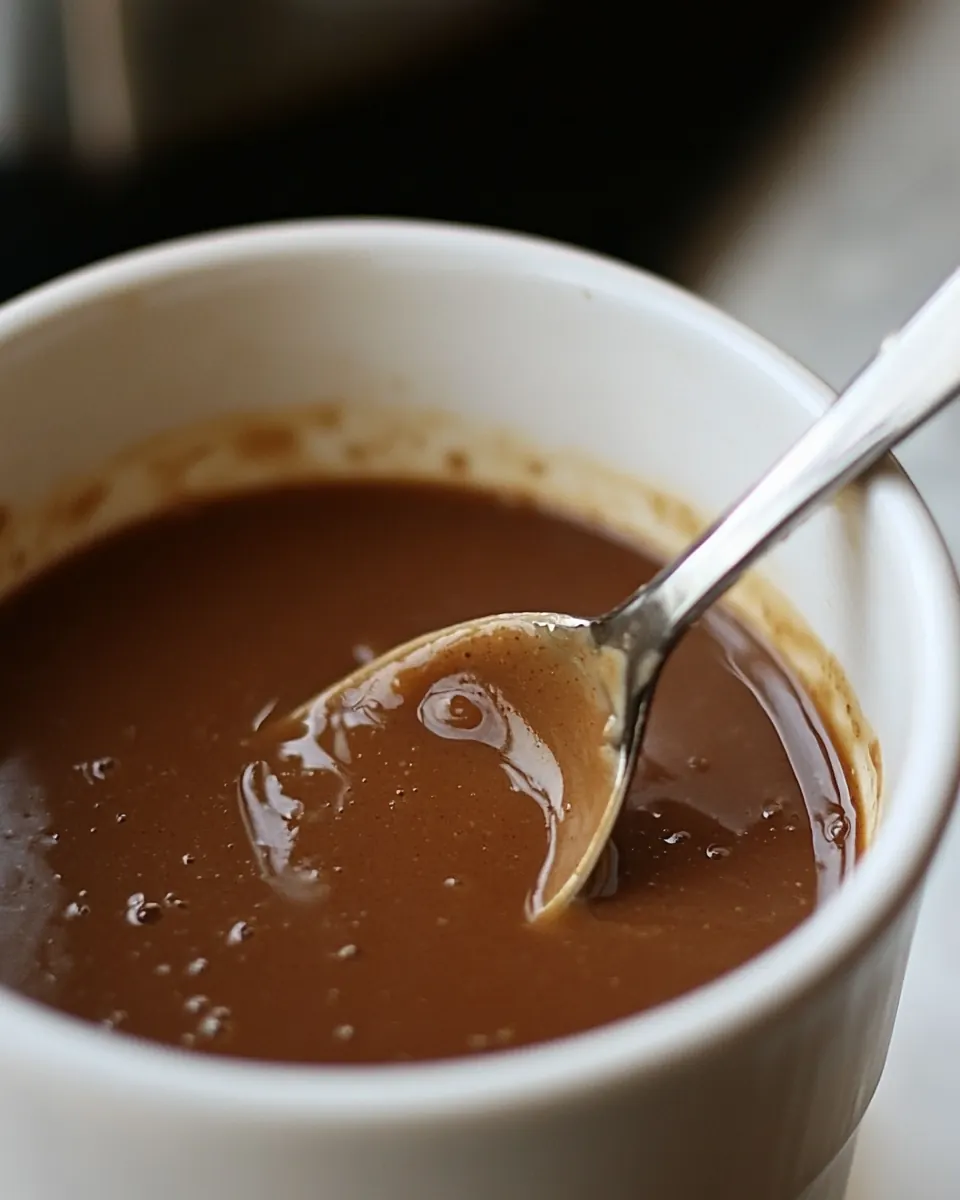
This section helps you personalize the sauce while keeping it reliable. Small adjustments and thoughtful serving ideas turn the base recipe into something uniquely yours, and the tips below focus on texture, storage, and presentation so you can make the sauce fit any occasion.
- Warm Serving: Serve the sauce warm straight from the pan or gently reheated, because the heat heightens the aroma and makes the sauce pour smoothly over desserts.
- Smoothing: If the texture is slightly grainy, strain the warm sauce through a fine mesh sieve to remove undissolved light brown sugar granules for a glassy finish.
- Storage: Cool the sauce to room temperature before sealing it in a jar, then refrigerate for up to two weeks; bring it back to warm slowly over low heat when you plan to use it.
- Reheating: Reheat on low heat in a small saucepan, stirring frequently so the sauce regains its gloss without scorching or separating.
- Make Ahead: Prepare the sauce up to two weeks ahead to save time before gatherings, and label jars with the date so you can track freshness.
Perfect Matches for Butterscotch Sauce
Butterscotch Sauce pairs beautifully with many desserts and seasonal offerings. Its rich, buttery sweetness works in contrast to tart fruits and brings warmth to creamy bases, making it a versatile finishing component. Below are detailed serving ideas, storage tips, and occasion suggestions presented as a list for easy reference.
- Ice Cream Topping: Drizzle warm sauce over vanilla or coffee ice cream for a luxurious contrast of hot and cold, perfect for casual desserts or special treats.
- Pancakes and Waffles: Use in place of syrup for a decadent brunch option that pairs especially well with buttered pancakes and toasted nuts.
- Roasted Fruit: Spoon over roasted pears or apples to introduce a buttery caramel note that complements their natural sweetness and slight acidity.
- Yogurt and Parfaits: Swirl into plain or Greek yogurt with granola for a quick yet indulgent breakfast or snack that balances creamy and crunchy textures.
- Gifting: Jar the sauce in a sterilized jar, seal, and label for a handmade gift; include reheating instructions to ensure the recipient enjoys it at its best.
- Occasions: Suitable for casual family dinners, brunch gatherings, festive holidays, and anytime you want an easy way to elevate desserts without complex preparation.
- Storage Tips: Refrigerate in a sealed jar for up to two weeks, and warm gently over low heat before serving to restore the silky consistency.
- Seasonal Pairings: Especially lovely during cooler months when warm sauces feel comforting, but equally at home in summer when paired with chilled ice cream or fruit.
- Portioning: Offer the sauce in a small warmed pitcher at the table so guests can control how much they add to their dessert, keeping the presentation tidy and flexible.
FAQ
Conclusion
What makes this recipe special is how a few pantry ingredients transform into a silky, richly flavored sauce that elevates simple desserts. I hope you give this Butterscotch Sauce a try, whether you drizzle it over ice cream, spoon it onto roasted fruit, or jar it as a thoughtful gift. It’s fast, forgiving, and reliably comforting, so once you make it a couple of times it will likely become a staple in your dessert repertoire.
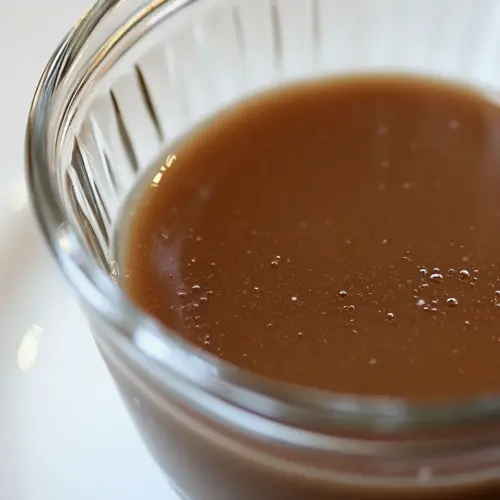
Butterscotch Sauce
Equipment
- Saucepan
- Wooden Spoon
- Measuring Cups
Ingredients
- 4 tablespoons (55 g) salted butter Melds into a rich base that adds silky texture and a savory richness to balance the sauce; melt slowly to prevent burning and stir constantly for an even emulsion. Contributes fats that carry flavor and create a glossy finish when combined with sugar and cream.
- 1 cup (180 g) packed light brown sugar Provides deep caramel-like sweetness and moisture that forms the backbone of butterscotch flavor when dissolved and cooked; brown sugar also adds a subtle molasses note that enhances complexity. Pack tightly when measuring to ensure consistent sweetness and proper caramelization.
- 1/4 cup (90 ml) plus 6 tablespoons (60 ml) heavy cream Enriches the sauce with creamy body and helps create a smooth, pourable consistency when added gradually and warmed; reserve part to adjust final thickness if needed. Use warm cream to avoid shocking the hot sugar-butter mixture and to promote smooth incorporation.
- 1/2 teaspoon vanilla extract Imparts a fragrant warmth and rounds out sweetness with a subtle aromatic lift; stir in at the end off heat to preserve delicate flavor. Small amount enhances overall depth without overpowering the sauce.
Instructions
- In a wide saucepan or skillet, melt the butter with the brown sugar and the 1/4 cup of heavy cream, stirring until smooth.: The moment the butter hits the pan you'll notice a nutty aroma as it melts, and as you stir in the light brown sugar the mixture begins to smooth into a glossy batter like texture. Use a wide saucepan so the heat distributes evenly and evaporation happens at a steady pace, which promotes a clean, bright caramel note. While stirring, the sound is gentle, and the mixture should look uniform without grainy pockets. If the sugar seems stubborn, lower the heat and keep stirring until it dissolves completely. A common mistake here is rushing the heat, which can lead to uneven melting and tiny burned specks, so take a patient, steady approach.
- Without stirring, let the mixture cook at a bubbling simmer for three minutes.: As the pan sits, you'll hear a steady, soft bubbling that signals the sauce is reducing and concentrating flavor. This quiet simmer develops a deeper, toasty profile as some moisture evaporates, and leaving it undisturbed prevents grainy crystallization that can happen with constant agitation. Visually, you want a consistent, rolling simmer across the surface, not a violent boil, and the color should deepen to a warm golden brown. If vigorous boiling starts, lower the heat immediately, because too high a flame risks burning the sugars and introducing bitterness. Avoid stirring, because that can encourage recrystallization along the sides of the pan.
- Remove from heat and stir in the remaining 6 tablespoons of cream. Let cool a bit, then stir in the vanilla extract.: Once you take the pan off the stove, the first sensory cue is a change in the sauce's movement, as the addition of cooler heavy cream will momentarily thin and steam, releasing a fragrant, rich aroma. Stirring now builds a glossy emulsion and smooths the texture into a velvety pour. The reason for removing from heat is to prevent the cream from separating or scorching, which preserves that silky mouthfeel. If the sauce looks too thin, a brief return to very low heat can thicken it slightly, but proceed with caution. A common error is adding cold cream to a scorching pan, which can lead to sputtering and uneven texture, so temper the cream if needed.
- Let cool a bit, then stir in the vanilla extract: Cooling slightly softens the movement and allows the hot sauce to settle into a thicker consistency. When you fold in the vanilla extract , its fragrance lifts the whole profile, offering floral and sweet notes that balance the caramelized base. Stir gently until fully integrated and aromatic. If you add the vanilla while the sauce is scalding hot, some of the delicate volatile aromatics may dissipate, so a short pause off heat preserves the nuance. One mistake to avoid is over stirring at this late stage, which can introduce excess air and change the texture; gentle incorporation is all you need.
Notes
- Warm Serving: Serve the sauce warm straight from the pan or gently reheated, because the heat heightens the aroma and makes the sauce pour smoothly over desserts.
- Smoothing: If the texture is slightly grainy, strain the warm sauce through a fine mesh sieve to remove undissolved light brown sugar granules for a glassy finish.
- Storage: Cool the sauce to room temperature before sealing it in a jar, then refrigerate for up to two weeks; bring it back to warm slowly over low heat when you plan to use it.
- Reheating: Reheat on low heat in a small saucepan, stirring frequently so the sauce regains its gloss without scorching or separating.
- Make Ahead: Prepare the sauce up to two weeks ahead to save time before gatherings, and label jars with the date so you can track freshness.