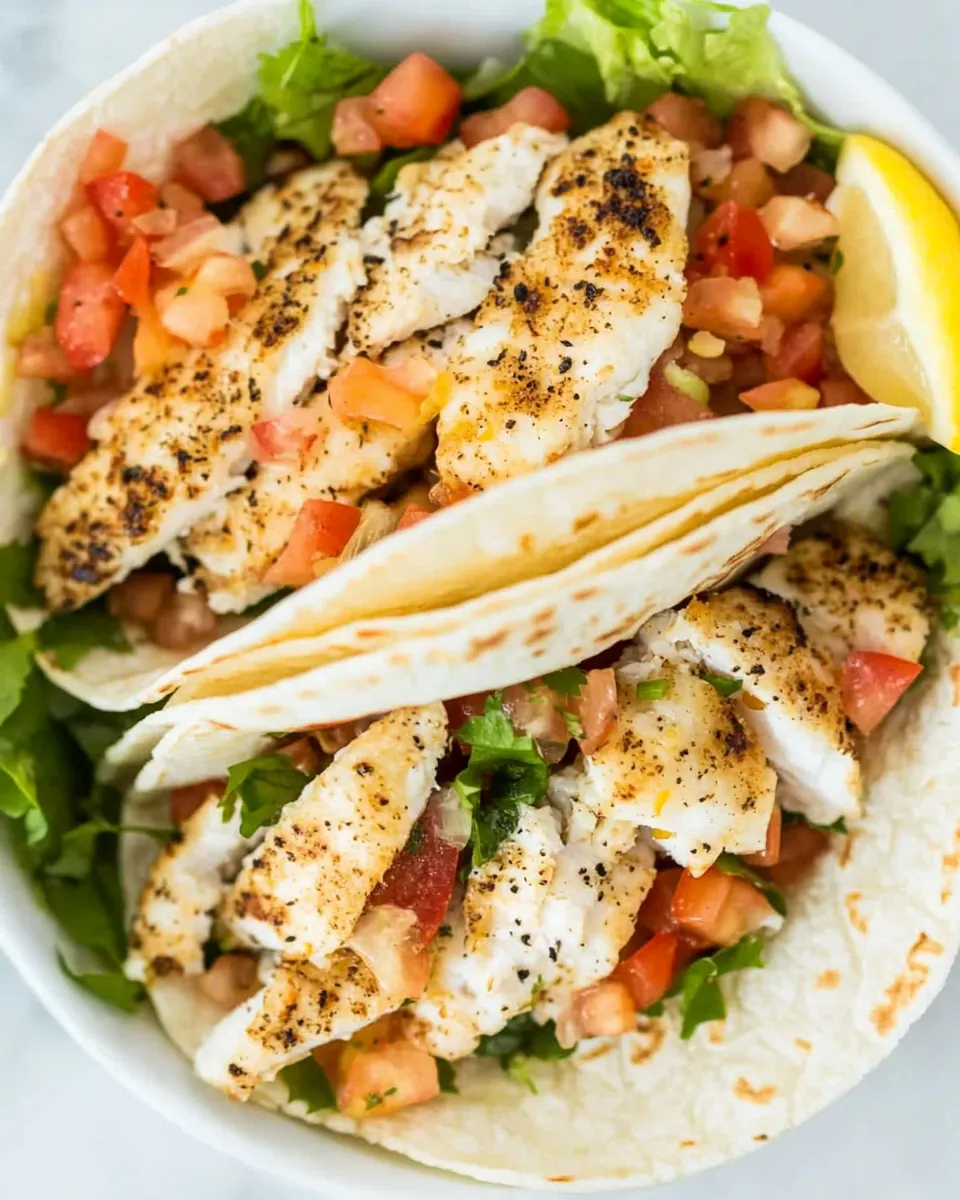
Easy 10 Minute Lemon Butter Grouper Fish Tacos
Easy 10 Minute Lemon Butter Grouper Fish Tacos started as one of those last minute weeknight rescues for me, a meal I could pull together from a nearly empty fridge and still feel proud serving at the table. I remember the first time I cooked it, juggling a phone call while searing a thick grouper fillet in bubbling butter, the citrus steam filling the kitchen and making everything smell like summer. It felt oddly luxurious to get restaurant style results with such minimal fuss, and I loved how the bright lemon cut through the richness of the butter to balance every bite.
Over the years I have tweaked the assembly for speed and satisfaction, paying attention to small details like warming the taco shells so they crisp just enough to hold the fish, and whisking a quick mustard honey sauce that adds tang and creaminess at the same time. Friends always ask how it looks so fresh even when it takes ten minutes, and my answer is usually about respecting temperatures, simple quality ingredients, and finishing touches that bring texture and color. I still get a thrill when the pan sizzles and the fish gets that gorgeous golden brown sear, it always feels like a little triumph.
When I serve Easy 10 Minute Lemon Butter Grouper Fish Tacos I try to make it feel casual but intentional, a meal that invites conversation without fuss. It’s become my go to when I want to impress without stress, whether for a quick weeknight dinner or a warm weather get together where people graze and chat. Every element has a role, from the crunchy lettuce to the sharp cheese to the silky sauce, and together they create a satisfying mouthful that keeps folks reaching for more.
Recipe Snapshot
10 mins
2 mins
8 mins
Easy
350 kcal
Mexican
Gluten-Free, Low FODMAP
Dinner
Large skillet, Small bowl, Tongs
What Sets This Easy 10 Minute Lemon Butter Grouper Fish Tacos Apart
Bright citrus meets rich butter
I love how the acidity of the lemon instantly brightens the butter sear on the grouper, creating a balance that feels both indulgent and fresh. That contrast is what turns simple pan seared fish into something memorable. It gives the tacos a lively finish so they never feel heavy.
Speed without sacrifice
We all need recipes that respect the clock, and this one does just that. With a tight cook time the fish keeps its flaky texture and the components do not get soggy. I appreciate being able to serve a dish that tastes like I spent hours, when really I spent minutes. That reliability makes it a staple in my rotation.
Layered textures and colors
The crisp lettuce, juicy tomato, and melted cheese provide a variety of mouthfeels that complement the tender grouper. I enjoy how every bite has a little crunch, a little creaminess, and a bright pop from the sauce. It’s a small lesson in how textures elevate simple ingredients.
Flexible and family friendly
I often tailor the toppings for different eaters, and this recipe is forgiving. You can plate it more simply for picky eaters or pile on extras for adventurous guests. The core technique stays the same, which means you get consistent results no matter who you are feeding.
Make ahead components
One of my favorite things about this dish is that the mustard honey sauce keeps in the fridge for days, and the fish reheats well enough for quick lunches. That small convenience turns a great dinner into a dependable lunch option, which I value on busy weeks.
What You Need for Easy 10 Minute Lemon Butter Grouper Fish Tacos
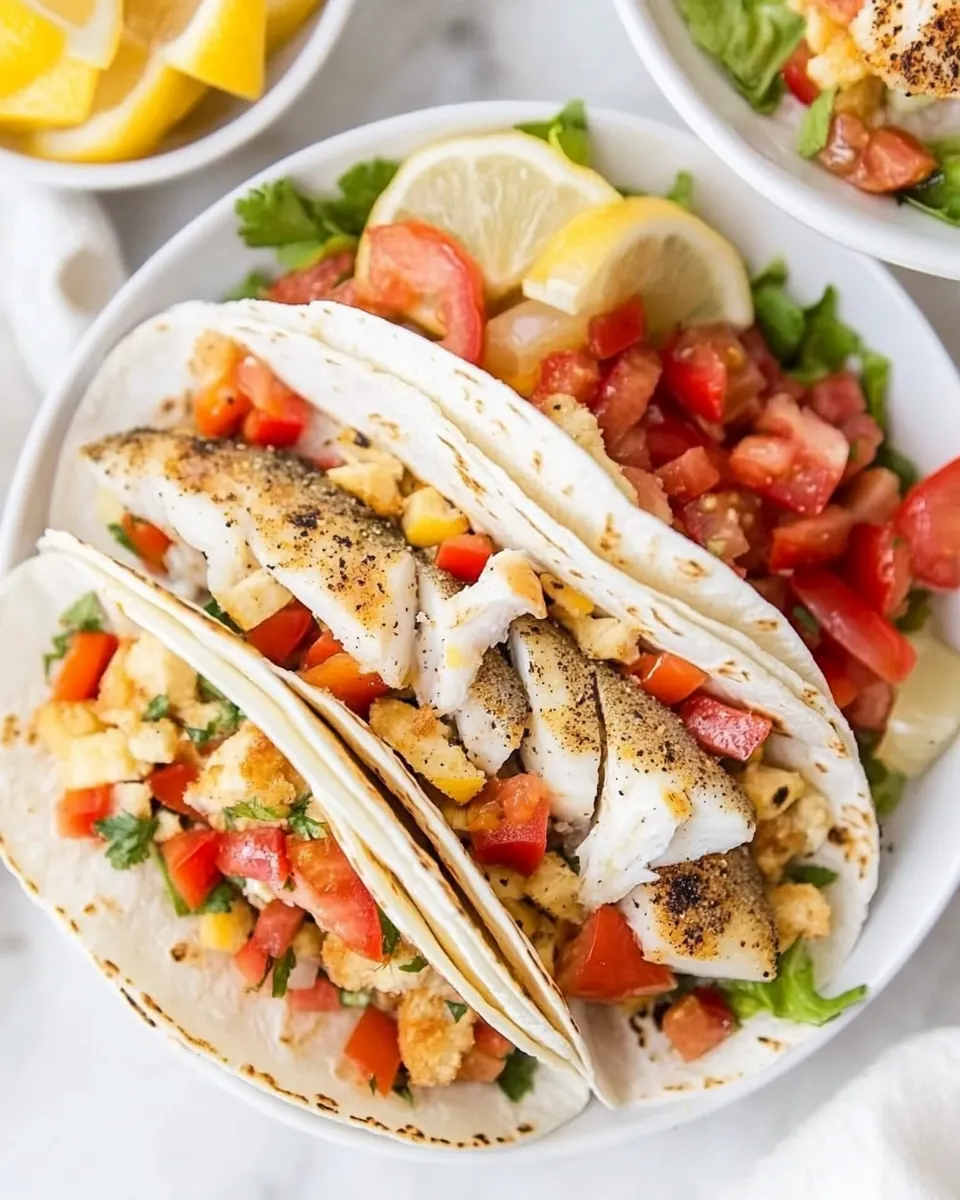
These ingredients are organized around a simple philosophy: keep the fish central, support it with crisp fresh toppings, and finish with a bright, slightly sweet sauce. The grouper is the star, the butter and lemon create the flavor foundation, and the taco shells plus crunchy vegetables bring texture and structure. Each item plays a clear role so the whole comes together quickly and reliably.
- 3 tablespoons butter: Melted and rich, used to pan-sear the fish and provide a luscious buttery coating that enhances flavor and mouthfeel. Adds a golden finish and helps carry lemon and seasoning throughout the dish. Helps prevent sticking and contributes to a silky sauce when combined with lemon juice.
- flour, for lightly dredging and coating fish: Lightly used as a thin coating to give the fish a delicate crust that helps retain moisture and improves browning. Provides a slight textural contrast between the tender grouper and the taco shell. Also helps seasoning adhere to the fillets during cooking.
- 2 large grouper filets, about 1 1/2 pounds: Firm and mild, selected as the primary protein for the tacos and cut into pieces suitable for quick cooking. Offers a flaky, meaty texture that pairs well with lemon butter and fresh toppings. Cooks quickly, making the recipe fast while staying moist when not overcooked.
- juice of 1 lemon, about 3 to 4 tablespoons: Bright and acidic, used to deglaze the pan and blend with butter to create a tangy sauce that balances richness. Adds fresh citrus flavor throughout the fish and dressing. Enhances overall brightness and helps cut through the fat.
- salt and pepper, to taste: Seasoning essentials applied to taste to enhance natural flavors and provide balance. Sprinkled on the fish before and after cooking to bring out savory notes. Simple but crucial for proper seasoning and flavor depth.
- taco or fajita shells: Flexible vehicle for the filling that holds the fish and toppings while contributing texture and convenience. Can be warmed or toasted to add slight crunch or softness depending on preference. Helps present the components as handheld tacos.
- 1 cup romaine or iceburg lettuce, chopped: Crisp and refreshing, used as a crunchy base layer inside the taco to add texture and a clean finish. Chopped leaves provide contrast to rich buttered fish and balance overall mouthfeel. Also offers a mild, slightly bitter note that complements other toppings.
- 1 tomato, diced: Juicy and fresh, diced to add bursts of acidity and sweetness to each bite, brightening the taco. Provides color and a pleasing textural contrast to the tender fish and creamy cheese. Can be salted lightly to draw out extra flavor.
- 1 cup shredded cheese, cheddar, Monterrey Jack, etc.: Melty and savory, sprinkled over the assembled tacos to add creamy, umami-rich richness and stringy texture when warm. Complements the lemon butter and binds toppings together for cohesive bites. Choice of cheeses can tweak sharpness and creaminess.
- 1/4 cup grainy dijon mustard: Tangy and grainy, mixed into a quick sauce or drizzle to add depth and piquant flavor to the tacos. Provides a textured mustard tang that pairs well with honey and lemon for a balanced dressing. Helps cut through the buttery richness of the fish.
- 2 tablespoons honey, or to taste: Sweetener used sparingly in the sauce to balance mustard sharpness and lemon acidity, creating a harmonious sweet-tart profile. Adjustable to taste to reach desired sweetness level in the dressing. Helps round flavors and mellow sharp edges.
- 1 tablespoon lemon juice, or to taste: Additional tang component used to fine-tune acidity in the sauce and brighten overall flavor. Added gradually to achieve the preferred lemony kick that complements butter and mustard. Useful for balancing sweetness and salt in the dressing.
- salt and pepper, to taste: Final seasoning applied to taste to ensure the assembled tacos have balanced savory flavor and proper seasoning. Used across the fish, sauce, and toppings as needed for cohesive seasoning. Essential for personalizing saltiness and pepper heat.
How to Make Easy 10 Minute Lemon Butter Grouper Fish Tacos
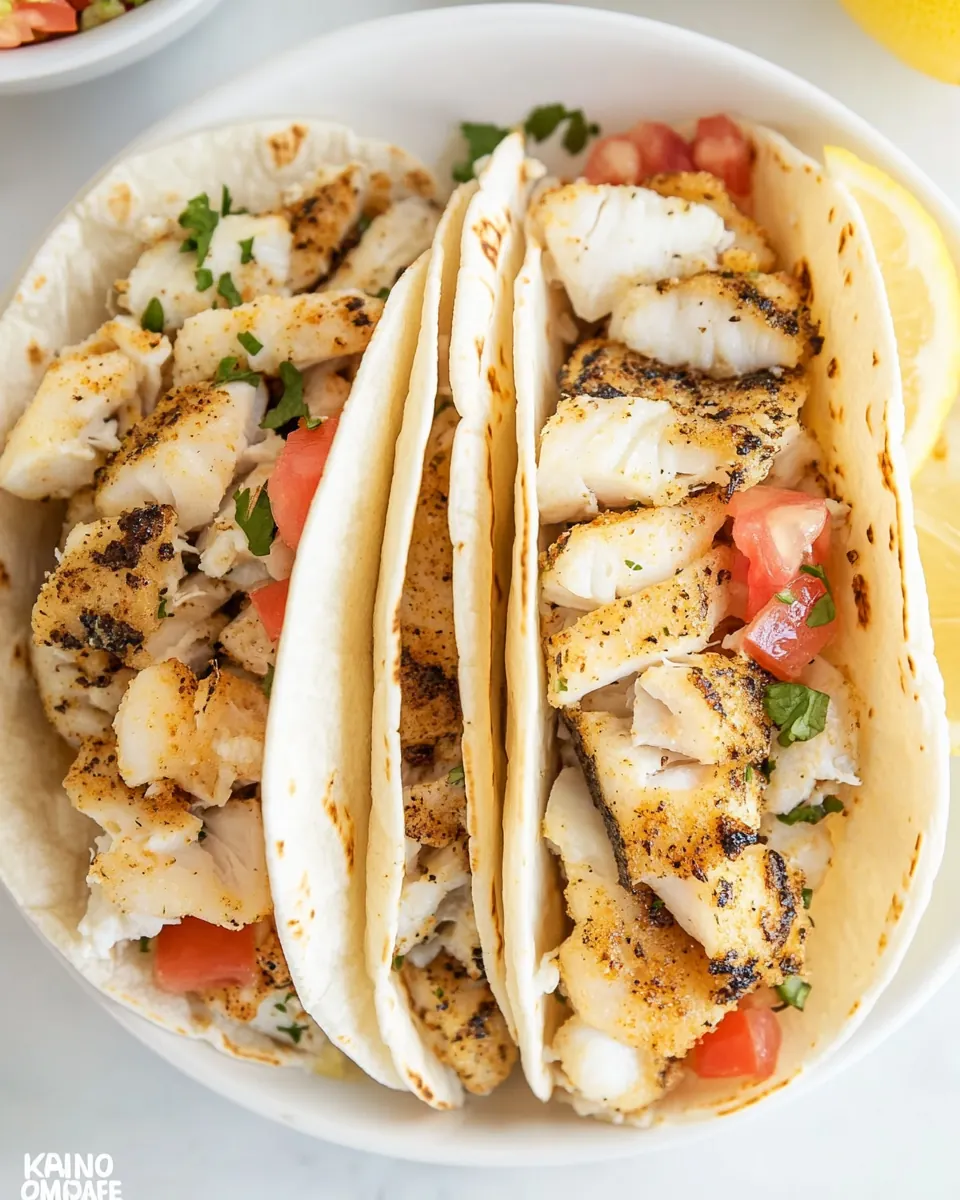
I like to approach the cooking part with calm focus, because the sear happens fast and small choices matter. Gather everything nearby, preheat the pan properly, and prep the toppings so assembly is instant. Below I expand each direction into sensory rich, detailed guidance so you know what success looks and sounds like.
- To a large skillet, add the butter and heat over medium-high heat to melt butter.: You will notice the butter softening first, then foaming lightly as water evaporates, and finally clarifying with a glossy sheen, that is your cue the pan is hot enough. The smell should become nutty and rich but not burnt, so keep the temperature controlled. This preheating ensures an immediate sizzle when the grouper hits the pan, which helps build a flavorful crust. A common mistake is rushing this step and adding fish to a cool pan; that results in poor searing and a pale exterior.
- Dredge fish through flour, coating both sides.: As you dust the grouper with the flour , you will feel it transform from slippery to slightly tacky, which tells you there is enough coating to create a thin crust. Tap off excess flour so it does not clump or burn in the pan, leaving a light veil that encourages browning. This thin coating protects the fish and improves mouthfeel while still letting the grouper flake. Overdredging will produce a gummy tacky surface rather than a crisp finish.
- Add fish to skillet, season with salt and pepper, and cook for about 3 to 4 minutes on first side, or until nicely seared and lightly golden browned.: When the grouper meets the hot butter you should hear an immediate sizzle, and within a minute a deep golden ring will start to form around the edges. Watch for that golden brown color and a slight release from the pan, which indicates a good sear. The aroma will be savory and slightly nutty from the browned butter . Resist the urge to move the fillet too early, since letting it develop uninterrupted contact creates the best crust. A common error is flipping too soon, which tears the fillet and prevents even browning.
- Flip fish, season with salt and pepper, squeeze the lemon over the fish (use caution because the lemon juice will bubble up when it hits the hot skillet) and cook for about 2 to 3 minutes on second side, or until fish is lightly golden browned on both sides and cooked through. Serve immediately if desired.: The moment you flip, you will hear a renewed sizzle and smell citrus as you squeeze the lemon . The bubbling that occurs is normal, and it creates steam that helps finish cooking the center while infusing bright aroma. The flesh should go from translucent to opaque and flake easily with a fork when done. Overcooking will dry the grouper , so check early and often to hit tender, flaky perfection.
- To make the fish tacos, lightly warm each taco shell momentarily on a dry skillet over medium-high heat before adding lettuce, sliced fish, sprinkling with tomatoes, and cheese; set aside while you make the sauce.: Warming the shells releases a toasted aroma and gives them slight rigidity so they hold the filling without collapsing, and you will notice tiny brown spots appear when they are ready. Lay down a bed of crisp lettuce , nestle the warm sliced grouper , scatter the diced tomato , and finish with shredded cheese so each bite has a balance of temperature and texture. If you skip warming, shells can become limp and fail to cradle the fillings properly.
- To a small bowl, add the mustard, honey, lemon juice, salt, pepper, and whisk to combine. Taste, check for flavor balance, and make any desired tweaks. Drizzle sauce over tacos and serve immediately. Fish will keep airtight in the fridge for up to 3 days and sauce will keep airtight in the fridge for up to 1 week.: As you whisk, the sauce will thicken and glisten; the grainy seeds from the dijon mustard add little pops of texture while the honey smooths the sharp edges. Taste for a sweet tart balance and adjust a drop of extra lemon or a pinch more salt as needed. A bland sauce usually means it needs more acid or salt, so tweak cautiously until it sings. Overmixing is not an issue, but adding too much honey will mask the mustard's character.
- Drizzle sauce over tacos and serve immediately. Fish will keep airtight in the fridge for up to 3 days and sauce will keep airtight in the fridge for up to 1 week.: The final drizzle should add a glossy sheen and a tangy finish to each taco; the contrast of warm fish and cool sauce is very satisfying. If you store leftovers, the fish will remain usable but will lose some crispness, so reheat gently to preserve texture. Be mindful that refrigerated shells can become soft, so consider reheating briefly before assembling. A common oversight is leaving assembled tacos too long before serving, which makes shells soggy.
Make It Your Own
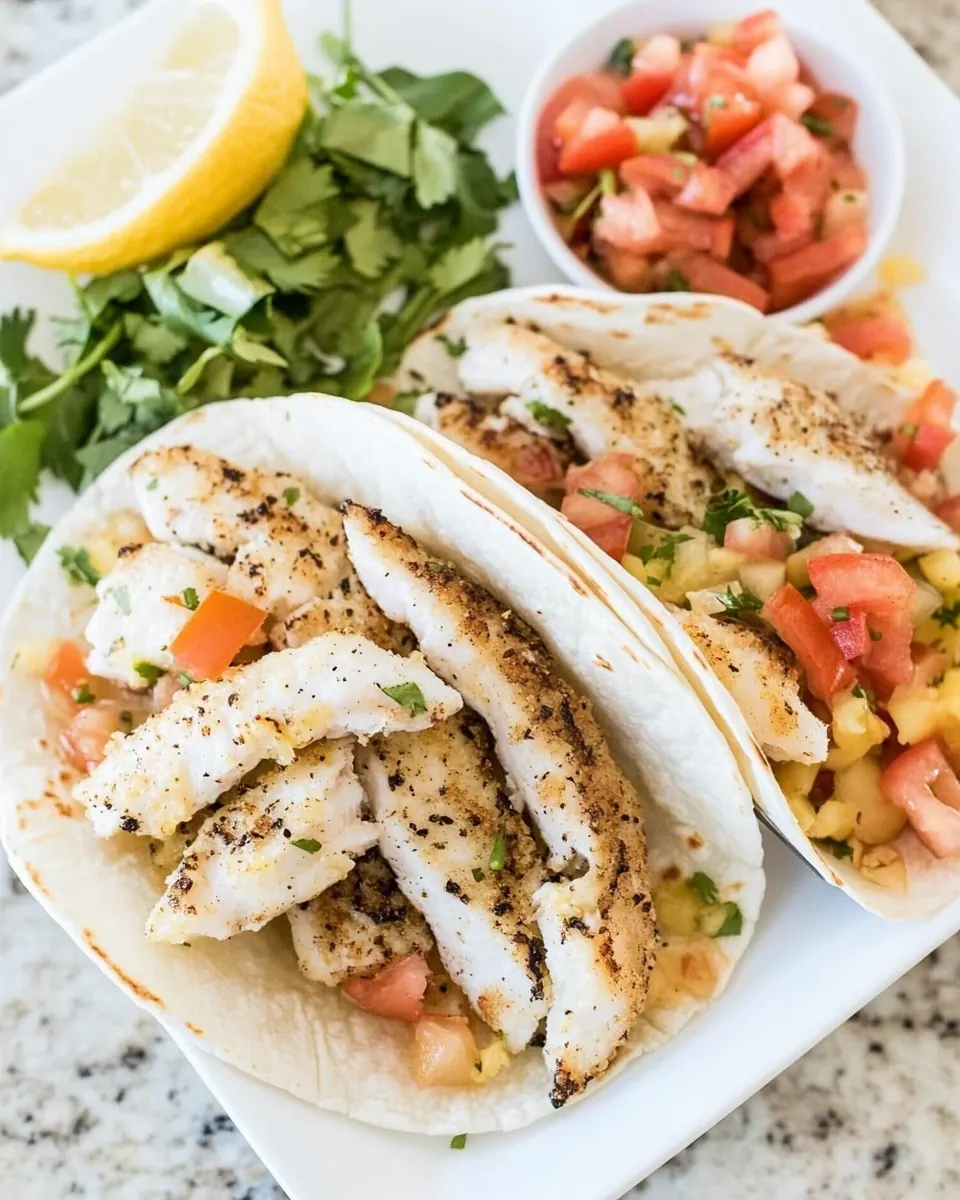
I like to offer a handful of practical tweaks so you can adapt the dish to your taste and pantry. Small swaps and adjustments can change the overall vibe from classic to bold, and every tip below starts with a clear actionable phrase to guide you.
- Choose your cheese wisely. If you want melty creaminess go for Monterrey Jack or a young cheddar. A sharper aged cheddar will cut through the richness more aggressively, which I sometimes prefer for contrast. Grate it fresh for better melt and texture.
- Warm shells briefly. Toasting the shells on a dry skillet for 10 to 20 seconds per side makes them pliable and slightly crisp, preventing soggy tacos. Don’t overcook or they will become brittle and crack when filled.
- Adjust the sauce balance. Taste the mustard honey sauce and tweak with more honey for sweetness, or more lemon for brightness. I recommend starting with a conservative adjustment and tasting after each small change.
- Slice fish against the grain. Cutting the grouper into even strips across the grain yields tender bites that flake easily. Cutting with the grain yields chewier pieces, which I avoid for tacos.
- Keep leftovers separate. Store the cooked grouper and sauce airtight separately from the shells and toppings to preserve texture. Reheat the fish gently in a skillet to regain a bit of crispness before assembling.
Accompaniments for Easy 10 Minute Lemon Butter Grouper Fish Tacos
Serving these tacos is an opportunity to balance temperature, texture, and occasion. I like to offer a few structured options and explanations so you can choose sides and settings that enhance the meal. Each suggestion highlights a practical serving idea to round out the plate.
- Casual weeknight plate. Serve the tacos with a simple green salad dressed lightly in a citrus vinaigrette, offering a cool counterpoint to the warm fish. This makes for a light, approachable dinner any night of the week.
- Small gathering spread. Lay out warmed taco shells, the sliced grouper, chopped lettuce, diced tomato, shredded cheese, and the mustard honey sauce so guests build their own. It creates a relaxed, interactive meal that keeps conversation flowing.
- Lunch or meal prep. Pack components separately in airtight containers, keeping the sauce aside to preserve textures. Reheat fish carefully in a skillet and assemble just before eating to maintain the best mouthfeel.
- Seasonal pairing. In summer pair with fresh citrus fruit or a simple corn salad for brightness, emphasizing the coastal, sunny notes of the dish. The light accompaniments keep the plate vibrant and balanced.
- Storage tips. Store cooked grouper airtight for up to three days and the sauce up to one week. Reheat gently to avoid drying the fish and warm the shells briefly before assembling to restore crispness.
- Occasion notes. These tacos are perfect for a casual dinner, a weekend lunch, or entertaining during warm weather when you want fresh, speedy food with a bit of flair.
FAQ
Conclusion
This recipe stands out for its bright lemon finish, buttery sear, and effortless assembly that yields big flavor in minutes. Give it a try the next time you need a speedy, satisfying meal that feels special without a lot of effort. I hope you enjoy the contrast of crispy shells, tender grouper, and the sweet tang of the mustard honey sauce, and that it becomes a quick favorite in your weekly rotation.
Easy 10 Minute Lemon Butter Grouper Fish Tacos
Equipment
- Large Skillet
- Small Bowl
- Tongs
Ingredients
- 3 tablespoons butter Melted and rich, used to pan-sear the fish and provide a luscious buttery coating that enhances flavor and mouthfeel. Adds a golden finish and helps carry lemon and seasoning throughout the dish. Helps prevent sticking and contributes to a silky sauce when combined with lemon juice.
- flour, for lightly dredging and coating fish Lightly used as a thin coating to give the fish a delicate crust that helps retain moisture and improves browning. Provides a slight textural contrast between the tender grouper and the taco shell. Also helps seasoning adhere to the fillets during cooking.
- 2 large grouper filets, about 1 1/2 pounds Firm and mild, selected as the primary protein for the tacos and cut into pieces suitable for quick cooking. Offers a flaky, meaty texture that pairs well with lemon butter and fresh toppings. Cooks quickly, making the recipe fast while staying moist when not overcooked.
- juice of 1 lemon, about 3 to 4 tablespoons Bright and acidic, used to deglaze the pan and blend with butter to create a tangy sauce that balances richness. Adds fresh citrus flavor throughout the fish and dressing. Enhances overall brightness and helps cut through the fat.
- salt and pepper, to taste Seasoning essentials applied to taste to enhance natural flavors and provide balance. Sprinkled on the fish before and after cooking to bring out savory notes. Simple but crucial for proper seasoning and flavor depth.
- taco or fajita shells Flexible vehicle for the filling that holds the fish and toppings while contributing texture and convenience. Can be warmed or toasted to add slight crunch or softness depending on preference. Helps present the components as handheld tacos.
- 1 cup romaine or iceburg lettuce, chopped Crisp and refreshing, used as a crunchy base layer inside the taco to add texture and a clean finish. Chopped leaves provide contrast to rich buttered fish and balance overall mouthfeel. Also offers a mild, slightly bitter note that complements other toppings.
- 1 tomato, diced Juicy and fresh, diced to add bursts of acidity and sweetness to each bite, brightening the taco. Provides color and a pleasing textural contrast to the tender fish and creamy cheese. Can be salted lightly to draw out extra flavor.
- 1 cup shredded cheese, cheddar, Monterrey Jack, etc. Melty and savory, sprinkled over the assembled tacos to add creamy, umami-rich richness and stringy texture when warm. Complements the lemon butter and binds toppings together for cohesive bites. Choice of cheeses can tweak sharpness and creaminess.
- 1/4 cup grainy dijon mustard Tangy and grainy, mixed into a quick sauce or drizzle to add depth and piquant flavor to the tacos. Provides a textured mustard tang that pairs well with honey and lemon for a balanced dressing. Helps cut through the buttery richness of the fish.
- 2 tablespoons honey, or to taste Sweetener used sparingly in the sauce to balance mustard sharpness and lemon acidity, creating a harmonious sweet-tart profile. Adjustable to taste to reach desired sweetness level in the dressing. Helps round flavors and mellow sharp edges.
- 1 tablespoon lemon juice, or to taste Additional tang component used to fine-tune acidity in the sauce and brighten overall flavor. Added gradually to achieve the preferred lemony kick that complements butter and mustard. Useful for balancing sweetness and salt in the dressing.
- salt and pepper, to taste Final seasoning applied to taste to ensure the assembled tacos have balanced savory flavor and proper seasoning. Used across the fish, sauce, and toppings as needed for cohesive seasoning. Essential for personalizing saltiness and pepper heat.
Instructions
- To a large skillet, add the butter and heat over medium-high heat to melt butter.: You will notice the butter softening first, then foaming lightly as water evaporates, and finally clarifying with a glossy sheen, that is your cue the pan is hot enough. The smell should become nutty and rich but not burnt, so keep the temperature controlled. This preheating ensures an immediate sizzle when the grouper hits the pan, which helps build a flavorful crust. A common mistake is rushing this step and adding fish to a cool pan; that results in poor searing and a pale exterior.
- Dredge fish through flour, coating both sides.: As you dust the grouper with the flour , you will feel it transform from slippery to slightly tacky, which tells you there is enough coating to create a thin crust. Tap off excess flour so it does not clump or burn in the pan, leaving a light veil that encourages browning. This thin coating protects the fish and improves mouthfeel while still letting the grouper flake. Overdredging will produce a gummy tacky surface rather than a crisp finish.
- Add fish to skillet, season with salt and pepper, and cook for about 3 to 4 minutes on first side, or until nicely seared and lightly golden browned.: When the grouper meets the hot butter you should hear an immediate sizzle, and within a minute a deep golden ring will start to form around the edges. Watch for that golden brown color and a slight release from the pan, which indicates a good sear. The aroma will be savory and slightly nutty from the browned butter . Resist the urge to move the fillet too early, since letting it develop uninterrupted contact creates the best crust. A common error is flipping too soon, which tears the fillet and prevents even browning.
- Flip fish, season with salt and pepper, squeeze the lemon over the fish (use caution because the lemon juice will bubble up when it hits the hot skillet) and cook for about 2 to 3 minutes on second side, or until fish is lightly golden browned on both sides and cooked through. Serve immediately if desired.: The moment you flip, you will hear a renewed sizzle and smell citrus as you squeeze the lemon . The bubbling that occurs is normal, and it creates steam that helps finish cooking the center while infusing bright aroma. The flesh should go from translucent to opaque and flake easily with a fork when done. Overcooking will dry the grouper , so check early and often to hit tender, flaky perfection.
- To make the fish tacos, lightly warm each taco shell momentarily on a dry skillet over medium-high heat before adding lettuce, sliced fish, sprinkling with tomatoes, and cheese; set aside while you make the sauce.: Warming the shells releases a toasted aroma and gives them slight rigidity so they hold the filling without collapsing, and you will notice tiny brown spots appear when they are ready. Lay down a bed of crisp lettuce , nestle the warm sliced grouper , scatter the diced tomato , and finish with shredded cheese so each bite has a balance of temperature and texture. If you skip warming, shells can become limp and fail to cradle the fillings properly.
- To a small bowl, add the mustard, honey, lemon juice, salt, pepper, and whisk to combine. Taste, check for flavor balance, and make any desired tweaks. Drizzle sauce over tacos and serve immediately. Fish will keep airtight in the fridge for up to 3 days and sauce will keep airtight in the fridge for up to 1 week.: As you whisk, the sauce will thicken and glisten; the grainy seeds from the dijon mustard add little pops of texture while the honey smooths the sharp edges. Taste for a sweet tart balance and adjust a drop of extra lemon or a pinch more salt as needed. A bland sauce usually means it needs more acid or salt, so tweak cautiously until it sings. Overmixing is not an issue, but adding too much honey will mask the mustard's character.
- Drizzle sauce over tacos and serve immediately. Fish will keep airtight in the fridge for up to 3 days and sauce will keep airtight in the fridge for up to 1 week.: The final drizzle should add a glossy sheen and a tangy finish to each taco; the contrast of warm fish and cool sauce is very satisfying. If you store leftovers, the fish will remain usable but will lose some crispness, so reheat gently to preserve texture. Be mindful that refrigerated shells can become soft, so consider reheating briefly before assembling. A common oversight is leaving assembled tacos too long before serving, which makes shells soggy.
Notes
- Choose your cheese wisely. If you want melty creaminess go for Monterrey Jack or a young cheddar. A sharper aged cheddar will cut through the richness more aggressively, which I sometimes prefer for contrast. Grate it fresh for better melt and texture.
- Warm shells briefly. Toasting the shells on a dry skillet for 10 to 20 seconds per side makes them pliable and slightly crisp, preventing soggy tacos. Don’t overcook or they will become brittle and crack when filled.
- Adjust the sauce balance. Taste the mustard honey sauce and tweak with more honey for sweetness, or more lemon for brightness. I recommend starting with a conservative adjustment and tasting after each small change.
- Slice fish against the grain. Cutting the grouper into even strips across the grain yields tender bites that flake easily. Cutting with the grain yields chewier pieces, which I avoid for tacos.
- Keep leftovers separate. Store the cooked grouper and sauce airtight separately from the shells and toppings to preserve texture. Reheat the fish gently in a skillet to regain a bit of crispness before assembling.