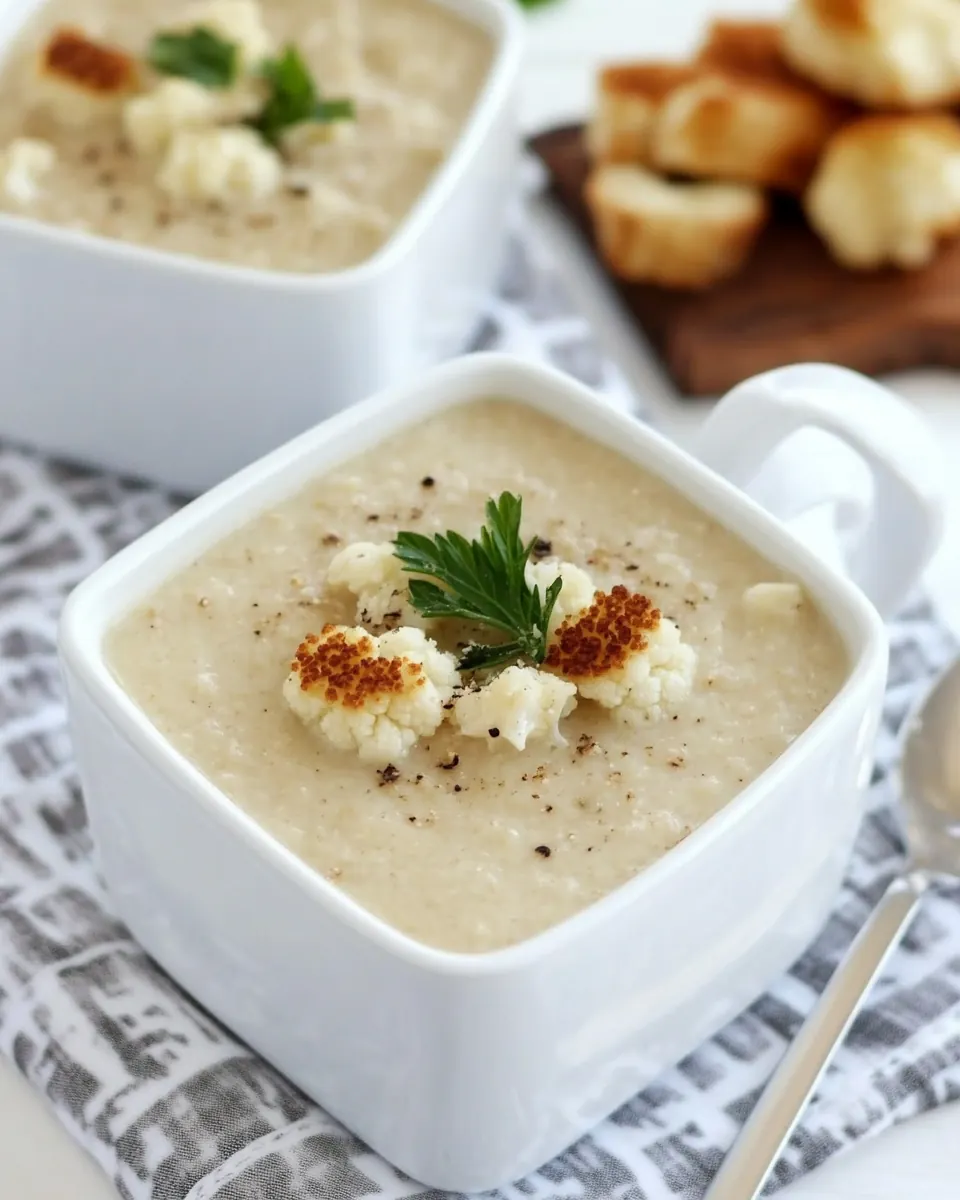
Roasted Cauliflower Cheddar Soup
Roasted Cauliflower Cheddar Soup is one of those bowls I reach for when the weather presses me to slow down and savor something warm and soothing. The first time I made this, I had a lonely head of cauliflower in the fridge and a block of white cheddar begging to become something more than a sandwich filler. The transformation from humble veg to a velvety, cheesy soup felt like a small kitchen miracle, and it quickly became a go to when I wanted comfort without fuss.
I remember the sound of the florets hitting the baking sheet, the little pops as they began to brown, and the way the garlic softened into sweet, caramelized pockets of flavor. While the soup simmers on the stove, the aroma of cauliflower, thyme, and rosemary fills the room and makes me think of slow afternoons and good company. Each spoonful balances creamy texture and gentle herb notes, with a friendly cheesy finish from the cheddar that keeps you coming back for more.
Recipe Snapshot
1 hr 5 mins
15 mins
50 mins
Medium
300 kcal
American
Keto, Gluten-Free
Soups
Baking sheet, Large bowl, Sauce pan, Immersion blender
Why This Roasted Cauliflower Cheddar Soup Shines
Roasted Veg Depth
I adore how roasting the cauliflower and garlic concentrates their flavors. That caramelized edge adds savory sweetness that you just do not get from boiling alone, and it gives the soup a complex backbone that carries the rest of the ingredients.
Comforting Texture
When I blend the soup, the mouthfeel becomes luxuriously smooth, yet still substantial. The way the cheddar melts into the warm purée creates a rich, creamy finish without needing heavy cream, so the bowl feels indulgent but not cloying.
Simple Pantry Staples
This recipe shines because it leans on ingredients most of us keep on hand, like olive oil, onion, and vegetable broth. I love that it is approachable on a weeknight, yet impressive enough when friends drop in.
Herbaceous Lift
Adding fresh thyme and rosemary gives the soup a green brightness that balances the richness. Those little herb sprigs do more than garnish, they lift each spoonful so it never feels heavy.
Versatile Serving
I often serve this with crusty bread or croutons, and it works as a starter or a light main. It adapts to the season and the mood, which makes it a reliable choice in my repertoire.
What’s In This Roasted Cauliflower Cheddar Soup
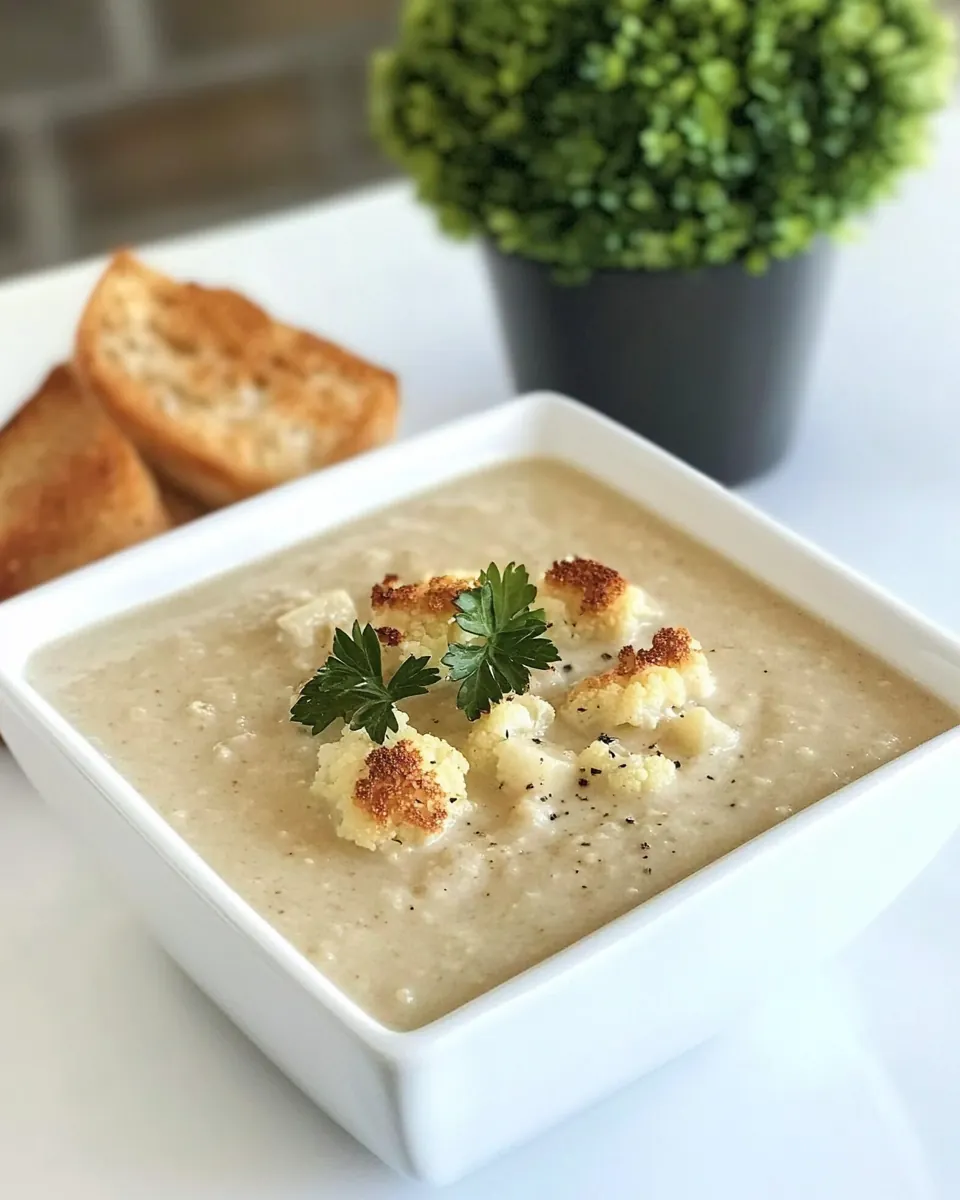
These ingredients are all about harmony. The key players are the cauliflower for body and subtly sweet roasted notes, the cheddar for creamy savor, and the aromatics like onion, garlic, and herbs to provide balance. Together they create a soup that feels both nourishing and sophisticated without complicated technique.
- 1 1/2 pound head of cauliflower, cut into florets: Roasted to develop a nutty, caramelized flavor and provide the body and texture of the soup; cut into florets to roast evenly and blend smoothly into a creamy base.
- 3 cloves garlic: Crushed and roasted to add a sweet, mellow pungency that complements the cauliflower and deepens the overall savory profile when blended into the soup.
- 2 tablespoons olive oil: Used to coat the cauliflower for roasting, promoting even browning and adding a fruity base note that enhances overall richness and mouthfeel.
- Salt and freshly ground black pepper to taste: Added to taste to balance sweetness and bring out savory flavors; used both during roasting and final seasoning to ensure proper depth and brightness.
- 1 tablespoon olive oil: Drizzled into the pot for sautéing aromatics, creating a flavorful foundation and contributing a subtle richness distinct from the oil used for roasting.
- 1 medium onion diced: Sweated until translucent to release natural sugars and provide a sweet, aromatic backbone that supports the soup’s savory and cheesy elements.
- 2 celery ribs diced: Cooked with the onion to add a mild, aromatic crunch and subtle vegetal flavor that builds complexity in the soup’s savory base.
- 3 1/2 cups vegetable broth: Poured in as the primary liquid to deglaze the pan, simmer with the roasted vegetables, and form the broth that carries all flavors in the finished soup.
- 2 teaspoons chopped fresh thyme: Sprinkled in for a fragrant, herbaceous lift; chopped fresh thyme infuses subtle earthy and lemony notes that brighten the soup’s profile.
- 1 tablespoon chopped fresh rosemary: Chopped and added for a piney, aromatic depth that pairs well with thyme and enhances the roasted cauliflower’s savory character.
- 1/2 cup shredded white cheddar cheese: Stirred in near the end to melt into the soup, providing creamy sharpness and a rich, cheesy finish that defines the cheddar soup identity.
- Salt and freshly ground black pepper to taste: Used again to finish and adjust seasoning; added to taste at the end to ensure balanced seasoning and enhance all existing flavors.
Roasted Cauliflower Cheddar Soup Instructions
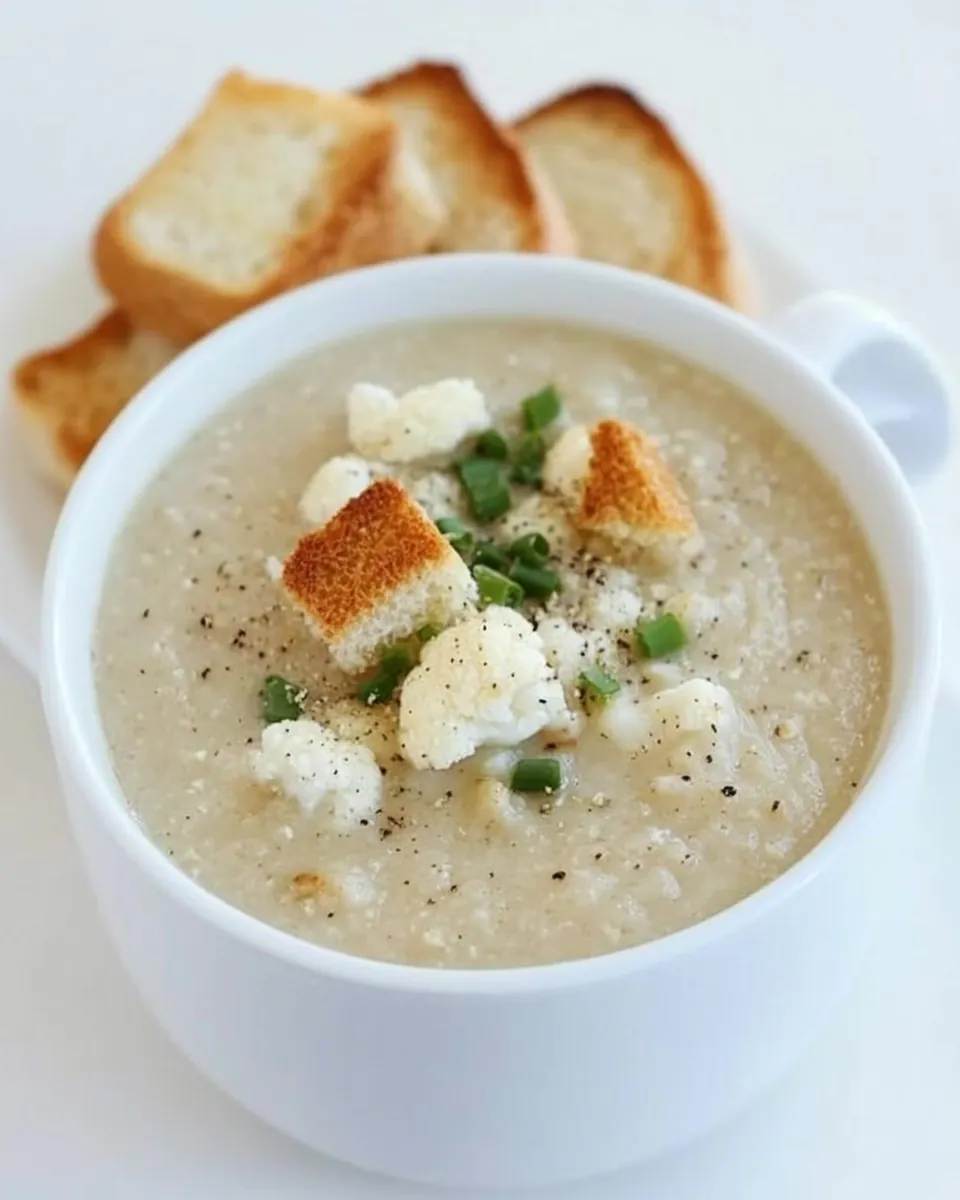
These instructions walk you through roasting, building a savory base, simmering to tenderness, and blending to a creamy finish. Follow each step and trust your senses, and the soup will reward you with layered flavor and a cozy texture.
- Preheat the oven to 400 degrees F. In a large bowl, toss the cauliflower and garlic cloves in the olive oil until well coated. Season with salt and pepper, to taste. Place on a large baking sheet, in a single layer. Roast the cauliflower until lightly golden brown, about 20-30 minutes. Set aside.: As the oven warms, you will notice an anticipatory heat in the kitchen, which sets the stage for caramelization. The warm air encourages the exterior of the cauliflower to brown and crisp up, creating those toasty notes that are vital for flavor. A common mistake is overcrowding the baking sheet, which produces steam instead of roast; spread the florets in a single layer so each piece gets direct heat.
- Heat the olive oil in a large sauce pan over medium heat, add the onion and celery and saute until tender, about 5-7 minutes. Chop up the roasted garlic. Add the garlic, roasted cauliflower, vegetable broth, thyme, and rosemary and bring to a boil. Reduce the heat so that the mixture simmers and cook until the cauliflower is tender, about 20-25 minutes.: When the olive oil evenly glosses each floret, you will see a slight sheen that helps promote browning. The garlic tucked among the florets will sweeten as it roasts, giving you soft, buttery cloves. If the oil pools at the bottom, you likely used too much; a light coating is all you need.
- Using an immersion blender (or in batches in a blender or food processor), blend the soup until smooth. Add the cheddar cheese and stir until melted. Season with salt and pepper and remove from heat. Ladle the soup into bowls and serve warm. We like to serve the soup with crusty bread or homemade croutons.: As you season, inhale the faint mineral scent of the salt and the sharpness of freshly ground black pepper; this first layer of seasoning enhances the natural flavors. Seasoning now means the cauliflower begins to absorb flavor while roasting. Avoid oversalting at this stage, because concentration during roasting can intensify the saltiness.
- Place on a large baking sheet in a single layer: The sound of florets hitting the sheet is the prelude to sizzle and the visual cue of even spacing matters a lot. When they are in a single layer, each floret gets hot air on all exposed surfaces, ensuring even browning. Stacking pieces will steam them and prevent the desirable golden color.
- Roast the cauliflower until lightly golden brown, about 20 to 30 minutes: You will see edges go from pale to toasty, with some tips taking on deep amber notes; that is your signal that sugars have caramelized. The aroma will turn nutty and sweet, and the texture will be tender yet slightly crisp where browned. A frequent error is pulling them out too early; roasted flavor develops later in the process, so wait for consistent golden patches.
- Set aside: Once roasted, the heat will continue to relax the vegetables for a few minutes, and they will become easier to handle. Setting them aside allows you to prepare the stovetop base without overheating the roasted pieces. Do not leave them on a hot pan for too long or they may overcook and lose their crisped flavor.
- Heat the olive oil in a large sauce pan over medium heat: You should see a gentle shimmer on the oil when it is ready, and you may smell a faint fruity quality from the olive oil . This moderate temperature helps the aromatics soften without browning too fast, which preserves their sweetness. If the oil smokes, the pan is too hot and will impart a bitter taste.
- Add the onion and celery and saute until tender, about 5 to 7 minutes: The onions will turn translucent and begin to release a sweet scent, while the celery softens and loses its raw bite. These softened aromatics create a savory bed that enhances the roasted vegetables. Overcooking until brown will change the flavor profile, so aim for tenderness rather than color.
- Chop up the roasted garlic: Pressing or finely chopping the roasted cloves releases their mellowed, almost caramel flavor. When stirred into the pot, they dissolve into the liquid and contribute a rounded garlic presence that is gentle and aromatic. Avoid using raw garlic here, it would introduce a harshness that the recipe does not need.
- Add the garlic, roasted cauliflower, vegetable broth, thyme, and rosemary and bring to a boil: When the liquid reaches a vigorous bubble, the soup components begin to exchange flavors; the broth extracts color and depth from the roasted pieces and herbs. You will catch herbal, vegetal aromas rising from the pot. Monitor the boil carefully because an aggressive boil can break down textures too quickly.
- Reduce the heat so that the mixture simmers and cook until the cauliflower is tender, about 20 to 25 minutes: At a simmer, tiny bubbles will gently rise and the pot will emit a sustained savory steam; this is perfect for coaxing flavors together without over reducing the liquid. The heat will soften any remaining firmness in the florets so they blend smoothly. Keeping the simmer too low will prolong cooking, while too high will over reduce and concentrate saltiness.
- Using an immersion blender, blend the soup until smooth: As you blend, you will see the color shift to a creamy, unified tone and hear a steady whir that signals integration. The texture should be silky and hold slightly on a spoon. A common issue is overblending and creating a gluey mouthfeel; pulse and check frequently so you stop at velvety cohesion.
- Add the cheddar cheese and stir until melted: The warmth of the soup will coax the cheddar into a glossy emulsion, and you will notice a richer mouth coating and a pleasing savory tang. Stirring gently ensures the cheese disperses evenly without clumping. If you add cheese to boiling soup, it can seize or separate, so ensure the pot is off the heat or very low.
- Season with salt and pepper and remove from heat: Now the flavors reveal themselves fully, and final seasoning lets you calibrate brightness and balance. Taste carefully and adjust so the savory, herb, and cheesy notes sing together. Avoid heavy handed salt adjustments; add small amounts and taste between additions.
- Ladle the soup into bowls and serve warm: The visual cue is a smooth, steaming bowl with a gentle sheen from the melted cheddar . Serving warm preserves texture and flavor. A common mistake is letting the soup cool too long before serving, which can thicken and dull the flavors.
Helpful Hints
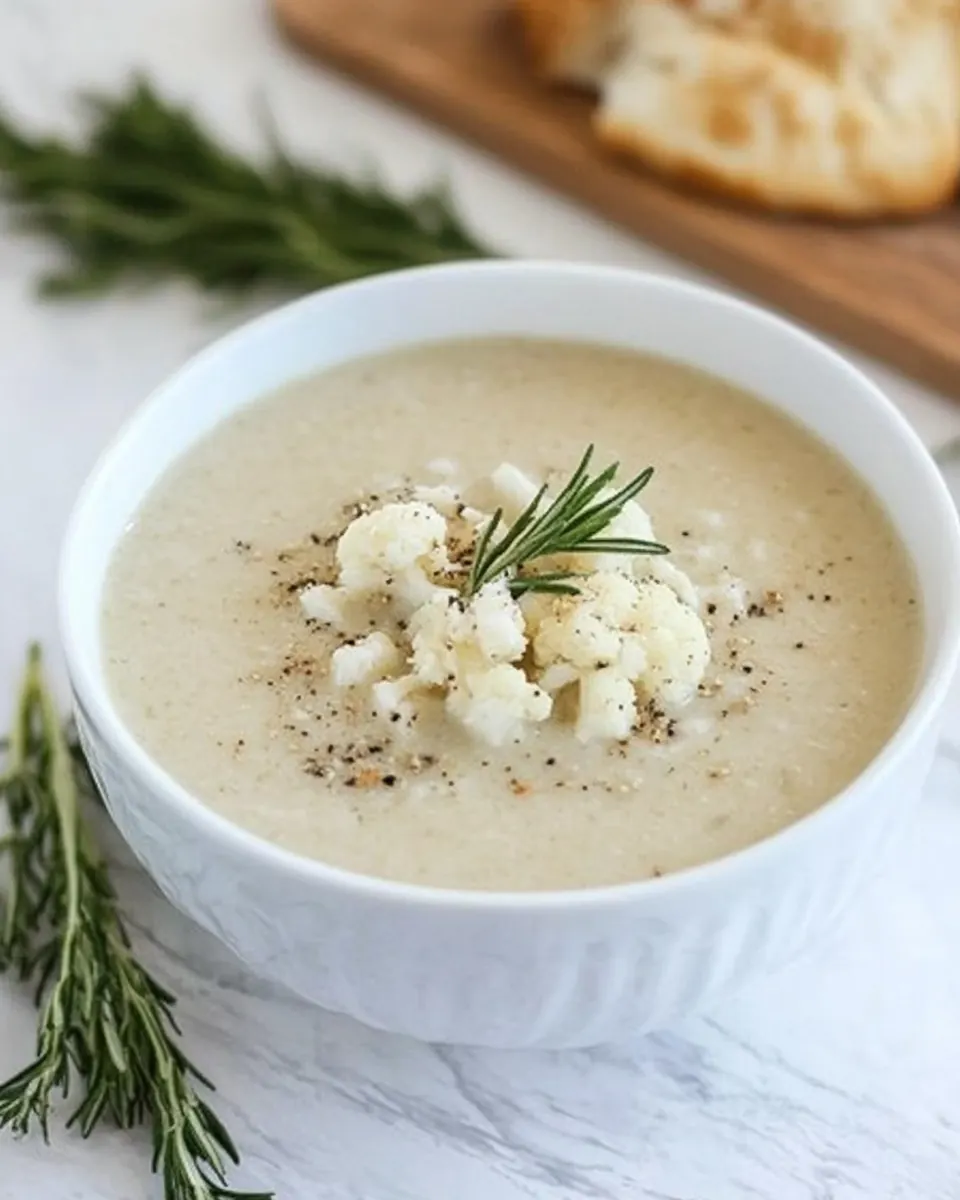
This recipe benefits from a few practical pointers that improve texture, flavor, and ease. Below are detailed, actionable tips that I use every time I make Roasted Cauliflower Cheddar Soup.
- Roast in a single layer Ensure the florets are spread out so each piece browns evenly, which creates deeper caramelized flavor and prevents steaming.
- Use fresh herbs Fresh thyme and rosemary give brighter, cleaner flavors than dried versions, especially when added during the simmer stage.
- Blending safety If you use a blender, allow the soup to cool slightly and blend in batches to prevent hot splatters and pressure build up.
- Choose quality broth A flavorful vegetable broth makes a significant difference because it is the liquid base that carries all aromas and seasonings.
- Shred cheese fresh Freshly shredded cheddar melts more smoothly and integrates better into the hot soup than pre shredded cheese.
- Adjust seasoning last After the cheese is melted, taste and then add salt and pepper so you do not over season during cooking.
Serve This Roasted Cauliflower Cheddar Soup With
This soup pairs well with simple sides and flexible serving ideas. The list below explores how to present it, what to serve alongside, and when it shines most.
- Crusty bread A warm, crusty loaf is ideal for dipping and adds satisfying texture contrast to the creamy soup.
- Homemade croutons Crisp croutons tossed in olive oil and salt introduce a crunchy element that holds up against the soup.
- Light salad A crisp green salad with a bright vinaigrette balances the richness of the bowl and adds freshness to the meal.
- Weeknight dinner Serve as a simple main with a salad and bread for an easy weeknight dinner that feels complete and comforting.
- Starter for dinner parties Offer the soup in small bowls as a refined starter before a roasted protein and seasonal sides.
- Storage tips Cool completely and refrigerate in an airtight container for up to four days, reheat gently so the cheddar reincorporates smoothly.
- Freezing You can freeze the soup without the cheese and add the cheddar when reheating to preserve texture and flavor quality.
- Seasonal pairing This soup is especially comforting in winter when roasted vegetables and warm bowls are most welcome.
- Portioning Ladle into pre warmed bowls to help maintain serving temperature and keep the texture silky while dining.
FAQ
Conclusion
This recipe is special because it transforms humble ingredients into a silky, savory bowl with layered flavors from roasting and fresh herbs. It invites you to enjoy a comforting meal that is both simple and elevated, making it perfect for quiet weeknights or small gatherings. Give it a try tonight, and let the roasted notes and melty cheddar win you over; it may become one of your most reliable, cozy recipes.

Roasted Cauliflower Cheddar Soup
Equipment
- Baking Sheet
- Large Bowl
- sauce pan
- Immersion Blender
Ingredients
- 1 1/2 pound head of cauliflower, cut into florets Roasted to develop a nutty, caramelized flavor and provide the body and texture of the soup; cut into florets to roast evenly and blend smoothly into a creamy base.
- 3 cloves garlic Crushed and roasted to add a sweet, mellow pungency that complements the cauliflower and deepens the overall savory profile when blended into the soup.
- 2 tablespoons olive oil Used to coat the cauliflower for roasting, promoting even browning and adding a fruity base note that enhances overall richness and mouthfeel.
- Salt and freshly ground black pepper to taste Added to taste to balance sweetness and bring out savory flavors; used both during roasting and final seasoning to ensure proper depth and brightness.
- 1 tablespoon olive oil Drizzled into the pot for sautéing aromatics, creating a flavorful foundation and contributing a subtle richness distinct from the oil used for roasting.
- 1 medium onion diced Sweated until translucent to release natural sugars and provide a sweet, aromatic backbone that supports the soup’s savory and cheesy elements.
- 2 celery ribs diced Cooked with the onion to add a mild, aromatic crunch and subtle vegetal flavor that builds complexity in the soup’s savory base.
- 3 1/2 cups vegetable broth Poured in as the primary liquid to deglaze the pan, simmer with the roasted vegetables, and form the broth that carries all flavors in the finished soup.
- 2 teaspoons chopped fresh thyme Sprinkled in for a fragrant, herbaceous lift; chopped fresh thyme infuses subtle earthy and lemony notes that brighten the soup’s profile.
- 1 tablespoon chopped fresh rosemary Chopped and added for a piney, aromatic depth that pairs well with thyme and enhances the roasted cauliflower’s savory character.
- 1/2 cup shredded white cheddar cheese Stirred in near the end to melt into the soup, providing creamy sharpness and a rich, cheesy finish that defines the cheddar soup identity.
- Salt and freshly ground black pepper to taste Used again to finish and adjust seasoning; added to taste at the end to ensure balanced seasoning and enhance all existing flavors.
Instructions
- Preheat the oven to 400 degrees F. In a large bowl, toss the cauliflower and garlic cloves in the olive oil until well coated. Season with salt and pepper, to taste. Place on a large baking sheet, in a single layer. Roast the cauliflower until lightly golden brown, about 20-30 minutes. Set aside.: As the oven warms, you will notice an anticipatory heat in the kitchen, which sets the stage for caramelization. The warm air encourages the exterior of the cauliflower to brown and crisp up, creating those toasty notes that are vital for flavor. A common mistake is overcrowding the baking sheet, which produces steam instead of roast; spread the florets in a single layer so each piece gets direct heat.
- Heat the olive oil in a large sauce pan over medium heat, add the onion and celery and saute until tender, about 5-7 minutes. Chop up the roasted garlic. Add the garlic, roasted cauliflower, vegetable broth, thyme, and rosemary and bring to a boil. Reduce the heat so that the mixture simmers and cook until the cauliflower is tender, about 20-25 minutes.: When the olive oil evenly glosses each floret, you will see a slight sheen that helps promote browning. The garlic tucked among the florets will sweeten as it roasts, giving you soft, buttery cloves. If the oil pools at the bottom, you likely used too much; a light coating is all you need.
- Using an immersion blender (or in batches in a blender or food processor), blend the soup until smooth. Add the cheddar cheese and stir until melted. Season with salt and pepper and remove from heat. Ladle the soup into bowls and serve warm. We like to serve the soup with crusty bread or homemade croutons.: As you season, inhale the faint mineral scent of the salt and the sharpness of freshly ground black pepper; this first layer of seasoning enhances the natural flavors. Seasoning now means the cauliflower begins to absorb flavor while roasting. Avoid oversalting at this stage, because concentration during roasting can intensify the saltiness.
- Place on a large baking sheet in a single layer: The sound of florets hitting the sheet is the prelude to sizzle and the visual cue of even spacing matters a lot. When they are in a single layer, each floret gets hot air on all exposed surfaces, ensuring even browning. Stacking pieces will steam them and prevent the desirable golden color.
- Roast the cauliflower until lightly golden brown, about 20 to 30 minutes: You will see edges go from pale to toasty, with some tips taking on deep amber notes; that is your signal that sugars have caramelized. The aroma will turn nutty and sweet, and the texture will be tender yet slightly crisp where browned. A frequent error is pulling them out too early; roasted flavor develops later in the process, so wait for consistent golden patches.
- Set aside: Once roasted, the heat will continue to relax the vegetables for a few minutes, and they will become easier to handle. Setting them aside allows you to prepare the stovetop base without overheating the roasted pieces. Do not leave them on a hot pan for too long or they may overcook and lose their crisped flavor.
- Heat the olive oil in a large sauce pan over medium heat: You should see a gentle shimmer on the oil when it is ready, and you may smell a faint fruity quality from the olive oil . This moderate temperature helps the aromatics soften without browning too fast, which preserves their sweetness. If the oil smokes, the pan is too hot and will impart a bitter taste.
- Add the onion and celery and saute until tender, about 5 to 7 minutes: The onions will turn translucent and begin to release a sweet scent, while the celery softens and loses its raw bite. These softened aromatics create a savory bed that enhances the roasted vegetables. Overcooking until brown will change the flavor profile, so aim for tenderness rather than color.
- Chop up the roasted garlic: Pressing or finely chopping the roasted cloves releases their mellowed, almost caramel flavor. When stirred into the pot, they dissolve into the liquid and contribute a rounded garlic presence that is gentle and aromatic. Avoid using raw garlic here, it would introduce a harshness that the recipe does not need.
- Add the garlic, roasted cauliflower, vegetable broth, thyme, and rosemary and bring to a boil: When the liquid reaches a vigorous bubble, the soup components begin to exchange flavors; the broth extracts color and depth from the roasted pieces and herbs. You will catch herbal, vegetal aromas rising from the pot. Monitor the boil carefully because an aggressive boil can break down textures too quickly.
- Reduce the heat so that the mixture simmers and cook until the cauliflower is tender, about 20 to 25 minutes: At a simmer, tiny bubbles will gently rise and the pot will emit a sustained savory steam; this is perfect for coaxing flavors together without over reducing the liquid. The heat will soften any remaining firmness in the florets so they blend smoothly. Keeping the simmer too low will prolong cooking, while too high will over reduce and concentrate saltiness.
- Using an immersion blender, blend the soup until smooth: As you blend, you will see the color shift to a creamy, unified tone and hear a steady whir that signals integration. The texture should be silky and hold slightly on a spoon. A common issue is overblending and creating a gluey mouthfeel; pulse and check frequently so you stop at velvety cohesion.
- Add the cheddar cheese and stir until melted: The warmth of the soup will coax the cheddar into a glossy emulsion, and you will notice a richer mouth coating and a pleasing savory tang. Stirring gently ensures the cheese disperses evenly without clumping. If you add cheese to boiling soup, it can seize or separate, so ensure the pot is off the heat or very low.
- Season with salt and pepper and remove from heat: Now the flavors reveal themselves fully, and final seasoning lets you calibrate brightness and balance. Taste carefully and adjust so the savory, herb, and cheesy notes sing together. Avoid heavy handed salt adjustments; add small amounts and taste between additions.
- Ladle the soup into bowls and serve warm: The visual cue is a smooth, steaming bowl with a gentle sheen from the melted cheddar . Serving warm preserves texture and flavor. A common mistake is letting the soup cool too long before serving, which can thicken and dull the flavors.
Notes
- Roast in a single layer Ensure the florets are spread out so each piece browns evenly, which creates deeper caramelized flavor and prevents steaming.
- Use fresh herbs Fresh thyme and rosemary give brighter, cleaner flavors than dried versions, especially when added during the simmer stage.
- Blending safety If you use a blender, allow the soup to cool slightly and blend in batches to prevent hot splatters and pressure build up.
- Choose quality broth A flavorful vegetable broth makes a significant difference because it is the liquid base that carries all aromas and seasonings.
- Shred cheese fresh Freshly shredded cheddar melts more smoothly and integrates better into the hot soup than pre shredded cheese.
- Adjust seasoning last After the cheese is melted, taste and then add salt and pepper so you do not over season during cooking.