Turkey Seasoning
Turkey Seasoning is the blend I reach for when I want a turkey to sing with classic fall flavors. The first time I mixed these herbs at my grandmother’s kitchen table, the smell brought everyone into the room, and that memory still guides how I use this simple mix today.
Over the years I’ve tweaked ratios and learned small tricks that make the difference between a good roast and one that people ask about for years. I love how a handful of dried herbs and spices can transform a plain bird into something aromatic and savory, and I enjoy sharing those little secrets when friends stop by with a turkey they want to impress. This seasoning is forgiving, easy to scale, and tastes like holiday tradition without fuss.
Recipe Snapshot
6 mins
5 mins
1 mins
Easy
50 kcal
American
Keto, Paleo
Dinner
Bowl, Whisk, Airtight jar
Why We Love This Turkey Seasoning
1. Classic, familiar flavor
I adore how Turkey Seasoning conjures the aromas we all associate with holiday meals, the kind that feels like home. The blend of thyme, rosemary, and sage gives that warm, woodsy backbone, while parsley adds a fresh note, so the overall profile is balanced and recognizable.
2. Ridiculously versatile
We use this mix rubbed under skin, mixed into butter, or sprinkled into gravies, and it holds up beautifully. Because it is dry and shelf stable, you can make a batch ahead and pull it out whenever you need to boost flavor fast.
3. Simple to make and scale
I love recipes you do not have to overthink. This one is easy to multiply for a larger bird or halve for a small roast. The measurements are straightforward, so you can eyeball extra without worry.
4. Enhances natural turkey flavor
Rather than masking the meat, this seasoning complements the turkey, emphasizing savory notes and supporting the natural juices. The kosher salt lifts the flavors, and the paprika gives a subtle warmth and color.
5. Great for cooks of any level
If you are new to roasting, this is a friendly entry point. If you are more experienced, think of this as a reliable go to you can tweak with confidence. I often keep a jar in my spice drawer for last minute finishing touches.
What’s In This Turkey Seasoning
I believe a good seasoning is more than a list of spices, it is a partnership of ingredients that each play a clear role. Here the herbs provide aromatics, the salt brings out savory depth, and the paprika adds color and a touch of warmth. These players work together to create a well rounded seasoning that enhances turkey without overpowering it.
- 2 teaspoons thyme: Provide a fragrant, woodsy note that complements poultry and helps bind other herbs; use fresh or dried thyme to add subtle lemony and minty undertones. Sprinkle evenly over the turkey surface and under the skin for consistent flavor penetration. Pair with rosemary and sage for a balanced savory profile.
- 2 teaspoons rosemary: Contribute a strong pine-like, slightly citrus aroma that enhances roasted turkey and cuts through richness; crush or finely chop rosemary for better release of oils. Use sparingly to avoid overpowering milder herbs and distribute close to high-heat areas for browning. Combine with thyme and sage to create a classic poultry herb blend.
- 2 teaspoons sage: Add a warm, earthy bitterness with slightly peppery and minty tones that are central to traditional poultry seasoning; chop or rub sage leaves to unlock its aromatic oils. Incorporate under the skin and into stuffing to infuse savory depth throughout the bird. Balance with parsley to prevent an overly pungent finish.
- 2 teaspoons parsley: Bring a fresh, bright green flavor that lightens the overall seasoning and adds visual appeal; use finely chopped or dried parsley for a mild herbaceous lift. Mix into the rub to moderate stronger herbs like rosemary and sage. Sprinkle at the end of cooking if a fresher note is desired.
- 1 teaspoon paprika: Introduce mild smoky sweetness and vibrant color to the seasoning mix; choose sweet or smoked paprika depending on desired depth. Stir into dry rubs to provide subtle warmth and enhance the roast's appearance. Use in moderation to complement salt and pepper without masking herb nuances.
- 1 tablespoon kosher salt: Provide essential seasoning and help amplify all other flavors while promoting browning; use kosher salt for its flaky texture and ease of even distribution. Measure carefully since salt level determines overall balance of the rub. Apply uniformly to ensure consistent seasoning across the turkey.
- 1 teaspoon pepper: Supply a sharp, pungent heat that brightens and balances richer flavors; freshly ground black pepper delivers the best aromatic bite. Grind close to use time to retain volatile oils and sprinkle evenly for consistent heat. Adjust quantity to taste, keeping it complementary to salt and herbs.
- 1 teaspoon garlic powder: Offer concentrated savory and umami notes that emulate fresh garlic; use garlic powder for even distribution and convenience in dry rubs. Rehydrate slightly if mixing into a wet paste or apply dry for a crisp crust. Combine with onion powder for rounded allium flavor without fresh produce.
- 1 teaspoon onion powder: Contribute sweet, savory depth and mild sharpness that rounds out the allium profile; onion powder disperses evenly and adds background complexity. Blend into the dry mix to ensure uniform seasoning and to support the savory herbs. Use in balance with garlic powder to avoid dominance.
How to Cook Turkey Seasoning
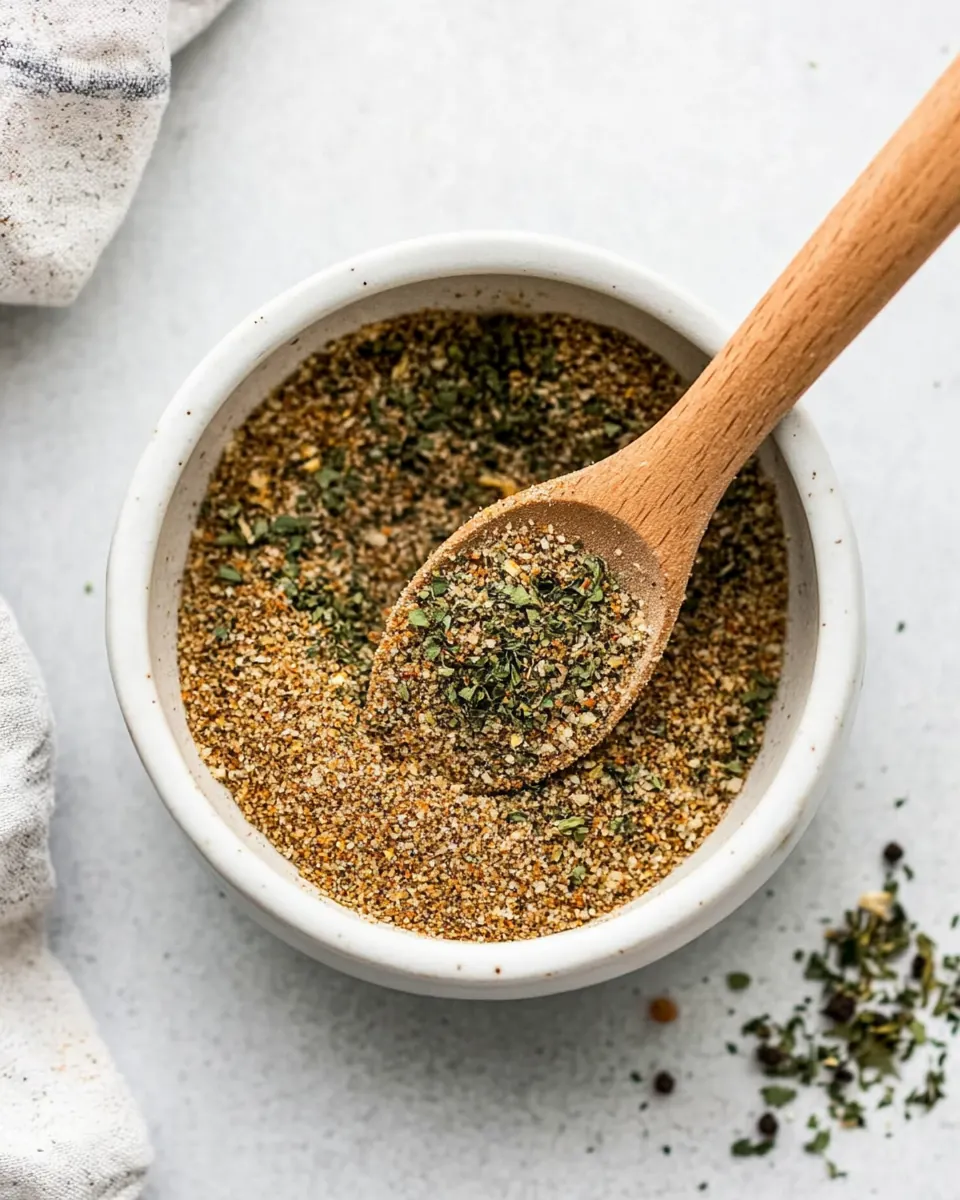
This seasoning is built for ease, and using it is straightforward. The steps below guide you from mixing to storing, with practical notes on texture and aroma so you can use the seasoning with confidence.
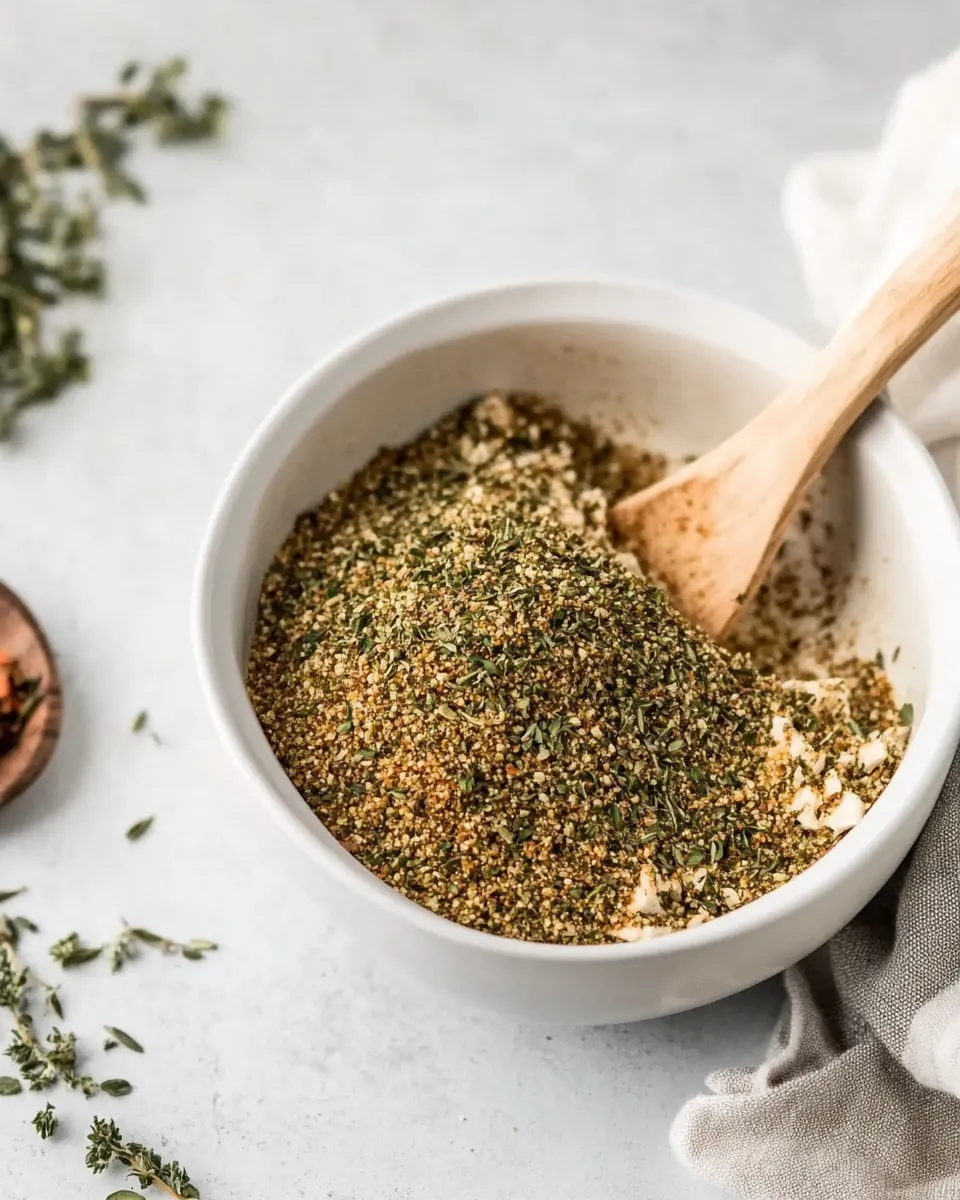
- Place all of the ingredients into a bowl and whisk to combine.: As you mix, you will notice the dry herbs releasing subtle fragrances, a layered aroma of thyme and rosemary that signals proper blending. Use a whisk or fork to evenly distribute the salt and powders, which prevents pockets of intense flavor when applied to the turkey. If you skip thorough mixing you might end up with salty or garlicky spots on the bird, so take the extra minute to fully integrate the components. Visually you want a uniform color and texture, and the smell should be cohesive rather than dominated by one spice.
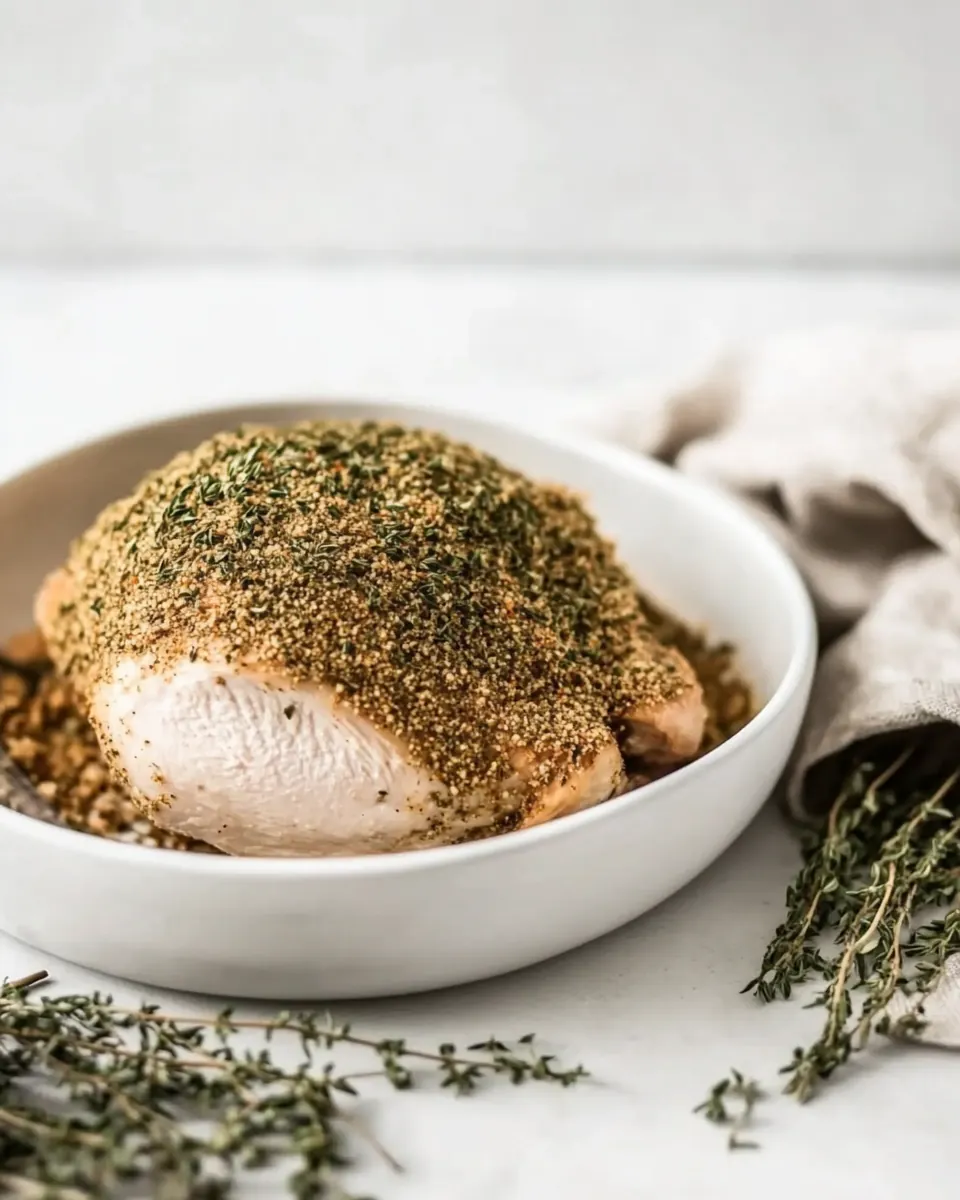
- Rub the seasoning all over the turkey making sure to get the top and bottom. Then cook your seasoned turkey according to your recipe.: Rubbing transfers aroma and seasoning into the skin and shallow surface tissues, helping the flavors penetrate as the turkey roasts. Press the mix gently into the skin and into any cavities or under the skin where possible, creating even coverage. While rubbing, you should notice the mix clinging to the skin rather than falling off; if it slides off, pat the bird dry first so the seasoning adheres. A common oversight is adding the seasoning only to the exterior, which limits flavor infusion, so be intentional about coverage.
- If you aren't using it right away, store it in a sealed container for up to 2 months.: As the turkey roasts, the herbs will bloom in the dry heat, releasing essential oils that mingle with billowing cooking aromas. Look for golden skin and juices that run clear as clues for doneness, and listen for gentle sizzling as fat renders. Overcooking will dry the meat and make the herbs taste more bitter, so monitor internal temperature rather than guessing by time alone. Resting the cooked turkey allows juices to redistribute, leaving the seasoning tasting integrated and balanced.
- If you aren't using it right away, store it in a sealed container for up to 2 months: Stored in a cool, dark place, this dry blend maintains potency while letting flavors marry. You may notice a mellowing of sharper notes over time, which can actually create a more harmonious profile. Avoid damp storage conditions, which invite clumping and spoilage. If the mix loses aroma after long storage, make a small fresh batch to refresh your pantry.
Helpful Hints
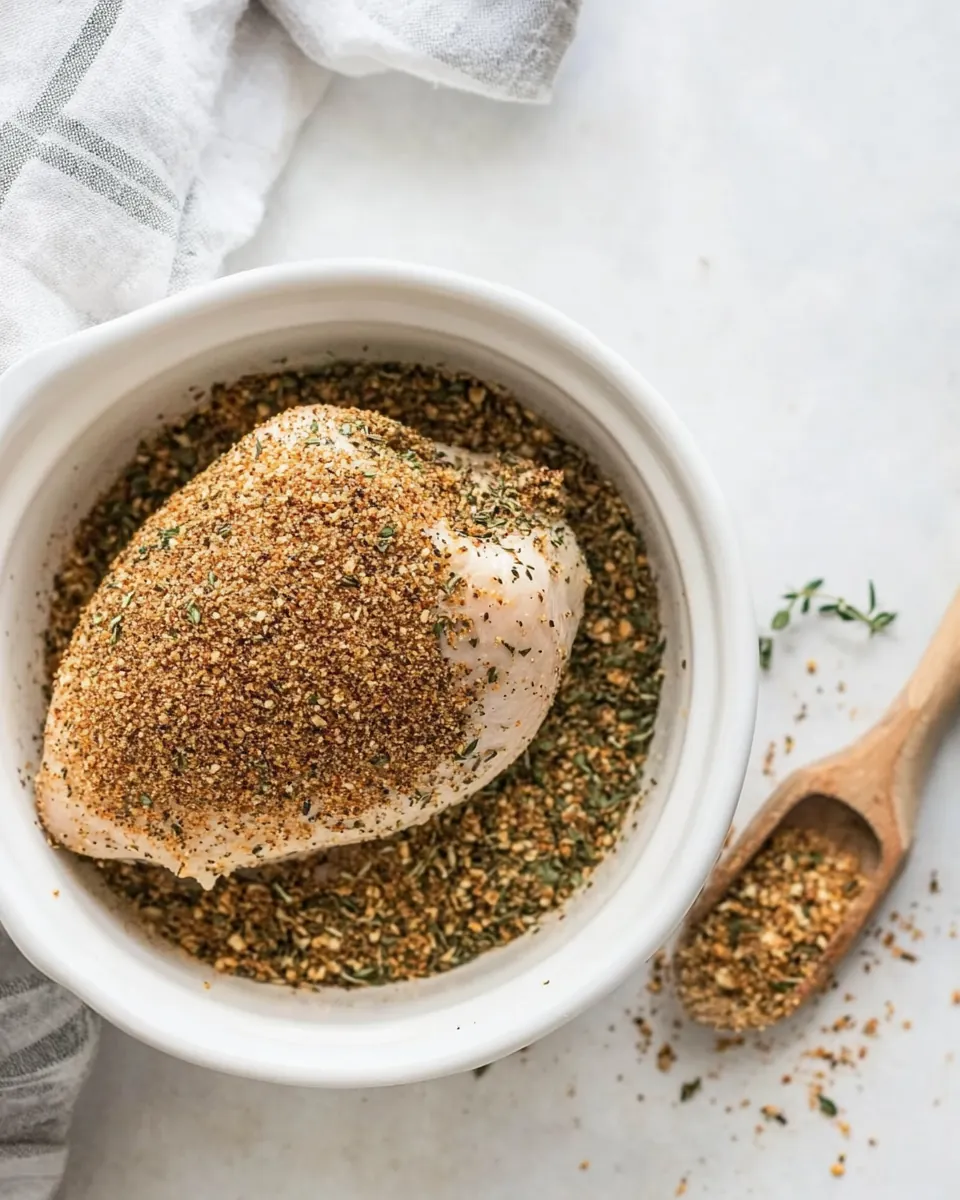
This section covers practical tips to get the most from your Turkey Seasoning. I share storage, application, and small technique tweaks that matter when you are aiming for a memorable roast.
- Store airtight Keep the seasoning in a sealed jar away from heat and light to preserve freshness and aroma for up to two months.
- Pat turkey dry Dry skin helps the blend stick and promotes a beautifully browned exterior during roasting.
- Under skin application Gently lift the skin and rub some seasoning directly on the meat to boost flavor without over salting the surface.
- Use kosher salt Kosher salt dissolves and seasons more predictably in dry rubs, giving better control than fine table salt.
- Label with date Marking the jar helps you use the blend within its peak window, preventing stale or muted flavors.
Perfect Matches for Turkey Seasoning
This seasoning pairs with classic holiday sides and everyday roasts. Below I outline serving ideas, occasions, and storage suggestions so you can plan the full meal around the seasoned turkey.
- Holiday roasts Use this seasoning on a turkey for Thanksgiving or fall gatherings to create a familiar, comforting centerpiece.
- Weeknight roast A smaller turkey breast or bone in roast seasoned with this mix makes for an easy weeknight dinner with big flavor.
- Side dishes Serve alongside roasted root vegetables and a simple pan gravy that borrows a spoonful of the seasoning for continuity.
- Meal prep and leftovers Seasoned turkey stores well; slice leftovers for sandwiches or fold into salads for quick lunches.
- Storage tips Keep the spice jar sealed in a cool pantry and refrigerate cooked turkey within two hours in shallow containers for safety.
- Seasonal pairings The herbs in this blend lean fall, so consider sides with squash, cranberry, or nutty grains to echo the flavors.
FAQ
Conclusion
This Turkey Seasoning stands out for its balanced, classic mix of herbs and spices that enhance turkey without overpowering it. Give it a try on a roast or turkey breast and you will notice how the aromas and savory notes elevate the meal. It is simple, reliable, and rooted in holiday flavor traditions, making it an easy pantry staple to keep on hand for gatherings and everyday dinners alike.
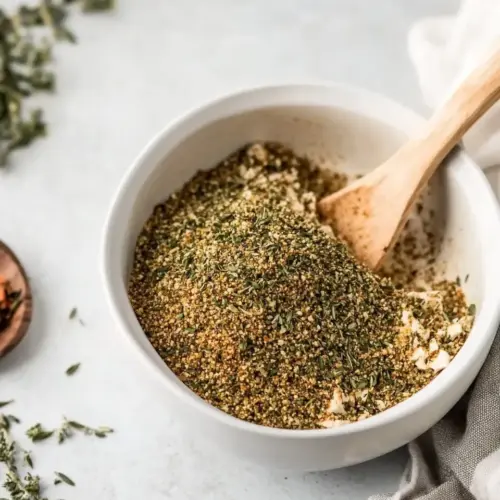
Turkey Seasoning
Equipment
- Bowl
- Whisk
- Airtight jar
Ingredients
- 2 teaspoons thyme Provide a fragrant, woodsy note that complements poultry and helps bind other herbs; use fresh or dried thyme to add subtle lemony and minty undertones. Sprinkle evenly over the turkey surface and under the skin for consistent flavor penetration. Pair with rosemary and sage for a balanced savory profile.
- 2 teaspoons rosemary Contribute a strong pine-like, slightly citrus aroma that enhances roasted turkey and cuts through richness; crush or finely chop rosemary for better release of oils. Use sparingly to avoid overpowering milder herbs and distribute close to high-heat areas for browning. Combine with thyme and sage to create a classic poultry herb blend.
- 2 teaspoons sage Add a warm, earthy bitterness with slightly peppery and minty tones that are central to traditional poultry seasoning; chop or rub sage leaves to unlock its aromatic oils. Incorporate under the skin and into stuffing to infuse savory depth throughout the bird. Balance with parsley to prevent an overly pungent finish.
- 2 teaspoons parsley Bring a fresh, bright green flavor that lightens the overall seasoning and adds visual appeal; use finely chopped or dried parsley for a mild herbaceous lift. Mix into the rub to moderate stronger herbs like rosemary and sage. Sprinkle at the end of cooking if a fresher note is desired.
- 1 teaspoon paprika Introduce mild smoky sweetness and vibrant color to the seasoning mix; choose sweet or smoked paprika depending on desired depth. Stir into dry rubs to provide subtle warmth and enhance the roast's appearance. Use in moderation to complement salt and pepper without masking herb nuances.
- 1 tablespoon kosher salt Provide essential seasoning and help amplify all other flavors while promoting browning; use kosher salt for its flaky texture and ease of even distribution. Measure carefully since salt level determines overall balance of the rub. Apply uniformly to ensure consistent seasoning across the turkey.
- 1 teaspoon pepper Supply a sharp, pungent heat that brightens and balances richer flavors; freshly ground black pepper delivers the best aromatic bite. Grind close to use time to retain volatile oils and sprinkle evenly for consistent heat. Adjust quantity to taste, keeping it complementary to salt and herbs.
- 1 teaspoon garlic powder Offer concentrated savory and umami notes that emulate fresh garlic; use garlic powder for even distribution and convenience in dry rubs. Rehydrate slightly if mixing into a wet paste or apply dry for a crisp crust. Combine with onion powder for rounded allium flavor without fresh produce.
- 1 teaspoon onion powder Contribute sweet, savory depth and mild sharpness that rounds out the allium profile; onion powder disperses evenly and adds background complexity. Blend into the dry mix to ensure uniform seasoning and to support the savory herbs. Use in balance with garlic powder to avoid dominance.
Instructions
- Place all of the ingredients into a bowl and whisk to combine.: As you mix, you will notice the dry herbs releasing subtle fragrances, a layered aroma of thyme and rosemary that signals proper blending. Use a whisk or fork to evenly distribute the salt and powders, which prevents pockets of intense flavor when applied to the turkey. If you skip thorough mixing you might end up with salty or garlicky spots on the bird, so take the extra minute to fully integrate the components. Visually you want a uniform color and texture, and the smell should be cohesive rather than dominated by one spice.
- Rub the seasoning all over the turkey making sure to get the top and bottom. Then cook your seasoned turkey according to your recipe.: Rubbing transfers aroma and seasoning into the skin and shallow surface tissues, helping the flavors penetrate as the turkey roasts. Press the mix gently into the skin and into any cavities or under the skin where possible, creating even coverage. While rubbing, you should notice the mix clinging to the skin rather than falling off; if it slides off, pat the bird dry first so the seasoning adheres. A common oversight is adding the seasoning only to the exterior, which limits flavor infusion, so be intentional about coverage.
- If you aren't using it right away, store it in a sealed container for up to 2 months.: As the turkey roasts, the herbs will bloom in the dry heat, releasing essential oils that mingle with billowing cooking aromas. Look for golden skin and juices that run clear as clues for doneness, and listen for gentle sizzling as fat renders. Overcooking will dry the meat and make the herbs taste more bitter, so monitor internal temperature rather than guessing by time alone. Resting the cooked turkey allows juices to redistribute, leaving the seasoning tasting integrated and balanced.
- If you aren't using it right away, store it in a sealed container for up to 2 months: Stored in a cool, dark place, this dry blend maintains potency while letting flavors marry. You may notice a mellowing of sharper notes over time, which can actually create a more harmonious profile. Avoid damp storage conditions, which invite clumping and spoilage. If the mix loses aroma after long storage, make a small fresh batch to refresh your pantry.
Notes
- Store airtight Keep the seasoning in a sealed jar away from heat and light to preserve freshness and aroma for up to two months.
- Pat turkey dry Dry skin helps the blend stick and promotes a beautifully browned exterior during roasting.
- Under skin application Gently lift the skin and rub some seasoning directly on the meat to boost flavor without over salting the surface.
- Use kosher salt Kosher salt dissolves and seasons more predictably in dry rubs, giving better control than fine table salt.
- Label with date Marking the jar helps you use the blend within its peak window, preventing stale or muted flavors.