Cilantro Sauce
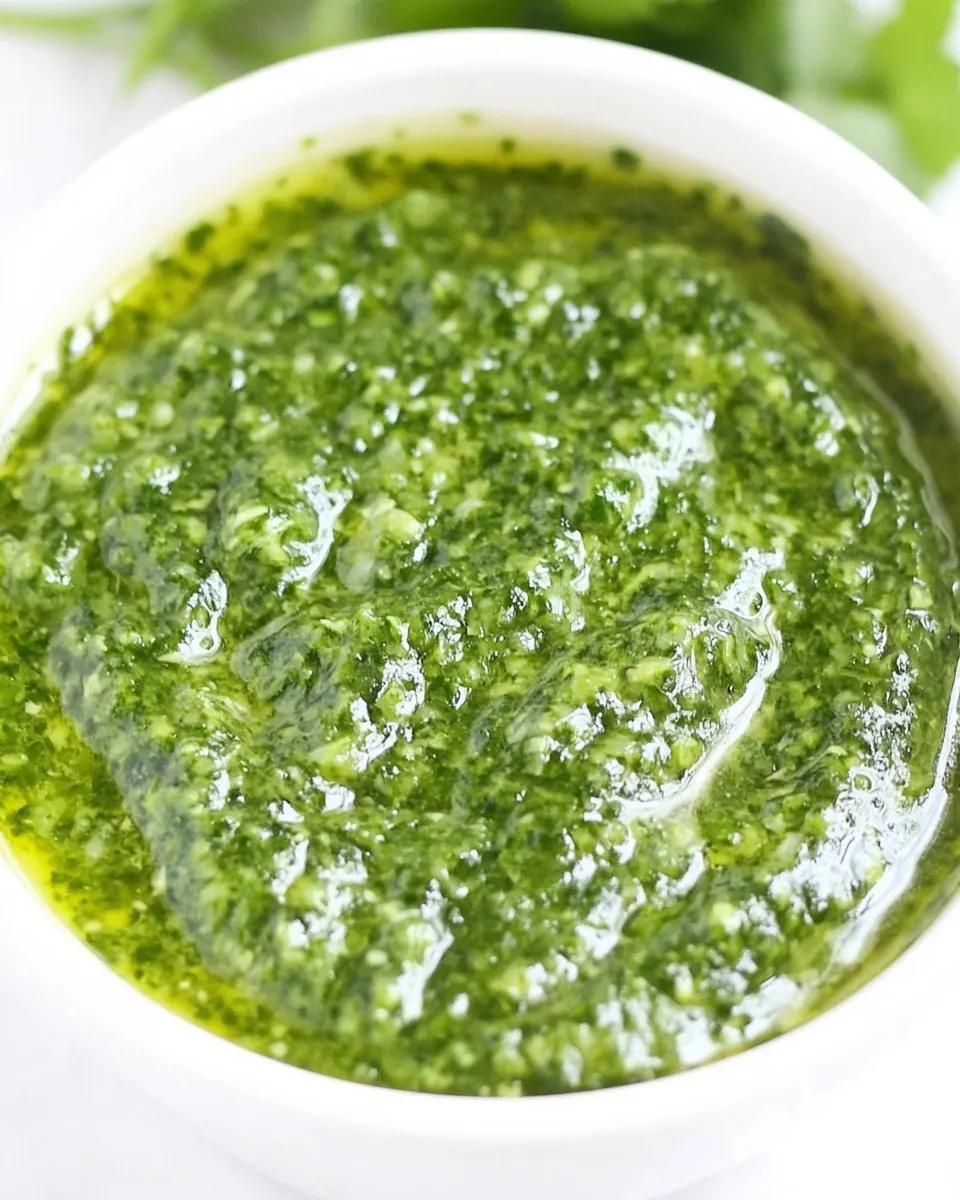
Cilantro Sauce has been my quick fix for adding bright green energy to meals on the busiest days.
I first learned to toss a jar of this vibrant green condiment onto everything after a week of travel when my palate craved something fresh and tart. I remember coming home exhausted, standing at my counter, and blitzing a bunch of cilantro with a few simple pantry items. The result was instantly uplifting, like a tiny green reset button for otherwise ordinary plates. Ever since then, I reach for Cilantro Sauce when I want to brighten grilled vegetables, spoon over bowls, or swirl into a salad dressing for an extra lift.
What I love most is how forgiving this recipe is, yet how dramatically it alters a dish. A single squeeze of lime and a touch of honey balance the herbaceous punch of cilantro, while a little olive oil smooths the texture so it clings beautifully to food. I often make a double batch when friends are coming over, because it disappears quickly and sparks conversation. Every time I blend it, the kitchen fills with a fresh, citrusy herb aroma that signals good food is coming.
Recipe Snapshot
5 mins
5 mins
Easy
80 kcal
Mexican
Paleo, Gluten-Free
Condiments
Food processor, Blender, Glass container
What We Adore About This Cilantro Sauce
Bright, fresh flavor that wakes up food
I adore how Cilantro Sauce brings an immediate lift to simple plates. The cilantro delivers a lively, almost citrusy profile that pairs perfectly with a squeeze of lime. When I add it to roasted vegetables, the contrast between the warm, caramelized edges and the cool herbal sauce is wonderful. You can taste the difference on the first bite, and I always find guests asking what I used.
Ridiculously easy to make
One of the reasons I reach for Cilantro Sauce is how little effort it takes. Tossing everything into a blender or food processor takes moments, and the payoff is huge. For busy weeknights, having this ready in the fridge makes assembling dinner feel effortless. I love the instant gratification of a quick blend producing restaurant style flavor at home.
Versatility at its best
This sauce works as a condiment, dressing, or finishing oil. I’ve spooned it over bowls, used it as a dipping sauce, and thinned it into a vibrant vinaigrette. Because the base is simple, you can adapt it to pair with different cuisines. I often tweak the consistency depending on how I plan to use it, keeping it thicker for dipping and thinner for dressing.
Fresh ingredients make a difference
When cilantro is at peak freshness, the sauce sings. I’m careful to use bright green leaves and a freshly squeezed lime for the best aroma. The tiny addition of honey rounds the edges and tames any sharpness, creating a balanced flavor that even folks who say they dislike cilantro tend to enjoy.
Keep it simple, keep it bright
Finally, Cilantro Sauce proves that you don’t need complicated techniques to transform a meal. A short list of quality ingredients and a quick pulse in a blender create an adaptable sauce that elevates everyday cooking. I find that this simplicity is exactly why I make it so often, and why it becomes a pantry favorite in my home.
Cilantro Sauce Shopping List
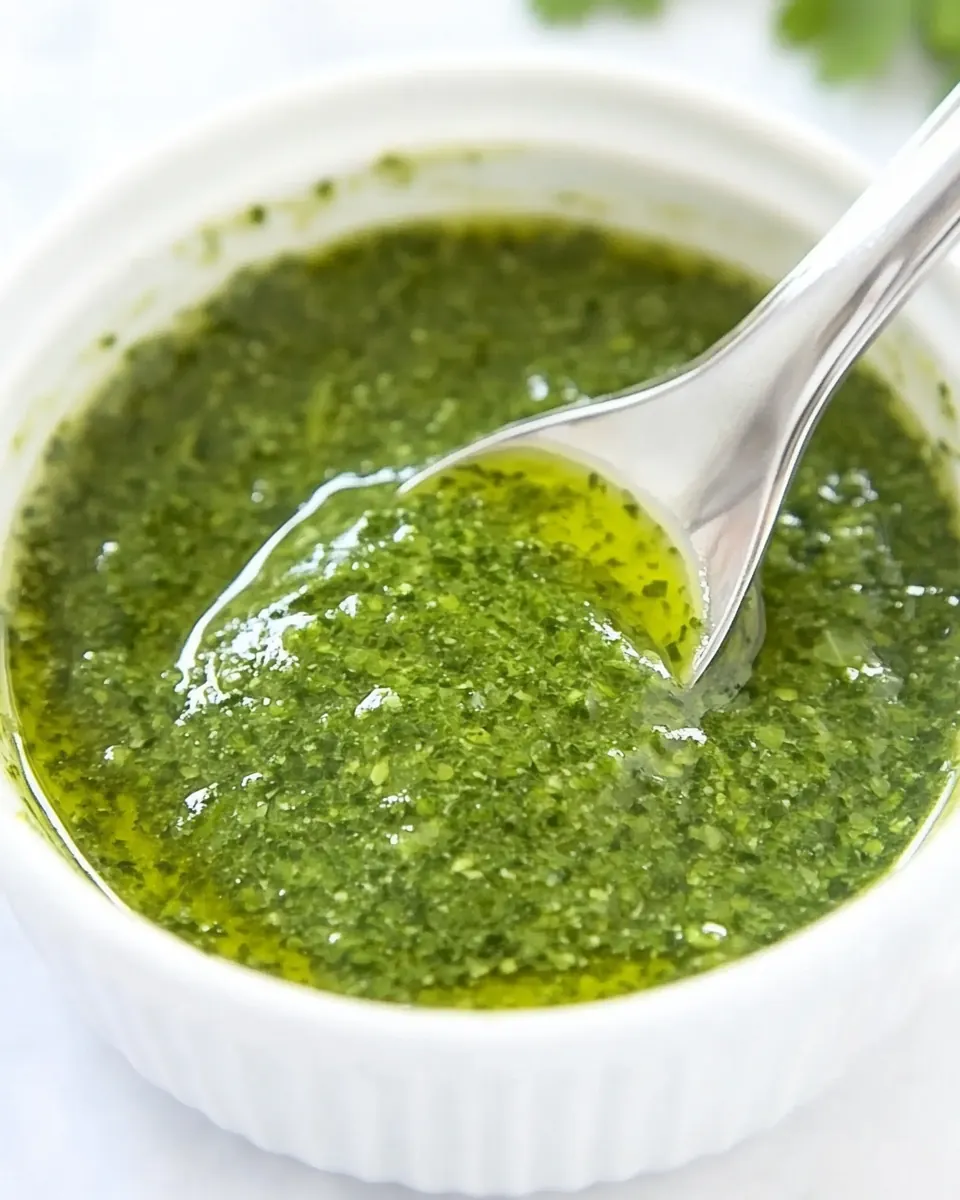
These ingredients are chosen to keep the sauce bright, creamy, and balanced. The cilantro provides the herbal backbone, while the olive oil smooths the texture and helps the sauce cling. Lime juice adds acidity to cut through richness, and a touch of honey softens edges. A single garlic clove gives a subtle savory note, and salt brings everything into focus.
- 1 cup roughly chopped cilantro (about one bunch): Adds bright, herbaceous flavor and fresh green color; provides the primary cilantro character that defines the sauce. Contributes light texture when roughly chopped and helps balance acidity from lime juice. Packs aromatic oils that enliven the overall dish and pairs well with garlic and olive oil.
- 1/4 cup extra virgin olive oil: Contributes body and silky mouthfeel while carrying and melding the herb and citrus flavors. Supplies healthy fats that help emulsify the sauce when blended with lime juice and garlic. Enhances richness without overpowering the fresh, bright profile of the cilantro.
- 2 tablespoons lime juice: Provides sharp acidity and bright citrus notes that lift the sauce and balance the oil and herbs. Acts as an acid component to brighten flavors and help preserve the vibrant green color. Helps create a lively, tangy finish that complements garlic and cilantro.
- 1 clove garlic: Delivers pungent, savory depth and aromatic bite that anchors the sauce's flavor profile. When minced or blended, it melds with the cilantro and oil to give savory complexity and a slight spicy edge. Can be adjusted in quantity to control overall pungency.
- 1 teaspoon honey (vegan: use agave syrup): Adds gentle sweetness to counterbalance acidity and savory notes while smoothing harsh edges. Helps round flavors and contributes a subtle glaze-like quality to the finished sauce. Can be substituted with agave syrup for a vegan option without altering sweetness level.
- 1/4 teaspoon salt: Provides necessary seasoning to enhance and unify all flavors in the sauce. Helps elevate the herbaceous, citrus, and savory elements while controlling overall taste. A small amount ensures the sauce tastes bright and balanced without becoming bland.
The Process for Making Cilantro Sauce
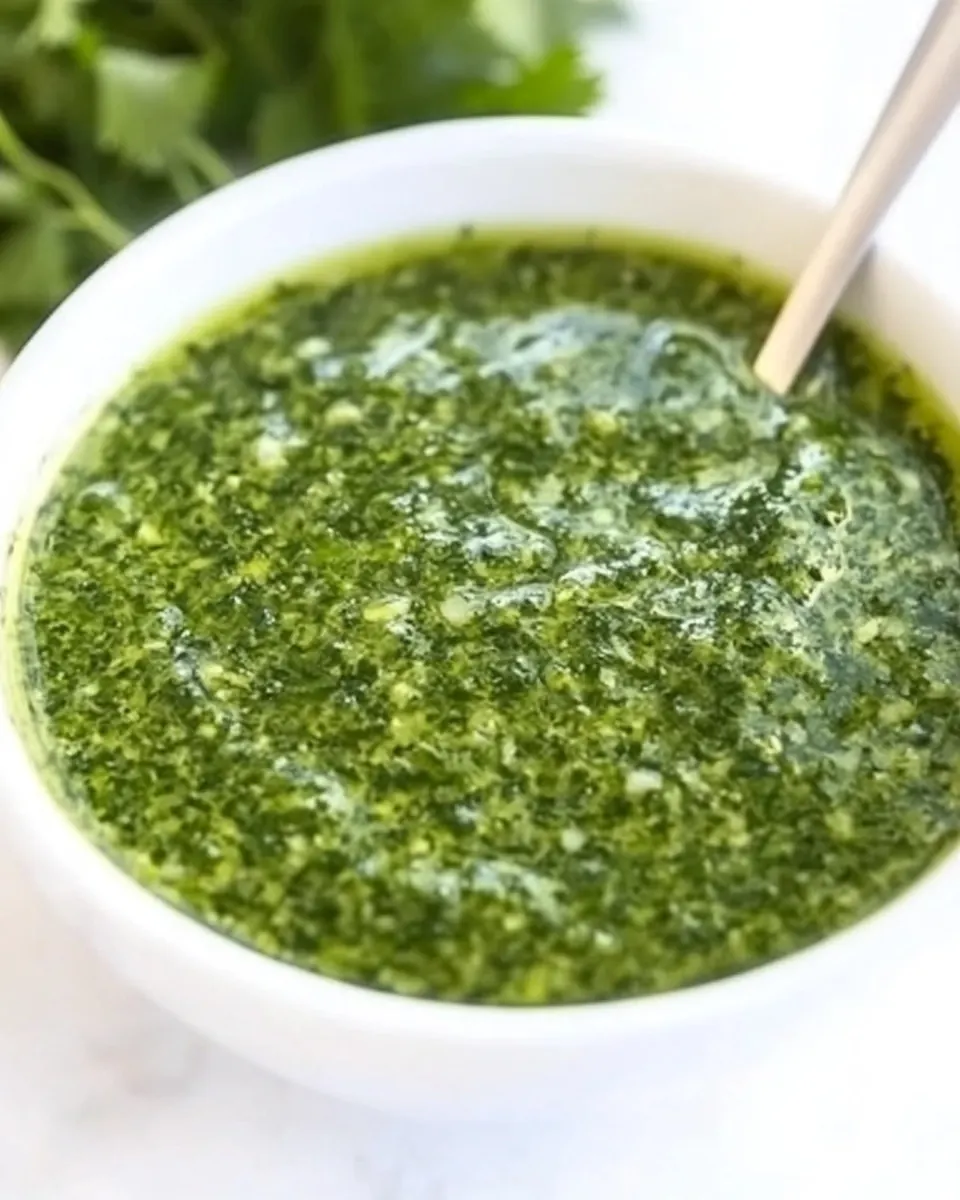
Making Cilantro Sauce is swift and satisfying, and the technique centers on balancing texture and flavor. I like to work in short pulses to control consistency and to preserve that vibrant green color. Using a food processor or blender, your goal is a smooth, cohesive sauce that still reads as fresh herb, not a dull paste.
- Place all of the ingredients in a small food processor or a blender and pulse/blend until the mixture is smooth. Transfer the cilantro sauce to an airtight non-reactive container and store in the fridge until ready to use. Best eaten the same day or within 2 days but will keep for up to 5 days. Makes approximately 1/2 cup cilantro sauce.: The moment you start blending you will notice the aroma transform the room, citrus and herb rising together. As the blades whirl, watch the color change to a vivid, bright green, which signals that the cilantro has been evenly incorporated. Listen for a steady, smooth sound without loud chattering, which can indicate large unprocessed bits. I often stop and scrape the sides once or twice so everything blends evenly, ensuring no stringy stems remain. A common mistake is overblending to the point the sauce becomes too watery, losing its body. If that happens, add a few more cilantro leaves or reduce blending time on the next pass. The reason this technique matters is texture; too thin and the sauce will run off food, too coarse and it will not coat evenly.
- Transfer the cilantro sauce to an airtight non-reactive container: Once the texture looks glossy and cohesive, move the sauce into glass or ceramic rather than metal, to avoid any metallic taste from reacting with the lime. You will notice a fresh, herbaceous scent when you open the blender, and transferring quickly preserves that brightness. Use a rubber spatula to get every last bit out, because the oil carries concentrated flavor. A frequent error is storing in a warm container, which can speed deterioration; always cool slightly before sealing and refrigerate promptly. Proper storage keeps the sauce tasting vibrant for several days.
- Store in the fridge until ready to use: Chilling the sauce helps the flavors meld and the oil slightly firm up, creating a pleasant mouthfeel. In the refrigerator the scent will stay fresh for the first couple of days, then gradually mellow. I recommend using a shallow container so the cold penetrates evenly, and try to use within a few days for peak flavor. One oversight is leaving the lid loose which allows other fridge odors to mingle with the sauce; keep it sealed tightly. The cold also firms the oil, so if the sauce seems thick, let it sit at room temperature for a few minutes before serving.
- Best eaten the same day or within 2 days but will keep for up to 5 days: Freshness is key here, since the bright notes of cilantro fade over time. You will notice the color begin to darken after a couple of days and the aroma will become less punchy. If you plan to store it longer, check for any off smells or separation before using. A common pitfall is assuming the sauce will taste the same after several days; plan to consume it sooner for the best experience. The reason timing matters is that the volatile aromatics in cilantro are delicate and diminish with time, altering the overall impact.
- Makes approximately 1/2 cup cilantro sauce: This yield is perfect for serving as a finishing touch for a few meals, and you will often find it stretches further than expected because a little goes a long way. Visually, the volume will appear compact in a container but will spread widely across plates. One tip is to reserve a tablespoon for immediate tasting so you can adjust salt or lime before sealing the rest. A misstep is using too much on a single dish, which can overwhelm more subtle components; start sparingly and add more as needed. Understanding the yield helps you plan how often to make it fresh.
Tips for Success
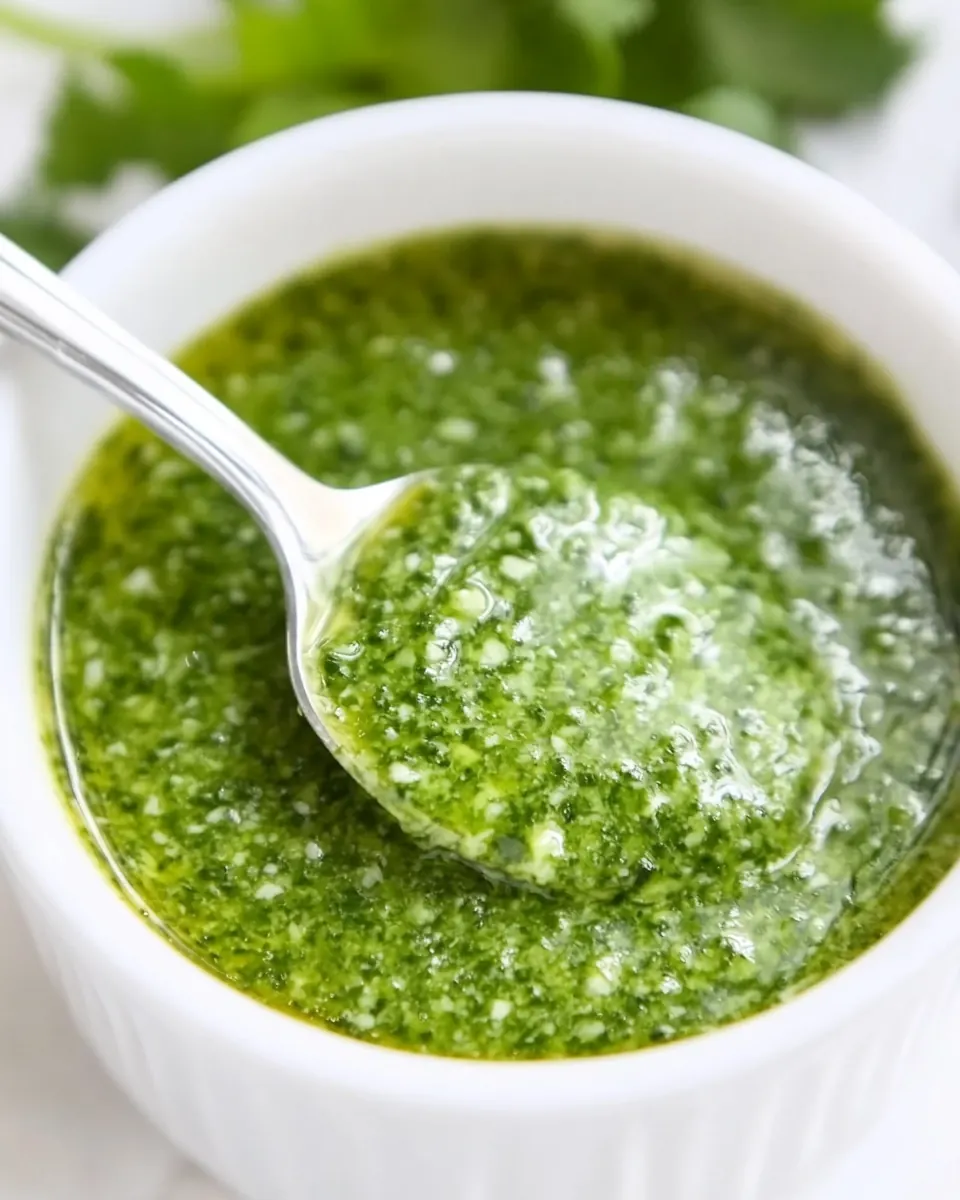
I like to give clear, practical tips that help you get the most from Cilantro Sauce. These are based on repeated tests and small refinements that elevate the final result.
- Choose fresh cilantro: Fresh, bright bunches provide the best flavor and color, avoid wilted stems which will make the sauce dull.
- Use fresh lime juice: Freshly squeezed lime has a brighter, cleaner acidity than bottled juice, which lifts the entire sauce.
- Pulse, do not overblend: Short pulses help control texture and prevent the sauce from becoming too watery, preserving a pleasant mouthfeel.
- Adjust sweetness last: Add the honey sparingly and taste after blending, because a little can go a long way and you want balance.
- Store correctly: Keep the sauce in a sealed glass container in the fridge to avoid flavor transfer and to maintain freshness up to five days.
Serving Ideas for Cilantro Sauce
This sauce is incredibly versatile, and thinking through serving contexts helps you make the most of its bright profile. Below are ideas spanning occasions, pairings, and storage pointers to use Cilantro Sauce well.
- As a finishing drizzle: Spoon a little over roasted vegetables to add fresh herbal brightness right before serving, which contrasts the warm caramelized edges.
- For bowls and salads: Thin with a touch of water or extra lime juice to create a vibrant dressing that ties grain bowls and salads together.
- As a dipping sauce: Serve thicker alongside grilled vegetables or bread for a zesty dip that guests will reach for repeatedly.
- Weeknight meals: Keep a small jar in the fridge to quickly uplift wraps, tacos, or simple protein dishes, making fast dinners feel intentional.
- Occasions and pairings: Great for casual gatherings, summer lunches, or any time you want a fresh herb accent; it pairs especially well with citrus forward or smoky flavors.
- Storage and reheating: Refrigerate in a non reactive container, and let sit at room temperature briefly before using so the oil softens and the aroma revives.
FAQ
Conclusion
Cilantro Sauce stands out for its bright fresh flavor and effortless preparation, transforming simple meals with minimal effort. Give it a try the next time you want to lift a plate with herbaceous, citrusy notes, and you may find it becomes a go to condiment in your fridge. I hope this sauce inspires you to experiment with fresh herbs and quick blends in your kitchen, making weeknight meals feel a little more special.
Cilantro Sauce
Equipment
- Food Processor
- Blender
- Glass container
Ingredients
- 1 cup roughly chopped cilantro (about one bunch) Adds bright, herbaceous flavor and fresh green color; provides the primary cilantro character that defines the sauce. Contributes light texture when roughly chopped and helps balance acidity from lime juice. Packs aromatic oils that enliven the overall dish and pairs well with garlic and olive oil.
- 1/4 cup extra virgin olive oil Contributes body and silky mouthfeel while carrying and melding the herb and citrus flavors. Supplies healthy fats that help emulsify the sauce when blended with lime juice and garlic. Enhances richness without overpowering the fresh, bright profile of the cilantro.
- 2 tablespoons lime juice Provides sharp acidity and bright citrus notes that lift the sauce and balance the oil and herbs. Acts as an acid component to brighten flavors and help preserve the vibrant green color. Helps create a lively, tangy finish that complements garlic and cilantro.
- 1 clove garlic Delivers pungent, savory depth and aromatic bite that anchors the sauce's flavor profile. When minced or blended, it melds with the cilantro and oil to give savory complexity and a slight spicy edge. Can be adjusted in quantity to control overall pungency.
- 1 teaspoon honey (vegan: use agave syrup) Adds gentle sweetness to counterbalance acidity and savory notes while smoothing harsh edges. Helps round flavors and contributes a subtle glaze-like quality to the finished sauce. Can be substituted with agave syrup for a vegan option without altering sweetness level.
- 1/4 teaspoon salt Provides necessary seasoning to enhance and unify all flavors in the sauce. Helps elevate the herbaceous, citrus, and savory elements while controlling overall taste. A small amount ensures the sauce tastes bright and balanced without becoming bland.
Instructions
- Place all of the ingredients in a small food processor or a blender and pulse/blend until the mixture is smooth. Transfer the cilantro sauce to an airtight non-reactive container and store in the fridge until ready to use. Best eaten the same day or within 2 days but will keep for up to 5 days. Makes approximately 1/2 cup cilantro sauce.: The moment you start blending you will notice the aroma transform the room, citrus and herb rising together. As the blades whirl, watch the color change to a vivid, bright green, which signals that the cilantro has been evenly incorporated. Listen for a steady, smooth sound without loud chattering, which can indicate large unprocessed bits. I often stop and scrape the sides once or twice so everything blends evenly, ensuring no stringy stems remain. A common mistake is overblending to the point the sauce becomes too watery, losing its body. If that happens, add a few more cilantro leaves or reduce blending time on the next pass. The reason this technique matters is texture; too thin and the sauce will run off food, too coarse and it will not coat evenly.
- Transfer the cilantro sauce to an airtight non-reactive container: Once the texture looks glossy and cohesive, move the sauce into glass or ceramic rather than metal, to avoid any metallic taste from reacting with the lime. You will notice a fresh, herbaceous scent when you open the blender, and transferring quickly preserves that brightness. Use a rubber spatula to get every last bit out, because the oil carries concentrated flavor. A frequent error is storing in a warm container, which can speed deterioration; always cool slightly before sealing and refrigerate promptly. Proper storage keeps the sauce tasting vibrant for several days.
- Store in the fridge until ready to use: Chilling the sauce helps the flavors meld and the oil slightly firm up, creating a pleasant mouthfeel. In the refrigerator the scent will stay fresh for the first couple of days, then gradually mellow. I recommend using a shallow container so the cold penetrates evenly, and try to use within a few days for peak flavor. One oversight is leaving the lid loose which allows other fridge odors to mingle with the sauce; keep it sealed tightly. The cold also firms the oil, so if the sauce seems thick, let it sit at room temperature for a few minutes before serving.
- Best eaten the same day or within 2 days but will keep for up to 5 days: Freshness is key here, since the bright notes of cilantro fade over time. You will notice the color begin to darken after a couple of days and the aroma will become less punchy. If you plan to store it longer, check for any off smells or separation before using. A common pitfall is assuming the sauce will taste the same after several days; plan to consume it sooner for the best experience. The reason timing matters is that the volatile aromatics in cilantro are delicate and diminish with time, altering the overall impact.
- Makes approximately 1/2 cup cilantro sauce: This yield is perfect for serving as a finishing touch for a few meals, and you will often find it stretches further than expected because a little goes a long way. Visually, the volume will appear compact in a container but will spread widely across plates. One tip is to reserve a tablespoon for immediate tasting so you can adjust salt or lime before sealing the rest. A misstep is using too much on a single dish, which can overwhelm more subtle components; start sparingly and add more as needed. Understanding the yield helps you plan how often to make it fresh.
Notes
- Choose fresh cilantro: Fresh, bright bunches provide the best flavor and color, avoid wilted stems which will make the sauce dull.
- Use fresh lime juice: Freshly squeezed lime has a brighter, cleaner acidity than bottled juice, which lifts the entire sauce.
- Pulse, do not overblend: Short pulses help control texture and prevent the sauce from becoming too watery, preserving a pleasant mouthfeel.
- Adjust sweetness last: Add the honey sparingly and taste after blending, because a little can go a long way and you want balance.
- Store correctly: Keep the sauce in a sealed glass container in the fridge to avoid flavor transfer and to maintain freshness up to five days.