
Creamy Grits
Creamy Grits has always been the warm welcome on my table when the weather turns crisp and I want something comforting without fuss. The first time I made Creamy Grits for friends, they kept coming back for seconds and asking what my secret was. I remember stirring the pot, the aroma lifting from the pan and filling the kitchen with a cozy, savory scent that made everyone slow down and talk a little more softly.
Years later I still reach for this recipe on busy weeknights and slow weekend mornings alike. There is something honest about the texture, the way the grains swell and become pillowy, and how a little butter and cream transform simple ingredients into something velvet smooth. When I want a dish that pairs with roast vegetables or stands up to a bold main, I choose Creamy Grits because it is forgiving, quick to start, and reliably satisfying. Over time I learned small adjustments that make a big difference, like stirring just often enough to keep lumps away and tasting for salt at the end. Those little choices are why these grits always feel like home.
Recipe Snapshot
30 mins
5 mins
25 mins
Easy
250 kcal
American
Keto, Gluten-Free
Side Dishes
Medium saucepan, Whisk
Why This Creamy Grits Works
Comfort in a Bowl
I love Creamy Grits because it delivers instant comfort with minimal effort. The texture is luxuriously smooth when cooked properly, and that richness feels like a hug from the inside. I find myself reaching for this recipe when I want something calming after a hectic day, and the simple ingredients let the grain speak for itself.
Versatility That Surprises
One of the best things about Creamy Grits is how adaptable it is. I often switch between using broth for a savory base or water if I plan to sweeten or keep things very light. You can spoon it next to roasted vegetables for dinner, or serve it with eggs for a relaxed brunch. I appreciate recipes that can shift roles without losing identity, and these grits do exactly that.
Speed Without Sacrifice
We all have busy nights, and I like that Creamy Grits comes together quickly. With just a short active time at the end to finish with butter, cream, and optional cheese, it feels elegant without the long fuss. That rapid turnaround makes it a dependable weeknight choice when I want something satisfying fast.
Simple Ingredients, Deep Flavor
There is a magic in keeping ingredients honest. Using good stone ground grits, a quality broth, and extra sharp cheddar when I want cheesy depth, gives this dish real character. I enjoy telling guests that the secret is not complexity, it is choosing components that work well together and letting technique do the rest.
Room for Personal Touch
I like that Creamy Grits invites personalization. Small tweaks in liquid, the addition of garlic, or a touch more cream make the outcome uniquely mine each time. That creative space makes it a recipe I return to again and again, because it never feels finished; it evolves with the moment and with who I am serving.
What You’ll Need for Creamy Grits

These ingredients form a simple and harmonious lineup. The philosophy here is balance between starch, liquid, and richness. The grits provide the foundation, the liquid hydrates and cooks them to tenderness, and the butter and heavy cream create that signature silky mouthfeel. Optional cheddar cheese and garlic add savory depth when desired, while salt and pepper finish the dish with clarity.
- 4 cups low-sodium chicken stock, vegetable broth, or water,*see notes: Provide the flavorful cooking liquid and base for the grits, contributing savory depth and moisture; choose low-sodium chicken stock, vegetable broth, or water to control overall saltiness and flavor, and use about 4 cups to properly cook the grits until tender.
- 1 cup stone-ground white or yellow grits,not polenta or instant grits: Offer the essential corn texture and body for the dish, using 1 cup of stone–ground white or yellow grits (not polenta or instant) to achieve a creamy, slightly coarse mouthfeel that thickens as it simmers.
- 2 teaspoons minced garlic (optional): Add a subtle aromatic pungency and savory lift when minced and cooked briefly; 2 teaspoons of garlic are optional but enhance depth and complement the butter and cheese.
- 4 tablespoons unsalted butter: Provide rich fat and silky mouthfeel, with 4 tablespoons of unsalted butter melted into the cooked grits to create a smooth, luxurious texture without adding extra salt.
- 2 tablespoons heavy cream,+ more to thin: Contribute additional richness and creaminess to loosen and smooth the grits, with 2 tablespoons of heavy cream used during finishing and more available to thin the consistency if needed.
- 1 cup extra-sharp shredded cheddar cheese (optional): Introduce sharp, tangy flavor and melty richness when stirred in off heat; 1 cup of extra–sharp shredded cheddar cheese is optional but elevates savory complexity and creates a cheesy finish.
- salt and pepper to taste: Control seasoning balance and enhance all flavors; salt and pepper to taste should be added gradually and adjusted at the end to achieve the desired savory profile without overpowering the grits.
Cooking Instructions for Creamy Grits
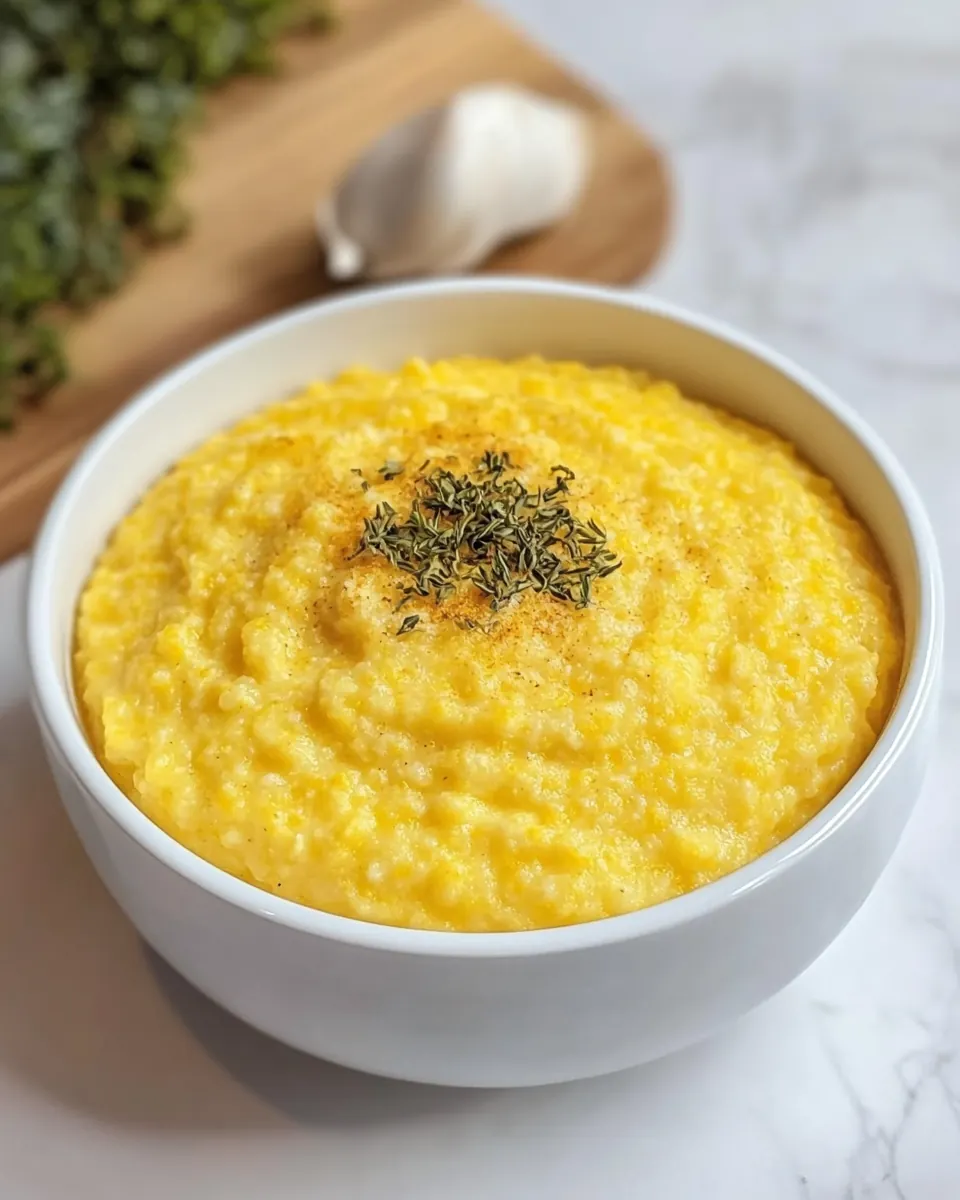
These directions break the preparation into clear actions so you can listen and watch for the right cues. I like to stay nearby while the grits cook, whisking now and then to keep the texture smooth and to respond if the mixture thickens too fast. Follow the timing, but trust sensory signals like bubbling and aroma to know when to adjust.
- In a medium saucepan, bring 4 cups low-sodium chicken stock, vegetable broth, or water to a boil over medium-high heat. Tip: Use broth for savory grits and water for sweet or plain grits.: You will hear the liquid reach a rolling simmer, and small bubbles will form steadily across the surface, releasing a warm, savory steam if you used broth. This stage ensures the cooking environment is hot enough to properly hydrate the grits , which is why bringing the liquid fully to a boil first matters. A common mistake is starting the grits in cold or lukewarm liquid, which can lead to uneven cooking; always heat the liquid until you see consistent bubbling. Keep an eye on the pot to prevent rapid boil overs, and use a saucepan with enough capacity to avoid spillover.
- Once boiling, add 2 teaspoons minced garlic if using, and slowly whisk in the 1 cup stone-ground white or yellow grits.: Right after the liquid boils, the aroma of the garlic will bloom and mingle with the steam, giving an early savory backbone. Slowly sprinkling and whisking the grits prevents lumps, and you should see the mixture thicken almost immediately into a satin texture. This technique matters because quick, even incorporation keeps the final texture smooth; a pitfall is dumping all the grits at once which creates clumps. Keep the heat steady and whisk in a continuous, patient rhythm so each grain hydrates evenly.
- Reduce the heat to low and cover the pan with a tight-fitting lid. Remove the lid every couple of minutes to give the mixture a good whisk, which will prevent lumps from forming. Cook until the grits are tender and the liquid is mostly evaporated. This will take about 20-25 minutes. If your liquid evaporates before your grits are tender, add in 1/4 cup more liquid as needed.: Once the grits and liquid have combined, lowering the heat to low creates gentle convection that cooks the grains slowly without scorching. With the lid on, steam circulates and softens the grits , producing that creamy body. You should hear very gentle bubbling, not an aggressive boil, and aroma will be more subtle and settled. A common mistake is leaving the heat too high, which can cause the mixture to dry out or stick to the pan; if that happens reduce the heat further and add a splash of liquid. Remove the lid briefly every few minutes to whisk, which keeps the texture uniform and prevents a skin from forming.
- Remove the saucepan from the heat and stir in the 4 tablespoons unsalted butter, 2 tablespoons heavy cream, and 1 cup extra-sharp shredded cheddar cheese if using. If needed, add an additional tablespoon or two of cream to thin. Add salt and pepper to taste and serve immediately.: The rhythmic whisking while uncovered is where texture is built; you will feel resistance as the grits thicken and hear the pot make a low, contented simmering sound. Whisking also releases trapped steam and allows you to gauge doneness visually, watching the individual grains swell and soften. If the mixture looks too dry before the grits are tender, add about 1/4 cup more liquid to maintain creaminess. A frequent oversight is assuming time alone guarantees tenderness; instead watch and feel the grains between spoon and teeth to confirm they are cooked through.
- Cook until the grits are tender and the liquid is mostly evaporated: This stage will produce a fluffy but creamy mass, the grains losing their raw bite and taking on a silky sheen. You will see the surface thicken and the pot will make a lower, thicker bubbling sound as moisture reduces. Expect about 20 to 25 minutes of gentle cooking, though altitude and grain coarseness affect timing. If the grits still feel gritty, continue cooking, adding small amounts of liquid if needed. Avoid overcooking to the point of gluey texture; frequent gentle whisking preserves a pleasant mouthfeel.
- If your liquid evaporates before your grits are tender, add in 1/4 cup more liquid as needed: Watch for a texture that is thick but not dry; when the pot looks pasty but the center grain still resists, add a measured 1/4 cup of stock or water and stir it in to restore a silky consistency. The sound will shift back to soft bubbling and the steam will pick up slightly, signaling renewed cooking. Many cooks panic and pour in too much liquid at once, which dilutes flavor; add small amounts so you keep control of texture. This incremental adjustment prevents a breakdown in the balance between creaminess and body.
- Remove the saucepan from the heat and stir in the 4 tablespoons unsalted butter, 2 tablespoons heavy cream, and 1 cup extra-sharp shredded cheddar cheese if using: Off the heat, the butter and cream melt smoothly into the finished grits , creating a lustrous finish. When you stir, you should see the mixture glossy and slightly looser than it was on the stove, and if you added cheddar cheese it will melt into little waves of orange or white, depending on the cheese, lending savory depth. Doing this off heat avoids separating fats and keeps the mouthfeel velvety. A common mistake is adding cold dairy straight into a very hot pot without stirring, which can cause clumping; temper the dairy slightly if you are concerned.
- If needed, add an additional tablespoon or two of cream to thin: Assess the texture at serving temperature, because grits thicken as they cool. If the bowl looks too dense, stir in a tablespoon of cream or stock and notice the sheen return and the mixture loosen just enough to spoon easily. You want a consistency that coats a spoon without sliding off in a single clump. Adding liquid in small increments prevents over thinning, which would make the dish lack body. Avoid the trap of adding water first; use stock or cream for flavor continuity.
- Add salt and pepper to taste and serve immediately: Tasting at the end lets you calibrate seasoning precisely, especially if you used a broth with salt already. Freshly ground pepper adds a bright note against the rich background, and a pinch of salt can lift flavors without overwhelming them. Serve the grits hot, noticing the steam and the gentle aroma of butter and cheese. A final error some cooks make is over-salting; season gradually and taste between additions to reach the ideal balance.
Ways to Adapt This Recipe

These adaptation tips help you make Creamy Grits fit many meals and moods. Each idea focuses on a clear starting phrase so you can scan quickly and pick the tweak that suits your table.
- Swap the liquid for vegetable broth if you want a vegetarian friendly base, or use water for a more neutral canvas you can sweeten or heavily season later.
- Omit the cheese to keep the dish lighter, then finish with extra butter and cream for richness without added sharpness.
- Adjust creaminess by adding additional cream or stock one tablespoon at a time until the texture is exactly how you like it.
- Use white or yellow grits depending on availability, both give excellent results if stone–ground and not instant.
- Make ahead and reheat by chilling the grits, then reheating gently with a splash of milk or stock while whisking to restore the original silkiness.
Side Dish Ideas for Creamy Grits
Creamy Grits pairs beautifully across seasons and occasions. Whether it is a cozy winter dinner or a relaxed brunch, these serving ideas will help you plan a balanced plate and offer sensible storage notes. Use the list below to match textures and flavors to your meal.
- Roasted vegetables such as carrots or Brussels sprouts bring caramelized edges and a pleasant chew that contrasts the smooth grits.
- Sautéed greens like collards or spinach add a bright, slightly bitter contrast that cuts through the richness.
- Poached or fried eggs make a lovely brunch pairing, the yolk adding an extra layer of silk when broken over the grits.
- Simple salad with a lemony vinaigrette offers acidity that balances the creamy mouthfeel of the dish.
- Occasions include cozy winter dinners, casual weeknight meals, and relaxed weekend brunches where people can serve themselves from a warm pot.
- Storage tips store leftovers in an airtight container for up to three days in the refrigerator, and reheat with a splash of stock or milk while whisking until smooth.
- Seasonal pairings for winter lean toward earthy roasted sides and braised greens, while spring and summer can highlight lighter salads and simply cooked vegetables.
FAQ
Conclusion
Creamy Grits shine because they take humble ingredients and turn them into something richly comforting and reliably delicious. Give this recipe a try tonight to experience a smooth, buttery bowl that supports many meals and moods. I hope it becomes a go to on your menu when you want something simple, warm, and deeply satisfying.

Creamy Grits
Equipment
- Medium Saucepan
- Whisk
Ingredients
- 4 cups low-sodium chicken stock, vegetable broth, or water,*see notes Provide the flavorful cooking liquid and base for the grits, contributing savory depth and moisture; choose low-sodium chicken stock, vegetable broth, or water to control overall saltiness and flavor, and use about 4 cups to properly cook the grits until tender.
- 1 cup stone-ground white or yellow grits,not polenta or instant grits Offer the essential corn texture and body for the dish, using 1 cup of stone-ground white or yellow grits (not polenta or instant) to achieve a creamy, slightly coarse mouthfeel that thickens as it simmers.
- 2 teaspoons minced garlic,optional Add a subtle aromatic pungency and savory lift when minced and cooked briefly; 2 teaspoons of garlic are optional but enhance depth and complement the butter and cheese.
- 4 tablespoons unsalted butter Provide rich fat and silky mouthfeel, with 4 tablespoons of unsalted butter melted into the cooked grits to create a smooth, luxurious texture without adding extra salt.
- 2 tablespoons heavy cream,+ more to thin Contribute additional richness and creaminess to loosen and smooth the grits, with 2 tablespoons of heavy cream used during finishing and more available to thin the consistency if needed.
- 1 cup extra-sharp shredded cheddar cheese,optional Introduce sharp, tangy flavor and melty richness when stirred in off heat; 1 cup of extra-sharp shredded cheddar cheese is optional but elevates savory complexity and creates a cheesy finish.
- salt and pepper to taste Control seasoning balance and enhance all flavors; salt and pepper to taste should be added gradually and adjusted at the end to achieve the desired savory profile without overpowering the grits.
Instructions
- In a medium saucepan, bring 4 cups low-sodium chicken stock, vegetable broth, or water to a boil over medium-high heat. Tip: Use broth for savory grits and water for sweet or plain grits.: You will hear the liquid reach a rolling simmer, and small bubbles will form steadily across the surface, releasing a warm, savory steam if you used broth. This stage ensures the cooking environment is hot enough to properly hydrate the grits , which is why bringing the liquid fully to a boil first matters. A common mistake is starting the grits in cold or lukewarm liquid, which can lead to uneven cooking; always heat the liquid until you see consistent bubbling. Keep an eye on the pot to prevent rapid boil overs, and use a saucepan with enough capacity to avoid spillover.
- Once boiling, add 2 teaspoons minced garlic if using, and slowly whisk in the 1 cup stone-ground white or yellow grits.: Right after the liquid boils, the aroma of the garlic will bloom and mingle with the steam, giving an early savory backbone. Slowly sprinkling and whisking the grits prevents lumps, and you should see the mixture thicken almost immediately into a satin texture. This technique matters because quick, even incorporation keeps the final texture smooth; a pitfall is dumping all the grits at once which creates clumps. Keep the heat steady and whisk in a continuous, patient rhythm so each grain hydrates evenly.
- Reduce the heat to low and cover the pan with a tight-fitting lid. Remove the lid every couple of minutes to give the mixture a good whisk, which will prevent lumps from forming. Cook until the grits are tender and the liquid is mostly evaporated. This will take about 20-25 minutes. If your liquid evaporates before your grits are tender, add in 1/4 cup more liquid as needed.: Once the grits and liquid have combined, lowering the heat to low creates gentle convection that cooks the grains slowly without scorching. With the lid on, steam circulates and softens the grits , producing that creamy body. You should hear very gentle bubbling, not an aggressive boil, and aroma will be more subtle and settled. A common mistake is leaving the heat too high, which can cause the mixture to dry out or stick to the pan; if that happens reduce the heat further and add a splash of liquid. Remove the lid briefly every few minutes to whisk, which keeps the texture uniform and prevents a skin from forming.
- Remove the saucepan from the heat and stir in the 4 tablespoons unsalted butter, 2 tablespoons heavy cream, and 1 cup extra-sharp shredded cheddar cheese if using. If needed, add an additional tablespoon or two of cream to thin. Add salt and pepper to taste and serve immediately.: The rhythmic whisking while uncovered is where texture is built; you will feel resistance as the grits thicken and hear the pot make a low, contented simmering sound. Whisking also releases trapped steam and allows you to gauge doneness visually, watching the individual grains swell and soften. If the mixture looks too dry before the grits are tender, add about 1/4 cup more liquid to maintain creaminess. A frequent oversight is assuming time alone guarantees tenderness; instead watch and feel the grains between spoon and teeth to confirm they are cooked through.
- Cook until the grits are tender and the liquid is mostly evaporated: This stage will produce a fluffy but creamy mass, the grains losing their raw bite and taking on a silky sheen. You will see the surface thicken and the pot will make a lower, thicker bubbling sound as moisture reduces. Expect about 20 to 25 minutes of gentle cooking, though altitude and grain coarseness affect timing. If the grits still feel gritty, continue cooking, adding small amounts of liquid if needed. Avoid overcooking to the point of gluey texture; frequent gentle whisking preserves a pleasant mouthfeel.
- If your liquid evaporates before your grits are tender, add in 1/4 cup more liquid as needed: Watch for a texture that is thick but not dry; when the pot looks pasty but the center grain still resists, add a measured 1/4 cup of stock or water and stir it in to restore a silky consistency. The sound will shift back to soft bubbling and the steam will pick up slightly, signaling renewed cooking. Many cooks panic and pour in too much liquid at once, which dilutes flavor; add small amounts so you keep control of texture. This incremental adjustment prevents a breakdown in the balance between creaminess and body.
- Remove the saucepan from the heat and stir in the 4 tablespoons unsalted butter, 2 tablespoons heavy cream, and 1 cup extra-sharp shredded cheddar cheese if using: Off the heat, the butter and cream melt smoothly into the finished grits , creating a lustrous finish. When you stir, you should see the mixture glossy and slightly looser than it was on the stove, and if you added cheddar cheese it will melt into little waves of orange or white, depending on the cheese, lending savory depth. Doing this off heat avoids separating fats and keeps the mouthfeel velvety. A common mistake is adding cold dairy straight into a very hot pot without stirring, which can cause clumping; temper the dairy slightly if you are concerned.
- If needed, add an additional tablespoon or two of cream to thin: Assess the texture at serving temperature, because grits thicken as they cool. If the bowl looks too dense, stir in a tablespoon of cream or stock and notice the sheen return and the mixture loosen just enough to spoon easily. You want a consistency that coats a spoon without sliding off in a single clump. Adding liquid in small increments prevents over thinning, which would make the dish lack body. Avoid the trap of adding water first; use stock or cream for flavor continuity.
- Add salt and pepper to taste and serve immediately: Tasting at the end lets you calibrate seasoning precisely, especially if you used a broth with salt already. Freshly ground pepper adds a bright note against the rich background, and a pinch of salt can lift flavors without overwhelming them. Serve the grits hot, noticing the steam and the gentle aroma of butter and cheese. A final error some cooks make is over-salting; season gradually and taste between additions to reach the ideal balance.
Notes
- Swap the liquid for vegetable broth if you want a vegetarian friendly base, or use water for a more neutral canvas you can sweeten or heavily season later.
- Omit the cheese to keep the dish lighter, then finish with extra butter and cream for richness without added sharpness.
- Adjust creaminess by adding additional cream or stock one tablespoon at a time until the texture is exactly how you like it.
- Use white or yellow grits depending on availability, both give excellent results if stone-ground and not instant.
- Make ahead and reheat by chilling the grits, then reheating gently with a splash of milk or stock while whisking to restore the original silkiness.