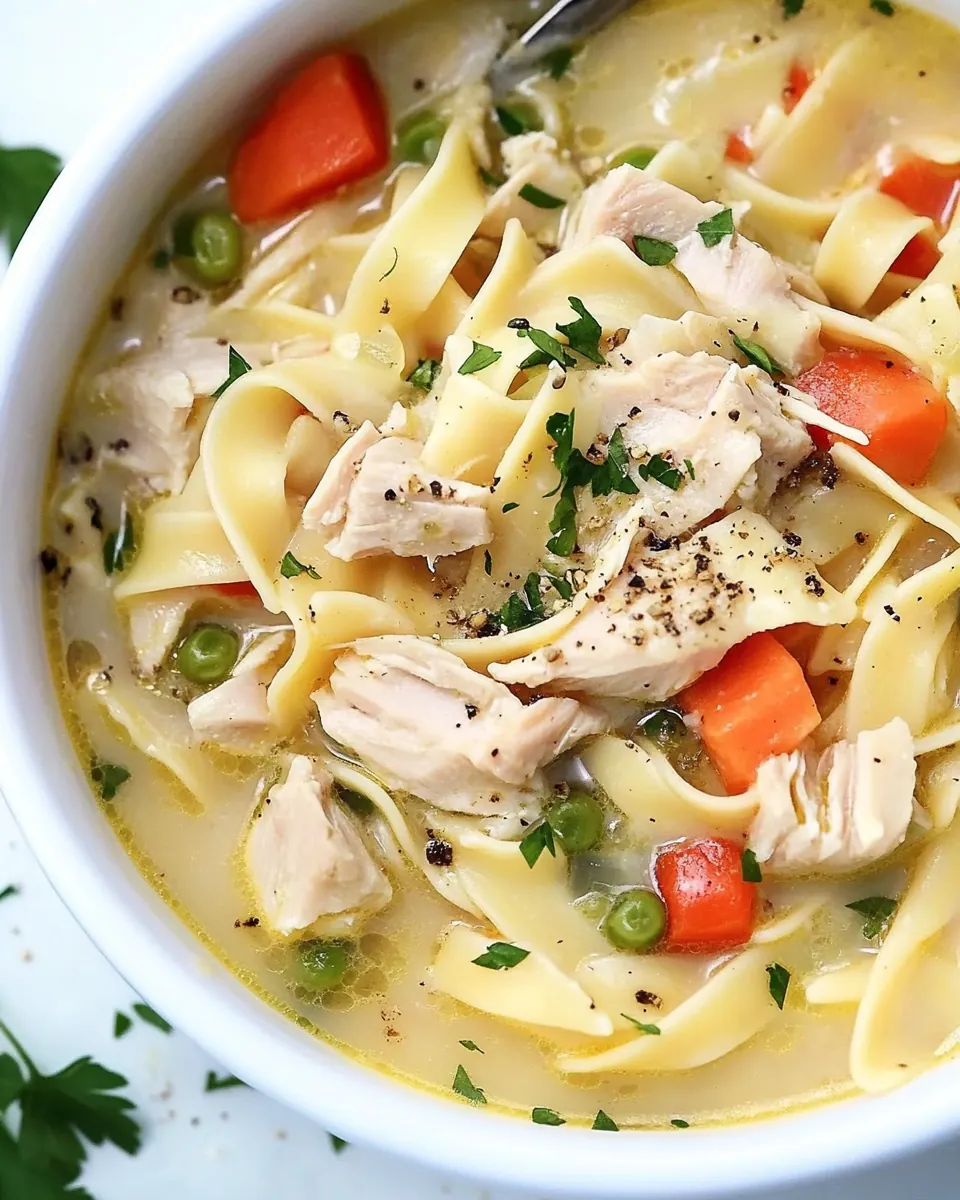
Turkey Noodle Soup
Turkey Noodle Soup is the kind of bowl I turn to when the house needs a warm, honest hug. On a cold winter evening I’ll take whatever leftover turkey I have, pull out my favorite pot, and let the kitchen fill with the soothing steam of simmering broth. There is comfort in the ritual, from the soft hiss when butter hits the pan to the quiet rhythm of stirring, and that familiarity makes this recipe feel like home every time.
Some of my best memories are built around soup bowls shared with friends after long days. I remember one evening after a blustery walk when I returned with chilled hands and a rumbling stomach, and a pot of Turkey Noodle Soup transformed everything. The aroma of sautéed onion and carrots drew everyone into the kitchen, and we sat down with steaming bowls and talked until late. That night taught me that simple ingredients treated with care become more than the sum of their parts.
Recipe Snapshot
28 mins
10 mins
18 mins
Easy
350 kcal
American
Gluten-Free, Low FODMAP
Soups
Large pot, Whisk, Wooden spoon
What You’ll Enjoy About This Turkey Noodle Soup
Comforting and familiar
I love how Turkey Noodle Soup reads like a warm blanket in food form. The mix of tender shredded turkey and soft noodles creates texture that comforts, while the broth soothes. When I serve it, people relax, and that is a big reason I keep this recipe in heavy rotation.
Efficient use of leftovers
One of the reasons I return to this dish is practicality. Using leftover roasted turkey turns yesterday’s dinner into today’s star. It feels resourceful and satisfying to upcycle meat into something cozy and delicious, which I often do after holiday meals.
Layered savory flavor
The base of butter sautéed onion, carrots, and celery builds a sweet savory backbone. I find that adding dried herbs like thyme, parsley, and basil gives the broth depth without fuss. The small addition of evaporated milk rounds the mouthfeel, making the soup feel slightly creamy while keeping it light.
Great for weeknight meals
This recipe is wonderfully adaptable for an easy weeknight dinner. It comes together quickly, and the steps are forgiving if you need to step away for a few minutes. I often double the batch for leftovers because the flavors meld beautifully overnight.
Textural play
The contrast between tender noodles, soft vegetables, and shredded turkey keeps every spoonful interesting. A finishing stir of frozen peas adds a pop of color and a fresh burst of sweetness at the end. That small detail elevates the final bowl and gives it personality.
Ingredients Overview for Turkey Noodle Soup
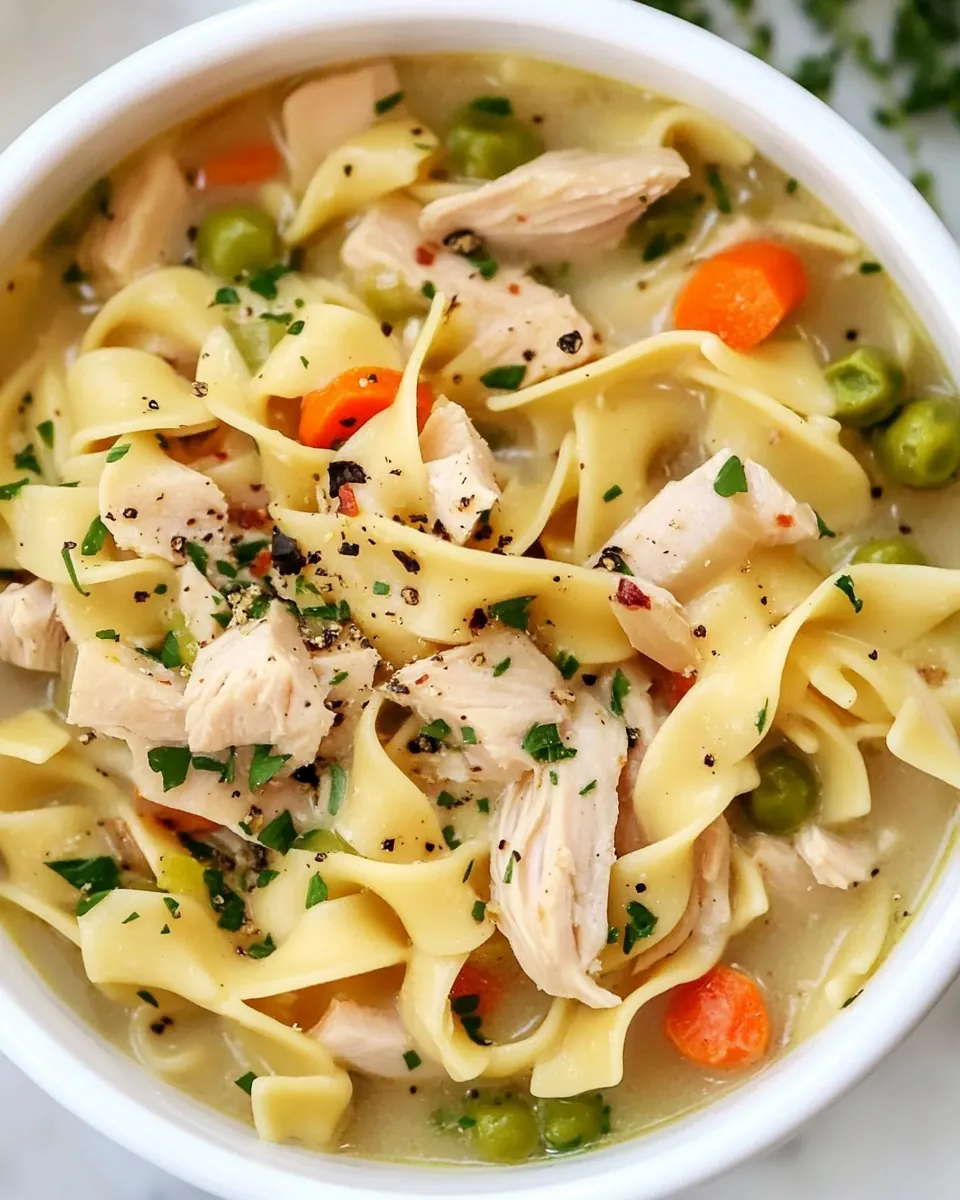
These ingredients come together to make a classic, homey soup that balances creamy texture and bright aromatics. The key players are the savory shredded turkey, the tender noodles, and the aromatic trio of onion, carrots, and celery. Butter and flour build a gentle roux that thickens the broth, while dried herbs and evaporated milk round out the flavor and mouthfeel.
- 4 tbsp butter: Melted to provide a rich cooking fat and subtle nuttiness, helping to sauté aromatics and develop a flavorful base for the soup. Adds mouthfeel and a slight gloss to the finished broth while carrying fat-soluble flavors. Used at the beginning to gently cook vegetables without burning.
- 1/2 onion, diced: Diced to release sweet, savory flavors when softened and to contribute texture and aromatic depth. Sweats down in the melted butter to form the aromatic backbone of the soup. Provides natural sugars that help balance the savory broth.
- 3 carrots, peeled and diced: Peeled and diced to add earthy sweetness, body, and texture while simmering; softens and infuses the broth with carrot flavor. Contributes color and natural sweetness that complements the savory turkey. Helps create a hearty, satisfying mouthfeel.
- 2 celery stalks, diced: Diced to contribute aromatic, slightly bitter and herbal notes while providing structure and crunch if not overcooked. Sweats with onion and carrots to form a classic mirepoix base that deepens broth flavor. Adds vegetal complexity and subtle freshness.
- 1 tsp garlic, minced: Minced to impart pungent, savory, and aromatic intensity that brightens the soup; releases flavor quickly during sautéing. Adds depth and umami when briefly cooked in butter with the other aromatics. Balances sweetness from vegetables with subtle sharpness.
- 1 1/2 tsp dried thyme: Added dried to infuse warm, slightly floral and earthy herbal notes that complement poultry. Rehydrates in the broth and lends a background savory complexity without overpowering other flavors. Helps evoke classic poultry-soup aromatics with minimal effort.
- 1 tsp dried parsley: Sprinkled dried to provide a fresh, green herbiness that supports other seasonings and enhances overall flavor harmony. Rehydrates in liquid and contributes subtle savory and slightly grassy notes. Works well with thyme and basil to round out the herb profile.
- 1/2 tsp dried basil: Included dried to contribute a mild, slightly sweet and peppery herbaceous note reminiscent of Mediterranean flavors. Rehydrates into the broth and pairs well with parsley and thyme for balanced seasoning. Enhances the aromatic character without dominating.
- 1/3 cup flour: Used to thicken the base by coating the sautéed vegetables and fat, forming a roux-like layer that adds body and slight creaminess. Cooks briefly to remove raw flour flavor before adding broth, helping the soup achieve a pleasant viscosity. Stabilizes the broth so it clings to the noodles and turkey.
- 8 cups turkey broth (or chicken): Poured in as the primary cooking liquid to build savory depth and carry all flavors; can be turkey or chicken broth for richness. Simmered with vegetables and herbs to extract aromatics and seasonings into the soup. Provides the warm, comforting base for the entire dish.
- 4 cups turkey (shredded): Shredded and added for protein, texture, and concentrated turkey flavor that defines this soup as a turkey-based recipe. Mixed into the broth to heat through and meld with the aromatics and herbs. Contributes heartiness and savory character to each spoonful.
- 12 oz canned evaporated milk: Poured to contribute creamy richness and smooth texture while tempering the broth's intensity; imparts a subtle milk-sugar sweetness. Stirred in gently to avoid curdling and to create a silky mouthfeel that complements the roux. Enhances richness without overpowering the soup.
- 1 1/2 tsp salt or more to taste: Measured to season and enhance all other flavors, adjustable to personal taste to avoid under- or over-salting. Dissolves into the broth to elevate savory components and balance sweetness from vegetables and milk. Added gradually and tasted during cooking for proper seasoning.
- 1/2 tsp pepper or more to taste: Ground to add mild heat and a warm, slightly biting note that balances richness and sweetness. Sprinkled to taste to round out the seasoning profile and highlight savory flavors. Can be adjusted for personal preference.
- 12 oz dried homemade style egg noodles: Added dried to provide tender, pillowy gluten strands that absorb and carry broth, making the soup more filling and satisfying. Cooked in the simmering broth until al dente, releasing starch that lightly thickens the soup. Serves as the carbohydrate component that completes the bowl.
- 1 cup frozen peas (added last): Frozen to add a bright pop of color, subtle sweetness, and fresh vegetable texture when stirred in near the end of cooking. Quickly thaws and heats through without overcooking, preserving appearance and bite. Balances the creamy broth and hearty noodles with a touch of freshness.
Making Turkey Noodle Soup
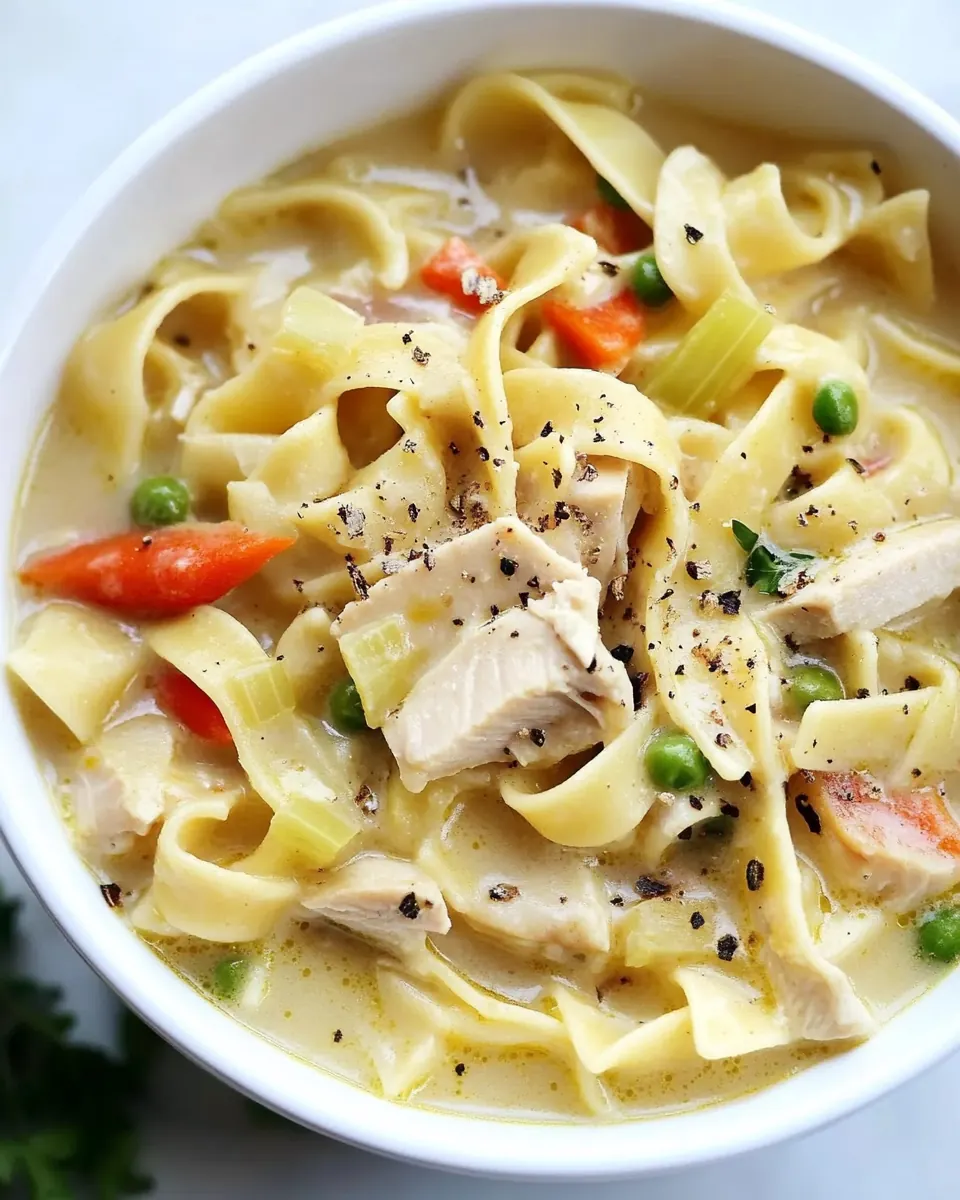
Making this soup is a gentle, rhythmic process that rewards attention more than speed. I like to keep my mise en place ready, and once the butter is hot I move through the steps with a calm focus. Below are the detailed steps rewritten from the original directions, with sensory cues, why each move matters, and one common trap to avoid for each stage.
- In a large pot over medium high heat, add the butter and melt. Add the onion, carrots, and celery. Cook and stir until vegetables are softened. Stir in garlic, thyme, parsley, and basil, and cook for 1 minute.: The first smell you should notice is warm toasty butter quickly followed by sweet vegetal notes as the diced onion , carrots , and celery hit the pan, releasing fragrant steam that smells almost candied. As they soften, you will see the vegetables becoming glossy and slightly translucent, and they will make a soft sizzling sound as moisture evaporates. This stage builds the aromatic backbone, so allow the natural sugars to surface without browning too much, because overbrowning will change the flavor from sweet to bitter. When you add the minced garlic and dried herbs, the air should carry an herbaceous lift immediately; keep the heat moderate and stir for about one minute so the garlic releases its aroma without burning. A common error here is rushing with too high heat, which scorches the vegetables and ruins the base flavor, so keep patience and small even dice to ensure even cooking.
- Sprinkle the flour over the cooked vegetables. Stir until a paste forms.: At this point you will feel a shift as the dry flour absorbs the melted butter and juices from the vegetables, transforming into a pale paste that clings to the spatula. The texture should be smooth, not lumpy, and it gives a nutty faint aroma as it cooks out. This roux is crucial because it thickens the broth gently, creating a velvety body rather than relying on heavy creams. Stir continuously so the flour cooks through; raw tasting flour will give an unpleasant chalky note. One trap is adding liquid too quickly, which causes lumps; always stir the paste and give it a brief moment to lose the raw edge before adding broth.
- Add the broth, thyme, parsley, and basil, and whisk for about 5 minutes or until the mixture starts to slightly thicken.: When you pour in the warm broth , you will hear a soft bubbling as it hits the roux. Whisk steadily and watch the pot change from opaque paste to a glossy, slightly thickened soup base. As it simmers for about five minutes the aroma deepens and the herbs infuse, lending an integrated savory perfume. This step melds flavors and activates the thickening power of the roux. If you notice lumps forming, keep whisking and bring the heat down a touch; simmering too vigorously can separate textures, so maintain a gentle simmer to achieve a smooth, cohesive broth.
- Add the shredded turkey, evaporated milk, and noodles to the pot. Reduce the heat to low and simmer for about 15 minutes, or until the noodles are tender. Stir in the frozen peas and cook an additional 5 minutes.: As you add the shredded turkey , pieces sink into the warm broth and release roasted notes that deepen the overall flavor. Pouring in the evaporated milk will create a subtle creamy sheen, softening the broth and giving it a rich mouthfeel without overpowering the soup. When you add the dried noodles , they will initially look dry and stiff, but after a few minutes they swell and soften, absorbing savory liquid. Reduce to low so the heat is steady and gentle, and simmer until the noodles feel tender to the bite. The peas added at the end will pop with a bright green color and a hint of fresh sweetness; stir them in during the final minutes to preserve texture. Avoid boiling aggressively at this stage because that can make the noodles release too much starch and turn gluey; maintain a patient simmer for best texture.
- Before serving, adjust the seasoning by adding salt and pepper if needed. The seasoning will need to be adjusted depending on how seasoned the turkey is that you are using. Garnish with fresh parsley!: The final step is sensory work, tasting the broth and feeling how the flavors balance. Salt sharpens the savory elements and unifies the profile, while freshly ground pepper adds an aromatic lift. Because pre cooked turkey and store bought broth vary in salt, add seasoning gradually and test as you go. A bright scatter of fresh parsley at the end offers a fresh herbaceous note and visual contrast. A frequent mistake is over salting early on; always season at the end to avoid an overly salty bowl.
How to Switch It Up
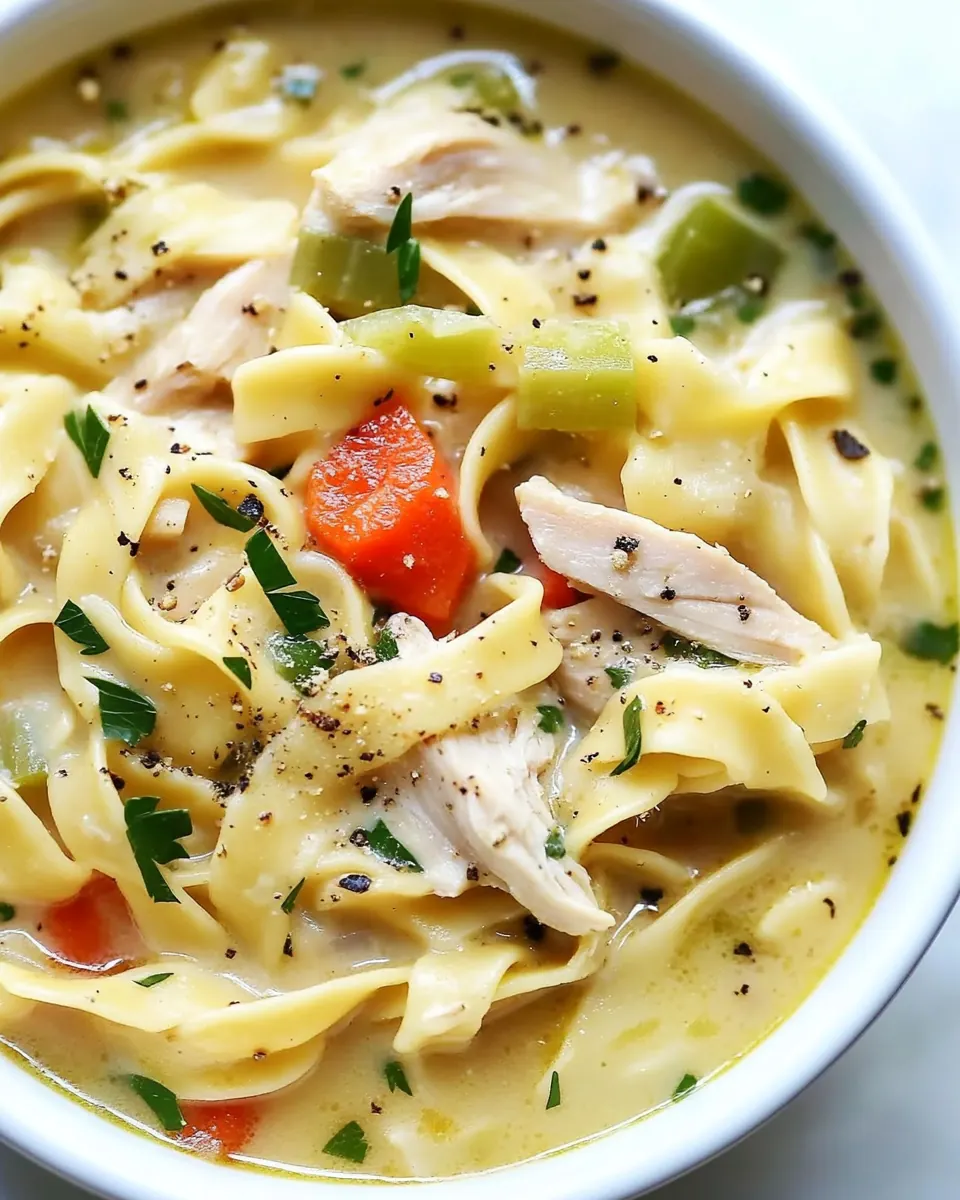
I like to tinker with small swaps that change the personality of Turkey Noodle Soup without losing its comforting core. Below are practical variations and serving ideas that keep the recipe fresh through different meals and seasons.
- Swap the broth: Use a low sodium turkey or chicken broth if you want tighter control over salt, which allows you to season more precisely at the end.
- Adjust noodle type: Substitute with short pasta shapes if you prefer firmer bites, but be mindful that smaller shapes will cook faster and may absorb more liquid.
- Add fresh herbs at the end: Stirring in chopped fresh parsley or a touch of fresh thyme right before serving brightens the soup and adds a fragrant lift.
- Control creaminess: For a silkier finish, reduce the evaporated milk slightly and finish with a splash of warm broth to keep the texture balanced.
- Boost veg texture: Keep the dice small and uniform for carrots and celery to ensure even tenderness and a pleasing mouthfeel in each spoonful.
- Finish with citrus: A tiny squeeze of lemon on the side can brighten the bowl for those who enjoy a zesty contrast to the savory broth.
Serving This Turkey Noodle Soup
This soup is versatile and suits many occasions, from casual weeknight dinners to post holiday clean up. I often serve it with simple accompaniments that complement rather than compete with the rich savory broth. Below are serving ideas, occasions, and storage notes presented as a detailed list for easy reference.
- Casual family dinners: Serve bowls of Turkey Noodle Soup with a side of crusty bread for dipping, allowing each person to soak up the creamy broth while staying cozy at the table.
- Post holiday meal: This recipe is perfect for Thanksgiving leftovers, turning extra roasted turkey into a comforting second meal that stretches a feast into several satisfying dinners.
- Light lunch option: Offer smaller bowls with a simple green side salad to keep the meal light but filling, ideal for midday comfort without heaviness.
- Meal prep and storage: Cool the soup quickly and refrigerate in airtight containers for up to four days. Reheat gently on the stove with a splash of warm broth to refresh the texture, and add the frozen peas in the final minutes.
- Freezing advice: Freeze without the noodles if you plan to store long term, then add freshly cooked noodles when reheating for best texture. Frozen soup can be kept for up to three months.
- Occasion pairings: This works for cozy winter evenings, casual gatherings after outdoor activities, or anytime you want a soothing, restorative meal that feels homemade and thoughtful.
FAQ
Conclusion
What makes this Turkey Noodle Soup special is its combination of comforting texture and practical simplicity, transforming leftover roasted turkey into a nurturing meal. I encourage you to try it on a chilly evening or after a big holiday meal when you want something soothing and satisfying. The recipe is forgiving, and the small details like gentle simmering and finishing with frozen peas make a big difference, turning humble ingredients into a bowl that feels intentionally homemade and restorative.
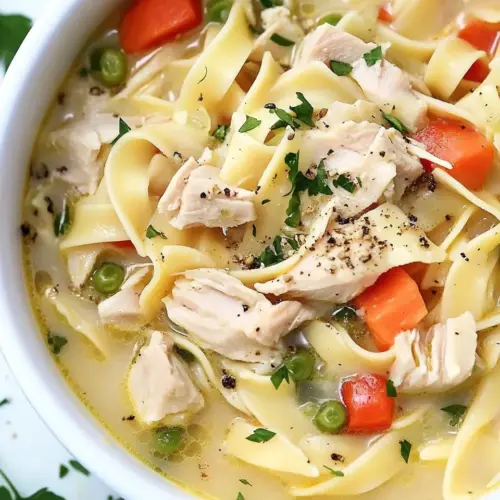
Turkey Noodle Soup
Equipment
- Large Pot
- Whisk
- Wooden Spoon
Ingredients
- 4 tbsp butter Melted to provide a rich cooking fat and subtle nuttiness, helping to sauté aromatics and develop a flavorful base for the soup. Adds mouthfeel and a slight gloss to the finished broth while carrying fat-soluble flavors. Used at the beginning to gently cook vegetables without burning.
- 1/2 onion, diced Diced to release sweet, savory flavors when softened and to contribute texture and aromatic depth. Sweats down in the melted butter to form the aromatic backbone of the soup. Provides natural sugars that help balance the savory broth.
- 3 carrots, peeled and diced Peeled and diced to add earthy sweetness, body, and texture while simmering; softens and infuses the broth with carrot flavor. Contributes color and natural sweetness that complements the savory turkey. Helps create a hearty, satisfying mouthfeel.
- 2 celery stalks, diced Diced to contribute aromatic, slightly bitter and herbal notes while providing structure and crunch if not overcooked. Sweats with onion and carrots to form a classic mirepoix base that deepens broth flavor. Adds vegetal complexity and subtle freshness.
- 1 tsp garlic, minced Minced to impart pungent, savory, and aromatic intensity that brightens the soup; releases flavor quickly during sautéing. Adds depth and umami when briefly cooked in butter with the other aromatics. Balances sweetness from vegetables with subtle sharpness.
- 1 1/2 tsp dried thyme Added dried to infuse warm, slightly floral and earthy herbal notes that complement poultry. Rehydrates in the broth and lends a background savory complexity without overpowering other flavors. Helps evoke classic poultry-soup aromatics with minimal effort.
- 1 tsp dried parsley Sprinkled dried to provide a fresh, green herbiness that supports other seasonings and enhances overall flavor harmony. Rehydrates in liquid and contributes subtle savory and slightly grassy notes. Works well with thyme and basil to round out the herb profile.
- 1/2 tsp dried basil Included dried to contribute a mild, slightly sweet and peppery herbaceous note reminiscent of Mediterranean flavors. Rehydrates into the broth and pairs well with parsley and thyme for balanced seasoning. Enhances the aromatic character without dominating.
- 1/3 cup flour Used to thicken the base by coating the sautéed vegetables and fat, forming a roux-like layer that adds body and slight creaminess. Cooks briefly to remove raw flour flavor before adding broth, helping the soup achieve a pleasant viscosity. Stabilizes the broth so it clings to the noodles and turkey.
- 8 cups turkey broth (or chicken) Poured in as the primary cooking liquid to build savory depth and carry all flavors; can be turkey or chicken broth for richness. Simmered with vegetables and herbs to extract aromatics and seasonings into the soup. Provides the warm, comforting base for the entire dish.
- 4 cups turkey (shredded) Shredded and added for protein, texture, and concentrated turkey flavor that defines this soup as a turkey-based recipe. Mixed into the broth to heat through and meld with the aromatics and herbs. Contributes heartiness and savory character to each spoonful.
- 12 oz canned evaporated milk Poured to contribute creamy richness and smooth texture while tempering the broth's intensity; imparts a subtle milk-sugar sweetness. Stirred in gently to avoid curdling and to create a silky mouthfeel that complements the roux. Enhances richness without overpowering the soup.
- 1 1/2 tsp salt or more to taste Measured to season and enhance all other flavors, adjustable to personal taste to avoid under- or over-salting. Dissolves into the broth to elevate savory components and balance sweetness from vegetables and milk. Added gradually and tasted during cooking for proper seasoning.
- 1/2 tsp pepper or more to taste Ground to add mild heat and a warm, slightly biting note that balances richness and sweetness. Sprinkled to taste to round out the seasoning profile and highlight savory flavors. Can be adjusted for personal preference.
- 12 oz dried homemade style egg noodles Added dried to provide tender, pillowy gluten strands that absorb and carry broth, making the soup more filling and satisfying. Cooked in the simmering broth until al dente, releasing starch that lightly thickens the soup. Serves as the carbohydrate component that completes the bowl.
- 1 cup frozen peas (added last) Frozen to add a bright pop of color, subtle sweetness, and fresh vegetable texture when stirred in near the end of cooking. Quickly thaws and heats through without overcooking, preserving appearance and bite. Balances the creamy broth and hearty noodles with a touch of freshness.
Instructions
- In a large pot over medium high heat, add the butter and melt. Add the onion, carrots, and celery. Cook and stir until vegetables are softened. Stir in garlic, thyme, parsley, and basil, and cook for 1 minute.: The first smell you should notice is warm toasty butter quickly followed by sweet vegetal notes as the diced onion , carrots , and celery hit the pan, releasing fragrant steam that smells almost candied. As they soften, you will see the vegetables becoming glossy and slightly translucent, and they will make a soft sizzling sound as moisture evaporates. This stage builds the aromatic backbone, so allow the natural sugars to surface without browning too much, because overbrowning will change the flavor from sweet to bitter. When you add the minced garlic and dried herbs, the air should carry an herbaceous lift immediately; keep the heat moderate and stir for about one minute so the garlic releases its aroma without burning. A common error here is rushing with too high heat, which scorches the vegetables and ruins the base flavor, so keep patience and small even dice to ensure even cooking.
- Sprinkle the flour over the cooked vegetables. Stir until a paste forms.: At this point you will feel a shift as the dry flour absorbs the melted butter and juices from the vegetables, transforming into a pale paste that clings to the spatula. The texture should be smooth, not lumpy, and it gives a nutty faint aroma as it cooks out. This roux is crucial because it thickens the broth gently, creating a velvety body rather than relying on heavy creams. Stir continuously so the flour cooks through; raw tasting flour will give an unpleasant chalky note. One trap is adding liquid too quickly, which causes lumps; always stir the paste and give it a brief moment to lose the raw edge before adding broth.
- Add the broth, thyme, parsley, and basil, and whisk for about 5 minutes or until the mixture starts to slightly thicken.: When you pour in the warm broth , you will hear a soft bubbling as it hits the roux. Whisk steadily and watch the pot change from opaque paste to a glossy, slightly thickened soup base. As it simmers for about five minutes the aroma deepens and the herbs infuse, lending an integrated savory perfume. This step melds flavors and activates the thickening power of the roux. If you notice lumps forming, keep whisking and bring the heat down a touch; simmering too vigorously can separate textures, so maintain a gentle simmer to achieve a smooth, cohesive broth.
- Add the shredded turkey, evaporated milk, and noodles to the pot. Reduce the heat to low and simmer for about 15 minutes, or until the noodles are tender. Stir in the frozen peas and cook an additional 5 minutes.: As you add the shredded turkey , pieces sink into the warm broth and release roasted notes that deepen the overall flavor. Pouring in the evaporated milk will create a subtle creamy sheen, softening the broth and giving it a rich mouthfeel without overpowering the soup. When you add the dried noodles , they will initially look dry and stiff, but after a few minutes they swell and soften, absorbing savory liquid. Reduce to low so the heat is steady and gentle, and simmer until the noodles feel tender to the bite. The peas added at the end will pop with a bright green color and a hint of fresh sweetness; stir them in during the final minutes to preserve texture. Avoid boiling aggressively at this stage because that can make the noodles release too much starch and turn gluey; maintain a patient simmer for best texture.
- Before serving, adjust the seasoning by adding salt and pepper if needed. The seasoning will need to be adjusted depending on how seasoned the turkey is that you are using. Garnish with fresh parsley!: The final step is sensory work, tasting the broth and feeling how the flavors balance. Salt sharpens the savory elements and unifies the profile, while freshly ground pepper adds an aromatic lift. Because pre cooked turkey and store bought broth vary in salt, add seasoning gradually and test as you go. A bright scatter of fresh parsley at the end offers a fresh herbaceous note and visual contrast. A frequent mistake is over salting early on; always season at the end to avoid an overly salty bowl.
Notes
- Swap the broth: Use a low sodium turkey or chicken broth if you want tighter control over salt, which allows you to season more precisely at the end.
- Adjust noodle type: Substitute with short pasta shapes if you prefer firmer bites, but be mindful that smaller shapes will cook faster and may absorb more liquid.
- Add fresh herbs at the end: Stirring in chopped fresh parsley or a touch of fresh thyme right before serving brightens the soup and adds a fragrant lift.
- Control creaminess: For a silkier finish, reduce the evaporated milk slightly and finish with a splash of warm broth to keep the texture balanced.
- Boost veg texture: Keep the dice small and uniform for carrots and celery to ensure even tenderness and a pleasing mouthfeel in each spoonful.
- Finish with citrus: A tiny squeeze of lemon on the side can brighten the bowl for those who enjoy a zesty contrast to the savory broth.