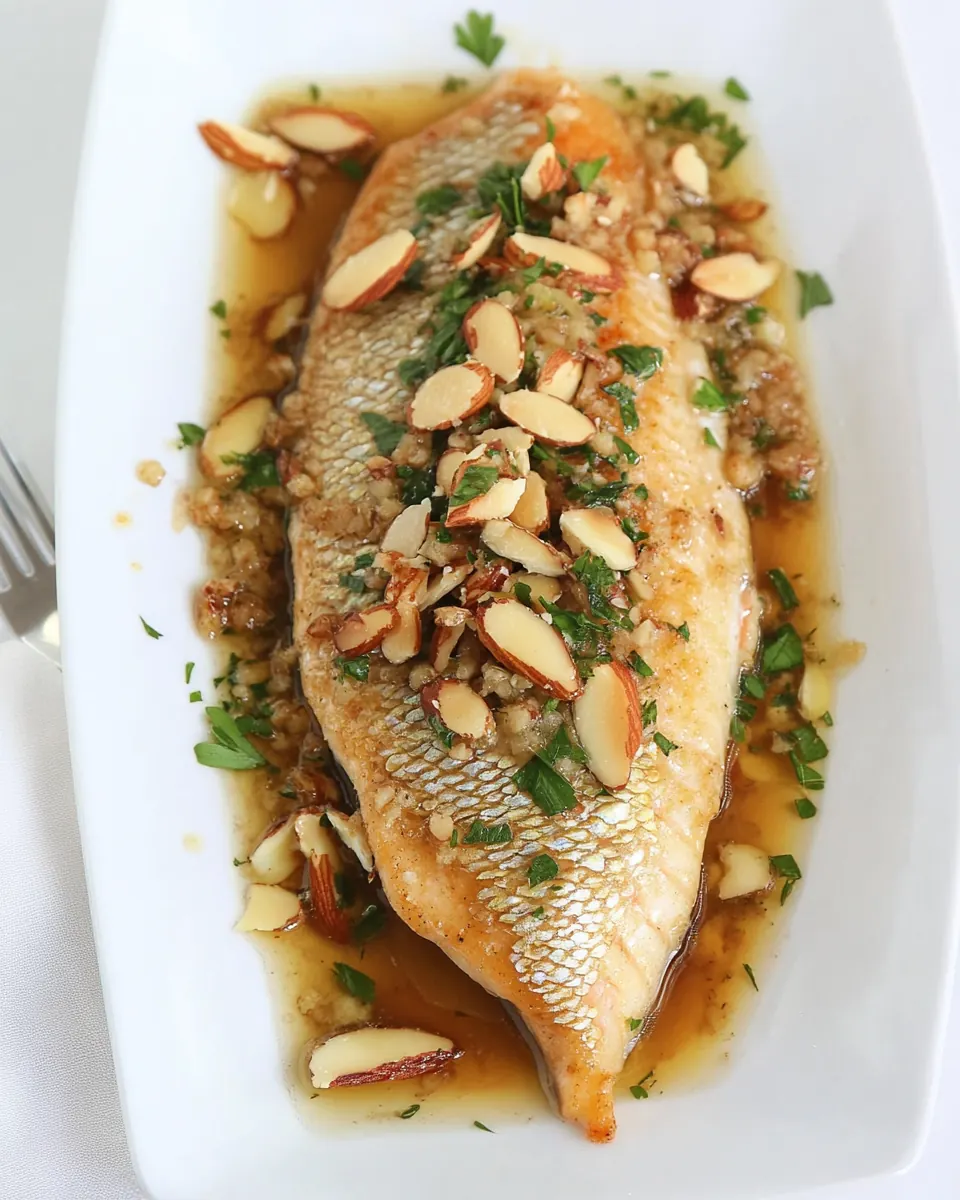
Trout Almondine
Trout Almondine has been one of those recipes that always brings me back to simple dinners with big flavors.
Years ago I found this dish tucked into a stack of handwritten family recipes, the pages splattered with olive oil and lemon, and the smell of toasted almonds seemed to jump off the paper. I remember standing in a tiny kitchen with a pan that had seen better days, eager to get the skins crisp and the sauce bright. The first time I made it for friends they closed their eyes at the first bite, and I knew then this was a keeper.
I enjoy how the interplay of textures makes this recipe feel elevated while staying approachable. The crunchy, nutty crunch of toasted almonds paired with the tender flakes of trout is so satisfying, it turns a midweek meal into something worth lingering over. I like to keep the technique straightforward, focusing on seasoning and timing so the final plate sings with clean, bright flavors.
When I serve Trout Almondine I often tell a small story about how little touches like fresh lemon and chopped parsley transform the dish, and then watch forks dive back in for seconds. Over the years I’ve refined the pan technique so the skin gets that perfect crispness while the flesh stays moist, and I love sharing those little fixes with friends. Try it once and you will see why this simple recipe has stuck around on my table for so long.
Recipe Snapshot
25 mins
10 mins
15 mins
Easy
350 kcal
American
Gluten-Free, Low FODMAP
Dinner
Non-stick skillet, Spatula, Tongs, Shallow dish
What We Adore About This Trout Almondine
Fresh bright flavors that do the heavy lifting
I love Trout Almondine because the combination of zesty lemon and warm toasted almonds creates a sauce that feels both light and indulgent. The lemon cuts through the richness of the melted butter, and the parsley adds a herbaceous lift. For busy nights, these few bold components deliver maximum impact with minimal fuss.
Texture contrast that makes every bite interesting
The crunchy toasted almonds against tender, flaky trout gives each forkful a pleasing variety of mouthfeels. When I plate this, the contrast is the first compliment I get. It is a simple trick that elevates the overall experience without complicating the cooking.
Quick and satisfying weeknight hero
This recipe is one of those dishes I rely on when time is short. Because the technique is fast, you get restaurant worthy results in about the same time it takes to boil pasta. I appreciate how it proves that elegant dinner does not mean hours in the kitchen.
Flexible with other fish, without losing character
While I usually reach for trout, the method works well with other firm white fish, so you can adapt it based on what is available. That flexibility makes it a dependable option when the market has limited choices.
Great for sharing and entertaining
I often make Trout Almondine for guests because it looks composed on the plate and tastes special, yet it does not demand obsessing over every step. People notice the toasted almonds and bright sauce, and that small wow factor makes gatherings feel more memorable.
What to Buy for Trout Almondine
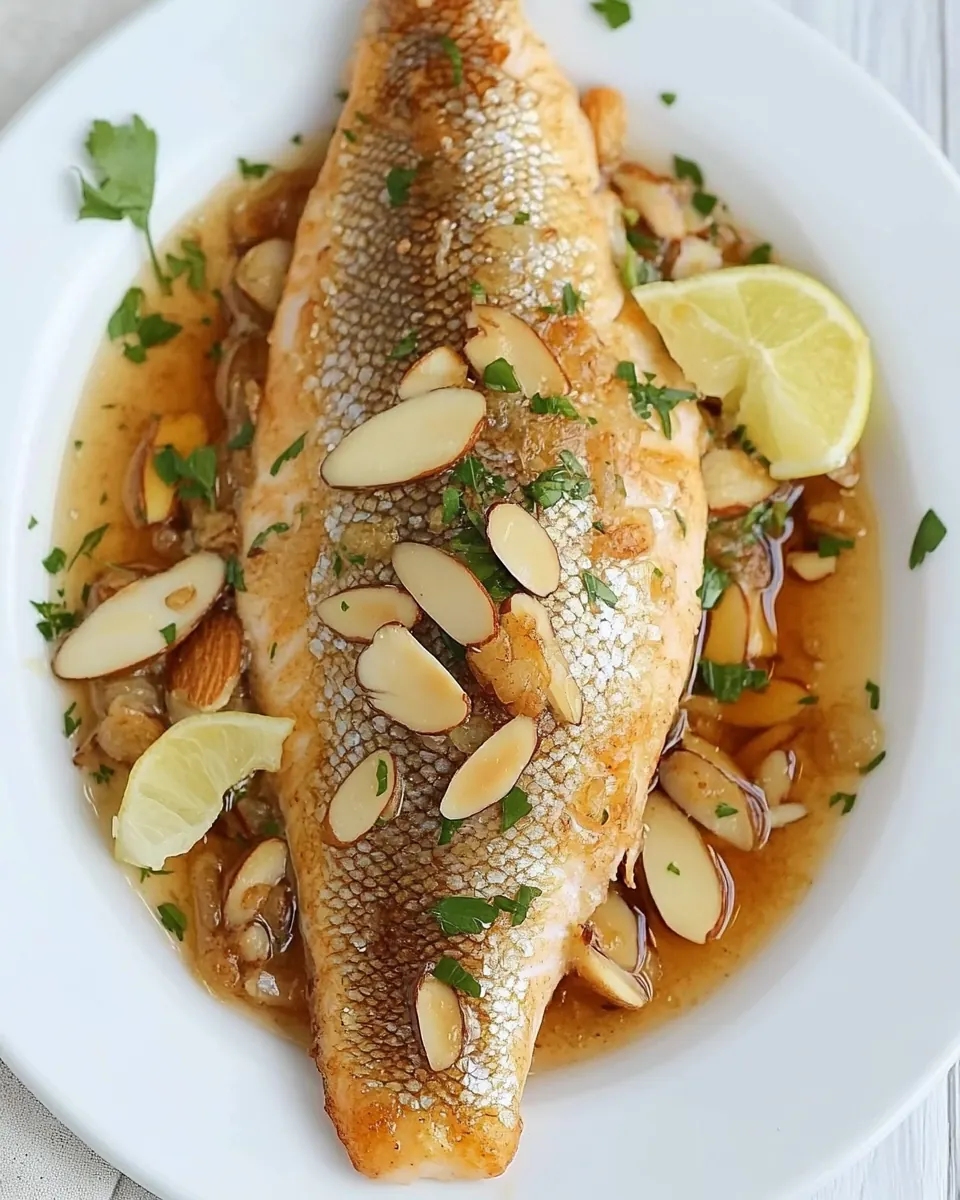
These ingredients work together to create a balance of texture and bright flavor. The key players are the toasted almonds for crunch, the lightly floured and pan seared trout for tender flaky protein, and the butter and lemon that form the glossy sauce that ties everything together. I rely on simple, high quality staples and a bit of technique to let each component shine.
- 1/2 cups sliced almonds: Toast gently to deepen flavor and add a crunchy, nutty component that complements the fish; monitor closely to avoid burning as almonds brown quickly.
- 83 4 oz trout filets (or four 6-8 ounce filets)(can also use cod, halibut, mackerel, sole, flounder, or tilapia): Flake into portions and serve as the primary protein, offering a delicate, mild-tasting base that sautés or bakes well; can be substituted with other white-fleshed fish if desired.
- salt and freshly ground black pepper: Season liberally to enhance natural flavors and balance richness from butter and almonds; adjust to taste before and after cooking for best results.
- 3/4 cup all-purpose flour: Dust evenly to create a light, crisp coating that helps brown the fish and provides a pleasant textural contrast to the tender filet.
- 2 tablespoons olive oil: Heat to sear filets and develop a golden crust while contributing a subtle fruity note; use enough to coat the pan but avoid smoking.
- 1 tablespoon unsalted butter: Melt to enrich pan sauces and help saute the almonds and fish, adding a silky mouthfeel and slight caramelized aroma when browned.
- For the Sauce: Label for clarity as a section header that indicates the following components are used to make the finishing sauce served with the fish.
- 8 tablespoons unsalted butter: Melt slowly to form the base of a rich, glossy beurre-like sauce that carries lemon and parsley flavors; clarify slightly if a cleaner finish is preferred.
- 1/4 cup freshly squeezed lemon juice: Squeeze fresh to provide bright acidity that cuts through the butter and lifts the overall dish; add gradually and taste to maintain balance.
- 1/3 cup chopped fresh parsley: Chop finely to introduce fresh herbaceousness and color to the sauce, offering a clean, slightly peppery finish that complements lemon and butter.
Cooking Instructions for Trout Almondine
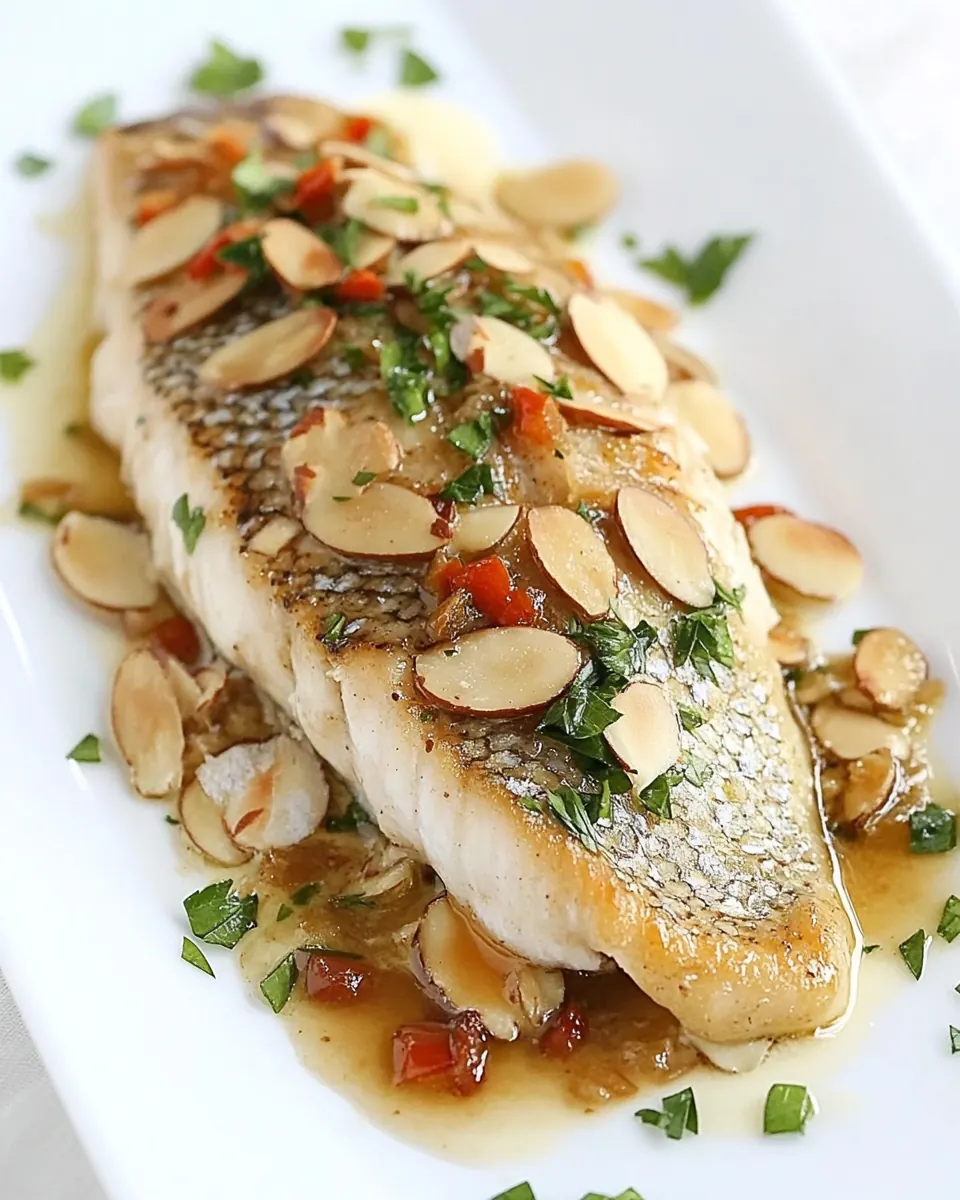
The steps below walk you through the entire process with sensory cues and troubleshooting tips so you get perfectly cooked trout crowned with a glossy almond studded sauce. Follow the cues for smell, sound, and color to know you are on the right track.
- Using a dry pan heated over medium-high heat, toast the sliced almonds on both sides until lightly browned. Be careful not to scorch them or they will be bitter. Set aside until ready to use.: You will hear a gentle popping and smell a warm nutty aroma as the almonds toast, and the color will shift from pale to a light golden brown; remove them immediately once they reach that color because residual heat keeps them browning and they can turn bitter if left too long. The toasting step deepens the almonds natural flavor and provides the crunchy contrast, and doing it in a dry pan ensures you get a pure toasted note without added oil. A common mistake is leaving them unattended; watch and stir frequently, and if smoke appears lower the heat right away.
- Sprinkle both sides of the fish filets with salt and freshly ground black pepper. Place the flour in a shallow dish and dredge both sides of the filets in the flour. Shake off the excess flour. Heat the oil and 1 tablespoon butter in a non-stick skillet over medium-high heat. Fry the fish filets in batches, skin side down, until the skins are nicely browned. Carefully turn the fish filets over and cook the other side until the fish is done (the USDA recommends 145 degrees F. You can also test it by sticking a fork into the thickest part at an angle and give it a gentle twist so you can see into the flesh. Once the fish is opaque and has lost its translucent appearance is done.) Be careful not to overcook the fish or it will be dry. Transfer the fish to a warm plate and tent with foil while you prepare the sauce.: After seasoning, the surface of the trout should glisten slightly and smell clean and briny; seasoning early helps build flavor but avoid over salting because the sauce will add richness later. Proper seasoning boosts the fish's natural sweetness, and freshly ground pepper gives a brighter spice than pre ground. A frequent error is oversalting, so season lightly, especially if your butter is salted or if you plan to adjust seasoning at the end.
- To make the sauce: Melt the butter in the same pan. Stir in the lemon juice, parsley and the toasted sliced almonds. Add salt and pepper to taste. Place two filets on each plate (or one large filet) and spoon some sauce over each filet. Serve immediately.: The dredge should create an even, light veil of flour without clumping, and when you shake off excess the fish will not have a gummy coating, instead forming a delicate crust when it hits the pan. This thin flour layer promotes browning and helps protect the flesh from drying out, producing a pleasing textural contrast with the toasted almonds . A common slip up is using too much flour; shake and tap off the extra so the coating is thin and even.
- Heat the oil and 1 tablespoon butter in a non-stick skillet over medium-high heat: You want the fat to shimmer and the butter to foam lightly but not burn, producing a faint nutty aroma; medium-high heat ensures a quick sear that locks in juices and creates a golden surface. The combination of olive oil and butter raises the smoke point slightly while preserving that buttery flavor, and heating properly prevents sticking. If the butter browns too fast lower the heat, because burnt butter will impart a bitter taste.
- Fry the fish filets in batches, skin side down, until the skins are nicely browned: When the filets hit the pan you should hear a confident sizzle and see the edges turn opaque as the heat pushes through; the skin should crisp and pull easily from the pan when it's ready to be turned. The crisp skin adds texture and helps the fillet hold together when flipping, and browning imparts complex savory notes. Avoid moving the fish too often, because flipping early prevents proper crust formation and can tear the skin.
- Carefully turn the fish filets over and cook the other side until the fish is done: As you cook the second side the flesh will change from translucent to opaque and flaky; check doneness by inserting a fork into the thickest part and twisting gently to see if the flesh flakes apart. The USDA recommends the internal temperature reach 145 degrees F, but visual cues also work well for delicate fish like trout . Do not overcook, because dry fish loses its delicate mouthfeel; pull the filets from the pan the instant they flake easily.
- Transfer the fish to a warm plate and tent with foil while you prepare the sauce: Resting the cooked trout under tented foil keeps it warm and allows residual carryover heat to finish cooking gently, preserving moisture and texture. This pause also frees your pan for the sauce without losing the fish's heat, and results in a juicier finished bite. A common oversight is leaving the fish uncovered, which can cause it to cool too quickly and lose that just cooked texture.
- To make the sauce: Melt the butter in the same pan : As the butter melts it will pick up browned bits and aromas left from searing the fish, creating a flavorful base; you should see a glossy liquid that coats the back of a spoon. Using the same pan leverages those fond bits for deeper flavor, and gentle heat prevents the butter from burning; if it begins to brown too quickly, lower the heat and consider adding the lemon soon to cool the pan slightly. A key pitfall is overheating, which yields a scorched sauce.
- Stir in the lemon juice, parsley and the toasted sliced almonds: When you add the lemon juice you will notice a bright citrus scent lifting from the pan while the chopped parsley adds a green freshness; fold in the toasted almonds so they remain crunchy and evenly distributed. The acid from the lemon balances the richness of the butter , and the parsley refreshes the palate, making each bite lively instead of heavy. A common mistake is stirring for too long, which softens the almonds ; fold them in briefly to keep their texture.
- Add salt and pepper to taste: Finishing with seasoning lets you adjust for the saltiness of the butter and the brightness of the lemon , and a quick taste will guide whether you need a pinch more salt or a crack of fresh pepper. This final seasoning step is crucial to balance the sauce and boost the overall flavor. Avoid adding too much at once; season incrementally and taste as you go.
- Place two filets on each plate (or one large filet) and spoon some sauce over each filet: The sight of glossy sauce studded with golden toasted almonds and flecks of green parsley is enticing, and spooning the sauce gently over the warmed fish releases extra aroma and ensures each bite has a touch of buttery lemon goodness. Serving immediately preserves the sauce's sheen and the fish's texture, delivering the ideal combination of warm, crunchy, and bright. A typical error is waiting too long to serve, which dulls the sauce and reduces the contrast between warm fish and crunchy almonds .
- Serve immediately: The finished plate should sing with warm buttery notes, toasted nut crunch, and citrus brightness; serving right away preserves texture and ensures the fish is enjoyed at its best. If you delay, the crust and sauce lose their appeal, so have plates and sides ready before you start cooking. Do not let the plated fish sit for long, as the crunch will soften and the experience will be less vibrant.
Change It Up
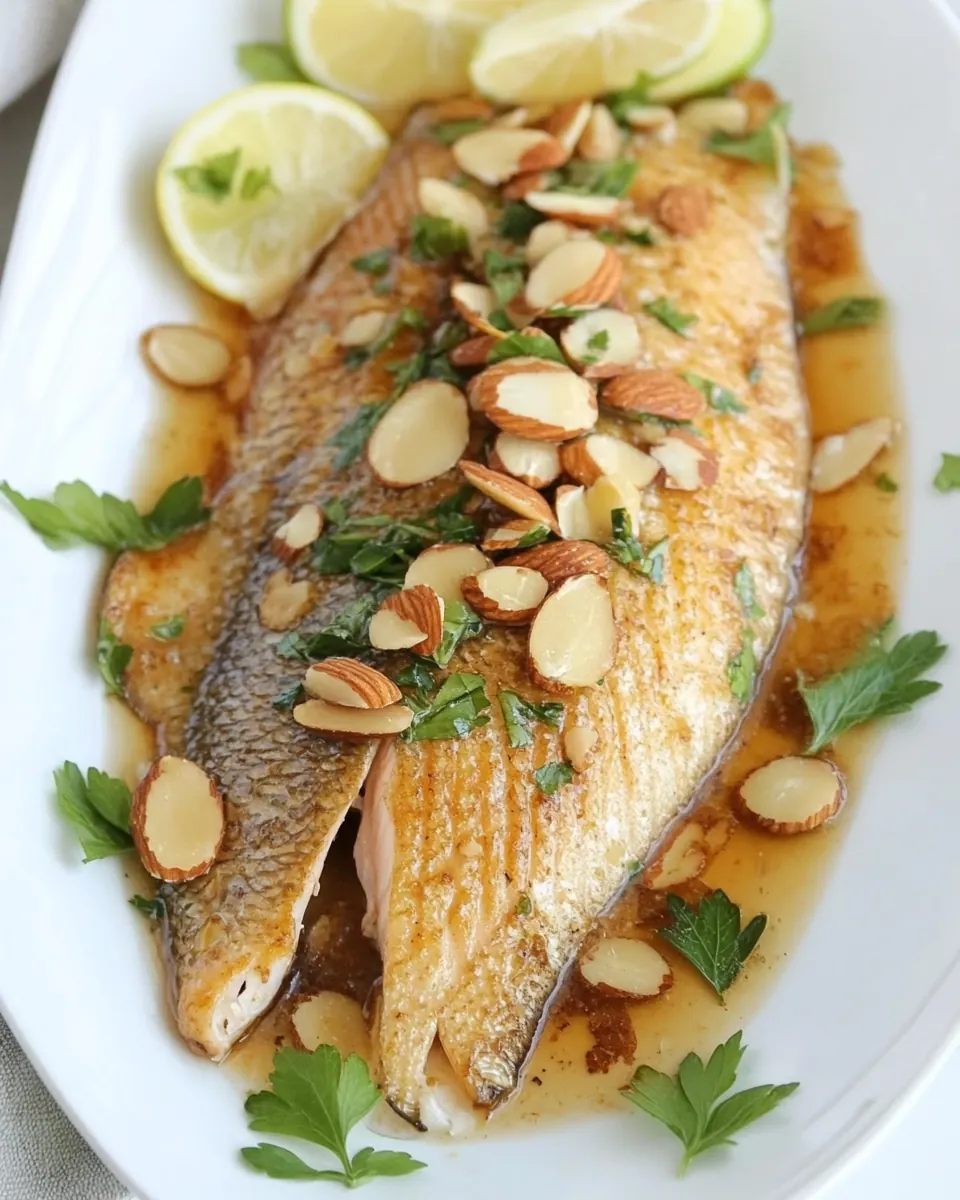
I like to offer adjustments that keep the core identity of Trout Almondine while letting you tailor the dish to what you have on hand. These tips expand on small technique swaps and presentation ideas that make the recipe feel new without changing the central flavors. Each tip begins with a bold lead to make it easy to scan.
- Swap the fish thoughtfully — If you cannot source fresh trout, try a firm white fish like cod or halibut; keep the same cooking approach but adjust cook time slightly for thicker filets so they cook through without drying out.
- Clarify the butter for a cleaner sauce — For a silkier, less browned sauce, melt and skim the milk solids to clarify the butter, which raises the smoke point and gives a pure buttery flavor that pairs nicely with lemon.
- Keep almonds crunchy — Toast the sliced almonds and add them right at the end of the sauce making so they retain their snap rather than softening in the warm butter.
- Use fresh lemon juice only — Freshly squeezed lemon juice brightens the sauce more than bottled juice, delivering a lively acidity that balances the richness of the butter.
- Make it ahead smartly — You can toast the almonds and prepare the sauce base in advance, then reheat gently and spoon over freshly seared trout just before serving to save time without sacrificing quality.
- Plate for impact — Spoon the sauce first, then lay the trout on top and finish with extra toasted almonds and chopped parsley so each plate looks intentional and appealing.
- Adjust lemon to taste — Start with less lemon and add more if you want a brighter finish, tasting as you go to keep the sauce balanced with the butter.
Serving Suggestions
Trout Almondine shines when served simply, letting texture and bright flavors lead. Below are thoughtful ways to present it, side pairings that complement the dish, and notes on occasions and storage to keep your meal effortless and elegant.
- Serve with simple greens — A lightly dressed green salad offers a crisp contrast to the warm, buttery trout, and the acidity in the dressing will echo the lemon in the sauce for cohesion.
- Starchy sides for comfort — Creamy mashed potatoes or buttered new potatoes make a comforting bed for the saucy fish, absorbing the lemony butter and adding a homey element to the plate.
- Vegetable partners — Steamed or roasted spring vegetables like asparagus or green beans provide a fresh, seasonal counterpoint and bright color contrast on the plate.
- Occasions — This recipe fits weeknight dinners when you want something simple yet special, and it pairs well with casual dinner parties where you want to impress without stress.
- Presentation tips — Spoon the sauce over the fish right before serving and sprinkle extra toasted almonds and chopped parsley for a fresh, textured finish that photographs beautifully.
- Storage — Store leftover cooked trout and sauce separately in airtight containers in the refrigerator for up to two days; reheat gently to avoid overcooking the fish and to preserve the crunch of any remaining almonds.
- Seasonal pairing — This dish is lovely in spring when light vegetables and fresh herbs are abundant, and the bright lemon complements the season’s palate.
FAQ
Conclusion
Trout Almondine stands out because it pairs simple technique with bold contrasts of flavor and texture, resulting in a dish that feels both refined and approachable. I encourage you to give it a try soon; the method is forgiving, and the toasted almonds and lemon butter sauce deliver immediate rewards. Whether you make it for a busy weeknight or to impress guests, this recipe is one that consistently earns compliments and brings a little restaurant quality to your home table.
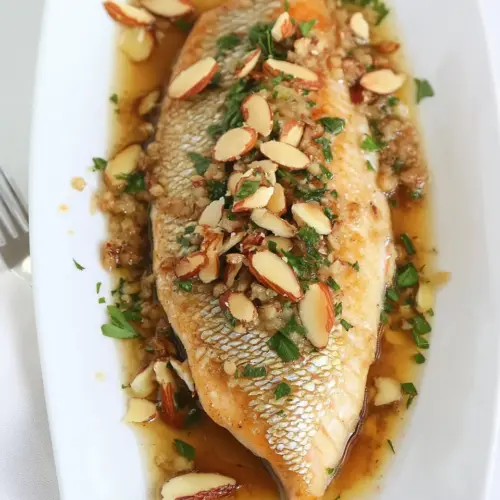
Trout Almondine
Equipment
- Non-Stick Skillet
- Spatula
- Tongs
- Shallow Dish
Ingredients
- 1/2 cups sliced almonds Toast gently to deepen flavor and add a crunchy, nutty component that complements the fish; monitor closely to avoid burning as almonds brown quickly.
- 83 -4 oz trout filets (or four 6-8 ounce filets)(can also use cod, halibut, mackerel, sole, flounder, or tilapia) Flake into portions and serve as the primary protein, offering a delicate, mild-tasting base that sautés or bakes well; can be substituted with other white-fleshed fish if desired.
- salt and freshly ground black pepper Season liberally to enhance natural flavors and balance richness from butter and almonds; adjust to taste before and after cooking for best results.
- 3/4 cup all-purpose flour Dust evenly to create a light, crisp coating that helps brown the fish and provides a pleasant textural contrast to the tender filet.
- 2 tablespoons olive oil Heat to sear filets and develop a golden crust while contributing a subtle fruity note; use enough to coat the pan but avoid smoking.
- 1 tablespoon unsalted butter Melt to enrich pan sauces and help saute the almonds and fish, adding a silky mouthfeel and slight caramelized aroma when browned.
- For the Sauce: Label for clarity as a section header that indicates the following components are used to make the finishing sauce served with the fish.
- 8 tablespoons unsalted butter Melt slowly to form the base of a rich, glossy beurre-like sauce that carries lemon and parsley flavors; clarify slightly if a cleaner finish is preferred.
- 1/4 cup freshly squeezed lemon juice Squeeze fresh to provide bright acidity that cuts through the butter and lifts the overall dish; add gradually and taste to maintain balance.
- 1/3 cup chopped fresh parsley Chop finely to introduce fresh herbaceousness and color to the sauce, offering a clean, slightly peppery finish that complements lemon and butter.
Instructions
- Using a dry pan heated over medium-high heat, toast the sliced almonds on both sides until lightly browned. Be careful not to scorch them or they will be bitter. Set aside until ready to use.: You will hear a gentle popping and smell a warm nutty aroma as the almonds toast, and the color will shift from pale to a light golden brown; remove them immediately once they reach that color because residual heat keeps them browning and they can turn bitter if left too long. The toasting step deepens the almonds natural flavor and provides the crunchy contrast, and doing it in a dry pan ensures you get a pure toasted note without added oil. A common mistake is leaving them unattended; watch and stir frequently, and if smoke appears lower the heat right away.
- Sprinkle both sides of the fish filets with salt and freshly ground black pepper. Place the flour in a shallow dish and dredge both sides of the filets in the flour. Shake off the excess flour. Heat the oil and 1 tablespoon butter in a non-stick skillet over medium-high heat. Fry the fish filets in batches, skin side down, until the skins are nicely browned. Carefully turn the fish filets over and cook the other side until the fish is done (the USDA recommends 145 degrees F. You can also test it by sticking a fork into the thickest part at an angle and give it a gentle twist so you can see into the flesh. Once the fish is opaque and has lost its translucent appearance is done.) Be careful not to overcook the fish or it will be dry. Transfer the fish to a warm plate and tent with foil while you prepare the sauce.: After seasoning, the surface of the trout should glisten slightly and smell clean and briny; seasoning early helps build flavor but avoid over salting because the sauce will add richness later. Proper seasoning boosts the fish's natural sweetness, and freshly ground pepper gives a brighter spice than pre ground. A frequent error is oversalting, so season lightly, especially if your butter is salted or if you plan to adjust seasoning at the end.
- To make the sauce: Melt the butter in the same pan. Stir in the lemon juice, parsley and the toasted sliced almonds. Add salt and pepper to taste. Place two filets on each plate (or one large filet) and spoon some sauce over each filet. Serve immediately.: The dredge should create an even, light veil of flour without clumping, and when you shake off excess the fish will not have a gummy coating, instead forming a delicate crust when it hits the pan. This thin flour layer promotes browning and helps protect the flesh from drying out, producing a pleasing textural contrast with the toasted almonds . A common slip up is using too much flour; shake and tap off the extra so the coating is thin and even.
- Heat the oil and 1 tablespoon butter in a non-stick skillet over medium-high heat: You want the fat to shimmer and the butter to foam lightly but not burn, producing a faint nutty aroma; medium-high heat ensures a quick sear that locks in juices and creates a golden surface. The combination of olive oil and butter raises the smoke point slightly while preserving that buttery flavor, and heating properly prevents sticking. If the butter browns too fast lower the heat, because burnt butter will impart a bitter taste.
- Fry the fish filets in batches, skin side down, until the skins are nicely browned: When the filets hit the pan you should hear a confident sizzle and see the edges turn opaque as the heat pushes through; the skin should crisp and pull easily from the pan when it's ready to be turned. The crisp skin adds texture and helps the fillet hold together when flipping, and browning imparts complex savory notes. Avoid moving the fish too often, because flipping early prevents proper crust formation and can tear the skin.
- Carefully turn the fish filets over and cook the other side until the fish is done: As you cook the second side the flesh will change from translucent to opaque and flaky; check doneness by inserting a fork into the thickest part and twisting gently to see if the flesh flakes apart. The USDA recommends the internal temperature reach 145 degrees F, but visual cues also work well for delicate fish like trout . Do not overcook, because dry fish loses its delicate mouthfeel; pull the filets from the pan the instant they flake easily.
- Transfer the fish to a warm plate and tent with foil while you prepare the sauce: Resting the cooked trout under tented foil keeps it warm and allows residual carryover heat to finish cooking gently, preserving moisture and texture. This pause also frees your pan for the sauce without losing the fish's heat, and results in a juicier finished bite. A common oversight is leaving the fish uncovered, which can cause it to cool too quickly and lose that just cooked texture.
- To make the sauce: Melt the butter in the same pan : As the butter melts it will pick up browned bits and aromas left from searing the fish, creating a flavorful base; you should see a glossy liquid that coats the back of a spoon. Using the same pan leverages those fond bits for deeper flavor, and gentle heat prevents the butter from burning; if it begins to brown too quickly, lower the heat and consider adding the lemon soon to cool the pan slightly. A key pitfall is overheating, which yields a scorched sauce.
- Stir in the lemon juice, parsley and the toasted sliced almonds: When you add the lemon juice you will notice a bright citrus scent lifting from the pan while the chopped parsley adds a green freshness; fold in the toasted almonds so they remain crunchy and evenly distributed. The acid from the lemon balances the richness of the butter , and the parsley refreshes the palate, making each bite lively instead of heavy. A common mistake is stirring for too long, which softens the almonds ; fold them in briefly to keep their texture.
- Add salt and pepper to taste: Finishing with seasoning lets you adjust for the saltiness of the butter and the brightness of the lemon , and a quick taste will guide whether you need a pinch more salt or a crack of fresh pepper. This final seasoning step is crucial to balance the sauce and boost the overall flavor. Avoid adding too much at once; season incrementally and taste as you go.
- Place two filets on each plate (or one large filet) and spoon some sauce over each filet: The sight of glossy sauce studded with golden toasted almonds and flecks of green parsley is enticing, and spooning the sauce gently over the warmed fish releases extra aroma and ensures each bite has a touch of buttery lemon goodness. Serving immediately preserves the sauce's sheen and the fish's texture, delivering the ideal combination of warm, crunchy, and bright. A typical error is waiting too long to serve, which dulls the sauce and reduces the contrast between warm fish and crunchy almonds .
- Serve immediately: The finished plate should sing with warm buttery notes, toasted nut crunch, and citrus brightness; serving right away preserves texture and ensures the fish is enjoyed at its best. If you delay, the crust and sauce lose their appeal, so have plates and sides ready before you start cooking. Do not let the plated fish sit for long, as the crunch will soften and the experience will be less vibrant.
Notes
- Swap the fish thoughtfully — If you cannot source fresh trout, try a firm white fish like cod or halibut; keep the same cooking approach but adjust cook time slightly for thicker filets so they cook through without drying out.
- Clarify the butter for a cleaner sauce — For a silkier, less browned sauce, melt and skim the milk solids to clarify the butter, which raises the smoke point and gives a pure buttery flavor that pairs nicely with lemon.
- Keep almonds crunchy — Toast the sliced almonds and add them right at the end of the sauce making so they retain their snap rather than softening in the warm butter.
- Use fresh lemon juice only — Freshly squeezed lemon juice brightens the sauce more than bottled juice, delivering a lively acidity that balances the richness of the butter.
- Make it ahead smartly — You can toast the almonds and prepare the sauce base in advance, then reheat gently and spoon over freshly seared trout just before serving to save time without sacrificing quality.
- Plate for impact — Spoon the sauce first, then lay the trout on top and finish with extra toasted almonds and chopped parsley so each plate looks intentional and appealing.
- Adjust lemon to taste — Start with less lemon and add more if you want a brighter finish, tasting as you go to keep the sauce balanced with the butter.
