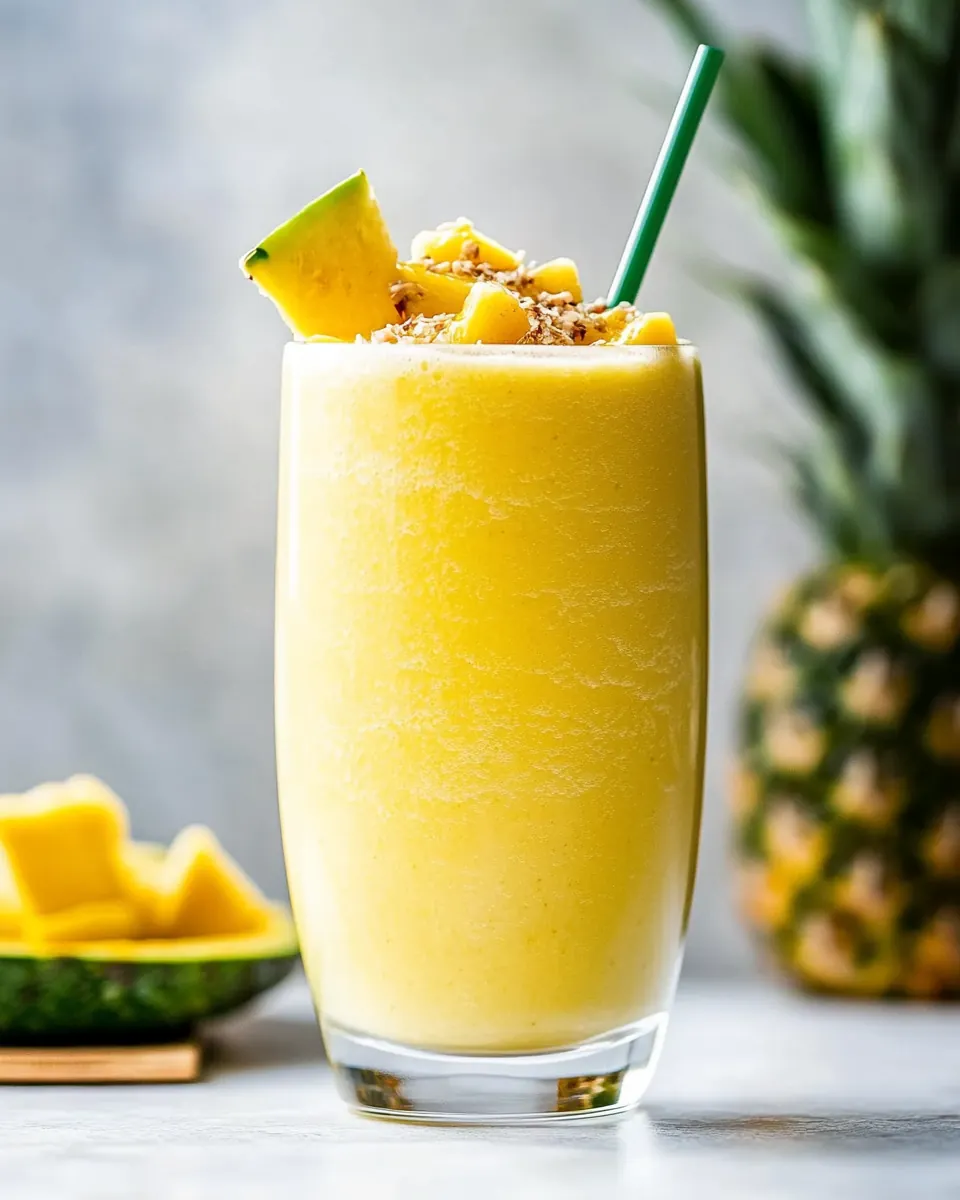
Tropical Smoothie
Tropical Smoothie is the kind of simple joy I reach for on hot afternoons when I want a fast, fruity escape.
Years ago I kept a stash of frozen fruit in the freezer for unpredictable cravings, and this blend became my go to when the sun lingered and I needed something bright and cooling. I remember the first time I served it to a neighbor who walked in tired from yard work, she closed her eyes after the first sip and declared it like sunshine in a glass. That memory stuck with me because this drink always feels celebratory without any fuss.
There are moments when you want a treat that is both nourishing and utterly uncomplicated, and this recipe fits that niche. I like to vary the thickness by changing how much coconut milk I add, sometimes coaxing a richer, creamier mouthfeel, other times making it thinner and more sip friendly. What never changes is how the flavors sing together: the bright bite of pineapple, the tropical sweetness of mango, the rounded body from banana, and the lush finish from coconut milk and coconut meat.
Recipe Snapshot
5 mins
5 mins
Easy
250 kcal
American
Gluten-Free, Vegan
Breakfast
Blender, Glasses
Why Try This Tropical Smoothie
Bright, unmistakable flavor
I find the combination of pineapple and mango gives a clear tropical profile that wakes up the palate. The fruit is naturally sweet and tart, so you rarely need to add anything else. When I sip it I notice a citrus like tang up front followed by a smooth, fruity sweetness.
Ultra quick and forgiving
This is a recipe you can make in minutes, so it works when life is hectic. I often toss everything into the blender without fuss, and small variations in fruit amounts do not derail the final drink. If you are rushed, it still tastes fresh and bright.
Flexible texture
By playing with the amount of coconut milk or the thickness of the frozen fruit, you can achieve a spoonable smoothie or a drinkable juice. I like it slightly thick, so I can sip slowly, but some days I make it thinner to pour into bottles for the road.
Wholesome and naturally vegan
This recipe relies on whole fruit and plant based coconut milk, so it fits into vegan eating effortlessly. I like serving it as a light breakfast or a post workout refresher because it provides quick energy without heaviness.
Great for sharing
The proportions scale neatly, so if friends drop by you can double or triple the quantities without worrying about special equipment or technique. I learned to eyeball the amounts and still get consistent results, which makes it a winner for casual entertaining.
What You’ll Need for Tropical Smoothie
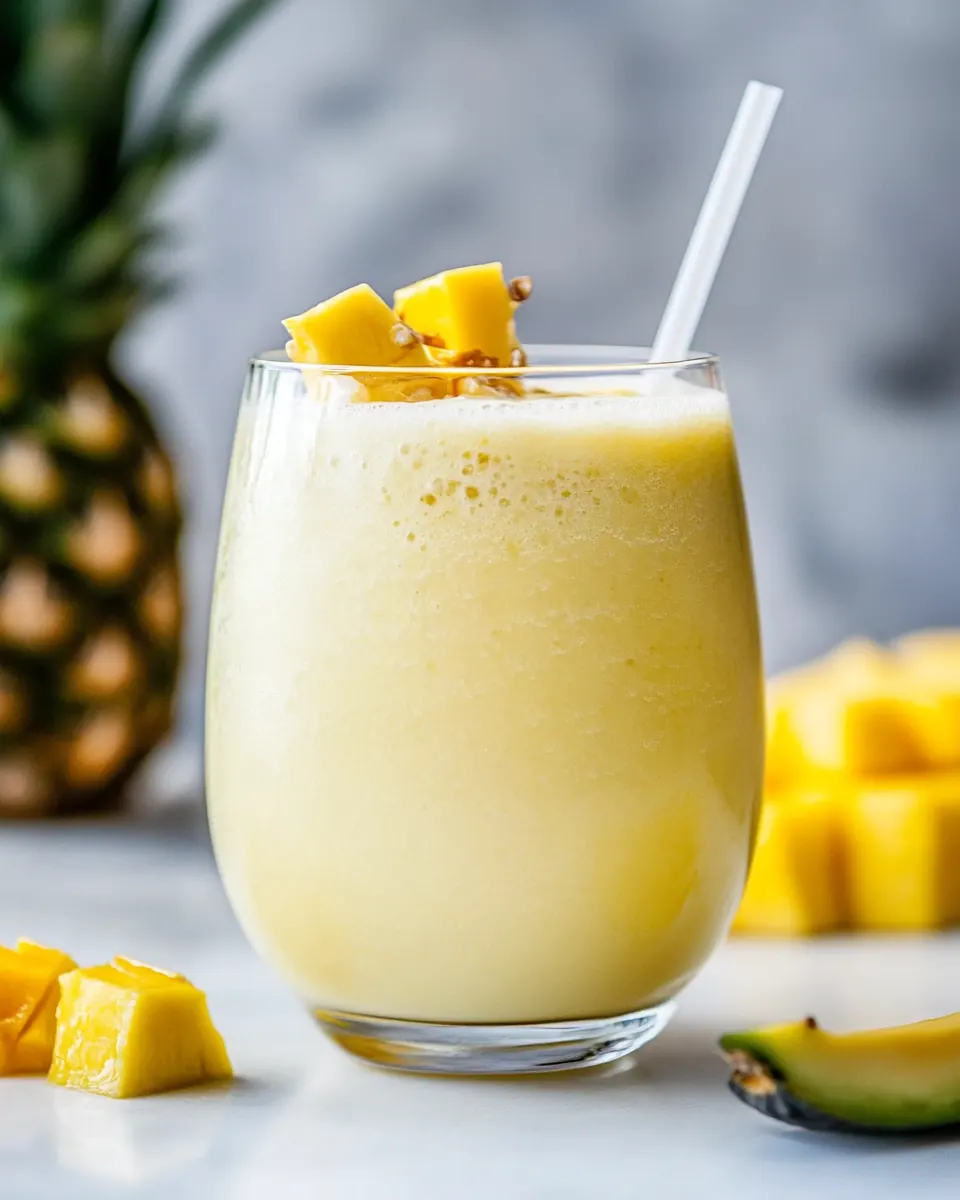
The ingredient list for this Tropical Smoothie is deliberately short, focused on ripe tropical fruits and creamy coconut. These players work together because the pineapple adds brightness, the mango brings silkiness, the banana rounds the texture, and the coconut components add fat and body so the drink feels satisfying. Keep the fruit frozen for that frosty, thick finish that makes each sip feel like a treat.
- 1 cup frozen pineapple: Adds bright tropical sweetness and a firm icy texture when blended; contributes natural acidity that balances richer ingredients. Provides vibrant pineapple flavor and helps create a refreshing, slushy consistency in the smoothie.
- 1 cup frozen mango: Provides juicy, sweet mango flavor and creamy body when pureed; enhances tropical aroma and adds natural sugars for smooth texture. Helps thicken the blend while contributing vibrant color and richness.
- 2/3 of a banana, about 1/2 cup sliced: Contributes subtle creaminess and natural sweetness while adding a mild banana flavor; helps create a smooth mouthfeel without overpowering other fruits. Supplies slight binding properties that improve overall texture and balance.
- 1/2 cup coconut meat, fresh or frozen: Introduces creamy coconut richness and mild nutty notes that amplify tropical character; adds fiber and a silky mouthfeel when blended. Works with coconut milk to deepen coconut flavor and provide a satisfying, smooth texture.
- 1/2 cup coconut milk: Supplies rich, tropical creaminess and subtle coconut fat that enhances mouthfeel and flavor depth; helps emulsify the smoothie for a cohesive texture. Adds a delicate coconut aroma and smooth finish to the drink.
- 6 ounces pineapple juice: Delivers concentrated pineapple flavor and additional sweetness while providing liquid for blending; helps thin the mixture to a drinkable consistency. Contributes fruity acidity that brightens the overall flavor profile.
Making This Tropical Smoothie
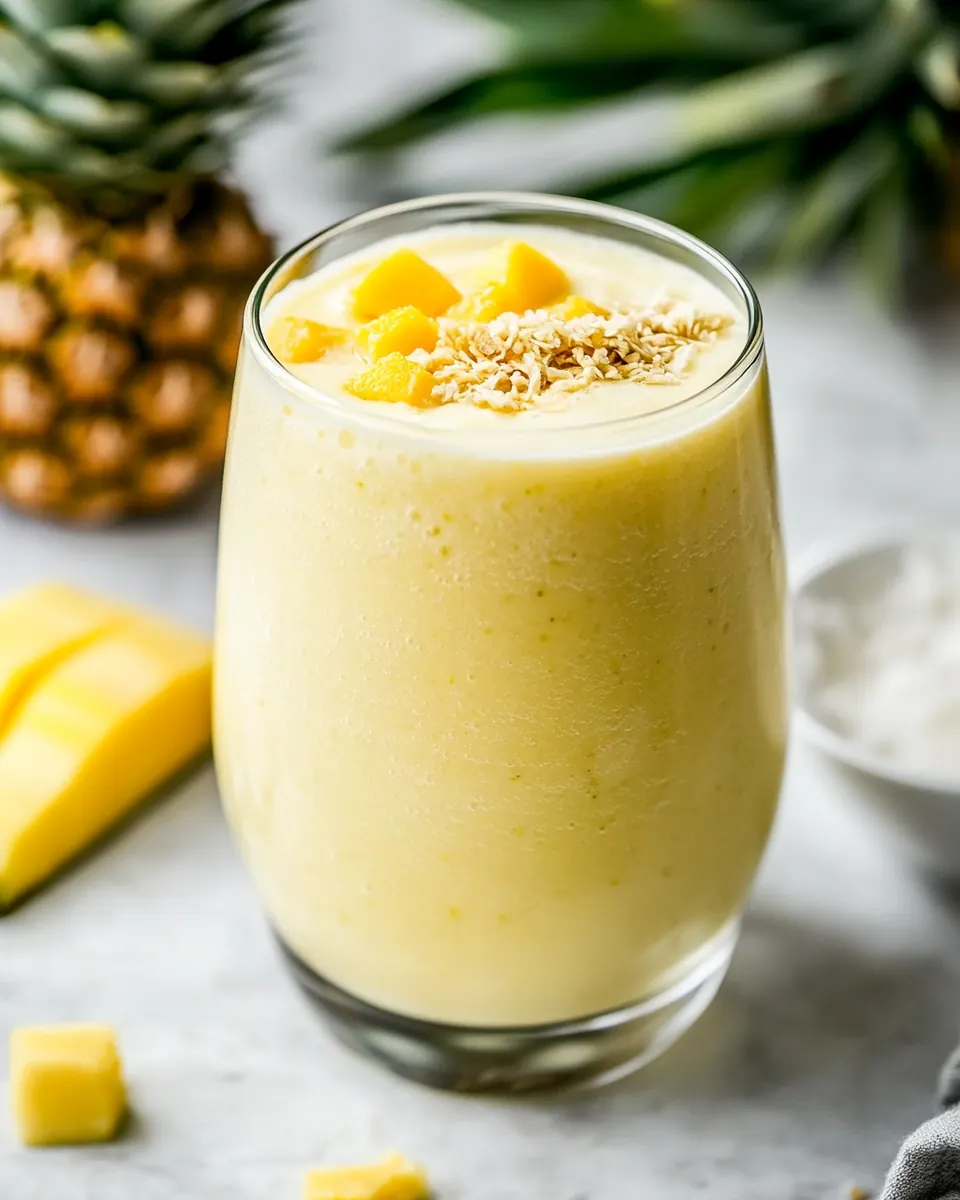
I like to keep the routine simple and sensory focused so I can enjoy the process as much as the drink. Gather everything first, then blend in one go for the cleanest texture. Below are the exact steps from the recipe, expanded with sensory cues, why each choice matters, and troubleshooting notes so you know you are on track.
- Add 1 cup frozen pineapple, 1 cup frozen mango, 2/3 of a banana, 1/2 cup coconut meat, 1/2 cup coconut milk, and 6 ounces pineapple juice to a blender and blend until smooth.: You will hear the initial thump as the frozen fruit meets the blades, followed by a steady humming as the mixture becomes uniform. Look for a glossy, velvety stream forming around the blades and a pale yellow color with flecks of fruit. Smell the sweet sharpness of pineapple and the rounded aroma of mango as the fruit breaks down. This step is crucial because blending everything together emulsifies the coconut milk with the fruit, creating a creamy texture and cohesive flavor. If the blender strains or stalls, pause and use a tamper or add a splash more pineapple juice to loosen the mix, then pulse. A common mistake is over processing to the point of warming the mixture, which dulls the fresh taste, so blend in short bursts for a frosty result.
- Pour into two glasses and serve immediately.: The pour should reveal a thick, cascade like ribbon indicating proper viscosity. You will notice tiny air pockets and a slight sheen on the surface, signs of a well emulsified drink. Serving right away preserves the icy texture and vibrant aroma, which fades if left to sit. When I serve, I watch for condensation forming on the glass, which signals the right temperature contrast between drink and air. Avoid leaving the smoothie at room temperature for long, because the color and brightness will mellow. If you must hold it, give it a quick stir and taste before serving to adjust thickness with a splash of pineapple juice or extra coconut milk .
Substitutions and Tips
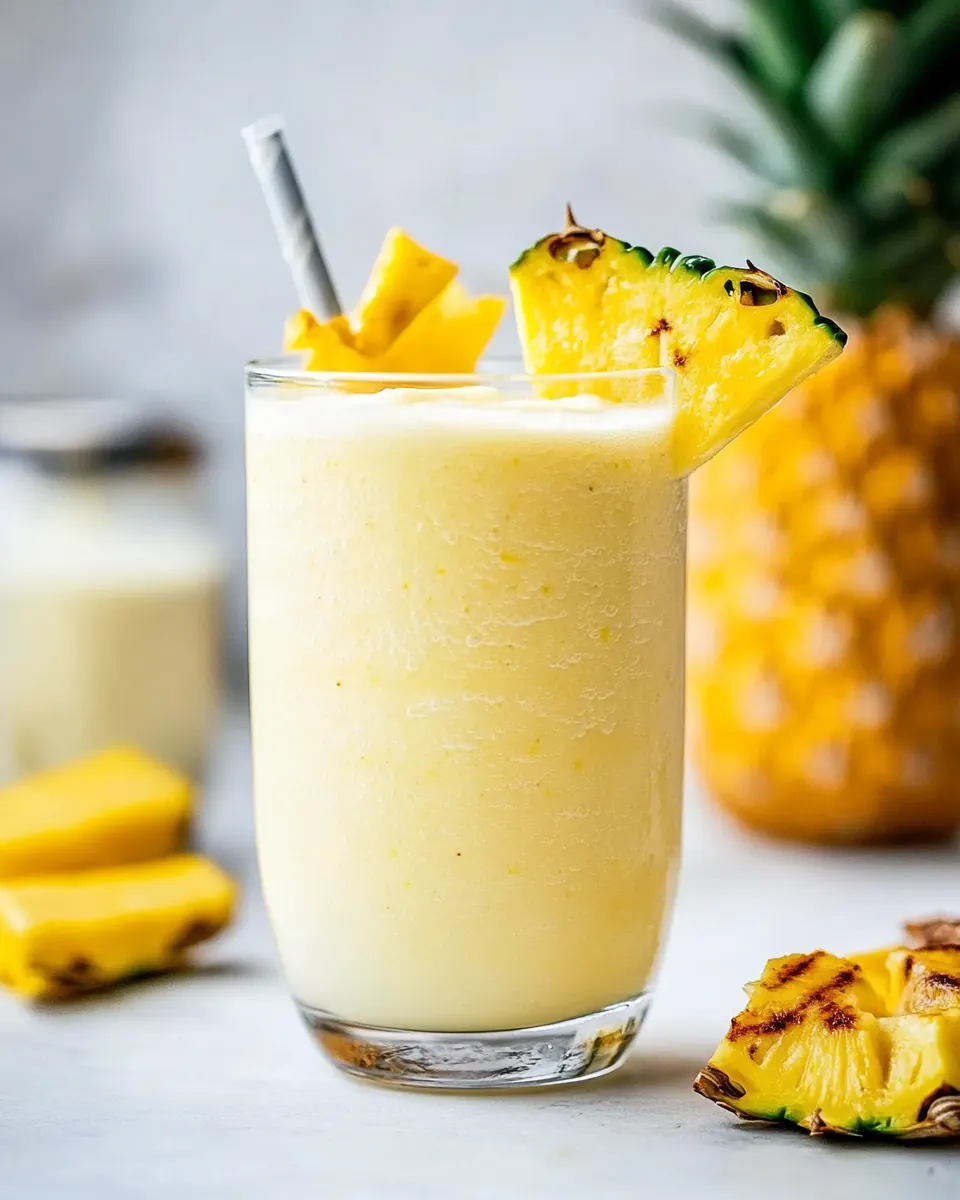
This section collects practical tips and short substitutions I rely on in my kitchen, shaped by things I actually do when I want a reliable result. Read the bolded starts of each tip for quick scanning, then expand on the detail to fit your pantry and rhythm.
- Freeze your banana ahead: Freezing the banana makes the texture thicker and gives a creamier mouthfeel without extra liquid.
- Use canned full fat coconut milk for richness: Full fat coconut milk produces a silkier smoothie, while low fat options will make it lighter but less indulgent.
- Substitute juice carefully: If you do not have pineapple juice, use an equal amount of coconut water or a mild apple juice, but expect a different flavor balance.
- Keep a fruit mix stash: Preportion frozen pineapple and mango in freezer bags so you can blend quickly without measuring.
- Pulse to control texture: Short pulses preserve ice crystals and give a frostier outcome than long continuous blending.
- Adjust sweetness with banana: Rather than adding sugar, increase the proportion of ripe banana to lift sweetness naturally.
How to Serve Tropical Smoothie
This drink is versatile and bright, and serving it well elevates the experience. I recommend chilled glasses and quick service to keep the texture and aroma lively.
- Breakfast boost: Serve in a tall glass with a straw for an energizing morning option that pairs well with a light toast or fruit bowl.
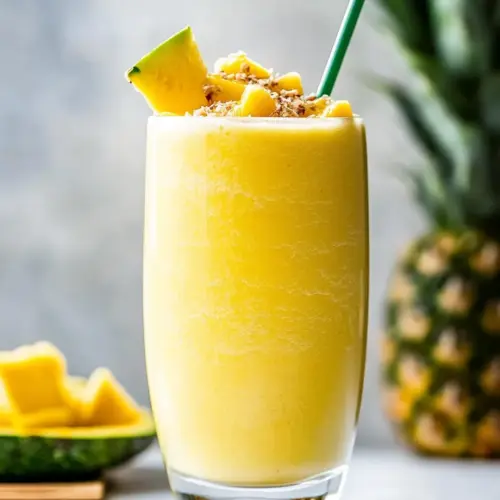
- Brunch presentation: Garnish with a small wedge of pineapple on the rim and serve alongside yogurt or granola for a tropical themed brunch.
- Poolside refresher: Pour into chilled tumblers and add a paper umbrella for an easy, festive poolside drink.
- Snack or post workout: Offer it in a reusable bottle for a refreshing post workout refuel that delivers fast carbohydrates and hydration.
- Storage tips: Smoothies are best fresh, but you can keep leftovers in the fridge for several hours; reblend briefly and add a splash of pineapple juice if separation occurs.
- Seasonal pairing: This shines in summer when tropical fruit feels most appropriate, but it also brightens colder months when you crave sunny flavors.
FAQ
Conclusion
This Tropical Smoothie stands out for its bright, layered flavors and effortless preparation. It combines frozen tropical fruit and creamy coconut elements to deliver a refreshing, satisfying drink you can make in moments. Try it when you want a quick, nourishing pick me up, and enjoy how a few simple ingredients can create a vibrant, memorable sip.
Tropical Smoothie
Equipment
- Blender
- Glasses
Ingredients
- 1 cup frozen pineapple Adds bright tropical sweetness and a firm icy texture when blended; contributes natural acidity that balances richer ingredients. Provides vibrant pineapple flavor and helps create a refreshing, slushy consistency in the smoothie.
- 1 cup frozen mango Provides juicy, sweet mango flavor and creamy body when pureed; enhances tropical aroma and adds natural sugars for smooth texture. Helps thicken the blend while contributing vibrant color and richness.
- 2/3 of a banana, about 1/2 cup sliced Contributes subtle creaminess and natural sweetness while adding a mild banana flavor; helps create a smooth mouthfeel without overpowering other fruits. Supplies slight binding properties that improve overall texture and balance.
- 1/2 cup coconut meat, fresh or frozen Introduces creamy coconut richness and mild nutty notes that amplify tropical character; adds fiber and a silky mouthfeel when blended. Works with coconut milk to deepen coconut flavor and provide a satisfying, smooth texture.
- 1/2 cup coconut milk Supplies rich, tropical creaminess and subtle coconut fat that enhances mouthfeel and flavor depth; helps emulsify the smoothie for a cohesive texture. Adds a delicate coconut aroma and smooth finish to the drink.
- 6 ounces pineapple juice Delivers concentrated pineapple flavor and additional sweetness while providing liquid for blending; helps thin the mixture to a drinkable consistency. Contributes fruity acidity that brightens the overall flavor profile.
Instructions
- Add 1 cup frozen pineapple, 1 cup frozen mango, 2/3 of a banana, 1/2 cup coconut meat, 1/2 cup coconut milk, and 6 ounces pineapple juice to a blender and blend until smooth.: You will hear the initial thump as the frozen fruit meets the blades, followed by a steady humming as the mixture becomes uniform. Look for a glossy, velvety stream forming around the blades and a pale yellow color with flecks of fruit. Smell the sweet sharpness of pineapple and the rounded aroma of mango as the fruit breaks down. This step is crucial because blending everything together emulsifies the coconut milk with the fruit, creating a creamy texture and cohesive flavor. If the blender strains or stalls, pause and use a tamper or add a splash more pineapple juice to loosen the mix, then pulse. A common mistake is over processing to the point of warming the mixture, which dulls the fresh taste, so blend in short bursts for a frosty result.
- Pour into two glasses and serve immediately.: The pour should reveal a thick, cascade like ribbon indicating proper viscosity. You will notice tiny air pockets and a slight sheen on the surface, signs of a well emulsified drink. Serving right away preserves the icy texture and vibrant aroma, which fades if left to sit. When I serve, I watch for condensation forming on the glass, which signals the right temperature contrast between drink and air. Avoid leaving the smoothie at room temperature for long, because the color and brightness will mellow. If you must hold it, give it a quick stir and taste before serving to adjust thickness with a splash of pineapple juice or extra coconut milk .
Notes
- Freeze your banana ahead: Freezing the banana makes the texture thicker and gives a creamier mouthfeel without extra liquid.
- Use canned full fat coconut milk for richness: Full fat coconut milk produces a silkier smoothie, while low fat options will make it lighter but less indulgent.
- Substitute juice carefully: If you do not have pineapple juice, use an equal amount of coconut water or a mild apple juice, but expect a different flavor balance.
- Keep a fruit mix stash: Preportion frozen pineapple and mango in freezer bags so you can blend quickly without measuring.
- Pulse to control texture: Short pulses preserve ice crystals and give a frostier outcome than long continuous blending.
- Adjust sweetness with banana: Rather than adding sugar, increase the proportion of ripe banana to lift sweetness naturally.
