Marinated Zucchini Salad
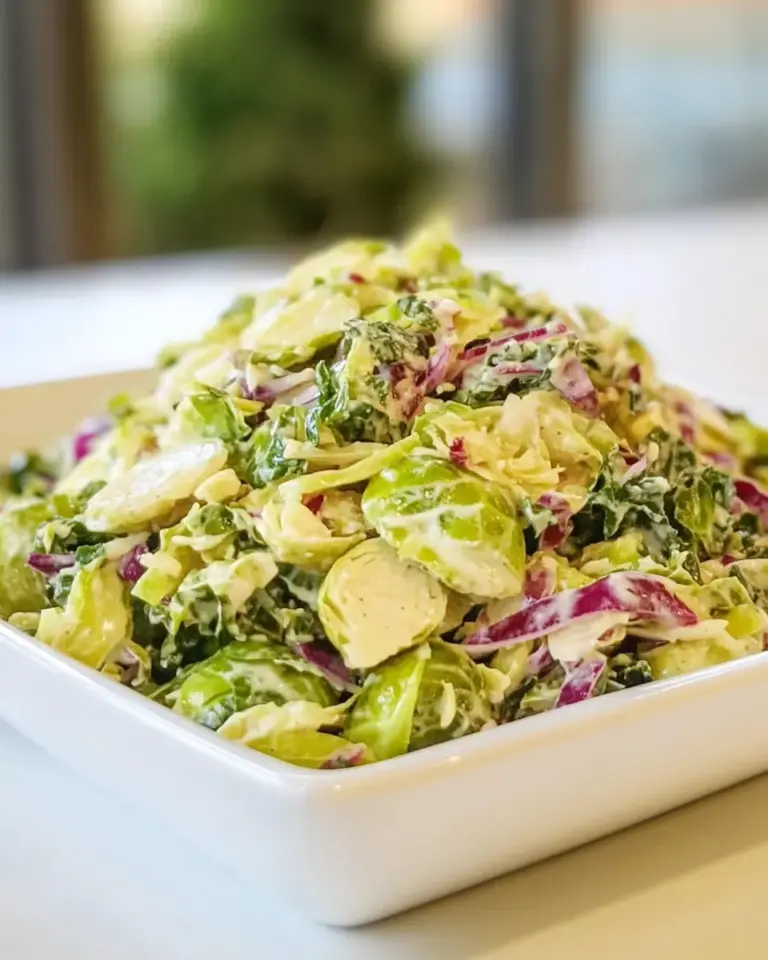
Marinated Zucchini Salad has been a summer staple in my kitchen for years, the kind of dish I reach for when the market piles up with bright green zucchini and I want something lively and effortless on the table. The first time I made it I remember the sound of zucchini sizzling faintly as I gave it a quick toss in the pan, and that fresh, tangy aroma from the dressing that made the whole house feel like a neighborhood trattoria for the afternoon.
Over time I learned little rituals that make this salad sing, like draining the olives and artichokes until they practically whisper dry, and letting the zucchini sit in the dressing long enough to soften slightly but still keep a cheerful snap. Friends often ask how I get the flavors to marry without the vegetables turning limp, and it comes down to timing and respect for each ingredient.
When I bring out a bowl of Marinated Zucchini Salad, conversation tends to lengthen, people reach for second helpings, and leftover plates get licked clean. It travels well to potlucks, and I love how it keeps in the fridge for days, tasting even better as the flavors meld. This salad is one of those recipes that rewards a little patience and a lot of good produce.
Recipe Snapshot
25 mins
15 mins
10 mins
Medium
150 kcal
Mediterranean
Vegan, Gluten-Free
Salads
Colander, Ziploc bag, Pan, Grater
The Magic of This Marinated Zucchini Salad
Bright seasonal flavor
I love that Marinated Zucchini Salad showcases simple summer produce. When zucchini is in peak form its mild, slightly grassy flavor becomes a perfect canvas for bold additions, and the marinating process draws out bright notes while keeping texture intact.
Textural contrast
The interplay of tender but crisp zucchini, briny black olives, and meaty artichoke hearts gives each bite a satisfying variety. I find that variety keeps the salad interesting across multiple meals, so you do not get bored with the same mouthfeel.
Make ahead magic
I really appreciate how this recipe benefits from time. Marinating for several hours deepens the flavor, making the salad an ideal choice for prepping before guests arrive. It frees you up on the day of serving, and I often enjoy how the acidity mellows and the components harmonize overnight.
Flexible and forgiving
One of the reasons I return to this dish is its adaptability. Whether you are nervous about chopping perfectly or measuring exactly, this salad forgives small variations. Swapping quantities slightly or leaving out the red onion still produces a tasty result, which is why I trust it for casual gatherings.
Appeals to many occasions
This salad works equally well as a light lunch, a picnic side, or a colorful addition to a buffet. I often bring it to summer get togethers because it holds up at room temperature and keeps looking pretty on the table. The balance of savory, tangy, and fresh notes helps it pair well with many mains.
What Goes Into Marinated Zucchini Salad
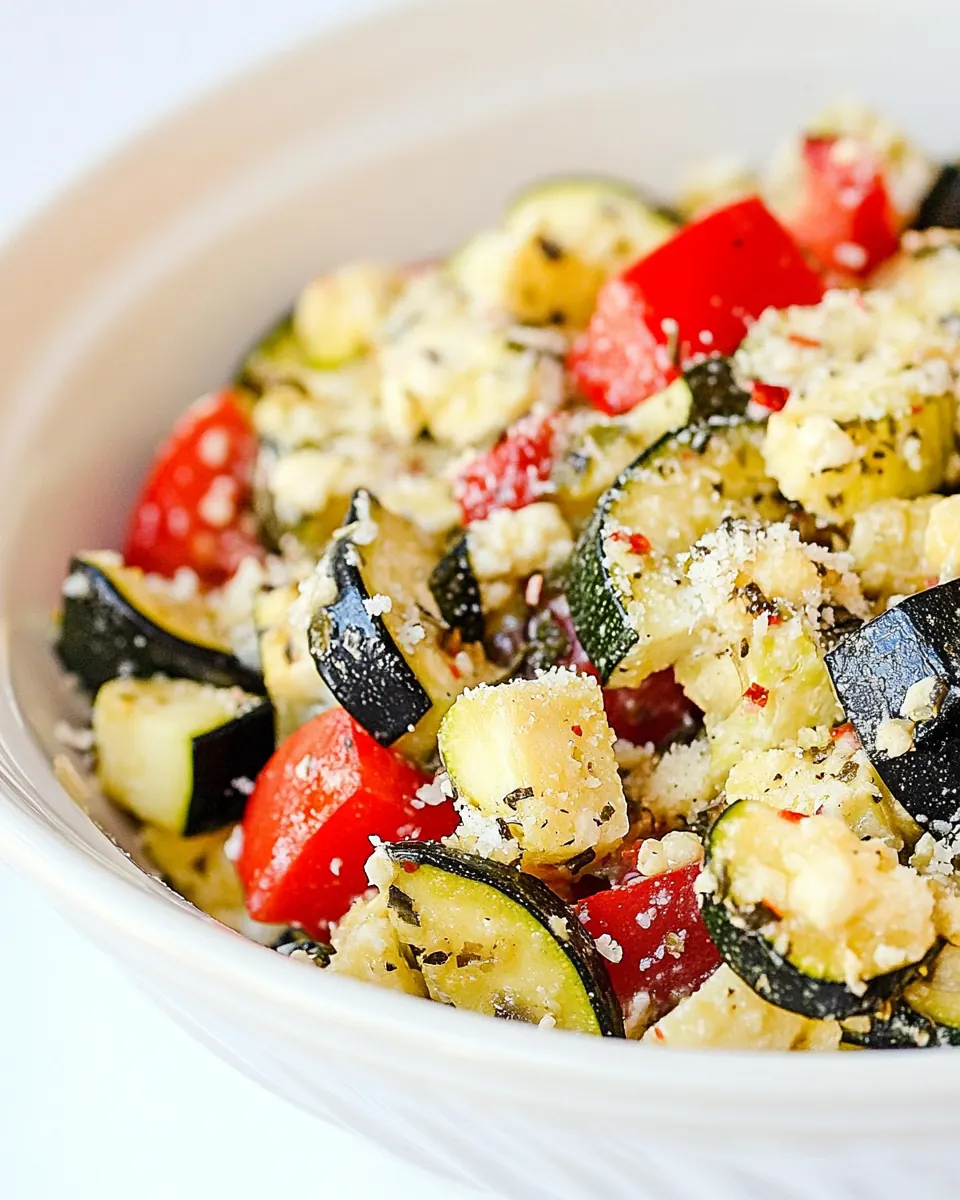
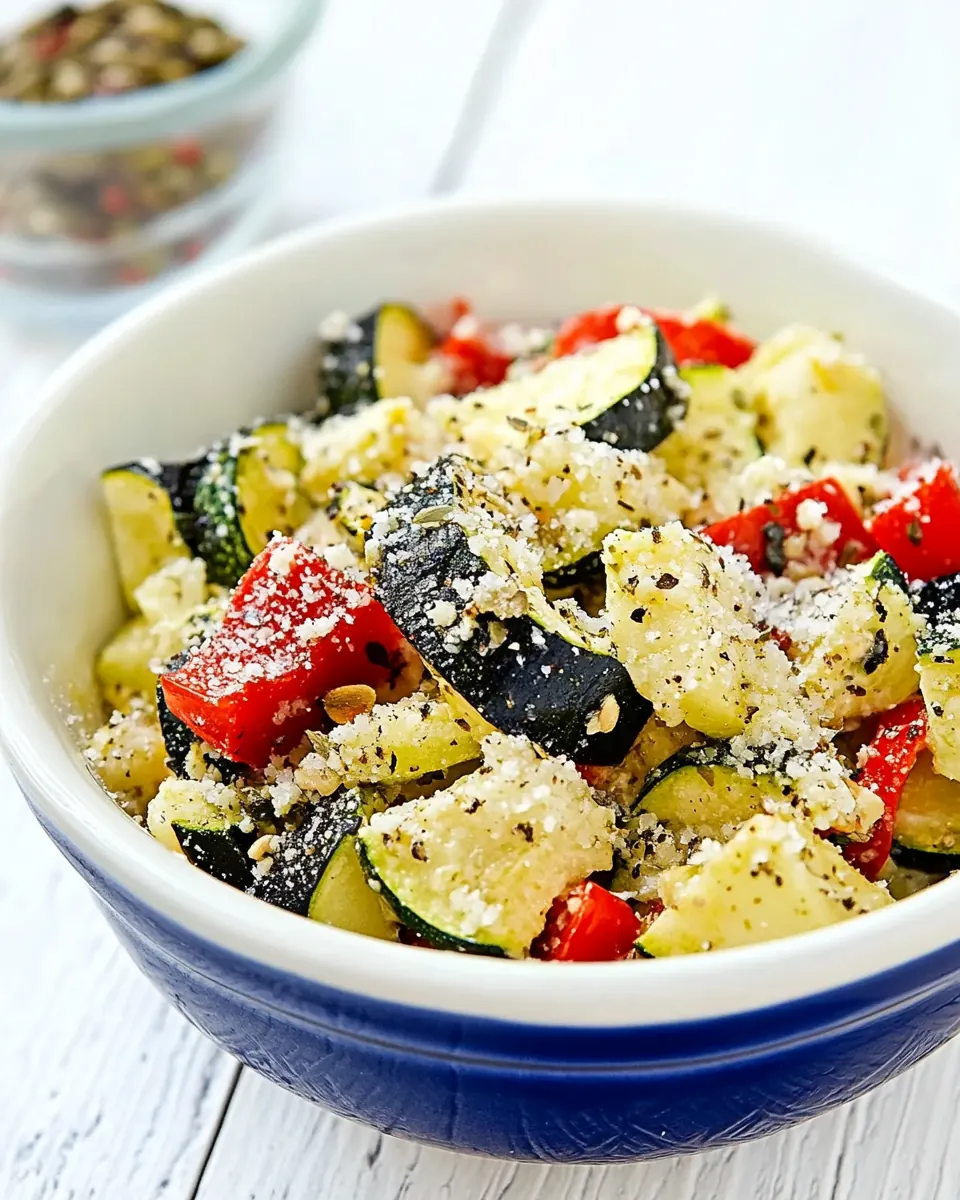
The ingredient list for Marinated Zucchini Salad is straightforward and intentional. Each component plays a clear role: the zucchini brings tender crunch, black olives add briny depth, marinated artichoke hearts contribute richness and texture, and the red pepper and red onion brighten and spice things up. Together they create a balanced, Mediterranean leaning salad where no one element overpowers the others.
- 5 small zucchini, cut into half moon slices about 1/2 inch thick (or bite sized pieces): Sliced into half moons to provide a crisp, fresh base with mild, slightly sweet summer flavor; cooks quickly if briefly sautéed or left raw for a crunchy texture. Acts as the primary bulk of the salad, soaking up marinade and harmonizing the other bold components while adding hydration and color.
- one 6 oz. can large pitted black olives, drained very well: Drained very well to contribute briny, salty depth and a meaty texture that contrasts the tender vegetables; large pitted olives add umami and a Mediterranean character. Provides concentrated savory bites throughout the salad and balances acidity from any dressing.
- 6 oz . marinated artichoke hearts, drained very well (or more, see notes): Drained very well to lend tangy, slightly fermented complexity and tender chew from preserved artichoke hearts; marinated versions also bring herbs and oil that enhance overall flavor. Augments richness and offers pleasant acidity that brightens the salad, with optional extra quantity increasing heartiness.
- 1 red pepper chopped into bite-sized pieces: Chopped into bite–sized pieces to supply sweet, slightly smoky crunch and vibrant color; red pepper introduces fresh vegetal sweetness and a crisp texture. Enhances visual appeal and provides balance against briny and acidic elements while contributing vitamin-rich freshness.
- 1/2 red onion chopped into bite-sized pieces () (optional): Chopped into bite–sized pieces to add sharp, pungent bite and aromatic complexity; when used, red onion delivers contrast and crisp texture. Optional use allows control over spiciness and pungency, mellowing when soaked briefly in cold water or combined with dressing.
The Process for Making Marinated Zucchini Salad
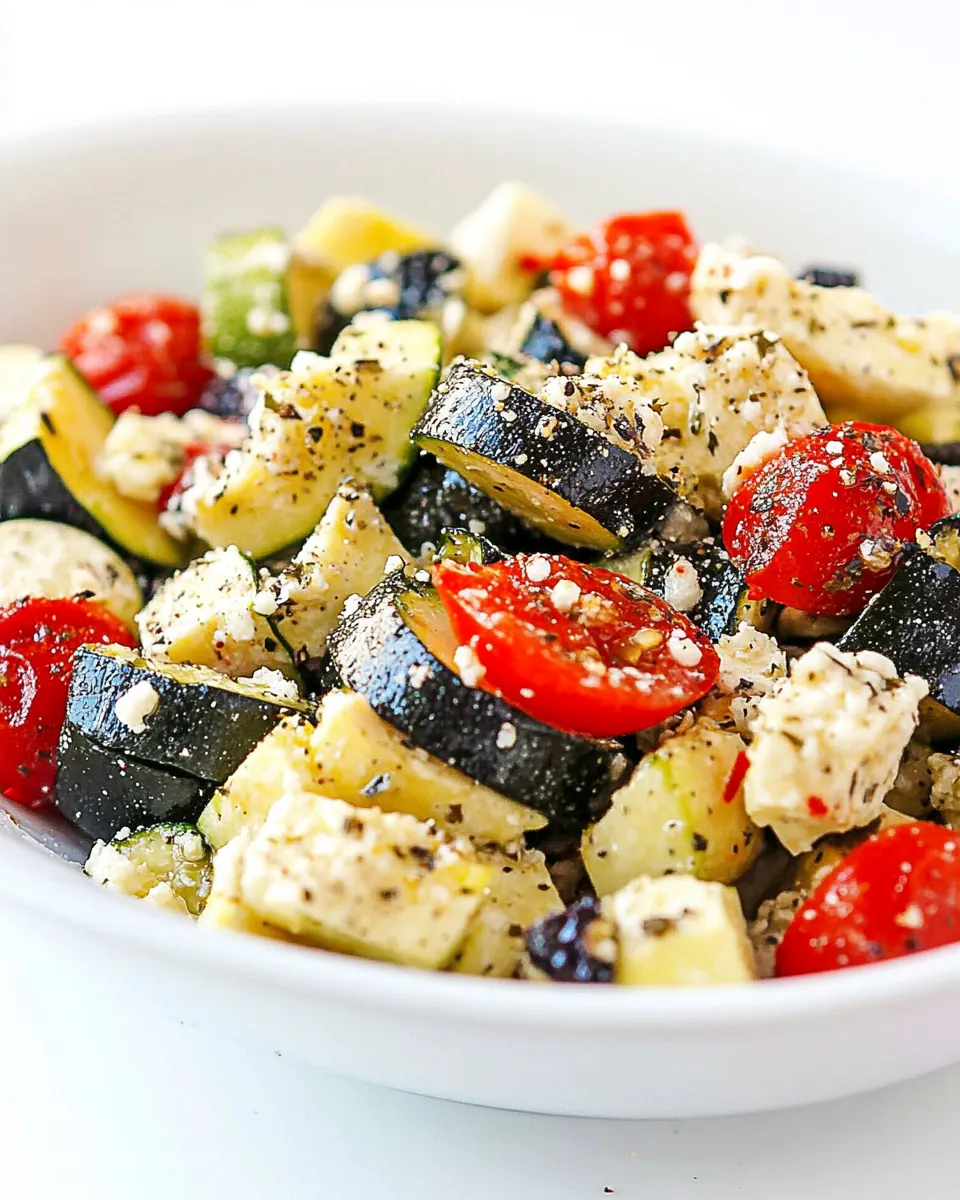
These directions are unhurried and encourage attention to texture and drainage. Follow the sequence to ensure the salad is flavorful and not watery, and take time with the marinating to let the flavors meld properly.
- Cut zucchini into quarter slices or bite sized pieces. (If you’re using large zucchini, cut away the seeds and most of the white part.): The kitchen fills with a faint vegetal aroma and a slight squeak as you run the knife through the firm flesh, signaling freshness. Properly cutting the zucchini matters because uniform pieces cook at the same rate, avoiding some being too soft while others remain raw. A common misstep is inconsistent sizing, which leads to uneven texture in the salad. If your zucchini are large, remove seeds and the spongy white center which can be watery; this will help the final salad stay vibrant. Keep the pieces roughly a half inch thick so they hold up to marinating. The visual cue you want is even, neat slices that nestle together in the bowl, not ragged bits.
- Steam or stir-fry zucchini until barely tender/crisp, about 3 minutes for steaming and slightly longer for pan frying, then drain very well.: A short steam gives off soft steam scent and slightly sweetened zucchini aromas, while quick pan frying adds a subtle toasted note and a soft sizzle. The goal is a tender interior with a slight snap, which preserves texture in the finished salad. Overcooking removes the desired bite and yields a watery, limp salad. When steaming, test with a fork so it meets resistance but is not hard; with pan frying look for a faint golden edge as your sign to stop. Drain immediately after cooking to halt further softening.
- While zucchini is cooking, open olives and artichoke hearts and dump into a colander to drain well. (Draining the zucchini and olives well is essential or the finished salad will be watery.): A briny perfume from the black olives and tangy oil from the artichoke hearts will escape as you drain, and patience here prevents dilution of the dressing. Letting them sit for several minutes, gently shaking the colander, ensures excess liquid leaves the mix. A mistake people make is skipping this step and ending up with a watery salad that tastes muted. Drying the components well also helps the dressing cling to the vegetables rather than pool at the bottom.
- Chop the red bell pepper (and red onion if using) into bite-sized pieces.: The act of chopping releases sweet pepper scent and a sharp onion perfume if you use it, adding aromatic layers to the bowl. Consistent cuts matter so the pieces mingle evenly with the zucchini and other items. A frequent oversight is leaving the pepper in large strips which can dominate texture; aim for small, even pieces so every forkful has balance. If your hands get sticky from the pepper, rinse and dry them to keep the salad clean and bright during assembly.
- Combine zucchini, olives, artichoke hearts, red pepper (and red onion if using) in Ziploc bag (or plastic or glass container with a snap-tight lid.): The ingredients mingle visually now, with varied colors and shapes creating an appealing mosaic. Using a container with a tight seal helps the dressing coat everything uniformly during marination. Avoid packing the container so tightly that dressing cannot move around; crowding prevents proper coating and flavor development. When transferring, scrape the bowl to capture any flavorful juices and add them to the mix.
- Pour dressing over, just enough to cover veggies, and stir gently. (I only use part of the dressing to marinate the veggies and then stir in a little more dressing when I serve it.): You should hear a soft glug and see a glossy sheen form on the surfaces, indicating the dressing is clinging. I often reserve a bit of dressing to add later at serving to refresh the flavors. Too much dressing can make the salad greasy and drown subtle tastes, so start conservatively. Stir gently so you do not bruise the vegetables; you want them coated, not mashed. The visual cue to stop stirring is a uniform glaze without pools of oil.
- Marinate in refrigerator 4-8 hours.: During this time the salad quiets and flavors knit together; you may notice a mellowing of sharpness and a gentle melding of briny and acidic notes. The texture of the zucchini will soften slightly but retain enough bite if you started with the recommended cook time. A common error is under-marinating, which leaves the salad one dimensional, or over-marinating for an entire day which can make it too soft. Check at the 4 hour mark to gauge your preferred texture.
- If you can turn it over once in a while to keep the vegetables covered with dressing that would be great, but it’s not essential.: The gentle movement helps redistribute flavors so some pieces do not sit dry while others soak up the liquid. When you open the container you will smell a layered aroma of oil, vinegar, and the individual vegetables, a good sign everything is integrating. Neglecting to turn can lead to uneven flavor pockets, so if you remember give it a shake. Visual inspection should show an evenly coated salad, not patches of dryness.
- Just before serving stir in a little of the reserved dressing and 1/4 cup of the Parmesan cheese.: The reserved dressing brightens the salad and gives a fresh lift, while freshly grated Parmesan cheese melts slightly against the warmest pieces, adding savory depth. The scent becomes nuttier and more complex at this point. Avoid adding too much cheese as it can overpower the briny olives and the delicate zucchini. The right amount creates a cohesive finish that ties the ingredients together.
- Sprinkle the salad with the other 1/4 cup freshly grated Parmesan cheese when serving.: The final sprinkle offers visual appeal and a textural contrast, with ribbons of cheese sitting atop the salad. If you grate on the larger side the fragments create pleasant mouthfeel and a rustic look. Using pre-grated cheese will work in a pinch, but freshly grated yields superior aroma and melt. Present the salad with the extra cheese visible so guests can see the finishing touch.
- At the risk of sounding like a cheese snob, let me say that this is best with freshly grated cheese. I like to grate it on the large side of the grater and serve the salad with the final sprinkle of grated cheese not mixed in. However if all you have is pre-grated Parmesan, not to worry. It will still be yummy.: Freshly grated Parmesan releases nutty, savory aromas as you grate, enhancing the experience. The larger flakes provide a delightful contrast and a luxurious finish. If using pre-grated cheese the flavor is still fine, but it will lack the bright aromatic lift of fresh. A typical mistake is assuming the cheese will not matter; it absolutely influences the final impression, so if possible grate just before serving.
Customization Ideas
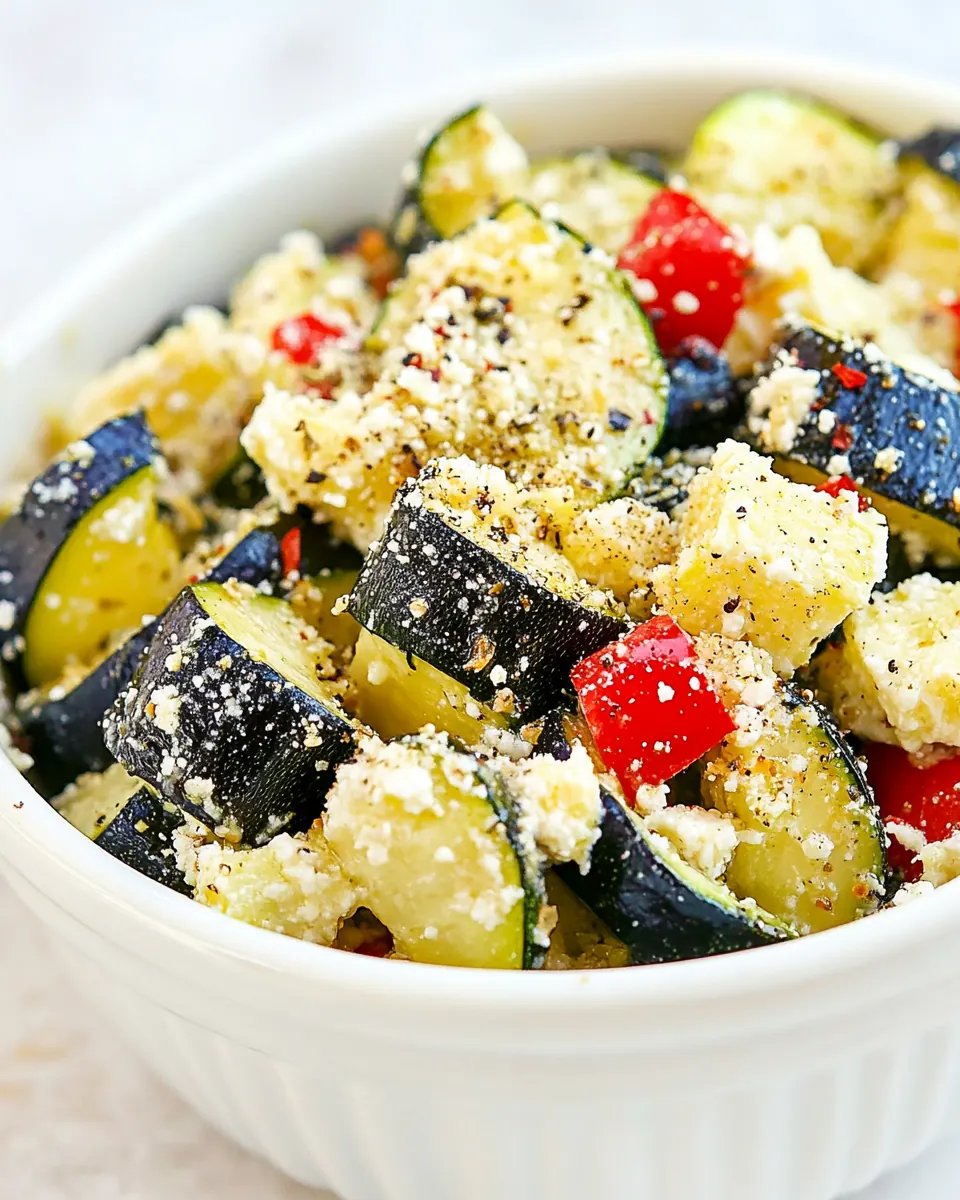
This salad adapts easily to taste and pantry finds. Below are practical and flavorful ideas to customize without changing the core identity of the dish. Each tip starts with a highlighted phrase to help you scan quickly.
- Increase artichoke presence : If you love the meaty tang of artichoke hearts, use a larger jar or add an extra 3 ounces, remembering to drain well so the salad does not become oily.
- Mild onion option : Soak the chopped red onion in cold water for 10 minutes to soften the bite and reduce pungency, then drain thoroughly before adding to the salad.
- Dressing restraint : Start with less dressing than you think you need, you can always add more; this prevents the salad from turning greasy and allows flavors to concentrate properly.
- Uniform cuts : Chop all vegetables into similar sized pieces so every forkful has balanced texture and flavor, enhancing the dining experience.
- Make ahead strategy : Assemble and marinate up to eight hours ahead, store in a sealed container in the fridge, and add reserved dressing and final cheese before serving for a fresh finish.
- Presentation tip : Serve in a shallow bowl and sprinkle the final Parmesan just before placing on the table to keep the cheese from melting into the salad too soon.
How to Enjoy Marinated Zucchini Salad
This salad is versatile for many meals and settings. It complements light lunches and casual dinners, and it travels well to picnics and potlucks. Below are detailed serving ideas and storage notes laid out so you can pick what suits your occasion.
- As a side for weeknight dinners : Pair a generous scoop of Marinated Zucchini Salad with grilled vegetables or a simple roasted protein to add brightness and acidity to richer dishes.
- Picnic or potluck friendly : Transport in a sealed container, give it a gentle toss before serving, and finish with the reserved dressing and extra Parmesan to revive flavors after travel.
- Light lunch : Serve a bowl of the salad with a crusty bread on the side for a satisfying, vegetable forward mid day meal that is easy to assemble and enjoy.
- Occasions to serve : This salad fits spring and summer gatherings, casual outdoor dinners, and holiday buffets where a bright, chilled vegetable dish is welcome.
- Storage tips : Keep refrigerated in an airtight container for up to three days; the flavor deepens over time but texture softens gradually, so consume within a few days for best bite.
- Seasonal pairings : Highlight fresh summer produce by serving alongside tomato based salads or grilled seasonal vegetables for complementary textures and flavors.
FAQ
Conclusion
Marinated Zucchini Salad shines for its bright, layered flavors and satisfying textures, making it an ideal summer side or light main. It rewards simple care in preparation, especially thorough draining and a thoughtful marinating time, to produce a salad that tastes composed and lively. Give it a try when zucchini is abundant, and you will find it becomes a repeat favorite for casual meals and gatherings alike. I hope you enjoy the process of making it, and that it becomes one of your go to summer preparations.
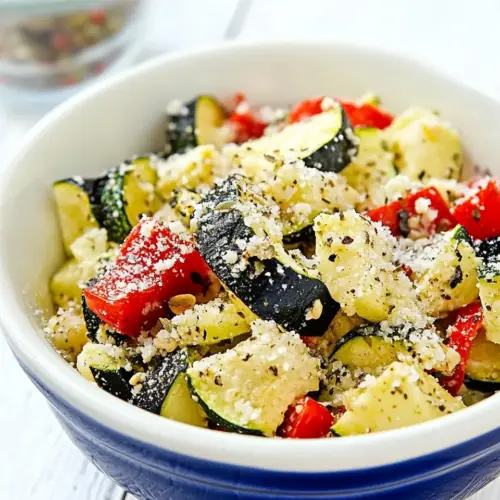
Marinated Zucchini Salad
Equipment
- Colander
- Ziploc bag
- Pan
- Grater
Ingredients
- 5 small zucchini, cut into half moon slices about 1/2 inch thick (or bite sized pieces) Sliced into half moons to provide a crisp, fresh base with mild, slightly sweet summer flavor; cooks quickly if briefly sautéed or left raw for a crunchy texture. Acts as the primary bulk of the salad, soaking up marinade and harmonizing the other bold components while adding hydration and color.
- one 6 oz. can large pitted black olives, drained very well Drained very well to contribute briny, salty depth and a meaty texture that contrasts the tender vegetables; large pitted olives add umami and a Mediterranean character. Provides concentrated savory bites throughout the salad and balances acidity from any dressing.
- 6 oz . marinated artichoke hearts, drained very well (or more, see notes) Drained very well to lend tangy, slightly fermented complexity and tender chew from preserved artichoke hearts; marinated versions also bring herbs and oil that enhance overall flavor. Augments richness and offers pleasant acidity that brightens the salad, with optional extra quantity increasing heartiness.
- 1 red pepper chopped into bite-sized pieces Chopped into bite-sized pieces to supply sweet, slightly smoky crunch and vibrant color; red pepper introduces fresh vegetal sweetness and a crisp texture. Enhances visual appeal and provides balance against briny and acidic elements while contributing vitamin-rich freshness.
- 1/2 red onion chopped into bite-sized pieces (optional) Chopped into bite-sized pieces to add sharp, pungent bite and aromatic complexity; when used, red onion delivers contrast and crisp texture. Optional use allows control over spiciness and pungency, mellowing when soaked briefly in cold water or combined with dressing.
Instructions
- Cut zucchini into quarter slices or bite sized pieces. (If you’re using large zucchini, cut away the seeds and most of the white part.): The kitchen fills with a faint vegetal aroma and a slight squeak as you run the knife through the firm flesh, signaling freshness. Properly cutting the zucchini matters because uniform pieces cook at the same rate, avoiding some being too soft while others remain raw. A common misstep is inconsistent sizing, which leads to uneven texture in the salad. If your zucchini are large, remove seeds and the spongy white center which can be watery; this will help the final salad stay vibrant. Keep the pieces roughly a half inch thick so they hold up to marinating. The visual cue you want is even, neat slices that nestle together in the bowl, not ragged bits.
- Steam or stir-fry zucchini until barely tender/crisp, about 3 minutes for steaming and slightly longer for pan frying, then drain very well.: A short steam gives off soft steam scent and slightly sweetened zucchini aromas, while quick pan frying adds a subtle toasted note and a soft sizzle. The goal is a tender interior with a slight snap, which preserves texture in the finished salad. Overcooking removes the desired bite and yields a watery, limp salad. When steaming, test with a fork so it meets resistance but is not hard; with pan frying look for a faint golden edge as your sign to stop. Drain immediately after cooking to halt further softening.
- While zucchini is cooking, open olives and artichoke hearts and dump into a colander to drain well. (Draining the zucchini and olives well is essential or the finished salad will be watery.): A briny perfume from the black olives and tangy oil from the artichoke hearts will escape as you drain, and patience here prevents dilution of the dressing. Letting them sit for several minutes, gently shaking the colander, ensures excess liquid leaves the mix. A mistake people make is skipping this step and ending up with a watery salad that tastes muted. Drying the components well also helps the dressing cling to the vegetables rather than pool at the bottom.
- Chop the red bell pepper (and red onion if using) into bite-sized pieces.: The act of chopping releases sweet pepper scent and a sharp onion perfume if you use it, adding aromatic layers to the bowl. Consistent cuts matter so the pieces mingle evenly with the zucchini and other items. A frequent oversight is leaving the pepper in large strips which can dominate texture; aim for small, even pieces so every forkful has balance. If your hands get sticky from the pepper, rinse and dry them to keep the salad clean and bright during assembly.
- Combine zucchini, olives, artichoke hearts, red pepper (and red onion if using) in Ziploc bag (or plastic or glass container with a snap-tight lid.): The ingredients mingle visually now, with varied colors and shapes creating an appealing mosaic. Using a container with a tight seal helps the dressing coat everything uniformly during marination. Avoid packing the container so tightly that dressing cannot move around; crowding prevents proper coating and flavor development. When transferring, scrape the bowl to capture any flavorful juices and add them to the mix.
- Pour dressing over, just enough to cover veggies, and stir gently. (I only use part of the dressing to marinate the veggies and then stir in a little more dressing when I serve it.): You should hear a soft glug and see a glossy sheen form on the surfaces, indicating the dressing is clinging. I often reserve a bit of dressing to add later at serving to refresh the flavors. Too much dressing can make the salad greasy and drown subtle tastes, so start conservatively. Stir gently so you do not bruise the vegetables; you want them coated, not mashed. The visual cue to stop stirring is a uniform glaze without pools of oil.
- Marinate in refrigerator 4-8 hours.: During this time the salad quiets and flavors knit together; you may notice a mellowing of sharpness and a gentle melding of briny and acidic notes. The texture of the zucchini will soften slightly but retain enough bite if you started with the recommended cook time. A common error is under-marinating, which leaves the salad one dimensional, or over-marinating for an entire day which can make it too soft. Check at the 4 hour mark to gauge your preferred texture.
- If you can turn it over once in a while to keep the vegetables covered with dressing that would be great, but it’s not essential.: The gentle movement helps redistribute flavors so some pieces do not sit dry while others soak up the liquid. When you open the container you will smell a layered aroma of oil, vinegar, and the individual vegetables, a good sign everything is integrating. Neglecting to turn can lead to uneven flavor pockets, so if you remember give it a shake. Visual inspection should show an evenly coated salad, not patches of dryness.
- Just before serving stir in a little of the reserved dressing and 1/4 cup of the Parmesan cheese.: The reserved dressing brightens the salad and gives a fresh lift, while freshly grated Parmesan cheese melts slightly against the warmest pieces, adding savory depth. The scent becomes nuttier and more complex at this point. Avoid adding too much cheese as it can overpower the briny olives and the delicate zucchini. The right amount creates a cohesive finish that ties the ingredients together.
- Sprinkle the salad with the other 1/4 cup freshly grated Parmesan cheese when serving.: The final sprinkle offers visual appeal and a textural contrast, with ribbons of cheese sitting atop the salad. If you grate on the larger side the fragments create pleasant mouthfeel and a rustic look. Using pre-grated cheese will work in a pinch, but freshly grated yields superior aroma and melt. Present the salad with the extra cheese visible so guests can see the finishing touch.
- At the risk of sounding like a cheese snob, let me say that this is best with freshly grated cheese. I like to grate it on the large side of the grater and serve the salad with the final sprinkle of grated cheese not mixed in. However if all you have is pre-grated Parmesan, not to worry. It will still be yummy.: Freshly grated Parmesan releases nutty, savory aromas as you grate, enhancing the experience. The larger flakes provide a delightful contrast and a luxurious finish. If using pre-grated cheese the flavor is still fine, but it will lack the bright aromatic lift of fresh. A typical mistake is assuming the cheese will not matter; it absolutely influences the final impression, so if possible grate just before serving.
Notes
- Increase artichoke presence : If you love the meaty tang of artichoke hearts, use a larger jar or add an extra 3 ounces, remembering to drain well so the salad does not become oily.
- Mild onion option : Soak the chopped red onion in cold water for 10 minutes to soften the bite and reduce pungency, then drain thoroughly before adding to the salad.
- Dressing restraint : Start with less dressing than you think you need, you can always add more; this prevents the salad from turning greasy and allows flavors to concentrate properly.
- Uniform cuts : Chop all vegetables into similar sized pieces so every forkful has balanced texture and flavor, enhancing the dining experience.
- Make ahead strategy : Assemble and marinate up to eight hours ahead, store in a sealed container in the fridge, and add reserved dressing and final cheese before serving for a fresh finish.
- Presentation tip : Serve in a shallow bowl and sprinkle the final Parmesan just before placing on the table to keep the cheese from melting into the salad too soon.