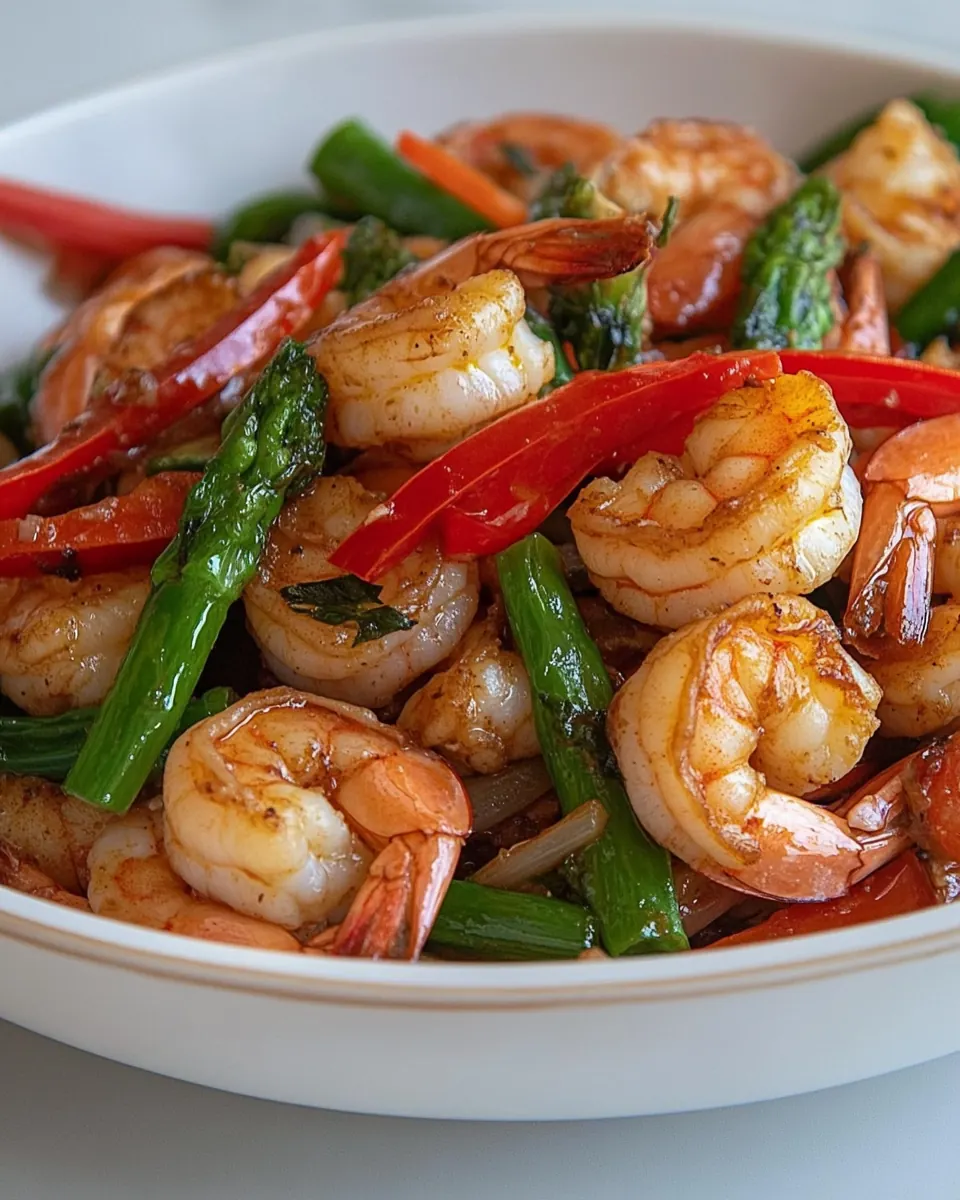
Honey Garlic Shrimp Stir Fry
Honey Garlic Shrimp Stir Fry is one of those dinners I come back to when I want something bright, fast, and a little bit indulgent.
I remember the evening I first made this dish for friends who were in from out of town. We had spent the day exploring the city, and I wanted something that felt special but would not steal the night from conversation. The combination of sticky honey and punchy garlic seemed like the perfect partner for tender shrimp, so I tossed together a quick marinade, seared the shrimp until the edges caramelized, then wilted crisp vegetables in the same pan. The result was a meal that smelled like a restaurant, but came together in the time it took us to open a bottle of sparkling water and set the table.
That night taught me to trust shortcuts that preserve big flavors, and to treat simple techniques like a hot skillet and good timing as my secret weapons. I also learned that this dish forgives a lot of improvisation. If you have a different vegetable on hand, or prefer a slightly tangier soy, it will still come together into something comforting and lively. Over the years I have refined the balance of sweet and savory so that each bite is glossy, fragrant, and pleasingly saucy without being cloying. Whenever I need an easy weeknight dinner that feels like I made an effort, I reach for this recipe.
Recipe Snapshot
20 mins
5 mins
15 mins
Easy
300 kcal
American
Gluten-Free, Low FODMAP
Dinner
Large skillet, Mixing bowl, Spatula
The Charm of This Honey Garlic Shrimp Stir Fry
Bright, balanced flavor
I love how Honey Garlic Shrimp Stir Fry plays sweet and savory against each other. The honey gives a warm, caramel note while the soy sauce keeps each bite grounded, creating a glaze that clings to the shrimp and vegetables. That contrast makes this meal addictive and easy to finish a second helping.
Speed without compromise
We often need dinners that are quick and satisfying, and this dish delivers in about 20 minutes. Marinating the shrimp briefly allows flavor to penetrate without long wait times, and the high heat sear locks in juiciness while producing those desirable browned edges. It’s a reliable choice when you have limited time but want real depth of flavor.
Vegetable forward, but protein packed
I appreciate that the recipe highlights crisp vegetables like asparagus, bell pepper, and onion, which add textural contrast and freshness. At the same time, the shrimp supplies lean protein, so the plate feels complete. It’s a balanced weeknight winner that still reads like a treat.
Flexible and forgiving
What makes this one of my go to recipes is how forgiving it is. You can adjust the amount of honey for sweetness, swap the oil, or change the vegetables, and the method still shines. That flexibility means you can tailor it to what’s in your fridge and still end up with something memorable.
Great for sharing or meal prep
I also love serving this at casual gatherings because it travels well from pan to plate and reheats nicely. Leftovers keep their texture if you reheat gently, and the flavors actually deepen after resting in the fridge overnight, making it work for meal prep too.
Main Ingredients for Honey Garlic Shrimp Stir Fry
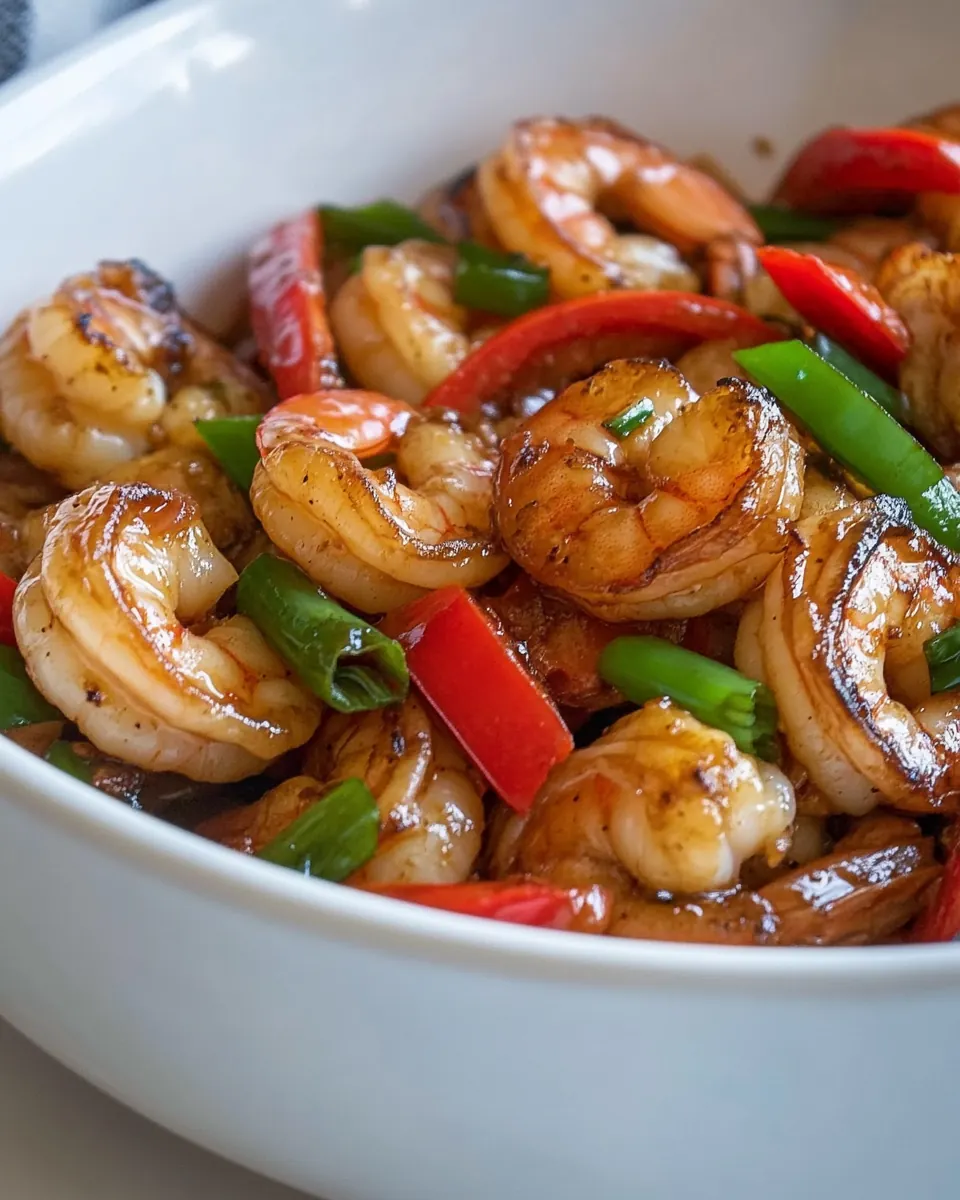
These ingredients form a tight, flavorful team. The sweet component meets the savory in a glossy sauce that clings to tender protein and crunchy vegetables. Each item plays a clear role, from texture to aroma, bringing a quick weeknight meal to life.
- 1 lb . raw shrimp, thawed, peeled and tails removed: Provide succulent seafood flavor and lean protein that cooks quickly; toss with sauce near the end to avoid overcooking and maintain a tender texture. Use thawed, peeled, and deveined shrimp to ensure even cooking and easy eating, and pat dry before searing to promote browning. Season lightly before adding to the wok for best flavor absorption and to complement the sweet garlic–honey glaze.
- 1/3 cup honey: Add a natural sweetener and glossy coating that balances savory soy and acidic notes; stir into the sauce until fully dissolved for a smooth, sticky finish. Use measured honey to avoid overpowering the dish and help the sauce caramelize slightly when heated. Adjust amount sparingly if cooking for those preferring less sweetness.
- 1/4 cups soy sauce: Contribute salty, umami depth and savory backbone to the sauce; combine with honey and aromatics to create a balanced glaze. Use regular soy sauce proportionally for a pronounced savory contrast to the sweetness and to season the vegetables and shrimp evenly. Consider low-sodium alternatives only if reducing saltiness is required for dietary needs.
- 1 tbsp minced garlic: Provide pungent, aromatic flavor and savory warmth that pairs with both shrimp and vegetables; mince finely so it integrates into the sauce and releases its oils. Sauté briefly in oil to mellow raw sharpness before adding other liquids, ensuring the garlic infuses the entire stir-fry. Use fresh minced garlic for best fragrance and immediate impact on taste.
- 1 tsp minced ginger: Deliver a warm, slightly peppery note with bright, spicy aroma that complements garlic and honey; mince finely to distribute flavor evenly. Sauté briefly to bloom its fragrance without burning, helping to create a complex sauce profile. Use fresh ginger to add a clean bite that balances sweetness and saltiness.
- 2 tbsp butter, salted: Provide richness and a silky mouthfeel that helps thicken and finish the sauce; melt together with oil to create a flavorful cooking medium. Use salted butter to introduce a hint of seasoning and help the glaze cling to the shrimp and vegetables. Add toward the end of cooking to preserve its creaminess and avoid breaking.
- 1 tbsp olive oil, or avocado oil: Create a high-heat cooking fat with a mild flavor that prevents sticking and allows quick, even sautéing; use as the initial oil for stir-frying vegetables and shrimp. Choose olive or avocado oil for their smoke points and neutral profiles, ensuring vegetables cook rapidly without burning. Combine with butter later for a rounded finish and added flavor.
- 1 lb . asparagus, trimmed and cut into 2 to 3 inch pieces: Provide fresh, grassy crunch and a vibrant green color that contrasts textures; trim and cut into uniform 2–3 inch pieces for even cooking. Stir-fry briefly to keep asparagus crisp-tender and bright, then toss with sauce so it absorbs flavor without losing bite. Cook timing is important to prevent limp or overcooked spears.
- 1 large bell pepper, sliced into strips: Introduce sweet, fruity crunch and colorful visual appeal with thin strips that cook quickly; slice into uniform strips for even texture. Stir-fry until just tender to maintain slight crispness and allow peppers to soak up the honey–garlic glaze. Choose a ripe pepper for sweetness that complements the sauce.
- 1/2 medium onion, sliced: Add mild sweetness and savory depth with translucent, tender layers when thinly sliced; slice evenly to ensure uniform softening. Sauté until softened and slightly caramelized to build flavor in the base of the stir-fry before adding liquids and shrimp. Use half an onion to maintain balance among the vegetables and proteins.
How to Make Honey Garlic Shrimp Stir Fry
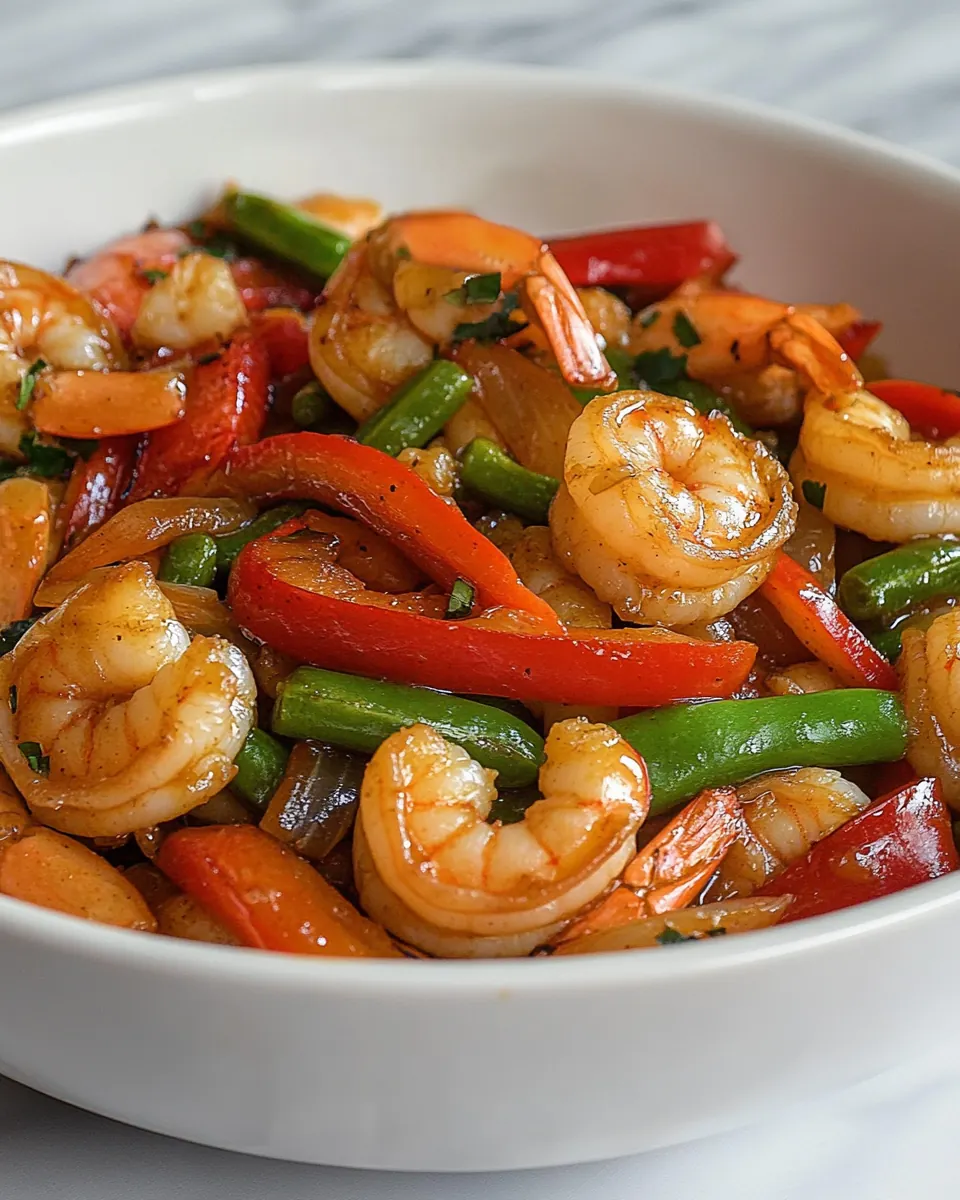
This dish comes together quickly, so plan your mise en place. Have the shrimp cleaned, the sauce whisked, and the vegetables prepped before you heat your pan. Working in sequence keeps everything at its peak texture.
- Place the cleaned shrimp in a bowl and set aside.: The moment you place the peeled shrimp in a bowl you can feel their cool, slick texture, and that tactile prep step helps you gauge freshness. I like to pat them dry with paper towel before adding any marinade, because excess moisture prevents a proper sear and leads to steaming rather than caramelization. If you skip drying the shrimp , they will release water on the hot pan and not brown evenly, so take that extra minute to blot them dry. This initial rest also gives you a calm window to assemble the sauce and vegetables, and keeps the kitchen rhythm unhurried.
- Combine the honey, soy sauce, garlic and ginger in a small bowl and pour half over the shrimp (reserve the other half for later), stir the shrimp to coat, cover and refrigerate for at least 15 minutes.: As soon as the sweet glossy mixture hits the shrimp , the aroma changes to something floral and savory, which builds anticipation. Marinating briefly allows the surface of the shrimp to pick up flavor without becoming soggy, which is crucial for quick cooking. Covering and refrigerating keeps the seafood at a safe temperature as flavors meld. A common misstep is marinating too long, especially with citrus or salt heavy mixes, which can alter texture; here, the short window preserves a snappy bite. Remember to reserve half the sauce for finishing, because pouring all of it into the pan would burn during searing and make cleanup sticky.
- Meanwhile heat a large skillet (I prefer cast iron) over medium-high heat and add 1 tablespoon of butter and 1 tbsp olive oil. Once hot add in the asparagus, bell pepper and onion and sauté until crisp-tender and slightly charred (about 4 minutes). Remove from skillet to a plate to keep warm.: You will hear a soft sizzle when the butter and oil meet the hot pan, and that sound signals readiness to add vegetables. Combining butter with oil increases flavor and raises the burn threshold, helping you achieve even browning. If the fat smokes immediately, the pan is too hot, so lower the heat a touch to avoid bitter burnt flavors. Properly heated fat will shimmer and spread across the surface, ensuring vegetables sear instead of stick.
- Add the remaining tablespoon of butter to the skillet and then add the shrimp (discard any used marinade). Cook shrimp about 1 minute per side, or until caramelized and cooked through. Quickly add the veggies and reserved sauce to the skillet and heat through.: When the vegetables hit the skillet you should hear a lively sizzle and smell a toasty vegetal aroma as sugars begin to caramelize. The goal is crisp-tender texture with a little char for complexity, which happens quickly, so keep the pieces moving to brown evenly. Stir frequently but not constantly, letting one side brown before turning. Overcrowding the pan causes steaming, so if your skillet is small, cook in batches. Watch for bright color retention, that is the cue they are done.
- Serve over hot cooked rice if desired. Enjoy!: Lifting the vegetables onto a warmed plate preserves their texture and prevents the residual heat of the pan from continuing to cook them into softness. I place them adjacent to my stove to maintain heat and flavor while I cook the shrimp . A frequent mistake is leaving everything in the same pan too long, which results in limp vegetables and a muddled texture contrast between the vegetables and the protein.
- Add the remaining tablespoon of butter to the skillet and then add the shrimp.: Dropping the shrimp into the hot fat creates immediate caramelization around the edges, releasing an irresistible fragrant lift. The butter helps form a brown, slightly nutty fond that will enhance the sauce. Arrange the shrimp in a single layer so each piece gets direct contact with the pan for even sear marks. If the pan is overcrowded, the shrimp will not brown, so cook in two quick batches if needed. That quick, hot sear is what keeps the interior tender and juices sealed inside.
- Cook shrimp about 1 minute per side, or until caramelized and cooked through.: As the shrimp curl and turn opaque, you will notice a fragrant caramel aroma and a change in texture from glassy to firm. The visual cue of opaque pink edges signals doneness, and overcooking will make them tough and rubbery. Use a timer if you are unsure, because this step is intentionally brief. A common error is leaving them until completely stiff which robs the dish of succulence, so pull them off just as they finish changing color.
- Quickly add the veggies and reserved sauce to the skillet and heat through.: When you reunite the shrimp with the vegetables and pour in the reserved sauce, you will hear a pleasant hiss and see the sauce bubble, thinning and then glazing everything. Stir gently to coat each piece, allowing the sauce to reduce slightly and cling. The combination of hot pan and sauce will intensify aromas, and the glossy finish is your sign to stop. If you add too much heat here, the honey can burn, so lower the temperature if the mixture darkens too quickly. If you want a thicker glaze, mix a small cornstarch slurry and add it now.
- Serve over hot cooked rice if desired. Enjoy!: Spoon the steaming mixture over a bed of hot rice and notice how the sauce soaks into the grains, creating comforting cohesion on the plate. The contrast of tender shrimp , crisp vegetables, and sticky glaze is especially pleasing when eaten while still warm. Do not let the dish sit too long before serving because the vegetables will soften and the textures will blur. A quick final toss on the burner just before plating revitalizes the gloss and heat.
Customization Ideas
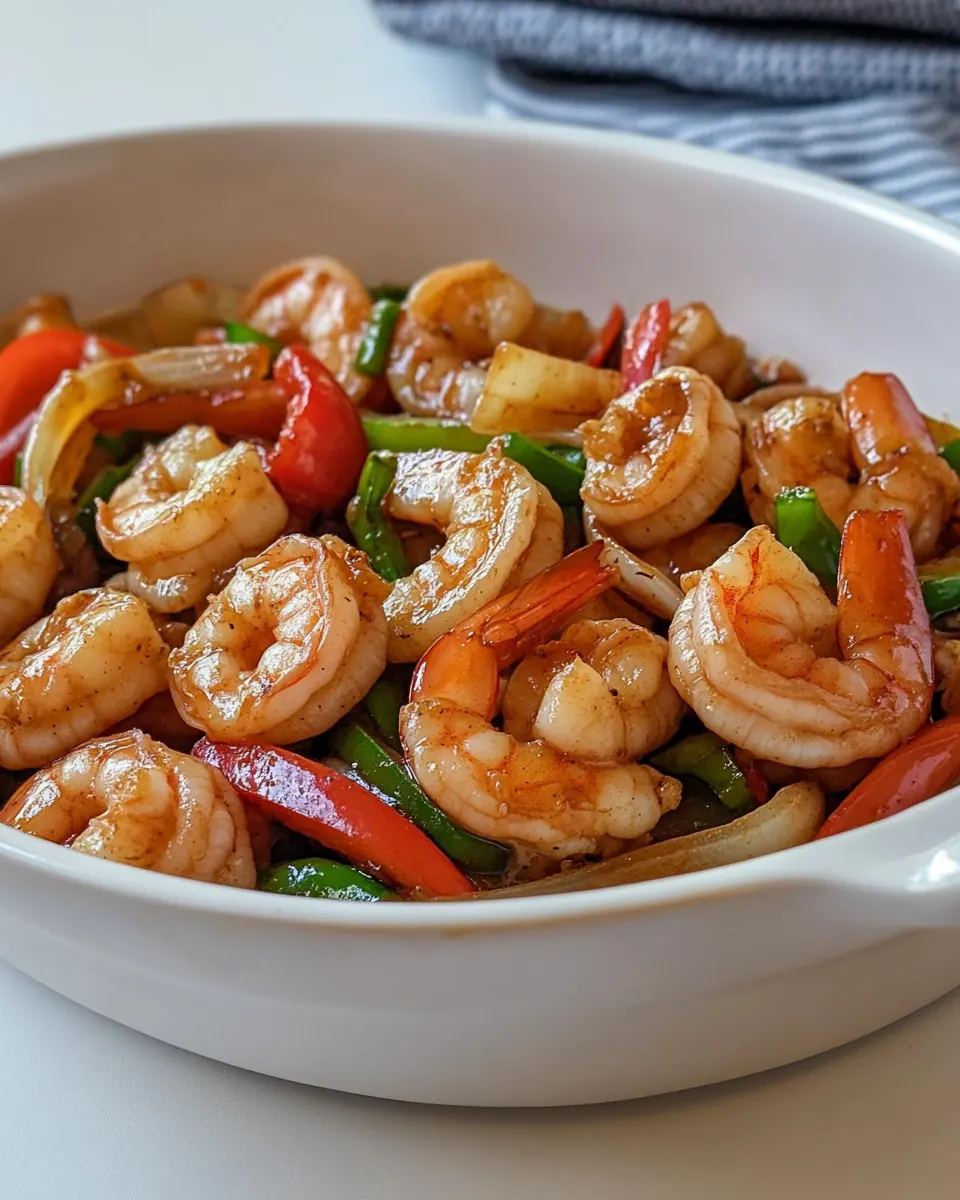
I like to offer tweaks to suit what you have on hand and how adventurous you feel. Below are practical, flavorful ways to make this dish your own without changing the core rhythm or ingredients.
- Swap the oil Use avocado oil for a higher smoke point or light olive oil for a milder finish, which helps prevent the butter from burning when you sear.
- Adjust sweetness Reduce the amount of honey for a less sweet glaze or add a splash more for a dessert like gloss, tasting as you go to keep the balance.
- Vegetable variations Substitute similar cook time vegetables like snap peas or thinly sliced zucchini if you prefer, keeping pieces uniform so everything cooks evenly.
- Make it saucier Reserve more sauce and reduce it in the pan slightly longer for extra coating, or add a cornstarch slurry to thicken immediately before serving.
- Spice it up Add a pinch of crushed red pepper or a drizzle of chili oil if you want heat, incorporating it into the reserved sauce so the spice is evenly distributed.
Accompaniments for Honey Garlic Shrimp Stir Fry
This section suggests practical serving ideas and occasions that highlight the dish. The list format helps you pick pairings quickly and tailor the meal to your plans.
- Serve over steamed rice A bed of hot white or brown rice soaks up the glossy sauce, making each bite cohesive and comforting for a classic weeknight plate.
- Pair with noodles Toss the finished shrimp and vegetables with cooked noodles for a noodle bowl variation that works well for casual dinners and feeding a crowd.
- Family dinners This dish shines for quick family dinners, offering approachable flavors that many palates enjoy, and it reheats well for next day lunches.
- Entertaining Serve family style on a large platter for guests so everyone can help themselves to the glossy shrimp and crisp vegetables, which makes it a relaxed option for friends night in.
- Storage tips Refrigerate leftovers in an airtight container for up to two days, and reheat gently on the stove to preserve vegetable texture and glossy sauce.
- Seasonal pairings In spring, emphasize fresh asparagus and bright peppers to keep the plate light, while in other seasons you can swap in heartier vegetables to match what’s available.
FAQ
Conclusion
What makes this recipe special is its combination of bright, sticky sauce and quick, high heat technique that preserves texture and builds deep flavor. Give it a try on a busy night when you want something impressive without the fuss, and you might find it becomes a regular in your dinner rotation. It’s forgiving, fast, and satisfying, and I hope you enjoy the glossy finish and lively contrast of tender shrimp with crisp vegetables as much as I do.
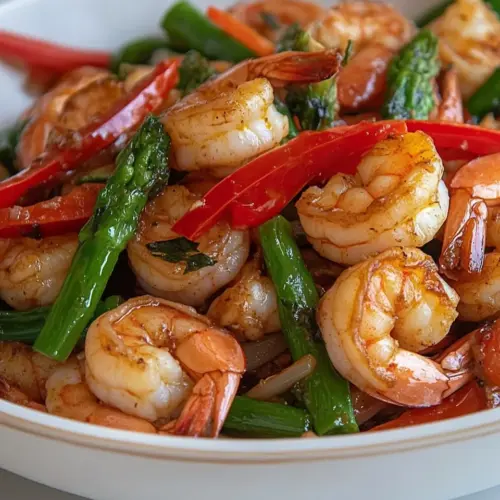
Honey Garlic Shrimp Stir Fry
Equipment
- Large Skillet
- Mixing Bowl
- Spatula
Ingredients
- 1 lb . raw shrimp, thawed, peeled and tails removed Provide succulent seafood flavor and lean protein that cooks quickly; toss with sauce near the end to avoid overcooking and maintain a tender texture. Use thawed, peeled, and deveined shrimp to ensure even cooking and easy eating, and pat dry before searing to promote browning. Season lightly before adding to the wok for best flavor absorption and to complement the sweet garlic-honey glaze.
- 1/3 cup honey Add a natural sweetener and glossy coating that balances savory soy and acidic notes; stir into the sauce until fully dissolved for a smooth, sticky finish. Use measured honey to avoid overpowering the dish and help the sauce caramelize slightly when heated. Adjust amount sparingly if cooking for those preferring less sweetness.
- 1/4 cups soy sauce Contribute salty, umami depth and savory backbone to the sauce; combine with honey and aromatics to create a balanced glaze. Use regular soy sauce proportionally for a pronounced savory contrast to the sweetness and to season the vegetables and shrimp evenly. Consider low-sodium alternatives only if reducing saltiness is required for dietary needs.
- 1 tbsp minced garlic Provide pungent, aromatic flavor and savory warmth that pairs with both shrimp and vegetables; mince finely so it integrates into the sauce and releases its oils. Sauté briefly in oil to mellow raw sharpness before adding other liquids, ensuring the garlic infuses the entire stir-fry. Use fresh minced garlic for best fragrance and immediate impact on taste.
- 1 tsp minced ginger Deliver a warm, slightly peppery note with bright, spicy aroma that complements garlic and honey; mince finely to distribute flavor evenly. Sauté briefly to bloom its fragrance without burning, helping to create a complex sauce profile. Use fresh ginger to add a clean bite that balances sweetness and saltiness.
- 2 tbsp butter, salted Provide richness and a silky mouthfeel that helps thicken and finish the sauce; melt together with oil to create a flavorful cooking medium. Use salted butter to introduce a hint of seasoning and help the glaze cling to the shrimp and vegetables. Add toward the end of cooking to preserve its creaminess and avoid breaking.
- 1 tbsp olive oil, or avocado oil Create a high-heat cooking fat with a mild flavor that prevents sticking and allows quick, even sautéing; use as the initial oil for stir-frying vegetables and shrimp. Choose olive or avocado oil for their smoke points and neutral profiles, ensuring vegetables cook rapidly without burning. Combine with butter later for a rounded finish and added flavor.
- 1 lb . asparagus, trimmed and cut into 2 to 3 inch pieces Provide fresh, grassy crunch and a vibrant green color that contrasts textures; trim and cut into uniform 2–3 inch pieces for even cooking. Stir-fry briefly to keep asparagus crisp-tender and bright, then toss with sauce so it absorbs flavor without losing bite. Cook timing is important to prevent limp or overcooked spears.
- 1 large bell pepper, sliced into strips Introduce sweet, fruity crunch and colorful visual appeal with thin strips that cook quickly; slice into uniform strips for even texture. Stir-fry until just tender to maintain slight crispness and allow peppers to soak up the honey-garlic glaze. Choose a ripe pepper for sweetness that complements the sauce.
- 1/2 medium onion, sliced Add mild sweetness and savory depth with translucent, tender layers when thinly sliced; slice evenly to ensure uniform softening. Sauté until softened and slightly caramelized to build flavor in the base of the stir-fry before adding liquids and shrimp. Use half an onion to maintain balance among the vegetables and proteins.
Instructions
- Place the cleaned shrimp in a bowl and set aside.: The moment you place the peeled shrimp in a bowl you can feel their cool, slick texture, and that tactile prep step helps you gauge freshness. I like to pat them dry with paper towel before adding any marinade, because excess moisture prevents a proper sear and leads to steaming rather than caramelization. If you skip drying the shrimp , they will release water on the hot pan and not brown evenly, so take that extra minute to blot them dry. This initial rest also gives you a calm window to assemble the sauce and vegetables, and keeps the kitchen rhythm unhurried.
- Combine the honey, soy sauce, garlic and ginger in a small bowl and pour half over the shrimp (reserve the other half for later), stir the shrimp to coat, cover and refrigerate for at least 15 minutes.: As soon as the sweet glossy mixture hits the shrimp , the aroma changes to something floral and savory, which builds anticipation. Marinating briefly allows the surface of the shrimp to pick up flavor without becoming soggy, which is crucial for quick cooking. Covering and refrigerating keeps the seafood at a safe temperature as flavors meld. A common misstep is marinating too long, especially with citrus or salt heavy mixes, which can alter texture; here, the short window preserves a snappy bite. Remember to reserve half the sauce for finishing, because pouring all of it into the pan would burn during searing and make cleanup sticky.
- Meanwhile heat a large skillet (I prefer cast iron) over medium-high heat and add 1 tablespoon of butter and 1 tbsp olive oil. Once hot add in the asparagus, bell pepper and onion and sauté until crisp-tender and slightly charred (about 4 minutes). Remove from skillet to a plate to keep warm.: You will hear a soft sizzle when the butter and oil meet the hot pan, and that sound signals readiness to add vegetables. Combining butter with oil increases flavor and raises the burn threshold, helping you achieve even browning. If the fat smokes immediately, the pan is too hot, so lower the heat a touch to avoid bitter burnt flavors. Properly heated fat will shimmer and spread across the surface, ensuring vegetables sear instead of stick.
- Add the remaining tablespoon of butter to the skillet and then add the shrimp (discard any used marinade). Cook shrimp about 1 minute per side, or until caramelized and cooked through. Quickly add the veggies and reserved sauce to the skillet and heat through.: When the vegetables hit the skillet you should hear a lively sizzle and smell a toasty vegetal aroma as sugars begin to caramelize. The goal is crisp-tender texture with a little char for complexity, which happens quickly, so keep the pieces moving to brown evenly. Stir frequently but not constantly, letting one side brown before turning. Overcrowding the pan causes steaming, so if your skillet is small, cook in batches. Watch for bright color retention, that is the cue they are done.
- Serve over hot cooked rice if desired. Enjoy!: Lifting the vegetables onto a warmed plate preserves their texture and prevents the residual heat of the pan from continuing to cook them into softness. I place them adjacent to my stove to maintain heat and flavor while I cook the shrimp . A frequent mistake is leaving everything in the same pan too long, which results in limp vegetables and a muddled texture contrast between the vegetables and the protein.
- Add the remaining tablespoon of butter to the skillet and then add the shrimp.: Dropping the shrimp into the hot fat creates immediate caramelization around the edges, releasing an irresistible fragrant lift. The butter helps form a brown, slightly nutty fond that will enhance the sauce. Arrange the shrimp in a single layer so each piece gets direct contact with the pan for even sear marks. If the pan is overcrowded, the shrimp will not brown, so cook in two quick batches if needed. That quick, hot sear is what keeps the interior tender and juices sealed inside.
- Cook shrimp about 1 minute per side, or until caramelized and cooked through.: As the shrimp curl and turn opaque, you will notice a fragrant caramel aroma and a change in texture from glassy to firm. The visual cue of opaque pink edges signals doneness, and overcooking will make them tough and rubbery. Use a timer if you are unsure, because this step is intentionally brief. A common error is leaving them until completely stiff which robs the dish of succulence, so pull them off just as they finish changing color.
- Quickly add the veggies and reserved sauce to the skillet and heat through.: When you reunite the shrimp with the vegetables and pour in the reserved sauce, you will hear a pleasant hiss and see the sauce bubble, thinning and then glazing everything. Stir gently to coat each piece, allowing the sauce to reduce slightly and cling. The combination of hot pan and sauce will intensify aromas, and the glossy finish is your sign to stop. If you add too much heat here, the honey can burn, so lower the temperature if the mixture darkens too quickly. If you want a thicker glaze, mix a small cornstarch slurry and add it now.
- Serve over hot cooked rice if desired. Enjoy!: Spoon the steaming mixture over a bed of hot rice and notice how the sauce soaks into the grains, creating comforting cohesion on the plate. The contrast of tender shrimp , crisp vegetables, and sticky glaze is especially pleasing when eaten while still warm. Do not let the dish sit too long before serving because the vegetables will soften and the textures will blur. A quick final toss on the burner just before plating revitalizes the gloss and heat.
Notes
- Swap the oil Use avocado oil for a higher smoke point or light olive oil for a milder finish, which helps prevent the butter from burning when you sear.
- Adjust sweetness Reduce the amount of honey for a less sweet glaze or add a splash more for a dessert like gloss, tasting as you go to keep the balance.
- Vegetable variations Substitute similar cook time vegetables like snap peas or thinly sliced zucchini if you prefer, keeping pieces uniform so everything cooks evenly.
- Make it saucier Reserve more sauce and reduce it in the pan slightly longer for extra coating, or add a cornstarch slurry to thicken immediately before serving.
- Spice it up Add a pinch of crushed red pepper or a drizzle of chili oil if you want heat, incorporating it into the reserved sauce so the spice is evenly distributed.
