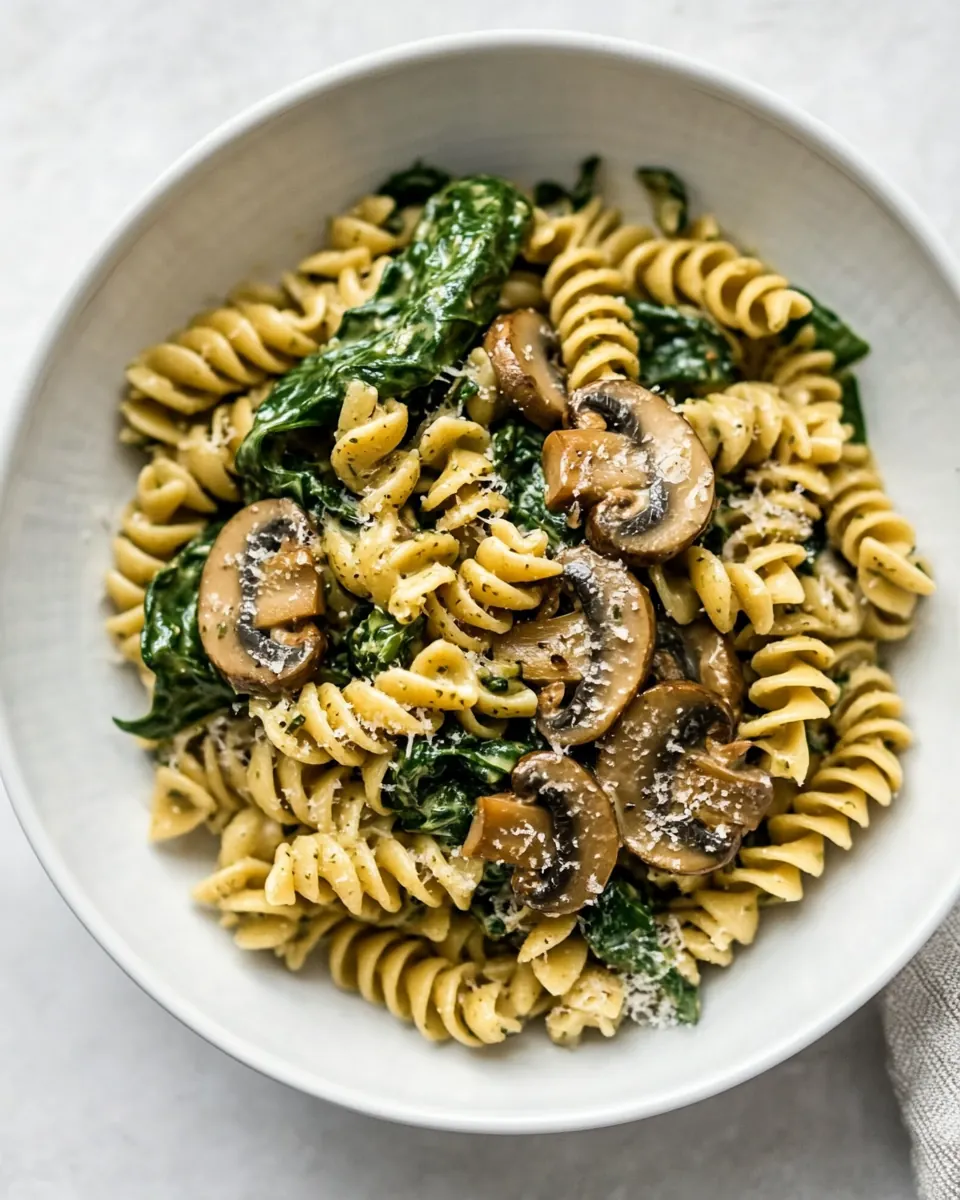
Vegan Spinach and Mushroom Pasta
Vegan Spinach and Mushroom Pasta has been one of those recipes I reach for when I want something that feels indulgent without being fussy. The first time I made it, I had a sleepy Sunday afternoon and an oddly specific craving for something earthy and green. I grabbed a package of pasta, a bundle of mushrooms, and a fistful of baby spinach, and ended up with a bowl that tasted like comfort and clarity at once. I remember sitting at the counter with a fork and a warm bowl, thinking that simple pantry choices can create real magic.
Over the years I’ve tweaked the balance between bright and savory, learning to trust small touches like a splash of lemon and a sprinkle of nutritional yeast. Friends who try it always ask for the recipe, and I love telling them that the secret is staying relaxed while layering flavors. This dish taught me that technique matters, but so does listening to how the ingredients behave in the pan. Once the mushrooms release their juices and the spinach sighs into the sauce, you know you’re on the right track.
Recipe Snapshot
20 mins
5 mins
15 mins
Medium
350 kcal
Italian
Vegan, Gluten-Free
Dinner
Large pot, Skillet, Colander
What Makes This Vegan Spinach and Mushroom Pasta Special
Simple but Satisfying
I adore how Vegan Spinach and Mushroom Pasta takes minimal ingredients and turns them into something comforting and filling. This is the kind of bowl I make when I want a satisfying meal that does not feel heavy. The pasta carries the sauce beautifully, and the mushrooms add that meaty texture without any fuss.
Speedy Weeknight Win
We often need dinners that are fast and forgiving, and this recipe delivers in under 30 minutes. From boiling the pasta to tossing everything together, the pace is brisk, and the flavors build quickly. If you are juggling work and family, this becomes a reliable weeknight fallback.
Textural Contrast
I love the nutty crunch of toasted pine nuts against tender mushrooms and silky pasta. That contrast makes each bite interesting. The little bursts of toasted fat from the nuts balance the leafy softness of the spinach, and that keeps the mouth engaged.
Bright, Balanced Flavors
Small acidic notes like lemon juice and a touch of Dijon mustard lift the dish and prevent it from tasting flat. I appreciate how a dash of Italian seasoning ties the herbs together, while a splash of vegetable broth creates a silky coating for the pasta without making it soupy.
Customizable and Vegan Friendly
Because the recipe is plant based, it is easy to adapt while keeping the spirit intact. I often add nutritional yeast for a cheesy undertone, or extra parsley for freshness. It sits well on a dinner table for many diets, and that versatility makes it a staple in my repertoire.
Shopping List for Vegan Spinach and Mushroom Pasta
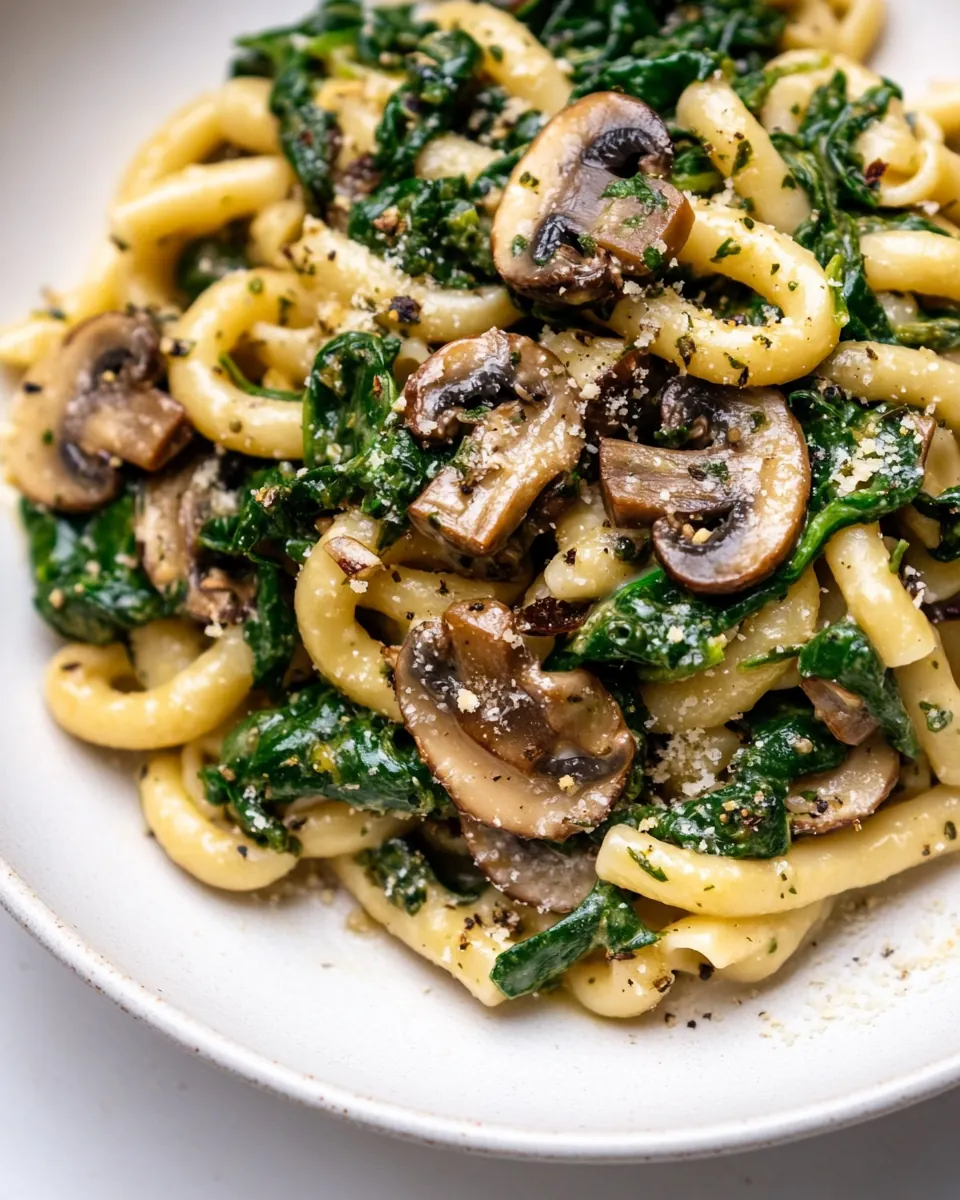
The ingredients here are straightforward, chosen to build layers of flavor without complexity. I prioritize items that bring texture and depth, like toasted pine nuts for crunch and mushrooms for umami. The key players are the pasta, which is the vehicle, the mushrooms and spinach which provide body and greens, and small brighteners like lemon juice that keep the dish lively.
- 1 (8 ounce/227 g) package Chickapea pasta: Provides a protein- and fiber-rich pasta base made from chickpeas for a gluten-free, hearty texture that holds sauce well; cooks to al dente to complement vegetables and nuts; contributes a subtle nutty flavor that enhances the overall dish.
- 1/4 cup pine nuts: Adds a crunchy, buttery element when toasted that brings depth and a delicate piney flavor; can be lightly toasted in a dry skillet to release oils and aroma before folding into the pasta for texture contrast; pairs especially well with spinach and mushrooms.
- 1 tablespoon olive oil: Helps sauté aromatics and mushrooms while contributing a fruity, savory backbone; uses a small amount to prevent sticking and to carry flavors without overpowering the dish; also assists in toasting pine nuts if combined briefly in the pan.
- 1 small shallot chopped finely: Provides a mild, sweet onion flavor when finely chopped and softened; serves as a base aromatic to build savory depth without large, pungent pieces; sweats quickly in oil to release natural sugars and balance other flavors.
- 7 ounce s/200 g mushrooms (I used crimini) sliced: Offers an earthy, umami-rich component that adds bulk and meaty texture when sliced and cooked; browns well to create caramelized flavor that complements the pasta; varies in moisture, so cooked until moisture reduces to concentrate taste.
- 2 cloves garlic minced: Imparts bright, pungent flavor that elevates the savory profile when minced and added toward the end of cooking; helps balance richness and enhances aromatic complexity; releases essential oils that blend with mustard and herbs.
- 1/2 teaspoon Dijon mustard: Provides a tangy, slightly sharp note that helps bind flavors and cut through richness; blends into sauce for a subtle depth and brightness; a small amount enhances emulsion and overall balance.
- 1 dash Italian seasoning: Adds a fragrant Mediterranean herb blend that contributes herbal warmth and savory complexity; lightly seasons the vegetables and sauce without overwhelming fresh ingredients; can be adjusted to taste for milder or stronger herb presence.
- 1 teaspoon lemon juice: Brightens the dish with fresh acidity that lifts flavors and balances richness from nuts and oil; shaken or squeezed in at the end to add a clean finish; helps enhance the greens’ freshness.
- 1/4 cup vegetable broth: Contributes a savory, low-sodium liquid base to deglaze the pan and create a light sauce; provides moisture for wilting spinach and coating pasta without adding dairy; maintains a vegetarian profile while boosting umami when using vegetable stock.
- 1.5 cup s (packed) baby spinach: Supplies fresh, tender greens that wilt into the warm pasta, adding color, vitamins, and a mild earthy flavor; packed measurement ensures enough volume to reduce to a silky texture when cooked; balances the dish’s richness with leafy freshness.
- Salt & pepper to taste: Seasons to personal preference by enhancing or suppressing flavors; used sparingly to avoid overpowering delicate ingredients and adjusted at the end to achieve balanced taste; both black pepper and salt emphasize other components.
- Fresh chopped parsley to taste () (optional): Garnishes with fresh herbaceous brightness and visual appeal when chopped and sprinkled over the finished dish; adds a clean, slightly peppery undertone that complements lemon and garlic; used optionally to taste.
- Nutritional yeast to taste () (optional): Provides a cheesy, savory umami boost without dairy when sprinkled to taste; adds nutty, slightly salty depth that mimics grated cheese and enhances overall savory flavor; optional to accommodate preferred intensity.
Instructions for Vegan Spinach and Mushroom Pasta
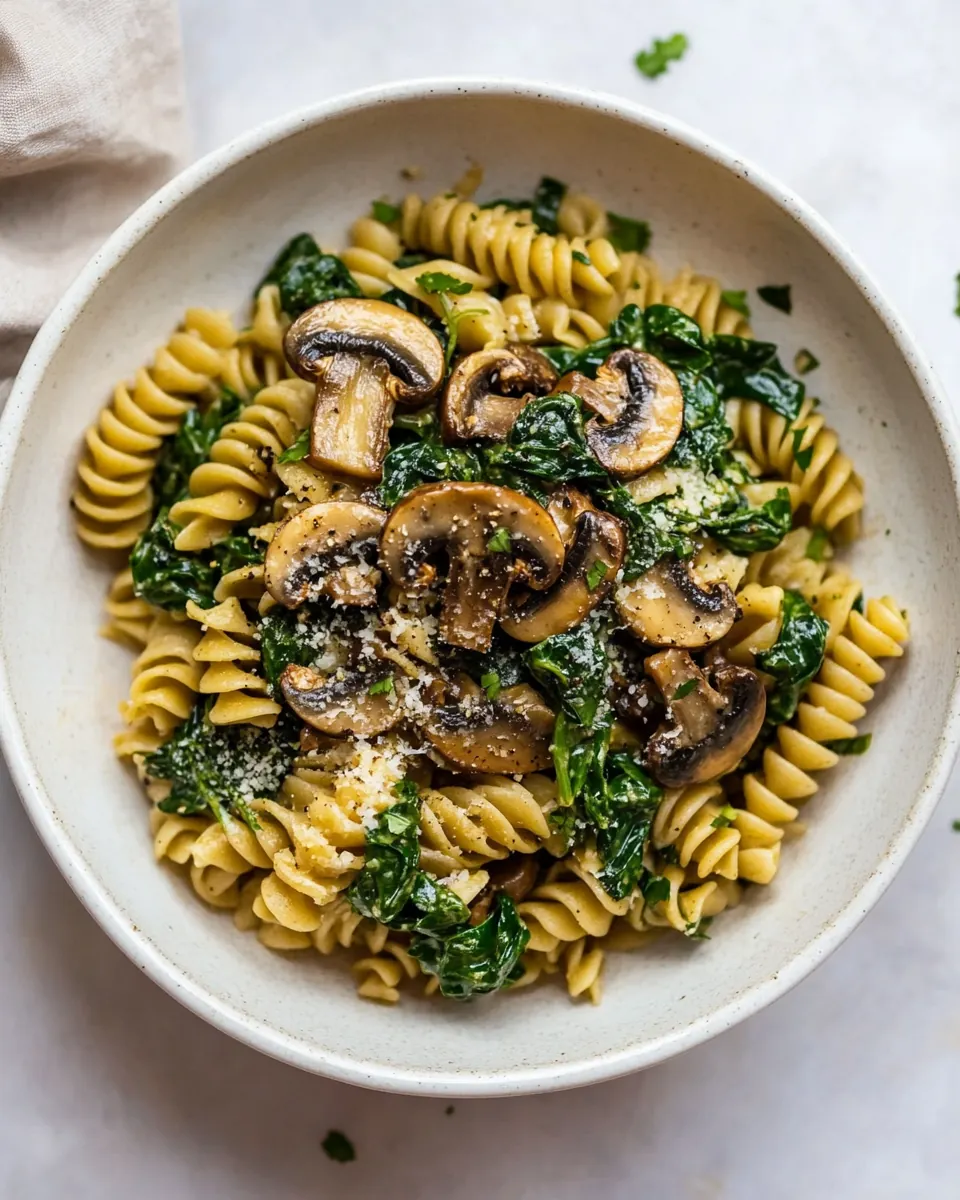
This method is straightforward, and I like to cook it with calm attention so the mushrooms brown nicely and the spinach just wilts. Keep your heat balanced and your pan moves confident, and you will end up with layers of flavor that feel effortless to assemble.
- Boil a large, salted pot of water for the pasta. Cook al dente according to package directions.: The smell of well salted boiling water feels like the beginning of a proper pasta dish, with faint steam rising and the pot humming on the stove. Use enough water so the pasta can move freely, which prevents sticking and ensures even cooking. The salt seasons the pasta from the inside, which matters because it is the foundation for flavor later. A common mistake is under-salting the water, which results in bland noodles; taste the water, it should be as salty as the sea but not undrinkable. When the water reaches a rolling boil, add the pasta and stir to separate strands. The boiling will sound vigorous, and you may notice a fuller aroma as starches diffuse, signaling the cooking is underway.
- Add your pine nuts to a skillet over medium-high heat. Toast them for a few minutes, stirring often, and watching them closely so they don't burn. Remove pine nuts and set aside once they're toasted.: Al dente means there should be a slight resistance when you bite into the pasta , not soft and floppy. The texture helps it hold the sauce and prevents a mushy final dish. Reserve a small cup of the starchy cooking water before draining, it can be useful for adjusting sauce consistency. A mistake people make is overcooking, which yields limp pasta that will soak up too much sauce and lose structure. Time it carefully and taste a minute or two before the package's lower range to check doneness.
- Add the olive oil to your skillet, along with the shallot and mushrooms. Sauté for 4-5 minutes or until the water has released from the mushrooms.: As you place the pine nuts in the dry skillet, they will release a warming, nutty aroma and begin to color at the edges. Stir constantly so they toast evenly and do not burn, which happens quickly with nuts. When they reach a golden hue, transfer them to a bowl to stop the cooking, because residual heat will keep them browning if left in the skillet. A burnt taste is the usual trap here, and it can obscure the dish, so attentive stirring and immediate removal are key.
- Add the garlic, Dijon mustard, Italian seasoning, lemon juice, and veggie broth to the pan. Let it bubble for a minute or two.: You will hear a gentle sizzle as the oils awaken in the nuts and smell an increasingly rich fragrance. The visual cue is the shift from pale to light golden brown, and the tactile cue is a slightly firmer bite when you test one. If you notice dark flecks, that means overcooking has begun, so take them off heat early. Cooling them on a plate prevents carryover heat from continuing to darken them.
- Stir in the spinach and let it wilt.: Once cooled, the texture will be crisp and the flavor more complex, adding a toasty counterpoint to the soft components of the dish. Keep them aside until you are ready to serve so they preserve their crunch. If you mix them in too early they can lose their crispness in the sauce, which reduces the desired contrast.
- Drain the pasta and add it to the skillet. Toss. Give it a taste and season with salt & pepper as needed.: When the oil shimmers, add the finely chopped shallot , which will begin to soften and perfume the pan. Then add the sliced mushrooms , which initially sizzle and then release liquid. That initial sear produces browned bits that build flavor, and the shallot will lend gentle sweetness as it softens. A misstep here is overcrowding the pan, which causes steaming instead of browning, so give the mushrooms space to develop caramelized edges.
- Serve the pasta with the pine nuts sprinkled on top, along with the parsley and nutritional yeast if using. It's also delicious with an extra drizzle of olive oil. Enjoy!: During this time you will notice the mushrooms shrinking and their color intensifying, with little pools of liquid in the skillet. Continue stirring occasionally so they brown in patches, and listen for the change from loud sizzle to quieter simmer as moisture diminishes. That change means sugars are caramelizing, which deepens flavor. If you stop too early, the mushrooms will taste raw and rubbery; too long and they may dry out, so aim for tender, golden pieces.
- Add the garlic, Dijon mustard, Italian seasoning, lemon juice, and veggie broth to the pan: As you add these, a burst of aroma will hit you, the sharpness of minced garlic blending with the tang of Dijon mustard and the herbal notes of the Italian seasoning . The vegetable broth will deglaze the pan, lifting browned bits and turning them into a flavorful base. That bubbling briefly reduces the broth and concentrates taste; watch it so it does not evaporate completely. A common error is adding garlic too early and letting it burn, which creates bitterness; add it when the mushrooms are already soft.
- Let it bubble for a minute or two: Those small bubbles signify reduction and concentration, and you will see the sauce thicken slightly while aromas deepen. The sound will change to a quieter simmer and the pan will give off a richer scent as flavors marry. Keep an eye on the heat, because too vigorous a boil can evaporate the liquid too quickly, leaving the pan dry before you finish.
- Stir in the spinach and let it wilt: The moment you add the packed baby spinach , the pan will steam and the leaves will collapse into the saucy base, turning vivid green. This wilting is fast and sensory; you will see the volume reduce and feel the softness when stirring. Wilt only until just tender so the leaves retain some body. Overcooking the spinach causes it to lose brightness and can yield a limp, overworked texture.
- Drain the pasta and add it to the skillet: After draining the pasta , toss it directly into the skillet so it can mingle with the sauce and pick up the browned bits. The residual starch on the pasta helps the sauce cling, creating a cohesive coating. If the pan looks dry, add a splash of reserved cooking water to loosen and bind the sauce. A frequent mistake is draining and rinsing the pasta, which removes the starch needed for the sauce to adhere.
- Toss: When you toss the components together, you will notice how the sauce embraces each strand and the mushrooms nestle between them, forming a unified plate. The sound is a gentle clatter as ingredients mingle, and the aroma becomes layered and inviting. Tossing integrates textures and ensures even seasoning; if you skip this, you may end up with pockets of under flavored pasta.
- Give it a taste and season with salt & pepper as needed: Tasting is the final checkpoint, and you should notice a balance of savory, bright, and nutty notes. Add salt gradually and freshly cracked pepper to elevate the layers without overwhelming them. One mistake is oversalting early on; flavors concentrate as the dish reduces, so adjust at the end for accurate seasoning.
- Serve the pasta with the pine nuts sprinkled on top, along with the parsley and nutritional yeast if using: The finishing touches add texture and brightness, with the toasted pine nuts offering crunch and the parsley adding a fresh herbal note. Nutritional yeast provides a savory, cheesy quality that rounds out the bowl. For presentation, scatter the nuts and herbs evenly so each portion gets a bit of contrast. Avoid adding the nuts too far in advance, because they can soften and lose their crunch.
- It's also delicious with an extra drizzle of olive oil: A final drizzle of good quality olive oil will give a glossy finish and a little richness, smoothing the flavors together. That small act elevates the mouthfeel and creates a restaurant like polish. Use this sparingly so it enhances rather than saturates the plate.
- Enjoy!: Take a moment to breathe and appreciate the aroma before digging in; the combination of warm, nutty, herbal, and bright notes is what makes this dish satisfying. Sharing it with someone makes it feel special, but it is equally good to savor alone. The final sensory cue is the interplay of textures and the comforting warmth of a well done pasta dish.
Recipe Variations about Vegan Spinach and Mushroom Pasta
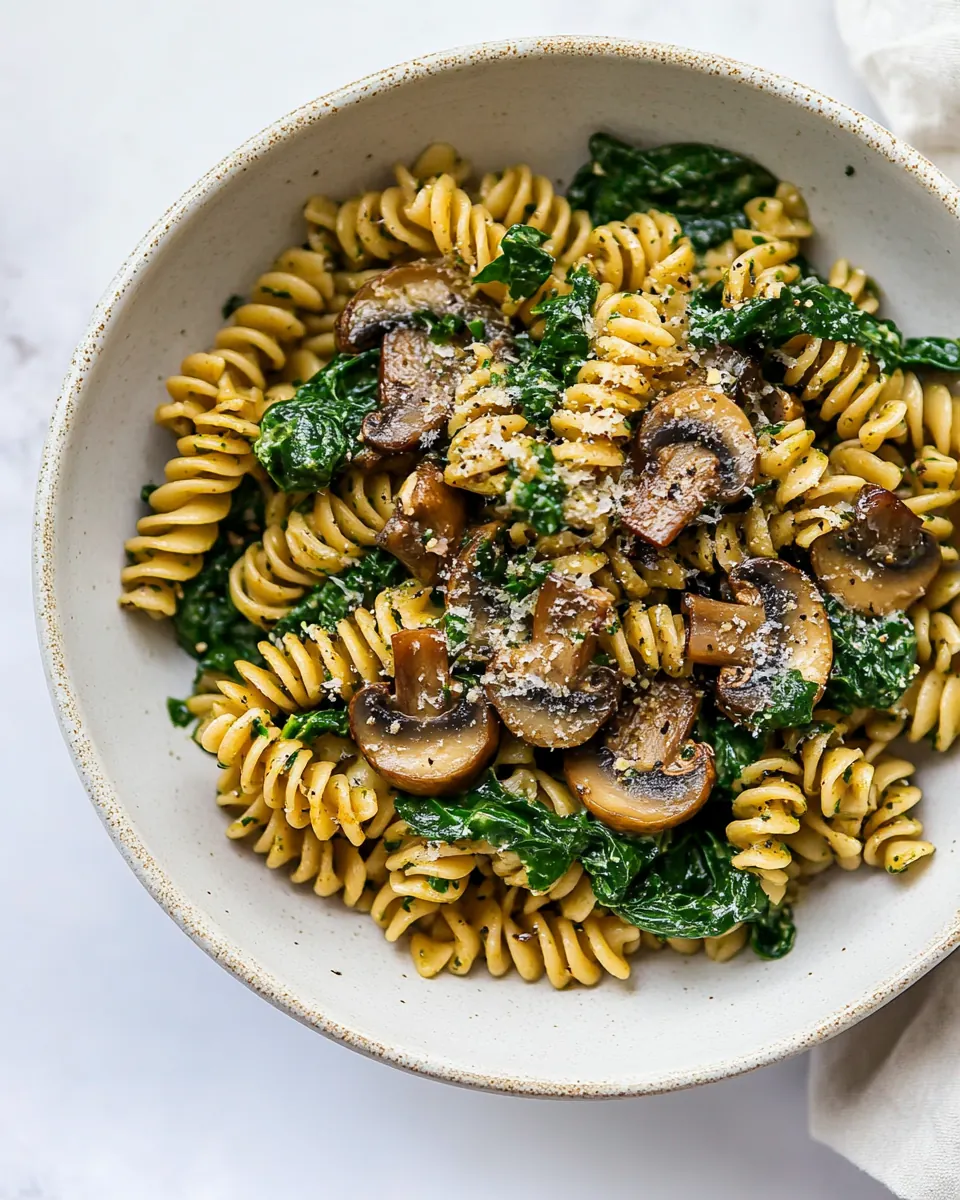
This section expands on small changes and serving ideas that keep the recipe exciting without changing its core. Each tip begins with a bolded phrase so you can scan quickly and choose what to try next.
- Swap pasta types Try a short pasta or whole grain version to change mouthfeel while keeping the flavors intact, being mindful of cooking times which will vary.
- Boost umami Add extra mushrooms or a splash of low sodium soy sauce to deepen the savory profile without masking the lemon brightness.
- Nut options If you do not have pine nuts, toasted walnuts or slivered almonds can provide a pleasant crunch and nutty aroma.
- Herb finish Sprinkle chopped fresh herbs like parsley at the end for a bright, aromatic lift that contrasts with the cooked elements.
- Extra creaminess Stir in a small spoonful of vegan butter or a bit of aquafaba to enrich the sauce while keeping the recipe plant based.
- Adjust heat If you enjoy a touch of spice, add a pinch of red pepper flakes when sautéing the mushrooms to distribute a warm, lingering note.
What Goes Well With This Vegan Spinach and Mushroom Pasta
This pasta is flexible enough to shine at a casual weeknight meal or a simple dinner party. It pairs well with crisp, acidic sides and light desserts. For serving, think texture and temperature contrasts to complement the warm, savory bowl.
- Light salad A crisp green salad with a lemon vinaigrette offers a bright counterpoint to the warm, earthy pasta and refreshes the palate between bites.
- Crispy bread Toasted slices of crusty bread or garlic rubbed bread provide a crunchy contrast and are useful for mopping up any remaining sauce.
- Occasions Serve this for weeknight dinners, casual gatherings, or meals during Ramadan when a meatless, nourishing option is welcome at Iftar.
- Storage tips Store leftovers in an airtight container in the refrigerator for up to three days. Reheat gently in a skillet with a splash of water or broth to revive the sauce and keep the spinach from overcooking.
- Seasonal pairings In spring and summer, add more fresh herbs at the end; in fall serve alongside roasted root vegetables for a heartier spread.
- Presentation idea Top individual servings with toasted pine nuts and a sprinkle of nutritional yeast for a cozy, finished look that adds texture and umami.
FAQ
Conclusion
This recipe stands out for its combination of earthy mushrooms, tender spinach, and the satisfying chew of pasta that all come together quickly and elegantly. I encourage you to try it because the balance of textures and the bright final notes make it both comforting and fresh. Whether you make it on a busy weeknight or for a relaxed weekend meal, it rewards attentive cooking with a bowl that feels thoughtful and nourishing. Share it with friends or enjoy it solo, and notice how small ingredients can produce a memorable, cozy dinner.
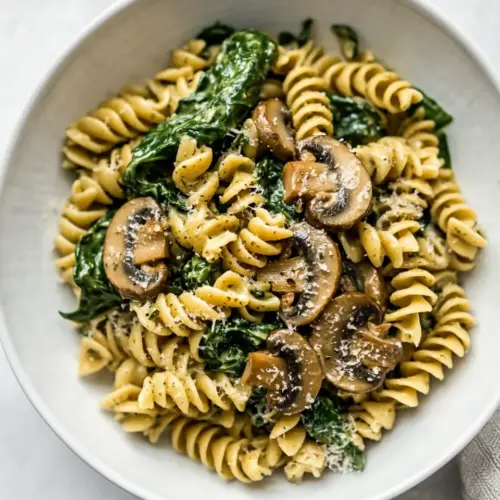
Vegan Spinach and Mushroom Pasta
Equipment
- Large Pot
- Skillet
- Colander
Ingredients
- 1 (8 ounce/227 g) package Chickapea pasta Provides a protein- and fiber-rich pasta base made from chickpeas for a gluten-free, hearty texture that holds sauce well; cooks to al dente to complement vegetables and nuts; contributes a subtle nutty flavor that enhances the overall dish.
- 1/4 cup pine nuts Adds a crunchy, buttery element when toasted that brings depth and a delicate piney flavor; can be lightly toasted in a dry skillet to release oils and aroma before folding into the pasta for texture contrast; pairs especially well with spinach and mushrooms.
- 1 tablespoon olive oil Helps sauté aromatics and mushrooms while contributing a fruity, savory backbone; uses a small amount to prevent sticking and to carry flavors without overpowering the dish; also assists in toasting pine nuts if combined briefly in the pan.
- 1 small shallot chopped finely Provides a mild, sweet onion flavor when finely chopped and softened; serves as a base aromatic to build savory depth without large, pungent pieces; sweats quickly in oil to release natural sugars and balance other flavors.
- 7 ounce s/200 g mushrooms (I used crimini) sliced Offers an earthy, umami-rich component that adds bulk and meaty texture when sliced and cooked; browns well to create caramelized flavor that complements the pasta; varies in moisture, so cooked until moisture reduces to concentrate taste.
- 2 cloves garlic minced Imparts bright, pungent flavor that elevates the savory profile when minced and added toward the end of cooking; helps balance richness and enhances aromatic complexity; releases essential oils that blend with mustard and herbs.
- 1/2 teaspoon Dijon mustard Provides a tangy, slightly sharp note that helps bind flavors and cut through richness; blends into sauce for a subtle depth and brightness; a small amount enhances emulsion and overall balance.
- 1 dash Italian seasoning Adds a fragrant Mediterranean herb blend that contributes herbal warmth and savory complexity; lightly seasons the vegetables and sauce without overwhelming fresh ingredients; can be adjusted to taste for milder or stronger herb presence.
- 1 teaspoon lemon juice Brightens the dish with fresh acidity that lifts flavors and balances richness from nuts and oil; shaken or squeezed in at the end to add a clean finish; helps enhance the greens’ freshness.
- 1/4 cup vegetable broth Contributes a savory, low-sodium liquid base to deglaze the pan and create a light sauce; provides moisture for wilting spinach and coating pasta without adding dairy; maintains a vegetarian profile while boosting umami when using vegetable stock.
- 1.5 cup s (packed) baby spinach Supplies fresh, tender greens that wilt into the warm pasta, adding color, vitamins, and a mild earthy flavor; packed measurement ensures enough volume to reduce to a silky texture when cooked; balances the dish’s richness with leafy freshness.
- Salt & pepper to taste Seasons to personal preference by enhancing or suppressing flavors; used sparingly to avoid overpowering delicate ingredients and adjusted at the end to achieve balanced taste; both black pepper and salt emphasize other components.
- Fresh chopped parsley to taste (optional) Garnishes with fresh herbaceous brightness and visual appeal when chopped and sprinkled over the finished dish; adds a clean, slightly peppery undertone that complements lemon and garlic; used optionally to taste.
- Nutritional yeast to taste (optional) Provides a cheesy, savory umami boost without dairy when sprinkled to taste; adds nutty, slightly salty depth that mimics grated cheese and enhances overall savory flavor; optional to accommodate preferred intensity.
Instructions
- Boil a large, salted pot of water for the pasta. Cook al dente according to package directions.: The smell of well salted boiling water feels like the beginning of a proper pasta dish, with faint steam rising and the pot humming on the stove. Use enough water so the pasta can move freely, which prevents sticking and ensures even cooking. The salt seasons the pasta from the inside, which matters because it is the foundation for flavor later. A common mistake is under-salting the water, which results in bland noodles; taste the water, it should be as salty as the sea but not undrinkable. When the water reaches a rolling boil, add the pasta and stir to separate strands. The boiling will sound vigorous, and you may notice a fuller aroma as starches diffuse, signaling the cooking is underway.
- Add your pine nuts to a skillet over medium-high heat. Toast them for a few minutes, stirring often, and watching them closely so they don't burn. Remove pine nuts and set aside once they're toasted.: Al dente means there should be a slight resistance when you bite into the pasta , not soft and floppy. The texture helps it hold the sauce and prevents a mushy final dish. Reserve a small cup of the starchy cooking water before draining, it can be useful for adjusting sauce consistency. A mistake people make is overcooking, which yields limp pasta that will soak up too much sauce and lose structure. Time it carefully and taste a minute or two before the package's lower range to check doneness.
- Add the olive oil to your skillet, along with the shallot and mushrooms. Sauté for 4-5 minutes or until the water has released from the mushrooms.: As you place the pine nuts in the dry skillet, they will release a warming, nutty aroma and begin to color at the edges. Stir constantly so they toast evenly and do not burn, which happens quickly with nuts. When they reach a golden hue, transfer them to a bowl to stop the cooking, because residual heat will keep them browning if left in the skillet. A burnt taste is the usual trap here, and it can obscure the dish, so attentive stirring and immediate removal are key.
- Add the garlic, Dijon mustard, Italian seasoning, lemon juice, and veggie broth to the pan. Let it bubble for a minute or two.: You will hear a gentle sizzle as the oils awaken in the nuts and smell an increasingly rich fragrance. The visual cue is the shift from pale to light golden brown, and the tactile cue is a slightly firmer bite when you test one. If you notice dark flecks, that means overcooking has begun, so take them off heat early. Cooling them on a plate prevents carryover heat from continuing to darken them.
- Stir in the spinach and let it wilt.: Once cooled, the texture will be crisp and the flavor more complex, adding a toasty counterpoint to the soft components of the dish. Keep them aside until you are ready to serve so they preserve their crunch. If you mix them in too early they can lose their crispness in the sauce, which reduces the desired contrast.
- Drain the pasta and add it to the skillet. Toss. Give it a taste and season with salt & pepper as needed.: When the oil shimmers, add the finely chopped shallot , which will begin to soften and perfume the pan. Then add the sliced mushrooms , which initially sizzle and then release liquid. That initial sear produces browned bits that build flavor, and the shallot will lend gentle sweetness as it softens. A misstep here is overcrowding the pan, which causes steaming instead of browning, so give the mushrooms space to develop caramelized edges.
- Serve the pasta with the pine nuts sprinkled on top, along with the parsley and nutritional yeast if using. It's also delicious with an extra drizzle of olive oil. Enjoy!: During this time you will notice the mushrooms shrinking and their color intensifying, with little pools of liquid in the skillet. Continue stirring occasionally so they brown in patches, and listen for the change from loud sizzle to quieter simmer as moisture diminishes. That change means sugars are caramelizing, which deepens flavor. If you stop too early, the mushrooms will taste raw and rubbery; too long and they may dry out, so aim for tender, golden pieces.
- Add the garlic, Dijon mustard, Italian seasoning, lemon juice, and veggie broth to the pan: As you add these, a burst of aroma will hit you, the sharpness of minced garlic blending with the tang of Dijon mustard and the herbal notes of the Italian seasoning . The vegetable broth will deglaze the pan, lifting browned bits and turning them into a flavorful base. That bubbling briefly reduces the broth and concentrates taste; watch it so it does not evaporate completely. A common error is adding garlic too early and letting it burn, which creates bitterness; add it when the mushrooms are already soft.
- Let it bubble for a minute or two: Those small bubbles signify reduction and concentration, and you will see the sauce thicken slightly while aromas deepen. The sound will change to a quieter simmer and the pan will give off a richer scent as flavors marry. Keep an eye on the heat, because too vigorous a boil can evaporate the liquid too quickly, leaving the pan dry before you finish.
- Stir in the spinach and let it wilt: The moment you add the packed baby spinach , the pan will steam and the leaves will collapse into the saucy base, turning vivid green. This wilting is fast and sensory; you will see the volume reduce and feel the softness when stirring. Wilt only until just tender so the leaves retain some body. Overcooking the spinach causes it to lose brightness and can yield a limp, overworked texture.
- Drain the pasta and add it to the skillet: After draining the pasta , toss it directly into the skillet so it can mingle with the sauce and pick up the browned bits. The residual starch on the pasta helps the sauce cling, creating a cohesive coating. If the pan looks dry, add a splash of reserved cooking water to loosen and bind the sauce. A frequent mistake is draining and rinsing the pasta, which removes the starch needed for the sauce to adhere.
- Toss: When you toss the components together, you will notice how the sauce embraces each strand and the mushrooms nestle between them, forming a unified plate. The sound is a gentle clatter as ingredients mingle, and the aroma becomes layered and inviting. Tossing integrates textures and ensures even seasoning; if you skip this, you may end up with pockets of under flavored pasta.
- Give it a taste and season with salt & pepper as needed: Tasting is the final checkpoint, and you should notice a balance of savory, bright, and nutty notes. Add salt gradually and freshly cracked pepper to elevate the layers without overwhelming them. One mistake is oversalting early on; flavors concentrate as the dish reduces, so adjust at the end for accurate seasoning.
- Serve the pasta with the pine nuts sprinkled on top, along with the parsley and nutritional yeast if using: The finishing touches add texture and brightness, with the toasted pine nuts offering crunch and the parsley adding a fresh herbal note. Nutritional yeast provides a savory, cheesy quality that rounds out the bowl. For presentation, scatter the nuts and herbs evenly so each portion gets a bit of contrast. Avoid adding the nuts too far in advance, because they can soften and lose their crunch.
- It's also delicious with an extra drizzle of olive oil: A final drizzle of good quality olive oil will give a glossy finish and a little richness, smoothing the flavors together. That small act elevates the mouthfeel and creates a restaurant like polish. Use this sparingly so it enhances rather than saturates the plate.
- Enjoy!: Take a moment to breathe and appreciate the aroma before digging in; the combination of warm, nutty, herbal, and bright notes is what makes this dish satisfying. Sharing it with someone makes it feel special, but it is equally good to savor alone. The final sensory cue is the interplay of textures and the comforting warmth of a well done pasta dish.
Notes
- Swap pasta types Try a short pasta or whole grain version to change mouthfeel while keeping the flavors intact, being mindful of cooking times which will vary.
- Boost umami Add extra mushrooms or a splash of low sodium soy sauce to deepen the savory profile without masking the lemon brightness.
- Nut options If you do not have pine nuts, toasted walnuts or slivered almonds can provide a pleasant crunch and nutty aroma.
- Herb finish Sprinkle chopped fresh herbs like parsley at the end for a bright, aromatic lift that contrasts with the cooked elements.
- Extra creaminess Stir in a small spoonful of vegan butter or a bit of aquafaba to enrich the sauce while keeping the recipe plant based.
- Adjust heat If you enjoy a touch of spice, add a pinch of red pepper flakes when sautéing the mushrooms to distribute a warm, lingering note.