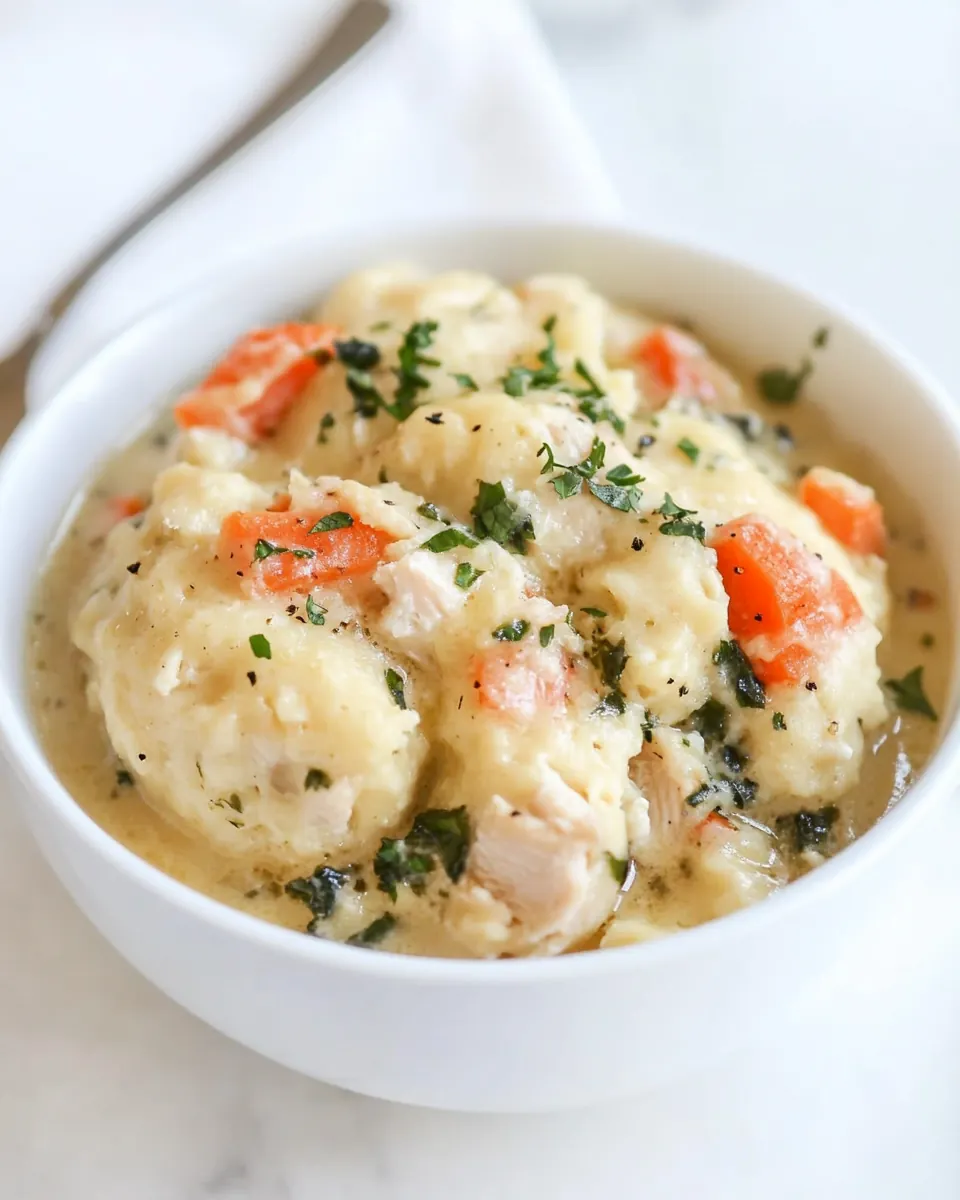
Creamy Chicken and Buttermilk Dumplings
Creamy Chicken and Buttermilk Dumplings is one of those cozy, stick to your ribs dishes that I turn to when the weather leans chilly and I want something comforting on the table.
I first made Creamy Chicken and Buttermilk Dumplings on a snowy evening after a long day of errands, and the kitchen smelled like browned chicken, sauteed onion, and fragrant thyme. I remember shredding the warm chicken with my hands while the pot bubbled gently, thinking how dumplings always make a meal feel special without much fuss. That night my partner and I sat across from each other, bowls steaming, and agreed this was a recipe to save for when we wanted to slow down and savor a simple, nourishing dinner.
What I love about Creamy Chicken and Buttermilk Dumplings is how forgiving it is. The dumpling dough is rustic and forgiving, so even when my hands were cold and a little clumsy the dough still puffed into tender pillows. The broth becomes luxuriously silky from a touch of heavy cream and the extra butter I stir in at the start. There is something deeply satisfying about breaking open a dumpling and watching the creamy, savory broth mingle with shredded chicken and soft, perfectly cooked carrots.
Over the years I have adapted tiny rituals, like letting the shredded chicken rest in a bowl before folding it back into the pot and stirring the dumplings gently once they have cooked. These small choices have made this version reliably tender and flavorful every time I make it. If you keep pantry staples like all purpose flour, buttermilk, and a few fresh herbs on hand, you can have this on the table on a weeknight and still feel like you cooked something special.
Recipe Snapshot
45 mins
15 mins
30 mins
Medium
450 kcal
American
Gluten-Free, Low FODMAP
Dinner
Large pot, Wooden spoon, Mixing bowl, Spoon for dropping dumplings
The Beauty of This Creamy Chicken and Buttermilk Dumplings
Hearty Comfort Food That Feels Homemade
When I serve Creamy Chicken and Buttermilk Dumplings I want people to feel hugged by the food. The combination of shredded chicken and warm dumplings creates a bowl that fills you up without weighing you down. I love how the dumplings soak up the broth but stay tender, giving each spoonful a soft, pillowy texture that pairs with the savory base.
Simple Ingredients, Maximum Flavor
I often tell friends this recipe relies on smart layering rather than fancy tricks. Browning the chicken and sauteing the aromatics in butter forms a deep base, while stirring in a small amount of all purpose flour builds body. The finish with heavy cream makes the broth velvety and rich, so a handful of everyday ingredients hits big on flavor.
Flexible and Forgiving Technique
One reason I keep coming back to Creamy Chicken and Buttermilk Dumplings is that it bends to your life. You can shred the chicken by hand, fork, or mixer, and the dumpling batter is very forgiving if you mix it gently. I appreciate recipes where small timing or measurement variations do not wreck the outcome, and this is one of them.
Comfort for Family Meals and Leftovers
I make this when I want to feed a small crowd or have hearty leftovers. The texture holds up well when reheated, and adding a splash of stock or milk freshens it up. I love bringing this to a friend who needs a warm meal, because it travels well and tastes like it was made with care.
A Great Way to Use Pantry Staples
There is a real joy in turning basic items like all purpose flour, baking powder, and buttermilk into something special. For busy evenings, this recipe reads like a treat but cooks like an everyday meal, making it ideal for both weeknight dinners and weekend comfort cooking.
What’s In This Creamy Chicken and Buttermilk Dumplings
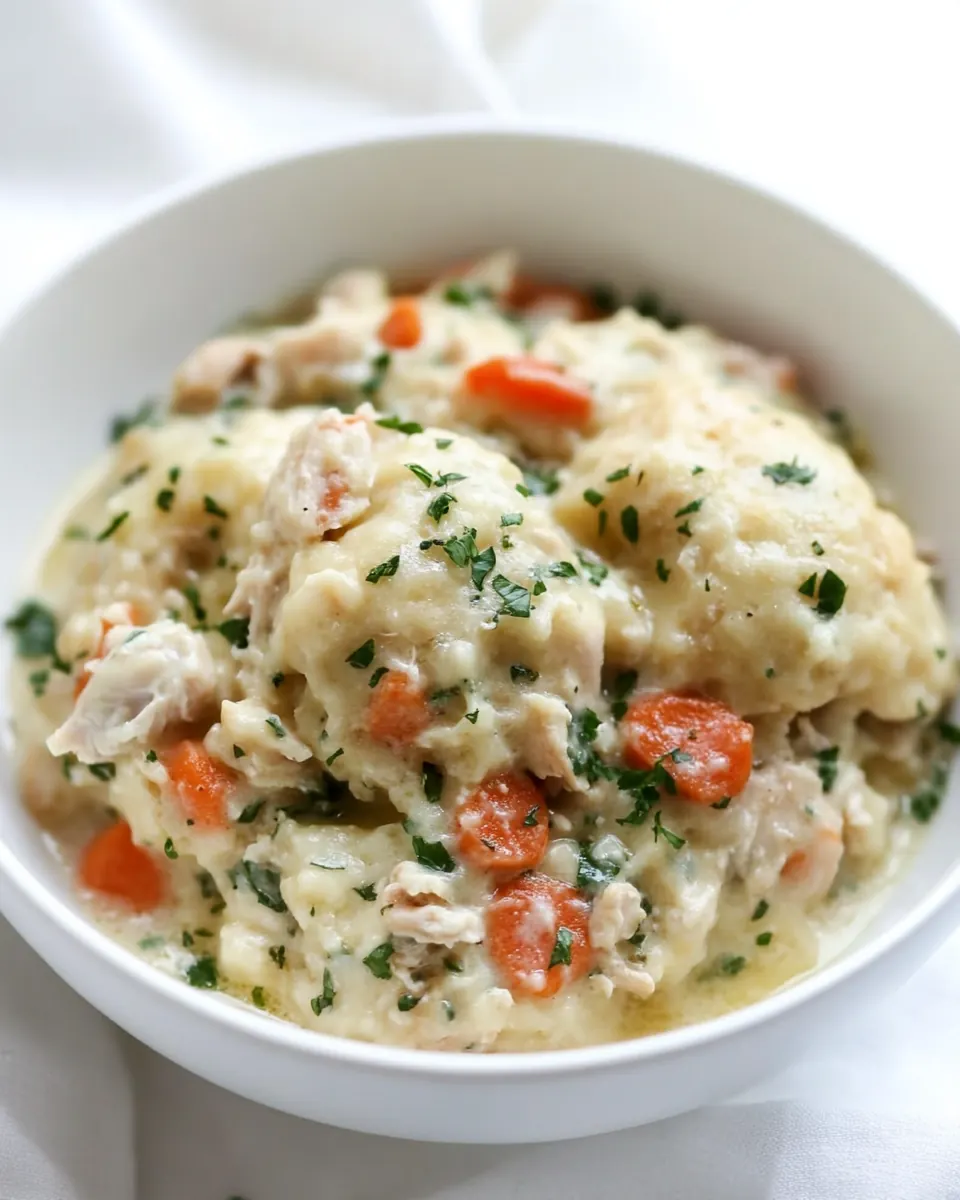
These ingredients are chosen to create deep savory flavor, tender chicken, and pillowy dumplings. The aromatics and herbs build a savory base while a little flour and butter help thicken the broth. The dumpling components bring lift and lightness, and finishing with heavy cream makes the broth silkier. Each player contributes texture, body, or flavor so the final bowl feels complete and balanced.
- 1 1/4 pounds boneless, skinless chicken thighs: Provide tender, flavorful protein that becomes juicy when braised; chop or leave whole and simmer until cooked through to impart richness to the stew.
- 1 teaspoon coarse sea salt: Season generously to enhance the natural flavors and help tenderize the meat during cooking; sprinkle evenly and adjust to taste before simmering.
- 1 teaspoon black pepper: Add a sharp, warm heat that balances richness; freshly ground yields brighter flavor and should be added during cooking and adjusted at the end.
- 2 tablespoons olive oil: Sear the meat to build a deep, caramelized base and prevent sticking; heat until shimmering before browning chicken for the best fond.
- 4 tablespoons unsalted butter: Enrich the cooking liquid and coat vegetables for silkiness; melt into the pan after searing to create a glossy, flavorful base.
- 1 sweet onion, diced: Provide sweet aromatic depth and a tender texture when sautéed; dice small and cook slowly until translucent to release sugars.
- 1/2 cups sliced carrots: Contribute natural sweetness, color, and a slight bite when sliced; add early to soften and release flavor into the stew.
- 1/3 cups sliced celery: Offer a mild, earthy crunch and aromatic backbone when sliced; sweat with carrots and onion to build a balanced mirepoix.
- 4 garlic cloves, minced: Deliver pungent, savory lift and complexity; mince finely and add near the start of sautéing to avoid burning while maximizing aroma.
- 1/2 teaspoon chopped fresh rosemary: Impart piney, resinous notes that pair well with chicken; chop finely and add early to allow flavors to infuse into the broth.
- 1/2 teaspoon chopped fresh thyme: Add savory, lemony-herb undertones that brighten the dish; strip leaves and chop small to distribute flavor without woody bits.
- 1/4 cup all-purpose flour: Thicken the cooking liquid by forming a roux or slurry; whisk with the melted butter or deglaze to create a velvety sauce body.
- 6 cups low-sodium chicken stock: Build the flavorful braising liquid and provide a light, savory base; use low-sodium to better control seasoning and simmer to concentrate flavor.
- 1/3 cup heavy cream: Introduce a luxurious, creamy finish and mellow acidity; stir in near the end to enrich the broth without curdling.
- dumpling: Form soft, tender dumplings that absorb braising flavors; prepare the dough and drop onto simmering broth to steam until set.
- 2 1/2 cups all-purpose flour: Create structure and body in the dumpling dough; whisk with other dry ingredients to ensure even rise and avoid lumps.
- 1 tablespoon baking powder: Leaven the dumplings for a light, fluffy texture; measure accurately and mix gently to maintain lift during steaming.
- 1/2 teaspoon salt: Season the dumpling dough lightly to enhance overall taste; distribute evenly through dry ingredients for balanced flavor.
- 2 large eggs, lightly beaten: Bind the dumpling ingredients and add richness; beat lightly and incorporate just enough to moisten the dough without overmixing.
- 1 cup buttermilk: Provide moistness and slight tang to the dumplings for tender crumb; fold in gently to keep batter airy and ensure proper rising.
Making Creamy Chicken and Buttermilk Dumplings
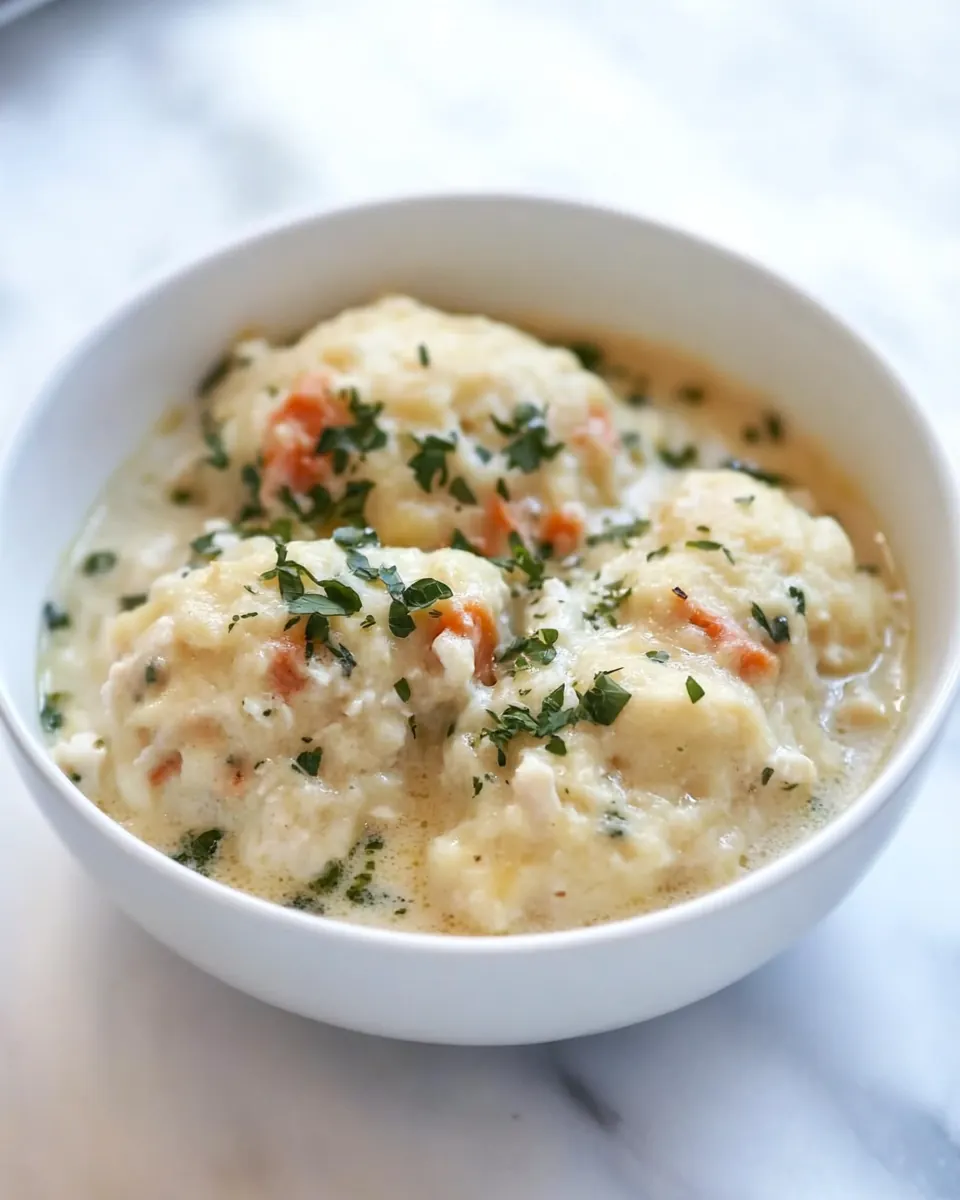
I find this recipe most satisfying when I move through it with intention, savoring each aroma and visual cue. The cooking is a series of small transformations, from browned chicken to softened vegetables to fluffy dumplings that float atop a creamy broth. Keep your attention steady at each stage and you will be rewarded with a bowl that tastes like slow cooking, even when you make it on a weeknight.
- Season the chicken with salt and pepper. Heat a large pot over medium-high heat and add olive oil and 2 tablespoons of butter. Once sizzling, add the chicken to the skillet and cook it on both sides until deeply golden brown and cooked through, about 5 to 6 minutes per side. Remove the chicken and set aside to a bowl, shredding once cool. I actually throw it in the bowl of my mixer and shred it with the paddle attachment!: The smell of the salt drawing into the surface of the chicken is immediate and tells you seasoning is doing its work, enhancing natural juices and promoting browning as it hits the hot fat. When you hear a steady sizzle as the chicken hits the pan, expect a richly browned exterior in about 5 to 6 minutes per side, which locks in flavor. A common mistake to avoid is crowding the pan, which causes steaming instead of searing. If the pan becomes crowded, the chicken will not brown properly and the final dish will lack depth.
- Reduce the heat to medium and add the other 2 tablespoons of butter. Add the onions, carrots, celery, garlic, rosemary, and thyme. Toss in another pinch of salt and pepper, stirring well. Cook until softened, about 5 minutes.: The combination of olive oil and butter offers a balance of smoke point and flavor; the butter provides nuttiness and the oil prevents burning. You should see the butter foam and then subside, and the pan should be hot enough that the chicken sizzles on contact. If you keep the heat too low the chicken will release liquid and not brown, robbing the broth of its deep flavor. Wipe any residue between batches to maintain a clean sear.
- While the vegetables cook, mix up the dumplings. Whisk together the flour, baking powder, and salt in a large bowl. Combine the milk and the eggs, then stir into the flour until just mixed. Set aside for a few minutes.: The sound of a vigorous sizzle and the sight of a deep golden crust are the cues you want. I look for a caramelized surface and juices that run clear when pierced, indicating doneness. Overcooking can dry the chicken , while undercooking leaves it unsafe, so rely on visual cues and timing. If pieces are thick, consider finishing in the oven briefly to avoid burning the exterior while the interior comes up to temperature.
- Stir the 1/4 cup flour into the veggies with a wooden spoon until it coats the vegetables, then continues to stir until the flour cooks and turns golden, about 5 more minutes. Slowly stream in the chicken stock 1 cup at a time, stirring well the entire time so the mixture thickens. Add the chicken back into the pot. Increase the heat a bit and bring the mixture to a simmer, then cook while it bubbles for about 10 minutes. You want it to thicken up well! Stream in the heavy cream and stir well. Drop large spoonfuls of dough all around the top of the pot. I don’t worry about crowding the pot and cover the entire top of the “soup” mixture. You want the mixture to be bubbling for 10 to 15 minutes so it cooks the dumplings – after 10 minutes I usually gently flip the dumplings over.: As the chicken cools you will notice a change in texture, making shredding easier and producing tender ribbons that soak up broth. I often use a mixer on low to shred quickly, which gives consistent pieces. A misstep is attempting to shred very hot chicken , which can become stringy and tear unevenly, so give it a few minutes to rest.
- Top the entire pot with fresh chopped parsley. This is a very dumpling heavy recipe, which I adore. Serve immediately! I love how this reheats – just add a bit of stock or milk when reheating!: Lowering the heat prevents burning when you add the vegetables and allows the butter to coat them, yielding a glossy finish and rich aroma. You will hear a gentle hiss rather than a loud sizzle, and the butter should foam then calm, signalling readiness. Adding vegetables to too hot a pan often leads to uneven cooking or burnt edges, so maintain a steady medium heat.
- Add the onions carrots celery garlic rosemary and thyme: As these aromatics hit the pan they release layered fragrances from sweet onion to pine like rosemary , building the backbone of the dish. Stirring helps them release sugars and soften; watch for translucence in the onion and a softened carrot texture at about five minutes. A common oversight is rushing this step, which leaves raw tasting vegetables, so let them mellow until they are softened but not mushy.
- Toss in another pinch of salt and pepper stirring well Cook until softened about 5 minutes: The tiny crackle as seasoning hits hot fat amplifies aroma and encourages moisture release from the vegetables, which helps deglaze the browned bits from the chicken . Softening them builds sweetness that rounds the broth, and the visible gloss on the vegetables signals readiness. If you omit this gentle cooking, the final broth can taste thin and one dimensional, so be patient and attentive.
- While the vegetables cook mix up the dumplings Whisk together the flour baking powder and salt in a large bowl: The dry mixture should look uniform and airy, with the baking powder evenly dispersed. The texture of the combined dry ingredients reads fine and powdery, which will yield light dumplings after mixing. A common error is using old baking powder which reduces lift, so test if doubtful by dropping a pinch into hot water to see if it fizzes.
- Combine the milk and the eggs then stir into the flour until just mixed Set aside for a few minutes: When you combine the buttermilk and eggs the batter gains moisture and a faint tang. The batter should be slightly sticky and not overworked, which preserves tenderness. Letting it rest helps the flour hydrate and the leavening activate. Overmixing minimizes lift and yields dense dumplings, so fold until homogenous and stop.
- Stir the 1/4 cup flour into the veggies with a wooden spoon until it coats the vegetables then continues to stir until the flour cooks and turns golden about 5 more minutes: As the flour cooks it loses its raw taste and begins to brown, which adds a subtle toasty note and helps thicken the broth. You should see a faint coating on the vegetables and a slightly nutty aroma as the flour toasts. If you do not cook the flour long enough the broth can taste pasty, so allow those few extra minutes while stirring to prevent lumps.
- Slowly stream in the chicken stock 1 cup at a time stirring well the entire time so the mixture thickens: Adding stock gradually while stirring prevents lumps and encourages a smooth, velvety consistency. The mixture will loosen then gradually thicken after each addition, and you will notice ribbons of steam as it comes to a simmer. Pouring too quickly often results in lumps and uneven texture, so take your time and whisk or stir constantly.
- Add the chicken back into the pot: When the shredded chicken rejoins the broth it relaxes and absorbs the savory juices, which deepens the overall flavor. You will see strands of chicken suspended in the thickened broth, and the aroma becomes more cohesive. A mistake to avoid is adding cold chicken straight from the fridge which can cool the pot down and delay simmering, so let it warm slightly before adding.
- Increase the heat a bit and bring the mixture to a simmer then cook while it bubbles for about 10 minutes: A simmer is indicated by gentle, steady bubbles across the surface and a fragrant steam. This simmer helps the flavors knit and reduces the liquid slightly so the broth has body. Boiling too vigorously can break down the chicken texture and toughen dumplings later, so aim for a steady simmer rather than a rolling boil.
- Stream in the heavy cream and stir well: As you add the heavy cream the broth transforms, becoming silkier and taking on a pale, luxurious sheen. Stirring it in gently avoids splitting and helps incorporate the cream evenly. If the pot is too hot you risk curdling, so temper the heat and stir until the texture is smooth.
- Drop large spoonfuls of dough all around the top of the pot: The sound of batter landing on simmering broth is soft and the dumplings will begin to set at the base while remaining tender inside. Space them to allow heat circulation, and expect them to puff as steam expands inside. A common mistake is making dumplings too small which can overcook and become dense, so aim for sizeable spoonfuls for a tender center.
- I don’t worry about crowding the pot and cover the entire top of the soup mixture: Covering traps steam which helps the dumplings cook through, producing a light interior. When you lift the lid you should see plump dumplings with pale tops and cooked undersides. If you uncover too often you will lose steam and slow cooking, so limit lifting the lid to check once or twice.
- You want the mixture to be bubbling for 10 to 15 minutes so it cooks the dumplings after 10 minutes I usually gently flip the dumplings over: The audible, gentle bubbling signals steady heat penetration, and flipping ensures even browning and cooking on both sides. The exterior should feel set and slightly springy when pressed with a spoon. Flipping too soon can tear tender tops, so wait until they have formed a stable base.
- Top the entire pot with fresh chopped parsley: Bright green parsley adds a fresh herbal note and visual contrast, cutting through richness and lifting the final presentation. Sprinkle it at the end so its flavor remains lively, and avoid adding it too early or it will wilt and lose brightness.
- Serve immediately I love how this reheats just add a bit of stock or milk when reheating: Serving right away preserves the dumplings at their puffiest and the broth at its creamiest, creating the ideal texture balance. If reheating leftovers, adding a splash of stock or milk revives the consistency and prevents dryness. Overheating leftovers can make dumplings tough, so reheat gently over low heat.
Ways to Customize
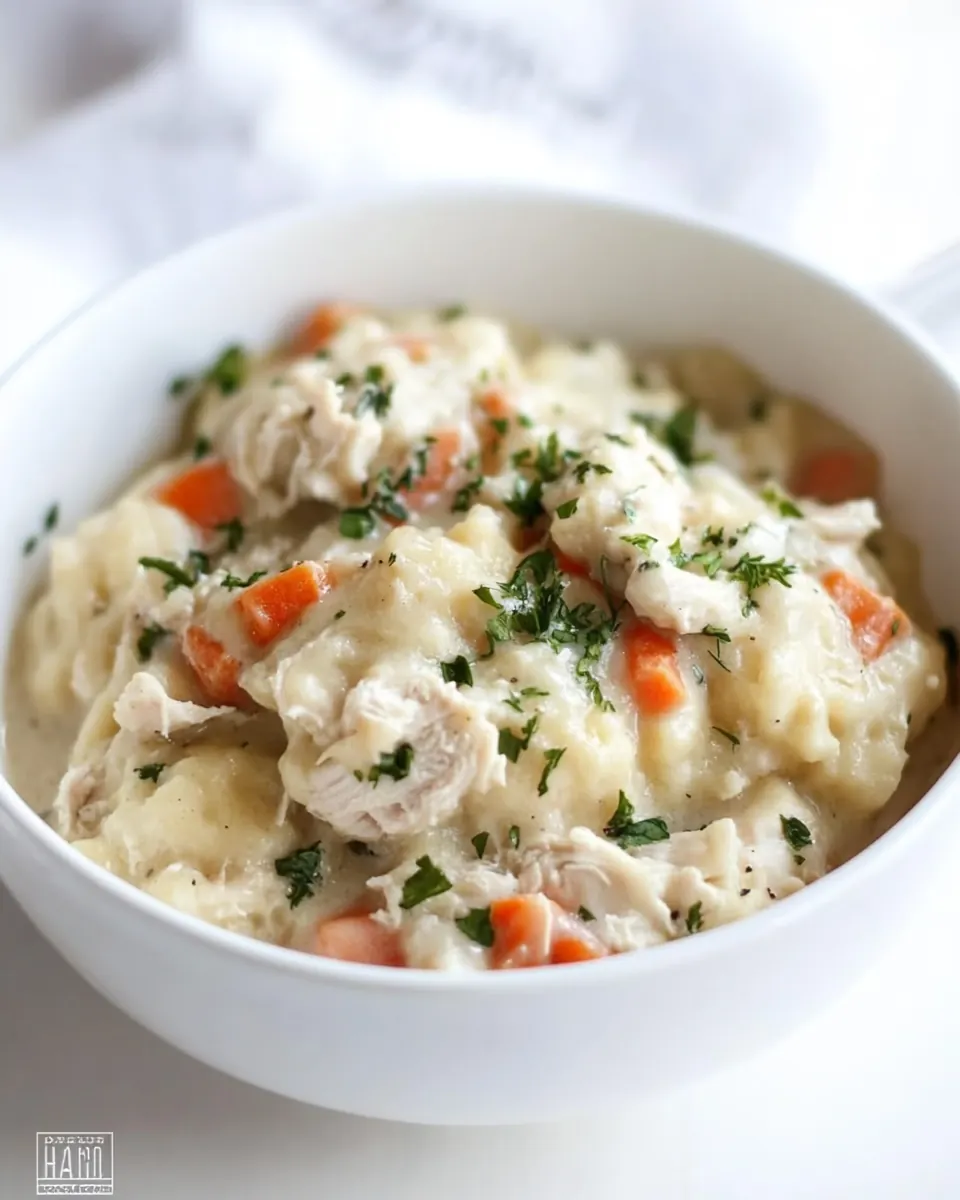
This recipe is a great canvas for small adjustments that reflect personal taste and pantry availability. Below are many tasteful variations and practical tips to tailor Creamy Chicken and Buttermilk Dumplings without changing its heartwarming nature.
- Swap the fat If you prefer a different flavor profile replace one tablespoon of butter with additional olive oil for a lighter, fruitier base while still achieving good searing on the chicken.
- Adjust dumpling size Make larger spoonfuls for a soft center and smaller ones for more surface crust, matching texture to your preference without altering cooking time drastically.
- Fresh versus dried herbs If you do not have fresh rosemary and thyme, use one third the amount of dried herbs and add them earlier so they rehydrate and release flavor.
- Richer broth Increase the amount of heavy cream slightly for a silkier mouthfeel, but be mindful of added richness when serving with other sides.
- Make ahead Prepare the broth and shredded chicken a day ahead and refrigerate, then make the dumplings just before serving to preserve their airy texture.
Serve This Creamy Chicken and Buttermilk Dumplings With
This dish is hearty enough to stand alone, yet it also pairs well with light sides and fits many occasions. Below are serving ideas, seasonal pairings, and storage suggestions to help you present the meal beautifully and store leftovers with care.
- Simple green salad A crisp salad with vinaigrette offers a refreshing contrast to the rich, creamy broth and helps balance the meal for dinner company.
- Crusty bread Warm bread or rolls are perfect for sopping up the silky broth and make the meal feel extra satisfying on a cold evening.
- Occasions This recipe is ideal for family dinners, cozy weekend lunches, and cold weather gatherings where comforting, shareable food is welcome.
- Storage Refrigerate leftovers in an airtight container for up to three days. When reheating, add a splash of stock or milk and warm gently to revive the dumplings and broth.
- Seasonal pairings In winter serve with roasted root vegetables or a citrus salad to add brightness, and in cooler shoulder seasons keep sides lighter to highlight the dish’s comfort qualities.
FAQ
Conclusion
This recipe stands out for its comforting combination of shredded chicken, herb scented broth, and tender buttermilk dumplings that create a truly satisfying bowl. I encourage you to give Creamy Chicken and Buttermilk Dumplings a try, especially on a cool evening when you want food that feels like a warm hug. It is forgiving, crowd pleasing, and makes reliable leftovers, so once you master the technique you will find yourself returning to it again and again.
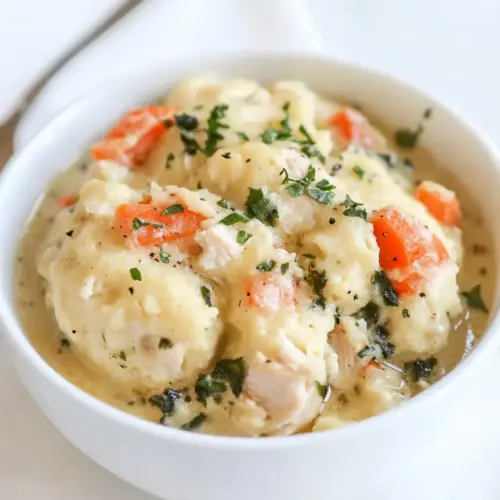
Creamy Chicken and Buttermilk Dumplings
Equipment
- Large Pot
- Wooden Spoon
- Mixing Bowl
- Spoon for dropping dumplings
Ingredients
- 1 1/4 pounds boneless, skinless chicken thighs Provide tender, flavorful protein that becomes juicy when braised; chop or leave whole and simmer until cooked through to impart richness to the stew.
- 1 teaspoon coarse sea salt Season generously to enhance the natural flavors and help tenderize the meat during cooking; sprinkle evenly and adjust to taste before simmering.
- 1 teaspoon black pepper Add a sharp, warm heat that balances richness; freshly ground yields brighter flavor and should be added during cooking and adjusted at the end.
- 2 tablespoons olive oil Sear the meat to build a deep, caramelized base and prevent sticking; heat until shimmering before browning chicken for the best fond.
- 4 tablespoons unsalted butter Enrich the cooking liquid and coat vegetables for silkiness; melt into the pan after searing to create a glossy, flavorful base.
- 1 sweet onion, diced Provide sweet aromatic depth and a tender texture when sautéed; dice small and cook slowly until translucent to release sugars.
- 1/2 cups sliced carrots Contribute natural sweetness, color, and a slight bite when sliced; add early to soften and release flavor into the stew.
- 1/3 cups sliced celery Offer a mild, earthy crunch and aromatic backbone when sliced; sweat with carrots and onion to build a balanced mirepoix.
- 4 garlic cloves, minced Deliver pungent, savory lift and complexity; mince finely and add near the start of sautéing to avoid burning while maximizing aroma.
- 1/2 teaspoon chopped fresh rosemary Impart piney, resinous notes that pair well with chicken; chop finely and add early to allow flavors to infuse into the broth.
- 1/2 teaspoon chopped fresh thyme Add savory, lemony-herb undertones that brighten the dish; strip leaves and chop small to distribute flavor without woody bits.
- 1/4 cup all-purpose flour Thicken the cooking liquid by forming a roux or slurry; whisk with the melted butter or deglaze to create a velvety sauce body.
- 6 cups low-sodium chicken stock Build the flavorful braising liquid and provide a light, savory base; use low-sodium to better control seasoning and simmer to concentrate flavor.
- 1/3 cup heavy cream Introduce a luxurious, creamy finish and mellow acidity; stir in near the end to enrich the broth without curdling.
- dumpling: Form soft, tender dumplings that absorb braising flavors; prepare the dough and drop onto simmering broth to steam until set.
- 2 1/2 cups all-purpose flour Create structure and body in the dumpling dough; whisk with other dry ingredients to ensure even rise and avoid lumps.
- 1 tablespoon baking powder Leaven the dumplings for a light, fluffy texture; measure accurately and mix gently to maintain lift during steaming.
- 1/2 teaspoon salt Season the dumpling dough lightly to enhance overall taste; distribute evenly through dry ingredients for balanced flavor.
- 2 large eggs, lightly beaten Bind the dumpling ingredients and add richness; beat lightly and incorporate just enough to moisten the dough without overmixing.
- 1 cup buttermilk Provide moistness and slight tang to the dumplings for tender crumb; fold in gently to keep batter airy and ensure proper rising.
Instructions
- Season the chicken with salt and pepper. Heat a large pot over medium-high heat and add olive oil and 2 tablespoons of butter. Once sizzling, add the chicken to the skillet and cook it on both sides until deeply golden brown and cooked through, about 5 to 6 minutes per side. Remove the chicken and set aside to a bowl, shredding once cool. I actually throw it in the bowl of my mixer and shred it with the paddle attachment!: The smell of the salt drawing into the surface of the chicken is immediate and tells you seasoning is doing its work, enhancing natural juices and promoting browning as it hits the hot fat. When you hear a steady sizzle as the chicken hits the pan, expect a richly browned exterior in about 5 to 6 minutes per side, which locks in flavor. A common mistake to avoid is crowding the pan, which causes steaming instead of searing. If the pan becomes crowded, the chicken will not brown properly and the final dish will lack depth.
- Reduce the heat to medium and add the other 2 tablespoons of butter. Add the onions, carrots, celery, garlic, rosemary, and thyme. Toss in another pinch of salt and pepper, stirring well. Cook until softened, about 5 minutes.: The combination of olive oil and butter offers a balance of smoke point and flavor; the butter provides nuttiness and the oil prevents burning. You should see the butter foam and then subside, and the pan should be hot enough that the chicken sizzles on contact. If you keep the heat too low the chicken will release liquid and not brown, robbing the broth of its deep flavor. Wipe any residue between batches to maintain a clean sear.
- While the vegetables cook, mix up the dumplings. Whisk together the flour, baking powder, and salt in a large bowl. Combine the milk and the eggs, then stir into the flour until just mixed. Set aside for a few minutes.: The sound of a vigorous sizzle and the sight of a deep golden crust are the cues you want. I look for a caramelized surface and juices that run clear when pierced, indicating doneness. Overcooking can dry the chicken , while undercooking leaves it unsafe, so rely on visual cues and timing. If pieces are thick, consider finishing in the oven briefly to avoid burning the exterior while the interior comes up to temperature.
- Stir the 1/4 cup flour into the veggies with a wooden spoon until it coats the vegetables, then continues to stir until the flour cooks and turns golden, about 5 more minutes. Slowly stream in the chicken stock 1 cup at a time, stirring well the entire time so the mixture thickens. Add the chicken back into the pot. Increase the heat a bit and bring the mixture to a simmer, then cook while it bubbles for about 10 minutes. You want it to thicken up well! Stream in the heavy cream and stir well. Drop large spoonfuls of dough all around the top of the pot. I don’t worry about crowding the pot and cover the entire top of the “soup” mixture. You want the mixture to be bubbling for 10 to 15 minutes so it cooks the dumplings – after 10 minutes I usually gently flip the dumplings over.: As the chicken cools you will notice a change in texture, making shredding easier and producing tender ribbons that soak up broth. I often use a mixer on low to shred quickly, which gives consistent pieces. A misstep is attempting to shred very hot chicken , which can become stringy and tear unevenly, so give it a few minutes to rest.
- Top the entire pot with fresh chopped parsley. This is a very dumpling heavy recipe, which I adore. Serve immediately! I love how this reheats – just add a bit of stock or milk when reheating!: Lowering the heat prevents burning when you add the vegetables and allows the butter to coat them, yielding a glossy finish and rich aroma. You will hear a gentle hiss rather than a loud sizzle, and the butter should foam then calm, signalling readiness. Adding vegetables to too hot a pan often leads to uneven cooking or burnt edges, so maintain a steady medium heat.
- Add the onions carrots celery garlic rosemary and thyme: As these aromatics hit the pan they release layered fragrances from sweet onion to pine like rosemary , building the backbone of the dish. Stirring helps them release sugars and soften; watch for translucence in the onion and a softened carrot texture at about five minutes. A common oversight is rushing this step, which leaves raw tasting vegetables, so let them mellow until they are softened but not mushy.
- Toss in another pinch of salt and pepper stirring well Cook until softened about 5 minutes: The tiny crackle as seasoning hits hot fat amplifies aroma and encourages moisture release from the vegetables, which helps deglaze the browned bits from the chicken . Softening them builds sweetness that rounds the broth, and the visible gloss on the vegetables signals readiness. If you omit this gentle cooking, the final broth can taste thin and one dimensional, so be patient and attentive.
- While the vegetables cook mix up the dumplings Whisk together the flour baking powder and salt in a large bowl: The dry mixture should look uniform and airy, with the baking powder evenly dispersed. The texture of the combined dry ingredients reads fine and powdery, which will yield light dumplings after mixing. A common error is using old baking powder which reduces lift, so test if doubtful by dropping a pinch into hot water to see if it fizzes.
- Combine the milk and the eggs then stir into the flour until just mixed Set aside for a few minutes: When you combine the buttermilk and eggs the batter gains moisture and a faint tang. The batter should be slightly sticky and not overworked, which preserves tenderness. Letting it rest helps the flour hydrate and the leavening activate. Overmixing minimizes lift and yields dense dumplings, so fold until homogenous and stop.
- Stir the 1/4 cup flour into the veggies with a wooden spoon until it coats the vegetables then continues to stir until the flour cooks and turns golden about 5 more minutes: As the flour cooks it loses its raw taste and begins to brown, which adds a subtle toasty note and helps thicken the broth. You should see a faint coating on the vegetables and a slightly nutty aroma as the flour toasts. If you do not cook the flour long enough the broth can taste pasty, so allow those few extra minutes while stirring to prevent lumps.
- Slowly stream in the chicken stock 1 cup at a time stirring well the entire time so the mixture thickens: Adding stock gradually while stirring prevents lumps and encourages a smooth, velvety consistency. The mixture will loosen then gradually thicken after each addition, and you will notice ribbons of steam as it comes to a simmer. Pouring too quickly often results in lumps and uneven texture, so take your time and whisk or stir constantly.
- Add the chicken back into the pot: When the shredded chicken rejoins the broth it relaxes and absorbs the savory juices, which deepens the overall flavor. You will see strands of chicken suspended in the thickened broth, and the aroma becomes more cohesive. A mistake to avoid is adding cold chicken straight from the fridge which can cool the pot down and delay simmering, so let it warm slightly before adding.
- Increase the heat a bit and bring the mixture to a simmer then cook while it bubbles for about 10 minutes: A simmer is indicated by gentle, steady bubbles across the surface and a fragrant steam. This simmer helps the flavors knit and reduces the liquid slightly so the broth has body. Boiling too vigorously can break down the chicken texture and toughen dumplings later, so aim for a steady simmer rather than a rolling boil.
- Stream in the heavy cream and stir well: As you add the heavy cream the broth transforms, becoming silkier and taking on a pale, luxurious sheen. Stirring it in gently avoids splitting and helps incorporate the cream evenly. If the pot is too hot you risk curdling, so temper the heat and stir until the texture is smooth.
- Drop large spoonfuls of dough all around the top of the pot: The sound of batter landing on simmering broth is soft and the dumplings will begin to set at the base while remaining tender inside. Space them to allow heat circulation, and expect them to puff as steam expands inside. A common mistake is making dumplings too small which can overcook and become dense, so aim for sizeable spoonfuls for a tender center.
- I don’t worry about crowding the pot and cover the entire top of the soup mixture: Covering traps steam which helps the dumplings cook through, producing a light interior. When you lift the lid you should see plump dumplings with pale tops and cooked undersides. If you uncover too often you will lose steam and slow cooking, so limit lifting the lid to check once or twice.
- You want the mixture to be bubbling for 10 to 15 minutes so it cooks the dumplings after 10 minutes I usually gently flip the dumplings over: The audible, gentle bubbling signals steady heat penetration, and flipping ensures even browning and cooking on both sides. The exterior should feel set and slightly springy when pressed with a spoon. Flipping too soon can tear tender tops, so wait until they have formed a stable base.
- Top the entire pot with fresh chopped parsley: Bright green parsley adds a fresh herbal note and visual contrast, cutting through richness and lifting the final presentation. Sprinkle it at the end so its flavor remains lively, and avoid adding it too early or it will wilt and lose brightness.
- Serve immediately I love how this reheats just add a bit of stock or milk when reheating: Serving right away preserves the dumplings at their puffiest and the broth at its creamiest, creating the ideal texture balance. If reheating leftovers, adding a splash of stock or milk revives the consistency and prevents dryness. Overheating leftovers can make dumplings tough, so reheat gently over low heat.
Notes
- Swap the fat If you prefer a different flavor profile replace one tablespoon of butter with additional olive oil for a lighter, fruitier base while still achieving good searing on the chicken.
- Adjust dumpling size Make larger spoonfuls for a soft center and smaller ones for more surface crust, matching texture to your preference without altering cooking time drastically.
- Fresh versus dried herbs If you do not have fresh rosemary and thyme, use one third the amount of dried herbs and add them earlier so they rehydrate and release flavor.
- Richer broth Increase the amount of heavy cream slightly for a silkier mouthfeel, but be mindful of added richness when serving with other sides.
- Make ahead Prepare the broth and shredded chicken a day ahead and refrigerate, then make the dumplings just before serving to preserve their airy texture.
