Tuna Carpaccio
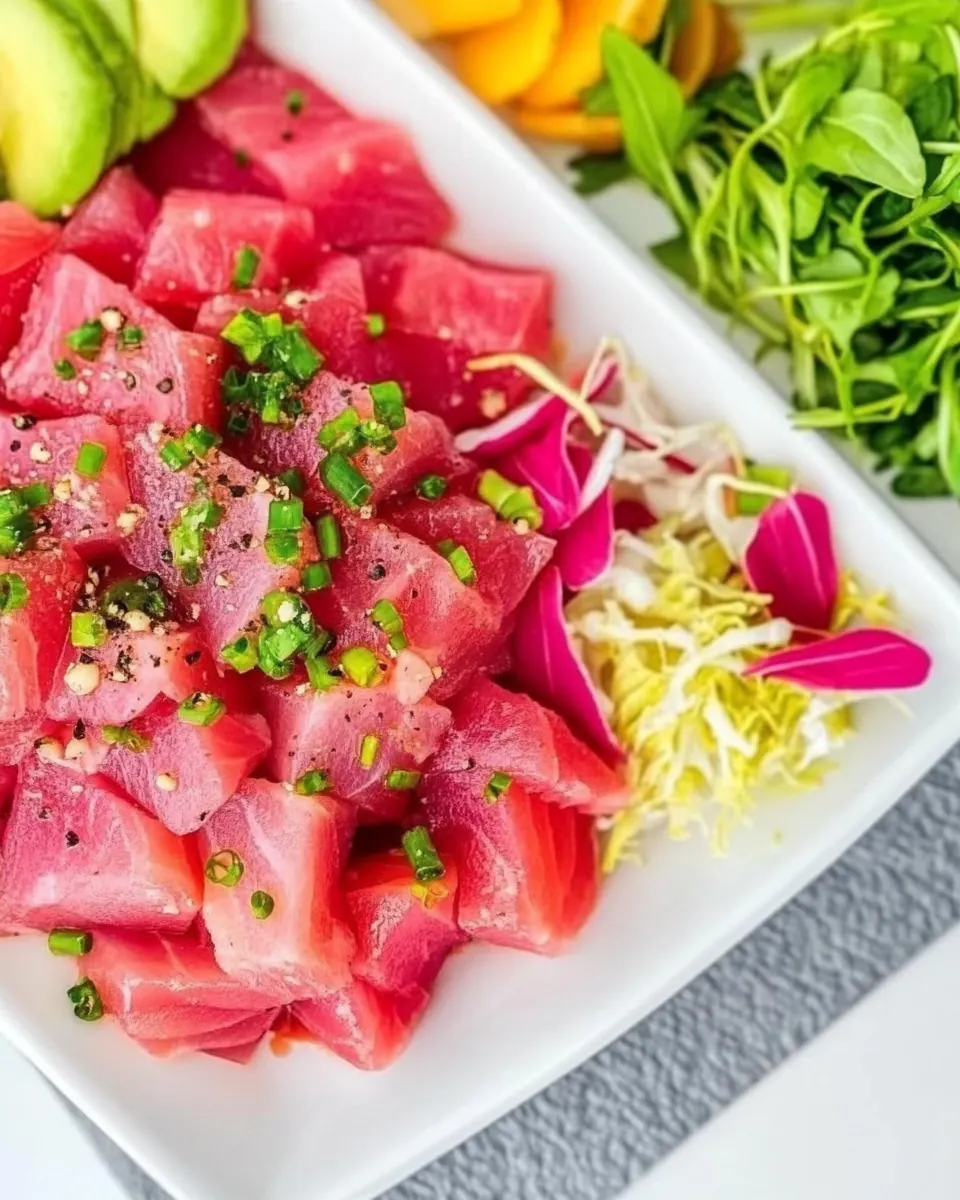
Tuna Carpaccio is one of those recipes that stopped me midweek and made me slow down, savor, and remember why simple food can feel so luxurious.
I first tasted this dish on a warm summer evening at a tiny seaside bistro, where the plate arrived like a quiet celebration. The thin ribbons of ahi tuna steak gleamed, kissed by olive oil and brightened by tart citrus. Every bite felt delicate yet vivid, like a whisper of the ocean. Since then, I make Tuna Carpaccio when I want to impress without fuss, or when guests arrive unexpectedly and I want something elegant and immediate.
Over time I developed a small ritual: partially freeze the ahi tuna steak so it slices cleanly, slice with a very sharp knife, and let the simple dressing do the heavy lifting. The texture is what hooks me first, then the crunchy pop of capers and the faint sting of red onion that cut through the oily silk. I love serving it with extra lime wedges so people can dial up the brightness to their taste.
Recipe Snapshot
10 mins
10 mins
Easy
200 kcal
Mediterranean
Keto, Paleo
Appetizers
Very sharp knife, Cutting board, Plate
The Beauty of This Tuna Carpaccio
Pure ingredient focus
I love Tuna Carpaccio because it celebrates one ingredient, the ahi tuna steak. There are no heavy sauces to mask the fish, so quality matters, and when you source a fresh sushi grade piece it sings. You get the delicate ocean flavor in every forkful, and that minimalism is why I return to this recipe again and again.
Speed meets elegance
This is a go to when time is tight yet you want to serve something that feels special. The preparation is short and precise, giving you an impressive plate in minutes. I often make it for quick dinner parties, because it looks like you labored over it without spending hours in the kitchen.
Textural contrasts
What makes this dish stand out for me is the balance between soft, silky ahi tuna steak slices and the bright, briny snap of capers, plus the crisp bite of red onion. Those contrasts keep every bite interesting, and they make the simple dressing of olive oil and lime feel complete.
Flexible and seasonal
I often reach for this during warm months, when lighter plates feel right. Yet it also fits into many menus, from casual lunches to more formal multi course meals. The recipe adapts to gatherings and tastes, which is why I think of it as a summer staple on my table.
Make ahead friendly
Because the steps are quick, you can prep elements like thinly slicing the ahi tuna steak slightly in advance and keep it chilled. That small strategic move keeps you calm when guests arrive and ensures the slices remain pristine on the plate.
Ingredients Overview for Tuna Carpaccio
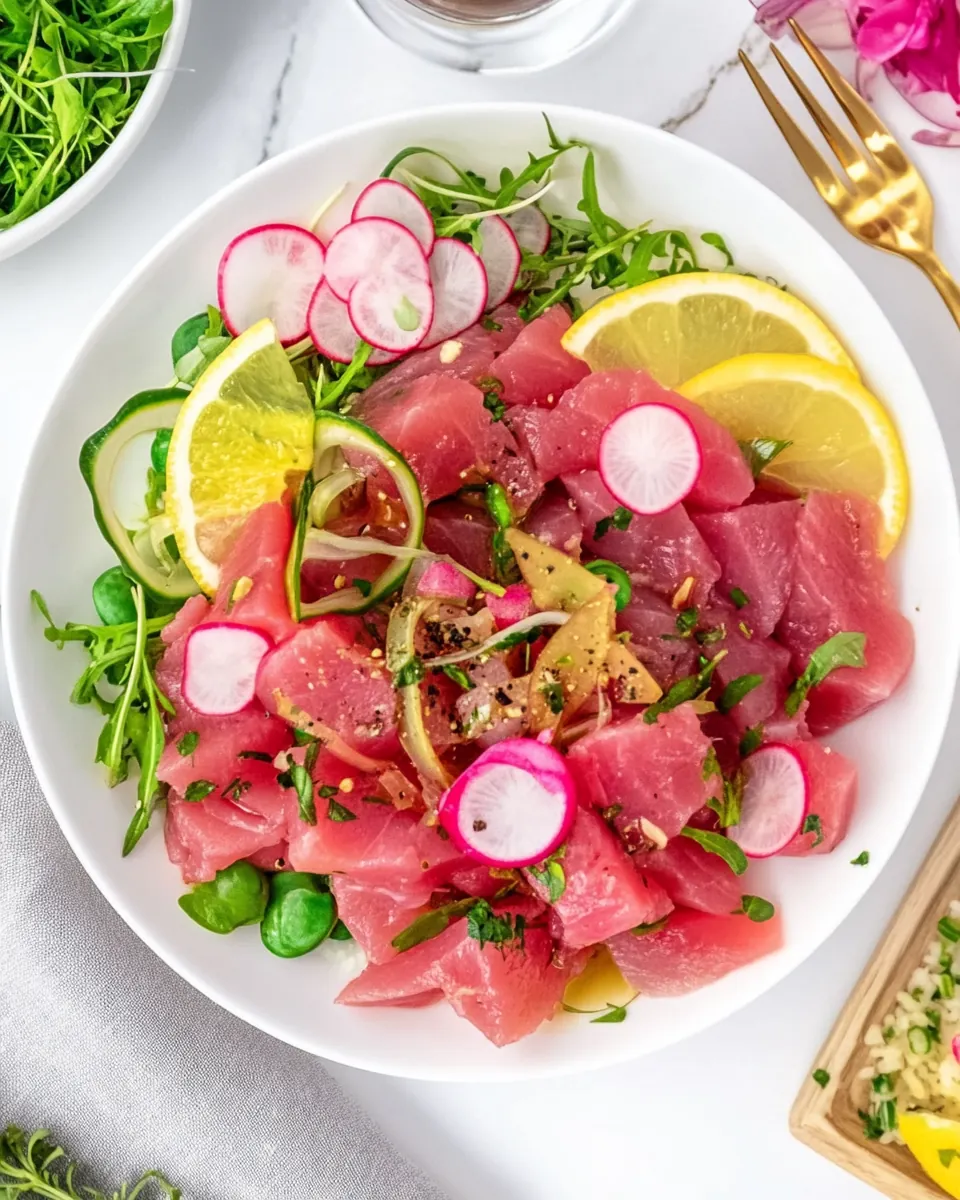
This ingredient list is all about restraint and balance. Few components, each with a clear job where the ahi tuna steak is the star, and supporting players like capers and red onion provide contrast. The philosophy here is to highlight freshness and texture, letting bright citrus and high quality olive oil lift the fish without overwhelming it.
- 3/4 pounds ahi tuna steak raw: Season lightly to enhance the natural flavor of the fish; use sparingly so as not to overpower delicate tuna. Dissolve into dressings or sprinkle over slices just before serving to brighten overall taste.
- 1/4 teaspoons salt: Season sparingly to balance and uplift the dish; integrate with other seasonings for complexity. Add a pinch at a time and taste to avoid oversalting the carpaccio.
- 1/4 teaspoon pepper: Season gently to add subtle heat and aromatic depth; distribute evenly across slices for a balanced bite. Combine with salt to create a classic simple seasoning that complements raw tuna.
- 1/4 small red onion finely diced: Dice finely to provide crunchy, sharp bursts that cut through the richness of the fish; keep pieces small so they mingle with each bite. Rinse briefly if desired to temper pungency, then drain well and scatter over the carpaccio.
- 1/2 cup olive oil: Dress generously to add richness and a smooth mouthfeel; use high-quality extra-virgin olive oil for best flavor. Drizzle over sliced tuna to carry other seasonings and create a glossy finish.
- 1 small lime cut into wedges: Acidify lightly to introduce bright citrus notes and a touch of bitterness; squeeze over the carpaccio just before serving. Offer wedges at the table so diners can control acidity to their taste.
- 2 tablespoons capers: Garnish boldly to introduce briny, tangy pops that contrast the fatty richness of tuna; chop or leave whole depending on presentation. Rinse if packed in salt or brine and distribute sparingly to avoid overpowering.
How to Assemble Tuna Carpaccio
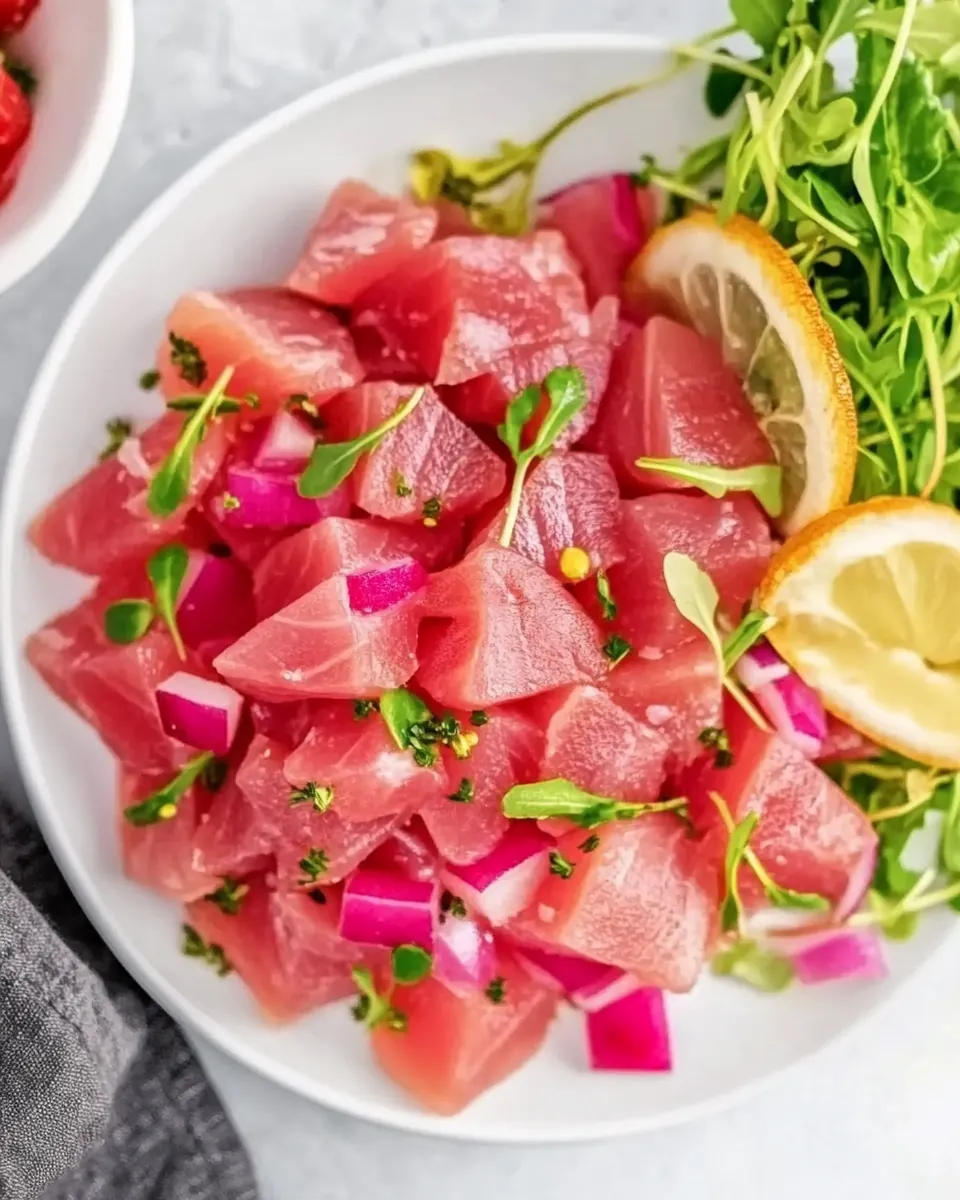
Assembling Tuna Carpaccio is a calm, tactile process where small choices make a big difference. I find that working methodically, with chilled fish and a sharp knife, keeps the slices perfect and the plate elegant. Below are step by step directions rewritten from the original instructions to guide your senses and help you avoid common slips.
- With a very sharp knife, slice tuna into paper-thin slices. Ensure your cuts are secure and complete the cut in one move, to prevent them from breaking or tearing.: You ll notice a clean, nearly silent glide as your knife meets the partially frozen ahi tuna steak , producing thin, translucent ribbons that shimmer. The sound is minimal and the surface of the tuna should remain smooth, not ragged or torn. This thinness matters because it creates a silky mouthfeel and allows the dressing to coat each slice evenly. A common mistake is using a dull blade, which tears the flesh and creates ragged edges that ruin the elegant presentation. If your knife drags, refreeze the fish briefly and sharpen or hone the blade before continuing. Keep the cuts long and single stroked to maintain each slice intact.
- Arrange the tuna slices onto the plate and season them with salt and pepper.: When you slice, you should feel a steady resistance followed by a smooth release, leaving a flawless slice. The texture is delicate and should not crumble. Completing each cut in one fluid motion prevents jagged edges and preserves moisture within the slice, which is crucial for the silky sensation in the mouth. Avoid a sawing motion, which stresses the fish fibers and results in inconsistent slices. If you find pieces flaking, chill the tuna a bit more and try again; patience yields cleaner, more attractive slices.
- Top the tuna with red onion, capers, and olive oil, and drizzle over some lemon juice. Serve the carpaccio with the rest of the lime wedges.: As you lay the slices out, notice the way they overlap into a delicate fan, creating an inviting visual. Lightly sprinkle the salt and pepper so each bite receives a whisper of seasoning, not a mouthful. Salt dissolves into the tuna surface and amplifies natural flavors, while pepper adds a warm background note. A frequent error is over seasoning; take a restrained approach and taste one slice before adding more. The plate should feel balanced and refined, not aggressively seasoned.
- Top the tuna with red onion, capers, and olive oil: The added textures and flavors should be distributed thoughtfully, with tiny clusters of red onion and capers placed to create contrasts in each bite, then a gentle drizzle of olive oil to glaze the fish. You ll see the oil bead and then settle, giving the tuna a glossy finish and an aromatic lift. The sensory payoff is immediate, with the aroma of the oil and the briny pop of capers complementing the fish. A common mishap is pouring too much oil which can drown the delicate tuna; pour in a slow, controlled stream and step back to evaluate the look and flavor.
- Drizzle over some lemon juice: Even though the recipe calls for lime, a quick splash of fresh citrus across the plate brightens complexity and balances the oil. You ll notice the juice s immediate sizzle and subtle scent, which cuts through richness and awakens flavors. This acidity also slightly firms the exterior of the tuna, adding a pleasant contrast in texture. A typical mistake is using bottled citrus, which lacks brightness and can flatten the profile; always use fresh wedges and adjust to taste to avoid overpowering the fish.
- Serve the carpaccio with the rest of the lime wedges: Present the plate with remaining lime wedges so diners can add extra tartness as they like, and watch how the fish responds to additional citrus. The aroma of squeezed lime is lively and refreshing, encouraging small adjustments that make each portion personal. Keep the dish chilled until the moment of serving to preserve texture and safety. One error people make is leaving the carpaccio at room temperature too long, which diminishes freshness; return it to the fridge if not served immediately and remove just before plating.
Tips and Tricks about Tuna Carpaccio
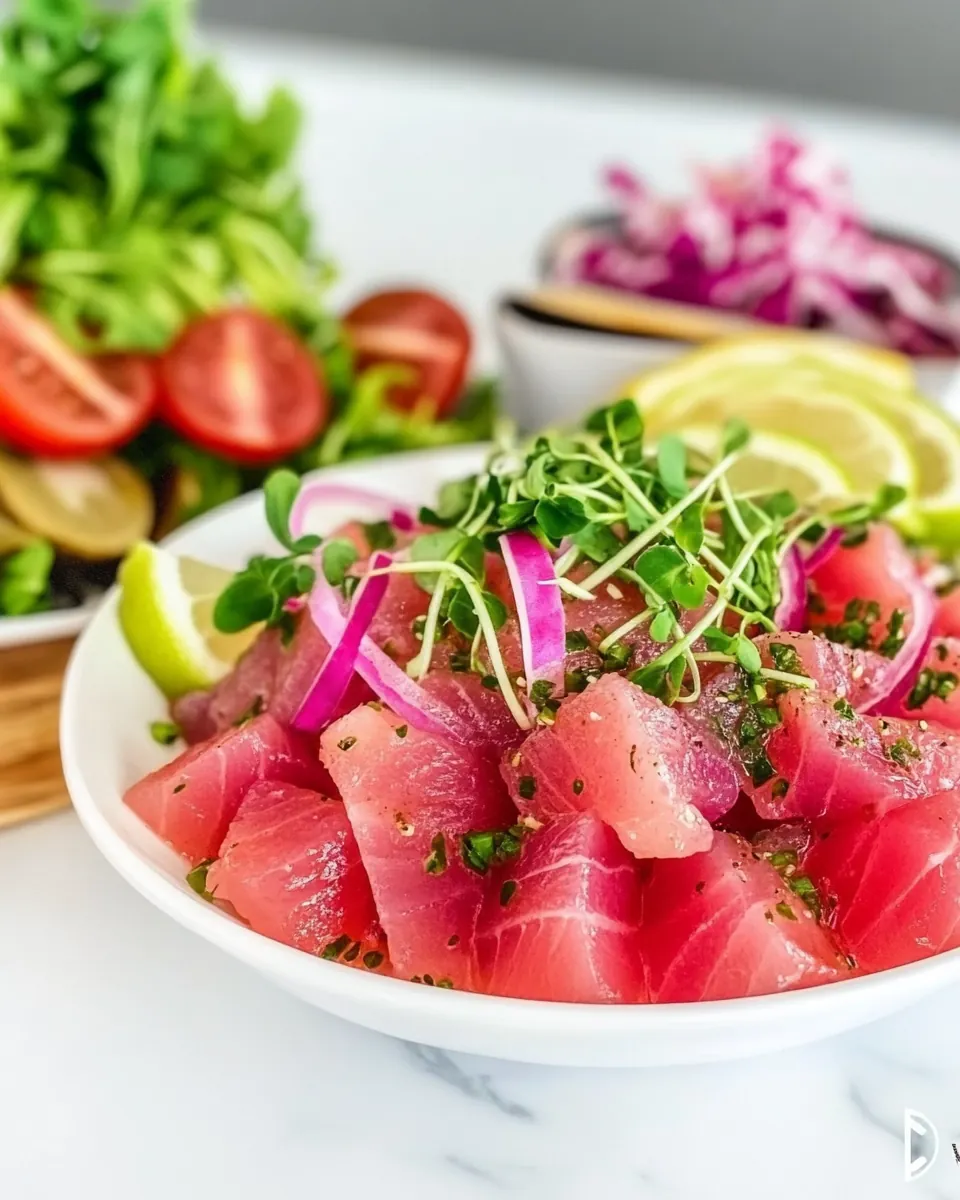
I use these tips every time I make Tuna Carpaccio. They help with texture, flavor balance, and presentation so the dish feels effortless and refined. Below, each tip starts with a clear, bold action phrase to guide you quickly.
- Partially freeze first to firm the ahi tuna steak so you can slice paper thin pieces cleanly and safely. I freeze mine for one to two hours which makes for smoother cuts and a neater presentation.
- Sharpen your knife before slicing; a razor edge prevents tearing and preserves the glossy surface of the fish. A blunt blade chews through the flesh and ruins the elegant look you want.
- Use sushi grade tuna for safety and the best flavor profile, as lower grade tuna may not be suitable for raw preparations. Confirm sourcing and freshness with your fishmonger.
- Apply oil sparingly so the fish remains delicate and not overwhelmed, a light drizzle is enough to add silk and fragrance without masking the tuna s flavor.
- Rinse capers if too salty to control brininess, then pat them dry so they add bright pops without dominating the dish.
Accompaniments for Tuna Carpaccio
Tuna Carpaccio pairs beautifully with light, crisp elements that complement its delicate texture. Think simple accompaniments that contrast in texture and add brightness. Below I list service ideas, occasions, and storage tips to help you plan the perfect meal around this dish.
- Light green salads such as peppery arugula or a watercress mix add a fresh, slightly bitter counterpoint that cleanses the palate between bites.
- Toasted bread or crostini provide a crunchy platform for the tuna, lending satisfying contrast to the silky slices and making the dish more shareable at gatherings.
- Simple chilled white beans dressed with a touch of olive oil and lemon can make the meal more substantial while keeping the focus on delicate flavors.
- Occasions this dish suits summer lunches, elegant canapés for dinner parties, or a light starter for a more elaborate meal. It also works for Ramadan if served as part of an iftar spread where lighter courses are welcome after fasting.
- Serving temperature is crucial; keep the plated carpaccio chilled until the moment of serving so the texture remains silky and fresh. If prepping ahead, slice and cover the fish briefly and assemble at the last minute.
- Storage leftovers keep refrigerated for up to 24 hours, but they lose their pristine texture over time, so I recommend consuming within the day and avoid freezing any prepared carpaccio.
FAQ
Conclusion
This Tuna Carpaccio stands out because it elevates one excellent ingredient with thoughtful, minimal accompaniments. It s elegant, quick to prepare, and perfect for moments when you want to impress without lengthy preparation. I hope you give it a try the next time you want a refined, bright dish that celebrates fresh seafood. Enjoy the simple pleasure of clean flavors and the satisfaction of serving something both beautiful and effortless.
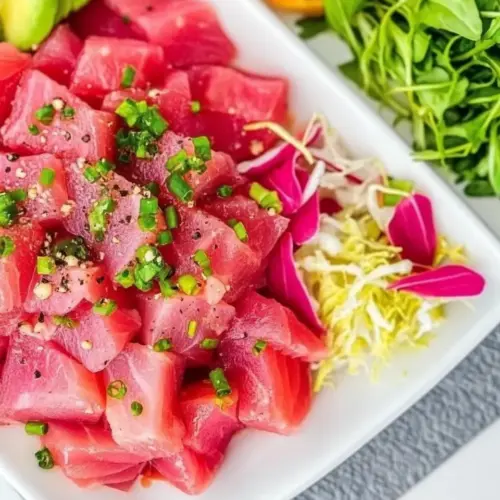
Tuna Carpaccio
Equipment
- Very sharp knife
- Cutting Board
- Plate
Ingredients
- 3/4 pounds ahi tuna steak raw Season lightly to enhance the natural flavor of the fish; use sparingly so as not to overpower delicate tuna. Dissolve into dressings or sprinkle over slices just before serving to brighten overall taste.
- 1/4 teaspoons salt Season sparingly to balance and uplift the dish; integrate with other seasonings for complexity. Add a pinch at a time and taste to avoid oversalting the carpaccio.
- 1/4 teaspoon pepper Season gently to add subtle heat and aromatic depth; distribute evenly across slices for a balanced bite. Combine with salt to create a classic simple seasoning that complements raw tuna.
- 1/4 small red onion finely diced Dice finely to provide crunchy, sharp bursts that cut through the richness of the fish; keep pieces small so they mingle with each bite. Rinse briefly if desired to temper pungency, then drain well and scatter over the carpaccio.
- 1/2 cup olive oil Dress generously to add richness and a smooth mouthfeel; use high-quality extra-virgin olive oil for best flavor. Drizzle over sliced tuna to carry other seasonings and create a glossy finish.
- 1 small lime cut into wedges Acidify lightly to introduce bright citrus notes and a touch of bitterness; squeeze over the carpaccio just before serving. Offer wedges at the table so diners can control acidity to their taste.
- 2 tablespoons capers Garnish boldly to introduce briny, tangy pops that contrast the fatty richness of tuna; chop or leave whole depending on presentation. Rinse if packed in salt or brine and distribute sparingly to avoid overpowering.
Instructions
- With a very sharp knife, slice tuna into paper-thin slices. Ensure your cuts are secure and complete the cut in one move, to prevent them from breaking or tearing.: You ll notice a clean, nearly silent glide as your knife meets the partially frozen ahi tuna steak , producing thin, translucent ribbons that shimmer. The sound is minimal and the surface of the tuna should remain smooth, not ragged or torn. This thinness matters because it creates a silky mouthfeel and allows the dressing to coat each slice evenly. A common mistake is using a dull blade, which tears the flesh and creates ragged edges that ruin the elegant presentation. If your knife drags, refreeze the fish briefly and sharpen or hone the blade before continuing. Keep the cuts long and single stroked to maintain each slice intact.
- Arrange the tuna slices onto the plate and season them with salt and pepper.: When you slice, you should feel a steady resistance followed by a smooth release, leaving a flawless slice. The texture is delicate and should not crumble. Completing each cut in one fluid motion prevents jagged edges and preserves moisture within the slice, which is crucial for the silky sensation in the mouth. Avoid a sawing motion, which stresses the fish fibers and results in inconsistent slices. If you find pieces flaking, chill the tuna a bit more and try again; patience yields cleaner, more attractive slices.
- Top the tuna with red onion, capers, and olive oil, and drizzle over some lemon juice. Serve the carpaccio with the rest of the lime wedges.: As you lay the slices out, notice the way they overlap into a delicate fan, creating an inviting visual. Lightly sprinkle the salt and pepper so each bite receives a whisper of seasoning, not a mouthful. Salt dissolves into the tuna surface and amplifies natural flavors, while pepper adds a warm background note. A frequent error is over seasoning; take a restrained approach and taste one slice before adding more. The plate should feel balanced and refined, not aggressively seasoned.
- Top the tuna with red onion, capers, and olive oil: The added textures and flavors should be distributed thoughtfully, with tiny clusters of red onion and capers placed to create contrasts in each bite, then a gentle drizzle of olive oil to glaze the fish. You ll see the oil bead and then settle, giving the tuna a glossy finish and an aromatic lift. The sensory payoff is immediate, with the aroma of the oil and the briny pop of capers complementing the fish. A common mishap is pouring too much oil which can drown the delicate tuna; pour in a slow, controlled stream and step back to evaluate the look and flavor.
- Drizzle over some lemon juice: Even though the recipe calls for lime, a quick splash of fresh citrus across the plate brightens complexity and balances the oil. You ll notice the juice s immediate sizzle and subtle scent, which cuts through richness and awakens flavors. This acidity also slightly firms the exterior of the tuna, adding a pleasant contrast in texture. A typical mistake is using bottled citrus, which lacks brightness and can flatten the profile; always use fresh wedges and adjust to taste to avoid overpowering the fish.
- Serve the carpaccio with the rest of the lime wedges: Present the plate with remaining lime wedges so diners can add extra tartness as they like, and watch how the fish responds to additional citrus. The aroma of squeezed lime is lively and refreshing, encouraging small adjustments that make each portion personal. Keep the dish chilled until the moment of serving to preserve texture and safety. One error people make is leaving the carpaccio at room temperature too long, which diminishes freshness; return it to the fridge if not served immediately and remove just before plating.
Notes
- Partially freeze first to firm the ahi tuna steak so you can slice paper thin pieces cleanly and safely. I freeze mine for one to two hours which makes for smoother cuts and a neater presentation.
- Sharpen your knife before slicing; a razor edge prevents tearing and preserves the glossy surface of the fish. A blunt blade chews through the flesh and ruins the elegant look you want.
- Use sushi grade tuna for safety and the best flavor profile, as lower grade tuna may not be suitable for raw preparations. Confirm sourcing and freshness with your fishmonger.
- Apply oil sparingly so the fish remains delicate and not overwhelmed, a light drizzle is enough to add silk and fragrance without masking the tuna s flavor.
- Rinse capers if too salty to control brininess, then pat them dry so they add bright pops without dominating the dish.