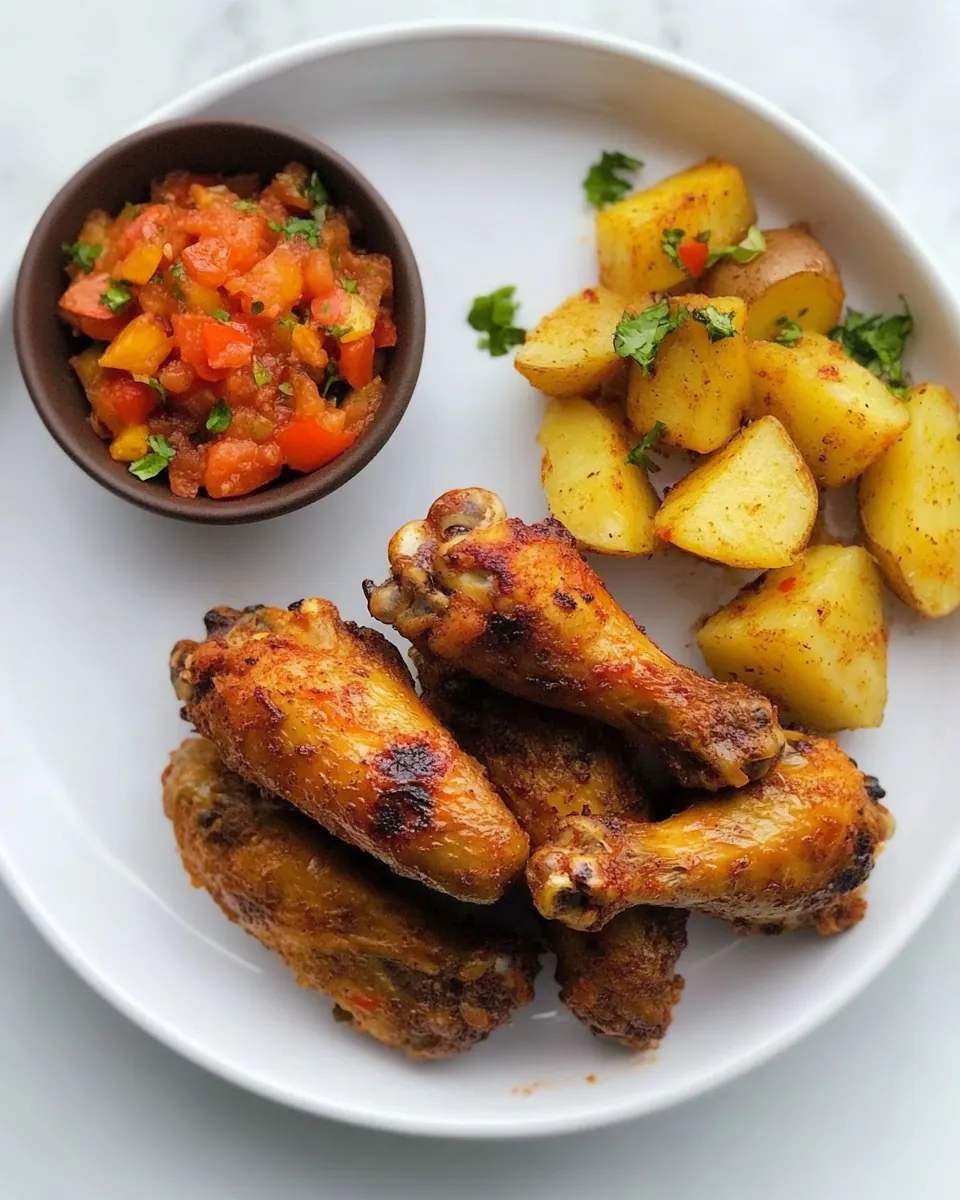
Baked Chicken Wings
Baked Chicken Wings are one of those recipes I turn to when I want something finger friendly and satisfying with minimal fuss. I remember the first time I baked wings for a small game night, juggling flavors and timing, and how the entire room fell quiet the moment the tray came out of the oven, the shiny glaze catching the light. That evening taught me how a few pantry staples and a little attention can turn ordinary chicken into something memorable.
Over the years I have tweaked the balance of sweet and savory until I landed on this version, where the sticky finish and spice complement the roasted skin perfectly. I like to mix the sauce right on the wings so each piece gets coated evenly, and I always tell guests to expect a crisp exterior with juicy meat inside. If you enjoy hands on, informal gatherings, this recipe will become a go to for you as it did for me.
Recipe Snapshot
35 mins
5 mins
30 mins
Easy
300 kcal
American
Paleo, Gluten-Free
Dinner
Oven, Baking sheet, Parchment paper
Why You Need This Baked Chicken Wings
Perfect for casual gatherings
I love how Baked Chicken Wings bring people together without fuss. You can make a big batch, set out plates, and everyone digs in. The hands on nature encourages conversation, and the crunchy, saucy bites keep guests coming back for more.
Simple pantry ingredients
These wings rely on just a few bold components, which is why I reach for them on busy nights. With chicken, a savory steak sauce, honey, salt, and a pinch of cayenne, the flavor profile is balanced and approachable. You do not need exotic spices to get big results.
Easy technique, reliable results
I appreciate how predictable baking is for wings. The oven transforms the skin, and if you watch for the right visual cues you rarely go wrong. I like this method because it is forgiving, and I can focus on other parts of the meal while the wings crisp up.
Customizable heat and sweetness
One of the reasons I keep returning to this recipe is how easy it is to tweak. Want more heat, add an extra dash of cayenne. Prefer a glaze that is a touch sweeter, increase the honey. The base is flexible, so you can make small changes and still get an impressive result.
Great for weeknight dinners or party platters
I often use these wings for an easy weeknight dinner, served with simple sides, or doubled up for a party spread. They are straightforward to scale, and they hold up well if you need to bake multiple trays. I especially like that the flavor remains consistent whether I make a few pieces or a large batch for guests.
Shopping List for Baked Chicken Wings
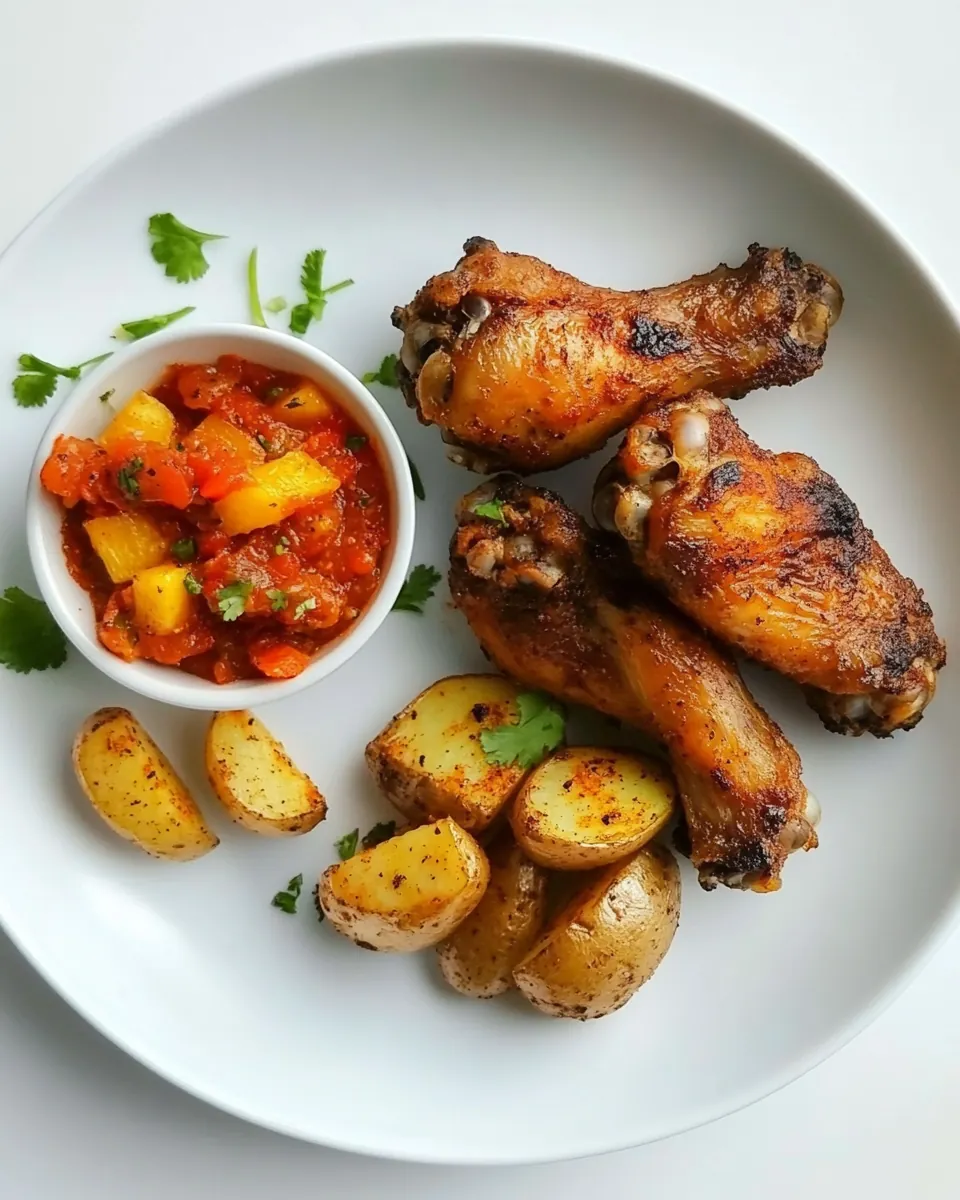
The ingredients here follow a confident, no nonsense philosophy. Each item plays a clear role: chicken is the star, the steak sauce brings depth and umami, honey adds a glossy sweet edge, salt sharpens flavors, and cayenne introduces heat. When combined, they create a balanced glaze that crisps in the oven while keeping the meat juicy.
- 1 1/2 lb (750 g) chicken wings, drummettes and wingettes: Provide savory, meaty base and texture to the dish; use drummettes and wingettes for a mix of dark and white meat that crisps well when baked. Pat wings dry before seasoning to promote even browning and reduce steaming. Arrange in a single layer on a baking sheet to ensure consistent cooking and crispy skin.
- 2 tablespoons A1 Steak Sauce, Original: Add tangy, savory-sweet complexity and umami depth to the coating; A1 Steak Sauce helps build a rich glaze that complements the chicken. Mix thoroughly with other liquids to create an even coating and brush on during the final minutes of baking for a sticky finish.
- 2 tablespoons honey: Contribute sweetness and help form a glossy, caramelized glaze when heated; honey balances the tang of steak sauce and the heat from cayenne. Warm slightly before mixing if needed to combine smoothly, and apply in thin layers to avoid burning during baking.
- 1/2 teaspoons salt: Season the wings to enhance natural flavors and control overall saltiness; use measured salt to avoid over-seasoning given the concentrated flavors from sauce and honey. Dissolve into wet ingredients or sprinkle evenly to ensure balanced taste across all pieces.
- 3 dashes cayenne pepper: Provide focused heat and a touch of smoky spice to lift the glaze; use cayenne sparingly to achieve desired heat without overpowering other flavors. Dash evenly and taste-adjust for spice sensitivity, remembering that heat intensifies slightly when concentrated in a sticky glaze.
The Method for Baked Chicken Wings
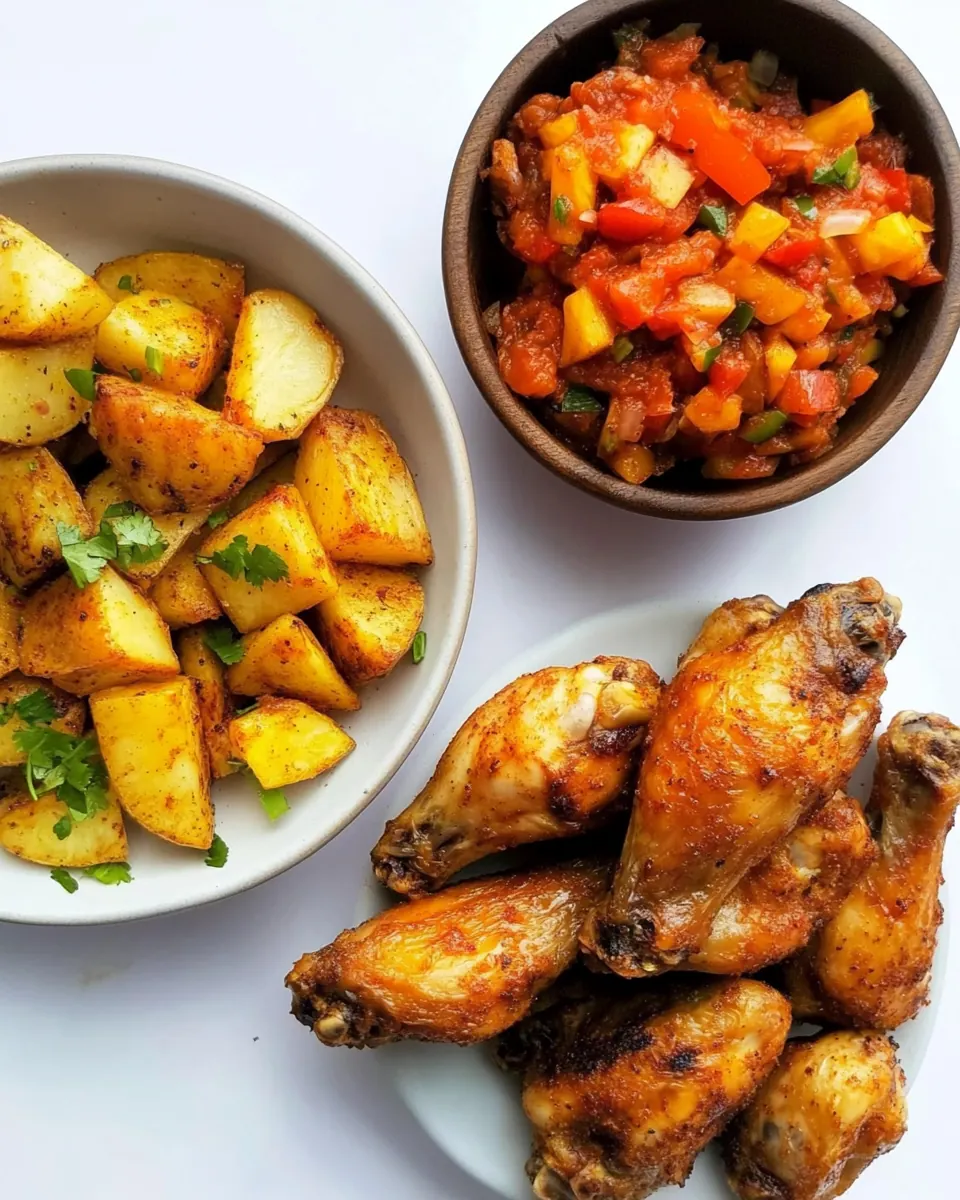
These steps are straightforward, and I like to move confidently from prepping to baking so the wings spend minimal idle time. Read through each step before you start, and prepare your baking sheet so you can transfer the wings quickly. The oven work is where the magic happens, so keep an eye on color and aroma.
- Preheat the oven to 400°F (207°C). In the meantime, add the A 1 sauce, honey, salt, and cayenne pepper to the chicken wings. Stir to combine well.: As the oven comes up to temperature you will notice the kitchen warming and the metallic hum of the preheat cycle, signals that the environment is ready for crisping. Preheating ensures the skin begins rendering fat immediately, producing a crisper surface and better browning. If you skip full preheating, the wings can cook unevenly and remain rubbery, so always wait until the oven indicates it is at the proper heat. A common mistake at this stage is placing cold wings into a lukewarm oven, which delays browning and affects texture.
- Transfer the chicken to a baking sheet lined with parchment paper, arranging them in a single layer. Spoon the remaining marinade sauce over each chicken wing.: The aroma will become a mix of sweet and tangy notes as the sauce meets the raw chicken . Combining the sauce with the wings early helps the flavors adhere, and the honey begins to coat the skin, which promotes caramelization. Gently toss to coat evenly so every piece gets seasoned. Over-mixing aggressively can tear the skin, so handle the wings with care. One mistake is undercoating, which leads to uneven flavor pockets.
- Bake the chicken wings in the oven for 30 minutes, or until the surface is crispy and browned. Remove from the oven and serve immediately with your favorite dipping sauce.: When you stir the wings the glaze should look glossy and slightly thick, clinging to the surfaces rather than pooling heavily. This visual cue tells you the coating will form a sticky, caramelized layer in the oven. Stirring also helps distribute the heat carrying spices. If the mixture seems watery, give it a minute to settle, and pat the wings dry before tossing next time to improve adhesion. Avoid leaving large puddles of sauce on the tray, which can burn.
- Transfer the chicken to a baking sheet lined with parchment paper, arranging them in a single layer: As you place each piece onto the tray you will hear a soft scrape, and seeing space between pieces is crucial so hot air can circulate. A single layer prevents steaming and ensures surfaces get direct heat for crisping. Parchment makes cleanup simpler and prevents sticking. Crowding the pan is a common error, and it leads to soggy spots where wings steam instead of roast.
- Spoon the remaining marinade sauce over each chicken wing: The glaze should be used to baste so each wing has a glossy finish that will caramelize under the heat. Apply a modest amount to avoid excess drips, and aim for an even shine across pieces. The immediate visual should be a uniform sheen that promises sticky, flavorful skin. One pitfall is over-saucing which creates a sugary mess on the tray that can char quickly.
- Bake the chicken wings in the oven for 30 minutes, or until the surface is crispy and browned: During baking you will notice the aroma deepen into roasted, slightly sweet notes, and the surface will change from pale to golden to a deeper brown. The sound is subtle, a quiet sizzle as the skin renders. This step is crucial for texture, because the sustained heat transforms the glaze into a slightly sticky crust while sealing juices inside. A common troubleshooting tip is to rotate the tray halfway through if your oven has hot spots, ensuring even browning. If the wings seem pale at 30 minutes, increase the time slightly but watch closely to prevent burning.
- Remove from the oven and serve immediately with your favorite dipping sauce: Once out of the oven the wings will offer a warm, fragrant steam and a glossy exterior that gives a slight tack when touched. Serving right away preserves the crisp contrast between skin and meat, and the flavor pops brightest when warm. If you wait too long, the skin can soften as steam accumulates, so plan plating so guests can dig in quickly. A frequent mistake is letting the wings sit on the tray too long, which leads to sogginess from leftover juices.
Recipe Variations about Baked Chicken Wings
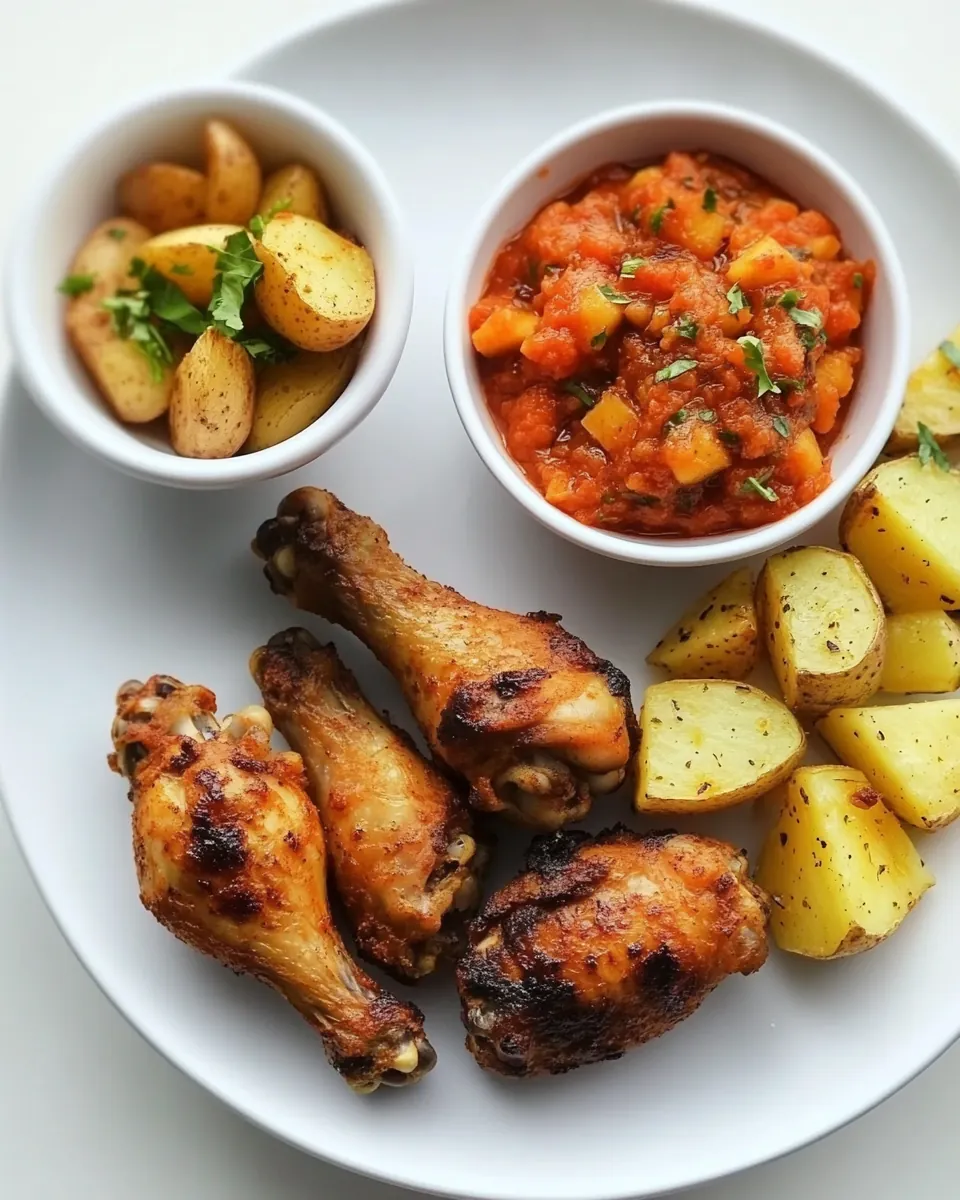
I like to experiment with slight adjustments to the sauce and heat level to match the mood of the meal. Small swaps change the personality of the wings without complicating the process, so these variations keep things interesting.
- Extra Heat: Increase the cayenne to taste for a bolder, spicier finish that enhances the savory notes of the steak sauce.
- Less Sweet: Reduce the honey slightly to let the tang of the steak sauce shine through if you prefer a less sugary glaze.
- Sticky Finish: Brush an extra light coat of honey in the last five minutes of baking to build a thicker, tackier glaze that clings to the skin.
- Crispier Skin: Pat the wings thoroughly dry before saucing and consider a brief increase in temperature for the final few minutes to intensify browning.
- Milder Version: Cut the cayenne in half for a gentler warmth, making these wings more approachable for all ages.
Serve This Baked Chicken Wings With
These wings are versatile at the table, and how you present them can change the whole vibe of the meal. I like to offer a few simple accompaniments so guests can tailor each bite. Keep sides straightforward so the wings remain the focus.
- Casual platter: Arrange the wings on a large board with disposable napkins, making it easy for people to graze at a party.
- Weeknight meal: Pair with simple roasted vegetables or a crisp salad to balance the sticky, savory wings for a quick dinner.
- Game day: Serve alongside crunchy cut vegetables and a cooling dip to offset the warm spice and give variety of textures.
- Storage tips: Refrigerate leftovers in an airtight container and reheat in a hot oven to restore some crispness rather than microwaving which can soften the skin.
- Seasonal pairing: These wings work year round, but I especially enjoy them at outdoor gatherings or casual winter evenings when bold flavors are welcome.
FAQ
Conclusion
These Baked Chicken Wings stand out because they transform simple pantry staples into sticky, savory bites with minimal effort. The combination of steak sauce, honey, and a touch of cayenne creates a balanced glaze that crisps beautifully in the oven. Give them a try the next time you need an easy crowd pleaser or a satisfying weeknight plate, and notice how a small list of ingredients can produce big flavor. Share them with friends or keep them all to yourself, either way they are a reliably delicious choice.
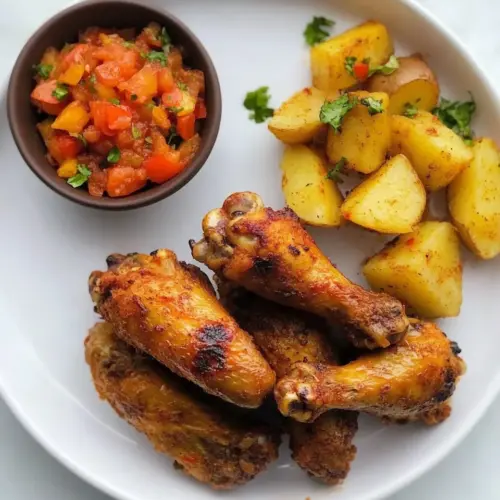
Baked Chicken Wings
Equipment
- Oven
- Baking Sheet
- Parchment Paper
Ingredients
- 1 1/2 lb (750 g) chicken wings, drummettes and wingettes Provide savory, meaty base and texture to the dish; use drummettes and wingettes for a mix of dark and white meat that crisps well when baked. Pat wings dry before seasoning to promote even browning and reduce steaming. Arrange in a single layer on a baking sheet to ensure consistent cooking and crispy skin.
- 2 tablespoons A1 Steak Sauce, Original Add tangy, savory-sweet complexity and umami depth to the coating; A1 Steak Sauce helps build a rich glaze that complements the chicken. Mix thoroughly with other liquids to create an even coating and brush on during the final minutes of baking for a sticky finish.
- 2 tablespoons honey Contribute sweetness and help form a glossy, caramelized glaze when heated; honey balances the tang of steak sauce and the heat from cayenne. Warm slightly before mixing if needed to combine smoothly, and apply in thin layers to avoid burning during baking.
- 1/2 teaspoons salt Season the wings to enhance natural flavors and control overall saltiness; use measured salt to avoid over-seasoning given the concentrated flavors from sauce and honey. Dissolve into wet ingredients or sprinkle evenly to ensure balanced taste across all pieces.
- 3 dashes cayenne pepper Provide focused heat and a touch of smoky spice to lift the glaze; use cayenne sparingly to achieve desired heat without overpowering other flavors. Dash evenly and taste-adjust for spice sensitivity, remembering that heat intensifies slightly when concentrated in a sticky glaze.
Instructions
- Preheat the oven to 400°F (207°C). In the meantime, add the A 1 sauce, honey, salt, and cayenne pepper to the chicken wings. Stir to combine well.: As the oven comes up to temperature you will notice the kitchen warming and the metallic hum of the preheat cycle, signals that the environment is ready for crisping. Preheating ensures the skin begins rendering fat immediately, producing a crisper surface and better browning. If you skip full preheating, the wings can cook unevenly and remain rubbery, so always wait until the oven indicates it is at the proper heat. A common mistake at this stage is placing cold wings into a lukewarm oven, which delays browning and affects texture.
- Transfer the chicken to a baking sheet lined with parchment paper, arranging them in a single layer. Spoon the remaining marinade sauce over each chicken wing.: The aroma will become a mix of sweet and tangy notes as the sauce meets the raw chicken . Combining the sauce with the wings early helps the flavors adhere, and the honey begins to coat the skin, which promotes caramelization. Gently toss to coat evenly so every piece gets seasoned. Over-mixing aggressively can tear the skin, so handle the wings with care. One mistake is undercoating, which leads to uneven flavor pockets.
- Bake the chicken wings in the oven for 30 minutes, or until the surface is crispy and browned. Remove from the oven and serve immediately with your favorite dipping sauce.: When you stir the wings the glaze should look glossy and slightly thick, clinging to the surfaces rather than pooling heavily. This visual cue tells you the coating will form a sticky, caramelized layer in the oven. Stirring also helps distribute the heat carrying spices. If the mixture seems watery, give it a minute to settle, and pat the wings dry before tossing next time to improve adhesion. Avoid leaving large puddles of sauce on the tray, which can burn.
- Transfer the chicken to a baking sheet lined with parchment paper, arranging them in a single layer: As you place each piece onto the tray you will hear a soft scrape, and seeing space between pieces is crucial so hot air can circulate. A single layer prevents steaming and ensures surfaces get direct heat for crisping. Parchment makes cleanup simpler and prevents sticking. Crowding the pan is a common error, and it leads to soggy spots where wings steam instead of roast.
- Spoon the remaining marinade sauce over each chicken wing: The glaze should be used to baste so each wing has a glossy finish that will caramelize under the heat. Apply a modest amount to avoid excess drips, and aim for an even shine across pieces. The immediate visual should be a uniform sheen that promises sticky, flavorful skin. One pitfall is over-saucing which creates a sugary mess on the tray that can char quickly.
- Bake the chicken wings in the oven for 30 minutes, or until the surface is crispy and browned: During baking you will notice the aroma deepen into roasted, slightly sweet notes, and the surface will change from pale to golden to a deeper brown. The sound is subtle, a quiet sizzle as the skin renders. This step is crucial for texture, because the sustained heat transforms the glaze into a slightly sticky crust while sealing juices inside. A common troubleshooting tip is to rotate the tray halfway through if your oven has hot spots, ensuring even browning. If the wings seem pale at 30 minutes, increase the time slightly but watch closely to prevent burning.
- Remove from the oven and serve immediately with your favorite dipping sauce: Once out of the oven the wings will offer a warm, fragrant steam and a glossy exterior that gives a slight tack when touched. Serving right away preserves the crisp contrast between skin and meat, and the flavor pops brightest when warm. If you wait too long, the skin can soften as steam accumulates, so plan plating so guests can dig in quickly. A frequent mistake is letting the wings sit on the tray too long, which leads to sogginess from leftover juices.
Notes
- Extra Heat: Increase the cayenne to taste for a bolder, spicier finish that enhances the savory notes of the steak sauce.
- Less Sweet: Reduce the honey slightly to let the tang of the steak sauce shine through if you prefer a less sugary glaze.
- Sticky Finish: Brush an extra light coat of honey in the last five minutes of baking to build a thicker, tackier glaze that clings to the skin.
- Crispier Skin: Pat the wings thoroughly dry before saucing and consider a brief increase in temperature for the final few minutes to intensify browning.
- Milder Version: Cut the cayenne in half for a gentler warmth, making these wings more approachable for all ages.