Easy Canned Mandarin Orange Cake
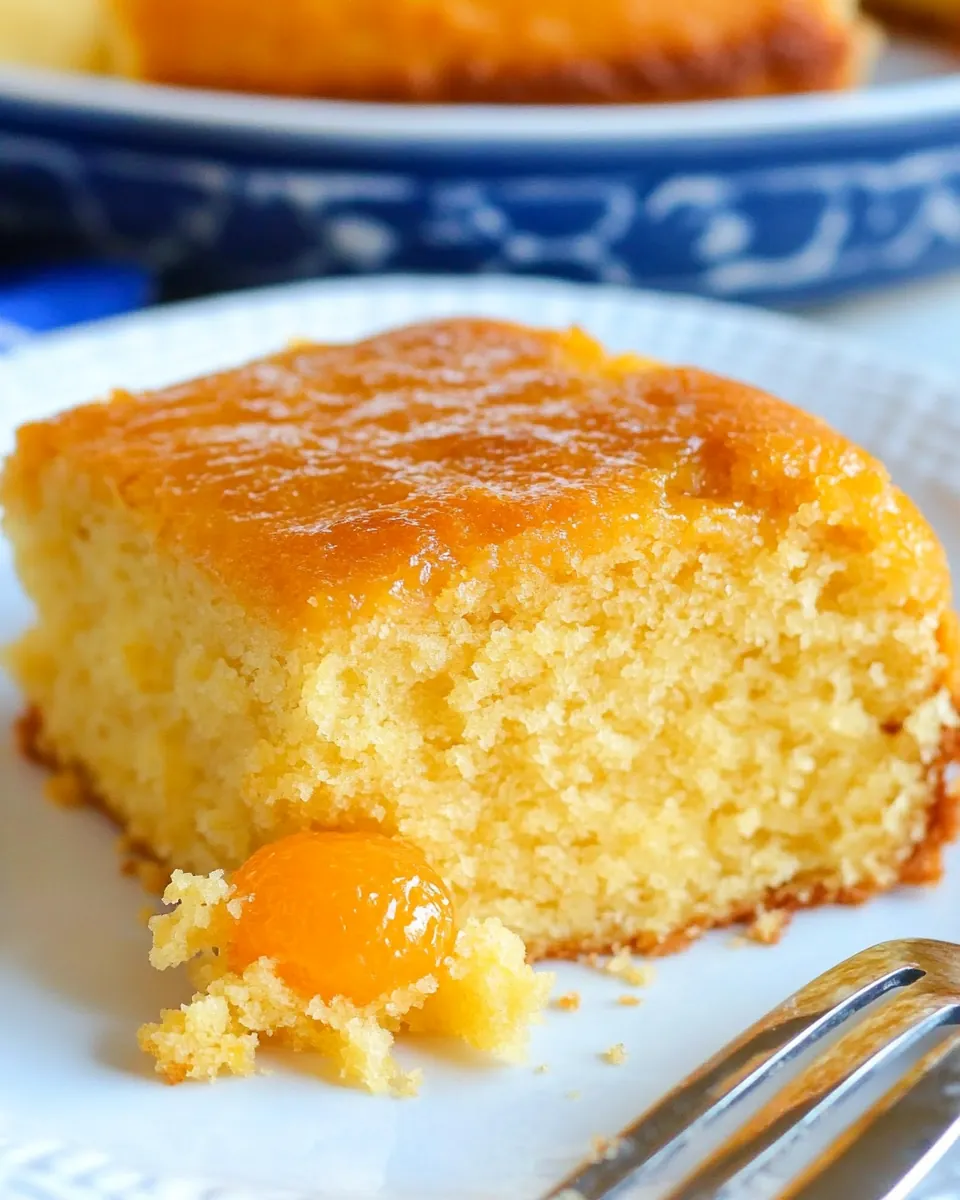
Easy Canned Mandarin Orange Cake has been a comfort dessert in my kitchen for years, the kind of recipe I reach for when I want something bright, nostalgic, and unfussy. The first time I made it, I was chasing a memory of a church potluck cake my aunt used to bring, and the moment I cut into that tender crumb studded with soft mandarin oranges I was instantly transported. It is playful, approachable, and surprisingly elegant for such simple components.
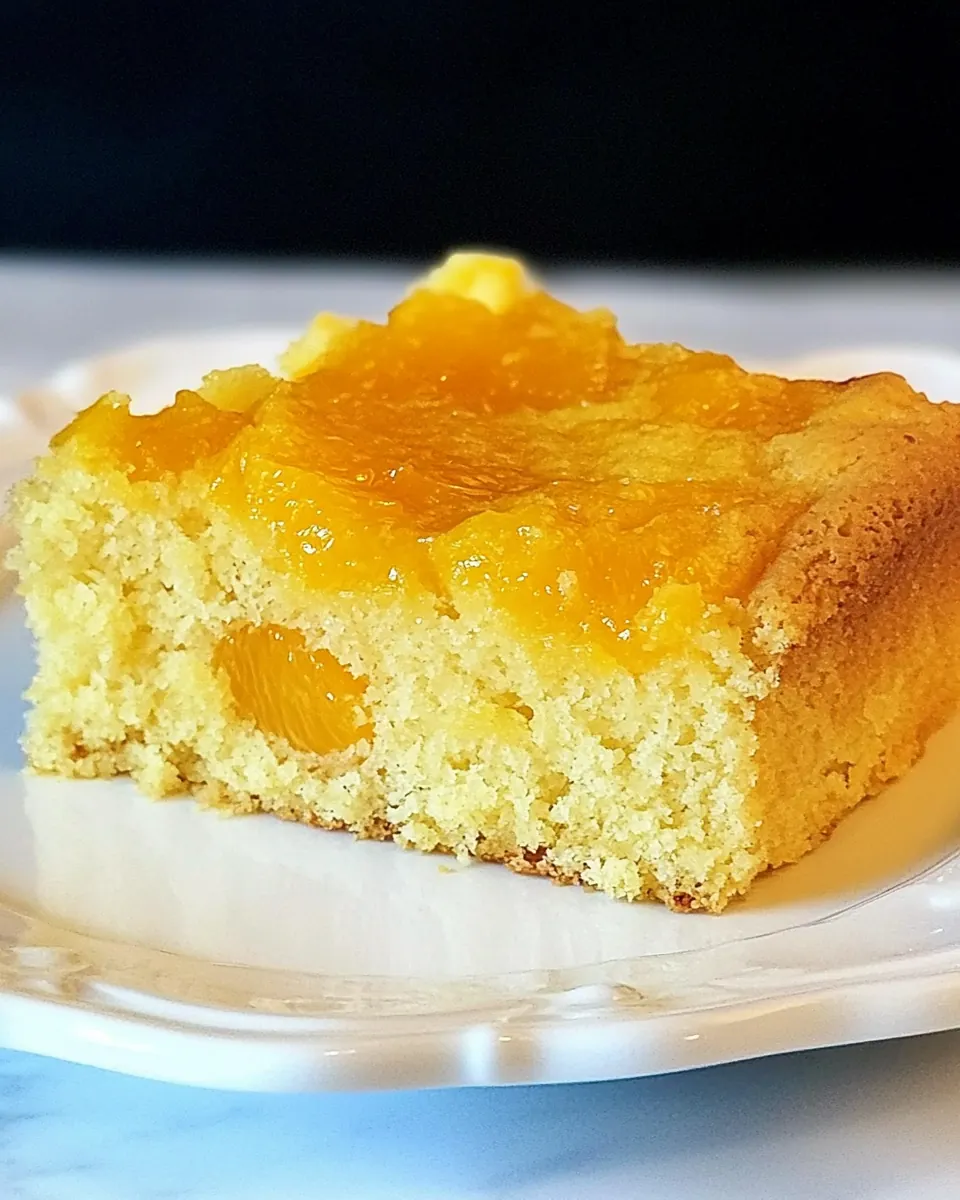
Over time I learned little tricks to coax the best texture from the mix of boxed and fresh pantry items. I love how the canned mandarin oranges lend a juicy pop, while the crushed pineapple folded into the pudding mixture creates a glossy, tropical topping that keeps the cake moist. Friends always ask how something so easy can taste so layered, and I tell them it is all about balance, timing, and not overworking the batter.
I usually bring this Easy Canned Mandarin Orange Cake to summer gatherings, potlucks, and holiday brunches because it travels well and stays fresh refrigerated. When I slice it, the aroma of citrus and vanilla drifts through the room and people inevitably gather. There is something comfortingly retro about it, yet it feels modern because of its bright fruit notes and cool, creamy top layer.
Recipe Snapshot
40 mins
10 mins
30 mins
Medium
250 kcal
American
Whole30, Gluten-Free
Desserts
9×13 inch pan, Mixing bowl, Spatula, Oven
Why We Love This Easy Canned Mandarin Orange Cake
Bright, Approachable Flavor
I adore this cake because the combination of canned mandarin oranges and crushed pineapple creates a lively flavor profile without any fuss. The citrus cuts through the richness of the cake, so each bite feels fresh and balanced. I find guests keep coming back for more because it tastes like summer, even when served in colder months.
Speed and Simplicity
One of the greatest points in its favor is how fast it comes together. Using a box of yellow cake mix and simple pantry staples lets me assemble the batter in minutes. I like having a reliable dessert that does not demand special techniques or rare ingredients, especially when I am short on time or feeding a crowd.
Reliably Moist Texture
The trick of keeping the fruit juices in the batter, and folding the crushed pineapple into the pudding topping, yields a moist finished cake. I always let the cake cool thoroughly before spreading the topping so the texture stays light and creamy. This method prevents a soggy cake while preserving tenderness.
Versatile for Occasions
I serve this cake for casual family dinners, festive celebrations, and potlucks because it fits many table styles. It looks bright on a dessert table and pairs well with coffee or tea, making it a crowd pleaser. I appreciate having a go to dessert that suits both relaxed and slightly dressed up gatherings.
Kid Friendly and Nostalgic
There is a nostalgic charm that kids and grown ups both respond to. The gooey, whipped topping and soft, fruity cake remind many of simpler times. I enjoy watching kids light up at the bright color and playful texture, which makes me return to this recipe again and again.
What’s In This Easy Canned Mandarin Orange Cake

These ingredients are a mix of pantry staples and convenient canned fruit that work together to create a tender, fruity cake with a creamy topping. The yellow cake mix provides a reliable structure, the canned mandarin oranges add bursts of citrus, and the instant pudding and Cool Whip form a silky, stable topping. Each element plays a clear role, keeping the cake simple yet flavorful.
- 1 box (15.25 ounces) yellow cake mix: Provides a sweet, structured base for the cake and supplies the primary dry mix of flour, sugar, and leaveners that create texture and rise when combined with wet ingredients.
- 1/3 cup all-purpose flour: Adds extra body and helps absorb moisture to stabilize the batter, contributing to a tender crumb and preventing an overly dense result in the finished cake.
- 4 eggs: Adds richness and acts as a binding and leavening aid when beaten into the batter, contributing to structure, moisture, and a slightly richer flavor profile.
- 1/2 cup vegetable oil: Contributes fat and moisture to the cake batter, promoting tenderness, a moist mouthfeel, and helping to emulsify the mixture for even baking.
- 1 can (11 ounces) mandarin oranges: Provides citrusy sweetness and moisture with little added prep; drained or lightly chopped segments add bursts of flavor and bright acidity to balance sweetness.
- 1 can (20 ounces) crushed pineapple: Adds additional fruity moisture, sweetness, and a tropical tang while contributing texture and juiciness that keep the cake moist and flavorful after baking.
- 1 box (3.4 ounces) instant vanilla pudding: Introduce thick, creamy vanilla flavor and additional structure to the batter; instant pudding mix helps set a denser, more tender crumb and enhances overall richness.
- 10 ounces Cool Whip: Provides whipped cream-like lightness and a cool, creamy topping or filling; adds smooth sweetness and a fluffy finish that complements the fruity cake layers.
Easy Canned Mandarin Orange Cake Instructions
I find the technique for this cake straightforward, but the small details matter. Follow the steps in order and pay attention to visual and sensory cues, like batter texture and the coolness of the cake before frosting. Read each step fully so you can anticipate what the cake needs at every stage.
- Preheat the oven to 350°F. Grease and flour a 9×13-inch pan.: The oven should feel steady and evenly warm when you open it, with a circulated heat that gives the cake consistent rise. You'll notice a faint dry warmth and a gentle hum from the heating elements. Achieving an accurate oven temperature ensures the cake bakes through without drying out, and I recommend using an oven thermometer if yours runs hot or cool. A common mistake is to set the oven too high and bake too quickly, which can cause the outside to set before the center is done, leaving a gummy interior.
- Mix together the cake mix, flour, eggs, oil, and mandarin oranges (with the juice).: When you run your fingers over the prepared pan, it should feel evenly coated but not pooling with oil, so the batter releases cleanly after baking. Dusting with flour adds a fine nonstick layer that prevents the bottom from clinging, especially with such a moist cake. Tap out excess flour to avoid floury spots on the cake surface. Avoid skipping this step, or the cake can stick and tear during removal.
- Pour the batter into the prepared pan.: As you stir, the batter will transform from a dry mix to a glossy, slightly thick texture dotted with soft mandarin oranges . The juice loosens the batter and infuses citrus notes, and you can hear the gentle slosh as the mixer works. Mixing just until the ingredients are combined prevents overdevelopment of gluten, which keeps the cake tender. Overmixing is a frequent pitfall that yields a tougher crumb, so stop when streaks disappear.
- Bake for 30 minutes or until done.: The batter should pour in smoothly and settle into an even layer, with visible bits of mandarin orange distributed throughout. Use a spatula to nudge the batter into corners and level the top for even baking. The visual cue of a uniformly spread surface helps the cake bake at the same rate across the pan. Pressing or shaking the pan too vigorously can cause uneven pockets, so handle it gently.
- Let the cake cool completely.: During baking you will notice the aromas of warm sugar and citrus emerging, and the top should turn a light golden color with a springy, slightly set surface. A toothpick inserted in the center should come out mostly clean or with a few moist crumbs, indicating doneness. If you underbake it, the center will be gummy, so err on the side of checking a few minutes past the shorter time. Opening the oven repeatedly can lower the temperature and lead to uneven rise, so check near the end of the time.
- Mix together the pineapple (with the juice), pudding powder, and Cool Whip.: Cooling allows the crumb to set and prevents the topping from melting when applied. As it cools, the cake will release a warm, fruity perfume and the texture will firm slightly. I leave it on a rack until it reaches room temperature, ensuring even air circulation. Frosting too soon is a common mistake that results in runoff and a weepy topping, so be patient and test the center with a fingertip for coolness.
- Spread the frosting over the cooled cake.: The mixture should be glossy and slightly thick, with the aroma of pineapple and vanilla from the pudding. Stirring transforms the powder into a creamy binder that stabilizes the Cool Whip , creating a scoopable frosting. If the mixture appears too loose, a short chill will help it firm up. Adding a lot of extra syrupy juice can make this runny, so drain slightly if needed to avoid a sloppy topping.
- Keep the cake refrigerated.: Use a spatula to glide the topping across the surface in smooth motions, leaving an even layer that hides the cake beneath. The Cool Whip topping should look silky and pale, with chunks of fruit visible for texture. Chill the cake after frosting to set the topping firmly before slicing. Slicing while the topping is warm or unset can smear the topping and make slices messy, so keep it chilled.
- Keep the cake refrigerated: Refrigeration preserves the creamy topping and keeps the cake moist, with the cool air preventing spoilage of the canned fruit components. You'll notice the cake becomes slightly firmer and easier to slice after a few hours in the fridge. Store it covered to prevent absorption of other fridge odors. Leaving it out too long will soften the topping and may encourage bacterial growth, so always refrigerate between servings.
Recipe Tips about Easy Canned Mandarin Orange Cake

I like to keep these tips handy when I make this cake, they help it turn out reliably every time and save me from common mishaps. Read through them before you start assembling ingredients so you know what to watch for during mixing and baking.
- Choose the right cake mix – Pick a standard yellow cake mix that you trust because the box forms the structural base and affects final texture. Different brands vary slightly in sweetness and density, so using one you have baked with before reduces surprises.
- Mind the fruit syrup – If your canned mandarin oranges or crushed pineapple come in heavy syrup, consider draining a small portion of the liquid to prevent excess moisture in the batter and topping. A very wet mixture can extend bake time and make the topping loose.
- Don’t overmix the batter – Stir just until combined to keep the cake tender; overmixing develops gluten and can make the crumb firmer than intended. A few streaks of flour disappearing is the cue I use to stop mixing.
- Test for doneness properly – Use a toothpick in the center and look for mostly clean results with a few moist crumbs, not raw batter. This helps avoid the common mistake of underbaking which leaves the middle gummy.
- Chill before slicing – Refrigerate the frosted cake for at least an hour so the topping firms and slices come out clean. This also allows flavors to meld, improving the overall taste.
Great Combinations for Easy Canned Mandarin Orange Cake
This cake pairs well with simple accompaniments and suits many occasions. Below are thoughtful serving ideas, storage tips, and pairings to help you present it beautifully whether for a weekday dessert or a festive gathering.
- Serve with hot beverages – Pair slices with freshly brewed coffee or a bright herbal tea to balance the cake sweetness and highlight the citrus notes; it makes a lovely after dinner offering or brunch dessert.
- Family gatherings – This cake is ideal for potlucks or family get togethers because it feeds many and slices easily for a crowd; bring it chilled and store it covered on arrival to keep it fresh.
- Storage tips – Keep the cake in an airtight container in the refrigerator for up to four days to maintain topping texture and moisture; freeze individual slices wrapped tightly for up to one month.
- Seasonal occasions – Serve during warmer months when citrus feels seasonal, or include it on holiday dessert tables as a lighter option amid richer sweets; its bright flavor provides welcome contrast.
- Presentation idea – Garnish with a few reserved mandarin oranges on top of slices right before serving to add visual appeal and an extra burst of freshness.
FAQ
Conclusion
This cake stands out because it combines pantry simplicity with bright, nostalgic fruit flavors in a single, easy recipe. It is an approachable dessert that offers a tender crumb, juicy fruit pockets, and a silky, tropical topping that appeals to many palates. I encourage you to give it a try at your next gathering or a relaxed weeknight treat, because its ease and crowd friendly nature make it a comforting, practical choice. You might be surprised at how often you reach for this one when you want a reliable, cheerful dessert.
Easy Canned Mandarin Orange Cake
Equipment
- 9×13-inch pan
- Mixing Bowl
- Spatula
- Oven
Ingredients
- 1 box (15.25 ounces) yellow cake mix Provides a sweet, structured base for the cake and supplies the primary dry mix of flour, sugar, and leaveners that create texture and rise when combined with wet ingredients.
- 1/3 cup all-purpose flour Adds extra body and helps absorb moisture to stabilize the batter, contributing to a tender crumb and preventing an overly dense result in the finished cake.
- 4 eggs Adds richness and acts as a binding and leavening aid when beaten into the batter, contributing to structure, moisture, and a slightly richer flavor profile.
- 1/2 cup vegetable oil Contributes fat and moisture to the cake batter, promoting tenderness, a moist mouthfeel, and helping to emulsify the mixture for even baking.
- 1 can (11 ounces) mandarin oranges Provides citrusy sweetness and moisture with little added prep; drained or lightly chopped segments add bursts of flavor and bright acidity to balance sweetness.
- 1 can (20 ounces) crushed pineapple Adds additional fruity moisture, sweetness, and a tropical tang while contributing texture and juiciness that keep the cake moist and flavorful after baking.
- 1 box (3.4 ounces) instant vanilla pudding Introduce thick, creamy vanilla flavor and additional structure to the batter; instant pudding mix helps set a denser, more tender crumb and enhances overall richness.
- 10 ounces Cool Whip Provides whipped cream-like lightness and a cool, creamy topping or filling; adds smooth sweetness and a fluffy finish that complements the fruity cake layers.
Instructions
- Preheat the oven to 350°F. Grease and flour a 9×13-inch pan.: The oven should feel steady and evenly warm when you open it, with a circulated heat that gives the cake consistent rise. You'll notice a faint dry warmth and a gentle hum from the heating elements. Achieving an accurate oven temperature ensures the cake bakes through without drying out, and I recommend using an oven thermometer if yours runs hot or cool. A common mistake is to set the oven too high and bake too quickly, which can cause the outside to set before the center is done, leaving a gummy interior.
- Mix together the cake mix, flour, eggs, oil, and mandarin oranges (with the juice).: When you run your fingers over the prepared pan, it should feel evenly coated but not pooling with oil, so the batter releases cleanly after baking. Dusting with flour adds a fine nonstick layer that prevents the bottom from clinging, especially with such a moist cake. Tap out excess flour to avoid floury spots on the cake surface. Avoid skipping this step, or the cake can stick and tear during removal.
- Pour the batter into the prepared pan.: As you stir, the batter will transform from a dry mix to a glossy, slightly thick texture dotted with soft mandarin oranges . The juice loosens the batter and infuses citrus notes, and you can hear the gentle slosh as the mixer works. Mixing just until the ingredients are combined prevents overdevelopment of gluten, which keeps the cake tender. Overmixing is a frequent pitfall that yields a tougher crumb, so stop when streaks disappear.
- Bake for 30 minutes or until done.: The batter should pour in smoothly and settle into an even layer, with visible bits of mandarin orange distributed throughout. Use a spatula to nudge the batter into corners and level the top for even baking. The visual cue of a uniformly spread surface helps the cake bake at the same rate across the pan. Pressing or shaking the pan too vigorously can cause uneven pockets, so handle it gently.
- Let the cake cool completely.: During baking you will notice the aromas of warm sugar and citrus emerging, and the top should turn a light golden color with a springy, slightly set surface. A toothpick inserted in the center should come out mostly clean or with a few moist crumbs, indicating doneness. If you underbake it, the center will be gummy, so err on the side of checking a few minutes past the shorter time. Opening the oven repeatedly can lower the temperature and lead to uneven rise, so check near the end of the time.
- Mix together the pineapple (with the juice), pudding powder, and Cool Whip.: Cooling allows the crumb to set and prevents the topping from melting when applied. As it cools, the cake will release a warm, fruity perfume and the texture will firm slightly. I leave it on a rack until it reaches room temperature, ensuring even air circulation. Frosting too soon is a common mistake that results in runoff and a weepy topping, so be patient and test the center with a fingertip for coolness.
- Spread the frosting over the cooled cake.: The mixture should be glossy and slightly thick, with the aroma of pineapple and vanilla from the pudding. Stirring transforms the powder into a creamy binder that stabilizes the Cool Whip , creating a scoopable frosting. If the mixture appears too loose, a short chill will help it firm up. Adding a lot of extra syrupy juice can make this runny, so drain slightly if needed to avoid a sloppy topping.
- Keep the cake refrigerated.: Use a spatula to glide the topping across the surface in smooth motions, leaving an even layer that hides the cake beneath. The Cool Whip topping should look silky and pale, with chunks of fruit visible for texture. Chill the cake after frosting to set the topping firmly before slicing. Slicing while the topping is warm or unset can smear the topping and make slices messy, so keep it chilled.
- Keep the cake refrigerated: Refrigeration preserves the creamy topping and keeps the cake moist, with the cool air preventing spoilage of the canned fruit components. You'll notice the cake becomes slightly firmer and easier to slice after a few hours in the fridge. Store it covered to prevent absorption of other fridge odors. Leaving it out too long will soften the topping and may encourage bacterial growth, so always refrigerate between servings.
Notes
- Choose the right cake mix - Pick a standard yellow cake mix that you trust because the box forms the structural base and affects final texture. Different brands vary slightly in sweetness and density, so using one you have baked with before reduces surprises.
- Mind the fruit syrup - If your canned mandarin oranges or crushed pineapple come in heavy syrup, consider draining a small portion of the liquid to prevent excess moisture in the batter and topping. A very wet mixture can extend bake time and make the topping loose.
- Don’t overmix the batter - Stir just until combined to keep the cake tender; overmixing develops gluten and can make the crumb firmer than intended. A few streaks of flour disappearing is the cue I use to stop mixing.
- Test for doneness properly - Use a toothpick in the center and look for mostly clean results with a few moist crumbs, not raw batter. This helps avoid the common mistake of underbaking which leaves the middle gummy.
- Chill before slicing - Refrigerate the frosted cake for at least an hour so the topping firms and slices come out clean. This also allows flavors to meld, improving the overall taste.
