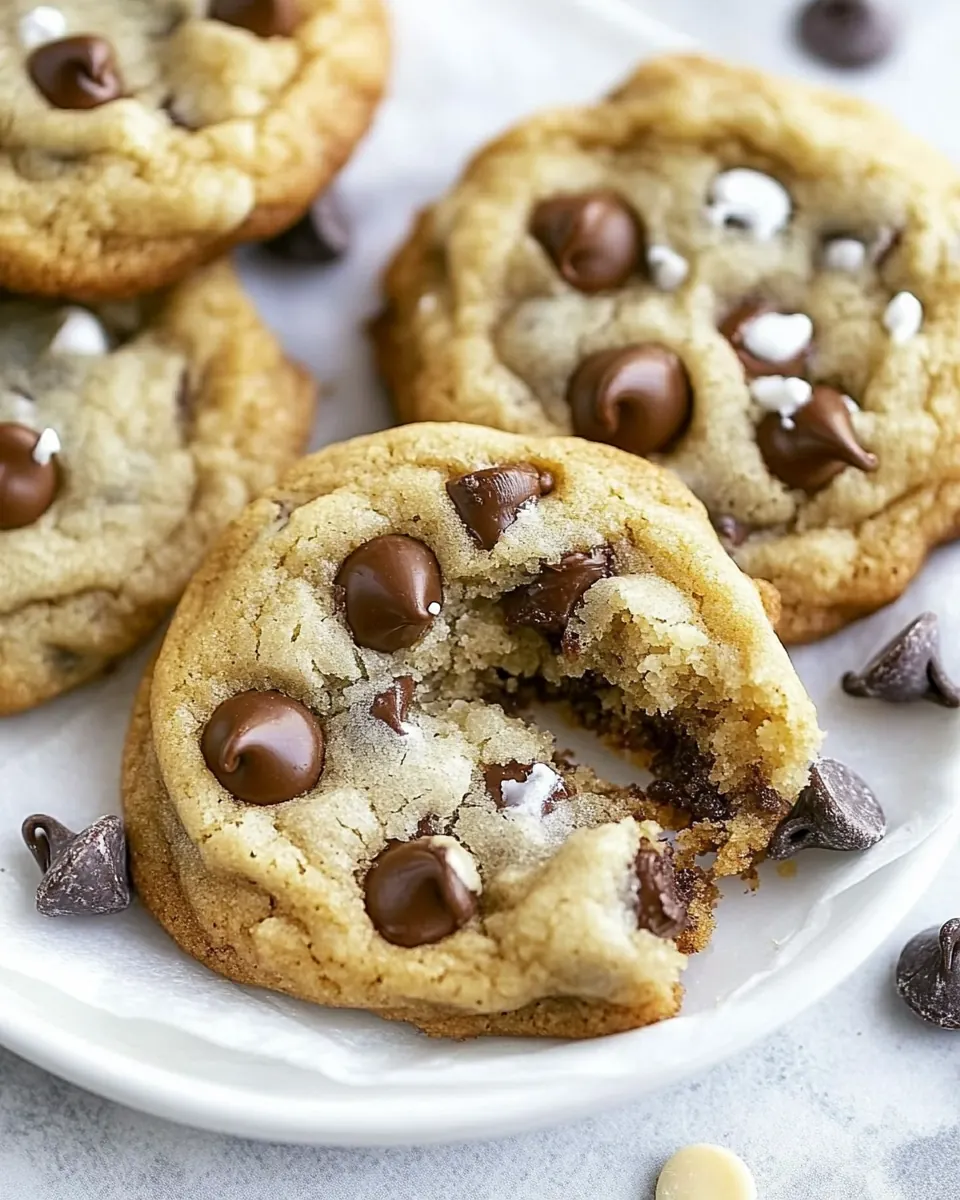
The Best Chocolate Chip Cookies
The Best Chocolate Chip Cookies came into my life on a rainy Saturday when I needed something warm, reliable, and purely comforting. I had an urge for something classic, so I dusted off a battered recipe card and set out to bake cookies that would disappear while still warm, sticky with melting chocolate. That first batch curled at the edges and stayed soft in the center, and from that day forward I kept returning to this version whenever I wanted a little instant joy.
Over the years I have tweaked measurements and timing until the texture hit a sweet spot I love, chewy and slightly crisp at the edges, soft in the middle. Baking these feels like a small ritual, from measuring the 1 cup unsalted butter to hearing the tiny crackle as the cookies cool on the sheet. I enjoy pressing a few extra 2 cups semi sweet chocolate chips on top right after they come out of the oven to get that bakery look, and a tiny sprinkle of flaky salt lifts the flavors in a way that keeps everyone reaching for more.
Recipe Snapshot
25 mins
15 mins
10 mins
Easy
150 kcal
American
Gluten-Free, Low FODMAP
Desserts
Equipment, 1, cookie scoop
Why This The Best Chocolate Chip Cookies Hits Different
Reliable Texture Every Time
I love that The Best Chocolate Chip Cookies consistently delivers a chewy center and crisp edge, because I tuned each element to support that outcome. The balance of 3 cups all purpose flour and the right sugar ratio gives structure without stiffness, and the cold but slightly soft 1 cup unsalted butter creates pockets of steam that puff then settle for the perfect bite.
Familiar Yet Elevated Flavor
When I eat these cookies I notice the toasty notes from the browned butter hints and the complex caramel sweetness from the 1 cup light brown sugar. I also appreciate how a little 1/2 teaspoon fine sea salt in the dough, plus a tiny flake at the finish, brings out contrasts that taste grown up while keeping the cookie nostalgic.
Simple Ingredients, Big Impact
I like recipes that don’t hide behind hard to find items, and this one uses pantry staples like 1 cup white sugar and 2 large eggs. That simplicity means I can pull these together on short notice and they still feel like something special, because the technique matters more than the number of ingredients.
Adaptable to Your Preferences
I often vary the chip ratio, and the recipe easily scales if I want more cookies for a party. The dough handles mixing well and responds to small adjustments in baking time, so whether you prefer softer centers or crisper edges, you can dial it in and know why each change works.
Fun, Hands On Baking Experience
Baking these is tactile and satisfying, from creaming the butter and sugars to scooping uniform dough balls with a cookie scoop. I enjoy the little rituals that make baking feel like something more than a task, and sharing warm cookies never fails to lift spirits.
What to Buy for The Best Chocolate Chip Cookies
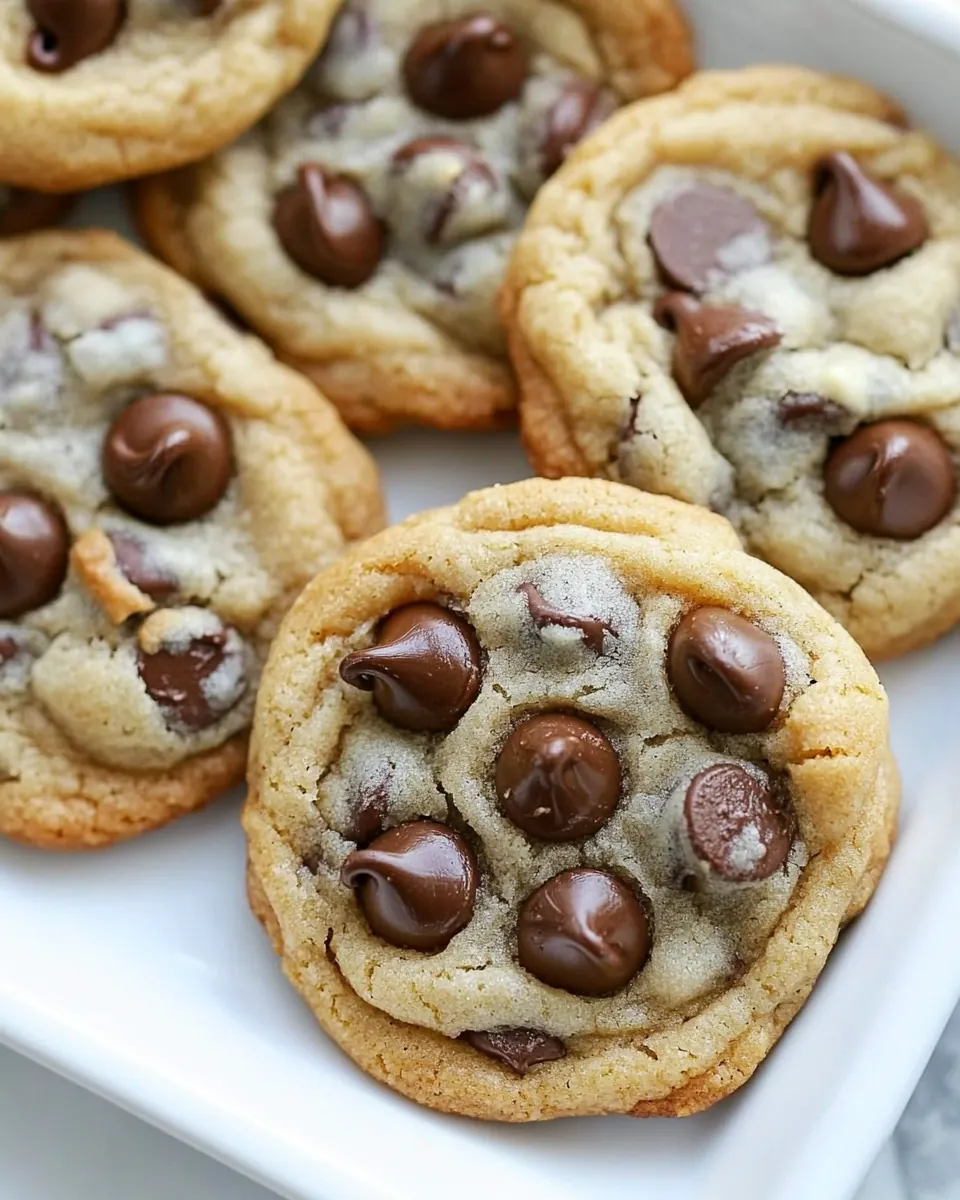
These ingredients are the framework for a classic cookie that balances chew and crispness. The key players are the flours and leaveners that give structure, the sugars that shape texture and flavor, the butter that creates richness, and the chocolate chips that provide melting pockets of joy. Each item has a role, and together they produce a cookie that feels both homey and a little special.
- 3 cups all-purpose flour: Provides the structural base for the cookie dough by supplying gluten and bulk; measure accurately for consistent texture. Balances moisture absorption from wet ingredients and helps the dough hold together during mixing and baking. Sift or spoon into the cup for even distribution and to avoid dense cookies.
- 1 teaspoon baking soda: Leavens the dough by reacting with acidic components and helps create lift and spread control during baking. Activates quickly when combined with wet ingredients, contributing to lighter, slightly airy centers. Use measured amount to avoid metallic or soapy aftertaste.
- 1/2 teaspoon baking powder: Adds a secondary leavening boost that works with baking soda to fine-tune rise and tenderness; contributes to a slightly finer crumb. Helps regulate the rate of rise so edges set while centers remain soft. Use sparingly to prevent excessive puffing.
- 1/2 teaspoon fine sea salt: Enhances overall flavor by balancing sweetness and rounding other tastes while also tightening gluten slightly for structure. Fine sea salt boosts chocolate and caramel notes and controls yeast and leavening perception. Dissolve evenly in the dry mix to ensure consistent seasoning.
- 1 cup unsalted butter, cold but slightly soft: Provides fat for tender, rich flavor and affects spread depending on temperature; cold but slightly soft butter helps control spread while still creaming. Contributes to flakiness and chewiness through fat distribution, and browns for flavor via Maillard reactions. Cut into pieces and cream properly for uniform incorporation.
- 1 cup light brown sugar, packed: Contributes deep, caramel-like sweetness and moisture that promotes chewiness and richer flavor; packed light brown sugar adds molasses notes to the cookie. Affects color and softness while helping retain moist texture over time. Measure packed to maintain consistent sweetness and texture.
- 1 cup white sugar: Supplies primary sweetness that helps with spread and crisp edges when creamed with butter; white sugar contributes to crispness and sheen. Balances brown sugar to provide the right combination of chew and crunch. Cream thoroughly with butter to aerate dough for lighter cookies.
- 2 large eggs: Binds ingredients together, adds moisture, and contributes to structure through protein coagulation when baked; large eggs also enrich flavor and color. Use whole large eggs at room temperature to emulsify fats and liquids for a uniform dough. Add one at a time for even incorporation.
- 1 tablespoon pure vanilla extract: Adds aromatic depth and enhances perceived sweetness while complementing chocolate and brown sugar flavors; pure vanilla extract brightens the overall profile. Acts as a flavor booster that melds other ingredients together without altering texture. Use measured amount to avoid overpowering delicate flavors.
- 2 cups semi-sweet chocolate chips, (12 ounces): Provides concentrated pockets of chocolate throughout the cookie, adding texture and bursts of sweetness; semi–sweet chips deliver balanced chocolate flavor. Affects melting behavior and overall bite, contributing to the classic cookie experience. Fold in evenly to distribute chocolate in every portion.
Step by Step Instructions for The Best Chocolate Chip Cookies
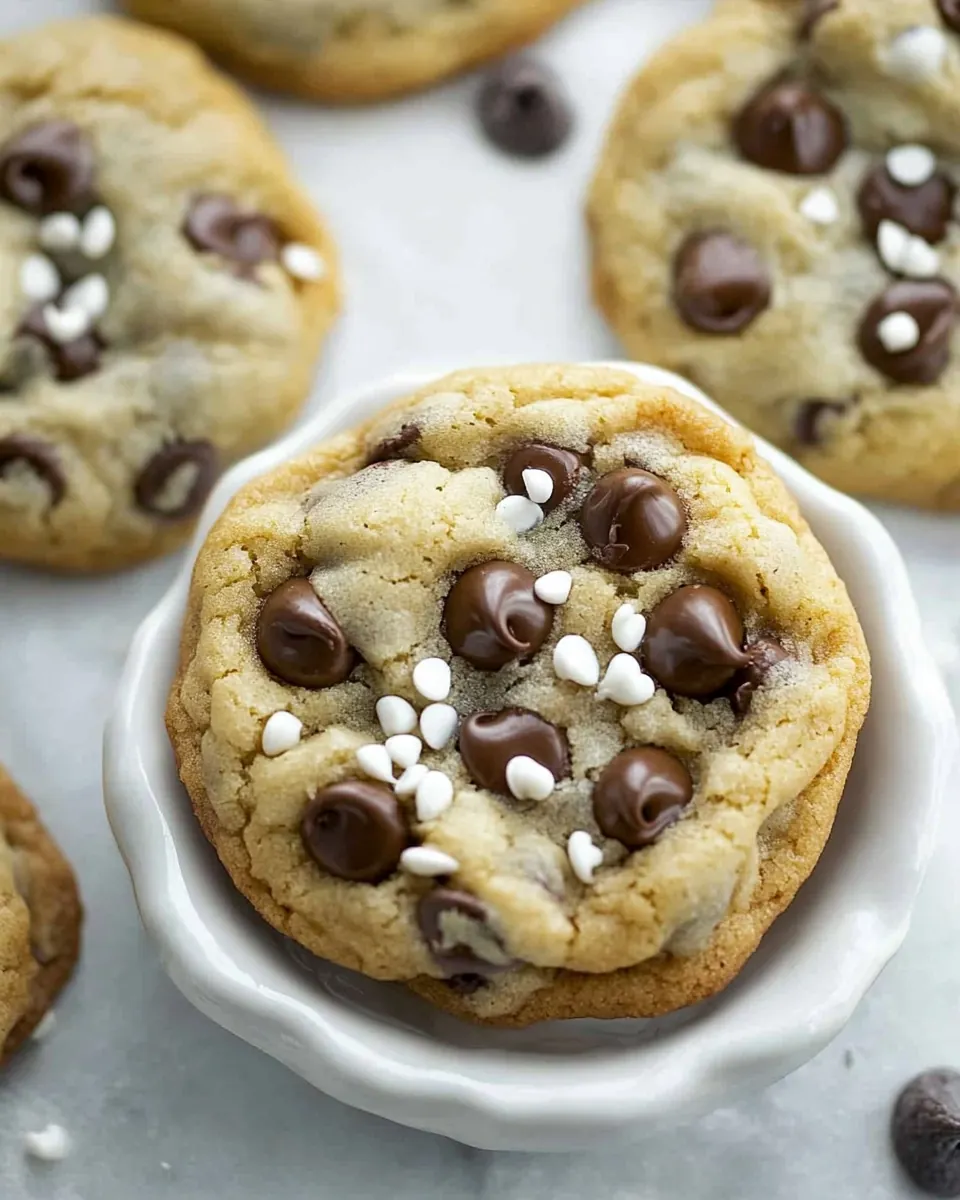
These instructions will walk you through each moment of the bake with sensory cues and reasons behind the techniques, so you can get the texture you want. Take your time to notice changes in color and feel as you go, and avoid rushing steps that build structure.
- Preheat oven to 375 degrees F and line a baking sheet with parchment paper.: The oven should be at the right temperature so cookies set quickly at the edges while the centers remain tender. You want to feel a steady warmth from the oven when you open it, and the parchment prevents sticking and promotes even browning. A common error is skipping preheating which leads to uneven spread and inconsistent texture, so always wait until the oven reads the correct temperature.
- In a medium bowl, whisk together the flour, baking soda, baking powder, and salt. Set aside.: After whisking you'll see a uniform pale mixture with tiny specks of salt. This step evenly distributes leaveners and seasoning so pockets of soda do not create bitter spots. If you skip thorough mixing you may get uneven rise or salty pockets, so take a minute to combine until it looks homogeneous.
- In the bowl of a stand mixer or using a hand mixer, cream together the butter and sugars until light and fluffy. Add the eggs and vanilla. Mix until well combined.: As you cream, notice the butter and sugars becoming paler and aerated, this incorporates air that helps with texture. When eggs go in, the mixture will become silkier and give off a sweet, buttery aroma. Over mixing after adding flour can create toughness, so stop once the mixture looks smooth and uniform.
- Slowly mix in the flour mixture until combined. Add the chocolate chips and stir until just combined.: As you fold in the flour, the dough will thicken and become slightly tacky. Working slowly avoids overworking gluten which would make cookies chewy in a dense, undesirable way. When the chocolate chips are added, they become scattered pockets of dark color in the dough. Stir only until you no longer see streaks of flour; over stirring can break chips and warm the dough too much.
- Scoop 1 1/2 tablespoons of dough onto the baking sheet 2-inches apart from each other. Bake for 8-10 minutes or just until the edges start to brown. You can make them bigger if you like. Remove from oven and let them sit on the baking sheet for a few minutes. I like to press a few chocolate chips on top at this point to make them look like bakery cookies. I also sprinkle with a little flaked salt to bring out the flavors.: When scooping, aim for uniform mounds; you will hear a quiet soft thud as dough lands on the parchment. As they bake, the smell will become warm and caramelized, and the edges will darken slightly while centers still jiggle a touch. The few minutes on the hot sheet finish cooking internally and make them easier to transfer. Avoid leaving them in too long, or they will lose the soft center texture you want.
Expert Tips about The Best Chocolate Chip Cookies
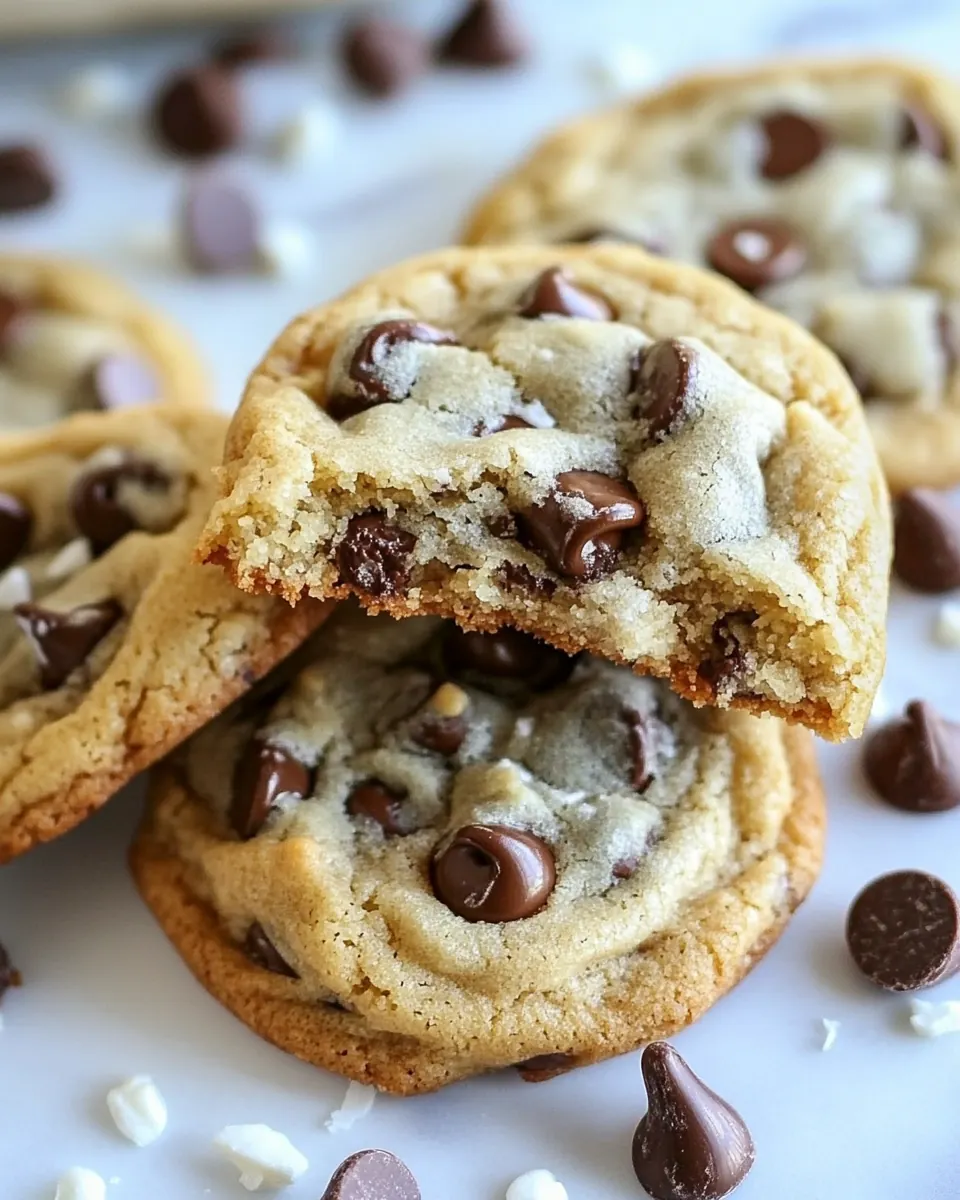
Baking cookies well is about technique as much as ingredients. Below are my favorite tips that have proven helpful across dozens of batches, from measuring flour correctly to getting that bakery finish. Each tip includes a short why and a practical action you can take.
- Measure flour correctly Use the spoon and level method instead of scooping with the measuring cup to avoid packing extra flour, which makes cookies dense.
- Cream until light and fluffy Proper creaming incorporates air and helps with texture, so beat the butter and sugars until noticeably lighter in color and texture.
- Do not overmix after adding flour Mix until just combined to prevent developing too much gluten, which yields tough cookies rather than tender ones.
- Scoop uniformly Use a cookie scoop to make cookies the same size so they bake evenly, avoiding some being underdone while others are overbaked.
- Watch the edges for doneness Remove cookies when edges are set and just beginning to brown, the centers should still look slightly soft to keep them chewy.
- Finish with a little flaky salt Sprinkling a pinch of flaked salt after baking enhances chocolate and sugar contrast, making flavors pop without making the cookie salty.
Great Combinations for The Best Chocolate Chip Cookies
These cookies are wonderfully versatile, whether you serve them warm from the oven or pack them for a picnic. Below are ideas for pairings, occasions, storage, and seasonal notes written as a helpful list so you can pick and choose based on the moment.
- Afternoon snack Pair a warm cookie with a simple cup of tea or coffee for a comforting break that feels indulgent and familiar.
- Party platter Arrange cookies on a large platter with a few different sizes; they are perfect for casual gatherings and holiday cookie exchanges.
- Lunchbox treat Pack one or two in a lunch container for a sweet surprise that travels well, just place parchment between layers so they do not stick together.
- Gift packaging Stack cookies in a small box with parchment and a ribbon for a homemade gift that shows care and effort.
- Storage Keep in an airtight container at room temperature for up to four days, or freeze the baked cookies individually and thaw at room temperature when ready to enjoy.
- Seasonal serving These cookies are perfect year round, but I find they are especially comforting in cooler months when warm baked goods feel extra cozy.
FAQ
Conclusion
These cookies stand out because they marry a classic flavor profile with a reliable texture that many of us seek in a chocolate chip cookie. The balance of sugars, the measured use of leaveners, and the methodical creaming and baking produce cookies that are tender inside with satisfying edges. I encourage you to try this recipe as written the first time to learn its cues, then make subtle adjustments to suit your preference. Baking is an inviting way to connect with memories and people, and sharing warm cookies is one of my favorite little rituals. Enjoy the process and the rewards.
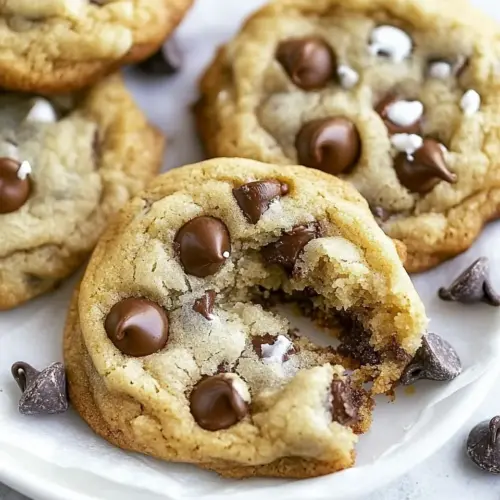
The Best Chocolate Chip Cookies
Equipment
- Equipment
- 1
- Cookie Scoop
Ingredients
- 3 cups all-purpose flour Provides the structural base for the cookie dough by supplying gluten and bulk; measure accurately for consistent texture. Balances moisture absorption from wet ingredients and helps the dough hold together during mixing and baking. Sift or spoon into the cup for even distribution and to avoid dense cookies.
- 1 teaspoon baking soda Leavens the dough by reacting with acidic components and helps create lift and spread control during baking. Activates quickly when combined with wet ingredients, contributing to lighter, slightly airy centers. Use measured amount to avoid metallic or soapy aftertaste.
- 1/2 teaspoon baking powder Adds a secondary leavening boost that works with baking soda to fine-tune rise and tenderness; contributes to a slightly finer crumb. Helps regulate the rate of rise so edges set while centers remain soft. Use sparingly to prevent excessive puffing.
- 1/2 teaspoon fine sea salt Enhances overall flavor by balancing sweetness and rounding other tastes while also tightening gluten slightly for structure. Fine sea salt boosts chocolate and caramel notes and controls yeast and leavening perception. Dissolve evenly in the dry mix to ensure consistent seasoning.
- 1 cup unsalted butter, cold but slightly soft Provides fat for tender, rich flavor and affects spread depending on temperature; cold but slightly soft butter helps control spread while still creaming. Contributes to flakiness and chewiness through fat distribution, and browns for flavor via Maillard reactions. Cut into pieces and cream properly for uniform incorporation.
- 1 cup light brown sugar, packed Contributes deep, caramel-like sweetness and moisture that promotes chewiness and richer flavor; packed light brown sugar adds molasses notes to the cookie. Affects color and softness while helping retain moist texture over time. Measure packed to maintain consistent sweetness and texture.
- 1 cup white sugar Supplies primary sweetness that helps with spread and crisp edges when creamed with butter; white sugar contributes to crispness and sheen. Balances brown sugar to provide the right combination of chew and crunch. Cream thoroughly with butter to aerate dough for lighter cookies.
- 2 large eggs Binds ingredients together, adds moisture, and contributes to structure through protein coagulation when baked; large eggs also enrich flavor and color. Use whole large eggs at room temperature to emulsify fats and liquids for a uniform dough. Add one at a time for even incorporation.
- 1 tablespoon pure vanilla extract Adds aromatic depth and enhances perceived sweetness while complementing chocolate and brown sugar flavors; pure vanilla extract brightens the overall profile. Acts as a flavor booster that melds other ingredients together without altering texture. Use measured amount to avoid overpowering delicate flavors.
- 2 cups semi-sweet chocolate chips, (12 ounces) Provides concentrated pockets of chocolate throughout the cookie, adding texture and bursts of sweetness; semi-sweet chips deliver balanced chocolate flavor. Affects melting behavior and overall bite, contributing to the classic cookie experience. Fold in evenly to distribute chocolate in every portion.
Instructions
- Preheat oven to 375 degrees F and line a baking sheet with parchment paper.: The oven should be at the right temperature so cookies set quickly at the edges while the centers remain tender. You want to feel a steady warmth from the oven when you open it, and the parchment prevents sticking and promotes even browning. A common error is skipping preheating which leads to uneven spread and inconsistent texture, so always wait until the oven reads the correct temperature.
- In a medium bowl, whisk together the flour, baking soda, baking powder, and salt. Set aside.: After whisking you'll see a uniform pale mixture with tiny specks of salt. This step evenly distributes leaveners and seasoning so pockets of soda do not create bitter spots. If you skip thorough mixing you may get uneven rise or salty pockets, so take a minute to combine until it looks homogeneous.
- In the bowl of a stand mixer or using a hand mixer, cream together the butter and sugars until light and fluffy. Add the eggs and vanilla. Mix until well combined.: As you cream, notice the butter and sugars becoming paler and aerated, this incorporates air that helps with texture. When eggs go in, the mixture will become silkier and give off a sweet, buttery aroma. Over mixing after adding flour can create toughness, so stop once the mixture looks smooth and uniform.
- Slowly mix in the flour mixture until combined. Add the chocolate chips and stir until just combined.: As you fold in the flour, the dough will thicken and become slightly tacky. Working slowly avoids overworking gluten which would make cookies chewy in a dense, undesirable way. When the chocolate chips are added, they become scattered pockets of dark color in the dough. Stir only until you no longer see streaks of flour; over stirring can break chips and warm the dough too much.
- Scoop 1 1/2 tablespoons of dough onto the baking sheet 2-inches apart from each other. Bake for 8-10 minutes or just until the edges start to brown. You can make them bigger if you like. Remove from oven and let them sit on the baking sheet for a few minutes. I like to press a few chocolate chips on top at this point to make them look like bakery cookies. I also sprinkle with a little flaked salt to bring out the flavors.: When scooping, aim for uniform mounds; you will hear a quiet soft thud as dough lands on the parchment. As they bake, the smell will become warm and caramelized, and the edges will darken slightly while centers still jiggle a touch. The few minutes on the hot sheet finish cooking internally and make them easier to transfer. Avoid leaving them in too long, or they will lose the soft center texture you want.
Notes
- Measure flour correctly Use the spoon and level method instead of scooping with the measuring cup to avoid packing extra flour, which makes cookies dense.
- Cream until light and fluffy Proper creaming incorporates air and helps with texture, so beat the butter and sugars until noticeably lighter in color and texture.
- Do not overmix after adding flour Mix until just combined to prevent developing too much gluten, which yields tough cookies rather than tender ones.
- Scoop uniformly Use a cookie scoop to make cookies the same size so they bake evenly, avoiding some being underdone while others are overbaked.
- Watch the edges for doneness Remove cookies when edges are set and just beginning to brown, the centers should still look slightly soft to keep them chewy.
- Finish with a little flaky salt Sprinkling a pinch of flaked salt after baking enhances chocolate and sugar contrast, making flavors pop without making the cookie salty.
