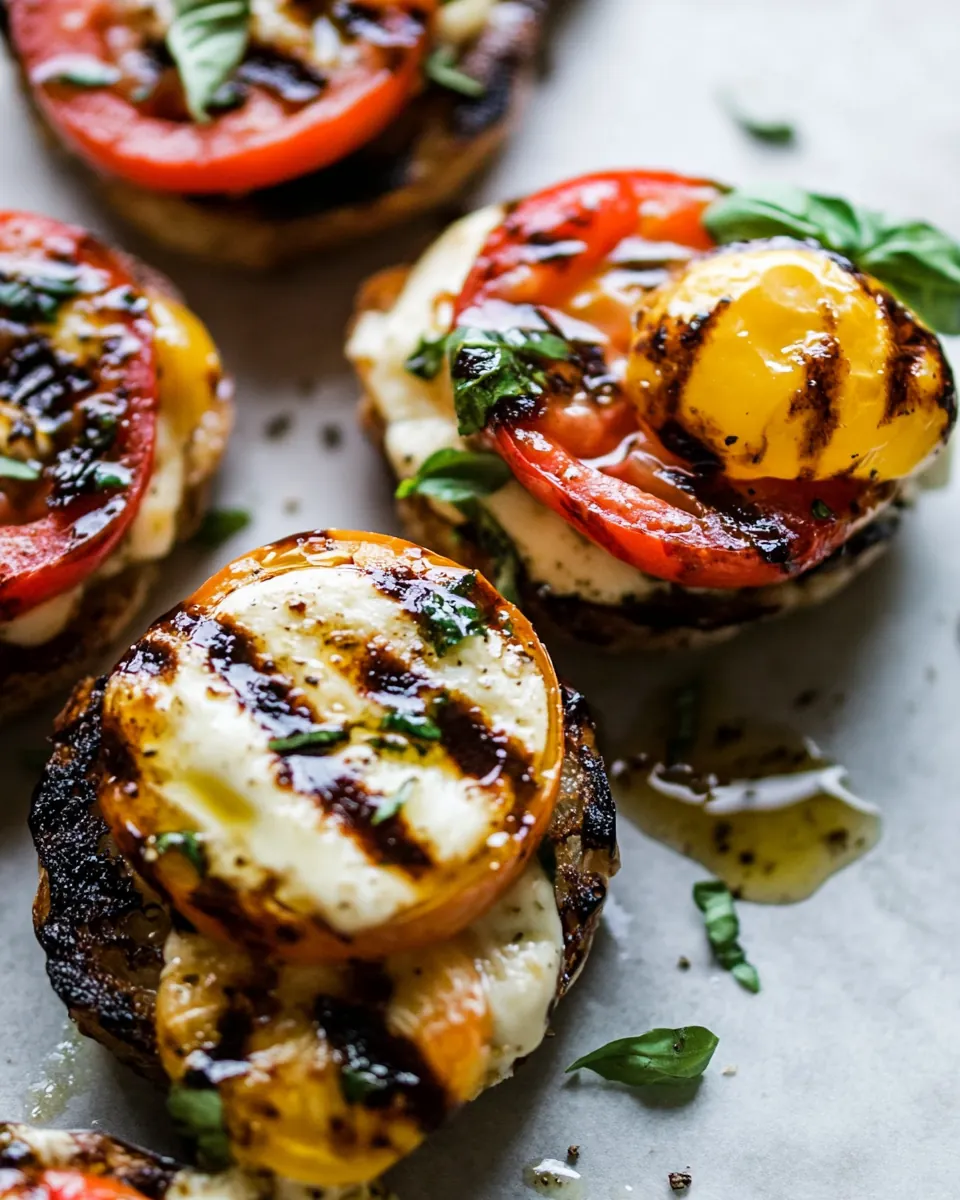
Caprese Crostini
Caprese Crostini is my go to when I want something that feels fancy but is actually effortless to pull together. The first time I made these I was racing the clock between errands and a last minute guest arrival, and the simplicity of warm toasted bread topped with melting fresh mozzarella, bright tomatoes, and perfumed basil convinced me this would be a permanent party staple.
I remember standing at my kitchen counter, a little frazzled, while the oven hummed and the scent of toasting bread drifted through the house. With each slice I layered, I found myself calming down, drawn into the tiny ritual of arranging the toppings. The blend of textures from crisp, slightly chewy crostini to the creamy give of fresh mozzarella made the whole thing feel indulgent yet honest.
Over the years I have adapted the small details, like how I brush the olive oil and rub the garlic, and those tiny shifts make a big difference in the final bite. I love how versatile Caprese Crostini is, whether I need an elegant appetizer for friends or a sunny snack for a lazy afternoon. The balsamic reduction adds that sticky, tangy note that ties every element together, and I always find a way to savor one or two while plating the rest.
Recipe Snapshot
30 mins
15 mins
15 mins
Easy
180 kcal
Italian
Paleo, Gluten-Free
Appetizers
Oven, Baking sheet, Small pan, Small bowl, Knife, Pastry brush
Why We Love This Caprese Crostini
Bright, familiar flavors that sing together
I adore how Caprese Crostini takes classic ingredients and presents them in a way that feels new. The combination of tomatoes, fresh mozzarella, and basil is timeless, but when you put them on toasted bread with a drizzle of reduced balsamic vinegar, you get texture and concentration of flavor that elevates each bite. I find this format makes the flavors pop more than a salad sometimes.
Speed without sacrificing technique
One of the reasons I reach for this recipe is how quickly it comes together. From prepping to plating you can be ready in under half an hour, which is a lifesaver on busy evenings. Yet the technique of toasting the crostini and reducing the balsamic vinegar adds professional polish, so you never feel like you served something rushed.
Highly adaptable for any occasion
I often tweak quantities and plating depending on the context. For casual gatherings I pile the toppings more generously, for dinner parties I arrange them neatly and finish with a careful drizzle of the reduction. The recipe scales well, so I can easily double the batch without losing quality, which is why I trust it for both quiet nights and bigger crowds.
Flavor balance and contrast
The interplay of textures is what hooks me. The crunchy, olive oil brushed bread contrasts the silky fresh mozzarella, while the sweetness and acid from the reduced balsamic vinegar complements the herbaceous punch of chopped basil. The finishing sprinkle of salt and pepper sharpens everything, and that tiny bit of garlic on the toasts anchors the flavor profile.
Impressive but forgiving
It’s a recipe that looks like you labored for it, but it’s forgiving when you rush. If your reduction gets a touch thicker, it still tastes wonderful. If your slices of tomato vary in size, the rustic presentation is part of the charm. That combination of reliable results and room for creativity is why I keep coming back to Caprese Crostini.
Recipe Ingredients for Caprese Crostini
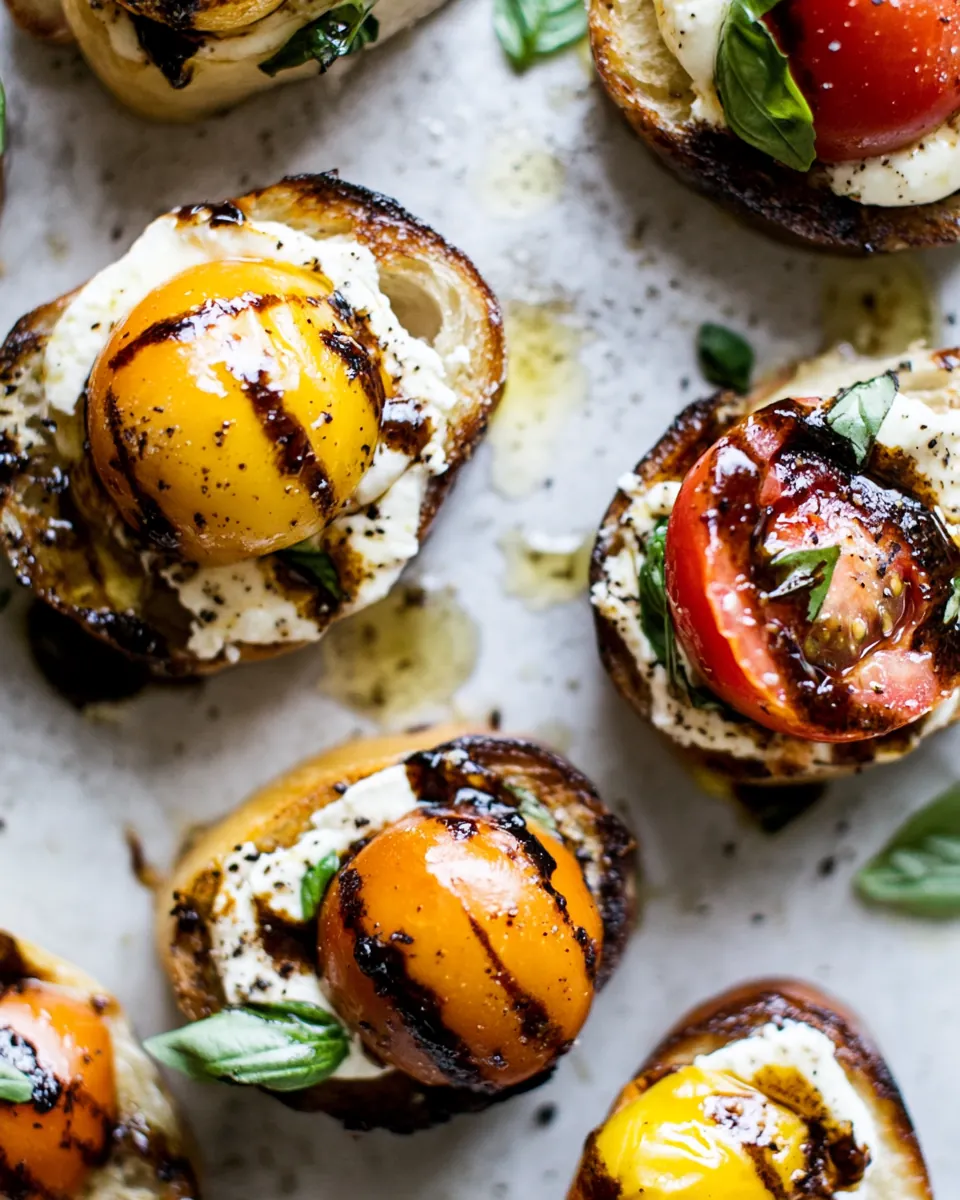
These ingredients are intentionally simple, and that is the whole point. Each item plays a clear role: the bread provides crunch and base, fresh mozzarella brings creamy richness, tomatoes add juicy acidity, and the balsamic vinegar reduction ties everything together with concentrated sweetness. The olive oil and garlic give background savory notes, while basil lifts the flavor with herbal brightness.
- 1 demi baguette or 1/2 standard-sized baguette: Toast the demi baguette slices to provide a crisp base for the crostini; browning adds texture and prevents sogginess from toppings. Slice evenly so each piece holds a uniform amount of mozzarella and tomato for balanced bites.
- 2 tablespoons olive oil: Drizzle olive oil over the baguette before toasting and brush on finished crostini to enrich flavor; its healthy fats carry herbs and seasonings. Use good-quality extra virgin olive oil for a fruity, peppery note that complements tomatoes.
- 3 cloves garlic minced: Mince garlic finely to distribute pungent aroma and sharp flavor throughout the crostini; rubbing raw garlic on toasted bread intensifies the savory profile. Adjust amount to taste to avoid overpowering delicate mozzarella and basil.
- fresh mozzarella sliced into 12 equal pieces (approx. 12 ounces): Slice fresh mozzarella into twelve equal pieces to ensure even portions and a creamy, milky counterpoint to the acidic tomatoes; proper slicing helps melt slightly against warm toast. Pat dry if needed to prevent excess moisture from making the crostini soggy.
- 8 ounces assorted tomatoes sliced: Slice assorted tomatoes to add bright acidity, juiciness, and color variation that contrasts with creamy mozzarella and toasted bread. Use ripe but firm tomatoes and drain any excess juices to maintain crostini texture.
- Handful fresh basil chopped finely: Chop fresh basil finely to release aromatic oils and provide a fragrant, herbaceous lift that ties together tomato and mozzarella. Scatter just before serving to preserve vibrant green color and fresh flavor.
- Salt & pepper to taste: Season with salt and pepper to taste to enhance and balance the natural flavors of tomato, mozzarella, and olive oil; salt brightens and pepper adds subtle heat. Season sparingly at first and adjust after tasting assembled crostini.
- 1/4 cup balsamic vinegar: Reduce balsamic vinegar to create a syrupy glaze or use it as-is to contribute tangy sweetness and depth when drizzled over assembled crostini. Choose a well-balanced balsamic to complement rather than overpower other ingredients.
- 1 tablespoon liquid honey: Whisk liquid honey with balsamic or drizzle lightly to add natural sweetness and a glossy finish; it tempers acidity and rounds flavors. Use sparingly to avoid making the crostini overly sweet while enhancing the overall taste.
Caprese Crostini Instructions
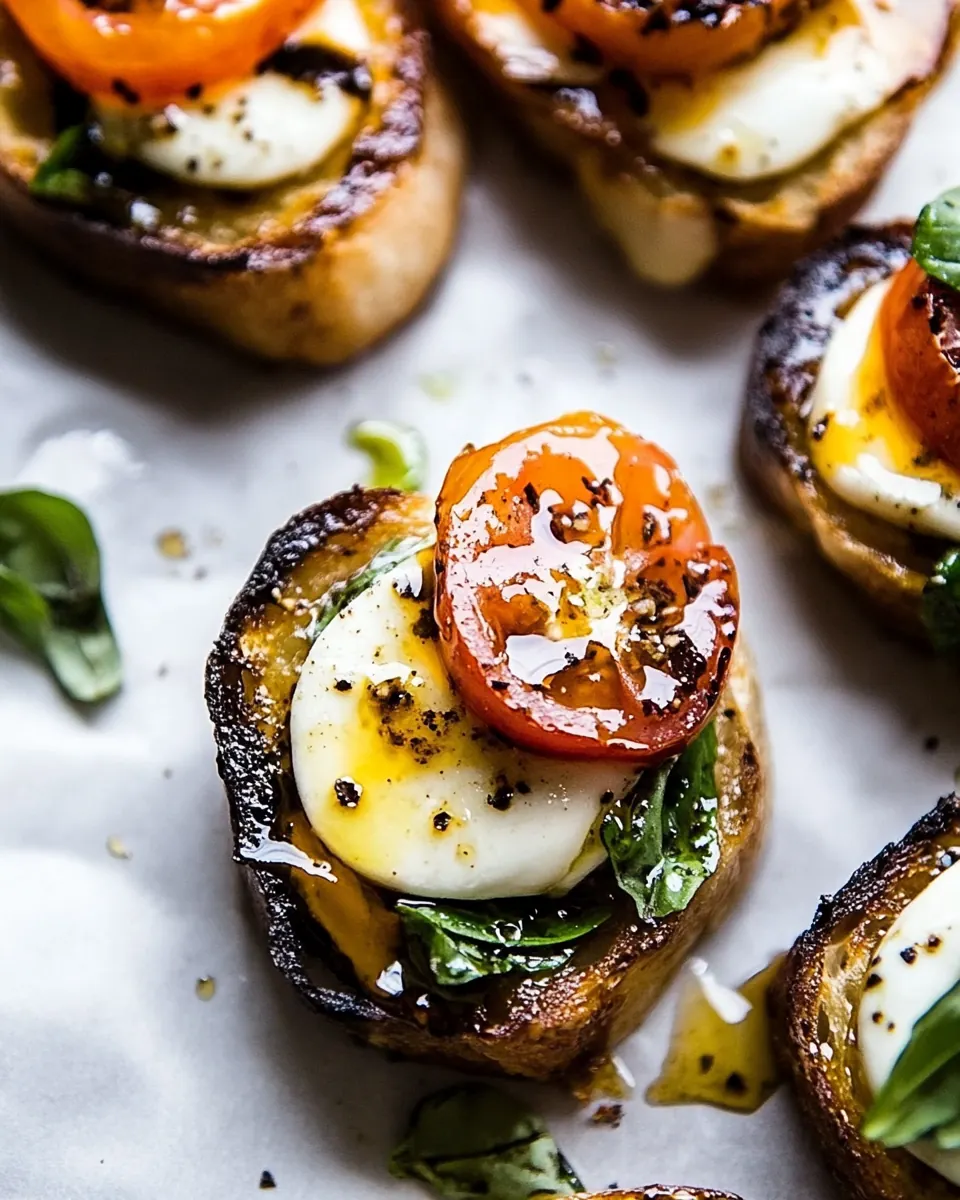
These steps guide you through making the crostini from toasted bread to plated bites with a glossy glaze. I like to stagger tasks so the reduction and slicing happen while the toasts bake, which keeps the workflow calm and efficient. Follow the sequence to ensure everything finishes at the same moment so you serve warm, perfectly melted crostini.
- Preheat oven to 350 F. Add olive oil and garlic to a small bowl.: The warm oven gives the crostini a consistent heat environment so they toast through without burning. You should notice the oven sound settle into a steady hum and the air take on a gentle warmth, which primes the slices for crisping. This step matters because starting with the correct oven temperature prevents underdone centers or charred edges. A common mistake is skipping preheating, which leads to uneven toasting, so always allow the oven to reach temperature before inserting the tray.
- Slice the baguette into 12 approx. 1/2" slices. Arrange them on a baking sheet. Brush the olive oil and garlic mixture onto both sides of each slice. Bake for 10 minutes.: The aroma of minced garlic mixing into olive oil should be bright and slightly peppery, and when combined the oil will carry those flavors into the bread. Whisk them briefly until they look homogenous, which helps ensure even brushing. This technique infuses the crust, improving flavor depth; avoid letting the garlic sit in hot oil for long, as it can cook and become bitter if exposed to heat prematurely.
- Meanwhile, add the balsamic vinegar and honey to a small pan. Cook it on medium-high (reduce to medium if it's furiously bubbling) for about 8-10 minutes, or until the mixture easily coats the back of a spoon. It tends to thicken up more as it cools, so make sure you don't overdo it or you'll be left with a stuck-on mess. Set aside.: When you slice, listen for the soft crush of the crumb and aim for uniform thickness so each piece bakes at the same rate. The visual cue is neat, even rounds that fit comfortably on your baking sheet. Consistent slices prevent some from burning while others remain pale and soft. One pitfall is slicing with a dull knife which tears the bread; use a serrated blade and a gentle sawing motion for clean cuts.
- While your balsamic reduction is cooking, you can slice the tomatoes and chop the basil.: Lay the slices in a single layer so hot air circulates evenly, and leave a small space between them so edges crisp rather than steam. The sheet will start to radiate warmth and the slices will quickly begin to dry at the edges, which is what creates that satisfying crunch. Crowding causes uneven browning and can produce soggy spots, so resist the urge to overlap pieces.
- Set your oven's broiler to high and move the rack to the top third of the oven. Add a mozzarella slice to each piece of bread. Broil for 5 minutes or until the cheese melts (watch it closely), taking care not to burn the bread.: Brushing both faces ensures the bread toasts to an even golden color and absorbs the savory garlic notes. The visual should be a glossy sheen that soaks in slightly, and the touch will leave the surface tacky but not greasy. If you apply too much oil the slices will crisp unevenly and feel heavy, so use a light, measured coating with a pastry brush.
- Top the crostini with the tomatoes, basil, a drizzle of the balsamic reduction, and some salt and pepper. Serve immediately.: During baking you will hear a gentle crisping and smell the toasting bread . Look for edges turning golden and the crumb firming under your fingertip. This step is essential to produce the right texture so the crostini can support the toppings without collapsing. A frequent error is leaving them in past the golden stage, which leads to excessive hardness; check at the 8 to 10 minute mark.
- Meanwhile, add the balsamic vinegar and honey to a small pan: As these two liquids meet, you will notice the honey smooth out the acidity of the balsamic vinegar . The mixture will shimmer when heated and release a glossy sheen, signaling the start of the reduction process. Combining them first helps the flavors meld, making the reduction taste balanced and less sharp. Avoid boiling aggressively from the start, which can cause uneven caramelization and burning.
- Cook it on medium-high (reduce to medium if it's furiously bubbling) for about 8 to 10 minutes, or until the mixture easily coats the back of a spoon: The bubbling should transition from vigorous to a controlled simmer, and the aroma will shift from vinegary to sweet and slightly caramelized. A spoon test is your best indicator, when the liquid clings and drips slowly off the spoon it is ready. Overcooking will make the reduction too thick and sticky, causing a mess and making it difficult to drizzle, so pull it off heat just before it reaches a jam like consistency as it will thicken further while cooling.
- Set aside: Once removed from the heat the reduction will cool and gain viscosity, developing a glossy texture. Let it rest in the pan or a small bowl so it can settle without cooling completely to a gel. This pause gives you time to finish the toppings without rushing the glaze, and prevents hot reduction from wilting fresh herbs. A common slip is placing it in a cold container immediately which can solidify the glaze too fast.
- While your balsamic reduction is cooking, you can slice the tomatoes and chop the basil: The sound of the knife against the cutting board and the bright, fresh scent of basil signal the prep stage. Slice the tomatoes evenly and pat them if they are wet to avoid sogginess on the crostini. Finely chopped basil will release its aroma when handled, so try to chop just before assembling to preserve color and fragrance. A typical mistake is prepping these too early, which causes wilted basil and watery tomatoes.
- Set your oven's broiler to high and move the rack to the top third of the oven: The broiler delivers intense radiant heat that melts the fresh mozzarella quickly while giving the bread a final toasty char. Positioning on the top third ensures the cheese melts before the edges blacken. Watch the active broil closely because the transition from perfect melt to burned edge happens fast under high heat; never leave it unattended during this phase.
- Add a mozzarella slice to each piece of bread: As you place the fresh mozzarella on the warm slices you will feel the residual heat slightly soften the cheese, which helps it meld to the bread under the broiler. Arrange so each slice sits centered to create a uniform melt across every crostini. If slices are uneven, some pieces may brown faster than others, so aim for consistent portioning.
- Broil for 5 minutes or until the cheese melts (watch it closely), taking care not to burn the bread: Under the broiler you will hear faint bubbling from the cheese and see it become glossy and slightly blistered at the edges. The visual cue is smooth, gently bubbling cheese with no blackened spots. This quick, high heat step is what creates the irresistible molten quality of the topping, but it demands attention because broilers vary in intensity and timing. Avoid stepping away; a burned edge can happen in moments.
- Top the crostini with the tomatoes, basil, a drizzle of the balsamic reduction, and some salt and pepper: As you assemble, the contrast in textures and temperatures will be vivid, warm melted fresh mozzarella against cool tomato slices and fragrant chopped basil . Drizzle the reduction in a thin, controlled stream so it clings without making the bread soggy. Finish with a light grind of pepper and a small pinch of salt . A common misstep is overdrizzling the reduction which can overpower the delicate balance of the other ingredients.
- Serve immediately: These crostini are best enjoyed warm, right after assembling, when the cheese is still soft and the reduction shines. The immediate contrast of temperatures and textures defines the experience, and waiting too long will result in a less satisfying bite as the bread loses its crispness and the cheese firms. If serving to guests, plan to plate and present quickly so everyone gets the ideal mouthfeel.
Tips and Variations
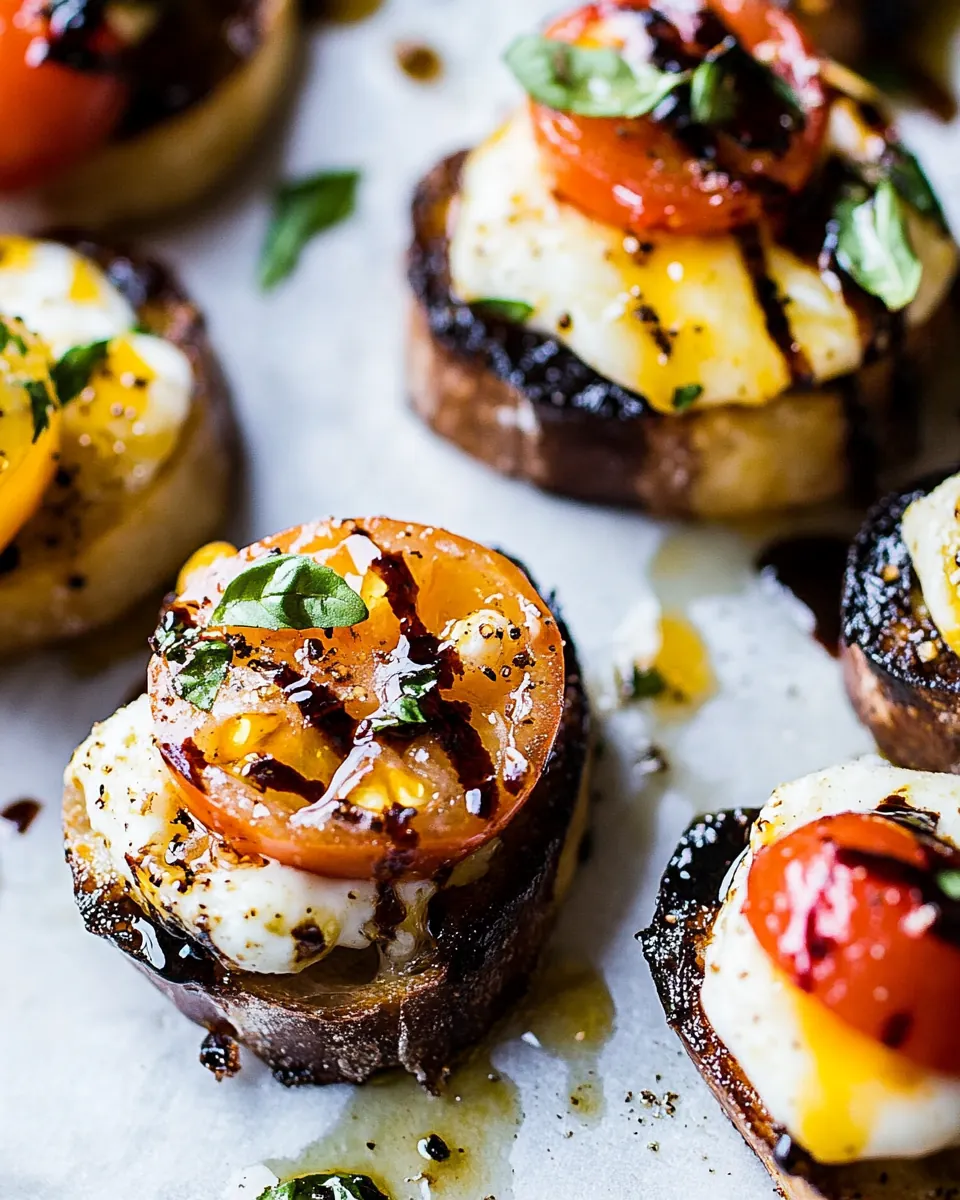
I like to think of these tips as small tricks that make a big difference in the finished crostini. They keep things running smoothly when you are prepping multiple components. Below are practical, flavor forward suggestions and easy swaps to tailor the recipe to your needs.
- Brush oil evenly Use a pastry brush to apply the olive oil and garlic mixture thinly on both sides so the crostini crisp without becoming greasy.
- Control the reduction Maintain a gentle simmer for the balsamic vinegar and honey so it thickens evenly, and remove it just before it clings completely to a spoon.
- Toast first, assemble later Bake the slices ahead of time up to the point before broiling, then add the fresh mozzarella and broil at serving time to keep bread texture optimal.
- Slice uniformly Keep baguette slices consistent in thickness for predictable toasting, which helps everything finish at the same time.
- Finish with fresh herbs Scatter chopped basil right before serving to preserve its color and aroma, which brightens each bite.
Perfect Pairings for Caprese Crostini
These serving suggestions help you present Caprese Crostini in ways that suit the occasion, whether casual or special. I include storage and timing tips so you can plan ahead without losing quality.
- Serve as an appetizer Present the crostini on a large platter for cocktail hour or as a starter to a light dinner, arranging them in a single layer so guests can grab without disturbing others.
- Great for lunch Pair with a simple green salad and a light vinaigrette for an easy midday meal that feels put together yet effortless.
- Occasion friendly These work well for summer gatherings, brunch, or iftar during Ramadan as a bright, shareable starter that complements many mains.
- Storage tip Keep toasted slices and toppings separate if storing for later; assemble and broil just before serving to preserve texture and flavor.
- Seasonal pairing In summer use the ripest tomatoes for the best flavor, and consider heirloom varieties for color contrast and depth.
- Plating style For a refined presentation, place each crostini on a long tray with microgreens scattered around for freshness and visual appeal.
- Make ahead strategy You can prepare the balsamic reduction and slice the basil in advance, then complete the final broil and assembly just before serving so everything is warm and fresh.
FAQ
Conclusion
Caprese Crostini shines because it transforms simple, high quality ingredients into an elegant, shareable bite with minimal fuss. The balance of warm, toasted bread, melting fresh mozzarella, bright tomatoes, and a glossy balsamic reduction is what keeps me coming back to this recipe. I hope you give these a try at your next gathering or quiet night in, because they deliver impressive flavor with very little effort. Enjoy the hands on assembly, savor the warm melted cheese, and take pleasure in serving something that feels both rustic and refined.
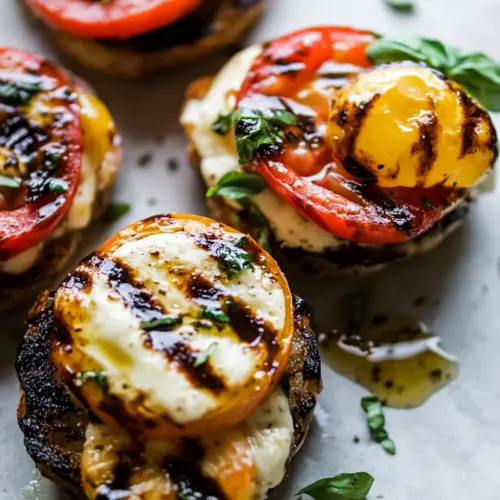
Caprese Crostini
Equipment
- Oven
- Baking Sheet
- Small Pan
- Small Bowl
- Knife
- Pastry Brush
Ingredients
- 1 demi baguette or 1/2 standard-sized baguette Toast the demi baguette slices to provide a crisp base for the crostini; browning adds texture and prevents sogginess from toppings. Slice evenly so each piece holds a uniform amount of mozzarella and tomato for balanced bites.
- 2 tablespoons olive oil Drizzle olive oil over the baguette before toasting and brush on finished crostini to enrich flavor; its healthy fats carry herbs and seasonings. Use good-quality extra virgin olive oil for a fruity, peppery note that complements tomatoes.
- 3 cloves garlic minced Mince garlic finely to distribute pungent aroma and sharp flavor throughout the crostini; rubbing raw garlic on toasted bread intensifies the savory profile. Adjust amount to taste to avoid overpowering delicate mozzarella and basil.
- fresh mozzarella sliced into 12 equal pieces (approx. 12 ounces) Slice fresh mozzarella into twelve equal pieces to ensure even portions and a creamy, milky counterpoint to the acidic tomatoes; proper slicing helps melt slightly against warm toast. Pat dry if needed to prevent excess moisture from making the crostini soggy.
- 8 ounces assorted tomatoes sliced Slice assorted tomatoes to add bright acidity, juiciness, and color variation that contrasts with creamy mozzarella and toasted bread. Use ripe but firm tomatoes and drain any excess juices to maintain crostini texture.
- Handful fresh basil chopped finely Chop fresh basil finely to release aromatic oils and provide a fragrant, herbaceous lift that ties together tomato and mozzarella. Scatter just before serving to preserve vibrant green color and fresh flavor.
- Salt & pepper to taste Season with salt and pepper to taste to enhance and balance the natural flavors of tomato, mozzarella, and olive oil; salt brightens and pepper adds subtle heat. Season sparingly at first and adjust after tasting assembled crostini.
- 1/4 cup balsamic vinegar Reduce balsamic vinegar to create a syrupy glaze or use it as-is to contribute tangy sweetness and depth when drizzled over assembled crostini. Choose a well-balanced balsamic to complement rather than overpower other ingredients.
- 1 tablespoon liquid honey Whisk liquid honey with balsamic or drizzle lightly to add natural sweetness and a glossy finish; it tempers acidity and rounds flavors. Use sparingly to avoid making the crostini overly sweet while enhancing the overall taste.
Instructions
- Preheat oven to 350 F. Add olive oil and garlic to a small bowl.: The warm oven gives the crostini a consistent heat environment so they toast through without burning. You should notice the oven sound settle into a steady hum and the air take on a gentle warmth, which primes the slices for crisping. This step matters because starting with the correct oven temperature prevents underdone centers or charred edges. A common mistake is skipping preheating, which leads to uneven toasting, so always allow the oven to reach temperature before inserting the tray.
- Slice the baguette into 12 approx. 1/2" slices. Arrange them on a baking sheet. Brush the olive oil and garlic mixture onto both sides of each slice. Bake for 10 minutes.: The aroma of minced garlic mixing into olive oil should be bright and slightly peppery, and when combined the oil will carry those flavors into the bread. Whisk them briefly until they look homogenous, which helps ensure even brushing. This technique infuses the crust, improving flavor depth; avoid letting the garlic sit in hot oil for long, as it can cook and become bitter if exposed to heat prematurely.
- Meanwhile, add the balsamic vinegar and honey to a small pan. Cook it on medium-high (reduce to medium if it's furiously bubbling) for about 8-10 minutes, or until the mixture easily coats the back of a spoon. It tends to thicken up more as it cools, so make sure you don't overdo it or you'll be left with a stuck-on mess. Set aside.: When you slice, listen for the soft crush of the crumb and aim for uniform thickness so each piece bakes at the same rate. The visual cue is neat, even rounds that fit comfortably on your baking sheet. Consistent slices prevent some from burning while others remain pale and soft. One pitfall is slicing with a dull knife which tears the bread; use a serrated blade and a gentle sawing motion for clean cuts.
- While your balsamic reduction is cooking, you can slice the tomatoes and chop the basil.: Lay the slices in a single layer so hot air circulates evenly, and leave a small space between them so edges crisp rather than steam. The sheet will start to radiate warmth and the slices will quickly begin to dry at the edges, which is what creates that satisfying crunch. Crowding causes uneven browning and can produce soggy spots, so resist the urge to overlap pieces.
- Set your oven's broiler to high and move the rack to the top third of the oven. Add a mozzarella slice to each piece of bread. Broil for 5 minutes or until the cheese melts (watch it closely), taking care not to burn the bread.: Brushing both faces ensures the bread toasts to an even golden color and absorbs the savory garlic notes. The visual should be a glossy sheen that soaks in slightly, and the touch will leave the surface tacky but not greasy. If you apply too much oil the slices will crisp unevenly and feel heavy, so use a light, measured coating with a pastry brush.
- Top the crostini with the tomatoes, basil, a drizzle of the balsamic reduction, and some salt and pepper. Serve immediately.: During baking you will hear a gentle crisping and smell the toasting bread . Look for edges turning golden and the crumb firming under your fingertip. This step is essential to produce the right texture so the crostini can support the toppings without collapsing. A frequent error is leaving them in past the golden stage, which leads to excessive hardness; check at the 8 to 10 minute mark.
- Meanwhile, add the balsamic vinegar and honey to a small pan: As these two liquids meet, you will notice the honey smooth out the acidity of the balsamic vinegar . The mixture will shimmer when heated and release a glossy sheen, signaling the start of the reduction process. Combining them first helps the flavors meld, making the reduction taste balanced and less sharp. Avoid boiling aggressively from the start, which can cause uneven caramelization and burning.
- Cook it on medium-high (reduce to medium if it's furiously bubbling) for about 8 to 10 minutes, or until the mixture easily coats the back of a spoon: The bubbling should transition from vigorous to a controlled simmer, and the aroma will shift from vinegary to sweet and slightly caramelized. A spoon test is your best indicator, when the liquid clings and drips slowly off the spoon it is ready. Overcooking will make the reduction too thick and sticky, causing a mess and making it difficult to drizzle, so pull it off heat just before it reaches a jam like consistency as it will thicken further while cooling.
- Set aside: Once removed from the heat the reduction will cool and gain viscosity, developing a glossy texture. Let it rest in the pan or a small bowl so it can settle without cooling completely to a gel. This pause gives you time to finish the toppings without rushing the glaze, and prevents hot reduction from wilting fresh herbs. A common slip is placing it in a cold container immediately which can solidify the glaze too fast.
- While your balsamic reduction is cooking, you can slice the tomatoes and chop the basil: The sound of the knife against the cutting board and the bright, fresh scent of basil signal the prep stage. Slice the tomatoes evenly and pat them if they are wet to avoid sogginess on the crostini. Finely chopped basil will release its aroma when handled, so try to chop just before assembling to preserve color and fragrance. A typical mistake is prepping these too early, which causes wilted basil and watery tomatoes.
- Set your oven's broiler to high and move the rack to the top third of the oven: The broiler delivers intense radiant heat that melts the fresh mozzarella quickly while giving the bread a final toasty char. Positioning on the top third ensures the cheese melts before the edges blacken. Watch the active broil closely because the transition from perfect melt to burned edge happens fast under high heat; never leave it unattended during this phase.
- Add a mozzarella slice to each piece of bread: As you place the fresh mozzarella on the warm slices you will feel the residual heat slightly soften the cheese, which helps it meld to the bread under the broiler. Arrange so each slice sits centered to create a uniform melt across every crostini. If slices are uneven, some pieces may brown faster than others, so aim for consistent portioning.
- Broil for 5 minutes or until the cheese melts (watch it closely), taking care not to burn the bread: Under the broiler you will hear faint bubbling from the cheese and see it become glossy and slightly blistered at the edges. The visual cue is smooth, gently bubbling cheese with no blackened spots. This quick, high heat step is what creates the irresistible molten quality of the topping, but it demands attention because broilers vary in intensity and timing. Avoid stepping away; a burned edge can happen in moments.
- Top the crostini with the tomatoes, basil, a drizzle of the balsamic reduction, and some salt and pepper: As you assemble, the contrast in textures and temperatures will be vivid, warm melted fresh mozzarella against cool tomato slices and fragrant chopped basil . Drizzle the reduction in a thin, controlled stream so it clings without making the bread soggy. Finish with a light grind of pepper and a small pinch of salt . A common misstep is overdrizzling the reduction which can overpower the delicate balance of the other ingredients.
- Serve immediately: These crostini are best enjoyed warm, right after assembling, when the cheese is still soft and the reduction shines. The immediate contrast of temperatures and textures defines the experience, and waiting too long will result in a less satisfying bite as the bread loses its crispness and the cheese firms. If serving to guests, plan to plate and present quickly so everyone gets the ideal mouthfeel.
Notes
- Brush oil evenly Use a pastry brush to apply the olive oil and garlic mixture thinly on both sides so the crostini crisp without becoming greasy.
- Control the reduction Maintain a gentle simmer for the balsamic vinegar and honey so it thickens evenly, and remove it just before it clings completely to a spoon.
- Toast first, assemble later Bake the slices ahead of time up to the point before broiling, then add the fresh mozzarella and broil at serving time to keep bread texture optimal.
- Slice uniformly Keep baguette slices consistent in thickness for predictable toasting, which helps everything finish at the same time.
- Finish with fresh herbs Scatter chopped basil right before serving to preserve its color and aroma, which brightens each bite.
