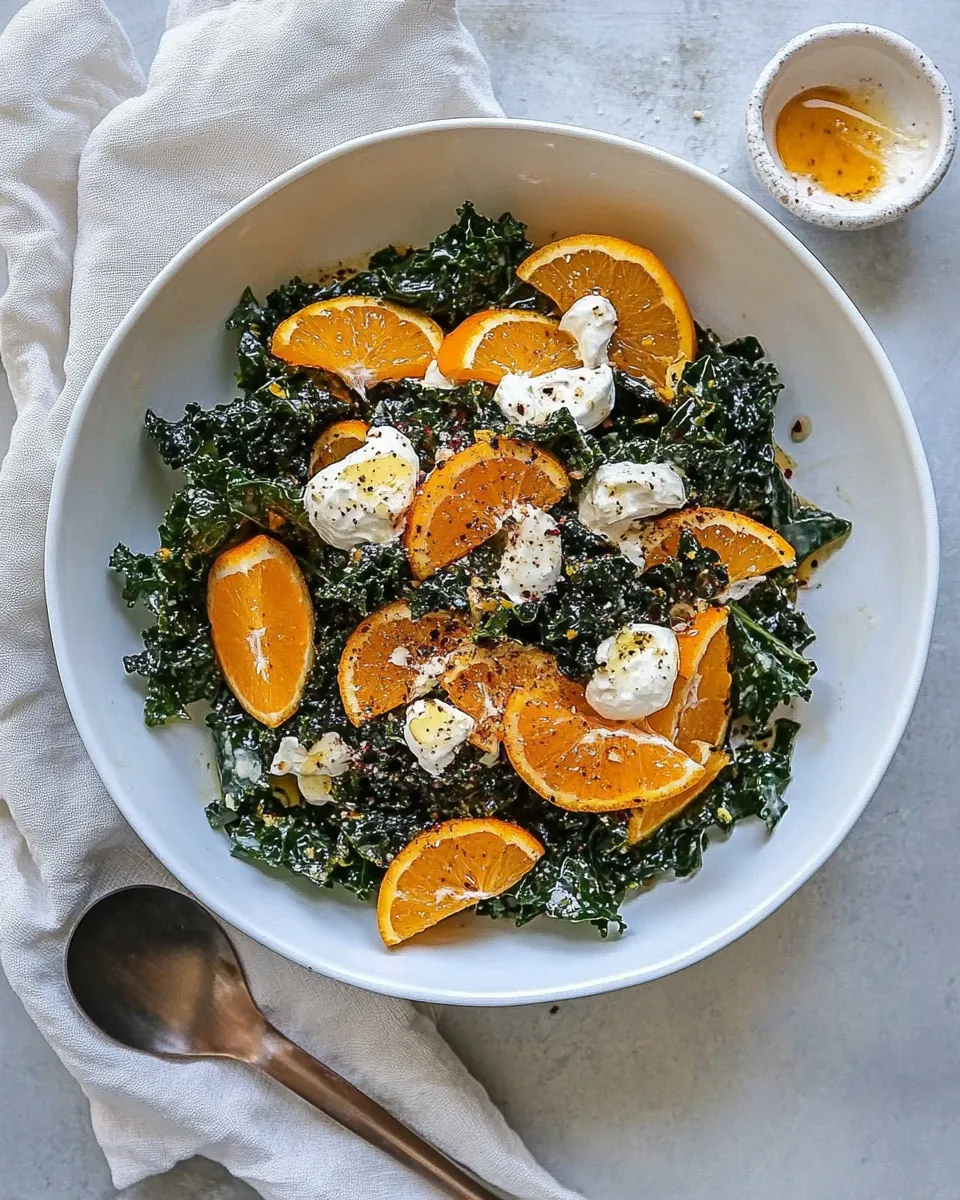
Citrus Kale Salad with Blood Orange Vinaigrette
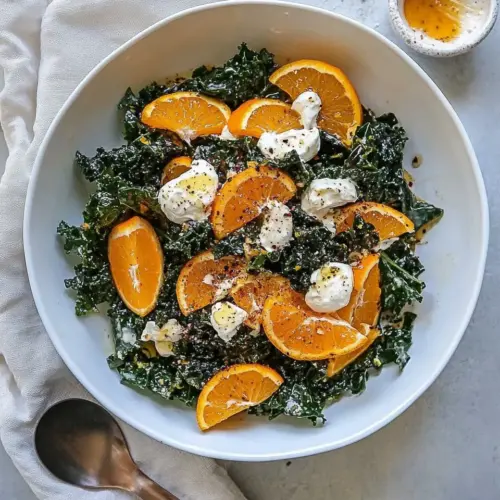
Citrus Kale Salad with Blood Orange Vinaigrette is the kind of salad I reach for when I want something bright, textured, and memorably fresh.
I first tossed this salad together on a sunlit spring afternoon after finding a bag of sturdy kale at the farmer market and a crate of jewel toned blood oranges that smelled intoxicatingly sweet and floral. I had a few slices of leftover cooked chicken from dinner and a soft log of goat cheese in the fridge, so I started experimenting on the back of a napkin then gradually in a big salad bowl until the balance felt right. The result was crunchy, citrus bright, and comforting in a way that made me smile between bites.
Over the years I have brought this salad to potlucks, weeknight dinners, and lazy weekend lunches, and every time someone asks for the recipe. The dressing is simple, but the trick is massaging the kale and letting the fruit sit with the leaves so the flavors mingle and the texture softens just enough without losing a satisfying bite. I love the contrast of silky goat cheese and the walnut crunch, and the little pops of citrus make each forkful lively. If you have leftover chicken or want a vegetarian plate, this recipe adapts easily to what you have on hand.
Recipe Snapshot
15 mins
15 mins
Easy
350 kcal
American
Gluten-Free, Low FODMAP
Salads
Mason jar, Large salad bowl, Whisk
The Appeal of This Citrus Kale Salad with Blood Orange Vinaigrette
Bright, Seasonal Flavor
I adore how Citrus Kale Salad with Blood Orange Vinaigrette showcases spring produce. The blood orange juice and zest give a floral, almost berry like brightness that lifts the hearty kale, making it feel lighter and more festive than a plain green salad.
Great Texture Play
This salad is a love letter to contrasts. You get the fibrous chew of the kale, the creamy pockets of goat cheese, and the crunchy snap of raw walnuts. I find each mouthful keeps me interested because the textures change with every bite.
Flexible and Practical
I often make this when I have leftover cooked chicken or want to use a rotisserie bird. It scales up easily for company or scales down for a quick lunch, and the dressing holds well in the fridge so you can dress the kale gradually and keep the leaves from getting limp.
Balanced Sweetness and Tang
The dressing pairs freshly squeezed blood orange and lemon juice with a touch of maple syrup so you get sweet bright acidity, not cloying sweetness. I like that it accents the fruit and soft goat cheese without overpowering them.
Simple Gourmet Appeal
What feels fancy here is actually straightforward. A few intentional steps like massaging the kale and toasting the walnuts if you have time elevate the salad, yet it’s fast enough for weeknight cooking. I always get compliments when I serve it, and it’s one of those recipes I’m proud to pass along.
What’s In This Citrus Kale Salad with Blood Orange Vinaigrette
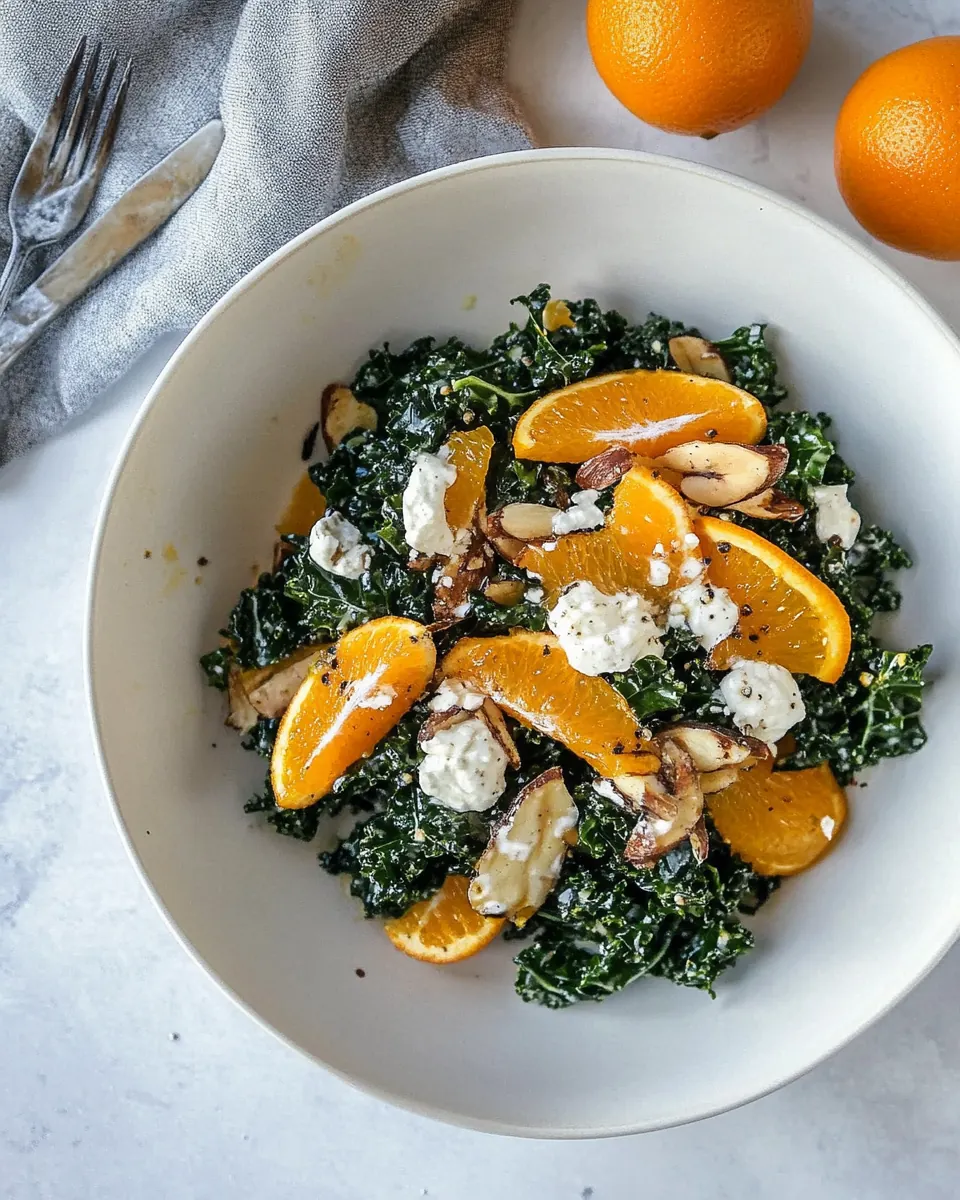
These ingredients work together because they balance structure, creaminess, brightness, and crunch. The kale brings a chewy backbone that soaks up the citrus dressing while remaining hearty. The fruit elements add juicy bursts of flavor, the goat cheese offers tangy softness, and the walnuts contribute toasty texture. The vinaigrette ties it all together with bright acids and a hint of sweet to round the edges.
- 1 bunch kale, ribs removed and leaves torn into pieces (about 6 cups): Torn into bite–sized pieces to provide a sturdy, leafy base for the salad that holds dressing and other toppings; massaging the leaves helps soften their texture and reduce bitterness while improving flavor absorption.
- 8 ounces cooked chicken or turkey, cut into bite sized pieces: Shredded or cubed to add lean protein and hearty texture, contributing savory depth and making the salad more filling; using cooked poultry also introduces a warm contrast if served slightly heated.
- 1 persimmon, thinly sliced into half moons: Thinly sliced into delicate half moons to introduce a sweet, honeyed flavor and smooth, slightly firm texture that complements the greens and citrus notes while adding visual interest.
- 1 mandarin orange, peeled and separated into wedges: Peeled and divided into wedges to offer bright, juicy citrus bursts that add acidity and sweetness, balancing richer elements like cheese and nuts and enhancing overall freshness.
- 4 ounces soft goat cheese, chevre: Crumpled into small pieces to impart a tangy, creamy richness that contrasts with the bitter kale and bright citrus; soft goat cheese also helps create a cohesive mouthfeel.
- 2 4 ounces raw walnuts: Chopped or left in small clusters to contribute crunchy texture and a toasty, slightly bitter flavor that pairs well with sweet and tangy dressings; can be lightly toasted to intensify aroma.
- 1/3 cup freshly squeezed blood orange juice: Freshly squeezed to provide a fragrant, sweet-tart citrus base for the vinaigrette with a distinctive deep flavor and color unique to blood oranges; forms the acidic component that balances oil and sweeteners.
- 1 tablespoon freshly squeezed lemon juice: Added fresh to brighten the vinaigrette with sharp acidity and citrus clarity, helping to lift flavors and preserve the salad's overall brightness while balancing sweetness.
- zest of one blood orange: Zested finely to release aromatic oils that intensify the vinaigrette’s citrus profile without adding extra liquid, offering fragrant floral and bitter-sweet notes that enhance complexity.
- 1 tablespoon maple syrup: Whisked in to supply gentle sweetness that balances the vinaigrette’s acidity and binds flavors together; maple syrup also contributes a warm, subtle depth compared with granulated sugars.
- 1 tablespoon finely diced shallot: Minced very small to infuse the dressing with mild oniony sharpness and savory aromatic notes that mellow when combined with acid and oil, adding subtle complexity to the vinaigrette.
- 1 tablespoon olive oil: Emulsified into the dressing to deliver body, richness, and a smooth mouthfeel while carrying and melding the vinaigrette’s flavors; extra-virgin olive oil also lends a fruity backbone.
- salt to taste: Sprinkled sparingly to enhance and balance flavors, adjusting the seasoning to taste while helping to tame any bitterness from the greens and highlight the salad’s sweeter components.
- pepper to taste: Ground freshly to provide a bright, pungent finish that enhances overall flavor contrast; used to season the salad and dressing, elevating aromas and harmonizing sweet, savory, and acidic elements.
Directions for Citrus Kale Salad with Blood Orange Vinaigrette
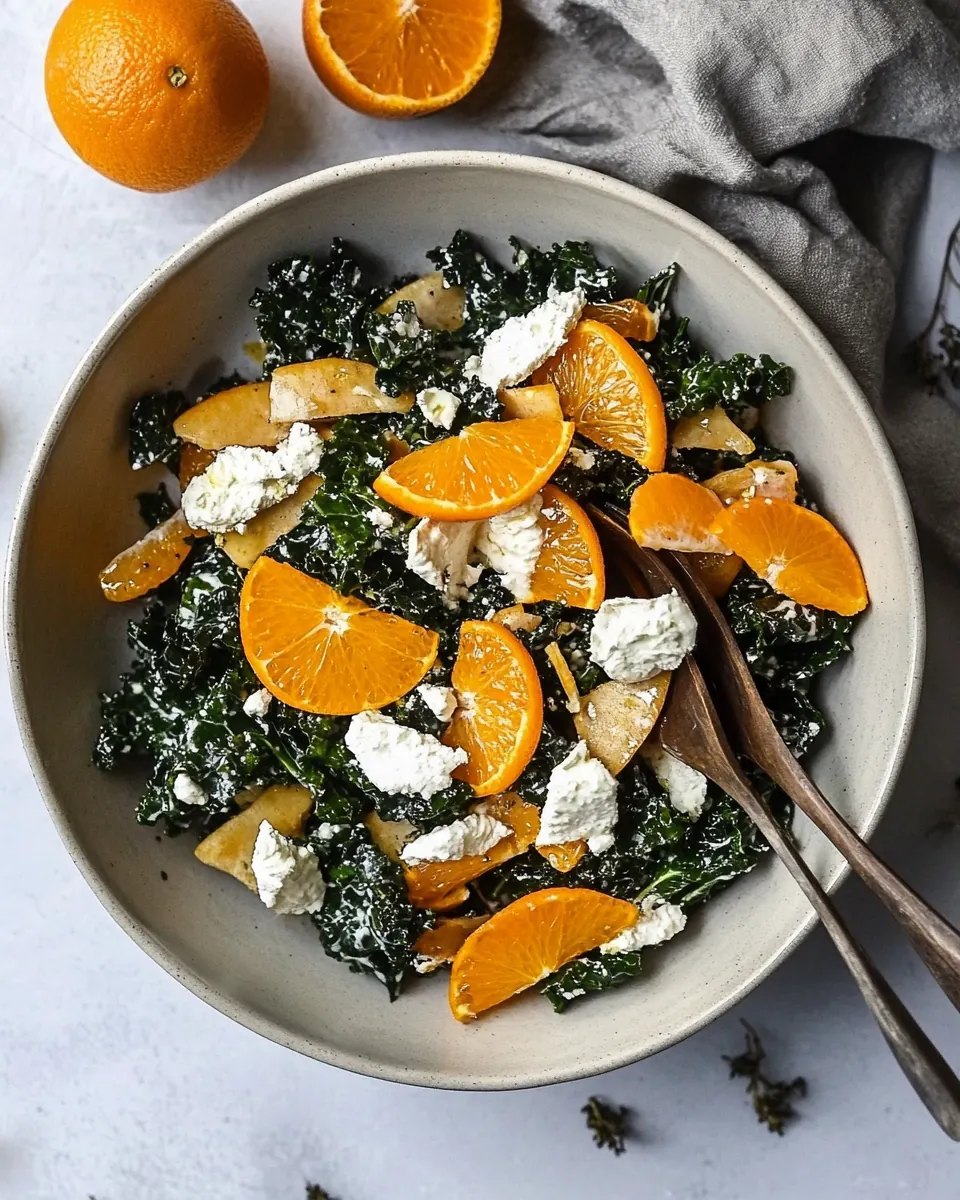
These directions will guide you through making the dressing, treating the kale, and assembling the salad so each bite is balanced. Take your time with the dressing and the massaging step, because they are where textures and flavors truly develop.
- Add all ingredients for blood orange vinaigrette to a mason jar, tightly seal lid and shake until fully combined (or you can just whisk it together).: The vinaigrette should smell bright and citrus forward, with the sweet grain of maple syrup lifting the blood orange and lemon juice notes. After shaking or whisking, you want a slightly glossy emulsion where the olive oil has suspended the juices, not a separated pool of oil on top. This emulsion helps the dressing cling to the kale , ensuring each leaf gets flavor without becoming soggy. If the dressing separates after sitting, give it another vigorous shake, and when whisking, try a fork or small whisk for better incorporation. A common mistake is using cold oil and cold juice at markedly different temperatures, which can make emulsification slower; let ingredients sit at room temperature for a few minutes if needed.
- Add the torn kale to a large salad bowl. Pour a few tablespoons of the dressing over the kale, then massage the dressing into the kale for a few minutes. Allow to sit while preparing the rest of the ingredients.: You should hear a slight rustle as the torn kale hits the bowl, and the leaves will look matte and dense before dressing. Kneading warmth from your hands into the leaves softens them and releases a faintly earthy aroma. Because kale is sturdy, it benefits from physical treatment so the fibers relax and become more palatable. A common misstep is skipping this step, which leaves the leaves tough and makes the salad less enjoyable.
- To assemble salad, add the rest of the salad ingredients to the salad bowl, toss to combine. Top with more dressing or serve with dressing on the side.: As you work the dressing into the kale , you will feel the texture change from rigid to supple, and the color will deepen into a glossier, darker green as the leaves absorb the dressing. Massaging breaks down cell walls and allows the citrus and salt to mellow the vegetal bitterness, creating a pleasant chew. Stop once the leaves are pliable but still have body. Over massaging can make the leaves limp and watery, so aim for tenderness not dissolution. If the salad tastes flat after massaging, it usually needs a pinch more salt to lift the flavors.
- Allow to sit while preparing the rest of the ingredients: Letting the dressed kale rest for a few minutes allows the flavors to marry, and the texture to soften slightly in a way that enhances mouthfeel. During this time, prepare the persimmon and mandarin orange so they are ready to add, and crumble the goat cheese for even distribution. Resist the urge to assemble immediately because the short rest yields a more cohesive salad. A typical error is waiting too long and letting the leaves sit in too much dressing, which can make them soggy, so keep an eye on timing.
- To assemble salad, add the rest of the salad ingredients to the salad bowl, toss to combine: As you add the persimmon , mandarin orange , goat cheese , walnuts , and cooked chicken to the dressed kale , notice the contrast of colors and textures; the shiny citrus segments, the pale soft cheese, and the deep green leaves should create a visually appealing mix. Toss gently so you don’t crush the fruit segments, and use a folding motion to distribute ingredients evenly. This gentle toss helps the dressing adhere without bruising delicate pieces. A common mistake is tossing too roughly, which can break fruit wedges and make the salad look and taste messy.
- Top with more dressing or serve with dressing on the side: Taste the assembled salad and decide if it needs more of the vinaigrette for brightness or a touch more salt and pepper to finish. Serving extra dressing on the side lets people control how dressed they want their salad, which is helpful if you plan to serve this at a crowd event. If you add more dressing, pour sparingly and toss again to avoid overdressing and weighing down the kale . A usual slip up is adding too much dressing at once; it is easier to add than remove, so go slowly.
Recipe Variations about Citrus Kale Salad with Blood Orange Vinaigrette
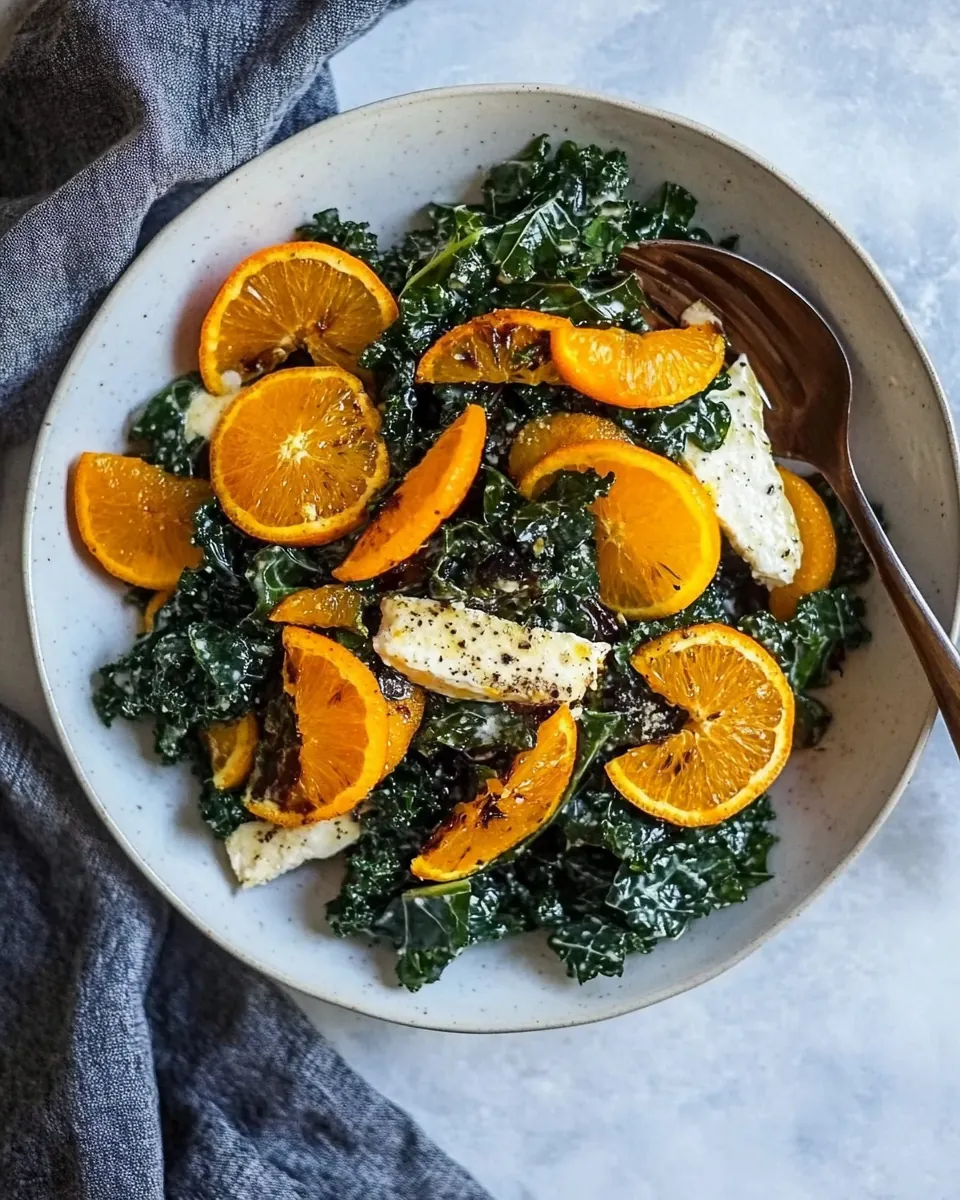
I love exploring small twists that keep the salad interesting while staying true to its bright, textured essence. Below are ideas that honor the original while giving you options depending on pantry items and preferences.
- Make it vegetarian: Omit the cooked chicken and increase the walnuts for extra protein and crunch, or add a can of rinsed beans if you prefer a different protein texture.
- Swap citrus: If blood oranges are unavailable, replace them with regular orange juice and zest for a slightly different but still vibrant dressing.
- Change the cheese: Substitute the goat cheese with a mild feta for a tangier, saltier profile that pairs well with the sweet fruit.
- Boost crunch: Add toasted seeds like pumpkin or sunflower for more textural contrast if you want extra crunch beyond walnuts.
- Make it a side dish: Reduce the cooked chicken portion or omit it entirely to serve the salad as an elegant accompaniment to grilled mains.
What to Serve With Citrus Kale Salad with Blood Orange Vinaigrette
This salad is versatile enough to be a centerpiece or a supporting player. It pairs well with a range of dishes across seasons and occasions, from casual lunches to festive spring dinners.
- Simple grilled fish or chicken: The salad’s bright acidity complements mild grilled proteins, making it a lovely lunch or light dinner option.
- Rustic bread: Offer crusty bread alongside so guests can scoop up any remaining dressing and cheese; it adds comfort and rounds out the meal.
- Brunch spread: Serve alongside quiches and frittatas for a spring brunch where the citrus notes refresh the palate.
- Ramadan iftar: The salad’s bright flavors and nourishing ingredients make it a refreshing starter after a day of fasting, easily shared on a communal table.
- Make ahead and store: Keep the dressing in an airtight container for up to three days, store the assembled salad without dressing for a day, but for best texture dress just before serving.
- Seasonal pairing: In spring, pair with light vegetable sides like roasted asparagus or steamed new potatoes to keep the meal balanced and seasonal.
FAQ
Conclusion
This salad stands out because it balances hearty kale with bright citrus, creamy goat cheese, and crunchy walnuts for a lively, satisfying dish. I encourage you to try it when you want a spring forward side or a light, flavorful main that feels thoughtfully composed without fuss. It’s a recipe that rewards small attentions like massaging the kale and using fresh citrus, and it’s flexible enough to adapt to what you have in the fridge. Serve it to guests or enjoy it for a quietly elegant weeknight meal; either way it brings color and contrast to the table.
Citrus Kale Salad with Blood Orange Vinaigrette
Equipment
- Mason jar
- Large salad bowl
- Whisk
Ingredients
- 1 bunch kale, ribs removed and leaves torn into pieces (about 6 cups) Torn into bite-sized pieces to provide a sturdy, leafy base for the salad that holds dressing and other toppings; massaging the leaves helps soften their texture and reduce bitterness while improving flavor absorption.
- 8 ounces cooked chicken or turkey, cut into bite sized pieces Shredded or cubed to add lean protein and hearty texture, contributing savory depth and making the salad more filling; using cooked poultry also introduces a warm contrast if served slightly heated.
- 1 persimmon, thinly sliced into half moons Thinly sliced into delicate half moons to introduce a sweet, honeyed flavor and smooth, slightly firm texture that complements the greens and citrus notes while adding visual interest.
- 1 mandarin orange, peeled and separated into wedges Peeled and divided into wedges to offer bright, juicy citrus bursts that add acidity and sweetness, balancing richer elements like cheese and nuts and enhancing overall freshness.
- 4 ounces soft goat cheese, chevre Crumpled into small pieces to impart a tangy, creamy richness that contrasts with the bitter kale and bright citrus; soft goat cheese also helps create a cohesive mouthfeel.
- 2 -4 ounces raw walnuts Chopped or left in small clusters to contribute crunchy texture and a toasty, slightly bitter flavor that pairs well with sweet and tangy dressings; can be lightly toasted to intensify aroma.
- 1/3 cup freshly squeezed blood orange juice Freshly squeezed to provide a fragrant, sweet-tart citrus base for the vinaigrette with a distinctive deep flavor and color unique to blood oranges; forms the acidic component that balances oil and sweeteners.
- 1 tablespoon freshly squeezed lemon juice Added fresh to brighten the vinaigrette with sharp acidity and citrus clarity, helping to lift flavors and preserve the salad's overall brightness while balancing sweetness.
- zest of one blood orange Zested finely to release aromatic oils that intensify the vinaigrette’s citrus profile without adding extra liquid, offering fragrant floral and bitter-sweet notes that enhance complexity.
- 1 tablespoon maple syrup Whisked in to supply gentle sweetness that balances the vinaigrette’s acidity and binds flavors together; maple syrup also contributes a warm, subtle depth compared with granulated sugars.
- 1 tablespoon finely diced shallot Minced very small to infuse the dressing with mild oniony sharpness and savory aromatic notes that mellow when combined with acid and oil, adding subtle complexity to the vinaigrette.
- 1 tablespoon olive oil Emulsified into the dressing to deliver body, richness, and a smooth mouthfeel while carrying and melding the vinaigrette’s flavors; extra-virgin olive oil also lends a fruity backbone.
- salt to taste Sprinkled sparingly to enhance and balance flavors, adjusting the seasoning to taste while helping to tame any bitterness from the greens and highlight the salad’s sweeter components.
- pepper to taste Ground freshly to provide a bright, pungent finish that enhances overall flavor contrast; used to season the salad and dressing, elevating aromas and harmonizing sweet, savory, and acidic elements.
Instructions
- Add all ingredients for blood orange vinaigrette to a mason jar, tightly seal lid and shake until fully combined (or you can just whisk it together).: The vinaigrette should smell bright and citrus forward, with the sweet grain of maple syrup lifting the blood orange and lemon juice notes. After shaking or whisking, you want a slightly glossy emulsion where the olive oil has suspended the juices, not a separated pool of oil on top. This emulsion helps the dressing cling to the kale , ensuring each leaf gets flavor without becoming soggy. If the dressing separates after sitting, give it another vigorous shake, and when whisking, try a fork or small whisk for better incorporation. A common mistake is using cold oil and cold juice at markedly different temperatures, which can make emulsification slower; let ingredients sit at room temperature for a few minutes if needed.
- Add the torn kale to a large salad bowl. Pour a few tablespoons of the dressing over the kale, then massage the dressing into the kale for a few minutes. Allow to sit while preparing the rest of the ingredients.: You should hear a slight rustle as the torn kale hits the bowl, and the leaves will look matte and dense before dressing. Kneading warmth from your hands into the leaves softens them and releases a faintly earthy aroma. Because kale is sturdy, it benefits from physical treatment so the fibers relax and become more palatable. A common misstep is skipping this step, which leaves the leaves tough and makes the salad less enjoyable.
- To assemble salad, add the rest of the salad ingredients to the salad bowl, toss to combine. Top with more dressing or serve with dressing on the side.: As you work the dressing into the kale , you will feel the texture change from rigid to supple, and the color will deepen into a glossier, darker green as the leaves absorb the dressing. Massaging breaks down cell walls and allows the citrus and salt to mellow the vegetal bitterness, creating a pleasant chew. Stop once the leaves are pliable but still have body. Over massaging can make the leaves limp and watery, so aim for tenderness not dissolution. If the salad tastes flat after massaging, it usually needs a pinch more salt to lift the flavors.
- Allow to sit while preparing the rest of the ingredients: Letting the dressed kale rest for a few minutes allows the flavors to marry, and the texture to soften slightly in a way that enhances mouthfeel. During this time, prepare the persimmon and mandarin orange so they are ready to add, and crumble the goat cheese for even distribution. Resist the urge to assemble immediately because the short rest yields a more cohesive salad. A typical error is waiting too long and letting the leaves sit in too much dressing, which can make them soggy, so keep an eye on timing.
- To assemble salad, add the rest of the salad ingredients to the salad bowl, toss to combine: As you add the persimmon , mandarin orange , goat cheese , walnuts , and cooked chicken to the dressed kale , notice the contrast of colors and textures; the shiny citrus segments, the pale soft cheese, and the deep green leaves should create a visually appealing mix. Toss gently so you don’t crush the fruit segments, and use a folding motion to distribute ingredients evenly. This gentle toss helps the dressing adhere without bruising delicate pieces. A common mistake is tossing too roughly, which can break fruit wedges and make the salad look and taste messy.
- Top with more dressing or serve with dressing on the side: Taste the assembled salad and decide if it needs more of the vinaigrette for brightness or a touch more salt and pepper to finish. Serving extra dressing on the side lets people control how dressed they want their salad, which is helpful if you plan to serve this at a crowd event. If you add more dressing, pour sparingly and toss again to avoid overdressing and weighing down the kale . A usual slip up is adding too much dressing at once; it is easier to add than remove, so go slowly.
Notes
- Make it vegetarian: Omit the cooked chicken and increase the walnuts for extra protein and crunch, or add a can of rinsed beans if you prefer a different protein texture.
- Swap citrus: If blood oranges are unavailable, replace them with regular orange juice and zest for a slightly different but still vibrant dressing.
- Change the cheese: Substitute the goat cheese with a mild feta for a tangier, saltier profile that pairs well with the sweet fruit.
- Boost crunch: Add toasted seeds like pumpkin or sunflower for more textural contrast if you want extra crunch beyond walnuts.
- Make it a side dish: Reduce the cooked chicken portion or omit it entirely to serve the salad as an elegant accompaniment to grilled mains.
