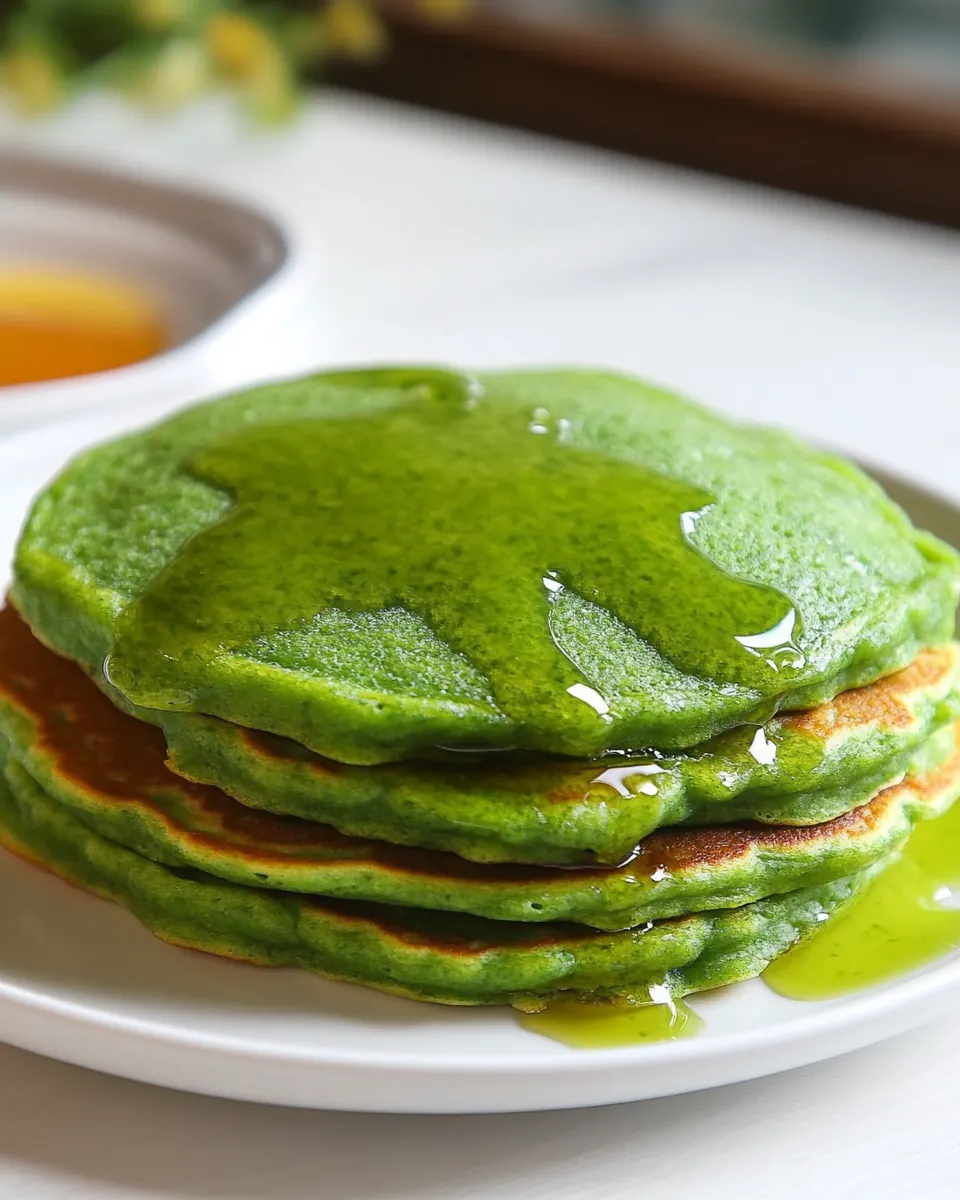
Spinach Pancakes
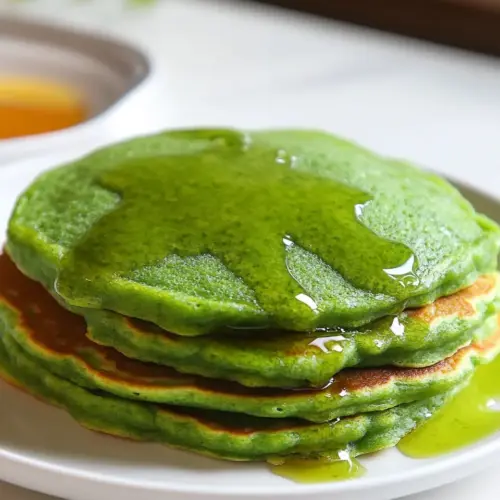
Spinach Pancakes started as a green little experiment the first time I tried blending leaves into batter, and it quickly turned into a weekend ritual I look forward to.
That morning I had a mission to coax more vegetables into breakfast without turning it into a chore, so I grabbed a handful of bright, tender spinach and a few pantry staples and pulsed them until the batter glowed. The aroma was grassy and fresh, the color impossible to resist, and by the time the first round hit the hot pan I knew this was a keeper. I remember the soft hiss as the batter met the surface, the tiny bubbles forming, and the light flip that revealed little round discs flecked with green.
Friends started asking for the recipe because these pancakes feel playful but also practical, they travel well, and they sneak extra greens into a plate without any fuss. I like serving them stacked with a smear of butter or a drizzle of something sweet, and they make mornings feel both homey and a touch adventurous. Over time I’ve learned small tricks about blending, resting, and cooking that make every batch reliable, and I enjoy sharing the discoveries that save time and lift flavor.
Recipe Snapshot
15 mins
5 mins
10 mins
Easy
150 kcal
American
Gluten-Free, Low FODMAP
Breakfast
blender, large sauté pan
What’s Great About This Spinach Pancakes
They are unexpectedly approachable
I love that Spinach Pancakes make adding vegetables feel effortless. Because the spinach is blended with the wet ingredients, the texture stays smooth and light, not fibrous or gritty. I tell people they are an easy first step for anyone intimidated by savory greens, and once you’ve made them you’ll keep coming back for the simplicity.
They pack bright flavor and nutrition
We get vegetal freshness from the spinach, balanced by the tang of the buttermilk and the tender crumb that develops from the all purpose flour. For me this combination keeps the pancakes lively, not heavy, and the nutrients from the spinach stay intact because the cook time is short. I value recipes that taste good and feel good to serve to family.
Versatile for meals and occasions
I often serve these for casual weekend breakfasts, but they also work as a fun brunch item or finger food for gatherings. Since the batter is simple to scale, you can make a small batch for two or a large stack for a group. I appreciate a recipe that adapts to the moment, whether it’s a quiet morning or a lively table.
Fast and forgiving technique
The method is forgiving, which is huge if you are juggling kids or a busy morning. Blending the wet ingredients creates a uniform batter that browns predictably on a hot pan. If you keep the heat moderate and watch for visual cues like small bubbles and golden edges, you’ll avoid overcooking and keep the centers tender.
Great for make ahead and reheating
I love recipes that hang around and still taste great. These pancakes reheat well in a toaster or oven, and they can be frozen in a single layer for quick weekday breakfasts. I often make an extra batch on purpose, because the ease of reheating means I can grab a healthy breakfast in moments, which feels like a small win on busy days.
What You’ll Need for Spinach Pancakes
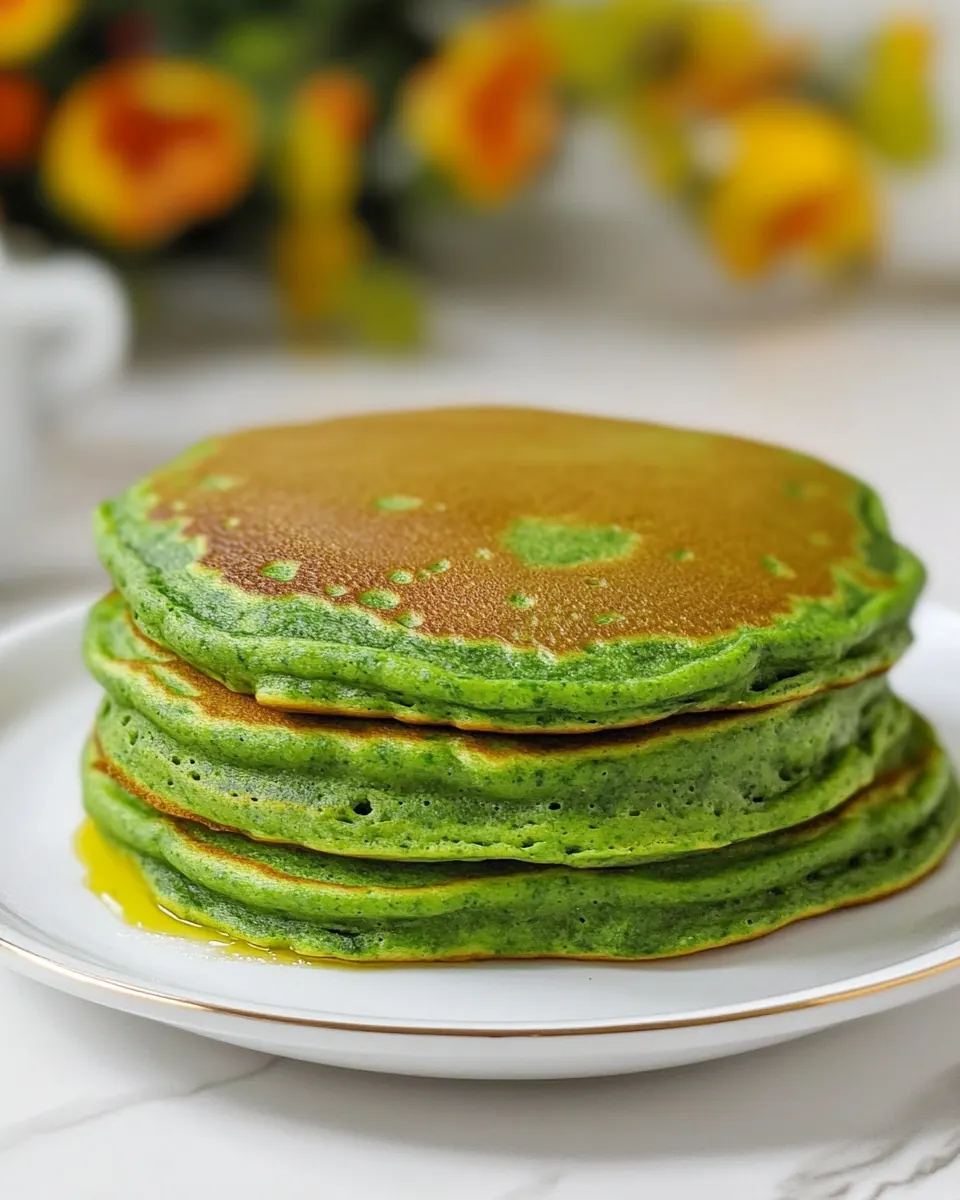
These ingredients are about balance and simplicity. The spinach brings color and subtle grassy flavor, while the buttermilk adds tang and tenderizes the crumb. The egg binds, the oil adds silkiness, and the dry ingredients give structure. Together they create a batter that cooks quickly into light, green-hued pancakes that are playful yet reliable.
- 1 cup packed fresh spinach: Adds vibrant color and a mild earthy flavor while contributing moisture and nutrients to the batter; finely chop or puree for even distribution and tender texture. Helps balance richness from dairy and egg, and increases vitamin content for a healthier pancake variation.
- 1 cup buttermilk: Provides tangy acidity and liquid structure that reacts with leaveners to create lightness; use at room temperature for best mixing and consistent batter. Contributes a subtle sour note that brightens the overall flavor and helps tenderize the crumb.
- 1 large egg: Adds protein and emulsifying properties to bind ingredients and help trap air for lift; beat lightly before adding to incorporate evenly. Supplies richness that improves mouthfeel and promotes browning during cooking.
- 1 tablespoon oil: Adds fat and helps create a tender, moist pancake while preventing sticking during cooking; choose a neutral-flavored oil for a clean taste. Contributes to browning and provides a smooth texture without weighing the batter down.
- 1 cup all purpose flour: Supplies bulk, gluten-forming proteins, and structure to the pancakes when mixed with liquids and leaveners; measure accurately and avoid overmixing to prevent toughness. Creates the framework that holds air bubbles and yields a cohesive batter.
- 1 tablespoon sugar: Adds subtle sweetness to balance savory spinach notes and enhances browning through caramelization; dissolve into the wet ingredients for even distribution. Small amount preserves pancake tenderness while providing flavor depth.
- 1 teaspoon baking powder: Acts as a primary leavening agent to produce lift and light, airy texture when combined with liquid and heat; sift or mix thoroughly for uniform rising. Works with baking soda and acidic buttermilk to create tender, well-risen pancakes.
- 1/2 teaspoon baking soda: Provides additional leavening power and reacts with acidic buttermilk to create lift and a delicate crumb; measure carefully because it's stronger than baking powder. Helps neutralize some acidity while contributing to overall rise and tenderness.
- 1/2 teaspoon kosher salt: Adds savory balance and enhances overall flavor perception while helping control yeast or leavener reactions; dissolve into dry ingredients for even seasoning. Small amount ensures seasonings are subtle and complementary to the spinach and buttermilk.
Recipe Directions for Spinach Pancakes
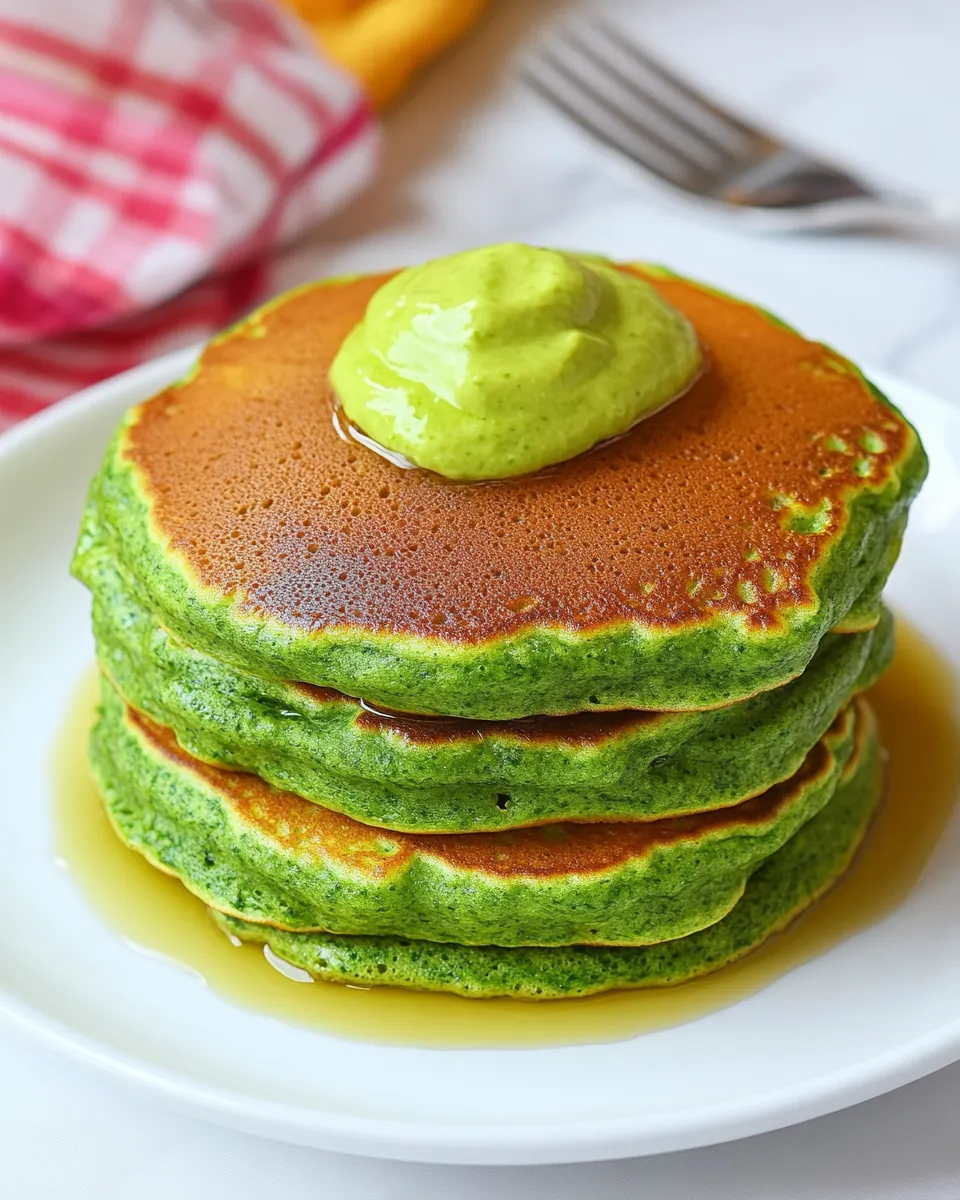
The directions are straightforward, and once you get the rhythm of blending, whisking, and spotting visual cues at the griddle you will be turning out pancakes confidently. Keep an eye on batter consistency and pan temperature, and you will notice small bubbles and golden edges as reliable signals that it is time to flip. Below, each step includes details on what to listen, see, and avoid so your pancakes come out tender and evenly cooked.
- In a blender, combine the spinach, buttermilk, egg, and oil and blend until smooth.: You will smell fresh green notes as the spinach breaks down, and the mixture should become vibrant and uniform in color, almost like a pale emerald cream. The blades will soften the leaves so the batter has no fibrous bits, ensuring a silky texture on the griddle. I like to pulse first to reduce large pieces, then blend at medium speed until fully smooth. A common mistake is overfilling the blender, which can lead to uneven blending, so work in a manageable quantity. If the mixture looks too thin, a brief rest lets tiny air bubbles settle, and you can adjust with a spoonful more flour later if needed. Visually, you want a pourable, slightly thick liquid, not watery.
- In a separate bowl, whisk together the flour, sugar, baking powder, baking soda, and salt.: As you whisk the dry all purpose flour and leaveners, you will create an even, pale mixture without clumps, which is crucial for consistent rise. The act of whisking aerates the dry ingredients, helping the pancakes stay light, and the sugar disperses so it browns uniformly. I tap the bowl gently to settle the mixture and run my fingers through to check for lumps. Avoid packing the flour into the measuring cup, because that leads to dense pancakes. If you see any lumps, sift or press them out with the whisk so the batter mixes quickly when you combine the wet and dry.
- Whisk the wet ingredients into the dry ingredients until just combined. Be careful not to overmix.: When you pour the blended wet mix into the dry bowl, the sound should be smooth, and you will see streaks of green fade into a cohesive batter. Stir gently until you cannot see large pockets of dry flour . The texture should be slightly lumpy, not glassy or runny, because overmixing develops gluten and yields chewy pancakes. I always stop when small flour streaks remain; the residual mixing while cooking finishes the job. A frequent error is vigorous stirring, which creates tough pancakes, so be deliberate and patient. The batter should hold its shape when dropped from a spoon, with a slow, steady pour.
- Heat a large pan or griddle over medium heat and grease with butter or oil. Pour about 1 tablespoon of the pancake mixture onto the griddle, making as many pancakes as will fit and cook for 2 minutes.: As the batter hits the hot surface you will hear a soft sizzling sound and see tiny bubbles forming at the edges within the first minute. The pan should be hot enough to create color without burning, so test with a small drop; it should sizzle gently. Butter adds a nutty aroma, while oil resists burning, so choose based on flavor preference. Cook until you notice the edges becoming matte and small holes form across the top, these are your visual cues. A common pitfall is too high heat, which browns the outside before the center sets. Keep the heat steady and work in small batches for consistent results.
- Flip the pancakes and cook for one minute longer.: After flipping, you should see a light golden brown surface and feel a springy give when touched with a spatula. The second side cooks faster, finishing the center without overbrowning. Listen for a lowered sizzle, which signals that the interior has set and the exterior is sealing. If the face browns too quickly, reduce the heat, because that indicates the center is still undercooked. I flip confidently and return the pancake to the pan for a brief finish, aiming for a tender, moist inside. Overcooking here will result in dryness, so watch the color and timing closely.
- Serve warm with favorite toppings.: When plated, the pancakes should be warm, slightly springy, and softly tender. I enjoy stacking them and adding a pat of butter or a drizzle of syrup for contrast, but savory toppings also work because the spinach gives a subtle savory note. Serving immediately preserves the best texture, since they will soften as they cool. If you must hold them, keep them loosely tented in a warm oven to maintain heat and prevent sogginess. A typical mistake is piling them and letting steam accumulate, which makes them limp, so give them a moment on a rack if you are stacking many.
Customization Ideas
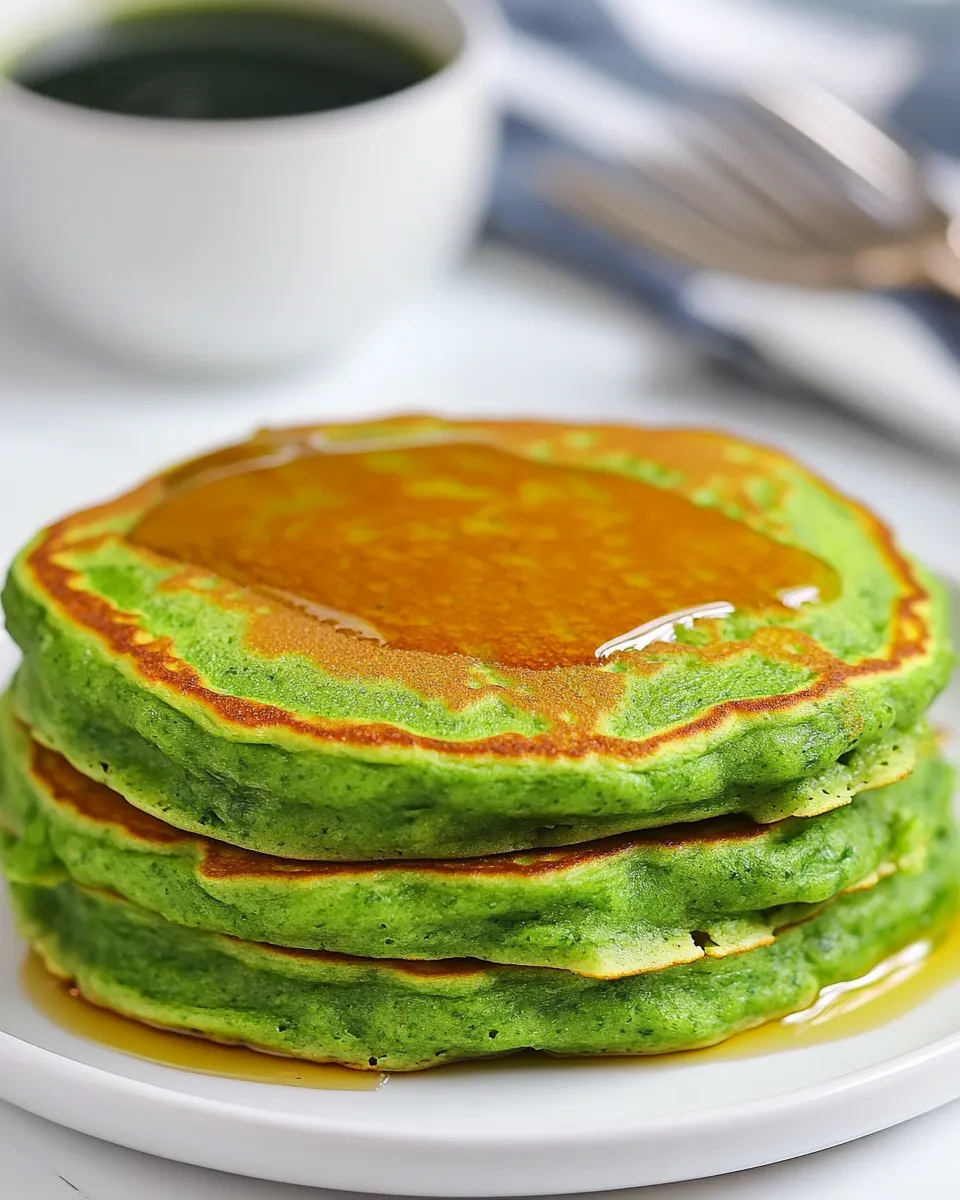
If you like to personalize your breakfast, these suggestions make the Spinach Pancakes feel new each time. Below are ideas for texture, flavor, and presentation that keep the core recipe intact while unlocking different serving styles and pantry-friendly variations.
- Make them into waffles Use the same batter in a preheated waffle iron, following the manufacturer’s cook time, for crisp edges and a deeper golden color.
- Add herbs for a savory twist Fold in finely chopped mild herbs to the batter for an herbaceous note that complements the spinach without overpowering the base flavors.
- Swap the oil for melted butter Replace the oil with melted butter for a richer flavor and slightly more pronounced browning on the pancake surface.
- Adjust thickness If the batter seems thin, add a tablespoon at a time of all purpose flour until it reaches a thicker pourable consistency, which yields fluffier pancakes.
- Keep warm in the oven Hold cooked pancakes in a low oven while finishing the batch to maintain warmth and avoid steam building under a tight cover.
What Goes Well With This Spinach Pancakes
These pancakes pair beautifully with contrasting flavors and textures, and they adapt to both sweet and savory accompaniments. Below are thoughtful serving ideas and seasonal or occasion-based pairings so you can present them in ways that suit breakfast, brunch, or light lunches. I include suggestions for storage and warming, because that makes them practical for busy weeks.
- Simple butter and syrup A classic approach is a pat of butter melted between stacked pancakes and a drizzle of maple syrup, which adds sweetness and a familiar breakfast profile.
- Yogurt and fruit Spoon plain or lightly sweetened yogurt alongside fresh fruit for a bright contrast to the spinach notes, great for a lighter brunch plate.
- Savory spread For a savory service, try a smear of soft cheese or a herby labneh, which complements the green flavors without overpowering them.
- Finger food for gatherings Make mini stacks and serve on a platter with toothpicks, allowing guests to choose sweet or savory accompaniments, ideal for casual entertaining.
- Meal prep and storage Cool pancakes completely before storing in an airtight container for up to three days in the refrigerator, or freeze in a single layer for up to three months.
- Reheating Rewarm frozen pancakes in a toaster, oven, or microwave until heated through, which restores texture quickly for weekday breakfasts.
FAQ
Conclusion
Spinach Pancakes are special because they turn a handful of greens into a playful, tender breakfast that feels both healthy and indulgent. I encourage you to give them a try, whether you are feeding a crowd or making a quick solo meal, because they are forgiving, quick to make, and easy to adapt. Enjoy the bright color and gentle flavor, and don’t be surprised if they become a regular in your morning rotation.
Spinach Pancakes
Equipment
- Blender
- Large saute pan
Ingredients
- 1 cup packed fresh spinach Adds vibrant color and a mild earthy flavor while contributing moisture and nutrients to the batter; finely chop or puree for even distribution and tender texture. Helps balance richness from dairy and egg, and increases vitamin content for a healthier pancake variation.
- 1 cup buttermilk Provides tangy acidity and liquid structure that reacts with leaveners to create lightness; use at room temperature for best mixing and consistent batter. Contributes a subtle sour note that brightens the overall flavor and helps tenderize the crumb.
- 1 large egg Adds protein and emulsifying properties to bind ingredients and help trap air for lift; beat lightly before adding to incorporate evenly. Supplies richness that improves mouthfeel and promotes browning during cooking.
- 1 tablespoon oil Adds fat and helps create a tender, moist pancake while preventing sticking during cooking; choose a neutral-flavored oil for a clean taste. Contributes to browning and provides a smooth texture without weighing the batter down.
- 1 cup all purpose flour Supplies bulk, gluten-forming proteins, and structure to the pancakes when mixed with liquids and leaveners; measure accurately and avoid overmixing to prevent toughness. Creates the framework that holds air bubbles and yields a cohesive batter.
- 1 tablespoon sugar Adds subtle sweetness to balance savory spinach notes and enhances browning through caramelization; dissolve into the wet ingredients for even distribution. Small amount preserves pancake tenderness while providing flavor depth.
- 1 teaspoon baking powder Acts as a primary leavening agent to produce lift and light, airy texture when combined with liquid and heat; sift or mix thoroughly for uniform rising. Works with baking soda and acidic buttermilk to create tender, well-risen pancakes.
- 1/2 teaspoon baking soda Provides additional leavening power and reacts with acidic buttermilk to create lift and a delicate crumb; measure carefully because it's stronger than baking powder. Helps neutralize some acidity while contributing to overall rise and tenderness.
- 1/2 teaspoon kosher salt Adds savory balance and enhances overall flavor perception while helping control yeast or leavener reactions; dissolve into dry ingredients for even seasoning. Small amount ensures seasonings are subtle and complementary to the spinach and buttermilk.
Instructions
- In a blender, combine the spinach, buttermilk, egg, and oil and blend until smooth.: You will smell fresh green notes as the spinach breaks down, and the mixture should become vibrant and uniform in color, almost like a pale emerald cream. The blades will soften the leaves so the batter has no fibrous bits, ensuring a silky texture on the griddle. I like to pulse first to reduce large pieces, then blend at medium speed until fully smooth. A common mistake is overfilling the blender, which can lead to uneven blending, so work in a manageable quantity. If the mixture looks too thin, a brief rest lets tiny air bubbles settle, and you can adjust with a spoonful more flour later if needed. Visually, you want a pourable, slightly thick liquid, not watery.
- In a separate bowl, whisk together the flour, sugar, baking powder, baking soda, and salt.: As you whisk the dry all purpose flour and leaveners, you will create an even, pale mixture without clumps, which is crucial for consistent rise. The act of whisking aerates the dry ingredients, helping the pancakes stay light, and the sugar disperses so it browns uniformly. I tap the bowl gently to settle the mixture and run my fingers through to check for lumps. Avoid packing the flour into the measuring cup, because that leads to dense pancakes. If you see any lumps, sift or press them out with the whisk so the batter mixes quickly when you combine the wet and dry.
- Whisk the wet ingredients into the dry ingredients until just combined. Be careful not to overmix.: When you pour the blended wet mix into the dry bowl, the sound should be smooth, and you will see streaks of green fade into a cohesive batter. Stir gently until you cannot see large pockets of dry flour . The texture should be slightly lumpy, not glassy or runny, because overmixing develops gluten and yields chewy pancakes. I always stop when small flour streaks remain; the residual mixing while cooking finishes the job. A frequent error is vigorous stirring, which creates tough pancakes, so be deliberate and patient. The batter should hold its shape when dropped from a spoon, with a slow, steady pour.
- Heat a large pan or griddle over medium heat and grease with butter or oil. Pour about 1 tablespoon of the pancake mixture onto the griddle, making as many pancakes as will fit and cook for 2 minutes.: As the batter hits the hot surface you will hear a soft sizzling sound and see tiny bubbles forming at the edges within the first minute. The pan should be hot enough to create color without burning, so test with a small drop; it should sizzle gently. Butter adds a nutty aroma, while oil resists burning, so choose based on flavor preference. Cook until you notice the edges becoming matte and small holes form across the top, these are your visual cues. A common pitfall is too high heat, which browns the outside before the center sets. Keep the heat steady and work in small batches for consistent results.
- Flip the pancakes and cook for one minute longer.: After flipping, you should see a light golden brown surface and feel a springy give when touched with a spatula. The second side cooks faster, finishing the center without overbrowning. Listen for a lowered sizzle, which signals that the interior has set and the exterior is sealing. If the face browns too quickly, reduce the heat, because that indicates the center is still undercooked. I flip confidently and return the pancake to the pan for a brief finish, aiming for a tender, moist inside. Overcooking here will result in dryness, so watch the color and timing closely.
- Serve warm with favorite toppings.: When plated, the pancakes should be warm, slightly springy, and softly tender. I enjoy stacking them and adding a pat of butter or a drizzle of syrup for contrast, but savory toppings also work because the spinach gives a subtle savory note. Serving immediately preserves the best texture, since they will soften as they cool. If you must hold them, keep them loosely tented in a warm oven to maintain heat and prevent sogginess. A typical mistake is piling them and letting steam accumulate, which makes them limp, so give them a moment on a rack if you are stacking many.
Notes
- Make them into waffles Use the same batter in a preheated waffle iron, following the manufacturer’s cook time, for crisp edges and a deeper golden color.
- Add herbs for a savory twist Fold in finely chopped mild herbs to the batter for an herbaceous note that complements the spinach without overpowering the base flavors.
- Swap the oil for melted butter Replace the oil with melted butter for a richer flavor and slightly more pronounced browning on the pancake surface.
- Adjust thickness If the batter seems thin, add a tablespoon at a time of all purpose flour until it reaches a thicker pourable consistency, which yields fluffier pancakes.
- Keep warm in the oven Hold cooked pancakes in a low oven while finishing the batch to maintain warmth and avoid steam building under a tight cover.
