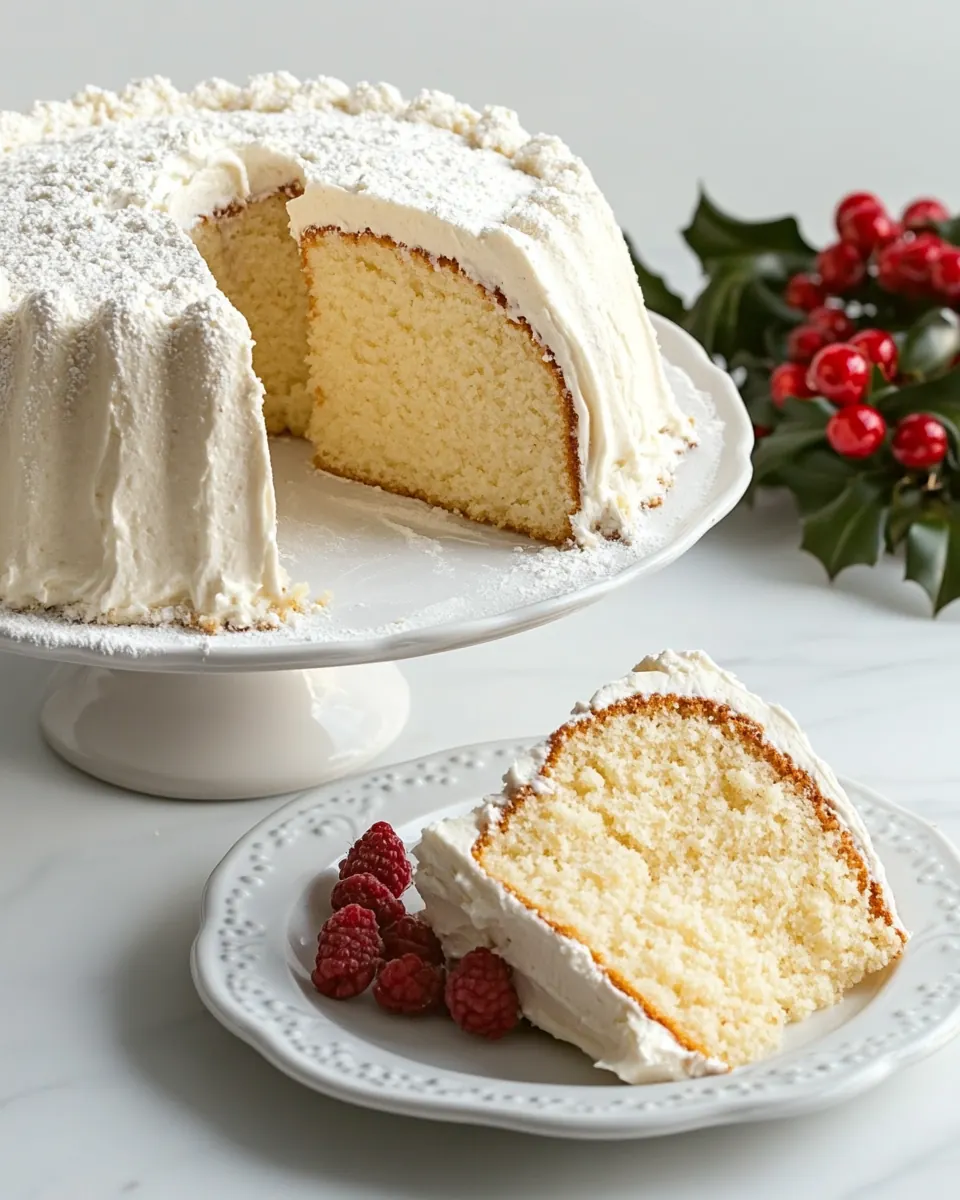
Upgrade Your Holiday Baking with Swans Down Cake Flour
Upgrade Your Holiday Baking with Swans Down Cake Flour has been a kitchen companion for me on cool afternoons when I want something buttery and just a little nostalgic. The first time I made these cookies, I remember the hush that fell over the room as the warm, coffee scented butter and chocolate drew everyone near. I felt proud and oddly serene, like I had found a small ritual worth repeating each season.
Over the years I have learned to respect simple recipes that hinge on technique rather than fuss. With Upgrade Your Holiday Baking with Swans Down Cake Flour I play with tiny details, like the way the dough feels as I form a log, and the gentle snap of the cooled chocolate drizzle. Those small moments add up to something comfortingly precise, and I enjoy sharing that with friends who ask for the recipe after one bite.
When I bake this around holidays, the house fills with a blend of citrus, coffee, and warm chocolate, and people slow down in the best way. I also love that the cookie dough is sturdy enough to roll and slice, which means I can make batches ahead and bake when company arrives. If you enjoy calm prep and reliably excellent results, Upgrade Your Holiday Baking with Swans Down Cake Flour will feel like a dependable friend at your holiday table.
Recipe Snapshot
2 hr 18 mins
120 mins
18 mins
Hard
150 kcal
American
Gluten-Free, Low FODMAP
Desserts
Stand mixer, Paddle attachment, Serrated knife, Rimmed baking sheet, Parchment paper, Wire rack, Microwave-safe bowl, Pastry bag or resealable plastic bag
What Sets This Upgrade Your Holiday Baking with Swans Down Cake Flour Apart
Pure, tender crumb every time
I find that these cookies stand out because the formula creates a delicate, melt in your mouth texture that is hard to get with all purpose flour. Using sifted Swans Down Cake Flour gives the dough a lighter structure, so each bite feels refined, without being dry. I appreciate how that subtle change translates into a cookie that feels elegant, yet still homey.
Balanced flavors that comfort
There is a harmony here between unsalted butter, a whisper of confectioners’ sugar for tenderness, and a hint of French Market Creole Blend Ground Coffee along with orange zest to lift the profile. I often tell guests that the coffee is mostly aromatic, it deepens the chocolate note without making the cookie taste like coffee. That soft, layered flavor is why I keep coming back to this recipe.
Make ahead friendly
I love recipes that let me spread my work across days. The dough chills into a firm log, which makes slicing neat rounds a breeze. I often prepare multiple logs, wrap them tight, and bake only what I need. This flexibility is a lifesaver during busy gatherings, and it keeps the cookies tasting freshly baked whenever you serve them.
Pretty finishing without fuss
The melted semisweet chocolate baking bars combined with a touch of all-vegetable shortening create a glossy drizzle that sets quickly. I enjoy the visual payoff, since that simple drizzle turns a humble shortbread into something that feels gift worthy. You get a professional looking finish with minimal effort.
Reliable technique over gimmicks
I prefer recipes that reward attention to small details over complicated tricks. This one asks for measured mixing speeds, precise chilling, and gentle handling of the dough. When I follow those cues, the results are consistent. It’s a recipe that makes you a better baker just by practicing it a few times.
What’s In This Upgrade Your Holiday Baking with Swans Down Cake Flour
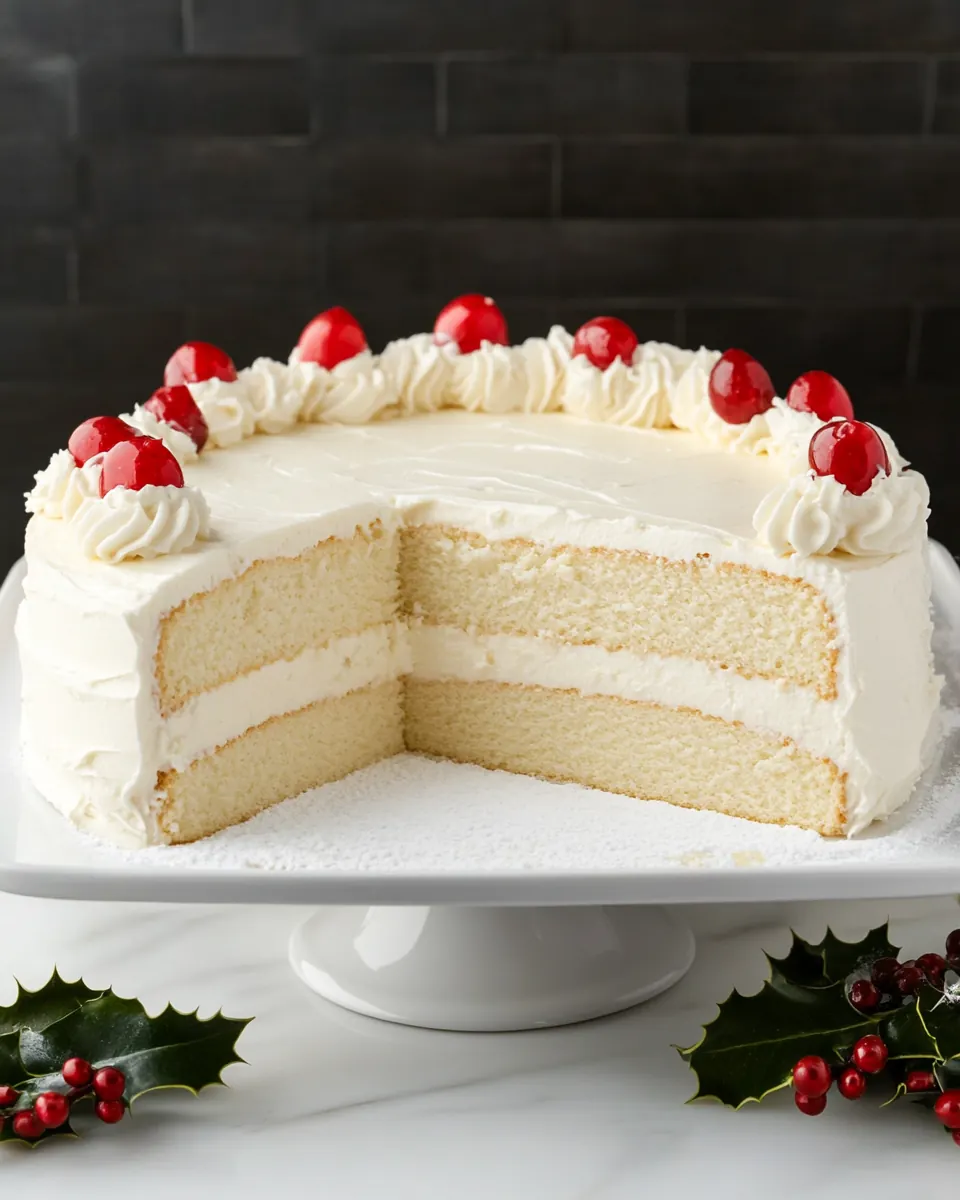
These ingredients are intentionally simple and complementary. The recipe relies on quality butter for richness, a blend of sugars for texture, and a small amount of cake flour to keep the crumb delicate. The coffee and orange zest act as subtle flavor enhancers, while melted chocolate and a bit of shortening give a gleaming finishing touch. Together they create crisp edges, tender centers, and a pleasing aroma.
- 1 cup unsalted butter, softened: Cream thoroughly to create a light, airy base that helps incorporate air and provides rich flavor and tenderness to baked goods.
- 1/3 cup confectioners’ sugar: Sweeten delicately and add a fine texture to batters while contributing to a melt-in-the-mouth crumb when creamed with butter.
- 1/4 cup granulated sugar: Provide granular sweetness and structure, aiding in creaming and contributing to caramelization and overall balance in the recipe.
- 2 tablespoons French Market Creole Blend Ground Coffee: Infuse deep coffee aroma and a subtle bitter note that enhances chocolate flavors and adds complexity to the dough.
- 1/2 teaspoons salt: Season lightly to balance sweetness and strengthen gluten structure slightly, improving overall flavor clarity in the final product.
- 1/2 teaspoon orange zest: Brighten flavors and add a citrusy fragrance that cuts through richness, enhancing complexity and freshness in the baked item.
- 1 large egg yolk, room temperature: Enrich dough with fat and natural emulsifiers to improve texture, tenderness, and richness without adding extra liquid.
- 1/2 teaspoon vanilla extract: Enhance and round out flavors by adding a warm, sweet aromatic that complements butter and chocolate in baked goods.
- 3 cups sifted Swans Down® Cake Flour: Provide a tender, delicate crumb by contributing lower protein starches compared with all-purpose flour, yielding a softer cake or cookie texture.
- 6 ounces semisweet chocolate baking bars, chopped: Melt and provide a rich chocolate body and glossy finish when tempered or melted into batter, contributing deep cocoa flavor and texture.
- 1 teaspoon all-vegetable shortening: Stabilize and thin melted chocolate for smoother coating and sheen, preventing graininess and promoting a glossy finish when used sparingly.
Step by Step Instructions for Upgrade Your Holiday Baking with Swans Down Cake Flour
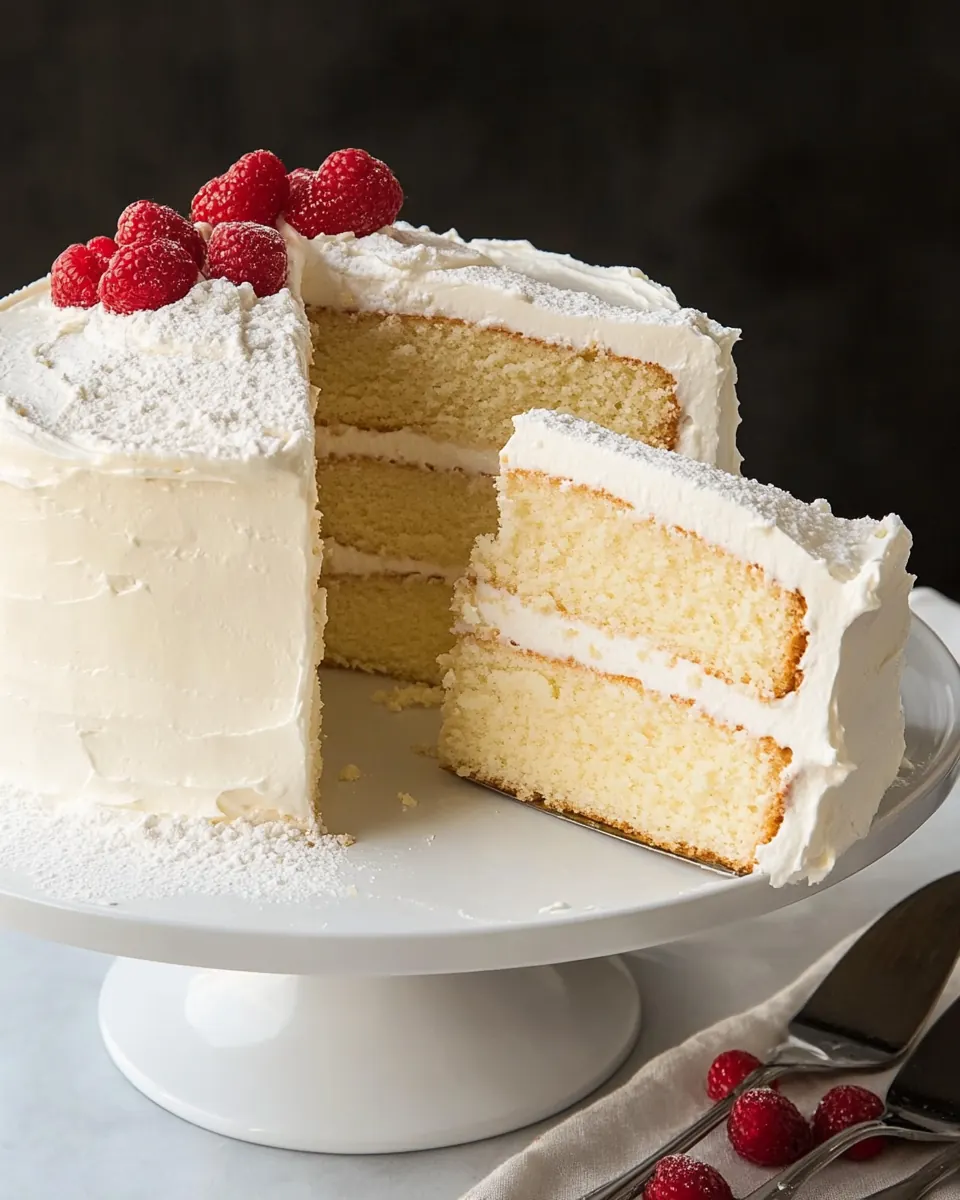
These steps guide you through mixing, shaping, chilling, baking, and finishing. I will walk you through each moment and explain what to look for so the cookies turn out consistently excellent.
- In the bowl of a stand mixer fitted with the paddle attachment, beat butter at medium speed until smooth, 1 to 2 minutes. Add sugars, ground coffee, salt, and orange zest; beat at medium-low speed until smooth, about 1 minute. Add egg yolk and vanilla. Beat until combined, about 1 minute. With mixer on low speed, add flour to butter mixture in two additions, beating until combined. Shape dough into a 12-inch log; wrap in plastic wrap, and refrigerate until firm, at least 2 hours.: You will notice the butter soften and become pale as you beat it, releasing a nutty aroma and creating a creamy base that traps air, which leads to a lighter texture. Stop when the surface looks even and satin like, scraping down the sides to ensure uniformity. If you underbeat, the sugars will not incorporate properly and you may end up with an uneven crumb. If the butter becomes oily, it has been overworked or warmed too much, and the dough will spread during baking.
- Preheat oven to 325°. Line 2 rimmed baking sheets with parchment paper.: As the confectioners’ sugar and granulated sugar fold in, you should smell the citrus oils lift and the faint coffee aroma mingle with the butter. Mixing at medium low prevents the dry ingredients from puffing into the air while still ensuring even distribution. A common mistake is adding the dry ingredients too quickly, which can create pockets of sugar or coffee. If you see gritty spots, pause and scrape the bowl to finish blending.
- Using a serrated knife, cut dough crosswise into 1/4-inch-thick rounds. Place at least 1 inch apart on prepared pans.: The egg yolk will add silkiness and body, while the vanilla rounds the flavors. You should see the mixture become slightly smoother and glossier. Overbeating now can incorporate too much air, which may alter the final texture. If the mixture looks curdled, a brief low speed beat and a scrape will usually bring it back together.
- Bake until tops are set and bottoms are lightly golden, 15 to 18 minutes. Let cool on pans for 1 minute. Remove from pans, and let cool completely on a wire rack.: As you add the sifted Swans Down Cake Flour , the dough will move from glossy to a soft, pliable mass. Adding the flour in two portions prevents overmixing and helps you stop mixing as soon as the streaks disappear. You want a cohesive dough that still looks tender, not a dense ball. Overmixing develops gluten and makes the cookies tough, so stop when the last streak of flour vanishes.
- In a small microwave-safe bowl, heat chocolate on high in 10-second intervals, stirring between each, until melted and smooth (1 to 1 1/2 minutes total). Stir in shortening until smooth and well combined. Spoon chocolate mixture into a small pastry bag or resealable plastic bag; cut a 1/4-inch opening in tip or corner. Drizzle chocolate mixture over shortbread as desired. Let stand until set before serving, 15 to 20 minutes.: When shaping, press gently so the log is compact and even in diameter, which helps yield uniform slices. The dough should feel cool and slightly stiff when ready to slice. Chilling firms the butter so the cookies retain shape during baking, and it also allows flavors to meld. If you skip chilling, slices may spread and lose their pretty edges.
- Preheat oven to 325°: Preheating ensures the oven reaches the right steady temperature so the cookies bake evenly, developing set tops and lightly golden bottoms. I always position racks in the center and allow the oven to fully stabilize before placing pans inside. A common error is placing cookies in a not fully preheated oven, which causes unpredictable spread and texture; wait until the temperature is reached for best results.
- Line 2 rimmed baking sheets with parchment paper: Using parchment shields the bottoms from direct heat and helps the cookies bake evenly with gentle browning. It also makes cleanup effortless and prevents sticking. If you use an unlined pan, you risk uneven coloring and potential sticking, so I suggest parchment for consistent outcomes.
- Using a serrated knife, cut dough crosswise into 1/4-inch-thick rounds. Place at least 1 inch apart on prepared pans: The serrated knife gives a clean slice through the chilled log, producing neat rounds with minimal crumbling. Arrange them with space so hot air can circulate and the edges crisp. If the slices crumble, return the log to chill briefly; trying to press them back together often leads to misshapen cookies.
- Bake until tops are set and bottoms are lightly golden, 15 to 18 minutes. Let cool on pans for 1 minute. Remove from pans, and let cool completely on a wire rack: As they bake you will see the edges take on a faint gold while the centers remain pale, and the kitchen will be scented with citrus and butter. Letting them rest on the pan briefly stabilizes the structure before transferring to a wire rack for complete cooling, which prevents sogginess. Pulling them too early can cause breakage, and leaving them too long on hot pans can overbrown the bottoms.
- In a small microwave-safe bowl, heat chocolate on high in 10-second intervals, stirring between each, until melted and smooth (1 to 1 1/2 minutes total): The chocolate should melt into a glossy pool as you stir, releasing a warm chocolate aroma that pairs with the coffee notes. Short bursts of heat and frequent stirring keep the chocolate smooth and prevent scorching. A frequent pitfall is overheating, which will cause the chocolate to seize into a grainy mass; if that happens, adding a small amount of warm fat can sometimes rescue it.
- Stir in shortening until smooth and well combined: The small amount of all-vegetable shortening creates a silky emulsion with the melted semisweet chocolate , giving it a glossy sheen and a stable texture that sets neatly on the cookies. Stir until the mixture looks homogeneous and satiny. Adding too much shortening will soften the set finish, while too little may leave the drizzle dull or slightly stiff.
- Spoon chocolate mixture into a small pastry bag or resealable plastic bag; cut a 1/4-inch opening in tip or corner. Drizzle chocolate mixture over shortbread as desired: The drizzle should fall in thin ribbons that create pretty patterns and a shiny finish. Work over a sheet to catch excess and practice a few strokes to control flow. If the chocolate is too warm it will be runny and hard to control, if too cool it will clump and not drizzle neatly. Rewarm gently if needed, in very short bursts.
- Let stand until set before serving, 15 to 20 minutes: As the chocolate cools it will firm to a pleasant snap and the smells will mellow into a welcoming chocolate citrus scent. Give them time to set fully so the drizzle does not smear when handled. A mistake is rushing service, which results in fingerprints and smudged decoration. If you need them sooner, a brief chill will speed the setting.
Tips and Tricks about Upgrade Your Holiday Baking with Swans Down Cake Flour
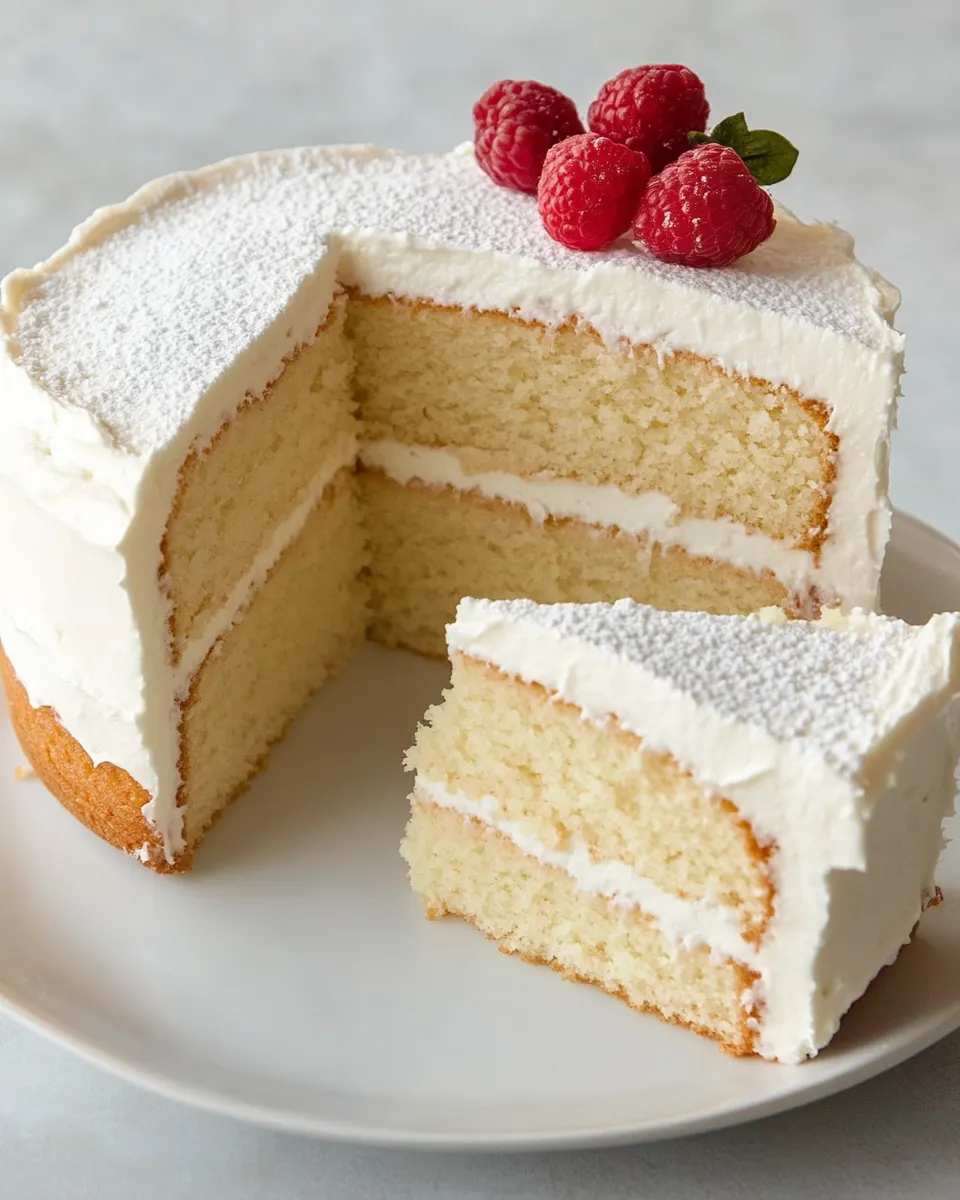
This recipe rewards careful pacing and a few practical habits. The tips below expand on technique, storage, and finishing so your cookies turn out consistently great. Each tip highlights a single action to help you bake with confidence.
- Measure flour by spooning: To keep the texture light, spoon the sifted Swans Down Cake Flour into a measuring cup and level it off rather than scooping directly; that prevents packing and excess flour which makes cookies dry.
- Softened butter matters: Bring unsalted butter to a soft but cool state so it creams smoothly with sugars; too warm and the dough will be greasy and spread in the oven.
- Chill time is not optional: Chilling the shaped log for at least 2 hours firms the dough for neat slices and better texture, and it deepens the flavors for a more pronounced profile.
- Control the chocolate temper: Melt the semisweet chocolate in short bursts and stir constantly, adding the teaspoon of all-vegetable shortening for shine and easier drizzling.
- Use a serrated knife for clean cuts: A serrated blade slices without crushing chilled dough, helping produce even rounds that bake consistently across the pan.
- Cool fully on a rack: Transfer cookies to a wire rack after a brief rest on the pan so bottoms do not steam and become soggy; cooling ensures a crisp edge and tender center.
Serve This Upgrade Your Holiday Baking with Swans Down Cake Flour With
These cookies pair beautifully with simple beverages and make a lovely addition to holiday dessert trays. Below I outline serving ideas, occasions, and storage information to help you present them with confidence.
- Casual coffee hour: Serve cookies on a small platter alongside a pot of hot coffee or tea for a relaxed morning or afternoon gathering.
- Holiday dessert tray: Arrange these shortbreads with other small cookies and confections on a tiered tray for festive entertaining and easy grazing.
- Gift giving: Pack cooled cookies in a tin or clear box with parchment for homemade edible gifts that look thoughtfully curated.
- Storage at room temperature: Keep cookies in an airtight container for up to 5 days, separating layers with parchment to preserve their finish.
- Freezing dough or baked cookies: Wrap logs tightly and freeze for up to 3 months, or freeze baked cookies between layers of parchment to maintain shape and texture.
- Occasions to serve: These work well for family gatherings, fall and winter holidays, potlucks, and anytime you want a refined, handheld treat.
FAQ
Conclusion
These shortbread style cookies stand out for their tender crumb, subtle coffee and citrus lift, and glossy chocolate finish. They are a great choice when you want an elegant cookie that is simple to prepare, easy to make ahead, and friendly for gifting. If you enjoy methodical baking that rewards small attentions, give this recipe a try and savor the small rituals it invites. Share a batch with friends or set them out at your next gathering and notice how quickly they disappear.
Upgrade Your Holiday Baking with Swans Down Cake Flour
Equipment
- Stand mixer
- Paddle attachment
- Serrated Knife
- Rimmed Baking Sheet
- Parchment Paper
- Wire Rack
- Microwave-safe Bowl
- Pastry bag or resealable plastic bag
Ingredients
- 1 cup unsalted butter, softened Cream thoroughly to create a light, airy base that helps incorporate air and provides rich flavor and tenderness to baked goods.
- 1/3 cup confectioners’ sugar Sweeten delicately and add a fine texture to batters while contributing to a melt-in-the-mouth crumb when creamed with butter.
- 1/4 cup granulated sugar Provide granular sweetness and structure, aiding in creaming and contributing to caramelization and overall balance in the recipe.
- 2 tablespoons French Market Creole Blend Ground Coffee Infuse deep coffee aroma and a subtle bitter note that enhances chocolate flavors and adds complexity to the dough.
- 1/2 teaspoons salt Season lightly to balance sweetness and strengthen gluten structure slightly, improving overall flavor clarity in the final product.
- 1/2 teaspoon orange zest Brighten flavors and add a citrusy fragrance that cuts through richness, enhancing complexity and freshness in the baked item.
- 1 large egg yolk, room temperature Enrich dough with fat and natural emulsifiers to improve texture, tenderness, and richness without adding extra liquid.
- 1/2 teaspoon vanilla extract Enhance and round out flavors by adding a warm, sweet aromatic that complements butter and chocolate in baked goods.
- 3 cups sifted Swans Down® Cake Flour Provide a tender, delicate crumb by contributing lower protein starches compared with all-purpose flour, yielding a softer cake or cookie texture.
- 6 ounces semisweet chocolate baking bars, chopped Melt and provide a rich chocolate body and glossy finish when tempered or melted into batter, contributing deep cocoa flavor and texture.
- 1 teaspoon all-vegetable shortening Stabilize and thin melted chocolate for smoother coating and sheen, preventing graininess and promoting a glossy finish when used sparingly.
Instructions
- In the bowl of a stand mixer fitted with the paddle attachment, beat butter at medium speed until smooth, 1 to 2 minutes. Add sugars, ground coffee, salt, and orange zest; beat at medium-low speed until smooth, about 1 minute. Add egg yolk and vanilla. Beat until combined, about 1 minute. With mixer on low speed, add flour to butter mixture in two additions, beating until combined. Shape dough into a 12-inch log; wrap in plastic wrap, and refrigerate until firm, at least 2 hours.: You will notice the butter soften and become pale as you beat it, releasing a nutty aroma and creating a creamy base that traps air, which leads to a lighter texture. Stop when the surface looks even and satin like, scraping down the sides to ensure uniformity. If you underbeat, the sugars will not incorporate properly and you may end up with an uneven crumb. If the butter becomes oily, it has been overworked or warmed too much, and the dough will spread during baking.
- Preheat oven to 325°. Line 2 rimmed baking sheets with parchment paper.: As the confectioners’ sugar and granulated sugar fold in, you should smell the citrus oils lift and the faint coffee aroma mingle with the butter. Mixing at medium low prevents the dry ingredients from puffing into the air while still ensuring even distribution. A common mistake is adding the dry ingredients too quickly, which can create pockets of sugar or coffee. If you see gritty spots, pause and scrape the bowl to finish blending.
- Using a serrated knife, cut dough crosswise into 1/4-inch-thick rounds. Place at least 1 inch apart on prepared pans.: The egg yolk will add silkiness and body, while the vanilla rounds the flavors. You should see the mixture become slightly smoother and glossier. Overbeating now can incorporate too much air, which may alter the final texture. If the mixture looks curdled, a brief low speed beat and a scrape will usually bring it back together.
- Bake until tops are set and bottoms are lightly golden, 15 to 18 minutes. Let cool on pans for 1 minute. Remove from pans, and let cool completely on a wire rack.: As you add the sifted Swans Down Cake Flour , the dough will move from glossy to a soft, pliable mass. Adding the flour in two portions prevents overmixing and helps you stop mixing as soon as the streaks disappear. You want a cohesive dough that still looks tender, not a dense ball. Overmixing develops gluten and makes the cookies tough, so stop when the last streak of flour vanishes.
- In a small microwave-safe bowl, heat chocolate on high in 10-second intervals, stirring between each, until melted and smooth (1 to 1 1/2 minutes total). Stir in shortening until smooth and well combined. Spoon chocolate mixture into a small pastry bag or resealable plastic bag; cut a 1/4-inch opening in tip or corner. Drizzle chocolate mixture over shortbread as desired. Let stand until set before serving, 15 to 20 minutes.: When shaping, press gently so the log is compact and even in diameter, which helps yield uniform slices. The dough should feel cool and slightly stiff when ready to slice. Chilling firms the butter so the cookies retain shape during baking, and it also allows flavors to meld. If you skip chilling, slices may spread and lose their pretty edges.
- Preheat oven to 325°: Preheating ensures the oven reaches the right steady temperature so the cookies bake evenly, developing set tops and lightly golden bottoms. I always position racks in the center and allow the oven to fully stabilize before placing pans inside. A common error is placing cookies in a not fully preheated oven, which causes unpredictable spread and texture; wait until the temperature is reached for best results.
- Line 2 rimmed baking sheets with parchment paper: Using parchment shields the bottoms from direct heat and helps the cookies bake evenly with gentle browning. It also makes cleanup effortless and prevents sticking. If you use an unlined pan, you risk uneven coloring and potential sticking, so I suggest parchment for consistent outcomes.
- Using a serrated knife, cut dough crosswise into 1/4-inch-thick rounds. Place at least 1 inch apart on prepared pans: The serrated knife gives a clean slice through the chilled log, producing neat rounds with minimal crumbling. Arrange them with space so hot air can circulate and the edges crisp. If the slices crumble, return the log to chill briefly; trying to press them back together often leads to misshapen cookies.
- Bake until tops are set and bottoms are lightly golden, 15 to 18 minutes. Let cool on pans for 1 minute. Remove from pans, and let cool completely on a wire rack: As they bake you will see the edges take on a faint gold while the centers remain pale, and the kitchen will be scented with citrus and butter. Letting them rest on the pan briefly stabilizes the structure before transferring to a wire rack for complete cooling, which prevents sogginess. Pulling them too early can cause breakage, and leaving them too long on hot pans can overbrown the bottoms.
- In a small microwave-safe bowl, heat chocolate on high in 10-second intervals, stirring between each, until melted and smooth (1 to 1 1/2 minutes total): The chocolate should melt into a glossy pool as you stir, releasing a warm chocolate aroma that pairs with the coffee notes. Short bursts of heat and frequent stirring keep the chocolate smooth and prevent scorching. A frequent pitfall is overheating, which will cause the chocolate to seize into a grainy mass; if that happens, adding a small amount of warm fat can sometimes rescue it.
- Stir in shortening until smooth and well combined: The small amount of all-vegetable shortening creates a silky emulsion with the melted semisweet chocolate , giving it a glossy sheen and a stable texture that sets neatly on the cookies. Stir until the mixture looks homogeneous and satiny. Adding too much shortening will soften the set finish, while too little may leave the drizzle dull or slightly stiff.
- Spoon chocolate mixture into a small pastry bag or resealable plastic bag; cut a 1/4-inch opening in tip or corner. Drizzle chocolate mixture over shortbread as desired: The drizzle should fall in thin ribbons that create pretty patterns and a shiny finish. Work over a sheet to catch excess and practice a few strokes to control flow. If the chocolate is too warm it will be runny and hard to control, if too cool it will clump and not drizzle neatly. Rewarm gently if needed, in very short bursts.
- Let stand until set before serving, 15 to 20 minutes: As the chocolate cools it will firm to a pleasant snap and the smells will mellow into a welcoming chocolate citrus scent. Give them time to set fully so the drizzle does not smear when handled. A mistake is rushing service, which results in fingerprints and smudged decoration. If you need them sooner, a brief chill will speed the setting.
Notes
- Measure flour by spooning: To keep the texture light, spoon the sifted Swans Down Cake Flour into a measuring cup and level it off rather than scooping directly; that prevents packing and excess flour which makes cookies dry.
- Softened butter matters: Bring unsalted butter to a soft but cool state so it creams smoothly with sugars; too warm and the dough will be greasy and spread in the oven.
- Chill time is not optional: Chilling the shaped log for at least 2 hours firms the dough for neat slices and better texture, and it deepens the flavors for a more pronounced profile.
- Control the chocolate temper: Melt the semisweet chocolate in short bursts and stir constantly, adding the teaspoon of all-vegetable shortening for shine and easier drizzling.
- Use a serrated knife for clean cuts: A serrated blade slices without crushing chilled dough, helping produce even rounds that bake consistently across the pan.
- Cool fully on a rack: Transfer cookies to a wire rack after a brief rest on the pan so bottoms do not steam and become soggy; cooling ensures a crisp edge and tender center.
