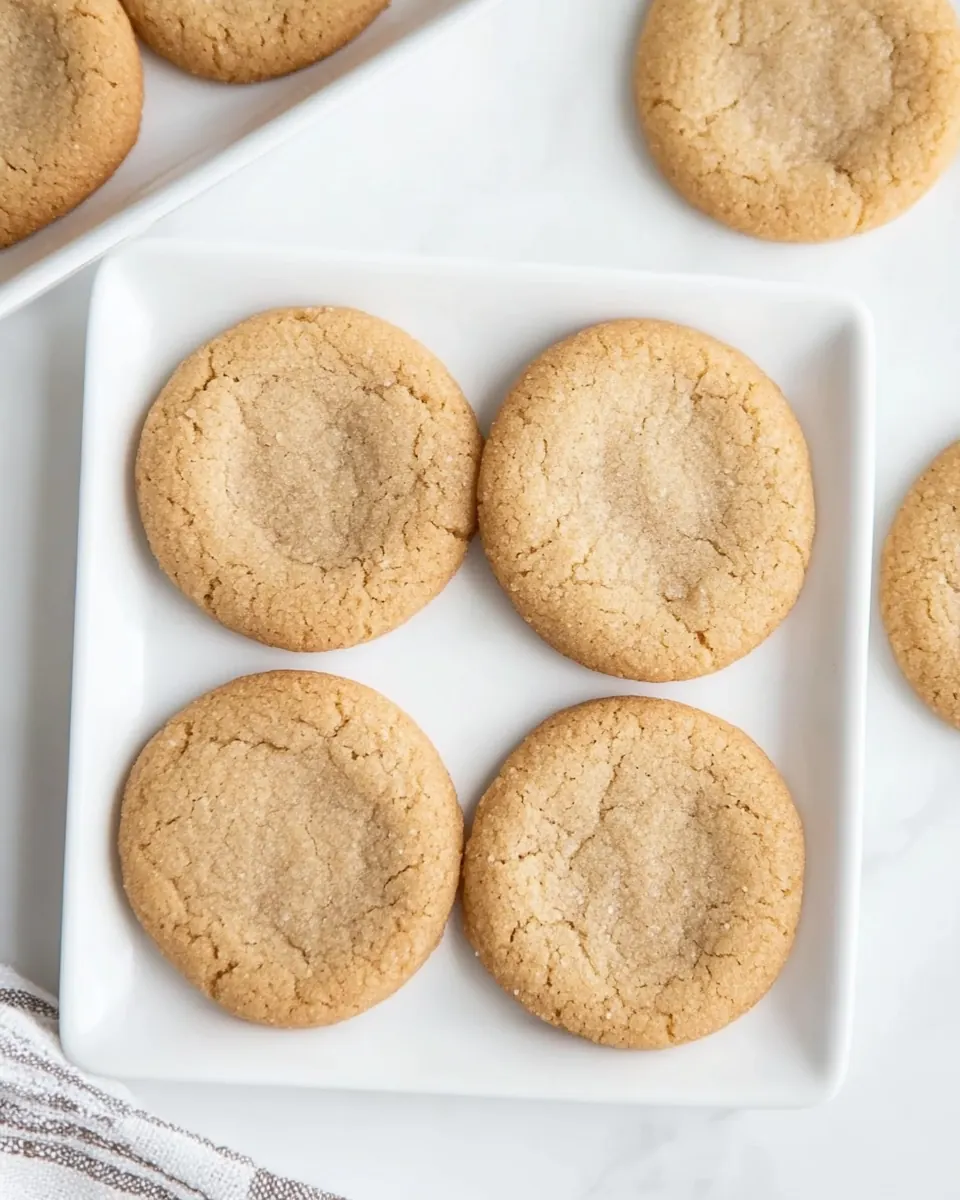
Maple Crackletop Cookies
Maple Crackletop Cookies have been my go to when I want a cookie that feels both homey and a little bit special. The first time I made these, I was racing the clock before a small get together, and the warm, heady scent of maple syrup and cinnamon filled the kitchen and slowed everything down in the best way. I remember thinking that a simple cookie could carry so much personality, and from then on I started keeping the pantry stocked.
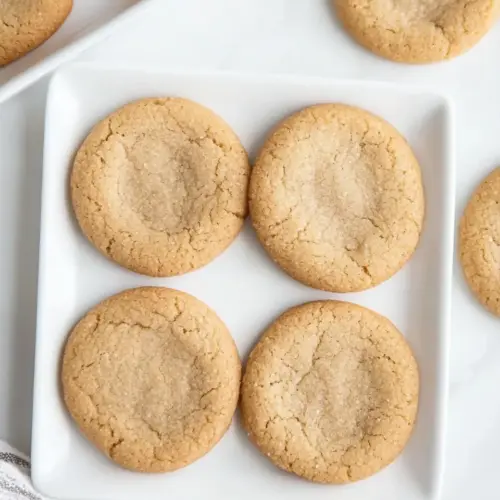
Over the years I have adapted the routine around this recipe to match chaotic mornings, cozy afternoons, and last minute dessert emergencies. I love that the dough benefits from a little chill time, which means you can do most of the work ahead and enjoy the satisfaction of fresh cookies coming out of the oven when guests arrive. When I serve them, people always ask what makes the crackled top so unique, and it gives me an excuse to gush about the gentle balance of maple syrup, brown sugar, and a crisp sugary coating.
Recipe Snapshot
32 mins
20 mins
12 mins
Easy
150 kcal
American
Gluten-Free, Low FODMAP
Desserts
Electric mixer, Mixing bowls, Baking sheets, Parchment paper, Measuring cups and spoons
The Best Thing About This Maple Crackletop Cookies
They deliver a one bite contrast
I adore how Maple Crackletop Cookies combine a tender interior with a slightly crisp exterior. The crunchy sugar coating gives way to a soft, chewy center that holds the maple note beautifully, so every bite feels layered and satisfying.
Maple flavor is the star without being overpowering
I find the use of pure maple syrup and brown sugar creates a rounded sweetness that tastes grown up, not cloying. It plays well with the warm, familiar aroma of ground cinnamon, which keeps things cozy and seasonal.
Make ahead friendly and forgiving
Because the dough firms up in the fridge, these cookies are great to prepare in advance. I often shape and chill the dough a few hours before baking which makes hosting less stressful. The dough tolerates a little variance in chill time, so you can be relaxed about timing.
Fun texture trick with rolling sugar
Rolling the dough balls in the granulated white sugar and cinnamon mixture gives a signature crackled top and an attractive sparkle. It also creates small textural pockets that capture extra toastiness when baked.
Simple pantry ingredients, impressive result
I love recipes that do a lot with a little. With staples like all purpose flour, shortening, and a single egg, you can make a batch that looks and tastes like you spent twice the effort. That makes this cookie perfect for casual weekday baking or holiday trays.
Essential Ingredients for Maple Crackletop Cookies
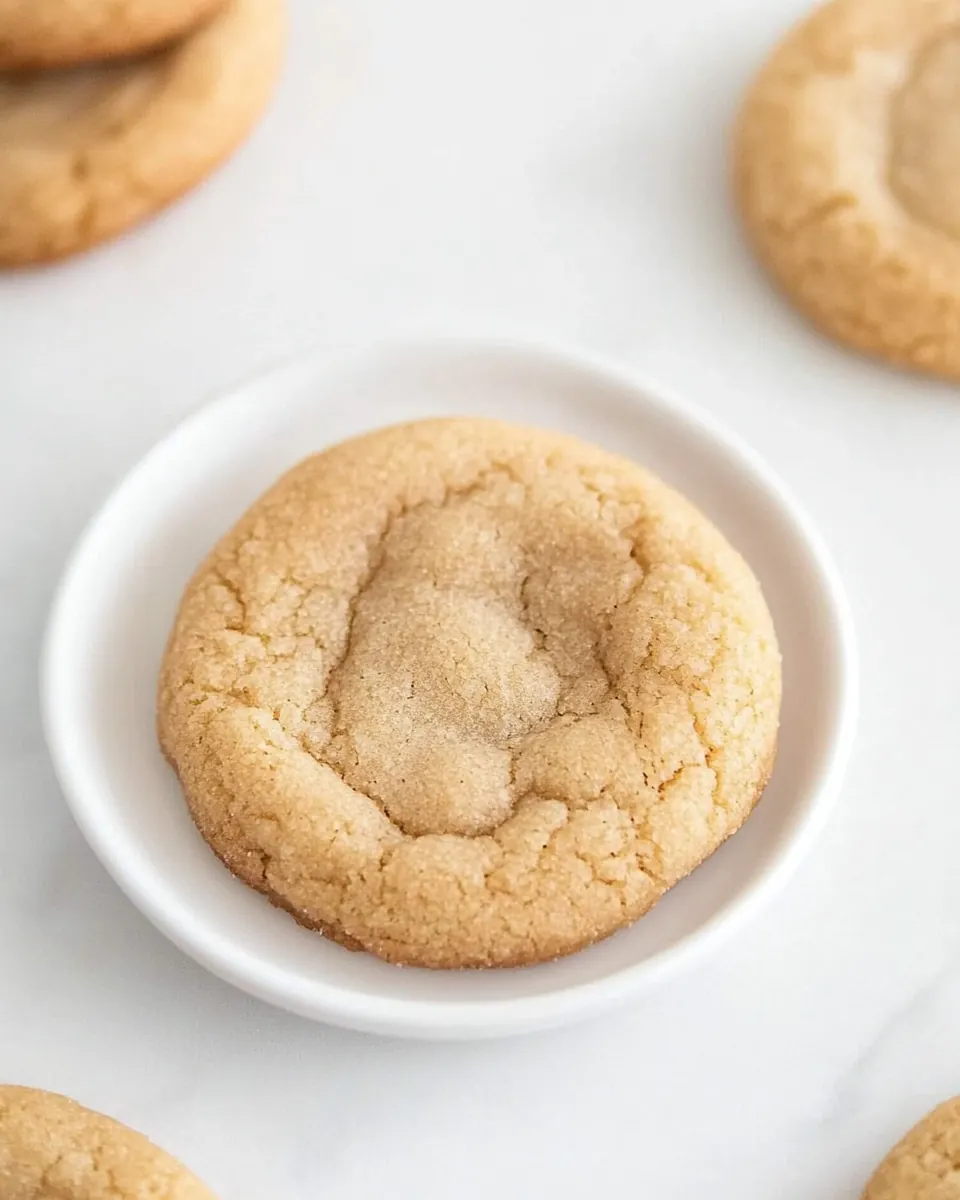
These ingredients are the backbone of the cookie and each plays a clear role. I think of the dry goods as structure providers, the sugars and syrup as flavor builders, and the shortening and egg as texture architects. Together they form a dough that chills well, bakes evenly, and develops that classic crackled top when rolled in sugar and cinnamon.
- 4 cups all purpose flour: Provide structure and bulk to the dough, absorbing liquids and creating the cookie's crumb; sifts easily with leaveners for even texture. Develops gluten when mixed, which should be minimized for a tender cookie by gentle handling and short mixing times.
- 2 teaspoons baking soda: Leaven gently by producing carbon dioxide during baking to give cookies lift and a tender crumb; reacts with acidic components for proper rise. Measure accurately and distribute evenly to avoid uneven pockets or overly dense areas.
- 1/2 teaspoons salt: Enhance overall flavor balance and strengthen dough structure while controlling yeastiness; helps moderate the chemical reactions of baking soda. Use the specified small amount to avoid a salty taste while still bringing out other flavors.
- 1 cup shortening: Create tenderness and flakiness by shortening gluten strands and contributing to a soft, melt-in-mouth texture; helps incorporate air when creamed with sugar. Provide richness and stable shape during baking, particularly in high-sugar or high-liquid recipes.
- 1 cup packed brown sugar: Add deep, molasses-like sweetness and moisture, contributing chewiness and complex caramel notes; helps brown the cookies and retain softness. Cream with shortening to trap air for lift and incorporate fully for even flavor distribution.
- 1 cup pure maple syrup: Introduce liquid sweetness with a distinctive maple flavor, adding moisture and subtle caramelized notes that permeate the dough. Thin the batter slightly compared to granulated sugar alone, so balance with dry ingredients preserves texture.
- 1 large egg: Bind ingredients together, add moisture and richness, and contribute to tenderness through fat and emulsification; eggs also help with structure as proteins set during baking. Beat lightly into wet mixture for even incorporation without toughening the dough.
- 1 teaspoon vanilla extract: Provide aromatic depth and enhance sweetness perception by rounding out flavors and adding warm, familiar notes; helps highlight the maple. Add to wet ingredients to distribute flavor evenly throughout the cookie dough.
- 3/4 cup granulated white sugar: Contribute crispness and straightforward sweetness while helping with spreading and surface browning during baking; balances the deeper notes of brown sugar and maple. Sprinkle into the creamed mixture to dissolve and create a uniform texture.
- 1 teaspoon ground cinnamon: Add warm, spicy aromatic notes that complement maple and brown sugar, enhancing overall flavor complexity; contributes little to structure but a lot to aroma. Use sparingly to avoid overpowering the delicate maple character.
How to Prepare Maple Crackletop Cookies
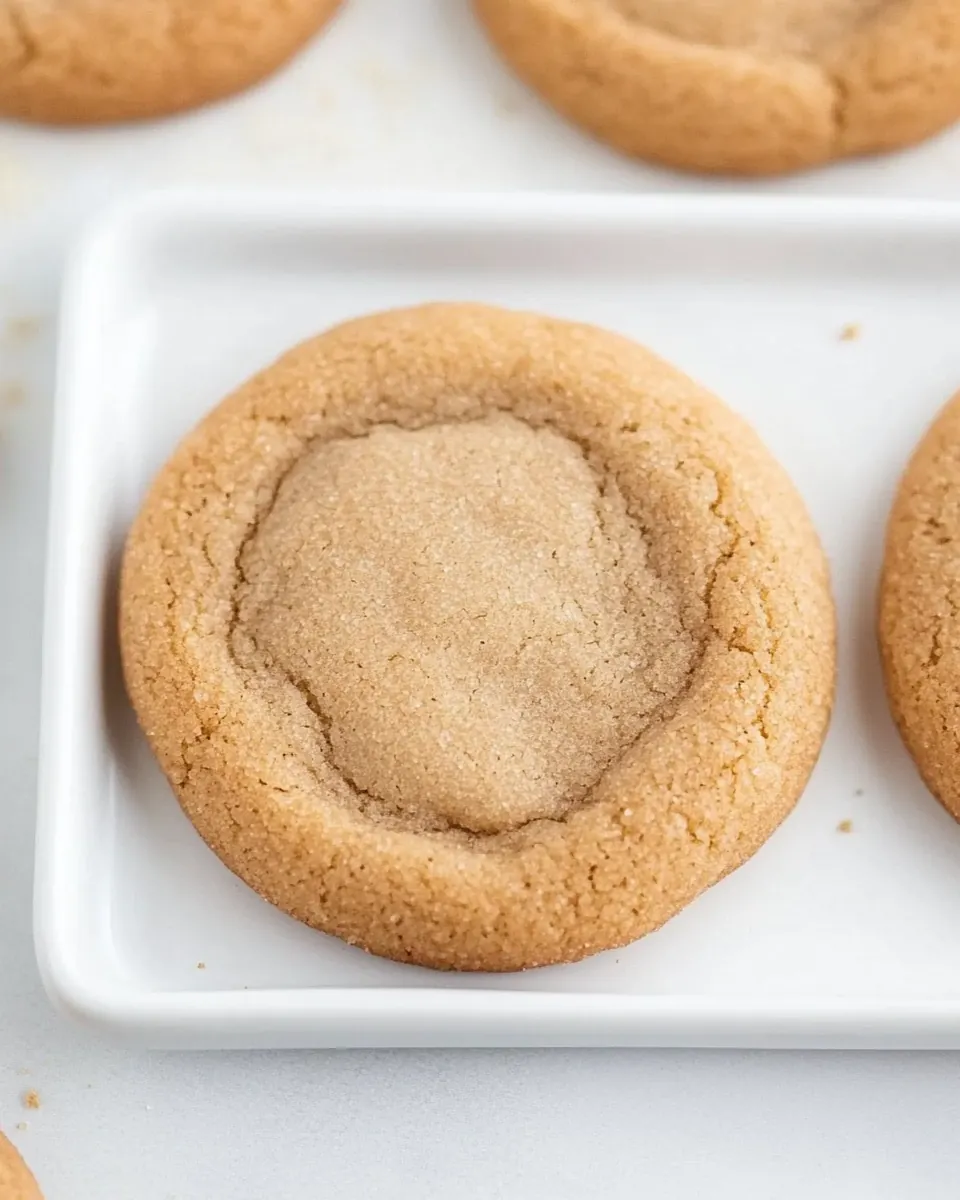
These instructions walk you through each stage with a focus on sensory cues and common pitfalls, so you can bake confidently. Read through once, then move steadily through the steps and trust your senses as you go.
- In a medium bowl, whisk together the flour, baking soda and salt.: The dry mixture should smell faintly of flour with a subtle saline hint, and you want it to be evenly colored with no lumps. Whisking aerates the components slightly, which aids in consistent rise and prevents pockets of baking soda that could create odd tastes. A common mistake is to skip this step and end up with uneven leavening, which causes some cookies to overexpand while others stay flat. If you notice clumps, press them through a sieve to avoid dense spots.
- In a large bowl, use an electric mixer to combine the shortening and sugar until smooth. Mix in the syrup, egg and vanilla. Add the dry ingredients and mix well. Cover and refrigerate for a couple of hours until dough is more firm.: At first you'll hear a soft hum as the shortening and brown sugar cream together, and the mixture will look glossy and slightly pale. Adding the pure maple syrup brings a viscous sheen and an aroma that becomes more pronounced as you mix. The dough will loosen when you add wet ingredients, then firm up once the dry mix is incorporated. Chilling is crucial, it lets the fats solidify so the cookies do not over spread, and it allows flavors to meld. If you skip chilling you'll likely end up with flatter cookies, so resist the urge to bake immediately. Common troubleshooting here is over mixing, which makes the dough tough, so stop as soon as the flour is incorporated.
- Preheat oven to 350°F. Line baking sheets with parchment paper or silpat mats.: When the oven comes up to temperature you should feel warmth from the door and notice the steady hum of the thermostat cycling. A well preheated oven ensures predictable spread and color development, leading to those golden edges and set centers. Lining the pans prevents sticking and promotes even browning. A typical error is placing sheets in an oven that is not fully preheated, which can result in underbaked middles or uneven textures. If your oven runs hot, consider an oven thermometer to verify accuracy.
- In a small bowl, combine the sugar and cinnamon. Shape the cookie dough into balls about 1-inch in diameter (or larger). Roll in the sugar/cinnamon mixture.: The sugar mixture should smell sweet and warm from the ground cinnamon , and when you roll the chilled dough it should be firm to the touch with a smooth surface. Rolling helps the sugar adhere and creates the crackled visual as the cookie expands. If the dough is too sticky to form smooth balls, chill it longer or lightly flour your hands. A frequent mistake is rolling balls that are inconsistent in size, which leads to uneven baking times; use a cookie scoop for uniformity.
- Place the cookie dough balls on the prepared baking sheets about 2 inches apart and bake for 10 to 12 minutes, or until not doughy-looking in the middle.: While baking you will notice the tops matte slightly and then develop tiny fissures as the sugar expands into its crackled pattern; the scent will shift from sweet to toasty. The edges should become faintly golden while centers still look slightly soft, which indicates chewiness once cooled. Avoid overbaking, which dries the cookies and blunts the maple flavor. A common pitfall is crowding the pan, which causes cookies to run together, so leave adequate space and rotate sheets halfway if your oven bakes unevenly.
Ways to Adapt This Recipe
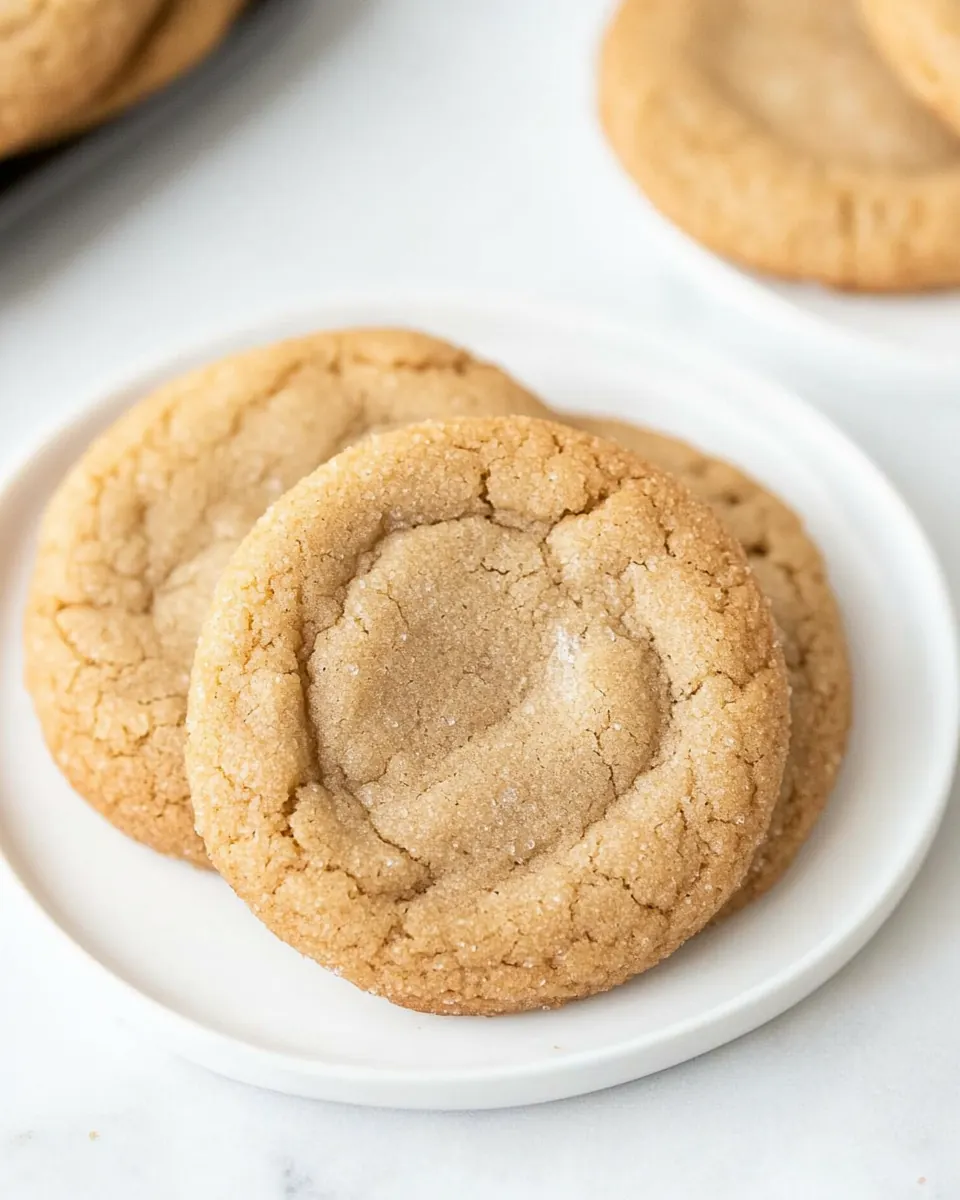
This section offers practical adaptations and ideas to make these cookies work for different occasions, textures, and preferences. Each tip starts with a bolded phrase so you can scan for what you need quickly.
- Swap rolling sugar Use maple sugar if available instead of the plain granulated sugar for rolling, it amplifies the maple aroma and gives a deeper caramelized surface.
- Adjust chewiness For chewier cookies chill the dough overnight, the extended rest deepens flavor and yields a moister interior when baked.
- Make smaller or larger Shape dough into different sized balls depending on the occasion, but adjust bake time accordingly to prevent under or over baking.
- Control spread If your cookies spread too much, chill the formed balls longer or reduce oven temperature slightly to preserve the crackled top.
- Prep ahead Dough freezes well, store portions in an airtight container and bake from frozen, adding a minute or two to the bake time for convenience.
How to Serve Maple Crackletop Cookies
These cookies are versatile and pair well with many serving styles, from casual snack plates to elegant cookie trays at gatherings. Here are detailed serving ideas to suit different occasions and storage needs.
- Casual coffee break Arrange warm cookies on a plate next to a mug of coffee or tea, letting the warmth amplify the maple syrup aroma and offer a comforting, everyday treat.
- Holiday cookie platter Include these on a seasonal cookie tray alongside other favorites, their crackled tops add visual contrast and the maple note fits fall and winter celebrations.
- Gift box Layer cookies between parchment in a decorative box, sealing them to retain freshness for gifting during holidays or as a thoughtful homemade gesture.
- Party dessert table Serve on tiered trays with small labels, highlighting the maple flavor so guests know to expect something slightly different from a classic sugar cookie.
- Storage tips Keep cookies in an airtight container at room temperature for up to five days, or freeze cooled cookies for longer storage; thaw at room temperature when ready to serve.
- Occasions Ideal for afternoon tea, school bake sales, office treats, and fall gatherings when the warm spice of ground cinnamon feels seasonally appropriate.
FAQ
Conclusion
What sets these cookies apart is the way simple pantry ingredients combine to create a crackled, maple kissed cookie that feels both nostalgic and elevated. Give them a try when you want a straightforward bake that yields bakery worthy results without requiring advanced techniques. They are especially satisfying served warm, and I promise the aroma alone will make the baking worthwhile. Enjoy sharing them with friends, or keep them all to yourself for a cozy treat.
Maple Crackletop Cookies
Equipment
- Electric Mixer
- Mixing Bowls
- Baking Sheets
- Parchment Paper
- Measuring Cups and Spoons
Ingredients
- 4 cups all purpose flour Provide structure and bulk to the dough, absorbing liquids and creating the cookie's crumb; sifts easily with leaveners for even texture. Develops gluten when mixed, which should be minimized for a tender cookie by gentle handling and short mixing times.
- 2 teaspoons baking soda Leaven gently by producing carbon dioxide during baking to give cookies lift and a tender crumb; reacts with acidic components for proper rise. Measure accurately and distribute evenly to avoid uneven pockets or overly dense areas.
- 1/2 teaspoons salt Enhance overall flavor balance and strengthen dough structure while controlling yeastiness; helps moderate the chemical reactions of baking soda. Use the specified small amount to avoid a salty taste while still bringing out other flavors.
- 1 cup shortening Create tenderness and flakiness by shortening gluten strands and contributing to a soft, melt-in-mouth texture; helps incorporate air when creamed with sugar. Provide richness and stable shape during baking, particularly in high-sugar or high-liquid recipes.
- 1 cup packed brown sugar Add deep, molasses-like sweetness and moisture, contributing chewiness and complex caramel notes; helps brown the cookies and retain softness. Cream with shortening to trap air for lift and incorporate fully for even flavor distribution.
- 1 cup pure maple syrup Introduce liquid sweetness with a distinctive maple flavor, adding moisture and subtle caramelized notes that permeate the dough. Thin the batter slightly compared to granulated sugar alone, so balance with dry ingredients preserves texture.
- 1 large egg Bind ingredients together, add moisture and richness, and contribute to tenderness through fat and emulsification; eggs also help with structure as proteins set during baking. Beat lightly into wet mixture for even incorporation without toughening the dough.
- 1 teaspoon vanilla extract Provide aromatic depth and enhance sweetness perception by rounding out flavors and adding warm, familiar notes; helps highlight the maple. Add to wet ingredients to distribute flavor evenly throughout the cookie dough.
- 3/4 cup granulated white sugar Contribute crispness and straightforward sweetness while helping with spreading and surface browning during baking; balances the deeper notes of brown sugar and maple. Sprinkle into the creamed mixture to dissolve and create a uniform texture.
- 1 teaspoon ground cinnamon Add warm, spicy aromatic notes that complement maple and brown sugar, enhancing overall flavor complexity; contributes little to structure but a lot to aroma. Use sparingly to avoid overpowering the delicate maple character.
Instructions
- In a medium bowl, whisk together the flour, baking soda and salt.: The dry mixture should smell faintly of flour with a subtle saline hint, and you want it to be evenly colored with no lumps. Whisking aerates the components slightly, which aids in consistent rise and prevents pockets of baking soda that could create odd tastes. A common mistake is to skip this step and end up with uneven leavening, which causes some cookies to overexpand while others stay flat. If you notice clumps, press them through a sieve to avoid dense spots.
- In a large bowl, use an electric mixer to combine the shortening and sugar until smooth. Mix in the syrup, egg and vanilla. Add the dry ingredients and mix well. Cover and refrigerate for a couple of hours until dough is more firm.: At first you'll hear a soft hum as the shortening and brown sugar cream together, and the mixture will look glossy and slightly pale. Adding the pure maple syrup brings a viscous sheen and an aroma that becomes more pronounced as you mix. The dough will loosen when you add wet ingredients, then firm up once the dry mix is incorporated. Chilling is crucial, it lets the fats solidify so the cookies do not over spread, and it allows flavors to meld. If you skip chilling you'll likely end up with flatter cookies, so resist the urge to bake immediately. Common troubleshooting here is over mixing, which makes the dough tough, so stop as soon as the flour is incorporated.
- Preheat oven to 350°F. Line baking sheets with parchment paper or silpat mats.: When the oven comes up to temperature you should feel warmth from the door and notice the steady hum of the thermostat cycling. A well preheated oven ensures predictable spread and color development, leading to those golden edges and set centers. Lining the pans prevents sticking and promotes even browning. A typical error is placing sheets in an oven that is not fully preheated, which can result in underbaked middles or uneven textures. If your oven runs hot, consider an oven thermometer to verify accuracy.
- In a small bowl, combine the sugar and cinnamon. Shape the cookie dough into balls about 1-inch in diameter (or larger). Roll in the sugar/cinnamon mixture.: The sugar mixture should smell sweet and warm from the ground cinnamon , and when you roll the chilled dough it should be firm to the touch with a smooth surface. Rolling helps the sugar adhere and creates the crackled visual as the cookie expands. If the dough is too sticky to form smooth balls, chill it longer or lightly flour your hands. A frequent mistake is rolling balls that are inconsistent in size, which leads to uneven baking times; use a cookie scoop for uniformity.
- Place the cookie dough balls on the prepared baking sheets about 2 inches apart and bake for 10 to 12 minutes, or until not doughy-looking in the middle.: While baking you will notice the tops matte slightly and then develop tiny fissures as the sugar expands into its crackled pattern; the scent will shift from sweet to toasty. The edges should become faintly golden while centers still look slightly soft, which indicates chewiness once cooled. Avoid overbaking, which dries the cookies and blunts the maple flavor. A common pitfall is crowding the pan, which causes cookies to run together, so leave adequate space and rotate sheets halfway if your oven bakes unevenly.
Notes
- Swap rolling sugar Use maple sugar if available instead of the plain granulated sugar for rolling, it amplifies the maple aroma and gives a deeper caramelized surface.
- Adjust chewiness For chewier cookies chill the dough overnight, the extended rest deepens flavor and yields a moister interior when baked.
- Make smaller or larger Shape dough into different sized balls depending on the occasion, but adjust bake time accordingly to prevent under or over baking.
- Control spread If your cookies spread too much, chill the formed balls longer or reduce oven temperature slightly to preserve the crackled top.
- Prep ahead Dough freezes well, store portions in an airtight container and bake from frozen, adding a minute or two to the bake time for convenience.
