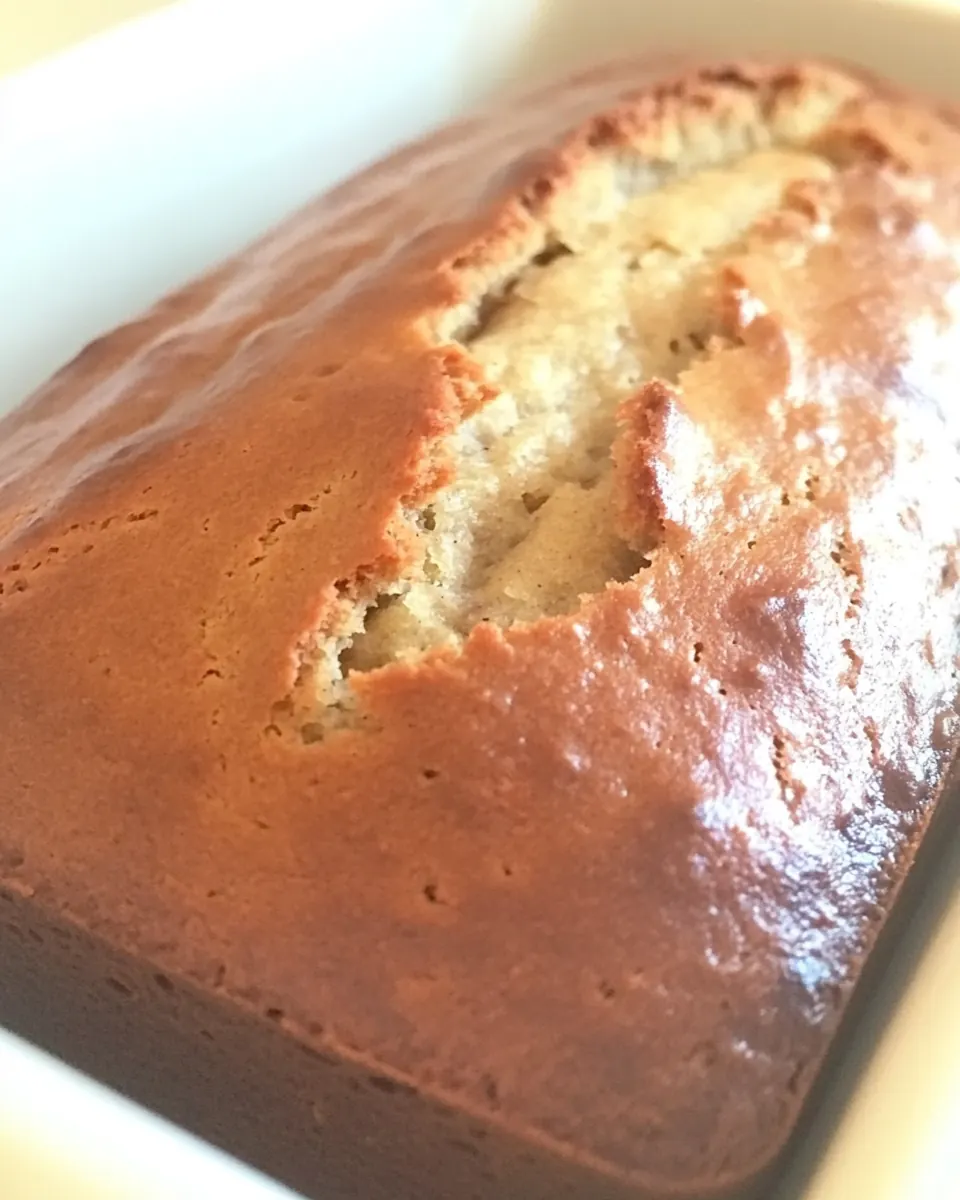
The Best Basic Banana Bread
The Best Basic Banana Bread is the loaf I reach for when I want something comforting, reliably tender, and quick to pull together with pantry staples. I remember the first time I baked this recipe on a rain-soaked afternoon, the whole house filling with a warm, cinnamon spiced aroma that felt like a kitchen hug. I was testing batch after batch for texture and found that the combination of mashed bananas and a little sour cream makes the crumb sing, keeping it moist for days without turning gummy.
Over the years I have tweaked timings and folded technique until the balance felt just right, and this version is the keeper. It browns evenly, slices cleanly, and presents well whether you are offering a slice to a neighbor or tucking one into a lunchbox. I like to let it cool so the center firms up, then slice thick when I want a decadent bite, or thin for a quick breakfast with coffee. This is simple baking that rewards attentive, small decisions like not over mixing the batter, and trusting ripe bananas to do most of the flavor work.
Recipe Snapshot
1 hr 5 mins
10 mins
55 mins
Medium
200 kcal
American
Gluten-Free, Low FODMAP
Desserts
Loaf pan, Mixing bowls, Spatula, Oven
The Beauty of This The Best Basic Banana Bread
Comforting and Familiar
I love how The Best Basic Banana Bread taps into nostalgia while staying unfussy. When I bake it, family members drift into the kitchen without being told, drawn by the familiar smell of cinnamon and sweet bananas. It reads like a classic, but there is a subtle richness from the sour cream that elevates the texture, making each slice both tender and resilient.
Simple Ingredients, Big Results
One of the reasons I keep coming back to this recipe is the ingredient list. Everything is likely already in your pantry: flour, granulated sugar, baking soda, a few spices, and ripe bananas. That means you can make something impressive with minimal planning. I appreciate recipes that feel accessible yet deliver on taste, and this does exactly that.
Reliable Technique
Technique matters, and this loaf is forgiving while teaching good habits. Folding the wet and dry components just until they come together keeps the crumb light. I recommend watching the batter texture closely, because small changes in mixing or banana ripeness affect the final result. Over time I learned the right visual cues, and now this loaf comes out golden and evenly baked more often than not.
Versatile for Any Occasion
The Best Basic Banana Bread is equally at home on a lazy weekend breakfast table or packed into lunchboxes. It travels well, stores easily, and adapts to whatever you want to pair it with. I often serve it plain, with a smear of butter, or with jam on the side, and each option highlights a different aspect of the loafs flavor and texture.
A Crowd Pleaser That Keeps
This loaf keeps beautifully for days when stored properly, which makes it perfect for prepping ahead. I like that the texture stays appealing without needing a lot of fuss. For gatherings, I slice it before guests arrive so its ready to share, and I love that it still tastes freshly baked even the next morning.
What You’ll Need for The Best Basic Banana Bread
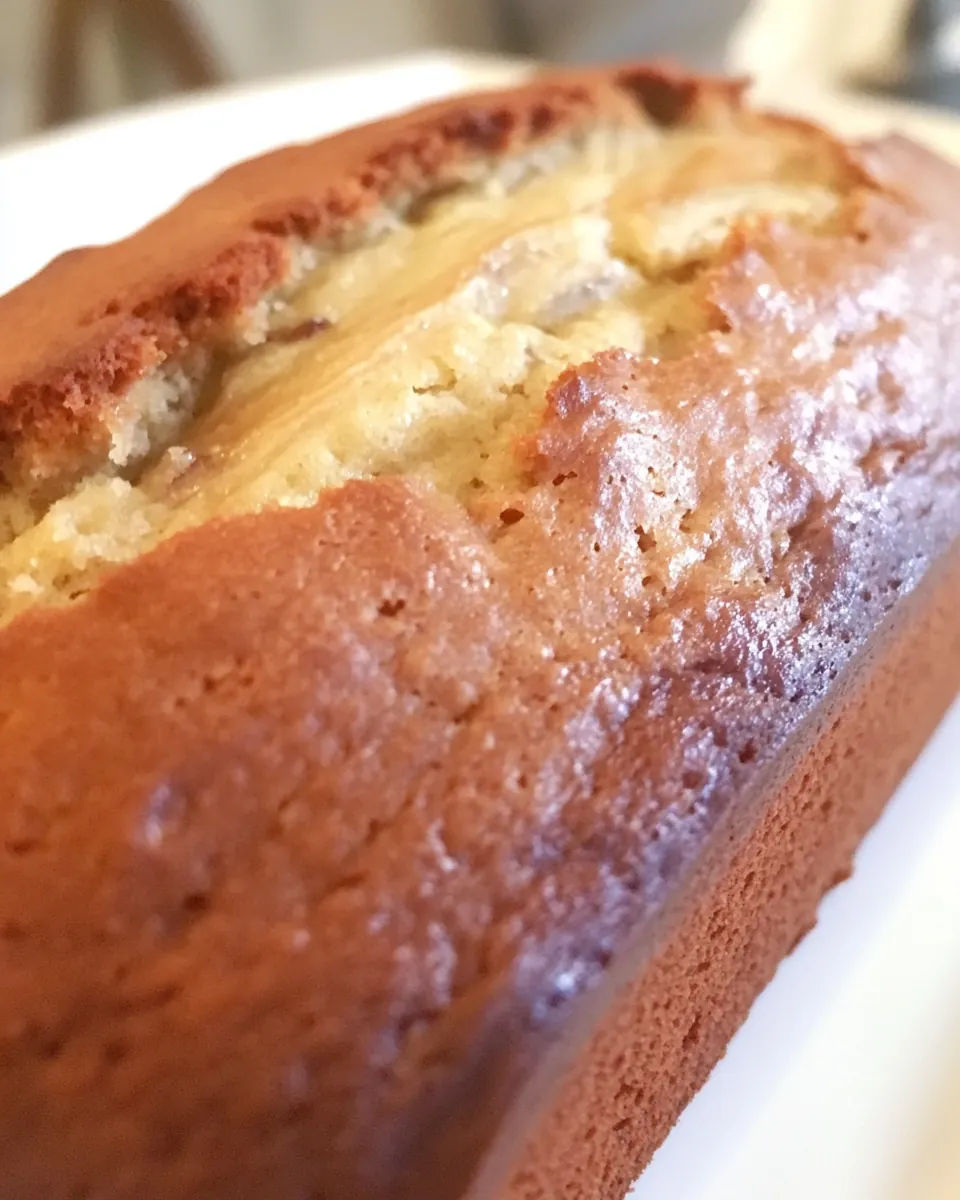
This recipe leans on humble, time tested ingredients that work together to create a moist, flavorful loaf. The key players are the mashed bananas for sweetness and moisture, flour for structure, and a touch of acidic sour cream to tenderize the crumb. Spices like cinnamon and a dash of nutmeg round out the flavor profile, while baking soda gives the loaf lift. The melted unsalted butter contributes richness and helps the crust brown evenly.
- 1/2 cup (4 ounces) unsalted butter, melted: Melted and rich, provides moisture and tender crumb by coating flour proteins and adding flavor; helps the loaf stay soft and extends freshness while contributing a subtle buttery taste.
- 2 teaspoons pure vanilla extract: Aromatic and sweet, enhances overall flavor profile by accentuating the bananas and spices; adds floral vanilla notes that round out the sweetness without overpowering other flavors.
- 2 eggs, at room temperature: Beaten to incorporate air and structure, binds ingredients and contributes stability while adding richness; room temperature eggs emulsify with butter and sour cream for a consistent batter.
- 1/2 teaspoons salt: Salty and balancing, strengthens gluten network slightly and brightens sweetness to prevent the bread from tasting flat; ensures proper flavor contrast and enhances other ingredients’ taste.
- 1 cup granulated sugar: Sweet and tenderizing, contributes bulk sweetness and helps with crust browning through caramelization; granulated sugar also affects batter texture and moisture retention.
- 1 1/2 cups flour: Fundamental and structural, provides the starch and gluten that form the bread’s body and crumb; measured amount ensures proper balance with liquids and leavening for a tender loaf.
- 1 teaspoon baking soda: Leavening and lift, reacts with acidic components to produce carbon dioxide and create a light texture; a measured teaspoon gives proper rise without leaving a metallic aftertaste.
- 2 dashes of nutmeg () (optional): Warmly aromatic and optional, adds a subtle nutmeg fragrance and depth when included; used sparingly to complement banana’s sweetness without overwhelming the loaf.
- 1 teaspoon cinnamon: Warm and fragrant, imparts cinnamon spice that complements bananas and adds complexity to the flavor; balances sweetness and contributes aromatic richness throughout the bread.
- 4 large, ripe bananas, mashed: Sweet and flavorful, mashed bananas provide moisture, natural sweetness, and banana flavor while contributing to tender crumb and acting as a partial fat substitute.
- 1/2 cup + 2 tablespoons sour cream (full-fat is preferred): Creamy and tangy, adds moisture, richness, and a slight acidity that reacts with baking soda for lift while contributing a tender, moist texture to the loaf.
How to Assemble The Best Basic Banana Bread
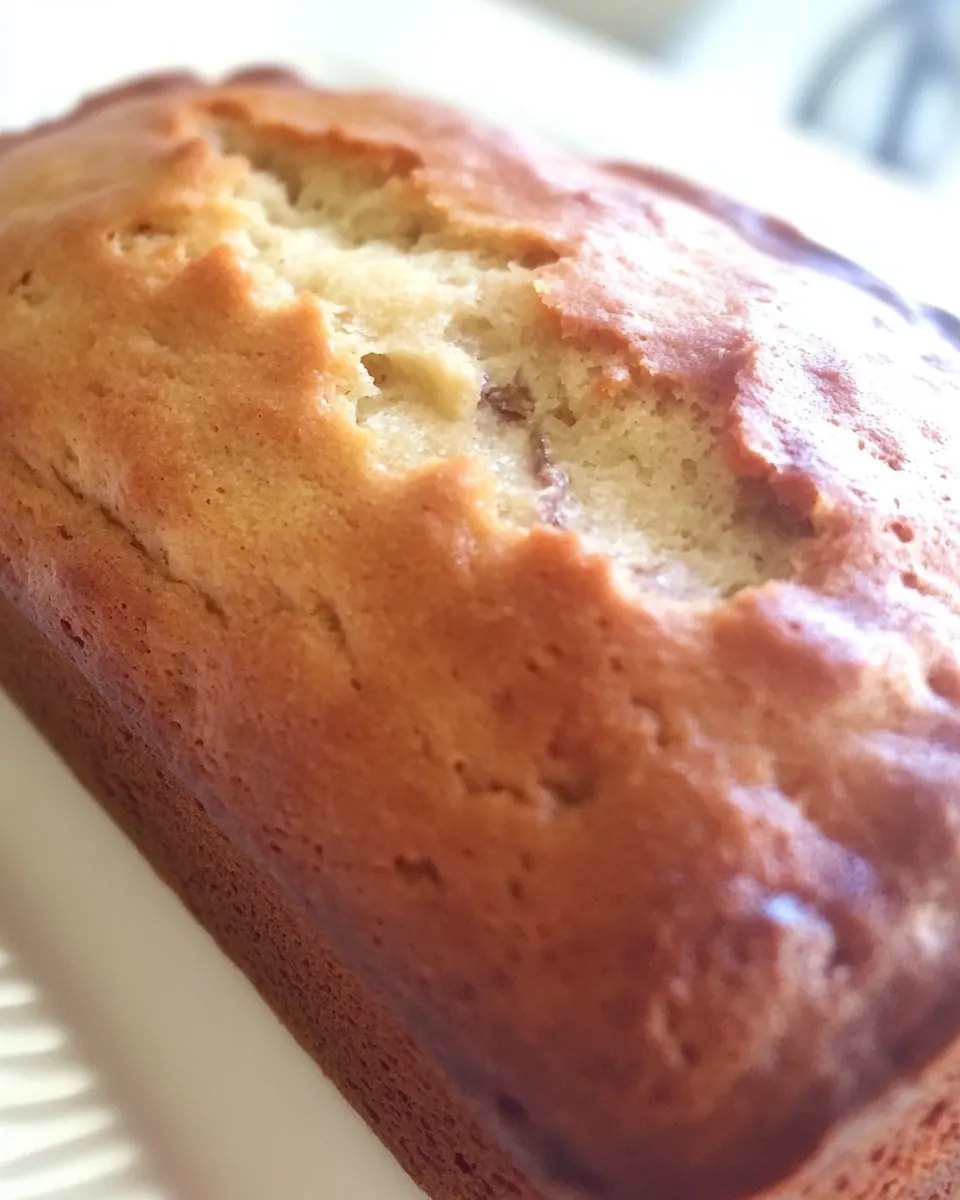
Bringing this loaf together is mostly about rhythm and attention to sensory cues. I like to prep my ingredients and equipment first, then move steadily through mixing and baking so the batter is fresh going into the oven. Below I expand each step with the why, sensory indicators, and common pitfalls to avoid.
- Preheat your oven to 350 degrees F (175 degrees C). Spray a loaf pan with cooking spray or butter it the old fashioned way; set aside.: You will notice a warm, clean oven smell as it reaches 350 degrees F 175 degrees C , and preheating ensures the loaf begins rising immediately when it hits the heat. That initial burst of oven spring helps create an even crumb and a nicely domed top. A frequent error is putting the batter into a cold oven, which makes for uneven baking and a dense center. Also, preparing the loaf pan ahead prevents scrambling while the oven warms. Visually confirm the oven thermometer if yours runs hot or cool, since inaccurate temperature is a common culprit for overbaked edges or an underdone center.
- In a large bowl combine the melted butter and sugar; beat well. Add the vanilla and eggs; beat until fully combined; set aside.: At this stage you l feel the butter and sugar come together into a glossy mix, and the aroma of vanilla will perfume the bowl. Beating until homogenous ensures the eggs emulsify with the fat, which helps trap air for lift. If the mixture separates or looks curdled, it s often due to cold eggs ; let them warm to room temperature next time. Overbeating can incorporate too much air, which may lead to cracks or an overly domed loaf, so stop once the texture is smooth and cohesive.
- In a separate medium-sized bowl combine the flour, baking soda, salt, nutmeg, and cinnamon; stir well to combine.: Rubbing the spices into the flour lets the aromatics distribute evenly so you avoid pockets of concentrated flavor. You will see the mixture take on a uniform, slightly speckled appearance from the cinnamon and nutmeg . Sifting is optional, but whisking thoroughly breaks up lumps and ensures the baking soda is well dispersed. A common mistake is not mixing the dry ingredients enough, which can leave a metallic tasting bite of leavening in a slice.
- Add the flour combination to the wet ingredients and mix until half way combined – careful not to over mix here! Fold in the bananas and sour cream. Stir smooth. Pour the batter into the prepared loaf pan, smoothing the top with a spatula. Bake for 50-55 minutes, or until the top is golden brown and the center is set – a tooth pick inserted should come out clean, or with just a few crumbs clinging on.: As you combine, watch the batter change from glossy to thicker, and stop mixing when streaks of flour remain barely visible. This gentle handling keeps the crumb tender; over mixing develops the gluten and produces toughness. Folding in the mashed bananas and sour cream yields a moist, fragrant batter and you will smell sweetness and spice. When the loaf is baking you l hear nothing audible from the oven but you can see the surface go from pale to golden brown. The internal temperature should be around 200 degrees F if you use a probe. The toothpick test is reliable: clean or with a few moist crumbs means done, while wet batter indicates more time is needed. A common pitfall is removing the loaf too early, resulting in a gummy center; if in doubt add five minute increments and check again.
- Allow the banana bread to cool for 10 minutes in the pan before transferring it to a cooling rack to cool completely. Once cooled, slice and serve.: After removing from the oven you will notice a soft, warm steam rising and a rich banana spice aroma. Letting it rest for 10 minutes allows the interior to set so the loaf holds together when you invert it onto a cooling rack. If you try to slice while it is too hot it may crumble or compress. A typical mistake is leaving it in the pan too long, which traps steam and can make the bottom soggy; aim for the brief cooling period recommended.
- I enjoy this plain, with a pat of butter, or a smear of raspberry preserves.: The loaf should yield clean slices with a tender crumb when fully cooled, and you will see the distribution of bananas and the light, even crumb provided by the baking soda and flour . Serve at room temperature for best texture, or lightly warm a slice if you want a softer mouthfeel. Slicing too soon often results in tearing, so patience produces prettier presentations.
- Enjoy!: The loaf s moist crumb and warm spice profile stand up well to light toppings, and a dab of butter melts into the crumb creating a luxurious bite. If you opt for preserves their brightness cuts the sweetness and adds a fruity counterpoint. Avoid heavy toppings that mask the banana flavor; the beauty of this bread lies in its simplicity.
- Enjoy!: This final moment is about savoring the texture and aromas you worked to create. Notice the balance between sweet bananas , warm cinnamon , and the tender crumb. A common misstep is rushing through serving, when letting the flavors rest for a few minutes after cooling actually improves the eating experience.
Recipe Variations about The Best Basic Banana Bread
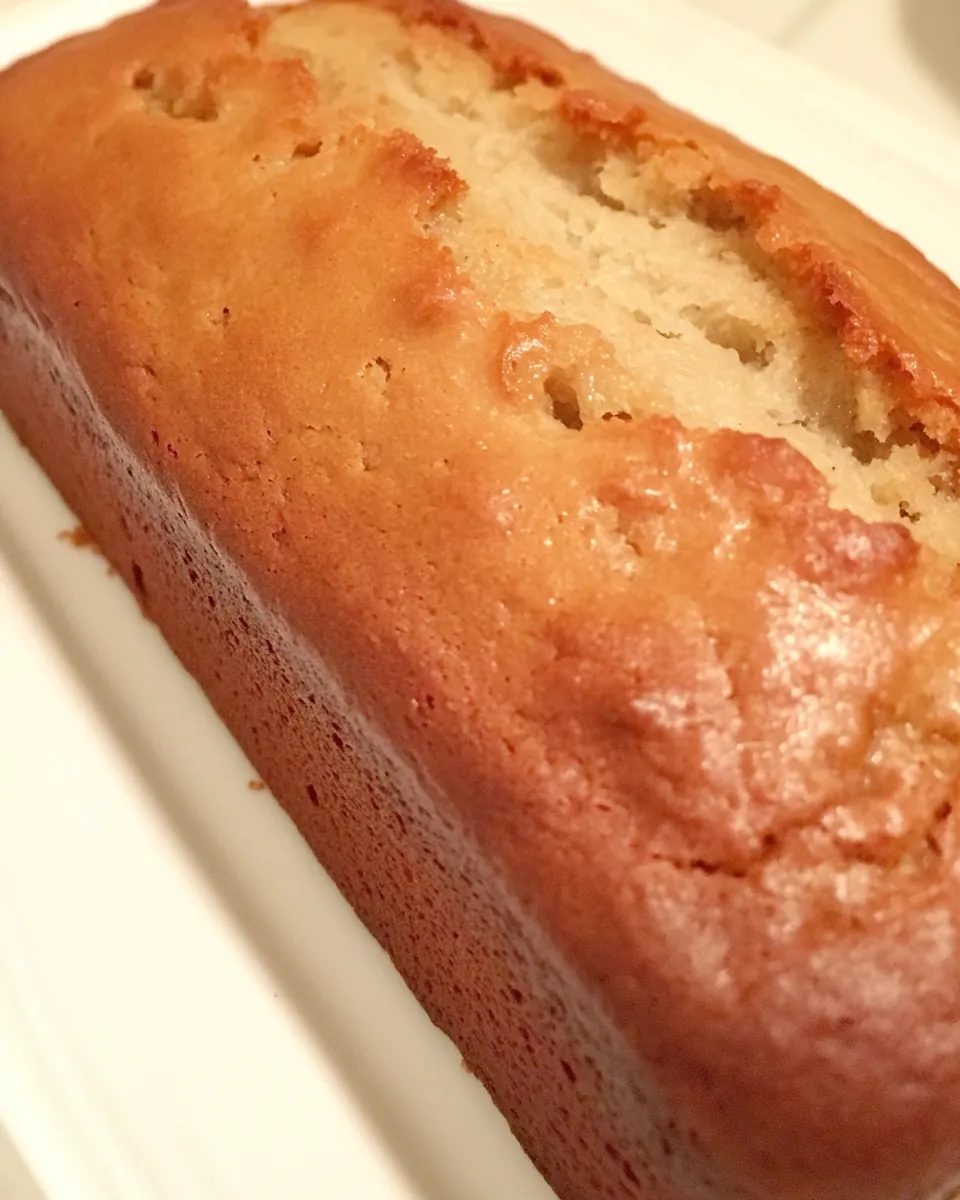
These variations honor the original loaf while giving you flexible options for texture and flavor. Each tip starts with a bold focal phrase and expands into practical guidance so you can adapt confidently.
- Extra Banana Boost Increase the bananas by one small fruit for a more pronounced banana flavor and a moister crumb. Be mindful that extra moisture may require a couple minutes more baking time and keep an eye on the toothpick test to avoid a gummy center.
- Sour Cream Swap If you want a tangier profile use a full fat sour cream as suggested, which improves tenderness and mouthfeel. Low fat versions will work in a pinch but may slightly affect richness and texture.
- Spice Emphasis Add a little more cinnamon or a pinch more nutmeg to emphasize warmth. Freshly ground spices always provide a brighter aroma, but remember they are potent so adjust carefully.
- Butter Method Using melted unsalted butter as the recipe directs gives a dense, rich crumb. If you want a lighter crumb try creaming softened butter with sugar instead, but that changes the mixing method and final texture.
- Make Ahead and Freeze You can bake the loaf, cool completely, wrap tightly, and freeze slices for up to three months. Thaw at room temperature or warm gently in the oven before serving for a near fresh experience.
Side Dish Ideas for The Best Basic Banana Bread
This loaf works across meals and occasions, so I outline practical serving suggestions, storage tips, and pairing ideas to help you present it beautifully. I include occasions and pairings to match different moods and gatherings.
- Breakfast Companion Serve a warm slice with a cup of coffee or tea for an easy morning. The tender crumb and warming spices pair especially well with a creamy latte.
- Brunch Spread Include sliced The Best Basic Banana Bread on a brunch board alongside seasonal fruit and mild spreads. It sits nicely next to soft cheeses and bright preserves for variety.
- Snack or Lunchbox Wrap individual slices for a portable snack or a lunchbox treat. The loaf keeps well when wrapped airtight and adds a sweet, filling option for busy afternoons.
- Gatherings and Potlucks Slice ahead of time and arrange on a platter for easy sharing. It travels well and appeals to a wide range of tastes, making it a reliable potluck choice.
- Storage Tips Store wrapped at room temperature for up to three days, or refrigerate for up to a week to extend freshness. For longer storage freeze wrapped slices and thaw before serving.
- Seasonal Pairings In cooler months pair with spiced spreads or a warm fruit compote, while in warmer seasons lighter toppings like citrus curd provide a bright contrast to the loafs richness.
FAQ
Conclusion
This loaf shines because it combines simple ingredients into a reliably moist, flavorful banana bread that feels both familiar and refined. The balance of mashed bananas, warm spices, and a touch of sour cream creates a tender crumb that holds up to slicing and sharing. Give this recipe a try and enjoy how quickly a humble set of pantry items becomes something comforting and shareable. Take a deep breath as that cinnamon banana aroma fills your kitchen, and let the slow, satisfying process of baking remind you why simple recipes endure.
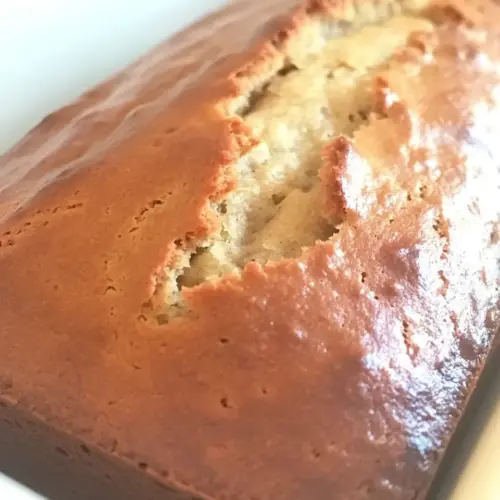
The Best Basic Banana Bread
Equipment
- Loaf Pan
- Mixing Bowls
- Spatula
- Oven
Ingredients
- 1/2 cup (4 ounces) unsalted butter, melted Melted and rich, provides moisture and tender crumb by coating flour proteins and adding flavor; helps the loaf stay soft and extends freshness while contributing a subtle buttery taste.
- 2 teaspoons pure vanilla extract Aromatic and sweet, enhances overall flavor profile by accentuating the bananas and spices; adds floral vanilla notes that round out the sweetness without overpowering other flavors.
- 2 eggs, at room temperature Beaten to incorporate air and structure, binds ingredients and contributes stability while adding richness; room temperature eggs emulsify with butter and sour cream for a consistent batter.
- 1/2 teaspoons salt Salty and balancing, strengthens gluten network slightly and brightens sweetness to prevent the bread from tasting flat; ensures proper flavor contrast and enhances other ingredients’ taste.
- 1 cup granulated sugar Sweet and tenderizing, contributes bulk sweetness and helps with crust browning through caramelization; granulated sugar also affects batter texture and moisture retention.
- 1 1/2 cups flour Fundamental and structural, provides the starch and gluten that form the bread’s body and crumb; measured amount ensures proper balance with liquids and leavening for a tender loaf.
- 1 teaspoon baking soda Leavening and lift, reacts with acidic components to produce carbon dioxide and create a light texture; a measured teaspoon gives proper rise without leaving a metallic aftertaste.
- 2 dashes of nutmeg (optional) Warmly aromatic and optional, adds a subtle nutmeg fragrance and depth when included; used sparingly to complement banana’s sweetness without overwhelming the loaf.
- 1 teaspoon cinnamon Warm and fragrant, imparts cinnamon spice that complements bananas and adds complexity to the flavor; balances sweetness and contributes aromatic richness throughout the bread.
- 4 large, ripe bananas, mashed Sweet and flavorful, mashed bananas provide moisture, natural sweetness, and banana flavor while contributing to tender crumb and acting as a partial fat substitute.
- 1/2 cup + 2 tablespoons sour cream (full-fat is preferred) Creamy and tangy, adds moisture, richness, and a slight acidity that reacts with baking soda for lift while contributing a tender, moist texture to the loaf.
Instructions
- Preheat your oven to 350 degrees F (175 degrees C). Spray a loaf pan with cooking spray or butter it the old fashioned way; set aside.: You will notice a warm, clean oven smell as it reaches 350 degrees F 175 degrees C , and preheating ensures the loaf begins rising immediately when it hits the heat. That initial burst of oven spring helps create an even crumb and a nicely domed top. A frequent error is putting the batter into a cold oven, which makes for uneven baking and a dense center. Also, preparing the loaf pan ahead prevents scrambling while the oven warms. Visually confirm the oven thermometer if yours runs hot or cool, since inaccurate temperature is a common culprit for overbaked edges or an underdone center.
- In a large bowl combine the melted butter and sugar; beat well. Add the vanilla and eggs; beat until fully combined; set aside.: At this stage you l feel the butter and sugar come together into a glossy mix, and the aroma of vanilla will perfume the bowl. Beating until homogenous ensures the eggs emulsify with the fat, which helps trap air for lift. If the mixture separates or looks curdled, it s often due to cold eggs ; let them warm to room temperature next time. Overbeating can incorporate too much air, which may lead to cracks or an overly domed loaf, so stop once the texture is smooth and cohesive.
- In a separate medium-sized bowl combine the flour, baking soda, salt, nutmeg, and cinnamon; stir well to combine.: Rubbing the spices into the flour lets the aromatics distribute evenly so you avoid pockets of concentrated flavor. You will see the mixture take on a uniform, slightly speckled appearance from the cinnamon and nutmeg . Sifting is optional, but whisking thoroughly breaks up lumps and ensures the baking soda is well dispersed. A common mistake is not mixing the dry ingredients enough, which can leave a metallic tasting bite of leavening in a slice.
- Add the flour combination to the wet ingredients and mix until half way combined - careful not to over mix here! Fold in the bananas and sour cream. Stir smooth. Pour the batter into the prepared loaf pan, smoothing the top with a spatula. Bake for 50-55 minutes, or until the top is golden brown and the center is set - a tooth pick inserted should come out clean, or with just a few crumbs clinging on.: As you combine, watch the batter change from glossy to thicker, and stop mixing when streaks of flour remain barely visible. This gentle handling keeps the crumb tender; over mixing develops the gluten and produces toughness. Folding in the mashed bananas and sour cream yields a moist, fragrant batter and you will smell sweetness and spice. When the loaf is baking you l hear nothing audible from the oven but you can see the surface go from pale to golden brown. The internal temperature should be around 200 degrees F if you use a probe. The toothpick test is reliable: clean or with a few moist crumbs means done, while wet batter indicates more time is needed. A common pitfall is removing the loaf too early, resulting in a gummy center; if in doubt add five minute increments and check again.
- Allow the banana bread to cool for 10 minutes in the pan before transferring it to a cooling rack to cool completely. Once cooled, slice and serve.: After removing from the oven you will notice a soft, warm steam rising and a rich banana spice aroma. Letting it rest for 10 minutes allows the interior to set so the loaf holds together when you invert it onto a cooling rack. If you try to slice while it is too hot it may crumble or compress. A typical mistake is leaving it in the pan too long, which traps steam and can make the bottom soggy; aim for the brief cooling period recommended.
- I enjoy this plain, with a pat of butter, or a smear of raspberry preserves.: The loaf should yield clean slices with a tender crumb when fully cooled, and you will see the distribution of bananas and the light, even crumb provided by the baking soda and flour . Serve at room temperature for best texture, or lightly warm a slice if you want a softer mouthfeel. Slicing too soon often results in tearing, so patience produces prettier presentations.
- Enjoy!: The loaf s moist crumb and warm spice profile stand up well to light toppings, and a dab of butter melts into the crumb creating a luxurious bite. If you opt for preserves their brightness cuts the sweetness and adds a fruity counterpoint. Avoid heavy toppings that mask the banana flavor; the beauty of this bread lies in its simplicity.
- Enjoy!: This final moment is about savoring the texture and aromas you worked to create. Notice the balance between sweet bananas , warm cinnamon , and the tender crumb. A common misstep is rushing through serving, when letting the flavors rest for a few minutes after cooling actually improves the eating experience.
Notes
- Extra Banana Boost Increase the bananas by one small fruit for a more pronounced banana flavor and a moister crumb. Be mindful that extra moisture may require a couple minutes more baking time and keep an eye on the toothpick test to avoid a gummy center.
- Sour Cream Swap If you want a tangier profile use a full fat sour cream as suggested, which improves tenderness and mouthfeel. Low fat versions will work in a pinch but may slightly affect richness and texture.
- Spice Emphasis Add a little more cinnamon or a pinch more nutmeg to emphasize warmth. Freshly ground spices always provide a brighter aroma, but remember they are potent so adjust carefully.
- Butter Method Using melted unsalted butter as the recipe directs gives a dense, rich crumb. If you want a lighter crumb try creaming softened butter with sugar instead, but that changes the mixing method and final texture.
- Make Ahead and Freeze You can bake the loaf, cool completely, wrap tightly, and freeze slices for up to three months. Thaw at room temperature or warm gently in the oven before serving for a near fresh experience.