Garlic Steak Bites
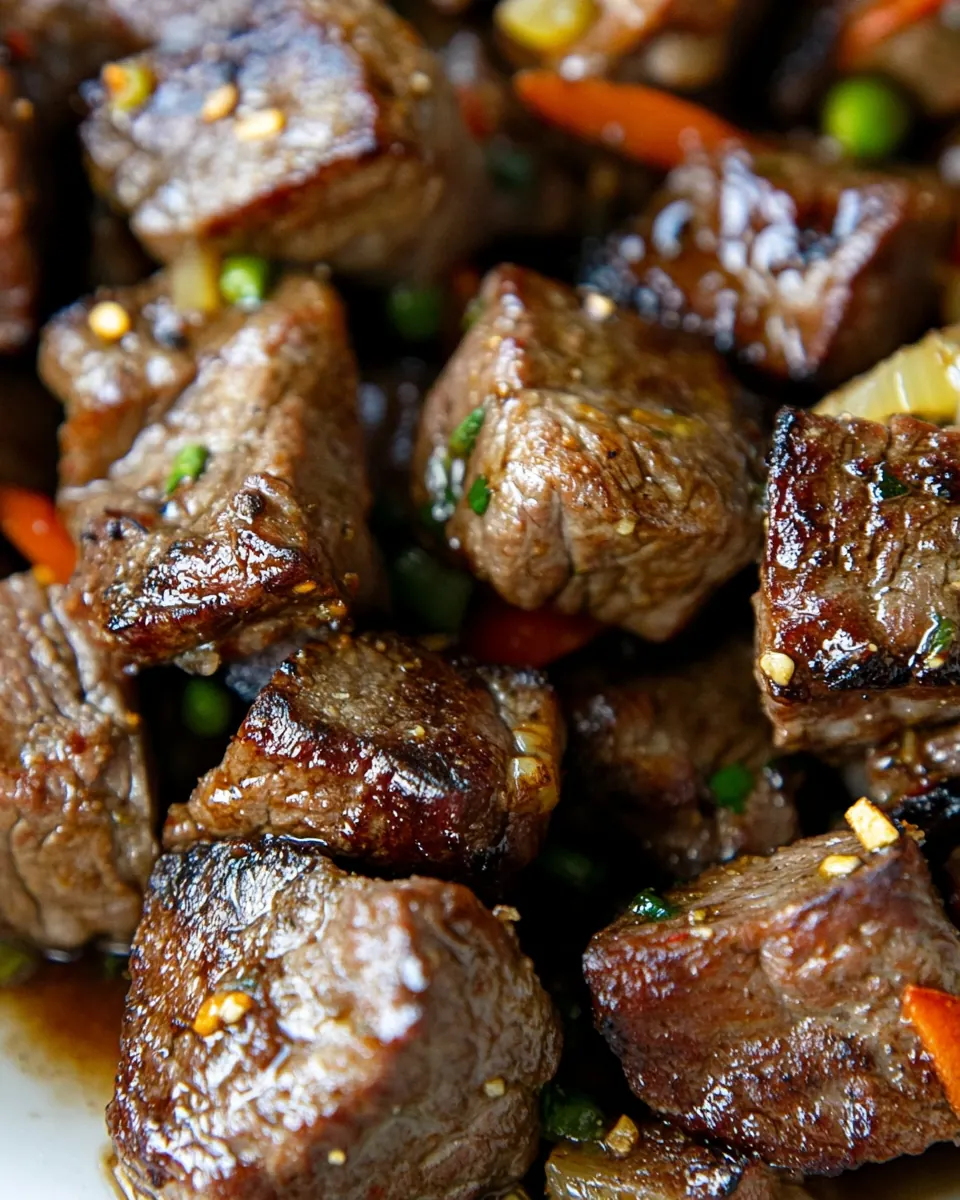
Garlic Steak Bites are one of those recipes I reach for when I want something wildly satisfying without a lot of fuss. The first time I made them, I was short on time but craving bold savory flavors, and these little cubes of beef delivered exactly that punch. I remember the kitchen filling with a toasted sesame and garlic scent that made everyone pause whatever they were doing and wander in. The contrast between the caramelized edges and the juicy interior felt like a small, impressive miracle that I could produce in under an hour.
Over the years I have adapted the seasoning, swapping soy alternatives to suit different diets, but the heart of the dish stays the same: small pieces of quality beef kissed by hot heat and aromatic garlic. I love how flexible they are, you can pair them with steamed rice for a cozy weeknight or pile them on lettuce for a quick, flavorful salad. Each bite is a compact, savory experience that makes even simple leftovers feel celebratory.
Recipe Snapshot
20 mins
10 mins
10 mins
Medium
350 kcal
American
Gluten-Free, Paleo
Dinner
Oven Broiler, Baking Sheet, Sharp Knife, Cutting Board, Zip Lock Bag
Why Try This Garlic Steak Bites
Big flavor from little effort
I adore how Garlic Steak Bites turn a few pantry staples into something that tastes restaurant caliber. I often find that the combination of toasted sesame and garlic gives a deep, nutty backbone, while the acid brightens the whole bite. When I am short on time, this recipe feels like a cheat code for maximum impact with minimum hands on time.
Versatility on the plate
We can use these bites as a main, a protein topper, or a party appetizer. I frequently toss them into grain bowls, wrap them in warm flatbread, or arrange them on a simple platter with crisp vegetables. The texture and concentrated flavor let the meat play well with lots of sides.
Quick to adapt
I like that the recipe adapts to what I have. Swapping the umami base or adjusting the heat level is straightforward, and the result still sings. When friends drop by unexpectedly, I know I can pull this together fast and still impress.
Clear sensory cues make it foolproof
One reason I keep returning to Garlic Steak Bites is the visible and audible feedback while cooking. That satisfying sizzle, the smell of garlic crisping, and the sight of browned edges give me confidence. If you learn to read those cues, you can hit your desired doneness every time.
Easy to scale and serve
Finally, this dish scales effortlessly, which is why I love it for small gatherings. You can marinate ahead and broil or grill quickly when guests arrive. I often prep the marinade in the morning, letting the flavors deepen as the day goes on, and it always elevates the final plate.
Ingredient List for Garlic Steak Bites
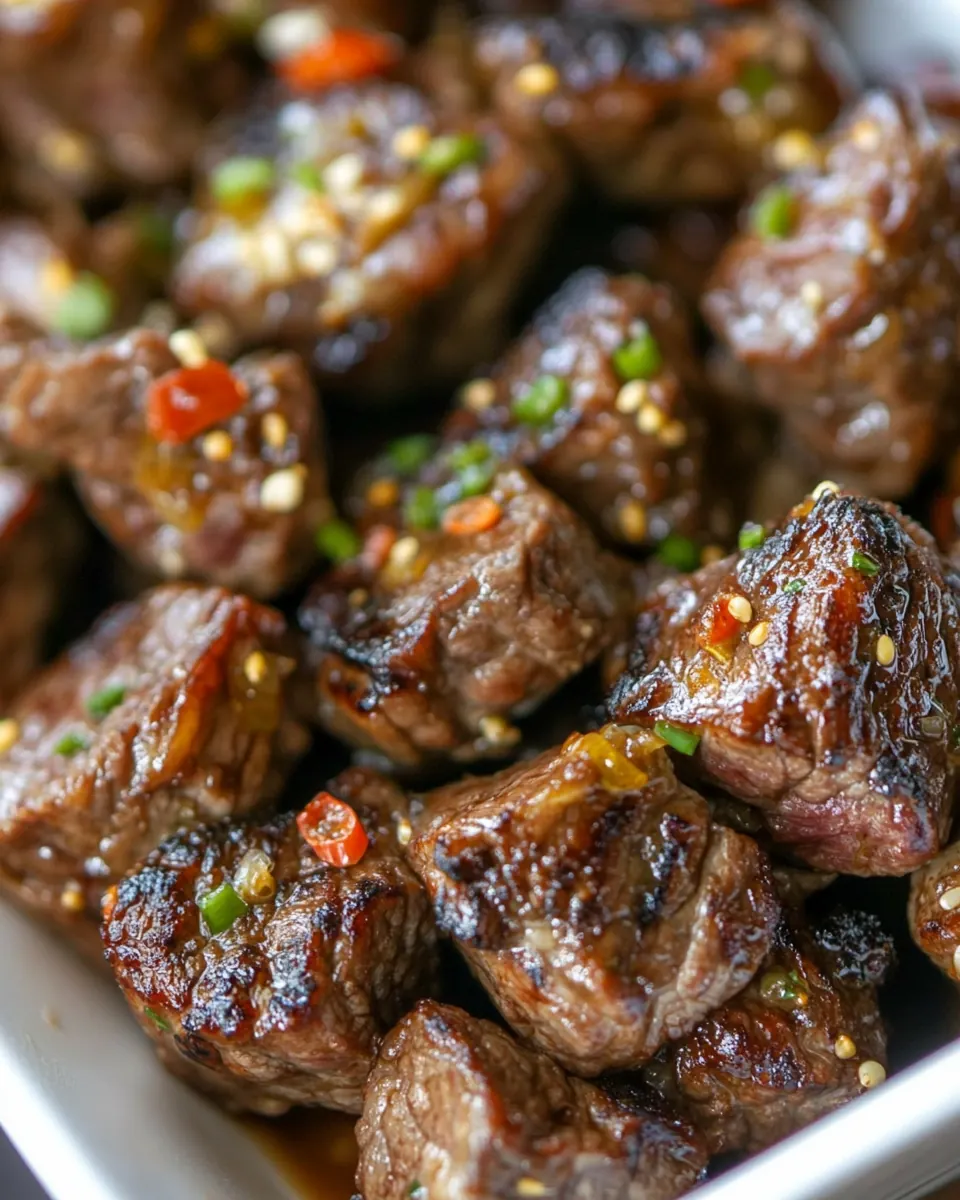
These ingredients are chosen to create a compact flavor profile where each element plays a clear role. The key players are the beef for richness, the garlic for aromatics, the savory umami element to deepen flavor, and the oils and acid to balance and help with browning. Together they form a marinade that both seasons and tenderizes, while allowing the high heat cooking method to create a crisp exterior and a tender interior.
- 1 lb boneless ribeye steak cut into 1-inch cubes: Cut into 1-inch cubes and sear to develop a caramelized crust that locks in juices for tender, flavorful steak bites. Use high heat and avoid overcrowding the pan to ensure even browning and a delightful Maillard reaction.
- 1/3 cup coconut aminos: Add a savory, slightly sweet, and umami-rich glaze that complements the beef while acting as a marinade and finishing sauce. Splash in during cooking or marinate briefly to impart depth without overpowering the steak.
- 1 tbsp avocado oil: Heat briefly to coat the pan and promote an even sear while adding a neutral, high-smoke-point fat for cooking. Use to prevent sticking and to help transfer heat quickly to the steak cubes for a crisp exterior.
- 1 tbsp rice vinegar or fresh lime juice to taste: Brighten the dish with acidity that balances richness and enhances flavors; choose rice vinegar or lime juice to taste. Add sparingly during marinating or toward the end of cooking to preserve fresh brightness without curdling any sauces.
- 2 large cloves garlic: Crush or mince and sauté to release aromatic sulfur compounds that deliver pungent, savory depth and a classic garlic flavor profile. Add early in cooking on moderate heat to bloom its flavor without burning and becoming bitter.
- 1 tsp sriracha (optional): Drizzle sparingly to introduce a spicy, chili-forward kick that can be adjusted for heat preference or omitted for milder taste. Whisk into the marinade or sauce to layer in warmth and a subtle sweet vinegar note from sriracha.
- 2 tsp toasted sesame oil: Finish with a few drops to impart a nutty, toasted aroma and rich sesame flavor that elevates the dish's Asian-inspired profile. Add near the end of cooking or after removing from heat to preserve its delicate fragrance.
- 1/2 tsp sea salt to taste: Season to enhance overall flavor and bring out the natural taste of the beef while controlling sodium levels by tasting as you go. Sprinkle during cooking and adjust at the end to reach desired seasoning without overwhelming the marinade.
- 1/4 tsp black pepper to taste: Grind fresh to add a subtle heat and earthy bite that complements the savory and sweet elements in the sauce. Use conservatively and taste as you go to avoid overpowering the garlic and soy-like components.
How to Cook Garlic Steak Bites
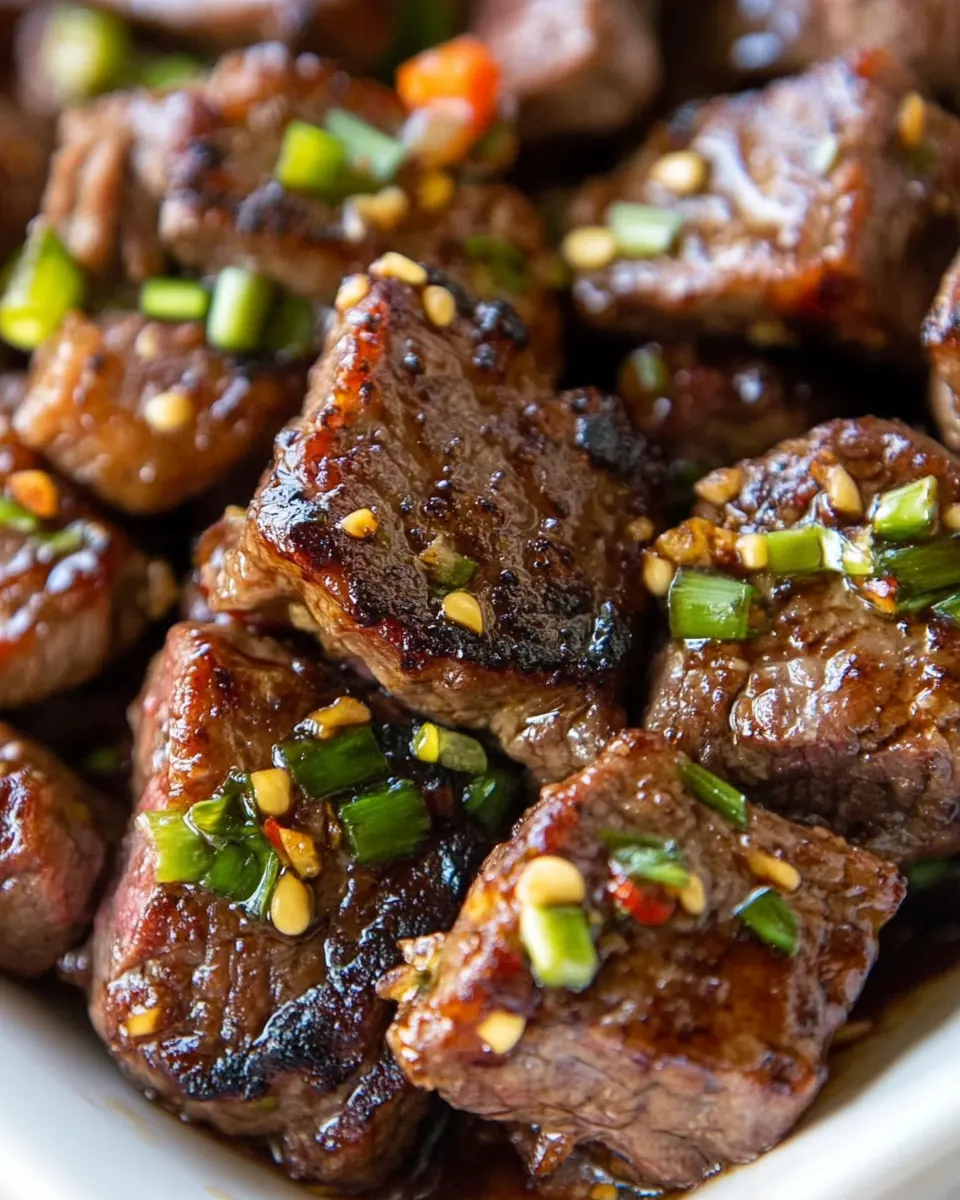
I like to approach cooking these with confidence and attention to sensory cues. A quick marinade and a hot broil produce a charred crust and a tender interior. Below are the cleaned steps from the recipe, expanded into detailed guidance so you can reproduce it reliably at home.
- Combine the steak marinade ingredients in a small bowl or measuring cup and stir well to combine.: The moment you mix the coconut aminos , avocado oil , rice vinegar or lime juice , garlic , sriracha if using, toasted sesame oil , sea salt , and black pepper you should notice a glossy, slightly viscous liquid with a nutty and garlicky aroma. Stirring integrates the oil and acid so the seasoning distributes evenly across the meat. It also allows the salt to begin dissolving, which is important for even seasoning. One common mistake is under mixing, which can leave small pockets of intense flavor; scrape the bottom of the bowl to ensure everything is combined.
- Remove the steak from its packaging and place it on a cutting board. Use a sharp knife to cut the steak into 2-inch chunks. Transfer the chopped steak and the marinade to a large zip lock bag. Seal the bag and move everything around until it is well coated with marinade. Refrigerate for at least 20 minutes, ideally several hours, and up to 24 hours.: When you set the ribeye on the board, use a sharp knife to trim any excess sinew and then cut into uniform 1 inch cubes so they cook evenly. The sound of the knife and the clean, meaty aroma guide you that the meat is fresh. Cutting into consistent pieces is crucial, because uneven pieces will finish at different times, resulting in mixed textures on the same pan. A common error is using a dull knife, which tears instead of cleanly slicing, so sharpen before you start.
- When you’re ready to cook, place your oven on the High Broil setting. If an oven rack isn’t sitting in the center of the oven, move one to the center (3 to 4 shelves from the top).: When you put the meat and marinade in a bag, press out excess air and seal it, then massage the bag so every cube is coated. This tactile step ensures the marinade clings to the surface and penetrates the meat. Marinating in a bag also saves space in the fridge and encourages contact between the liquid and the steak. Avoid overfilling the bag, because crowded pieces may not marinate evenly.
- Spread the marinated beef chunks over a large baking sheet in a single layer. You can include the marinade (this is what I do).: Gently knead the bag for a minute so the garlic and oils spread across every piece, and then lay the bag flat to maximize surface contact. You want the marinade to cling uniformly, which helps with even browning later. If the marinade pools in one corner, flip the bag periodically to redistribute. A common mistake is letting the bag sit with liquid all in one spot, which yields unevenly seasoned bites.
- Broil for 4 minutes, remove from the oven and stir, then broil for another 4 to 5 minutes. If you follow these instructions, the steak bites turn out well done with a crispy golden brown crust on the outside but will still be nice and tender on the inside.: As the steak chills, the acid and salt will start to gently tenderize the surface and the aromatics will infuse. The smell will deepen and become almost sweetly savory. Marinating too briefly may not impart full flavor, while marinating longer than 24 hours can alter texture. If you are short on time, even 20 minutes will add flavor, but longer gives the best depth.
- For medium-rare steak bites, broil for 4 minutes total. The outside won’t develop a nice crust, but the steak will turn out incredibly tender.: Setting the oven to High Broil readies intense direct heat that will brown the exterior quickly. Position a rack in the center so the bites are close enough to the heat to char but not so close they burn instantly. You should hear a faint hiss as they begin to sizzle and smell a toasty aroma. A common pitfall is placing the rack too near the broiler element which causes flare ups and bitter char.
- Serve steak bites with your favorite sides, and enjoy!: Adjusting the rack ensures consistent distance from the broiler element, giving you predictable browning across the pan. The visual cue to watch for is a steady formation of small browned crusts across the top surfaces. Uneven rack placement results in hot spots and unevenly cooked bites, so take the moment to position the rack correctly.
- Spread the marinated beef chunks over a large baking sheet in a single layer: Lay the steak cubes with space between them so air and heat can circulate, promoting even browning. If pieces touch they will steam instead of sear, producing a softer surface and less caramelization. You should hear distinct sizzling when the sheet goes under the broiler. Resist the urge to overcrowd, which is the most common mistake in this step.
- You can include the marinade: Leaving some marinade on the meat helps deepen color and flavor as it reduces under heat, creating a glossy finish. Watch for the liquid to bubble and concentrate, which gives a toasted, slightly sticky glaze. However, too much pooled liquid can prevent browning, so drain excess if it seems like the meat is swimming in sauce.
- Broil for 4 minutes, remove from the oven and stir, then broil for another 4 to 5 minutes: As the meat hits the broiler, listen for an energetic sizzle and watch for dark golden edges to form within the first few minutes. Stirring after the initial period exposes all sides to high heat so each piece can develop a crust. You should see a deep mahogany color on well caramelized edges. A frequent error is skipping the stir, which leads to uneven crust development and inconsistent doneness.
- If you follow these instructions, the steak bites turn out well done with a crispy golden brown crust on the outside but will still be nice and tender on the inside: The goal here is a deep crust with a tender interior. The aroma will be nutty, garlicky, and savory, and the texture should give a slight resistance before yielding to a juicy center. Overcooking will dry the meat, so watch the visual cues closely and remove when the crust is present without total dryness.
- For medium rare steak bites, broil for 4 minutes total: If you prefer a tender, pink interior, shorten the broil time and monitor for a gentle color change at the edges while keeping the center rosy. The outside will not be as deeply browned, but the interior will be lush and tender. The biggest mistake here is assuming identical timing across ovens; use visual and tactile cues to confirm doneness.
- Serve steak bites with your favorite sides, and enjoy: Present the bites while warm so you capture the contrast of the crisp exterior and juicy interior. The aroma at the table will be rich and garlicky, and the first bite should deliver a layered savory hit. If you let them sit too long before serving they will lose some crispness, so plate promptly for the best experience.
Tips and Variations
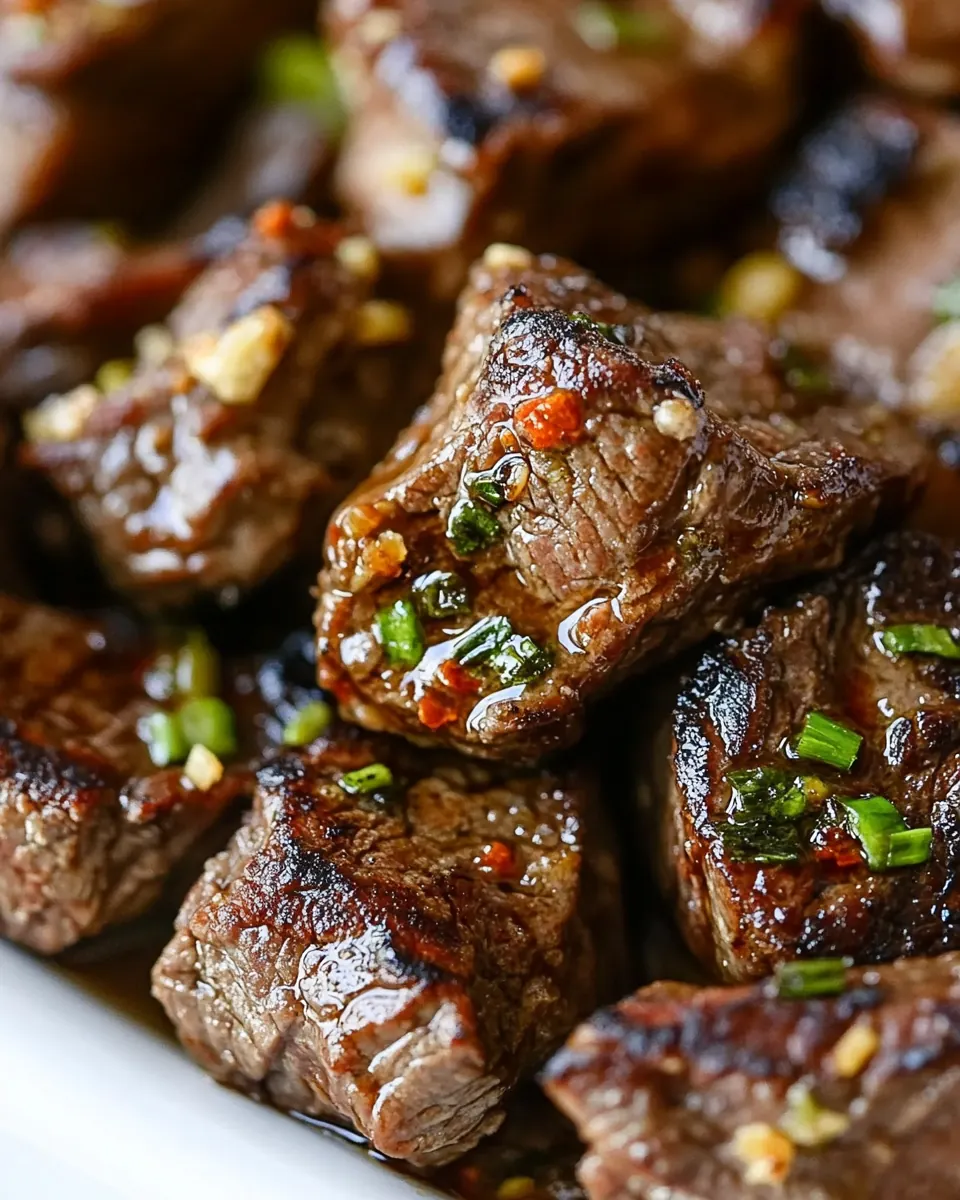
I like offering variations so you can adapt Garlic Steak Bites to what you have and to your flavor preferences. Below are focused tips and practical tweaks that preserve the dish’s core identity while letting you personalize texture and taste.
- Choose the right cut: Pick a well marbled cut like ribeye for rich flavor and tenderness, trimming large connective tissue that can become chewy.
- Control the heat: Use the oven broiler on high for fast browning, and position the rack to avoid burning the exterior before the interior cooks.
- Marinate strategically: Marinate at least 20 minutes for quick flavor infusion, or up to 24 hours for deeper taste, but avoid going longer to prevent texture changes.
- Adjust salt with substitutes: If you swap in soy sauce for coconut aminos, omit the added sea salt to keep sodium balanced.
- Finish with sesame oil: Add a small splash of toasted sesame oil in the marinade to get that toasty aroma, but use sparingly because it is potent.
- Watch for crowding: Give each cube space on the baking sheet to ensure air circulation and even caramelization, which is the key to crisp edges.
Side Dish Ideas for Garlic Steak Bites
These serving suggestions are built to complement the bold flavors of Garlic Steak Bites. I like to mix textures and temperatures to create a balanced plate that feels thoughtful without being fussy. Below I outline a variety of sides and occasions so you can serve these bites in many contexts.
- Steamed rice or jasmine rice: A simple warm grain tames the savory intensity and soaks up any pan juices, making every bite comforting.
- Light salad with crisp greens: A crunchy salad with a bright vinaigrette refreshes the palate and adds a vegetal contrast to the rich beef.
- Roasted vegetables: Oven roasted carrots, broccoli, or Brussels sprouts offer caramelized sweetness that pairs wonderfully with the savory meat.
- Flatbreads or warm tortillas: Wrapping the bites in bread with a smear of yogurt or sauce makes handheld, party friendly bites.
- Occasions: Serve these for casual weeknight dinners, small dinner parties, or as a protein platter during gatherings like Iftar where guests appreciate bold but familiar flavors.
- Storage tips: Refrigerate leftovers in an airtight container for up to three days; reheat quickly under the broiler or in a hot skillet to restore crust without drying the center.
- Seasonal pairings: In cooler months pair with roasted root vegetables, while in warmer seasons I prefer a fresh citrusy salad to lighten each bite.
FAQ
Conclusion
What makes this recipe special is how it concentrates bold flavors into small, fast cooking bites that feel elevated yet effortless. The combination of garlic, toasted sesame oil, and a savory umami base produces a satisfying contrast between a crisp exterior and a juicy interior. I encourage you to try Garlic Steak Bites the next time you want a quick but impressive meal; they are forgiving, adaptable, and consistently delicious. Serve them hot so you capture the full aroma and texture, and enjoy the easy wow factor they bring to any table.
Garlic Steak Bites
Equipment
- Oven Broiler
- Baking Sheet
- Sharp Knife
- Cutting Board
- Zip-lock bag
Ingredients
- 1 lb boneless ribeye steak cut into 1-inch cubes Cut into 1-inch cubes and sear to develop a caramelized crust that locks in juices for tender, flavorful steak bites. Use high heat and avoid overcrowding the pan to ensure even browning and a delightful Maillard reaction.
- 1/3 cup coconut aminos Add a savory, slightly sweet, and umami-rich glaze that complements the beef while acting as a marinade and finishing sauce. Splash in during cooking or marinate briefly to impart depth without overpowering the steak.
- 1 tbsp avocado oil Heat briefly to coat the pan and promote an even sear while adding a neutral, high-smoke-point fat for cooking. Use to prevent sticking and to help transfer heat quickly to the steak cubes for a crisp exterior.
- 1 tbsp rice vinegar or fresh lime juice to taste Brighten the dish with acidity that balances richness and enhances flavors; choose rice vinegar or lime juice to taste. Add sparingly during marinating or toward the end of cooking to preserve fresh brightness without curdling any sauces.
- 2 large cloves garlic Crush or mince and sauté to release aromatic sulfur compounds that deliver pungent, savory depth and a classic garlic flavor profile. Add early in cooking on moderate heat to bloom its flavor without burning and becoming bitter.
- 1 tsp sriracha optional Drizzle sparingly to introduce a spicy, chili-forward kick that can be adjusted for heat preference or omitted for milder taste. Whisk into the marinade or sauce to layer in warmth and a subtle sweet vinegar note from sriracha.
- 2 tsp toasted sesame oil Finish with a few drops to impart a nutty, toasted aroma and rich sesame flavor that elevates the dish's Asian-inspired profile. Add near the end of cooking or after removing from heat to preserve its delicate fragrance.
- 1/2 tsp sea salt to taste Season to enhance overall flavor and bring out the natural taste of the beef while controlling sodium levels by tasting as you go. Sprinkle during cooking and adjust at the end to reach desired seasoning without overwhelming the marinade.
- 1/4 tsp black pepper to taste Grind fresh to add a subtle heat and earthy bite that complements the savory and sweet elements in the sauce. Use conservatively and taste as you go to avoid overpowering the garlic and soy-like components.
Instructions
- Combine the steak marinade ingredients in a small bowl or measuring cup and stir well to combine.: The moment you mix the coconut aminos , avocado oil , rice vinegar or lime juice , garlic , sriracha if using, toasted sesame oil , sea salt , and black pepper you should notice a glossy, slightly viscous liquid with a nutty and garlicky aroma. Stirring integrates the oil and acid so the seasoning distributes evenly across the meat. It also allows the salt to begin dissolving, which is important for even seasoning. One common mistake is under mixing, which can leave small pockets of intense flavor; scrape the bottom of the bowl to ensure everything is combined.
- Remove the steak from its packaging and place it on a cutting board. Use a sharp knife to cut the steak into 2-inch chunks. Transfer the chopped steak and the marinade to a large zip lock bag. Seal the bag and move everything around until it is well coated with marinade. Refrigerate for at least 20 minutes, ideally several hours, and up to 24 hours.: When you set the ribeye on the board, use a sharp knife to trim any excess sinew and then cut into uniform 1 inch cubes so they cook evenly. The sound of the knife and the clean, meaty aroma guide you that the meat is fresh. Cutting into consistent pieces is crucial, because uneven pieces will finish at different times, resulting in mixed textures on the same pan. A common error is using a dull knife, which tears instead of cleanly slicing, so sharpen before you start.
- When you’re ready to cook, place your oven on the High Broil setting. If an oven rack isn’t sitting in the center of the oven, move one to the center (3 to 4 shelves from the top).: When you put the meat and marinade in a bag, press out excess air and seal it, then massage the bag so every cube is coated. This tactile step ensures the marinade clings to the surface and penetrates the meat. Marinating in a bag also saves space in the fridge and encourages contact between the liquid and the steak. Avoid overfilling the bag, because crowded pieces may not marinate evenly.
- Spread the marinated beef chunks over a large baking sheet in a single layer. You can include the marinade (this is what I do).: Gently knead the bag for a minute so the garlic and oils spread across every piece, and then lay the bag flat to maximize surface contact. You want the marinade to cling uniformly, which helps with even browning later. If the marinade pools in one corner, flip the bag periodically to redistribute. A common mistake is letting the bag sit with liquid all in one spot, which yields unevenly seasoned bites.
- Broil for 4 minutes, remove from the oven and stir, then broil for another 4 to 5 minutes. If you follow these instructions, the steak bites turn out well done with a crispy golden brown crust on the outside but will still be nice and tender on the inside.: As the steak chills, the acid and salt will start to gently tenderize the surface and the aromatics will infuse. The smell will deepen and become almost sweetly savory. Marinating too briefly may not impart full flavor, while marinating longer than 24 hours can alter texture. If you are short on time, even 20 minutes will add flavor, but longer gives the best depth.
- For medium-rare steak bites, broil for 4 minutes total. The outside won’t develop a nice crust, but the steak will turn out incredibly tender.: Setting the oven to High Broil readies intense direct heat that will brown the exterior quickly. Position a rack in the center so the bites are close enough to the heat to char but not so close they burn instantly. You should hear a faint hiss as they begin to sizzle and smell a toasty aroma. A common pitfall is placing the rack too near the broiler element which causes flare ups and bitter char.
- Serve steak bites with your favorite sides, and enjoy!: Adjusting the rack ensures consistent distance from the broiler element, giving you predictable browning across the pan. The visual cue to watch for is a steady formation of small browned crusts across the top surfaces. Uneven rack placement results in hot spots and unevenly cooked bites, so take the moment to position the rack correctly.
- Spread the marinated beef chunks over a large baking sheet in a single layer: Lay the steak cubes with space between them so air and heat can circulate, promoting even browning. If pieces touch they will steam instead of sear, producing a softer surface and less caramelization. You should hear distinct sizzling when the sheet goes under the broiler. Resist the urge to overcrowd, which is the most common mistake in this step.
- You can include the marinade: Leaving some marinade on the meat helps deepen color and flavor as it reduces under heat, creating a glossy finish. Watch for the liquid to bubble and concentrate, which gives a toasted, slightly sticky glaze. However, too much pooled liquid can prevent browning, so drain excess if it seems like the meat is swimming in sauce.
- Broil for 4 minutes, remove from the oven and stir, then broil for another 4 to 5 minutes: As the meat hits the broiler, listen for an energetic sizzle and watch for dark golden edges to form within the first few minutes. Stirring after the initial period exposes all sides to high heat so each piece can develop a crust. You should see a deep mahogany color on well caramelized edges. A frequent error is skipping the stir, which leads to uneven crust development and inconsistent doneness.
- If you follow these instructions, the steak bites turn out well done with a crispy golden brown crust on the outside but will still be nice and tender on the inside: The goal here is a deep crust with a tender interior. The aroma will be nutty, garlicky, and savory, and the texture should give a slight resistance before yielding to a juicy center. Overcooking will dry the meat, so watch the visual cues closely and remove when the crust is present without total dryness.
- For medium rare steak bites, broil for 4 minutes total: If you prefer a tender, pink interior, shorten the broil time and monitor for a gentle color change at the edges while keeping the center rosy. The outside will not be as deeply browned, but the interior will be lush and tender. The biggest mistake here is assuming identical timing across ovens; use visual and tactile cues to confirm doneness.
- Serve steak bites with your favorite sides, and enjoy: Present the bites while warm so you capture the contrast of the crisp exterior and juicy interior. The aroma at the table will be rich and garlicky, and the first bite should deliver a layered savory hit. If you let them sit too long before serving they will lose some crispness, so plate promptly for the best experience.
Notes
- Choose the right cut: Pick a well marbled cut like ribeye for rich flavor and tenderness, trimming large connective tissue that can become chewy.
- Control the heat: Use the oven broiler on high for fast browning, and position the rack to avoid burning the exterior before the interior cooks.
- Marinate strategically: Marinate at least 20 minutes for quick flavor infusion, or up to 24 hours for deeper taste, but avoid going longer to prevent texture changes.
- Adjust salt with substitutes: If you swap in soy sauce for coconut aminos, omit the added sea salt to keep sodium balanced.
- Finish with sesame oil: Add a small splash of toasted sesame oil in the marinade to get that toasty aroma, but use sparingly because it is potent.
- Watch for crowding: Give each cube space on the baking sheet to ensure air circulation and even caramelization, which is the key to crisp edges.