Spinach Quiche
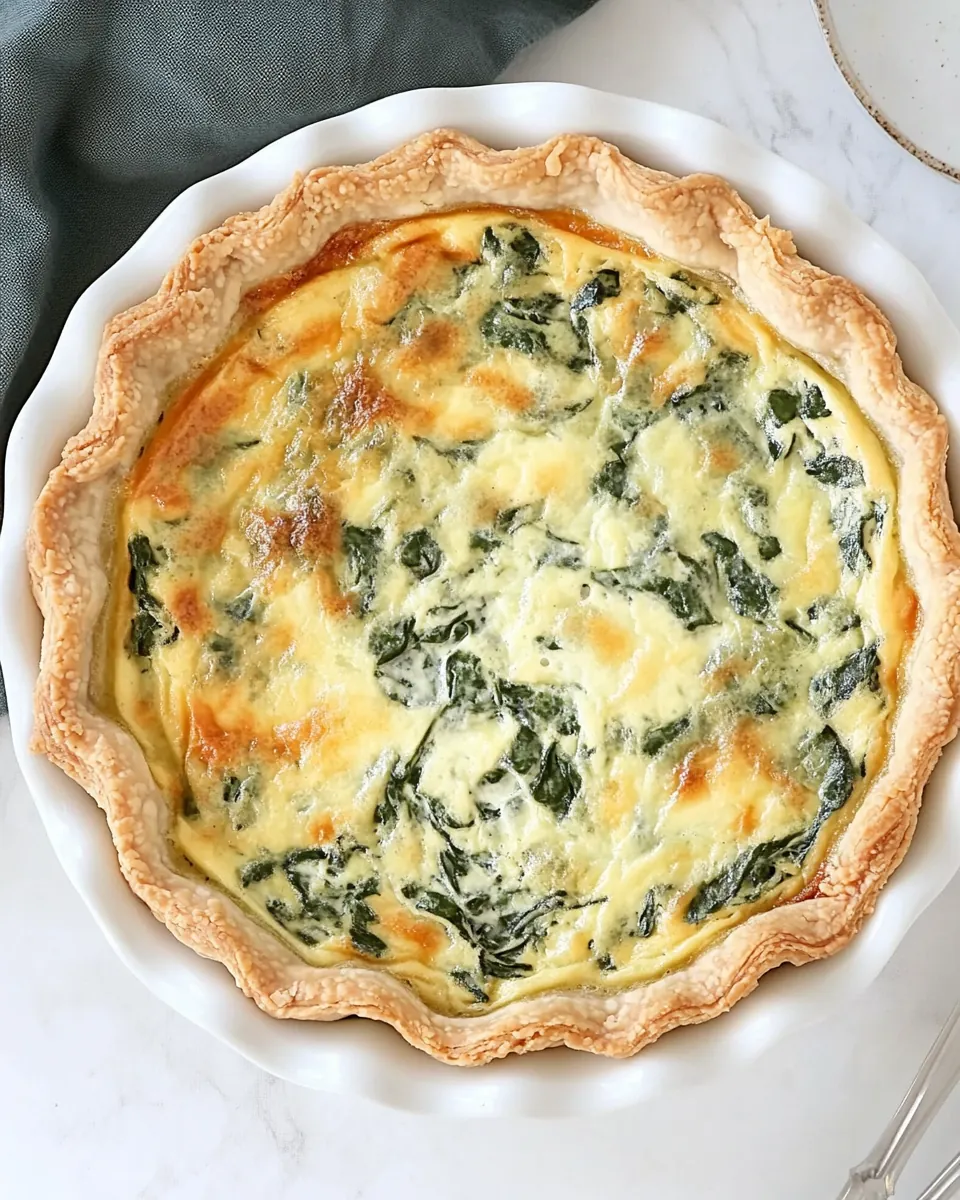
Spinach Quiche has been one of my weekday rescues and weekend showstoppers, a recipe I reach for when I want something comforting yet not heavy. The first time I made it, I was short on time but determined to impress friends who dropped by unexpectedly, and the way the filling set into a silky custard under a golden crust felt like culinary magic. That memory still makes me smile every time I slice into a warm wedge and see the pockets of melted Gruyere cheese and flecks of spinach.
I grew up with savory tarts at family brunches, and over the years I learned how small technique tweaks change everything. Now I love to saute the onion and garlic until they smell sweet and nutty, and I always give the assembled quiche a brief rest after baking so the custard firms up without weeping. You will notice the difference in texture, and that little pause becomes part of the ritual, much like a deep breath before sharing a meal.
Recipe Snapshot
45 mins
20 mins
25 mins
Medium
300 kcal
American
Keto, Gluten-Free
Dinner
9 inch pie dish, Skillet, Mixing bowl, Whisk
Why Try This Spinach Quiche
Comfort With a Light Touch
I adore how Spinach Quiche offers creamy richness without feeling heavy. The combination of eggs and cheeses creates a custard that is lush, yet the bright, lightly cooked spinach keeps each bite from becoming cloying. For a family meal, this balance means everyone leaves satisfied, not weighed down.
Speed Meets Sophistication
One of the reasons I reach for Spinach Quiche is how quickly it comes together. With a little prep, the bright flavors are locked into a single dish you can pull from the oven while you set the table, making it perfect for unexpected guests. It looks upscale, yet it is genuinely easy to execute, which is something I appreciate after a busy day.
Versatility on the Table
I love that this quiche works for brunch, lunch, or a light dinner. The texture and temperature are forgiving, so it’s just as good warm from the oven as it is at room temperature. That versatility has saved me more than once when plans changed, because a slice pairs well with a crisp salad or a simple bowl of soup, and it travels nicely if you need to bring it along.
Ingredient-Friendly and Approachable
Spinach Quiche uses pantry-friendly staples like eggs, milk, and several kinds of cheese, yet the result feels thoughtful. I appreciate that I can make straightforward swaps if needed, while keeping the method the same. The ingredient list reads like comfort food but behaves like an elegant dish.
Reliable for Entertaining
When I’m hosting, reliability matters. This quiche bakes evenly, slices cleanly when rested, and presents beautifully. That reliability lets me focus on conversation instead of fretting over the oven, which is exactly why it has become one of my go to recipes for small gatherings.
What to Gather for Spinach Quiche
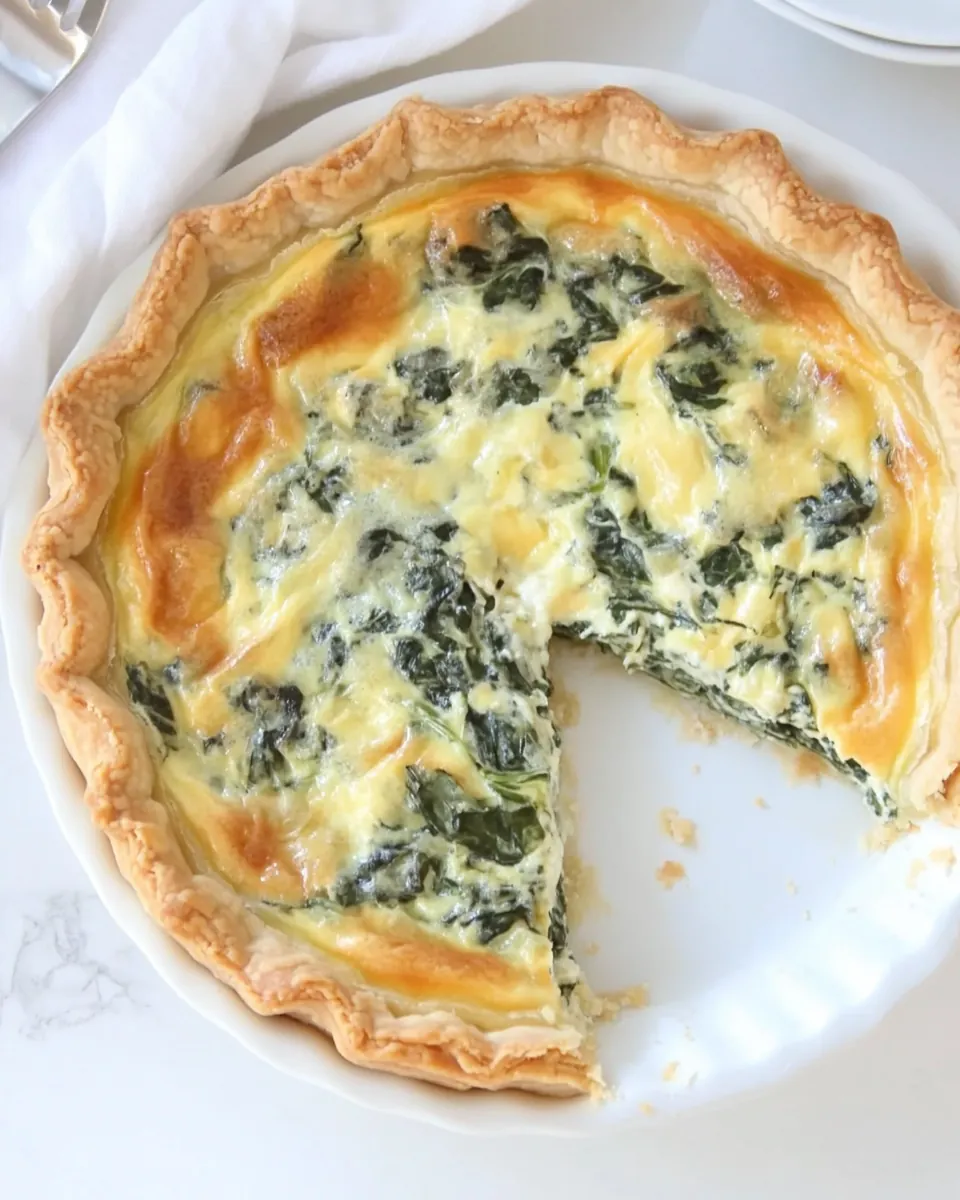
These ingredients are chosen to create a harmonious balance between a silky custard and bright greens. The cheeses bring depth and a nutty savor, the eggs and milk form the tender custard, and the spinach adds freshness and color. The aromatics, onion and garlic, build a savory foundation that lifts every bite.
- 1 tablespoon olive oil: Heat gently to coat the pan and prevent sticking while adding a subtle fruity flavor; olive oil helps sauté aromatics and tenderize vegetables before baking. Use sparingly to avoid greasiness and to promote even browning of the crust and fillings.
- 6 large eggs: Whisk together to provide structure and lift, creating the custard base that sets the quiche; eggs bind fillings and incorporate air for a light texture. Use large eggs at room temperature for consistent coagulation and a smooth, creamy interior.
- 1/2 cup milk: Combine with eggs to loosen the custard and contribute creaminess while controlling richness; milk thins the mixture for an even bake. Use cold or room-temperature milk depending on desired custard density and to balance the egg proteins.
- 1/2 medium onion diced small: Sauté until translucent to build savory depth and aromatic sweetness that complements the filling; diced onion adds texture and savory backbone. Cut small for even cooking and to disperse flavor uniformly throughout the quiche.
- 2 cloves garlic minced: Mince finely and cook briefly to release pungent, aromatic oils that elevate savory notes; garlic adds complexity and a warm finish. Add toward the end of sautéing onions to prevent burning and maintain a mellow garlic flavor.
- 1/2 tsp salt: Season judiciously to enhance overall flavors and balance richness; salt amplifies the natural tastes of cheeses and vegetables. Adjust to taste, keeping in mind salty cheeses already contribute sodium to the dish.
- 1/4 teaspoon black pepper: Crack freshly to add mild heat and accentuate savory components; black pepper contributes aromatic spiciness and depth. Grind fresh for best flavor and sprinkle to taste so pepper doesn’t overpower delicate ingredients.
- 1/4 teaspoon nutmeg ground: Grate sparingly to impart warm, nutty undertones that complement creamy cheeses and spinach; ground nutmeg pairs particularly well with egg-based custards. Use a small amount to avoid overpowering the quiche’s delicate balance.
- 1/2 cup cottage cheese: Fold in to add a tangy, creamy body and subtle curd texture that increases moisture and richness; cottage cheese lightens custardy density while offering protein. Drain or blend slightly if chunkiness is undesirable for a smoother filling.
- 1/2 cup Gruyere cheese shredded: Melt into the custard to deliver a rich, nutty flavor and stretchy, creamy texture; shredded Gruyere contributes depth and excellent melting qualities. Distribute evenly for consistent cheesiness and a golden top.
- 1/2 cup Parmesan cheese shredded: Sprinkle for sharp, salty umami that accentuates the egg custard and other cheeses; Parmesan adds savory complexity and a crisped, golden finish when baked. Use finely shredded to integrate easily and boost overall savoriness.
- 3 cups fresh baby spinach roughly chopped: Chop coarsely to provide fresh, earthy flavor and vibrant color while adding volume without excessive moisture; spinach wilts down into the custard and contributes nutrients. Squeeze out excess liquid if particularly wet to prevent soggy crust.
- 1 pie crust: Fit into the pie dish to provide a buttery, flaky vessel that contains the filling and contrasts textures; pie crust forms the structural base for the quiche. Blind-bake or partially prebake if desired to avoid a soggy bottom during baking.
Step by Step Guide for Spinach Quiche
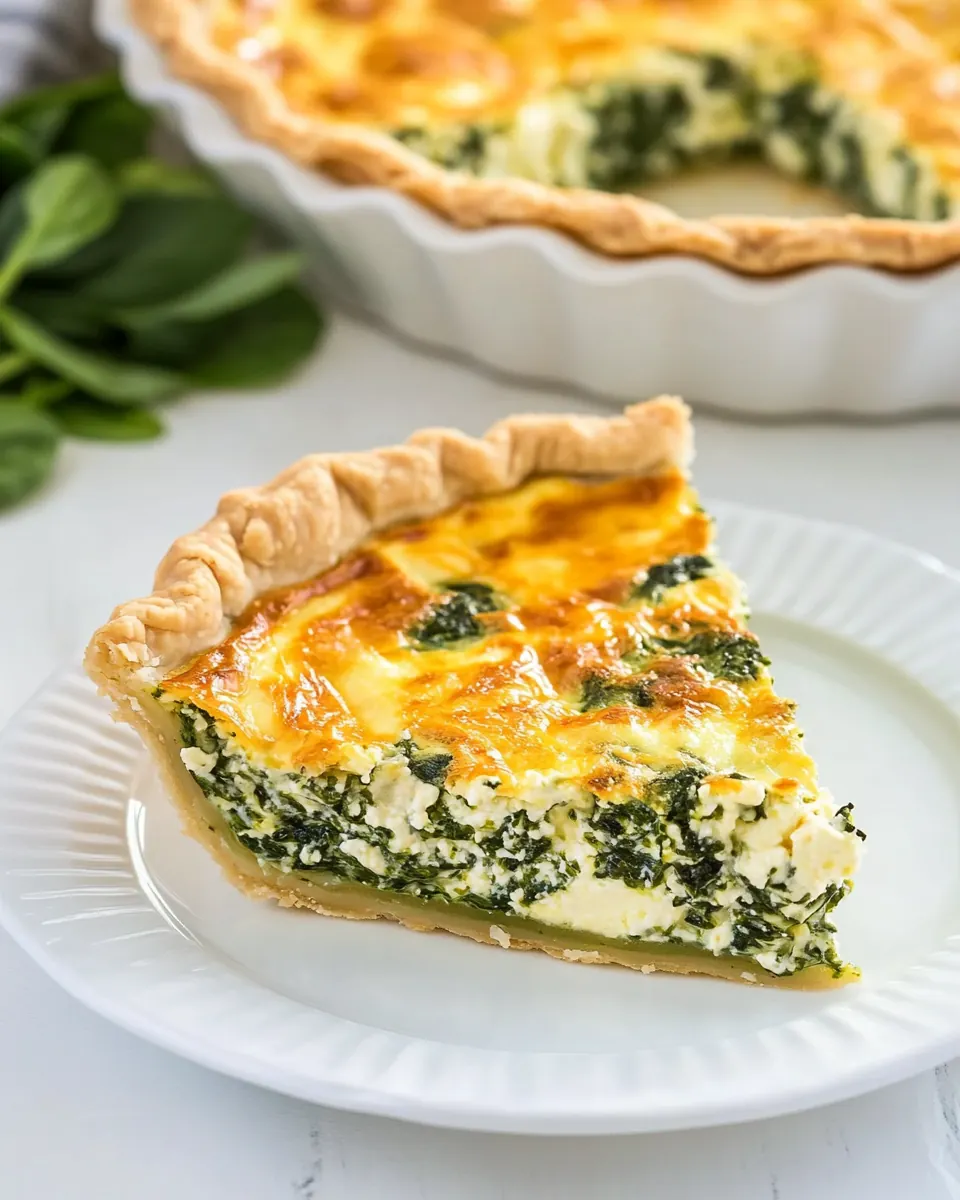
This is a hands on, sensory driven guide that takes you from room temperature ingredients to a beautifully set quiche. I like to move deliberately, noticing aromas and textures, which helps prevent common mistakes and makes the process relaxing. Below are the cleaned steps, expanded into vivid, practical directions.
- Preheat the oven to 375°F (190°C). Roll out the pie crust and line a 9-inch pie dish with it.: As the oven warms, you will smell a steady, dry heat filling the kitchen, which helps the crust bake evenly and the custard to set without overbrowning. Make sure the oven racks are positioned so the quiche will sit in the center for uniform heat circulation. A common mistake is placing the dish too close to the top element which can scorch the edges, so adjust the rack first. I often preheat for a full 10 to 15 minutes to ensure stable temperature. Use an oven thermometer if your oven runs hot or cold, because inaccurate heat changes the final texture.
- In a large bowl, whisk together the eggs, milk, cottage cheese, salt, pepper, and nutmeg until well combined.: When you roll the pie crust , aim for an even thickness so the shell bakes uniformly and does not develop thin spots that burn. Press the dough gently into the dish, trimming any excess and crimping the edges for a neat rim. Cold dough is easier to handle, so if it becomes too warm and sticky, pop it in the refrigerator briefly. A frequent error is stretching the dough while fitting it, which causes it to shrink back during baking; to avoid that, let the dough rest while chilled after pressing it into the dish.
- In a skillet, heat the olive oil over medium heat. Add the diced onion and garlic, and cook until soft and fragrant, about 5 minutes.: As you whisk, notice the mixture turning glossy and uniform, the pale yellow deepening slightly. The aroma of nutmeg and pepper will lift the base, signaling balanced seasoning. Properly combined ingredients ensure a smooth custard that sets evenly; if the cottage cheese has distinct curds, a quick mash or brief pulse in a blender will create a silkier texture. Be careful not to over whip, because incorporating too much air can lead to small holes in the finished custard.
- Add the spinach to the skillet and cook until wilted, about 2-3 minutes.: The oil will shimmer and emit a faint fruity scent when it reaches the right temperature. This stage is about controlling gentle heat so the vegetables soften without burning. If the oil smokes, reduce the heat immediately, because smoking oil creates off flavors. I like to swirl the skillet so the oil coats the surface, which prevents sticking and ensures even sauteing.
- Spoon the spinach mixture into the egg mixture with the grated Gruyere and Parmesan cheese. Mix until combined. Pour into your unbaked pie crust. Sprinkle more cheese on top to make it extra delicious.: As they cook, the onion becomes translucent and the kitchen is filled with a sweet, savory perfume from the garlic and onion combining. Stir frequently to prevent browning; softening is the goal, not caramelization. If pieces start to brown too quickly, lower the heat and add a splash of water to slow the process. Undercooked onion leaves a sharp bite, while overcooked garlic becomes bitter, so aim for tender, aromatic results.
- Bake for 35-40 minutes or until the quiche is set and golden brown. Remove from the oven and let cool for 15 minutes before slicing and serving. Enjoy!: The spinach will visibly collapse, turning from bright leafy green to a glossy, darker shade; steam will rise and release a fresh, vegetal scent. Cook quickly to keep a tender texture, and use the skillet’s heat to evaporate excess moisture, which prevents a watery custard. A common misstep is overcrowding the pan, which causes steaming instead of wilting; if needed, wilt in batches so each leaf has direct contact with the hot surface.
- Spoon the spinach mixture into the egg mixture with the grated Gruyere and Parmesan cheese: At this point you will notice a fragrant, savory chorus as the warm spinach meets the cool custard base and the shredded Gruyere cheese and Parmesan cheese begin to soften. Mixing them while the spinach is still warm helps those cheeses meld into the custard for pockets of melted richness. Avoid over stirring, which can break down texture; fold just until evenly distributed. If the spinach was overly wet, press it lightly with a spoon to release excess liquid before adding, because moisture can make the custard runny.
- Mix until combined. Pour into your unbaked pie crust: As you pour, listen for the gentle, steady sound of custard settling into the shell, and watch it flow into corners for an even fill. The visual cue of a level surface means it will set uniformly. If you see excess liquid pooling, blot slightly or let the mixture rest to allow small bubbles to rise and settle. A typical error is overfilling, so leave a little headspace to avoid spilling as it bubbles during baking.
- Sprinkle more cheese on top to make it extra delicious: The final layer of shredded Gruyere cheese and Parmesan cheese melts and browns, creating an appealing golden crust with toasty notes. This topping gives a contrasting texture to the creamy interior and emphasizes savory flavors. Keep an eye during the last minutes of baking, because the top can go from golden to too brown quickly. If the surface is coloring too fast, tent the quiche loosely with foil to protect it while allowing the center to finish setting.
- Bake for 35 to 40 minutes or until the quiche is set and golden brown: The oven will transform the custard from liquid to a tender, sliceable set. You will notice gentle bubbling and a firm edge, with the center slightly jiggly but not runny, which is the correct doneness. If the edges brown much faster than the center, nestle a foil collar around the rim to prevent burning. Using a low oven temperature or inaccurate heat is a common mistake that leads to either undercooked centers or overbrowned crusts, so monitor closely in the last 10 minutes.
- Remove from the oven and let cool for 15 minutes before slicing and serving: During this cooling period the custard finishes setting, becoming easier to slice into clean wedges. The aroma will mellow into an inviting perfume of baked cheese and warm eggs. Resist the urge to cut immediately, because slicing too soon can cause the filling to leak and lose structure. If you need to reheat leftovers, a gentle oven or low temperature in a skillet will restore texture without drying the quiche.
Ways to Customize
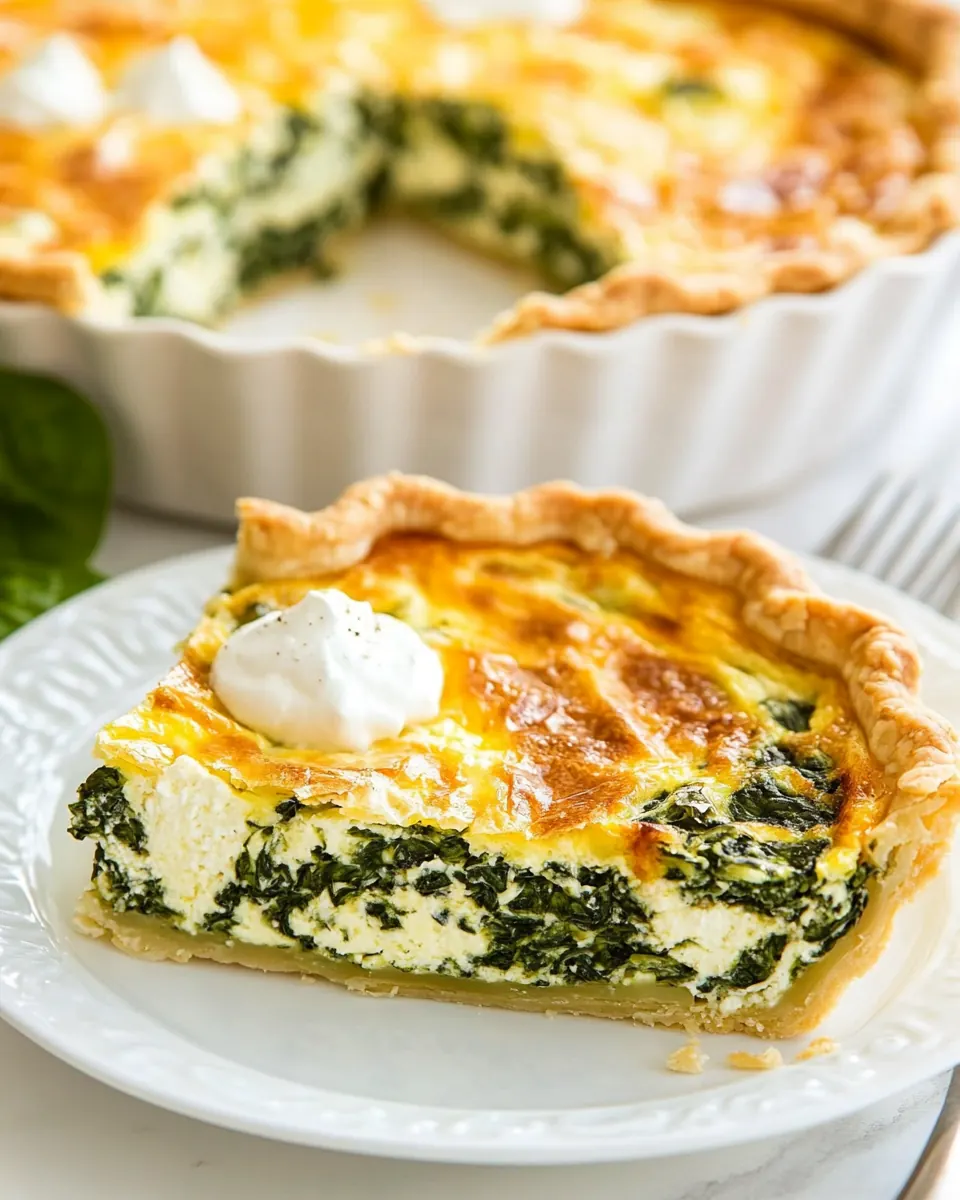
These customization ideas help you personalize Spinach Quiche while staying true to the recipe’s comforting core. Choose one or combine a few to suit the mood of your meal or the contents of your fridge.
- Swap cheese mix Use different melting cheeses for varied character, like a milder Swiss for creaminess or a sharper aged cheese for a more assertive savory profile.
- Crust options Try a store bought crust for convenience or a whole wheat crust for a nuttier flavor and firmer texture that stands up to the custard.
- Herb boost Fresh herbs such as parsley or chives folded into the custard right before baking add brightness and an herbaceous lift to each bite.
- Vegetable variations Add thinly sliced mushrooms or precooked bell peppers to introduce new textures, just be sure to cook out excess moisture first.
- Spice tweaks Increase the warmth by adding a pinch more nutmeg or a crack of cayenne for a gentle background heat that enhances the custard.
What Complements This Spinach Quiche
This dish pairs beautifully with light sides and can adapt to many occasions, from casual lunches to special brunches. Below are serving ideas, storage notes, and suggestions by season and event.
- Light green salad A crisp salad of mixed greens or arugula dressed in a lemon vinaigrette provides a refreshing counterpoint to the rich custard.
- Simple soup A clear vegetable or tomato soup served alongside offers a warm, comforting contrast for cooler days.
- Brunch gatherings Serve the quiche sliced on a platter with bowls of olives and seasonal fruit for a relaxed, shareable brunch spread.
- Picnic and potluck The quiche holds up well at room temperature, making it an excellent option for outdoor meals or potluck style events.
- Storage tips Refrigerate leftover slices in an airtight container for up to three days, reheating gently in a low oven to preserve texture.
- Seasonal pairing In spring, pair with fresh asparagus or radish salads; in cooler months, add roasted root vegetables to the plate.
FAQ
Conclusion
What makes this recipe special is the perfect marriage of a silky egg custard, savory cheeses, and vibrant spinach all nestled in a flaky crust. I encourage you to give it a try, because it is approachable, forgiving, and impressive on the table whether you are feeding family or hosting friends. Enjoy experimenting with small tweaks, savor the process, and serve warm slices with your favorite simple sides for a satisfying meal.

Spinach Quiche
Equipment
- 9-inch pie dish
- Skillet
- Mixing Bowl
- Whisk
Ingredients
- 1 tablespoon olive oil Heat gently to coat the pan and prevent sticking while adding a subtle fruity flavor; olive oil helps sauté aromatics and tenderize vegetables before baking. Use sparingly to avoid greasiness and to promote even browning of the crust and fillings.
- 6 large eggs Whisk together to provide structure and lift, creating the custard base that sets the quiche; eggs bind fillings and incorporate air for a light texture. Use large eggs at room temperature for consistent coagulation and a smooth, creamy interior.
- 1/2 cup milk Combine with eggs to loosen the custard and contribute creaminess while controlling richness; milk thins the mixture for an even bake. Use cold or room-temperature milk depending on desired custard density and to balance the egg proteins.
- 1/2 medium onion diced small Sauté until translucent to build savory depth and aromatic sweetness that complements the filling; diced onion adds texture and savory backbone. Cut small for even cooking and to disperse flavor uniformly throughout the quiche.
- 2 cloves garlic minced Mince finely and cook briefly to release pungent, aromatic oils that elevate savory notes; garlic adds complexity and a warm finish. Add toward the end of sautéing onions to prevent burning and maintain a mellow garlic flavor.
- 1/2 tsp salt Season judiciously to enhance overall flavors and balance richness; salt amplifies the natural tastes of cheeses and vegetables. Adjust to taste, keeping in mind salty cheeses already contribute sodium to the dish.
- 1/4 teaspoon black pepper Crack freshly to add mild heat and accentuate savory components; black pepper contributes aromatic spiciness and depth. Grind fresh for best flavor and sprinkle to taste so pepper doesn’t overpower delicate ingredients.
- 1/4 teaspoon nutmeg ground Grate sparingly to impart warm, nutty undertones that complement creamy cheeses and spinach; ground nutmeg pairs particularly well with egg-based custards. Use a small amount to avoid overpowering the quiche’s delicate balance.
- 1/2 cup cottage cheese Fold in to add a tangy, creamy body and subtle curd texture that increases moisture and richness; cottage cheese lightens custardy density while offering protein. Drain or blend slightly if chunkiness is undesirable for a smoother filling.
- 1/2 cup Gruyere cheese shredded Melt into the custard to deliver a rich, nutty flavor and stretchy, creamy texture; shredded Gruyere contributes depth and excellent melting qualities. Distribute evenly for consistent cheesiness and a golden top.
- 1/2 cup Parmesan cheese shredded Sprinkle for sharp, salty umami that accentuates the egg custard and other cheeses; Parmesan adds savory complexity and a crisped, golden finish when baked. Use finely shredded to integrate easily and boost overall savoriness.
- 3 cups fresh baby spinach roughly chopped Chop coarsely to provide fresh, earthy flavor and vibrant color while adding volume without excessive moisture; spinach wilts down into the custard and contributes nutrients. Squeeze out excess liquid if particularly wet to prevent soggy crust.
- 1 pie crust Fit into the pie dish to provide a buttery, flaky vessel that contains the filling and contrasts textures; pie crust forms the structural base for the quiche. Blind-bake or partially prebake if desired to avoid a soggy bottom during baking.
Instructions
- Preheat the oven to 375°F (190°C). Roll out the pie crust and line a 9-inch pie dish with it.: As the oven warms, you will smell a steady, dry heat filling the kitchen, which helps the crust bake evenly and the custard to set without overbrowning. Make sure the oven racks are positioned so the quiche will sit in the center for uniform heat circulation. A common mistake is placing the dish too close to the top element which can scorch the edges, so adjust the rack first. I often preheat for a full 10 to 15 minutes to ensure stable temperature. Use an oven thermometer if your oven runs hot or cold, because inaccurate heat changes the final texture.
- In a large bowl, whisk together the eggs, milk, cottage cheese, salt, pepper, and nutmeg until well combined.: When you roll the pie crust , aim for an even thickness so the shell bakes uniformly and does not develop thin spots that burn. Press the dough gently into the dish, trimming any excess and crimping the edges for a neat rim. Cold dough is easier to handle, so if it becomes too warm and sticky, pop it in the refrigerator briefly. A frequent error is stretching the dough while fitting it, which causes it to shrink back during baking; to avoid that, let the dough rest while chilled after pressing it into the dish.
- In a skillet, heat the olive oil over medium heat. Add the diced onion and garlic, and cook until soft and fragrant, about 5 minutes.: As you whisk, notice the mixture turning glossy and uniform, the pale yellow deepening slightly. The aroma of nutmeg and pepper will lift the base, signaling balanced seasoning. Properly combined ingredients ensure a smooth custard that sets evenly; if the cottage cheese has distinct curds, a quick mash or brief pulse in a blender will create a silkier texture. Be careful not to over whip, because incorporating too much air can lead to small holes in the finished custard.
- Add the spinach to the skillet and cook until wilted, about 2-3 minutes.: The oil will shimmer and emit a faint fruity scent when it reaches the right temperature. This stage is about controlling gentle heat so the vegetables soften without burning. If the oil smokes, reduce the heat immediately, because smoking oil creates off flavors. I like to swirl the skillet so the oil coats the surface, which prevents sticking and ensures even sauteing.
- Spoon the spinach mixture into the egg mixture with the grated Gruyere and Parmesan cheese. Mix until combined. Pour into your unbaked pie crust. Sprinkle more cheese on top to make it extra delicious.: As they cook, the onion becomes translucent and the kitchen is filled with a sweet, savory perfume from the garlic and onion combining. Stir frequently to prevent browning; softening is the goal, not caramelization. If pieces start to brown too quickly, lower the heat and add a splash of water to slow the process. Undercooked onion leaves a sharp bite, while overcooked garlic becomes bitter, so aim for tender, aromatic results.
- Bake for 35-40 minutes or until the quiche is set and golden brown. Remove from the oven and let cool for 15 minutes before slicing and serving. Enjoy!: The spinach will visibly collapse, turning from bright leafy green to a glossy, darker shade; steam will rise and release a fresh, vegetal scent. Cook quickly to keep a tender texture, and use the skillet’s heat to evaporate excess moisture, which prevents a watery custard. A common misstep is overcrowding the pan, which causes steaming instead of wilting; if needed, wilt in batches so each leaf has direct contact with the hot surface.
- Spoon the spinach mixture into the egg mixture with the grated Gruyere and Parmesan cheese: At this point you will notice a fragrant, savory chorus as the warm spinach meets the cool custard base and the shredded Gruyere cheese and Parmesan cheese begin to soften. Mixing them while the spinach is still warm helps those cheeses meld into the custard for pockets of melted richness. Avoid over stirring, which can break down texture; fold just until evenly distributed. If the spinach was overly wet, press it lightly with a spoon to release excess liquid before adding, because moisture can make the custard runny.
- Mix until combined. Pour into your unbaked pie crust: As you pour, listen for the gentle, steady sound of custard settling into the shell, and watch it flow into corners for an even fill. The visual cue of a level surface means it will set uniformly. If you see excess liquid pooling, blot slightly or let the mixture rest to allow small bubbles to rise and settle. A typical error is overfilling, so leave a little headspace to avoid spilling as it bubbles during baking.
- Sprinkle more cheese on top to make it extra delicious: The final layer of shredded Gruyere cheese and Parmesan cheese melts and browns, creating an appealing golden crust with toasty notes. This topping gives a contrasting texture to the creamy interior and emphasizes savory flavors. Keep an eye during the last minutes of baking, because the top can go from golden to too brown quickly. If the surface is coloring too fast, tent the quiche loosely with foil to protect it while allowing the center to finish setting.
- Bake for 35 to 40 minutes or until the quiche is set and golden brown: The oven will transform the custard from liquid to a tender, sliceable set. You will notice gentle bubbling and a firm edge, with the center slightly jiggly but not runny, which is the correct doneness. If the edges brown much faster than the center, nestle a foil collar around the rim to prevent burning. Using a low oven temperature or inaccurate heat is a common mistake that leads to either undercooked centers or overbrowned crusts, so monitor closely in the last 10 minutes.
- Remove from the oven and let cool for 15 minutes before slicing and serving: During this cooling period the custard finishes setting, becoming easier to slice into clean wedges. The aroma will mellow into an inviting perfume of baked cheese and warm eggs. Resist the urge to cut immediately, because slicing too soon can cause the filling to leak and lose structure. If you need to reheat leftovers, a gentle oven or low temperature in a skillet will restore texture without drying the quiche.
Notes
- Swap cheese mix Use different melting cheeses for varied character, like a milder Swiss for creaminess or a sharper aged cheese for a more assertive savory profile.
- Crust options Try a store bought crust for convenience or a whole wheat crust for a nuttier flavor and firmer texture that stands up to the custard.
- Herb boost Fresh herbs such as parsley or chives folded into the custard right before baking add brightness and an herbaceous lift to each bite.
- Vegetable variations Add thinly sliced mushrooms or precooked bell peppers to introduce new textures, just be sure to cook out excess moisture first.
- Spice tweaks Increase the warmth by adding a pinch more nutmeg or a crack of cayenne for a gentle background heat that enhances the custard.