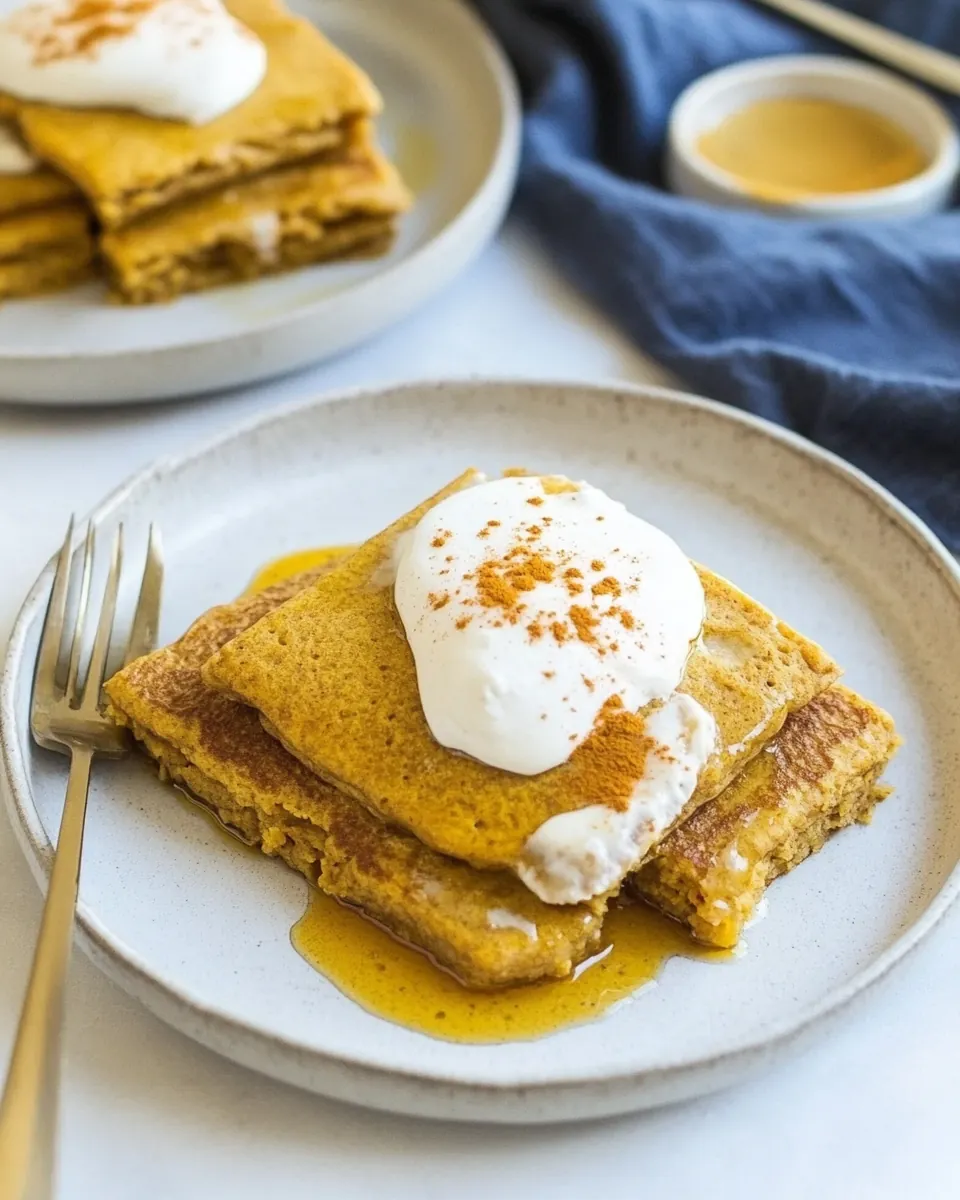
Sweet Potato Sheet Pan Protein Pancakes
Sweet Potato Sheet Pan Protein Pancakes started as a sleepy weekend experiment when I had a drawer full of rolled oats and a couple of roasted sweet potatoes begging to be used. I remember pulling a rimmed sheet pan from the back of the oven, mashing the warm flesh of the sweet potato with a fork, and wondering if I could coax pancake comfort into a make ahead, protein rich sheet baked slab. I liked the idea of cutting portions for busy mornings, and it felt like the kind of recipe that would get us through hectic school mornings or a slow Sunday brunch.
There is something wonderfully low fuss about spreading batter on a pan, sliding it into a hot oven, and coming back to a golden, fragrant slab that slices into neat pancakes. I learned to play with texture, keeping a little tooth from the oats while still achieving a tender crumb. Over time I began swapping toppings depending on the mood, and found these pancakes travel well straight out of the fridge, toasted briefly for a crisp edge. I hope this version becomes one of the recipes you reach for when you want something both nourishing and playful.
Recipe Snapshot
42 mins
20 mins
22 mins
Medium
220 kcal
American
Gluten-Free, Low FODMAP
Breakfast
Blender, Large sheet pan, Parchment paper, Offset spatula
Why You’ll Love This Sweet Potato Sheet Pan Protein Pancakes
Sheet pan simplicity, multiplied
I love how Sweet Potato Sheet Pan Protein Pancakes turns a fiddly breakfast task into one easy slide in the oven. Baking on a sheet pan removes the babysitting stage, so you can prep coffee, pack lunches, or stretch while the kitchen fills with a warm, slightly sweet aroma. The texture ends up uniformly set, so you get consistent slices every time, and that predictability is a real weekday lifesaver.
Built in protein and lasting energy
This recipe uses protein powder, eggs, and extra egg whites to boost satiety. I notice these pancakes hold me through a busy morning without the midmorning crash. If you are trying to add more protein to breakfasts without reaching for processed bars, this method blends nourishment with comfort, making it suitable for active days or post workout refueling.
Sweet potato brings flavor and nutrition
I adore how the mashed sweet potato lends natural sweetness and moisture, cutting down on added sugars. It also contributes a velvety mouthfeel and a faint autumnal aroma. The color makes the pancakes feel seasonal instantly, but the benefit is year round, with vitamin A and fiber sneaking into every bite.
Gluten free friendly and adaptable
Using blended gluten free rolled oats creates a quick oat flour that keeps the recipe gluten free without specialty flours. That makes the recipe more approachable, and the oat texture gives a rustic crumb that I find comforting. You can tweak the protein powder or omit the maple syrup to steer the flavor either savory leaning or sweeter, and it still holds together beautifully.
Batch friendly, great for meal prep
One of my favorite things about Sweet Potato Sheet Pan Protein Pancakes is how well they keep. I often bake a pan on Sunday and refrigerate slices, pulling them out for fast breakfasts or simple packed snacks. Reheating briefly in a toaster oven crisps the edges and returns that just made feeling. For anyone juggling mornings, this recipe feels like permission to plan ahead without sacrificing taste.
Everything You Need for Sweet Potato Sheet Pan Protein Pancakes
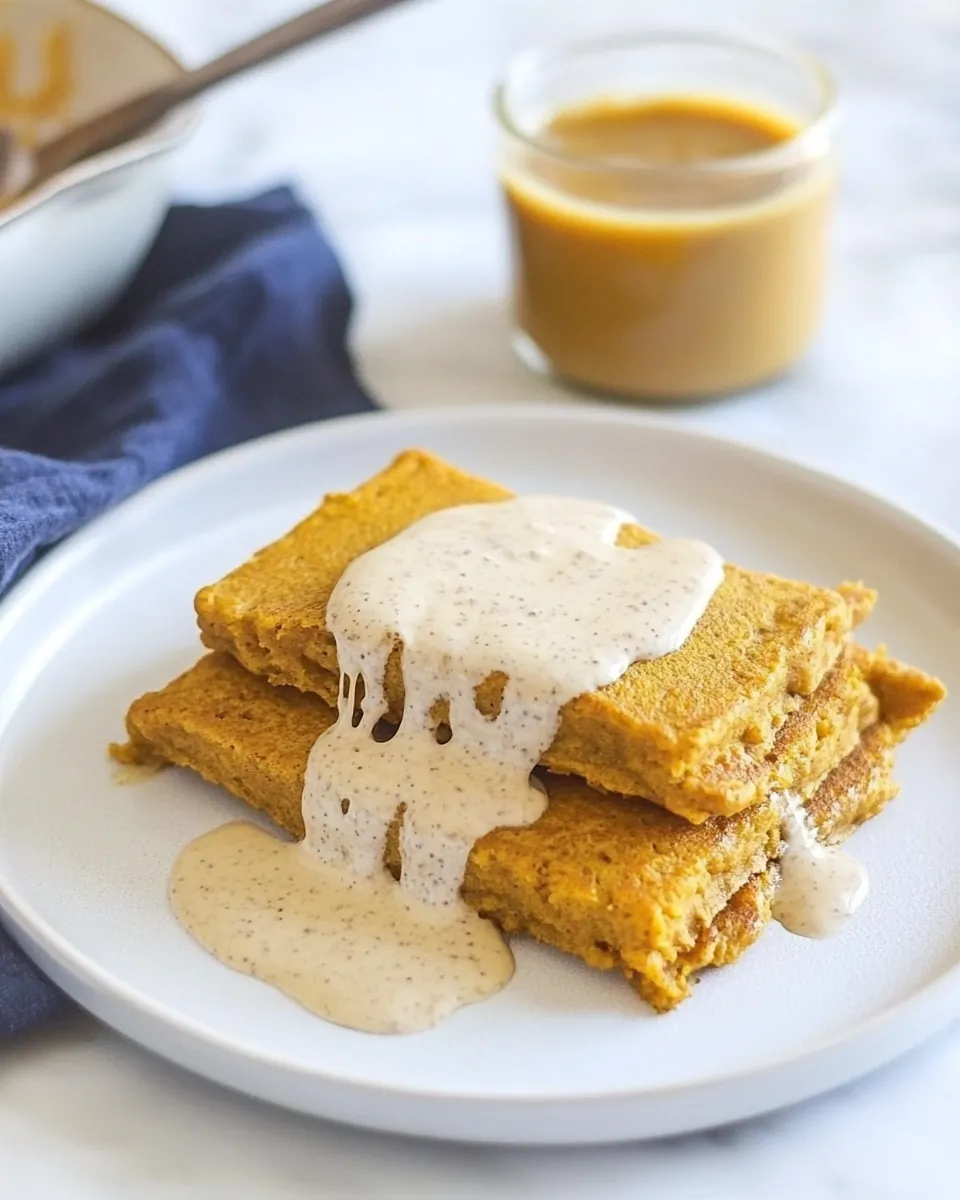
These ingredients are purposefully simple and harmonious. The starch from the sweet potato and the structure from the eggs combine with the blended gluten free rolled oats to form a tender yet sliceable pancake. The protein powder and extra egg whites bump the protein content, while a touch of pure maple syrup can bring balance to the natural earthiness. Each element plays a clear role, so the result is nourishing, convenient, and reliably delicious.
- 2 cups gluten-free rolled oats: Provide a hearty, gluten–free base and add texture when blended or processed into flour for pancakes; contributes fiber and structure while keeping pancakes tender.
- 3 tbsp protein powder: Boost protein content and enhance browning while slightly thickening batter; choose a neutral-flavored protein powder to avoid overpowering cinnamon notes.
- 1 tbsp ground cinnamon: Add warm, aromatic flavor and natural sweetness while complementing sweet potato; also contributes a small amount of antioxidants and balances savory notes.
- 1/2 tsp baking powder: Leaven batter slightly to create lift and lighter pancakes; use sparingly to avoid a chemical taste and ensure even distribution throughout dry ingredients.
- 1/2 tsp sea salt: Enhance overall flavor by balancing sweetness and bringing out other ingredients; also supports proper chemical reaction with leavening for taste depth.
- 2 cups cooked sweet potato mashed (about 2 medium sweet potatoes): Provide moisture, natural sweetness, and bulk while contributing creamy texture and nutrients; mash thoroughly to incorporate smoothly into batter for even consistency.
- 4 eggs: Contribute rich structure, emulsification, and binding to hold pancakes together; whole eggs add fat and help provide a tender crumb and golden color.
- 6 egg whites 1 cup + 1 Tbsp: Increase protein and reduce fat while improving lift and lightness; add egg whites gradually for a fluffy, stable batter and lighter texture.
- 2 tbsp pure maple syrup (optional): Add gentle sweetness, moisture, and caramelized flavor when cooked; use sparingly or omit based on desired sweetness level and dietary preferences.
Making Sweet Potato Sheet Pan Protein Pancakes
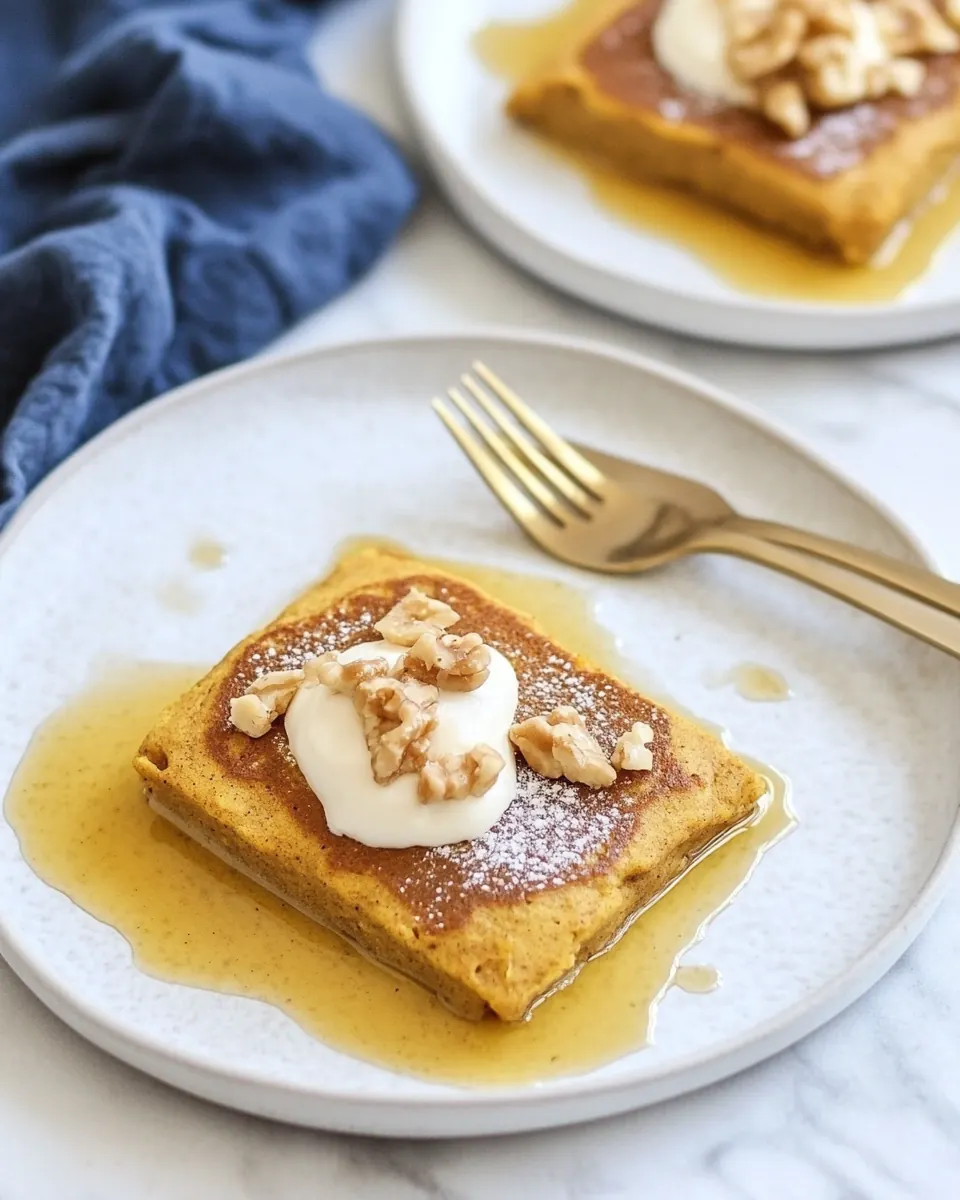
These directions guide you from cooked sweet potato to a golden sheet pan slab ready to slice. The method is about rhythm more than speed, so prepare your bowl and blender then follow each step patiently. Below I expand each instruction with sensory cues and troubleshooting tips so you can recognize success at each stage.
- Cook your sweet potatoes using a method of your preference. I chop them into chunks and boil them for about 15 to 20 minutes, until they’re tender. While the potato is cooking, you can prepare the rest of the recipe (or cook the potato up to 4 days in advance): The kitchen will fill with an earthy, caramel like scent as the sweet potato softens, a sign it is breaking down and ready to mash. If boiling, you will hear a gentle rolling bubble and feel the heat on the pot as the chunks become fork tender in 15 to 20 minutes; if roasting, the aroma is more concentrated and slightly sweet with caramelized edges. Mash the pieces while warm so they blend smoothly into the batter, eliminating cold lumps that make the texture uneven. A common mistake is undercooking, which leaves fibrous pieces that resist pureeing; avoid this by testing with a fork so the flesh yields easily. The why here is moisture control, warm mashed sweet potato incorporates more readily, producing a cohesive batter rather than a crumbly one. If you cook in advance, store covered in the fridge, and loosen the mash with a splash of water or milk before blending if it has thickened.
- Preheat the oven to 375 degrees F and line a large sheet pan with parchment paper.: When the oven air becomes steadily warm and the element cycles quietly, the pan will reach an even heat that encourages uniform browning. Proper preheating ensures the top sets quickly and the center cooks through, preventing a rubbery interior from overbaking the edges. The sound cue is subtle, a steady hum rather than bursts of HVAC like sounds that signal temperature swings. A frequent error is skipping parchment which can cause sticking and tearing during removal; parchment ensures the slab releases cleanly and keeps edges intact. The reason this matters is consistent heat and a nonstick surface make slicing and presentation much easier.
- Add the oats to a blender and blend until a flour forms – it’s fine if there are small chunks… you just want it to have a similar consistency as flour.: As the blades whirl you will notice the oats transforming from flakes to a powdery, slightly sandy texture, and the blender will take on a quieter, more uniform tone when the large pieces are gone. Small flecks are okay, they add a subtle chew. Overblending will produce too fine a flour that can feel gummy with moisture, so pulse until you reach a flour like consistency with a few small bits remaining. If your blender struggles, work in batches. The purpose is to create a base that absorbs moisture while still lending oat character to the crumb.
- Add the remaining ingredients to the blender and blend until smooth.: When you incorporate the mashed sweet potato , eggs , egg whites , protein powder , cinnamon , baking powder , sea salt , and optional pure maple syrup , the batter should become silky and pourable. You will see the color deepen to a warm amber and smell a blend of toasted oats and spice. Stop blending when the mixture looks uniform; overblending can incorporate excess air that affects bake consistency. A typical problem is adding too much liquid if your sweet potato was very loose; if the batter seems too thin, add a tablespoon of blended oats and pulse briefly. The why here is texture balance, ensuring the pancake sets without becoming dense or spongy.
- Pour the pancake batter onto the parchment-lined baking sheet and smooth it into an even layer.: As the batter spreads it should form a glossy, even surface that reflects light subtly, with no deep valleys or high ridges. Use an offset spatula to coax it into a uniform thickness so slices bake consistently. You may notice small bubbles forming on the surface, which is normal and will subside as it bakes. Uneven spreading leads to thin edges that brown too rapidly while the center lags, so take a moment to visually level the batter. The reason this matters is even thickness equals predictable doneness across the entire sheet.
- Bake for 20 to 24 minutes, or until the pancakes have set up and are cooked through – I do 22 minutes.: While baking you will notice a toasty, sweet aroma and the edges turning slightly darker than the center. The surface should look matte and spring back gently when pressed, indicating it has set. I typically aim for about 22 minutes; ovens vary, so check visually and with a toothpick in the center which should come out mostly clean with a few moist crumbs. A common misstep is underbaking, which leaves a gummy center that collapses when sliced; if that happens, return to the oven for a few additional minutes. The why is simple, proper bake time ensures a sliceable pancake that keeps its shape and texture when reheated.
- Remove the pancakes from the oven and allow them to cool for 5 minutes before slicing and serving.: Letting the slab rest lets residual steam redistribute, firming the interior so slices hold together cleanly. You will feel it cool from warm to pleasantly warm at the edges, and the aroma will mellow slightly. Cutting too soon often causes tearing or a mushy center, so patience here improves presentation. Use a sharp knife and press straight down for neat rounds or bars. The reason is structure; the brief rest helps proteins set and the crumb stabilize for perfect slices.
- Serve with your favorite toppings. I go with nut butter and honey and sometimes fresh fruit.: When you plate a slice you will find a tender, moist interior with a slightly toasted oat note, ready to accept spreads or fresh fruit. I often pair with nut butter and a drizzle of honey, or keep it simple with plain fruit to let the sweet potato shine. A mistake is piling on too many wet toppings right away which can make slices soggy; instead add them just before eating or serve toppings on the side. Serving in this way highlights the balanced sweetness and makes each bite texturally interesting.
Helpful Hints
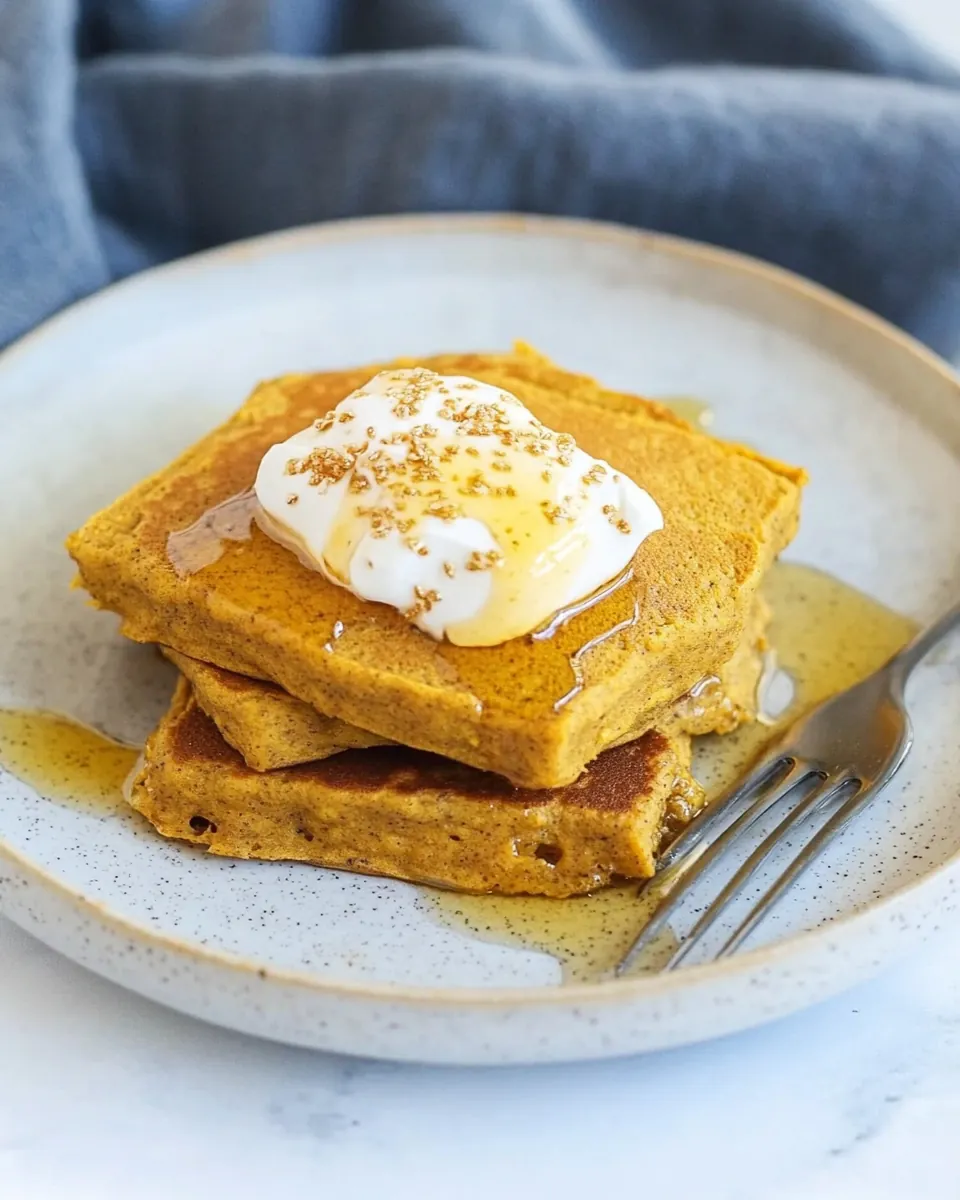
Here are focused tips I use every time I make Sweet Potato Sheet Pan Protein Pancakes. These notes expand on texture, timing, and storage so your batches turn out reliably well. I highlight the first phrase of each tip to make scanning easy, then expand with actionable detail.
- Prep cooked sweet potatoes ahead — Cook and mash the sweet potato up to four days in advance and refrigerate. This shortens active morning time and the chilled mash can be loosened with a tablespoon of water or warmed briefly before blending if it firms up in the fridge.
- Blend oats to the right texture — Aim for a flour like consistency with a few small flecks left for tooth. If your blender heats up, stop and scrape down to maintain even grinding and avoid gummy batter from overheated oats.
- Use parchment for clean release — Parchment guarantees the slab lifts off the pan without tearing. If you skip it, the bottom can stick and ruin presentation, so I do not recommend skipping this step.
- Check doneness visually and by touch — Look for a matte surface and a gentle spring back when pressed. If the center feels too soft, give it an extra three to five minutes; underbaking leads to a gummy interior that is hard to salvage.
- Slice after a short rest — Resting the slab for five minutes lets steam redistribute and the crumb set, giving you clean, neat slices instead of ragged pieces that fall apart.
Side Dish Ideas for Sweet Potato Sheet Pan Protein Pancakes
These pancakes work across meals, they can be breakfast centerpieces, packed snacks, or part of a casual brunch spread. The list below covers pairings, occasions, and storage ideas to help you serve them with confidence and variety. Each bullet highlights practical serving manners so you can adapt the recipe to the moment.
- Breakfast platter — Serve warm slices with small bowls of nut butter, plain yogurt, and sliced fruit for a make your own breakfast board that is perfect for relaxed weekends or casual brunch guests.
- On the go — Pack slices between parchment layers in a lunchbox with a small container of nut butter for dipping, making a portable, protein rich morning option for busy days.
- Brunch gathering — Arrange slices on a platter and offer a trio of toppings such as honey, sliced bananas, and toasted nuts to let guests customize their pancakes during a brunch buffet.
- Meal prep — Refrigerate slices in an airtight container for up to four days, or freeze individual portions wrapped in parchment and foil for up to two months. Reheat in a toaster oven for a crisp edge and tender interior.
- Seasonal serving — These pancakes pair especially well with autumnal toppings like apple compote or spiced pear. For lighter seasons, fresh berries and a squeeze of citrus brighten the profile.
- Occasions — Great for busy school mornings, a relaxed weekend brunch, or as part of a post workout meal thanks to the added protein powder and extra egg whites.
FAQ
Conclusion
What makes this recipe special is how it blends nutrient dense ingredients into a convenient, sliceable sheet pan format that serves multiple breakfasts or a casual brunch with minimal fuss. The combination of mashed sweet potato, blended oats, and extra protein creates a tender, satisfying pancake that reheats beautifully and adapts to many toppings. I encourage you to give it a try this week; bake once, slice, and enjoy quick breakfasts that feel homemade and nourishing. It is a small shift in meal prep that pays back in easy mornings and happy plates.
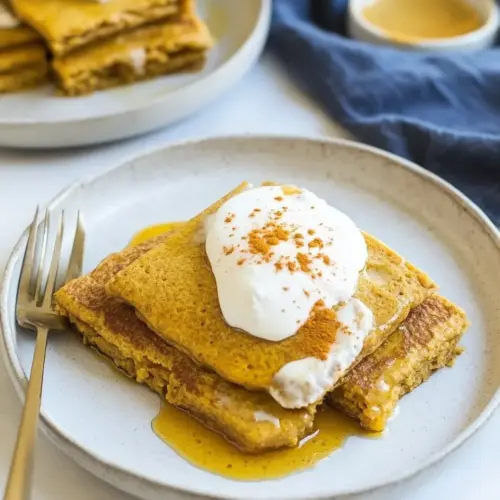
Sweet Potato Sheet Pan Protein Pancakes
Equipment
- Blender
- Large sheet pan
- Parchment Paper
- Offset Spatula
Ingredients
- 2 cups gluten-free rolled oats Provide a hearty, gluten-free base and add texture when blended or processed into flour for pancakes; contributes fiber and structure while keeping pancakes tender.
- 3 tbsp protein powder Boost protein content and enhance browning while slightly thickening batter; choose a neutral-flavored protein powder to avoid overpowering cinnamon notes.
- 1 tbsp ground cinnamon Add warm, aromatic flavor and natural sweetness while complementing sweet potato; also contributes a small amount of antioxidants and balances savory notes.
- 1/2 tsp baking powder Leaven batter slightly to create lift and lighter pancakes; use sparingly to avoid a chemical taste and ensure even distribution throughout dry ingredients.
- 1/2 tsp sea salt Enhance overall flavor by balancing sweetness and bringing out other ingredients; also supports proper chemical reaction with leavening for taste depth.
- 2 cups cooked sweet potato mashed (about 2 medium sweet potatoes) Provide moisture, natural sweetness, and bulk while contributing creamy texture and nutrients; mash thoroughly to incorporate smoothly into batter for even consistency.
- 4 eggs Contribute rich structure, emulsification, and binding to hold pancakes together; whole eggs add fat and help provide a tender crumb and golden color.
- 6 egg whites 1 cup + 1 Tbsp Increase protein and reduce fat while improving lift and lightness; add egg whites gradually for a fluffy, stable batter and lighter texture.
- 2 tbsp pure maple syrup optional Add gentle sweetness, moisture, and caramelized flavor when cooked; use sparingly or omit based on desired sweetness level and dietary preferences.
Instructions
- Cook your sweet potatoes using a method of your preference. I chop them into chunks and boil them for about 15 to 20 minutes, until they’re tender. While the potato is cooking, you can prepare the rest of the recipe (or cook the potato up to 4 days in advance): The kitchen will fill with an earthy, caramel like scent as the sweet potato softens, a sign it is breaking down and ready to mash. If boiling, you will hear a gentle rolling bubble and feel the heat on the pot as the chunks become fork tender in 15 to 20 minutes; if roasting, the aroma is more concentrated and slightly sweet with caramelized edges. Mash the pieces while warm so they blend smoothly into the batter, eliminating cold lumps that make the texture uneven. A common mistake is undercooking, which leaves fibrous pieces that resist pureeing; avoid this by testing with a fork so the flesh yields easily. The why here is moisture control, warm mashed sweet potato incorporates more readily, producing a cohesive batter rather than a crumbly one. If you cook in advance, store covered in the fridge, and loosen the mash with a splash of water or milk before blending if it has thickened.
- Preheat the oven to 375 degrees F and line a large sheet pan with parchment paper.: When the oven air becomes steadily warm and the element cycles quietly, the pan will reach an even heat that encourages uniform browning. Proper preheating ensures the top sets quickly and the center cooks through, preventing a rubbery interior from overbaking the edges. The sound cue is subtle, a steady hum rather than bursts of HVAC like sounds that signal temperature swings. A frequent error is skipping parchment which can cause sticking and tearing during removal; parchment ensures the slab releases cleanly and keeps edges intact. The reason this matters is consistent heat and a nonstick surface make slicing and presentation much easier.
- Add the oats to a blender and blend until a flour forms - it’s fine if there are small chunks... you just want it to have a similar consistency as flour.: As the blades whirl you will notice the oats transforming from flakes to a powdery, slightly sandy texture, and the blender will take on a quieter, more uniform tone when the large pieces are gone. Small flecks are okay, they add a subtle chew. Overblending will produce too fine a flour that can feel gummy with moisture, so pulse until you reach a flour like consistency with a few small bits remaining. If your blender struggles, work in batches. The purpose is to create a base that absorbs moisture while still lending oat character to the crumb.
- Add the remaining ingredients to the blender and blend until smooth.: When you incorporate the mashed sweet potato , eggs , egg whites , protein powder , cinnamon , baking powder , sea salt , and optional pure maple syrup , the batter should become silky and pourable. You will see the color deepen to a warm amber and smell a blend of toasted oats and spice. Stop blending when the mixture looks uniform; overblending can incorporate excess air that affects bake consistency. A typical problem is adding too much liquid if your sweet potato was very loose; if the batter seems too thin, add a tablespoon of blended oats and pulse briefly. The why here is texture balance, ensuring the pancake sets without becoming dense or spongy.
- Pour the pancake batter onto the parchment-lined baking sheet and smooth it into an even layer.: As the batter spreads it should form a glossy, even surface that reflects light subtly, with no deep valleys or high ridges. Use an offset spatula to coax it into a uniform thickness so slices bake consistently. You may notice small bubbles forming on the surface, which is normal and will subside as it bakes. Uneven spreading leads to thin edges that brown too rapidly while the center lags, so take a moment to visually level the batter. The reason this matters is even thickness equals predictable doneness across the entire sheet.
- Bake for 20 to 24 minutes, or until the pancakes have set up and are cooked through - I do 22 minutes.: While baking you will notice a toasty, sweet aroma and the edges turning slightly darker than the center. The surface should look matte and spring back gently when pressed, indicating it has set. I typically aim for about 22 minutes; ovens vary, so check visually and with a toothpick in the center which should come out mostly clean with a few moist crumbs. A common misstep is underbaking, which leaves a gummy center that collapses when sliced; if that happens, return to the oven for a few additional minutes. The why is simple, proper bake time ensures a sliceable pancake that keeps its shape and texture when reheated.
- Remove the pancakes from the oven and allow them to cool for 5 minutes before slicing and serving.: Letting the slab rest lets residual steam redistribute, firming the interior so slices hold together cleanly. You will feel it cool from warm to pleasantly warm at the edges, and the aroma will mellow slightly. Cutting too soon often causes tearing or a mushy center, so patience here improves presentation. Use a sharp knife and press straight down for neat rounds or bars. The reason is structure; the brief rest helps proteins set and the crumb stabilize for perfect slices.
- Serve with your favorite toppings. I go with nut butter and honey and sometimes fresh fruit.: When you plate a slice you will find a tender, moist interior with a slightly toasted oat note, ready to accept spreads or fresh fruit. I often pair with nut butter and a drizzle of honey, or keep it simple with plain fruit to let the sweet potato shine. A mistake is piling on too many wet toppings right away which can make slices soggy; instead add them just before eating or serve toppings on the side. Serving in this way highlights the balanced sweetness and makes each bite texturally interesting.
Notes
- Prep cooked sweet potatoes ahead — Cook and mash the sweet potato up to four days in advance and refrigerate. This shortens active morning time and the chilled mash can be loosened with a tablespoon of water or warmed briefly before blending if it firms up in the fridge.
- Blend oats to the right texture — Aim for a flour like consistency with a few small flecks left for tooth. If your blender heats up, stop and scrape down to maintain even grinding and avoid gummy batter from overheated oats.
- Use parchment for clean release — Parchment guarantees the slab lifts off the pan without tearing. If you skip it, the bottom can stick and ruin presentation, so I do not recommend skipping this step.
- Check doneness visually and by touch — Look for a matte surface and a gentle spring back when pressed. If the center feels too soft, give it an extra three to five minutes; underbaking leads to a gummy interior that is hard to salvage.
- Slice after a short rest — Resting the slab for five minutes lets steam redistribute and the crumb set, giving you clean, neat slices instead of ragged pieces that fall apart.