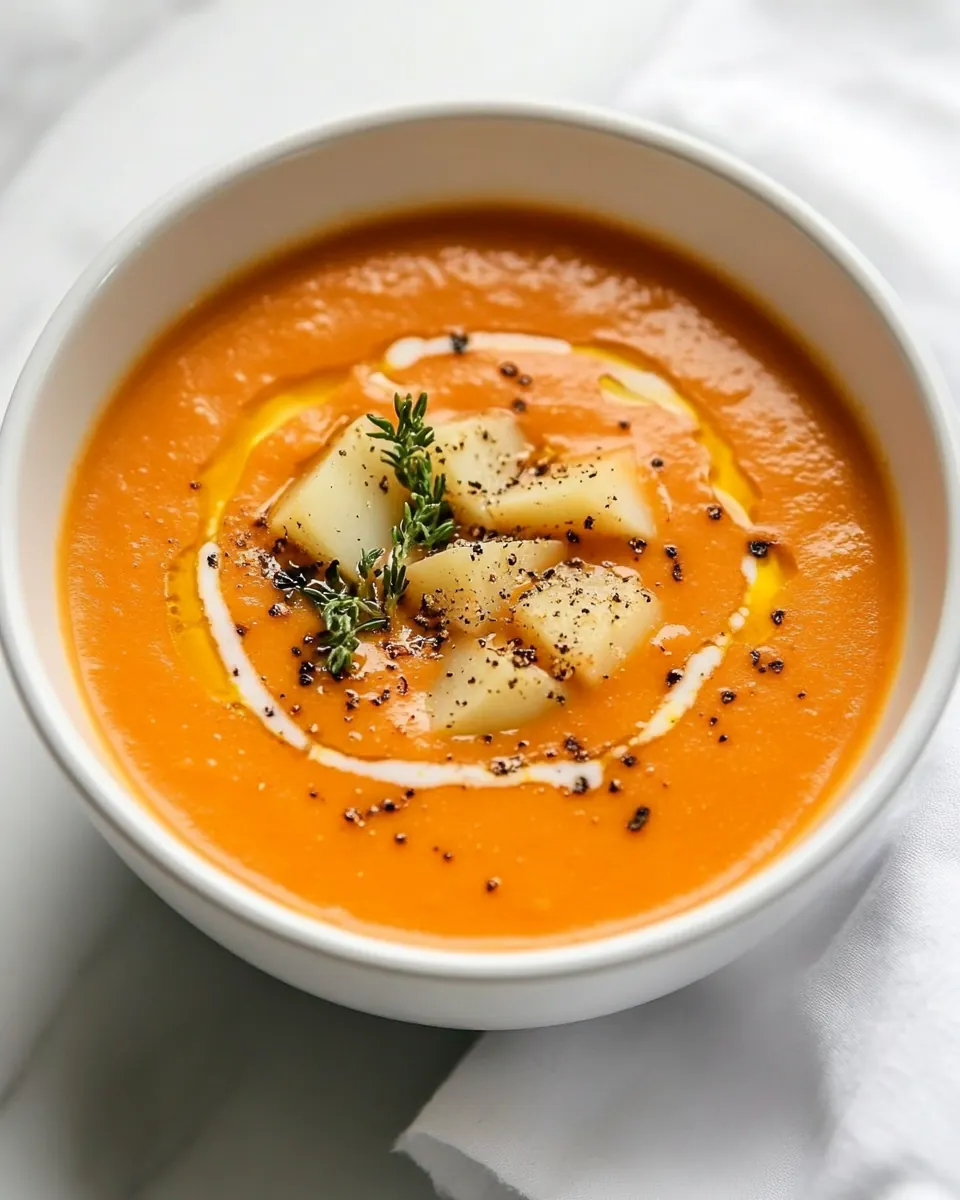
Potato Leek Tomato Soup
Potato Leek Tomato Soup is one of those bowls I reach for when I want something comforting, bright, and a little unexpected. The first time I made this, a rainy afternoon turned into a cozy cooking experiment, and the kitchen filled with the warm, savory aroma of softened leeks and simmered tomatoes. I remember standing at the stove, savoring how the steam carried hints of butter and garlic, and thinking that simple pantry staples can feel truly luxurious when they come together right.
Since then, this soup has become my low-effort, high-comfort go to for chilly evenings and days when I want to impress without fuss. I often tweak tiny things depending on the mood of my pantry, but the heart of the dish stays the same: tender potatoes, silky cream, and the gentle sweetness of leeks. Friends who come by know they can expect a bowl that is both filling and light, brightened by the acidity from canned tomatoes, and rounded out by creamy potatoes.
Recipe Snapshot
35 mins
10 mins
25 mins
Easy
320 kcal
Italian
Gluten-Free, Low FODMAP
Soups
Large pot, Immersion blender, Colander
Why You’ll Love This Potato Leek Tomato Soup
Comfort with Lift
I love how Potato Leek Tomato Soup delivers real comfort without feeling heavy. The potatoes give the soup body, while the tomatoes add brightness, so each spoonful is both soothing and lively. I often tell guests that this soup does the trick when you want warmth but not food coma.
Minimal Fuss, Maximum Flavor
One of the reasons I come back to this recipe is its simplicity. With a handful of pantry items like canned tomatoes and basic kitchen staples such as butter and olive oil, you can produce a bowl that tastes like you spent hours in the kitchen. I appreciate that it scales well when I have company, without demanding constant babysitting.
Textural Harmony
The combination of creamy potatoes and the silky soft rings of cooked leeks creates a pleasing mouthfeel. When pureed, the soup becomes velvety, but subtle bits can be left if you want a rustic bite. I like this flexibility, because sometimes I want smooth soup, and other times I want a few tender chunks.
Weeknight Friendly
I find this recipe ideal for an easy weeknight dinner, since prep is straightforward and the flavors develop while the soup simmers. You can multitask around the pot, making it perfect for busy evenings. I often pair it with a simple salad for a complete meal that never feels like an afterthought.
Adaptable and Forgiving
Finally, this soup is forgiving. If your leeks vary in size, or your potatoes are a bit larger than expected, the dish still works. I’ve adjusted seasoning, swapped broth types, and altered the cream amount depending on what I had on hand, and it reliably turned out well. That makes it a keeper in my recipe rotation.
Main Ingredients for Potato Leek Tomato Soup

I treat the ingredient list as a small team where each member has a clear role. The leeks bring a gentle onion like sweetness, tomatoes provide acidic lift, and potatoes create a comforting, creamy base when pureed. Together with a splash of cream and warm, savory broth, they balance into a soup that feels both refined and homey.
- 3 leeks see note: Trim and clean thoroughly, then slice the white and light green parts thinly to provide a mild onion-like base and subtle sweetness that builds flavor when sautéed.
- 2 tablespoons butter: Melt gently over medium heat to brown aromatics and add a rich, creamy mouthfeel; helps carry flavors and adds depth to the soup without overpowering delicate vegetables.
- 1 tablespoon olive oil: Warm with the butter to prevent burning and add a fruity, slightly peppery note; contributes to a balanced fat profile and helps sauté leeks and garlic evenly.
- 2 cloves garlic minced: Crush or mince finely to release pungent, aromatic oils that brighten the soup; sauté briefly to mellow sharpness and layer savory complexity.
- 1 (28 ounce) can Italian seasoned stewed tomatoes with juices: Pour with juices to provide concentrated tomato flavor, acidity, and body; contributes sweetness, umami, and a saucy consistency that complements potatoes and leeks.
- 3 cups chicken broth or veg broth: Simmer to create the liquid backbone and infuse the soup with savory notes; use according to desired thickness and to adjust overall saltiness and flavor concentration.
- 1 pound Yukon Gold (yellow) potatoes peeled and diced: Peel and dice uniformly to ensure even cooking; these starchy potatoes thicken the soup naturally while offering a creamy texture and mild, buttery flavor.
- 1/2 cup heavy/whipping cream: Stir in at the end and heat gently to add richness, silkiness, and a smooth finish; helps round out acidity and creates a luxurious mouthfeel.
- Salt & pepper to taste: Season to taste to enhance and balance flavors; add small amounts gradually and adjust at the end to suit personal preference and the saltiness of the broth.
Making Potato Leek Tomato Soup
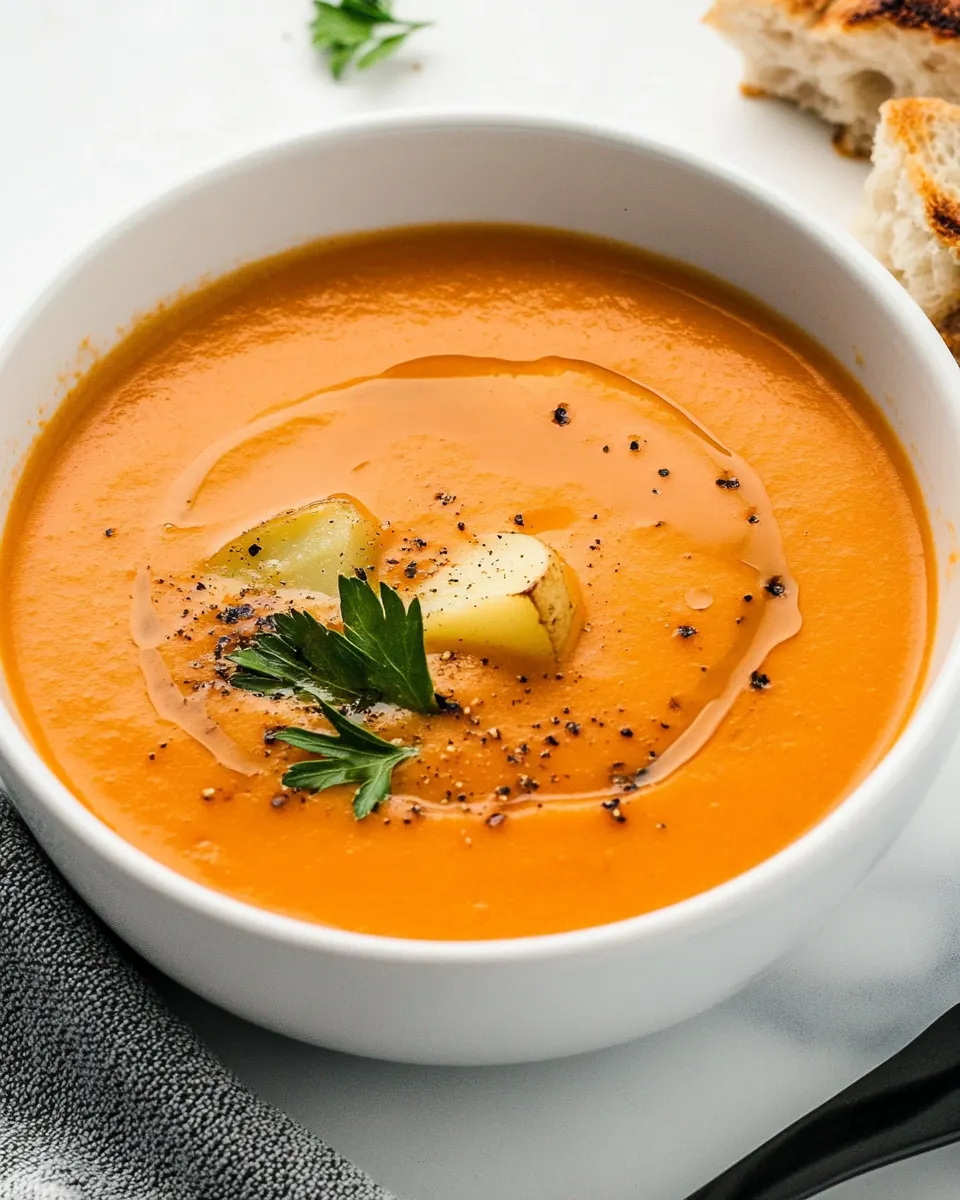
These directions are my conversational roadmap, and I write them to feel like I am standing beside you at the stove. The goal is clear sensory cues so you know when to move to the next step, and troubleshooting notes help avoid common pitfalls.
- Discard the top dark green portion of the leeks, retaining the bulbs. Cut the bulbs into rings. Add leeks to a colander and rinse thoroughly (dirt tends to hide).: The first thing you will notice while cleaning leeks is their layered structure, which can trap dirt, so rinse thoroughly in a colander. When you cut the bulbs into rings and spread them out, the pale layers release a faint onion like scent that becomes sweeter as they cook. If you skip washing, grit can remain and it will feel sandy on the tongue, so take the extra minute to rinse until the water runs clear. A common mistake here is assuming the outer layers are clean because they look bright, but dirt hides between layers. Also, remove the darkest greens because they are fibrous and will not soften properly during sautéing.
- Melt the butter and oil over medium-high heat in a large pot. Add leeks to the pot and sauté for about 5 minutes, stirring occasionally.: As the butter softens in the olive oil , you will see it shimmer and smell warm, toasty notes. This fat foundation helps the leeks develop a gentle sweetness rather than sharp rawness. Listen for a soft sizzle when you add ingredients, which indicates the pan is hot enough. If the fat smokes, reduce the heat immediately since that will impart bitter flavors. People sometimes rush this step by turning the heat too high, which can brown the leeks unevenly instead of coaxing out their gentle flavors.
- Stir the garlic in and cook for 30 seconds.: As the leeks cook, they will wilt and their color will shift to a translucent pale green, releasing a mellow sweetness. Stirring occasionally prevents sticking and encourages even caramelization, which enhances complexity. You should hear a soft whispering sizzle and smell a mellow, slightly sweet aroma rather than sharp onion heat. Avoid browning them too quickly, since burnt edges will taste bitter. If they appear to be browning too fast, lower the heat and add a splash of broth to regulate temperature.
- Add the stewed tomatoes, chicken broth, and potatoes to the pot. Bring to a boil and then cover the pot with the lid slightly ajar, reducing heat to a simmer. Cook until the potatoes are soft, approx. 15-20 minutes depending on their size.: When you add the minced garlic , it will immediately perfume the pan with a floral, savory note. Cook it briefly so it loses its raw edge but does not brown, because browned garlic turns bitter. You should detect a lift in aroma almost instantly, a sign that the flavors are marrying. A common error is overcooking this stage, which results in an acrid taste, so keep your eye on the clock and stir constantly for the short 30 second window.
- Test if the potatoes are cooked. If they are, use an immersion blender (or a regular blender) to puree the soup. You may want to let the soup cool for a bit if you're clumsy like me and afraid of accidentally burning yourself. Once the soup is smooth, add the cream. Season with salt & pepper as needed (I am fairly generous). Serve immediately.: When you pour in the canned tomatoes with their juices and the broth , the pot will steam and the scent will deepen into a round, savory tomato base. The diced potatoes will sit among the liquid and begin to absorb flavors as they heat. Bring the mixture to a gentle boil; you will see bubbling across the surface and feel warmth on your face. Cover the pot with the lid slightly ajar and reduce to a simmer so the flavors concentrate without boiling over. A common slip here is cranking the heat so the soup roils, which can break down the texture too aggressively, so keep it calm and steady for the best results.
- Bring to a boil and then cover the pot with the lid slightly ajar, reducing heat to a simmer: As the soup moves from boil to simmer, the sound will change from vigorous bubbling to a steady, gentle murmur, and that is when the potatoes cook through evenly. Simmering with the lid slightly open prevents the liquid from foaming up and escaping while allowing some steam to evaporate and concentrate flavors. You should be able to smell the melding of tomato and leek as the kitchen warms. Mistakes include leaving the lid fully on which can trap too much moisture and dilute flavors slightly, or leaving it fully off which can reduce the liquid too quickly. Aim for a gentle bubble across the surface during this phase.
- Cook until the potatoes are soft, approx. 15 to 20 minutes depending on their size: Check doneness by piercing a few potato cubes with a fork; they should yield easily and feel tender throughout. As the potatoes soften, the soup will smell richer and the broth will appear slightly thicker. If some pieces are still firm after the expected time, continue simmering and retest in a few minutes. Overcooking can make the texture gluey, so avoid letting them disintegrate completely unless you intend a very thick finish.
- Test if the potatoes are cooked: Use a fork or knife test to confirm that the potatoes are fully tender, and notice how the aroma becomes rounder and warmer at this point. Once tender, you are ready to blend; pureeing transforms the soup into a unified canvas of flavors. If the potatoes are unevenly cooked, it usually means the cuts were inconsistent, so aim for uniform dice next time. A slip I see often is blending while pieces remain undercooked, which leaves gritty or starchy bites in the final bowl.
- Use an immersion blender or a regular blender to puree the soup: The puree stage changes the soup from chunky to velvety, and you will notice the sound of the blender shift as the texture smooths out. If using a standing blender, work in batches and vent the lid slightly to avoid pressure build up from hot liquids. The soup should look silky, with tiny suspended particles but no large bits. Be cautious with hot transfers to avoid burns; letting the soup cool a little before blending reduces splatter risk. A common mistake is over blending in a standing blender which can create an overly frothy texture rather than a smooth creaminess.
- Once the soup is smooth, add the cream: After pureeing, the bowl will already look luscious, and adding 1/2 cup cream rounds the acidity and gives a glossy finish. Stir gently to incorporate and let the residual heat warm the cream without boiling, to prevent separation. You will see sheen on the surface and feel a silkier mouthfeel. Adding cold cream to boiling soup can shock the emulsion and cause texture problems, so lower the heat first.
- Season with salt & pepper as needed: Tasting is the final, crucial step. Since canned tomatoes and broth can vary in saltiness, add salt conservatively and adjust. Freshly ground pepper adds a bright counterpoint. The aroma at this point should be fully integrated, with no single element dominating. Over seasoning is easy, so add small increments and taste between additions to reach the right balance.
- Serve immediately: Serve the soup hot so the textures and aromas are most vibrant. The steam will carry the combined scents of leeks , tomatoes , and butter , and the first spoonful should be warm and silken. If you plan to reheat leftovers, add a splash of broth to revive the consistency. Avoid letting it sit uncovered for long periods, because the surface can form a film as it cools.
Make It Your Own

I like to add personal touches so the soup reflects what I have on hand or the mood of the meal. Small adjustments make a big difference in mouthfeel, seasoning, and serving style.
- Leek size flexibility – I don’t worry too much about exact leek sizes, aim for medium ones for balanced texture, and always wash them well to remove hidden grit.
- Tomato swaps – If you can’t find Italian seasoned stewed tomatoes, I add a pinch of dried Italian seasoning to plain stewed or diced tomatoes to mimic the flavor profile.
- Thickness control – For a thicker soup, add another potato or mash a few pieces instead of fully pureeing; for a thinner soup, stir in a splash more broth.
- Blending safety – When using a regular blender with hot soup, remove the center insert from the lid and cover with a kitchen towel to vent steam safely while blending in batches.
- Finishing cream – Stir the cream in off heat to maintain silkiness and prevent separation, and adjust the quantity to suit your preference for richness.
Serving This Potato Leek Tomato Soup
I often serve this soup as a main dish for a cozy dinner, or as a starter for a more elaborate meal. Presentation and accompaniments elevate the experience, and simple sides make it feel complete.
- Serve hot – Ladle the soup into warmed bowls so the steam carries the aroma of leeks and tomatoes right to the table.
- Simple bread pairing – A crusty loaf or a warm roll complements the creamy texture, perfect for dipping and absorbing every last drop.
- Occasions – This dish works for weeknight dinners, cozy lunches, or gentle meals during cooler seasons such as winter.
- Storage – Refrigerate leftovers in an airtight container for up to 3 days, and add a splash of broth when reheating to revive the original consistency.
- Seasonal pairing – Pair it with a fresh green salad for brightness, or serve alongside roasted vegetables for a heartier meal.
FAQ
Conclusion
This Potato Leek Tomato Soup stands out for its comforting creaminess paired with bright tomato notes, creating a bowl that feels both nourishing and fresh. I encourage you to give it a try on a cool evening, because it comes together quickly and rewards you with soulful flavor. It is forgiving, adaptable, and perfect for those moments when you want something satisfying without a lot of fuss. Enjoy serving it to friends or tucking into a cozy solo dinner, it warms the kitchen and the spirit.

Potato Leek Tomato Soup
Equipment
- Large Pot
- Immersion Blender
- Colander
Ingredients
- 3 leeks see note Trim and clean thoroughly, then slice the white and light green parts thinly to provide a mild onion-like base and subtle sweetness that builds flavor when sautéed.
- 2 tablespoons butter Melt gently over medium heat to brown aromatics and add a rich, creamy mouthfeel; helps carry flavors and adds depth to the soup without overpowering delicate vegetables.
- 1 tablespoon olive oil Warm with the butter to prevent burning and add a fruity, slightly peppery note; contributes to a balanced fat profile and helps sauté leeks and garlic evenly.
- 2 cloves garlic minced Crush or mince finely to release pungent, aromatic oils that brighten the soup; sauté briefly to mellow sharpness and layer savory complexity.
- 1 (28 ounce) can Italian seasoned stewed tomatoes with juices Pour with juices to provide concentrated tomato flavor, acidity, and body; contributes sweetness, umami, and a saucy consistency that complements potatoes and leeks.
- 3 cups chicken broth or veg broth Simmer to create the liquid backbone and infuse the soup with savory notes; use according to desired thickness and to adjust overall saltiness and flavor concentration.
- 1 pound Yukon Gold (yellow) potatoes peeled and diced Peel and dice uniformly to ensure even cooking; these starchy potatoes thicken the soup naturally while offering a creamy texture and mild, buttery flavor.
- 1/2 cup heavy/whipping cream Stir in at the end and heat gently to add richness, silkiness, and a smooth finish; helps round out acidity and creates a luxurious mouthfeel.
- Salt & pepper to taste Season to taste to enhance and balance flavors; add small amounts gradually and adjust at the end to suit personal preference and the saltiness of the broth.
Instructions
- Discard the top dark green portion of the leeks, retaining the bulbs. Cut the bulbs into rings. Add leeks to a colander and rinse thoroughly (dirt tends to hide).: The first thing you will notice while cleaning leeks is their layered structure, which can trap dirt, so rinse thoroughly in a colander. When you cut the bulbs into rings and spread them out, the pale layers release a faint onion like scent that becomes sweeter as they cook. If you skip washing, grit can remain and it will feel sandy on the tongue, so take the extra minute to rinse until the water runs clear. A common mistake here is assuming the outer layers are clean because they look bright, but dirt hides between layers. Also, remove the darkest greens because they are fibrous and will not soften properly during sautéing.
- Melt the butter and oil over medium-high heat in a large pot. Add leeks to the pot and sauté for about 5 minutes, stirring occasionally.: As the butter softens in the olive oil , you will see it shimmer and smell warm, toasty notes. This fat foundation helps the leeks develop a gentle sweetness rather than sharp rawness. Listen for a soft sizzle when you add ingredients, which indicates the pan is hot enough. If the fat smokes, reduce the heat immediately since that will impart bitter flavors. People sometimes rush this step by turning the heat too high, which can brown the leeks unevenly instead of coaxing out their gentle flavors.
- Stir the garlic in and cook for 30 seconds.: As the leeks cook, they will wilt and their color will shift to a translucent pale green, releasing a mellow sweetness. Stirring occasionally prevents sticking and encourages even caramelization, which enhances complexity. You should hear a soft whispering sizzle and smell a mellow, slightly sweet aroma rather than sharp onion heat. Avoid browning them too quickly, since burnt edges will taste bitter. If they appear to be browning too fast, lower the heat and add a splash of broth to regulate temperature.
- Add the stewed tomatoes, chicken broth, and potatoes to the pot. Bring to a boil and then cover the pot with the lid slightly ajar, reducing heat to a simmer. Cook until the potatoes are soft, approx. 15-20 minutes depending on their size.: When you add the minced garlic , it will immediately perfume the pan with a floral, savory note. Cook it briefly so it loses its raw edge but does not brown, because browned garlic turns bitter. You should detect a lift in aroma almost instantly, a sign that the flavors are marrying. A common error is overcooking this stage, which results in an acrid taste, so keep your eye on the clock and stir constantly for the short 30 second window.
- Test if the potatoes are cooked. If they are, use an immersion blender (or a regular blender) to puree the soup. You may want to let the soup cool for a bit if you're clumsy like me and afraid of accidentally burning yourself. Once the soup is smooth, add the cream. Season with salt & pepper as needed (I am fairly generous). Serve immediately.: When you pour in the canned tomatoes with their juices and the broth , the pot will steam and the scent will deepen into a round, savory tomato base. The diced potatoes will sit among the liquid and begin to absorb flavors as they heat. Bring the mixture to a gentle boil; you will see bubbling across the surface and feel warmth on your face. Cover the pot with the lid slightly ajar and reduce to a simmer so the flavors concentrate without boiling over. A common slip here is cranking the heat so the soup roils, which can break down the texture too aggressively, so keep it calm and steady for the best results.
- Bring to a boil and then cover the pot with the lid slightly ajar, reducing heat to a simmer: As the soup moves from boil to simmer, the sound will change from vigorous bubbling to a steady, gentle murmur, and that is when the potatoes cook through evenly. Simmering with the lid slightly open prevents the liquid from foaming up and escaping while allowing some steam to evaporate and concentrate flavors. You should be able to smell the melding of tomato and leek as the kitchen warms. Mistakes include leaving the lid fully on which can trap too much moisture and dilute flavors slightly, or leaving it fully off which can reduce the liquid too quickly. Aim for a gentle bubble across the surface during this phase.
- Cook until the potatoes are soft, approx. 15 to 20 minutes depending on their size: Check doneness by piercing a few potato cubes with a fork; they should yield easily and feel tender throughout. As the potatoes soften, the soup will smell richer and the broth will appear slightly thicker. If some pieces are still firm after the expected time, continue simmering and retest in a few minutes. Overcooking can make the texture gluey, so avoid letting them disintegrate completely unless you intend a very thick finish.
- Test if the potatoes are cooked: Use a fork or knife test to confirm that the potatoes are fully tender, and notice how the aroma becomes rounder and warmer at this point. Once tender, you are ready to blend; pureeing transforms the soup into a unified canvas of flavors. If the potatoes are unevenly cooked, it usually means the cuts were inconsistent, so aim for uniform dice next time. A slip I see often is blending while pieces remain undercooked, which leaves gritty or starchy bites in the final bowl.
- Use an immersion blender or a regular blender to puree the soup: The puree stage changes the soup from chunky to velvety, and you will notice the sound of the blender shift as the texture smooths out. If using a standing blender, work in batches and vent the lid slightly to avoid pressure build up from hot liquids. The soup should look silky, with tiny suspended particles but no large bits. Be cautious with hot transfers to avoid burns; letting the soup cool a little before blending reduces splatter risk. A common mistake is over blending in a standing blender which can create an overly frothy texture rather than a smooth creaminess.
- Once the soup is smooth, add the cream: After pureeing, the bowl will already look luscious, and adding 1/2 cup cream rounds the acidity and gives a glossy finish. Stir gently to incorporate and let the residual heat warm the cream without boiling, to prevent separation. You will see sheen on the surface and feel a silkier mouthfeel. Adding cold cream to boiling soup can shock the emulsion and cause texture problems, so lower the heat first.
- Season with salt & pepper as needed: Tasting is the final, crucial step. Since canned tomatoes and broth can vary in saltiness, add salt conservatively and adjust. Freshly ground pepper adds a bright counterpoint. The aroma at this point should be fully integrated, with no single element dominating. Over seasoning is easy, so add small increments and taste between additions to reach the right balance.
- Serve immediately: Serve the soup hot so the textures and aromas are most vibrant. The steam will carry the combined scents of leeks , tomatoes , and butter , and the first spoonful should be warm and silken. If you plan to reheat leftovers, add a splash of broth to revive the consistency. Avoid letting it sit uncovered for long periods, because the surface can form a film as it cools.
Notes
- Leek size flexibility - I don’t worry too much about exact leek sizes, aim for medium ones for balanced texture, and always wash them well to remove hidden grit.
- Tomato swaps - If you can’t find Italian seasoned stewed tomatoes, I add a pinch of dried Italian seasoning to plain stewed or diced tomatoes to mimic the flavor profile.
- Thickness control - For a thicker soup, add another potato or mash a few pieces instead of fully pureeing; for a thinner soup, stir in a splash more broth.
- Blending safety - When using a regular blender with hot soup, remove the center insert from the lid and cover with a kitchen towel to vent steam safely while blending in batches.
- Finishing cream - Stir the cream in off heat to maintain silkiness and prevent separation, and adjust the quantity to suit your preference for richness.