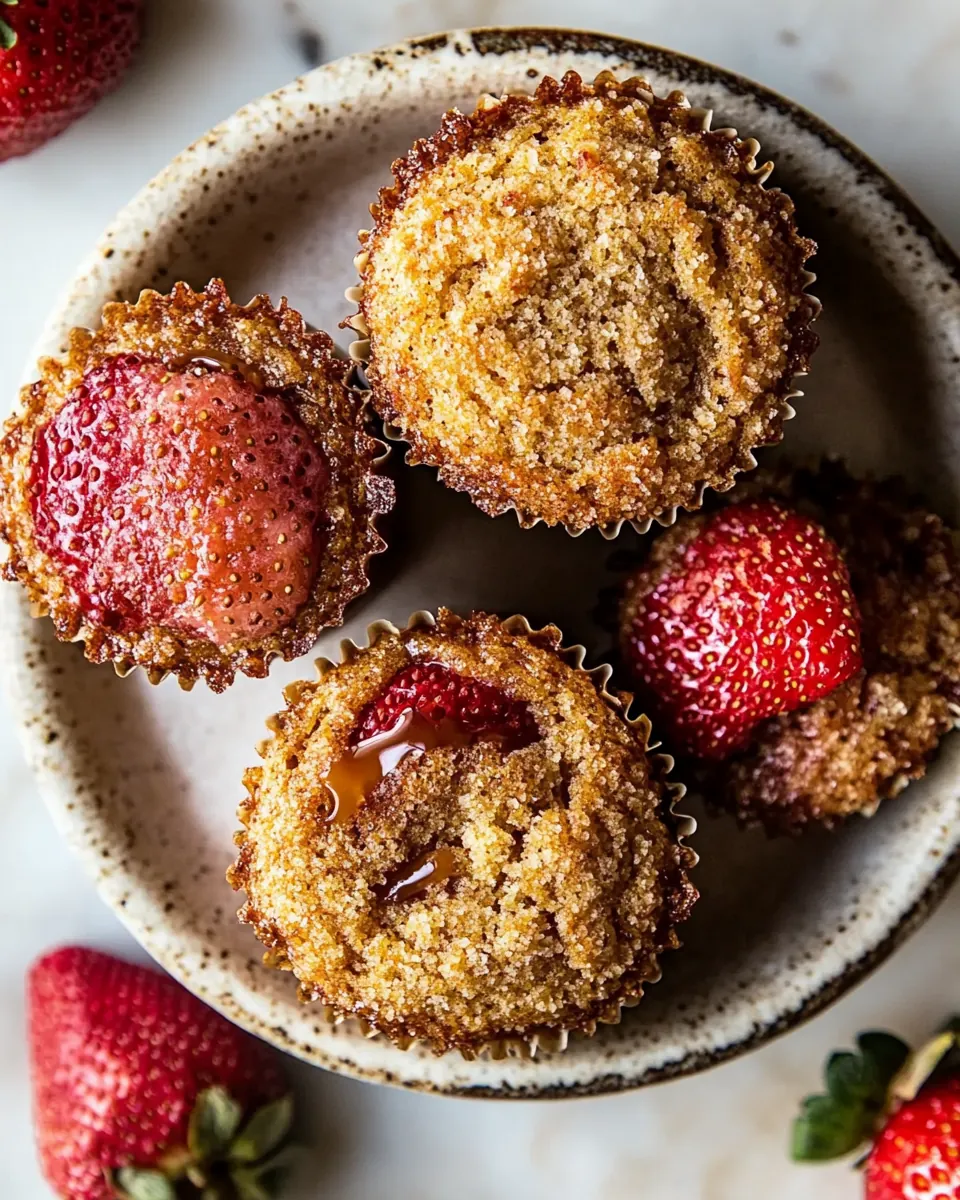
Strawberry Caramel Muffins
Strawberry Caramel Muffins arrived in my kitchen on a drizzly spring morning when I had a handful of overripe berries and a craving for something comforting yet bright. I remember tipping the soft, fragrant strawberries into a bowl while the kettle steamed, thinking about how a touch of caramel could deepen their sweetness without hiding their bright flavor. The idea of crunchy caramel shards tucked into tender muffin crumb felt a little audacious, and I loved that contrast of textures.
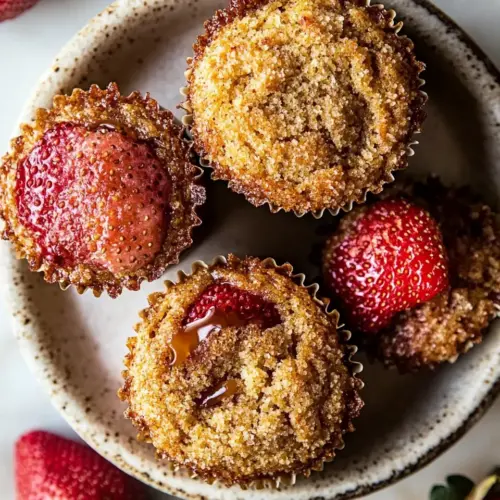
As I mixed together the wet ingredients, the scent of honey and vanilla warmed the room. The batter looked modestly pink from the mashed fruit, promising a tender crumb. I sprinkled coarse sugar on top for sparkle, then slid the tray into the oven and watched the tops rise, turning golden with a faint caramelized edge. When they came out, warm and steaming, I broke one open to reveal pockets of jammy strawberries and specks of hardened strawberry caramel that snapped beneath my fork. That first bite sealed it for me, a balance of sweet, tart, and buttery textures that begged to be repeated.
Recipe Snapshot
55 mins
30 mins
25 mins
Medium
200 kcal
American
Gluten-Free, Vegan
Breakfast
Mixing bowl, Medium pot, Muffin tin, Spatula, Parchment paper
What Sets This Strawberry Caramel Muffins Apart
Bright seasonal fruit meets indulgent caramel
I adore how these Strawberry Caramel Muffins celebrate fresh strawberries. The fruit keeps the muffins lively, while the caramel made from strained strawberry syrup amplifies the berry flavor without turning the muffins cloying. I find that the result feels both luxurious and homey, perfect for a weekend breakfast or a tea time treat.
Texture play makes every bite interesting
We get soft, tender crumb from the batter and sudden crunchy shards from the hardened caramel. That contrast is deliberate, and I always go out of my way to keep those shards intact when folding them in. It creates a playful mouthfeel that keeps people coming back for another bite.
Simple pantry ingredients, elevated
I love recipes that use ingredients you probably already have, like all purpose flour, eggs, and coconut oil. A few sensible swaps are built into the recipe, so you can adapt without fuss. That practicality makes this recipe reliable for unexpected guests or a last minute brunch.
Flexible and forgiving technique
These muffins forgive small errors. Mixing until just combined prevents toughness, and folding gently preserves the berry pieces. I find that even if timing is not exact, the muffins still turn out well if you focus on the visual cues, like set tops and a light spring back.
Visually charming and crowd friendly
The coarse sugar sparkle and the little ruby pockets of strawberry make these muffins practically irresistible on a platter. They look special without requiring elaborate decoration, which makes them ideal for gatherings, a bake sale, or when you want to brighten someones day.
Strawberry Caramel Muffins Shopping List
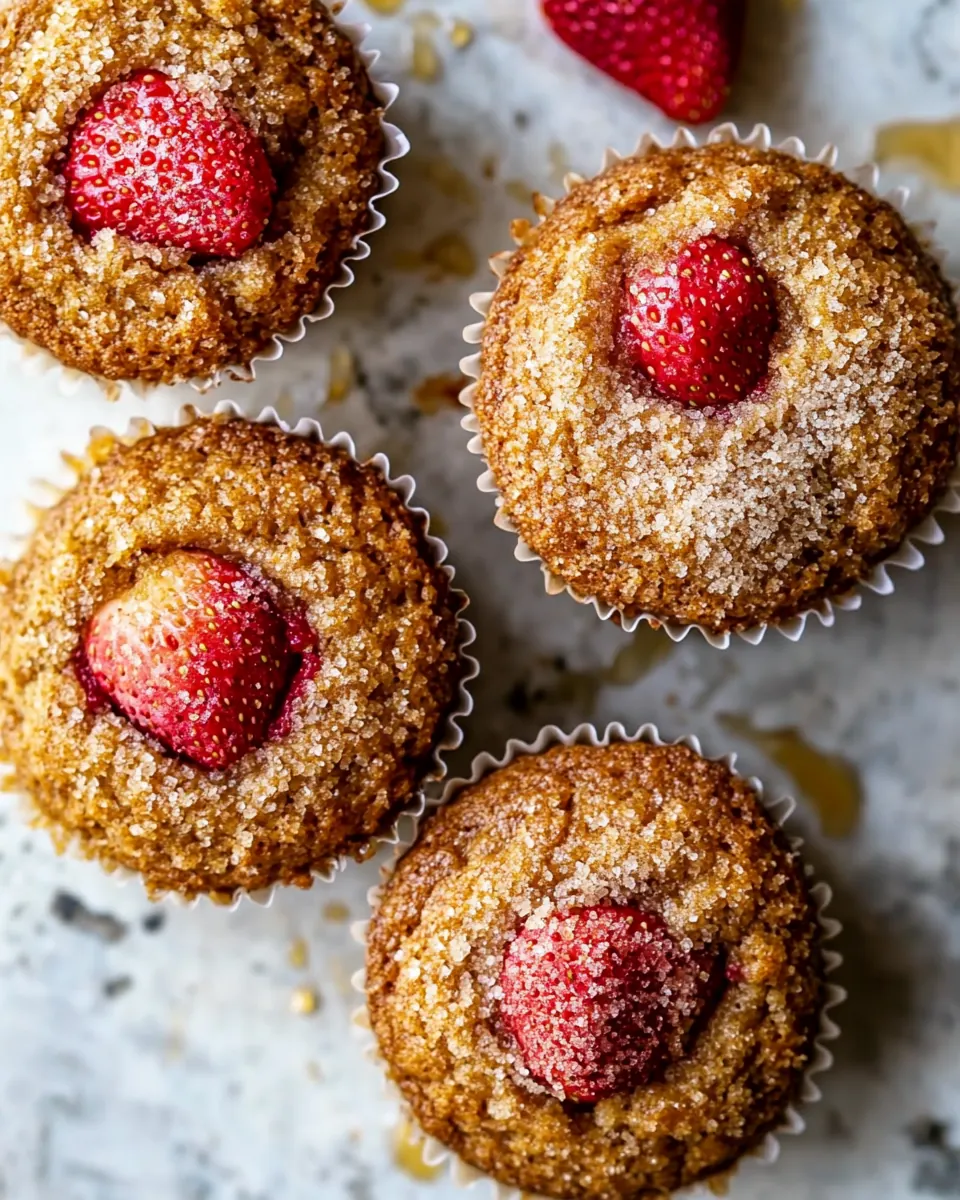
These ingredients are chosen to create a balance between tender crumb and bright fruit brightness. I treat flour and leaveners as the structure, while eggs, sour cream, and coconut oil make the texture tender and moist. The strawberries and homemade caramel shards deliver the signature flavor and contrast.
- 2 cups fresh chopped strawberries: Provide bright, juicy sweetness and tender texture when folded into batter; balance acidity and add bursts of fresh strawberry flavor throughout the muffins. Chop to even pieces to prevent sinking and distribute fruit evenly, contributing moisture that keeps muffins soft. Fresh strawberries also create small pockets of juice that pair well with caramel notes and enhance overall fruitiness.
- 1/2 cup granulated sugar: Add bulk sweetness and help create a tender crumb by interacting with fats and liquids during mixing; dissolve into the batter to provide consistent sweetness throughout. Granulated sugar also promotes browning and slightly crisp tops when baked, contributing to attractive muffin appearance.
- 1/2 cup melted coconut oil: Contribute rich moisture and a subtle coconut aroma while replacing butter to create a lighter, dairy-free fat option; melted form blends easily into wet ingredients for smooth batter consistency. Coconut oil helps tenderize the crumb and improves shelf life by retaining moisture in the muffins.
- 1/2 cup honey: Supply natural sweetness and additional moisture while enhancing browning and chewiness; honey also imparts a floral note that complements strawberries and caramel flavors. Because honey is liquid, it balances dry ingredients and helps produce a soft, cohesive batter that yields moist muffins.
- 2 teaspoons vanilla extract: Bring warm, aromatic flavor that elevates the overall profile and complements both strawberries and caramel tones; vanilla enhances perceived sweetness without adding extra sugar. Liquid vanilla extract blends into the batter, rounding flavors and improving aroma in the finished muffins.
- 2 large eggs, at room temperature: Provide structure, richness, and leavening support by binding ingredients and trapping air when beaten into the batter; yolks add fat and emulsify while whites contribute lift. Using large eggs at room temperature ensures optimal incorporation and stable texture in the muffins.
- 1 cup sour cream or plain Greek yogurt: Contribute tangy moisture and richness that tenderizes the crumb while adding subtle acidity to balance sweetness; sour cream or Greek yogurt creates a moist, dense yet tender muffin interior. The acidity also reacts with baking soda to enhance rise and produce a lighter texture.
- 2 teaspoons lemon zest: Add bright citrus aroma and a sharp, zesty contrast that cuts through sweetness and enhances strawberry flavor; zest delivers concentrated lemon oils without extra acidity from juice. Finely grated lemon zest disperses evenly, lifting the overall flavor profile and balancing richness.
- 2 cups all-purpose or white whole wheat flour: Provide the structure and bulk of the muffins as the primary dry ingredient; all-purpose or white whole wheat flour contains proteins that form gluten when mixed with liquids, creating crumb and stability. Choosing white whole wheat gives a slightly nuttier flavor and more fiber while maintaining a tender texture similar to all-purpose flour.
- 1 1/2 teaspoons baking soda: Act as a chemical leavening agent that reacts with acidic components to produce carbon dioxide, creating lift and lightness in the muffins. Properly measured baking soda ensures even rise, tender crumb, and helps neutralize acidity from yogurt or honey.
- 1/2 teaspoon baking powder: Provide additional leavening support and a mild rise when combined with baking soda, helping create a balanced lift and fine crumb; baking powder supplies both initial and extended rise during baking. Small amounts prevent over-alkalinity while contributing to oven spring and texture.
- 1 teaspoon kosher salt: Enhance overall flavor by balancing sweetness and rounding other ingredients while also strengthening gluten slightly; kosher salt's coarser grains make it easy to measure and evenly distribute. Salt improves depth of flavor and highlights the fruit and caramel notes without making muffins taste salty when used in moderation.
- coarse sugar, for topping () (optional): Offer a crunchy, sparkling finish when sprinkled on tops before baking, creating visual appeal and a pleasant textural contrast with the soft crumb. Coarse sugar caramelizes on the surface, enhancing sweetness and producing a slightly crisp, decorative crust if used.
The Method for Strawberry Caramel Muffins
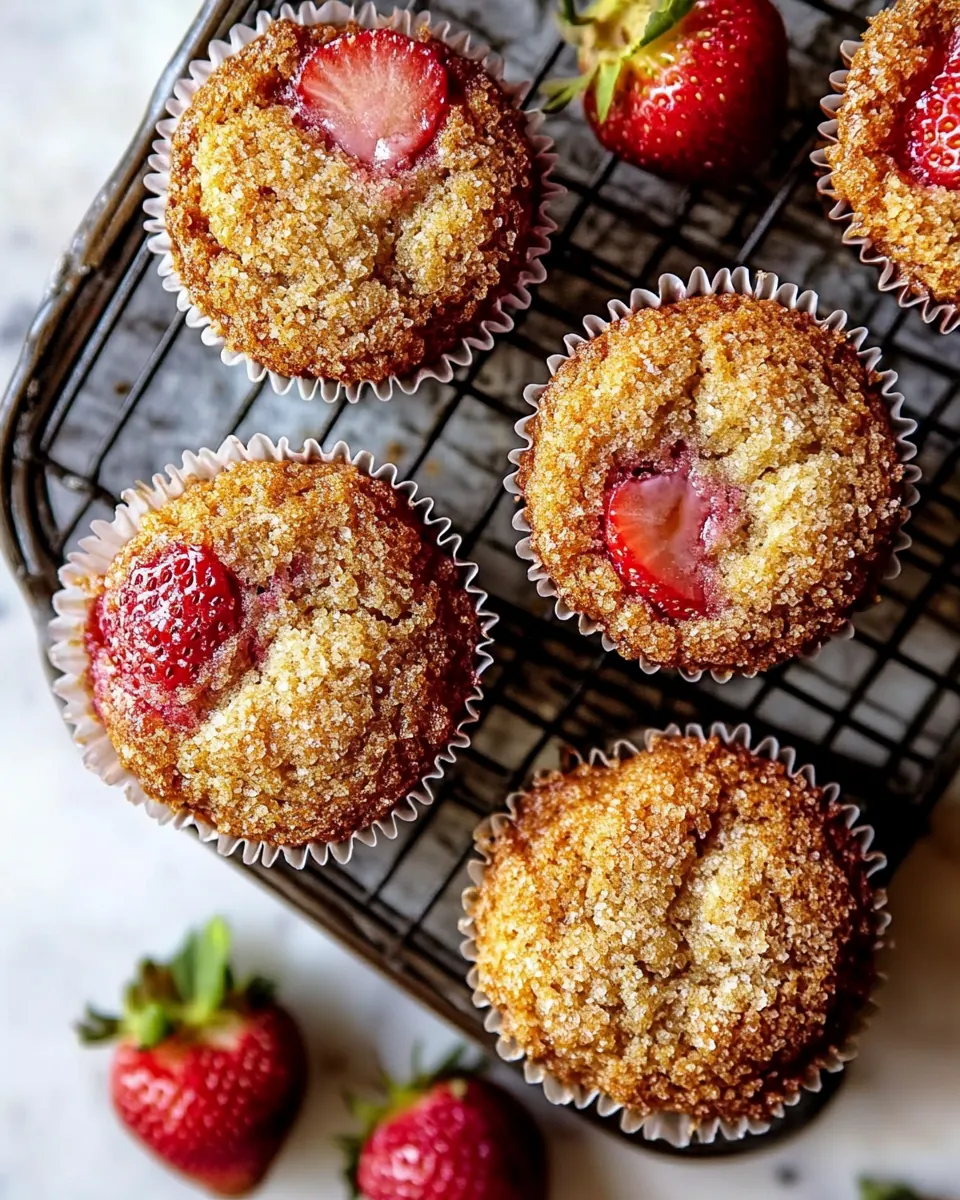
I like to think of this method as two linked processes, making the strawberry caramel first and then building a tender muffin batter. The caramel requires attention while it reduces, and the batter needs gentle handling to stay light. With simple timing and sensory cues, the process is straightforward and rewarding.
- Line a baking sheet with parchment paper. Toss together the strawberries and 1/4 cup sugar in a bowl. Let the fruit sit for 15-30 minutes to release some of its juices. Strain the juice/syrup from the strawberries into a medium pot. Set the chopped strawberries aside. To the strawberry syrup, add 1/4 cup sugar. Set the pot over medium heat and bring to a boil. Cook 5-6 minutes until the sugar melts into a caramel-like sauce. Remove from the heat and pour the caramel onto the parchment paper. Spread in a thin, even layer. Let sit 5 minutes. Once hardened, crush the caramel into small pieces/shards with the back of a spoon. Preheat the oven to 350° F. Line 16-17 muffin tins with paper liners. In a bowl, stir together the coconut oil, honey, vanilla, eggs, sour cream, and lemon zest. Add the flour, baking powder, baking soda, and salt. Mix until just combined. Fold in the chopped strawberries and shards of strawberry caramel. Divide the batter evenly among the prepared pan. Sprinkle with coarse sugar. Bake for 22-25 minutes until the tops are just set. Enjoy warm!: The warm, toasty scent from the oven will not be present yet, but setting up a lined sheet protects the caramel as it cools and keeps cleanup easy. You should notice the texture of the parchment, slightly papery and flexible. One common mistake is using a sheet that is too small, which can crowd the caramel. Make sure the sheet is large enough to spread the syrup thinly so it cools into brittle shards.
- Toss together the strawberries and 1/4 cup sugar in a bowl: The strawberries will begin releasing juices almost immediately, and you will see tiny pools of pink nectar form. This maceration step is important to free the fruit s liquid for the syrup, which concentrates the flavor. A pitfall is tossing too roughly and turning the berries into mush, so be gentle and let the sugar work its magic without crushing the fruit.
- Let the fruit sit for 15 to 30 minutes to release some of its juices: During this time the aroma of sun warmed berries becomes more pronounced, and you may notice the color deepen. The wait concentrates flavor, which is vital for a flavorful caramel syrup. Avoid shortening this time, because insufficient juice will make the caramel take longer to form and risk burning.
- Strain the juice/syrup from the strawberries into a medium pot: As you strain, the liquid will look vividly pink and slightly viscous, a sign of concentrated berry flavor. The leftover fruit will be slightly drier, ready to fold into the batter. Common mistakes include squeezing the pulp too hard, which can push solids into the syrup and make it cloudy, so allow a natural drip and press gently if needed.
- Set the chopped strawberries aside: The reserved chopped fruit will still be plump and juicy, and keeping them separate prevents them from overcooking in the syrup. Their texture is important, so avoid leaving them in warm liquid where they might break down further.
- To the strawberry syrup, add 1/4 cup sugar: This additional sugar deepens the sweetness and helps the syrup caramelize into shards. As the sugar dissolves, the liquid will gloss over and become smoother, a visual cue that it is ready for heating. A common error is adding too much sugar, which can make the final shards excessively hard and overly sweet.
- Set the pot over medium heat and bring to a boil: You will hear the syrup bubble steadily as water evaporates and sugars concentrate, and the scent will shift toward a cooked fruit aroma. Maintaining medium heat prevents sudden burning, and stirring gently helps even heating. Be cautious of turning the heat too high, which can cause the syrup to scorch rapidly.
- Cook 5 to 6 minutes until the sugar melts into a caramel-like sauce: Visually, the liquid will thicken and take on a deeper golden to amber hue, and the bubbling will slow as viscosity increases. This is when the sugars have started caramelizing, giving richer flavor. Err on the side of watchfulness, since a minute can be the difference between caramelized and burnt.
- Remove from the heat and pour the caramel onto the parchment paper: The pour will release a warm, fragrant steam and the syrup will spread into a gleaming layer. It cools quickly once off the heat, so have a clear space ready. A mistake here is pouring onto a wrinkled or uneven surface, which makes the caramel set irregularly and harder to crush evenly.
- Spread in a thin, even layer: Use a spatula to flatten the syrup into shards that will cool brittle rather than thick and chewy. The thin layer will cool into crisp pieces that snap when mixed into batter. If left too thick, the caramel may remain sticky and clump rather than forming delicate shards.
- Let sit 5 minutes: As the caramel cools slightly, its surface firms while still warm enough to be workable. You will notice the gloss dulling as it transitions to a brittle state. Rushing this can result in sticky chunks that do not break into shards nicely.
- Once hardened, crush the caramel into small pieces/shards with the back of a spoon: You'll hear a satisfying snap and see sparkling fragments that reflect light. These shards provide the textural contrast in the muffins. Avoid pulverizing them into powder, since that would lose the crunch; aim for small, varied pieces instead.
- Preheat the oven to 350 F: The oven will take on a gentle warmth, and preheating ensures predictable rise and even browning. A common oversight is not allowing the oven to reach temperature, leading to underbaked centers, so wait until the oven registers the full 350 F before baking.
- Line 16 to 17 muffin tins with paper liners: The liners help muffins release easily and present well. You should feel the paper s texture and notice uniform spacing for even baking. Crowding the tins or using liners that are too small can cause uneven tops and erratic baking.
- In a bowl, stir together the coconut oil, honey, vanilla, eggs, sour cream, and lemon zest: As you whisk these together, the mixture will look glossy and slightly thick, and the aroma of lemon and vanilla will lift the room. These wet ingredients create the tender matrix for the crumb. Overbeating at this stage can incorporate too much air and lead to peaks and tunnels, so stir until blended.
- Add the flour, baking powder, baking soda, and salt: When combined, the dry ingredients will dust the surface and then hydrate into a lumpy batter. These components form the structure and leavening system, so even distribution is key. Sifting can help, but avoid vigorous mixing which toughens the muffin by developing gluten.
- Mix until just combined: The batter should show streaks of flour disappearing, with no large dry patches, and it should remain slightly thick. This restraint is crucial to a tender crumb. Mixing too long is the most common mistake here, producing dense muffins instead of soft ones.
- Fold in the chopped strawberries and shards of strawberry caramel: As you fold, you will see flecks of red and glittering caramel pieces distributed through the batter. Fold gently to keep the fruit from breaking down and to preserve the shard texture. Overfolding will produce a uniformly colored batter and lose the lovely pockets and crunch.
- Divide the batter evenly among the prepared pan: Filling each cup consistently ensures uniform bake times and similar top shapes. The batter should be thick enough to mound slightly, and you may hear a faint thud as it settles. Uneven distribution leads to varied doneness, so use an ice cream scoop or measuring cup for accuracy.
- Sprinkle with coarse sugar: The coarse sugar will sit on the tops and create a sparkly, crunchy finish when baked. This small touch signals a bakery style muffin. Too much sugar can create an overly hard top, so a light sprinkle is best.
- Bake for 22 to 25 minutes until the tops are just set: You will notice the muffin tops take on color and spring back gently when pressed. The aroma of baked fruit and honey will fill your kitchen. An inserted toothpick should come out with a few moist crumbs, not wet batter. Leaving muffins in the oven too long will dry them out, while removing them too early risks a gummy center.
- Enjoy warm: Warm muffins release the fullest aroma and the caramel shards will still offer a satisfying snap. Serve them slightly cooled for easier handling, and savor the blend of textures and flavors. A common oversight is stacking warm muffins, which can steam and soften the crisp tops, so allow a brief rest on a rack.
Helpful Notes about Strawberry Caramel Muffins
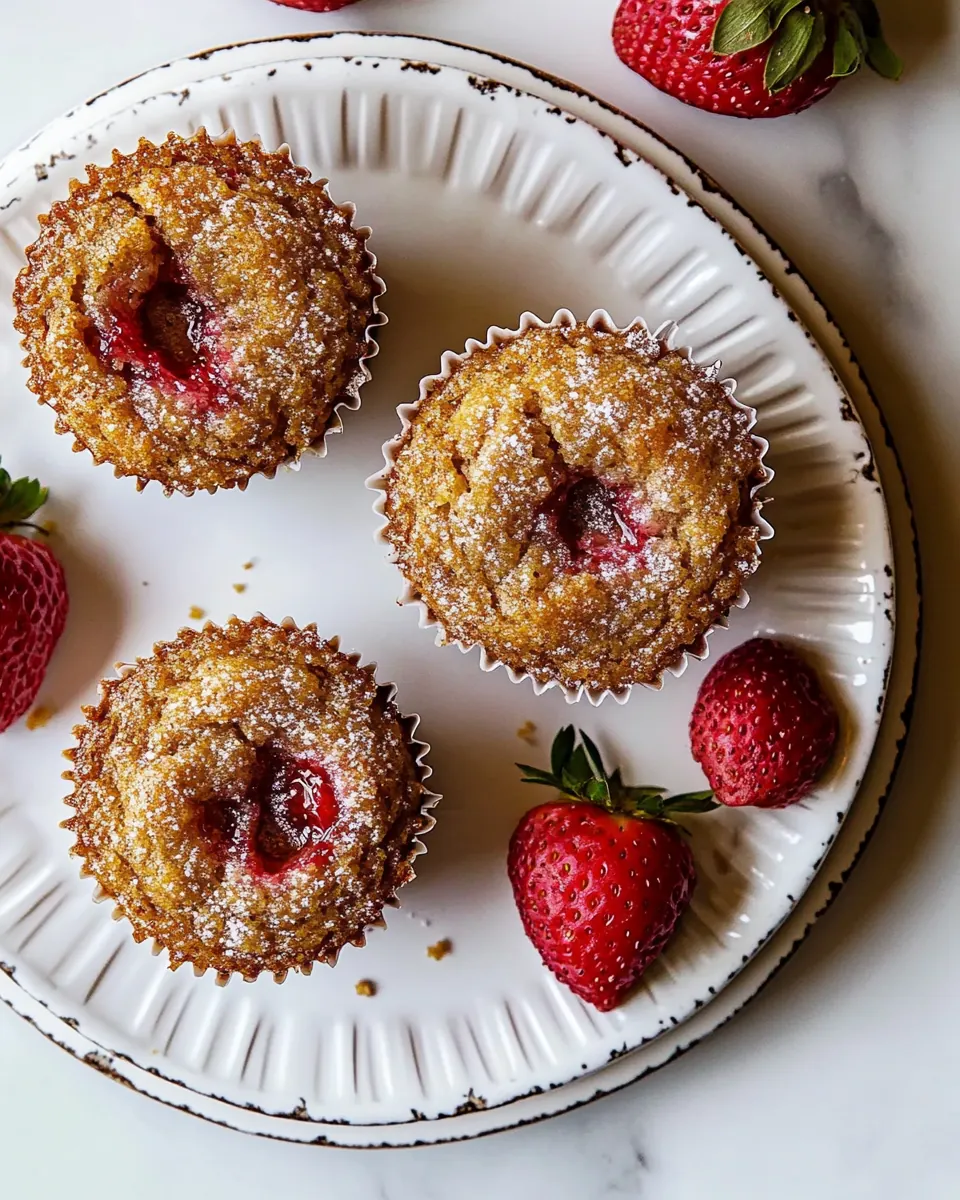
I find that a few straightforward tips make all the difference when baking these muffins. Below are practical notes I use each time I make them, written as clear, standalone items you can follow while preparing the recipe.
- Measure flour accurately, spoon the flour into the measuring cup and level it off with a knife rather than scooping directly from the bag to avoid dense muffins due to too much flour.
- Keep the caramel thin, when pouring the reduced strawberry syrup spread it into a thin layer so it cools into crisp shards that add the desired crunch without becoming chewy.
- Reserve the strawberry pulp, fold the chopped strawberries in at the end so they retain texture and do not bleed excessively into the batter, preserving visual appeal.
- Test for doneness visually, look for lightly golden, set tops that spring back slightly; these cues are more reliable than strictly timing alone due to oven variance.
- Cool briefly before storing, allow muffins to rest on a rack so steam escapes and the tops remain crisp, then store in a loosely covered container to keep them tender.
What Complements This Strawberry Caramel Muffins
These muffins pair wonderfully with simple beverages and light side items, and they travel well for picnics or school snacks. Below are serving ideas and storage tips that help you make the most of each batch, tailored for casual mornings and small gatherings.
- Serve warm with a cup of tea, the gentle tannins of tea balance the honeyed sweetness and highlight the fruit notes, making it an ideal light breakfast or mid morning treat.
- Present on a brunch platter, arrange alongside sliced fruit and plain yogurt for a balanced spread where the muffins provide the sweet, textured centerpiece.
- Pack for picnics, the sturdy muffin form and caramel shards hold up well in a basket, making them a delightful outdoor snack that transports easily.
- Store correctly, cool completely before placing in an airtight container to avoid condensation, and keep at room temperature for up to two days or refrigerate for longer storage up to five days.
- Freeze for future use, wrap individual muffins and freeze for up to three months, then thaw at room temperature or warm briefly in a low oven to refresh texture.
- Ideal for spring gatherings, the fresh strawberries and bright lemon zest make these muffins especially fitting for springtime events and casual celebrations.
FAQ
Conclusion
These Strawberry Caramel Muffins stand out because they combine bright fresh fruit with buttery, glassy caramel shards for a texture contrast that feels celebratory yet comfortingly familiar. Give them a try on a slow morning or for a casual gathering, and enjoy how the honey and lemon zest lift the whole experience. I hope you find the balance of tender crumb, fruity pockets, and crunchy caramel as rewarding as I do, and that these muffins become a repeat favorite in your baking rotation.
Strawberry Caramel Muffins
Equipment
- Mixing Bowl
- Medium Pot
- Muffin Tin
- Spatula
- Parchment Paper
Ingredients
- 2 cups fresh chopped strawberries Provide bright, juicy sweetness and tender texture when folded into batter; balance acidity and add bursts of fresh strawberry flavor throughout the muffins. Chop to even pieces to prevent sinking and distribute fruit evenly, contributing moisture that keeps muffins soft. Fresh strawberries also create small pockets of juice that pair well with caramel notes and enhance overall fruitiness.
- 1/2 cup granulated sugar Add bulk sweetness and help create a tender crumb by interacting with fats and liquids during mixing; dissolve into the batter to provide consistent sweetness throughout. Granulated sugar also promotes browning and slightly crisp tops when baked, contributing to attractive muffin appearance.
- 1/2 cup melted coconut oil Contribute rich moisture and a subtle coconut aroma while replacing butter to create a lighter, dairy-free fat option; melted form blends easily into wet ingredients for smooth batter consistency. Coconut oil helps tenderize the crumb and improves shelf life by retaining moisture in the muffins.
- 1/2 cup honey Supply natural sweetness and additional moisture while enhancing browning and chewiness; honey also imparts a floral note that complements strawberries and caramel flavors. Because honey is liquid, it balances dry ingredients and helps produce a soft, cohesive batter that yields moist muffins.
- 2 teaspoons vanilla extract Bring warm, aromatic flavor that elevates the overall profile and complements both strawberries and caramel tones; vanilla enhances perceived sweetness without adding extra sugar. Liquid vanilla extract blends into the batter, rounding flavors and improving aroma in the finished muffins.
- 2 large eggs, at room temperature Provide structure, richness, and leavening support by binding ingredients and trapping air when beaten into the batter; yolks add fat and emulsify while whites contribute lift. Using large eggs at room temperature ensures optimal incorporation and stable texture in the muffins.
- 1 cup sour cream or plain Greek yogurt Contribute tangy moisture and richness that tenderizes the crumb while adding subtle acidity to balance sweetness; sour cream or Greek yogurt creates a moist, dense yet tender muffin interior. The acidity also reacts with baking soda to enhance rise and produce a lighter texture.
- 2 teaspoons lemon zest Add bright citrus aroma and a sharp, zesty contrast that cuts through sweetness and enhances strawberry flavor; zest delivers concentrated lemon oils without extra acidity from juice. Finely grated lemon zest disperses evenly, lifting the overall flavor profile and balancing richness.
- 2 cups all-purpose or white whole wheat flour Provide the structure and bulk of the muffins as the primary dry ingredient; all-purpose or white whole wheat flour contains proteins that form gluten when mixed with liquids, creating crumb and stability. Choosing white whole wheat gives a slightly nuttier flavor and more fiber while maintaining a tender texture similar to all-purpose flour.
- 1 1/2 teaspoons baking soda Act as a chemical leavening agent that reacts with acidic components to produce carbon dioxide, creating lift and lightness in the muffins. Properly measured baking soda ensures even rise, tender crumb, and helps neutralize acidity from yogurt or honey.
- 1/2 teaspoon baking powder Provide additional leavening support and a mild rise when combined with baking soda, helping create a balanced lift and fine crumb; baking powder supplies both initial and extended rise during baking. Small amounts prevent over-alkalinity while contributing to oven spring and texture.
- 1 teaspoon kosher salt Enhance overall flavor by balancing sweetness and rounding other ingredients while also strengthening gluten slightly; kosher salt's coarser grains make it easy to measure and evenly distribute. Salt improves depth of flavor and highlights the fruit and caramel notes without making muffins taste salty when used in moderation.
- coarse sugar, for topping (optional) Offer a crunchy, sparkling finish when sprinkled on tops before baking, creating visual appeal and a pleasant textural contrast with the soft crumb. Coarse sugar caramelizes on the surface, enhancing sweetness and producing a slightly crisp, decorative crust if used.
Instructions
- Line a baking sheet with parchment paper. Toss together the strawberries and 1/4 cup sugar in a bowl. Let the fruit sit for 15-30 minutes to release some of its juices. Strain the juice/syrup from the strawberries into a medium pot. Set the chopped strawberries aside. To the strawberry syrup, add 1/4 cup sugar. Set the pot over medium heat and bring to a boil. Cook 5-6 minutes until the sugar melts into a caramel-like sauce. Remove from the heat and pour the caramel onto the parchment paper. Spread in a thin, even layer. Let sit 5 minutes. Once hardened, crush the caramel into small pieces/shards with the back of a spoon. Preheat the oven to 350° F. Line 16-17 muffin tins with paper liners. In a bowl, stir together the coconut oil, honey, vanilla, eggs, sour cream, and lemon zest. Add the flour, baking powder, baking soda, and salt. Mix until just combined. Fold in the chopped strawberries and shards of strawberry caramel. Divide the batter evenly among the prepared pan. Sprinkle with coarse sugar. Bake for 22-25 minutes until the tops are just set. Enjoy warm!: The warm, toasty scent from the oven will not be present yet, but setting up a lined sheet protects the caramel as it cools and keeps cleanup easy. You should notice the texture of the parchment, slightly papery and flexible. One common mistake is using a sheet that is too small, which can crowd the caramel. Make sure the sheet is large enough to spread the syrup thinly so it cools into brittle shards.
- Toss together the strawberries and 1/4 cup sugar in a bowl: The strawberries will begin releasing juices almost immediately, and you will see tiny pools of pink nectar form. This maceration step is important to free the fruit s liquid for the syrup, which concentrates the flavor. A pitfall is tossing too roughly and turning the berries into mush, so be gentle and let the sugar work its magic without crushing the fruit.
- Let the fruit sit for 15 to 30 minutes to release some of its juices: During this time the aroma of sun warmed berries becomes more pronounced, and you may notice the color deepen. The wait concentrates flavor, which is vital for a flavorful caramel syrup. Avoid shortening this time, because insufficient juice will make the caramel take longer to form and risk burning.
- Strain the juice/syrup from the strawberries into a medium pot: As you strain, the liquid will look vividly pink and slightly viscous, a sign of concentrated berry flavor. The leftover fruit will be slightly drier, ready to fold into the batter. Common mistakes include squeezing the pulp too hard, which can push solids into the syrup and make it cloudy, so allow a natural drip and press gently if needed.
- Set the chopped strawberries aside: The reserved chopped fruit will still be plump and juicy, and keeping them separate prevents them from overcooking in the syrup. Their texture is important, so avoid leaving them in warm liquid where they might break down further.
- To the strawberry syrup, add 1/4 cup sugar: This additional sugar deepens the sweetness and helps the syrup caramelize into shards. As the sugar dissolves, the liquid will gloss over and become smoother, a visual cue that it is ready for heating. A common error is adding too much sugar, which can make the final shards excessively hard and overly sweet.
- Set the pot over medium heat and bring to a boil: You will hear the syrup bubble steadily as water evaporates and sugars concentrate, and the scent will shift toward a cooked fruit aroma. Maintaining medium heat prevents sudden burning, and stirring gently helps even heating. Be cautious of turning the heat too high, which can cause the syrup to scorch rapidly.
- Cook 5 to 6 minutes until the sugar melts into a caramel-like sauce: Visually, the liquid will thicken and take on a deeper golden to amber hue, and the bubbling will slow as viscosity increases. This is when the sugars have started caramelizing, giving richer flavor. Err on the side of watchfulness, since a minute can be the difference between caramelized and burnt.
- Remove from the heat and pour the caramel onto the parchment paper: The pour will release a warm, fragrant steam and the syrup will spread into a gleaming layer. It cools quickly once off the heat, so have a clear space ready. A mistake here is pouring onto a wrinkled or uneven surface, which makes the caramel set irregularly and harder to crush evenly.
- Spread in a thin, even layer: Use a spatula to flatten the syrup into shards that will cool brittle rather than thick and chewy. The thin layer will cool into crisp pieces that snap when mixed into batter. If left too thick, the caramel may remain sticky and clump rather than forming delicate shards.
- Let sit 5 minutes: As the caramel cools slightly, its surface firms while still warm enough to be workable. You will notice the gloss dulling as it transitions to a brittle state. Rushing this can result in sticky chunks that do not break into shards nicely.
- Once hardened, crush the caramel into small pieces/shards with the back of a spoon: You'll hear a satisfying snap and see sparkling fragments that reflect light. These shards provide the textural contrast in the muffins. Avoid pulverizing them into powder, since that would lose the crunch; aim for small, varied pieces instead.
- Preheat the oven to 350 F: The oven will take on a gentle warmth, and preheating ensures predictable rise and even browning. A common oversight is not allowing the oven to reach temperature, leading to underbaked centers, so wait until the oven registers the full 350 F before baking.
- Line 16 to 17 muffin tins with paper liners: The liners help muffins release easily and present well. You should feel the paper s texture and notice uniform spacing for even baking. Crowding the tins or using liners that are too small can cause uneven tops and erratic baking.
- In a bowl, stir together the coconut oil, honey, vanilla, eggs, sour cream, and lemon zest: As you whisk these together, the mixture will look glossy and slightly thick, and the aroma of lemon and vanilla will lift the room. These wet ingredients create the tender matrix for the crumb. Overbeating at this stage can incorporate too much air and lead to peaks and tunnels, so stir until blended.
- Add the flour, baking powder, baking soda, and salt: When combined, the dry ingredients will dust the surface and then hydrate into a lumpy batter. These components form the structure and leavening system, so even distribution is key. Sifting can help, but avoid vigorous mixing which toughens the muffin by developing gluten.
- Mix until just combined: The batter should show streaks of flour disappearing, with no large dry patches, and it should remain slightly thick. This restraint is crucial to a tender crumb. Mixing too long is the most common mistake here, producing dense muffins instead of soft ones.
- Fold in the chopped strawberries and shards of strawberry caramel: As you fold, you will see flecks of red and glittering caramel pieces distributed through the batter. Fold gently to keep the fruit from breaking down and to preserve the shard texture. Overfolding will produce a uniformly colored batter and lose the lovely pockets and crunch.
- Divide the batter evenly among the prepared pan: Filling each cup consistently ensures uniform bake times and similar top shapes. The batter should be thick enough to mound slightly, and you may hear a faint thud as it settles. Uneven distribution leads to varied doneness, so use an ice cream scoop or measuring cup for accuracy.
- Sprinkle with coarse sugar: The coarse sugar will sit on the tops and create a sparkly, crunchy finish when baked. This small touch signals a bakery style muffin. Too much sugar can create an overly hard top, so a light sprinkle is best.
- Bake for 22 to 25 minutes until the tops are just set: You will notice the muffin tops take on color and spring back gently when pressed. The aroma of baked fruit and honey will fill your kitchen. An inserted toothpick should come out with a few moist crumbs, not wet batter. Leaving muffins in the oven too long will dry them out, while removing them too early risks a gummy center.
- Enjoy warm: Warm muffins release the fullest aroma and the caramel shards will still offer a satisfying snap. Serve them slightly cooled for easier handling, and savor the blend of textures and flavors. A common oversight is stacking warm muffins, which can steam and soften the crisp tops, so allow a brief rest on a rack.
Notes
- Measure flour accurately, spoon the flour into the measuring cup and level it off with a knife rather than scooping directly from the bag to avoid dense muffins due to too much flour.
- Keep the caramel thin, when pouring the reduced strawberry syrup spread it into a thin layer so it cools into crisp shards that add the desired crunch without becoming chewy.
- Reserve the strawberry pulp, fold the chopped strawberries in at the end so they retain texture and do not bleed excessively into the batter, preserving visual appeal.
- Test for doneness visually, look for lightly golden, set tops that spring back slightly; these cues are more reliable than strictly timing alone due to oven variance.
- Cool briefly before storing, allow muffins to rest on a rack so steam escapes and the tops remain crisp, then store in a loosely covered container to keep them tender.
