Nut Free Homemade Pesto
Nut Free Homemade Pesto is my go to when summer basil is overflowing and I want a bright sauce that comes together in minutes.
I remember the summer my neighbor handed me a bundle of basil from their garden, and I decided to keep things simple and make a batch that everyone could enjoy, even those with nut allergies. That first jar became the one I bring to potlucks and tuck into the fridge for quick weeknight meals, and over time I refined the balance of basil, olive oil, and Parmesan cheese until it felt just right. I love that this version stays true to classic texture and flavor while removing any nut concerns, so my niece and her classmates can dig in without worry.
What I really like about Nut Free Homemade Pesto is how forgiving it is. If the basil is a little wilted from the heat, a quick ice bath and a gentle pat dry restore its bright color. If you want it looser for drizzling, a splash more olive oil does the trick; for a thicker spread, pulse a little longer. Every time I make it I learn a small lesson about balance, and it has become a ritual that smells like warm evenings and makes simple meals feel special.
Recipe Snapshot
5 mins
5 mins
Easy
350 kcal
Italian
Keto, Gluten-Free
Appetizers
Food Processor, Rubber Spatula
Why This Nut Free Homemade Pesto Shines
Freshness that sings
I love how Nut Free Homemade Pesto captures the immediate aroma of summer. When I pulse the basil with garlic and Parmesan cheese, the room fills with herbaceous, garlicky perfume, and it instantly lifts whatever dish I add it to. Fresh ingredients make a dramatic difference, and I always choose the brightest, most fragrant leaves I can find.
Allergy friendly and inclusive
One reason I reached for this recipe was to make something that everyone at the table could enjoy. By keeping this as a nut free version, I can confidently bring it to gatherings without worrying about guests with allergies. That inclusivity matters to me, and it makes sharing so much easier and more joyful.
Versatility in the kitchen
I use Nut Free Homemade Pesto in so many ways, from tossing it with pasta to dolloping it on roasted vegetables. It doubles as a sandwich spread or a quick marinade, so a single jar stretches across several meals. I appreciate recipes that earn their space in the fridge by doing multiple jobs, and this one certainly pays its rent.
Speed without compromise
It takes nearly no time to make, yet the flavor is anything but rushed. The method keeps the oils emulsified and the herbs vibrant, so you get depth of flavor with minimal effort. I value recipes that give maximum return for a small bit of time, especially on busy days.
Control over texture and salt
I love that this recipe lets me dial in texture and seasoning to match the meal. Want it silkier for a sauce, or chunkier for a spread? Pulse accordingly. Need less salt for a child or more lemon for brightness? Easy adjustments make it a dependable foundation in my repertoire.
Ingredients You’ll Need for Nut Free Homemade Pesto
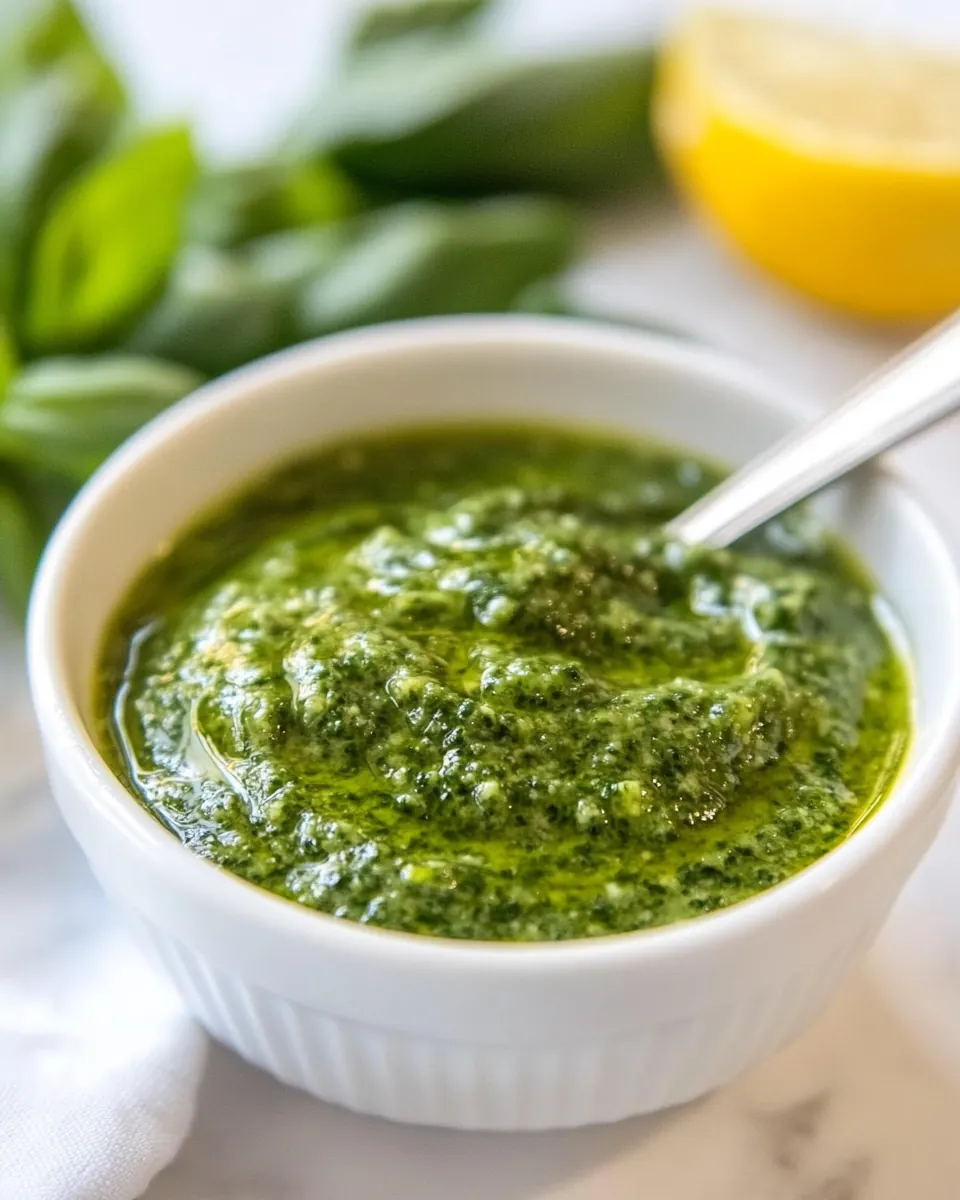
These ingredients form a harmonious, simple sauce. The basil provides an aromatic green backbone, the garlic and Parmesan cheese add savory depth, olive oil brings silk and sheen, and the lemon juice lifts everything with a bright note. Together they create a balance of herbaceousness, creaminess, and acidity that clings to pasta and vegetables alike.
- 3 cups packed fresh basil: Provide bright, aromatic flavor and serve as the primary herb base for the sauce; finely packed leaves release essential oils that define pesto’s fresh character. Bruising the basil gently helps integrate its aroma with oil and cheese, creating a vibrant green sauce that balances the other components.
- 1/2 cup olive oil: Add smooth mouthfeel and carry fat-soluble flavors; drizzle or stream into the blender while processing to emulsify the pesto and create a silky texture. Choosing a good-quality olive oil enhances richness without overpowering the herbaceous basil.
- 2 ounces fresh grated Parmesan cheese: Contribute savory, umami depth and a slightly salty, nutty finish that mimics traditional pine nut richness; grate fresh for best melting and integration into the sauce. Freshly grated Parmesan binds with the oil to thicken the pesto and boost overall flavor complexity.
- 1 2 cloves garlic minced or pressed: Impart sharp, pungent bite and aromatic lift when minced or pressed; adjust quantity for desired intensity to avoid overpowering the basil. Properly minced garlic distributes evenly, brightening the pesto and accentuating the cheese and lemon notes.
- 1 tablespoon fresh lemon juice: Provide bright acidity and a citrus lift to balance the richness; use fresh-squeezed juice for a clean, tart counterpoint to the oil and cheese. Adding lemon juice also helps preserve the pesto’s vibrant green color by slowing oxidation.
- 1/4 teaspoon kosher salt or to taste: Enhance overall seasoning and bring out intrinsic flavors when added sparingly; start with the stated amount and adjust to taste at the end. Using kosher salt dissolves easily and helps integrate the basil, cheese, and garlic into a cohesive sauce.
- pepper to taste: Round out seasoning with mild heat and aromatic nuance; grind to taste and add gradually to avoid overwhelming the delicate basil. Freshly cracked black pepper brightens the pesto and provides a subtle contrast to the creamy Parmesan.
Nut Free Homemade Pesto Instructions
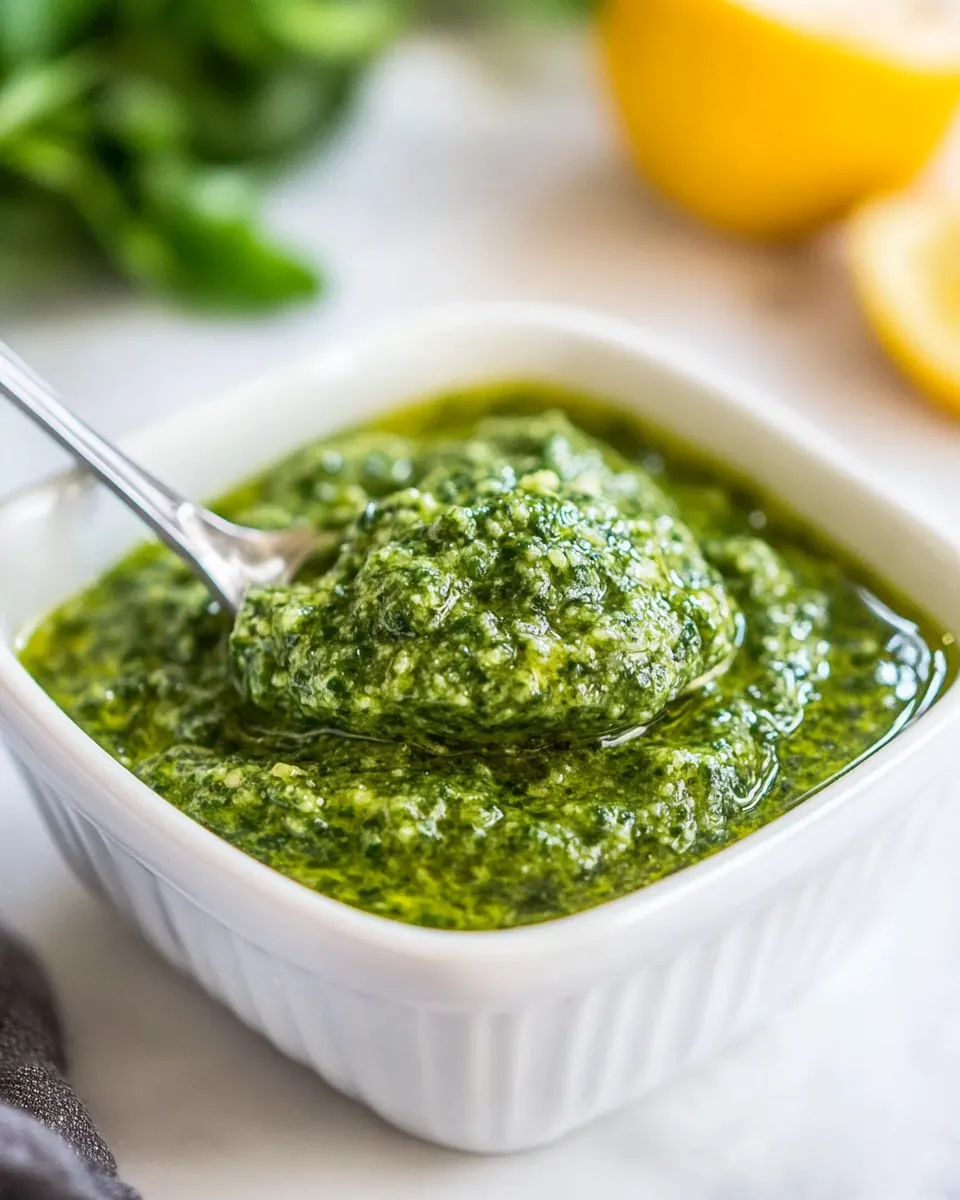
This recipe is intentionally straightforward, yet each action shapes the final texture and flavor. I like to work intentionally and taste as I go, so the pesto ends up balanced and vibrant. Below you’ll find expanded guidance to help you catch the sensory cues and avoid common missteps.
- Add everything except the olive oil to a food processor.: The first moment releases those fresh aromas, with the scent of basil and garlic filling the kitchen. As the blades chop, you should hear a steady, soft whir and see the leaves reduce to a coarse green mass. This step matters because combining dry and semidry ingredients first lets the blades break down the herbs and cheese evenly, preventing the oil from pooling. A common mistake is tossing everything in at once, which can make the olive oil sit on top and not incorporate well. If your basil seems limp, a quick rinse and gentle pat dry will revive the texture before processing.
- While the processor is running, slowly pour the olive oil through the feed tube in a steady stream. Process until smooth.: As you add the olive oil , you should see a glossy ribbon form and the mixture transform from chunky to smooth. The sound will shift to a slightly smoother, more sustained motor pitch as the oil emulsifies. This technique creates a stable emulsion that gives the pesto its silky body, so patience matters here. If you pour too fast, the oil may separate and the texture will be greasy instead of cohesive. If separation happens, stop and pulse a few times to reemulsify, adding a teaspoon of lemon juice if needed to bring it back together.
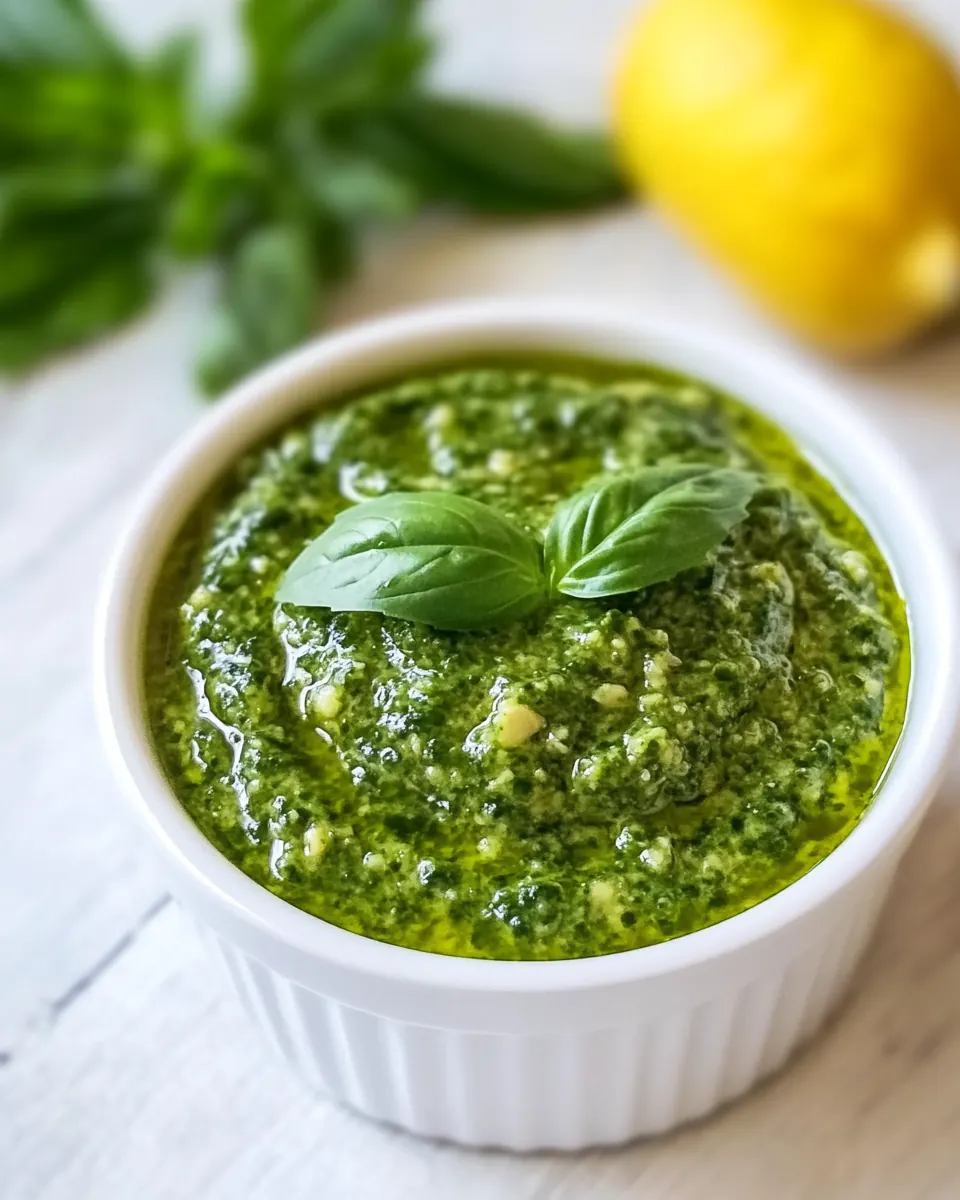
- If needed, scrape down the sides with a rubber spatula and pulse a few times until everything is incorporated.: The visual cue is a uniform, vibrant green paste with small flecks of Parmesan cheese and herbs. The scent becomes richer and more integrated, with the bite of garlic mellowing slightly. This matters because overprocessing can heat the mixture and darken the color, while underprocessing may leave uneven chunks. A common error is running the processor too long without pausing, which can bruise the basil. To avoid this, pulse in short bursts and check texture frequently.
- Store in the refrigerator.: The action of scraping brings any unmixed bits back into the blades, ensuring even seasoning and texture. You will notice the mixture becoming homogenous and glossy after a few pulses. This step matters because processors can leave pockets of cheese or herb clinging to the bowl, causing inconsistent flavor. A typical mistake is skipping this and ending up with salty pockets of Parmesan cheese or unblended garlic. Be gentle when scraping to avoid bruising the mixture, and taste a small amount to check balance before storing.
- Store in the refrigerator: Proper storage keeps the pesto bright, and you will smell a clean, herbal aroma when you open the container later. Pouring a thin film of olive oil over the top can help slow oxidation and prevent browning. This matters because exposure to air will dull the color and flavor over time. A common storage mistake is leaving pesto at room temperature for too long; refrigerate promptly in a sealed container and use within a week, or freeze portions for longer keeping. If the top darkens slightly, scrape it off and the remaining pesto will still be vibrant beneath.
Recipe Notes about Nut Free Homemade Pesto
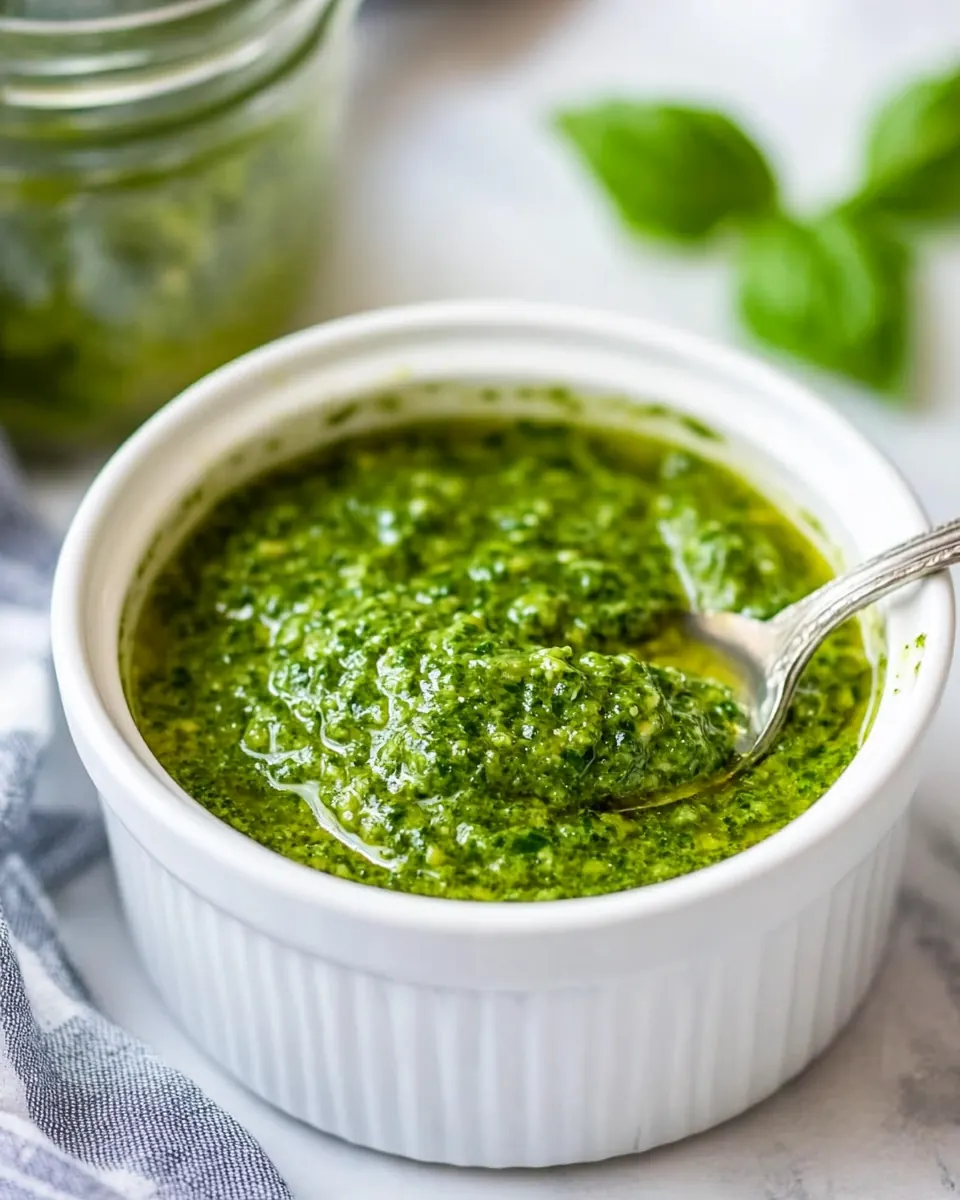
This batch of notes helps you dial the recipe to your kitchen and schedule. I often tweak texture, salt, and storage method depending on how I plan to use the pesto, and these notes reflect those small but meaningful choices.
- Ingredient quality matters, use bright, fragrant basil and freshly grated Parmesan cheese for the best flavor impact.
- Pacing the oil is key, add the olive oil slowly so the mixture emulsifies and stays glossy rather than oily.
- Adjust garlic to taste, start with one clove if you prefer a milder garlic presence and increase on subsequent batches if you want more punch.
- Preserve color by pouring a thin layer of olive oil on top before refrigerating, this reduces oxidation.
- Freezing tip, spoon pesto into ice cube trays and freeze, then transfer cubes to a sealed bag for quick portions that thaw easily.
Perfect Pairings for Nut Free Homemade Pesto
This section covers ways to serve and enjoy your pesto across different meals and occasions. I often think through pairing, storage, and meal ideas so a jar of pesto never goes unused.
- Pasta toss: Toss warm pasta with a few tablespoons of Nut Free Homemade Pesto, reserving some starchy pasta water to loosen if needed. This makes a quick, satisfying lunch or weeknight dinner that highlights the herbaceous sauce.
- Spread for sandwiches: Spread a thin layer of pesto on bread or a roll before adding vegetables or cheeses, it adds an instant flavor lift and works great for picnic sandwiches.
- Vegetable accompaniment: Spoon pesto over roasted or grilled vegetables to add a bright finishing touch. It pairs especially well with zucchini, tomatoes, and potatoes, bringing an herbal contrast to caramelized surfaces.
- Serving at gatherings: Offer pesto alongside crackers or crostini with a bowl of extra grated Parmesan cheese. It serves well as an appetizer for casual parties and potlucks, and the nut free aspect makes it accessible to many guests.
- Storage and make ahead: Keep pesto in a sealed container in the refrigerator for up to a week, or freeze in portions for up to three months. Thaw in the fridge overnight or gently at room temperature before using.
- Seasonal notes: This recipe shines in summer when basil is at its peak. Consider making larger batches then and freezing portions to enjoy the flavor year round.
FAQ
Conclusion
Nut Free Homemade Pesto stands out for its bright herbal flavor, quick preparation, and inclusive nut free approach. It gives you creamy texture and bold notes from fresh basil, garlic, and Parmesan cheese with minimal fuss, making it a dependable pantry hero. Give it a try this week, tweak the garlic and oil to match your taste, and watch it transform simple dishes into memorable meals. I hope it becomes a go to in your kitchen, bringing fresh summer flavor to pasta, toasts, and roasted vegetables.
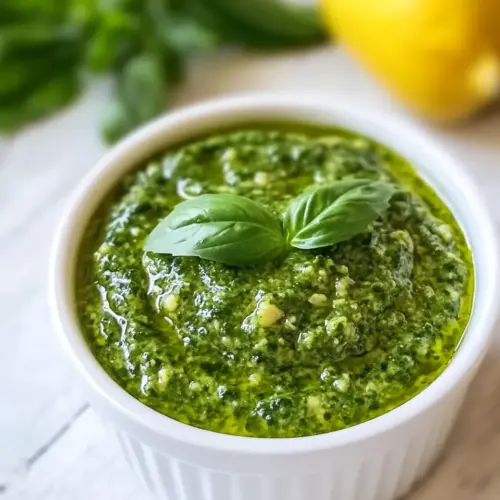
Nut Free Homemade Pesto
Equipment
- Food Processor
- Rubber spatula
Ingredients
- 3 cups packed fresh basil Provide bright, aromatic flavor and serve as the primary herb base for the sauce; finely packed leaves release essential oils that define pesto’s fresh character. Bruising the basil gently helps integrate its aroma with oil and cheese, creating a vibrant green sauce that balances the other components.
- 1/2 cup olive oil Add smooth mouthfeel and carry fat-soluble flavors; drizzle or stream into the blender while processing to emulsify the pesto and create a silky texture. Choosing a good-quality olive oil enhances richness without overpowering the herbaceous basil.
- 2 ounces fresh grated Parmesan cheese Contribute savory, umami depth and a slightly salty, nutty finish that mimics traditional pine nut richness; grate fresh for best melting and integration into the sauce. Freshly grated Parmesan binds with the oil to thicken the pesto and boost overall flavor complexity.
- 1 -2 cloves garlic minced or pressed Impart sharp, pungent bite and aromatic lift when minced or pressed; adjust quantity for desired intensity to avoid overpowering the basil. Properly minced garlic distributes evenly, brightening the pesto and accentuating the cheese and lemon notes.
- 1 tablespoon fresh lemon juice Provide bright acidity and a citrus lift to balance the richness; use fresh-squeezed juice for a clean, tart counterpoint to the oil and cheese. Adding lemon juice also helps preserve the pesto’s vibrant green color by slowing oxidation.
- 1/4 teaspoon kosher salt or to taste Enhance overall seasoning and bring out intrinsic flavors when added sparingly; start with the stated amount and adjust to taste at the end. Using kosher salt dissolves easily and helps integrate the basil, cheese, and garlic into a cohesive sauce.
- pepper to taste Round out seasoning with mild heat and aromatic nuance; grind to taste and add gradually to avoid overwhelming the delicate basil. Freshly cracked black pepper brightens the pesto and provides a subtle contrast to the creamy Parmesan.
Instructions
- Add everything except the olive oil to a food processor.: The first moment releases those fresh aromas, with the scent of basil and garlic filling the kitchen. As the blades chop, you should hear a steady, soft whir and see the leaves reduce to a coarse green mass. This step matters because combining dry and semidry ingredients first lets the blades break down the herbs and cheese evenly, preventing the oil from pooling. A common mistake is tossing everything in at once, which can make the olive oil sit on top and not incorporate well. If your basil seems limp, a quick rinse and gentle pat dry will revive the texture before processing.
- While the processor is running, slowly pour the olive oil through the feed tube in a steady stream. Process until smooth.: As you add the olive oil , you should see a glossy ribbon form and the mixture transform from chunky to smooth. The sound will shift to a slightly smoother, more sustained motor pitch as the oil emulsifies. This technique creates a stable emulsion that gives the pesto its silky body, so patience matters here. If you pour too fast, the oil may separate and the texture will be greasy instead of cohesive. If separation happens, stop and pulse a few times to reemulsify, adding a teaspoon of lemon juice if needed to bring it back together.
- If needed, scrape down the sides with a rubber spatula and pulse a few times until everything is incorporated.: The visual cue is a uniform, vibrant green paste with small flecks of Parmesan cheese and herbs. The scent becomes richer and more integrated, with the bite of garlic mellowing slightly. This matters because overprocessing can heat the mixture and darken the color, while underprocessing may leave uneven chunks. A common error is running the processor too long without pausing, which can bruise the basil. To avoid this, pulse in short bursts and check texture frequently.
- Store in the refrigerator.: The action of scraping brings any unmixed bits back into the blades, ensuring even seasoning and texture. You will notice the mixture becoming homogenous and glossy after a few pulses. This step matters because processors can leave pockets of cheese or herb clinging to the bowl, causing inconsistent flavor. A typical mistake is skipping this and ending up with salty pockets of Parmesan cheese or unblended garlic. Be gentle when scraping to avoid bruising the mixture, and taste a small amount to check balance before storing.
- Store in the refrigerator: Proper storage keeps the pesto bright, and you will smell a clean, herbal aroma when you open the container later. Pouring a thin film of olive oil over the top can help slow oxidation and prevent browning. This matters because exposure to air will dull the color and flavor over time. A common storage mistake is leaving pesto at room temperature for too long; refrigerate promptly in a sealed container and use within a week, or freeze portions for longer keeping. If the top darkens slightly, scrape it off and the remaining pesto will still be vibrant beneath.
Notes
- Ingredient quality matters, use bright, fragrant basil and freshly grated Parmesan cheese for the best flavor impact.
- Pacing the oil is key, add the olive oil slowly so the mixture emulsifies and stays glossy rather than oily.
- Adjust garlic to taste, start with one clove if you prefer a milder garlic presence and increase on subsequent batches if you want more punch.
- Preserve color by pouring a thin layer of olive oil on top before refrigerating, this reduces oxidation.
- Freezing tip, spoon pesto into ice cube trays and freeze, then transfer cubes to a sealed bag for quick portions that thaw easily.