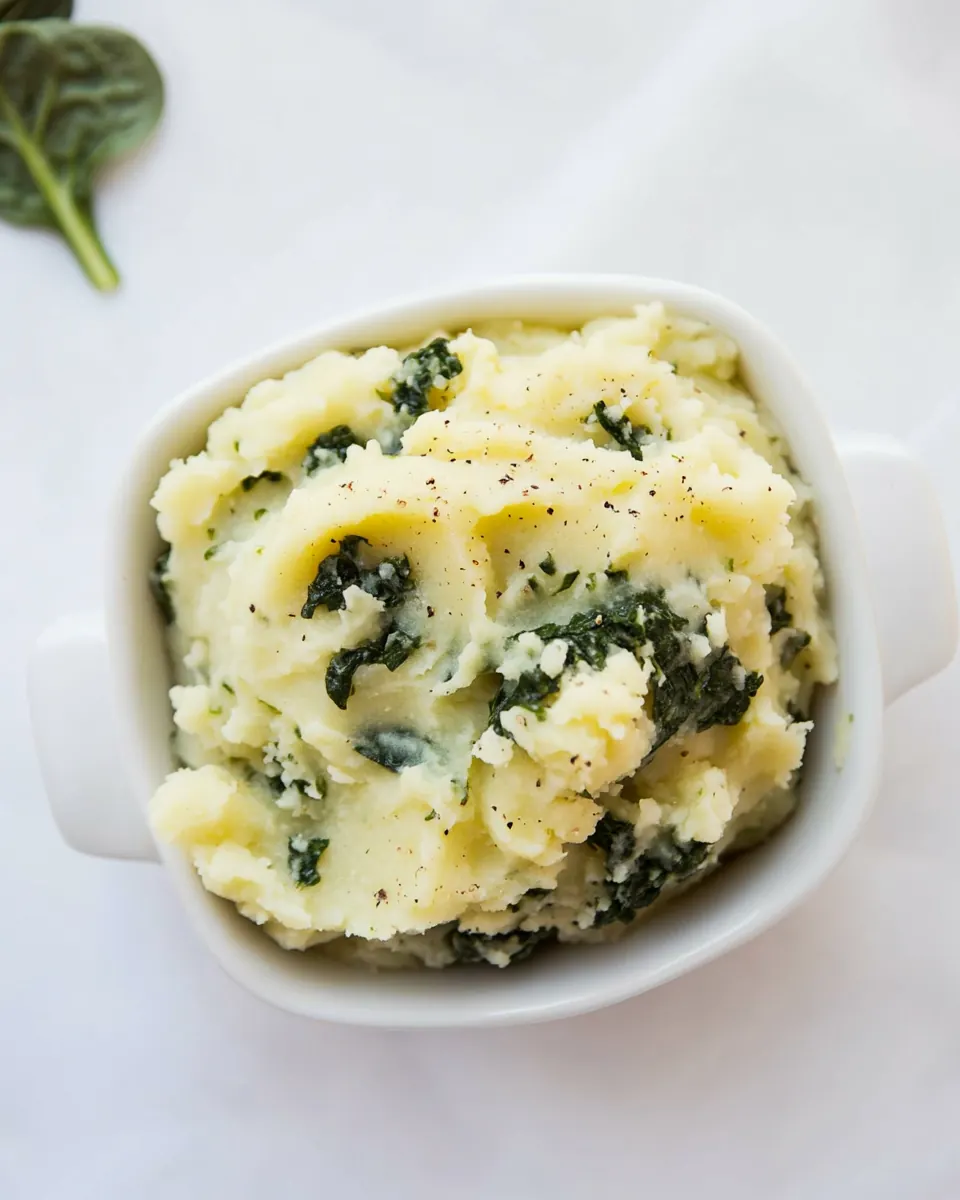
25 Minute Spinach Mashed Potatoes
25 Minute Spinach Mashed Potatoes became my go to when I wanted something comforting yet a little green and bright, a side that felt both indulgent and wholesome. The first time I made it I was juggling a busy weeknight and a fridge full of odds and ends, and these mashed potatoes showed up like a calm, savory hug. I remember the steam rising, the smell of warm potatoes and olive oil mingling with the faint vegetal sweetness of wilted spinach, and I knew dinner was going to be simple and satisfying.
Over the years I found small ways to make this recipe feel special without complicating it. Sometimes I mash with a fork for a slightly chunky texture, other times I aim for silkier results by adding a touch more stock. I also learned that a little unsalted butter folded in at the end makes the flavor rounder and keeps the mouthfeel rich without weighing it down. Guests often ask what’s in it, and I enjoy that moment of revealing just a handful of pantry staples that transform into something memorable.
Recipe Snapshot
25 mins
5 mins
20 mins
Easy
220 kcal
American
Gluten-Free, Low FODMAP
Side Dishes
Large pot, Colander, Fork or masher
Why You Need This 25 Minute Spinach Mashed Potatoes
Quick Comfort That Actually Delivers
I love that 25 Minute Spinach Mashed Potatoes gives you true comfort in under half an hour. When evenings are tight, this recipe comes together fast, yet it does not taste rushed. The texture is creamy and familiar, while the spinach adds freshness so the dish never feels heavy.
Bright, Balanced Flavor
What makes this stand out for me is balance. The sea salt and a splash of stock lift the natural starchiness of the potatoes, while the olive oil lends a fruity warmth. Folding in a small amount of unsalted butter rounds everything out, creating a silky finish that keeps you coming back for another forkful.
Versatile Side for Any Meal
I’ve served this at cozy family dinners and casual potlucks, and it fits right in. It pairs well with roasted vegetables, grilled proteins, or a simple bowl of soup. Because the recipe uses minimal ingredients, it adapts to whatever you have on hand without losing its identity.
Simple Techniques, Big Payoff
I appreciate recipes that rely on straightforward technique rather than fussy steps. Boiling the potatoes from cold water ensures even cooking, and folding in the spinach at the end preserves its color and freshness. These small decisions change the final texture and flavor dramatically.
Friendly for Different Diets
This version is naturally gluten free, and with the choice of vegetable stock it can easily be kept vegetarian. That versatility makes it a reliable option when feeding a mixed crowd with varying preferences.
What to Gather for 25 Minute Spinach Mashed Potatoes
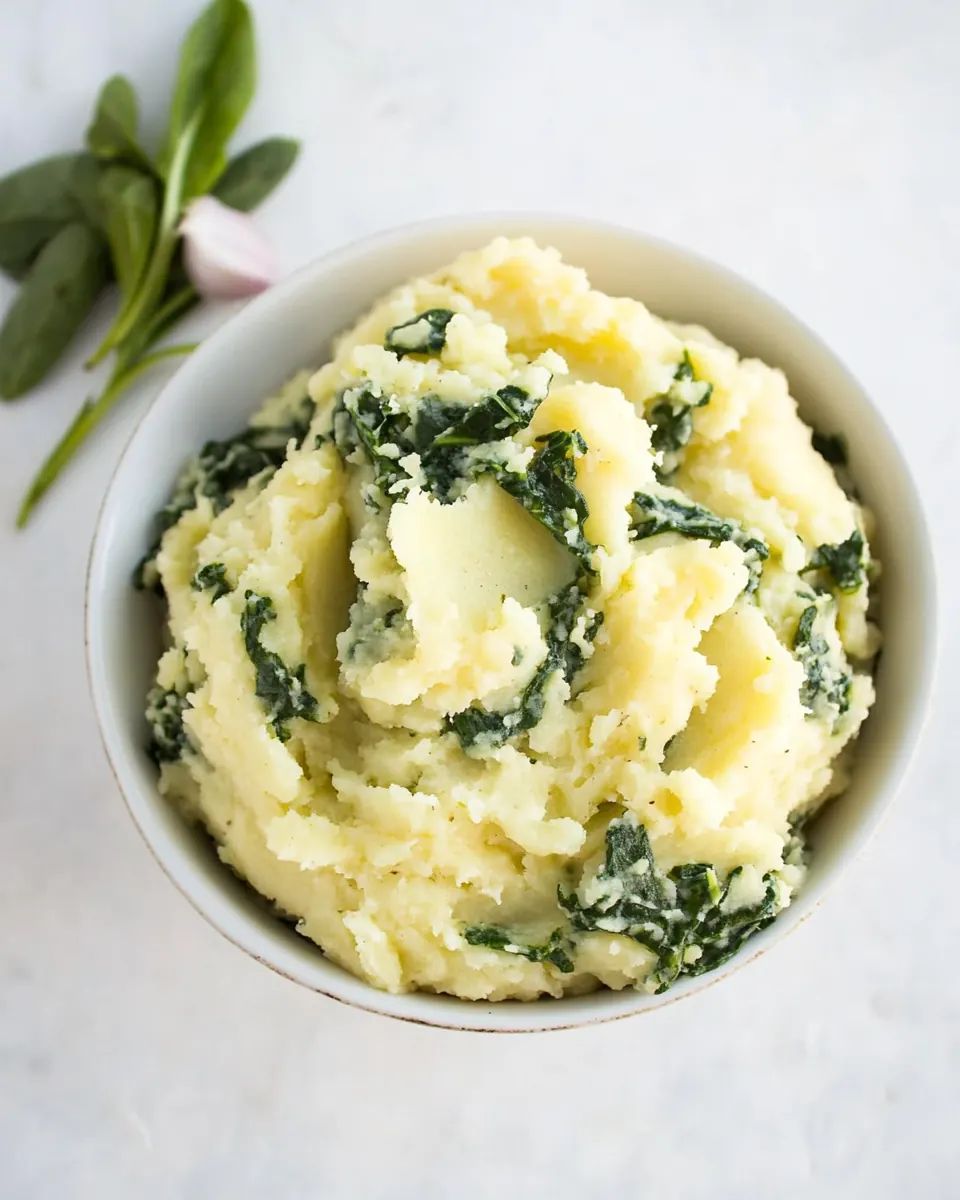
These ingredients are intentionally few, and each plays a clear role in the finished dish. The potatoes form the creamy base, the spinach brings color and lightness, the stock adjusts hydration and depth, and the fats from olive oil and unsalted butter round out texture and flavor. Salt is the quiet amplifier that ties everything together.
- 2 pounds russet potatoes peeled and diced: Provide starchy body and creaminess when mashed; cook until tender and incorporate remaining ingredients for a smooth texture. Absorb flavors from stock and seasonings to create a comforting base for the dish. Peel and dice evenly to ensure consistent cooking throughout.
- 10 ounces spinach: Add bright, earthy flavor and vibrant color while wilting quickly into the potatoes; sauté or blanch before folding in to prevent excess moisture. Contribute mild nutrients and a slightly tender texture that complements the creamy potatoes.
- 1/2 cup vegetable or chicken stock: Introduce savory moisture and a silky consistency that helps loosen the mash to the desired creaminess. Use warm stock to preserve heat and enhance overall flavor without watering down the mixture.
- Sea salt: Season to taste and enhance all other flavors while controlling the overall saltiness of the dish. Sprinkle gradually and taste as you mash to avoid over-salting.
- 1 tablespoon olive oil: Provide a fragrant, fruity richness and help coat ingredients when sautéing the spinach or warming the potatoes; add toward the end for fresh flavor. Offer a lighter fat alternative that balances the butter for mouthfeel.
- 1 tablespoon unsalted butter: Contribute rich, creamy mouthfeel and slightly sweet, dairy flavor that enriches the mashed potatoes. Combine with oil and stock to create a smooth, luscious final texture and glossy finish.
Instructions for 25 Minute Spinach Mashed Potatoes
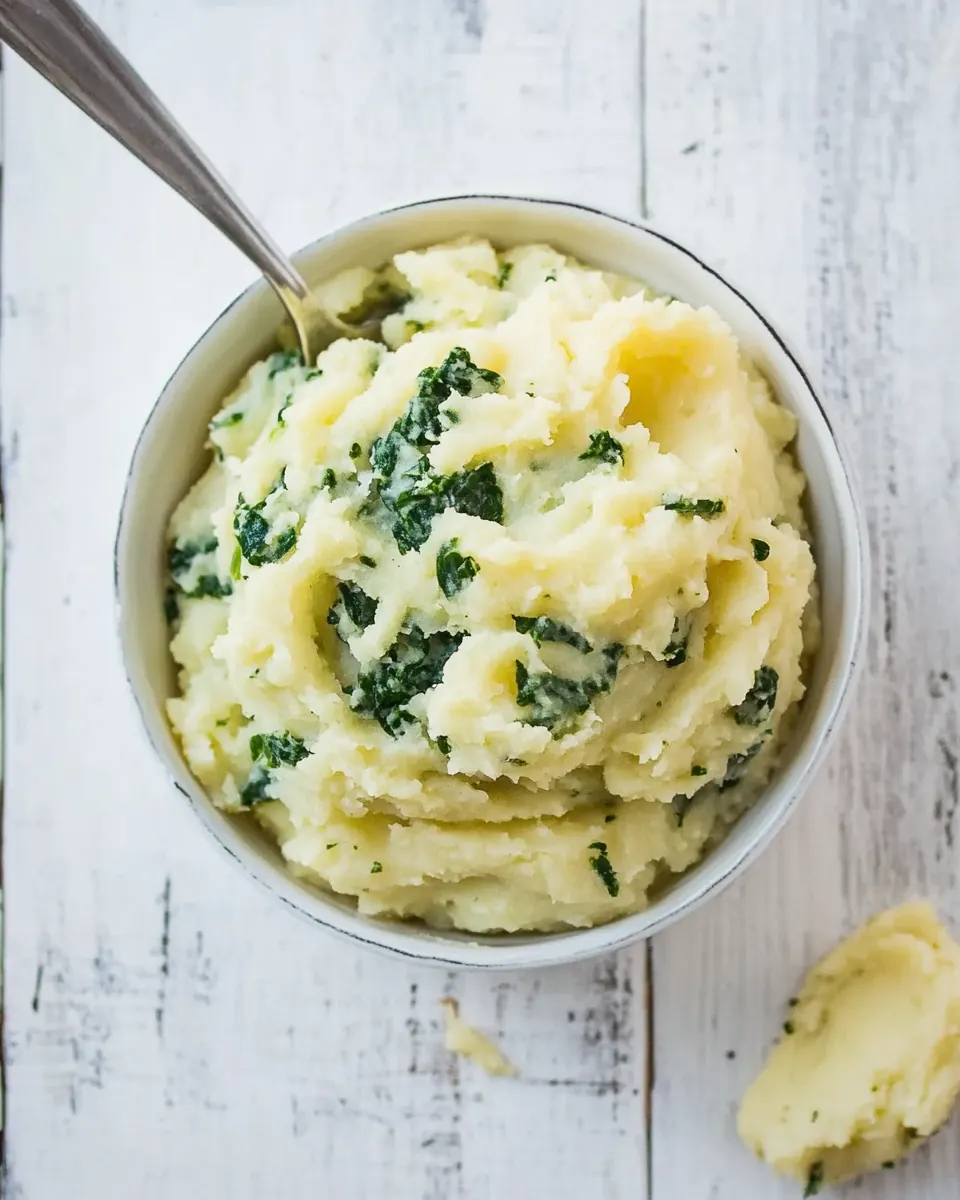
These instructions walk you through boiling, wilting, draining, and mashing with attention to texture and seasoning. I’ll guide you on what to look for in color, aroma, and mouthfeel as you go, so you end up with reliably creamy, vibrant mash every time.
- Place the potatoes in a large pot and cover with cold water by 1 inch. Bring to a boil and cook until the potatoes are fork tender, about 15 minutes. Fold in the spinach and cook for an additional minute.: You will notice the water line just above the diced potatoes , a simple setup that ensures even heating from the inside out. Starting cold avoids a mushy exterior and undercooked core, because sudden heat can cause the outside to overcook while the center remains firm. You should hear a gentle simmer as the pot comes to temperature, and the steam will carry a clean, starchy aroma. Watch for the water to come up to a steady simmer instead of a violent boil, which can jostle the pieces and cause breakage. A common mistake is cutting the potatoes into uneven pieces, so take a moment to dice them uniformly for consistent cook times.
- Drain the potato mixture and return to the pot along with 1/4 cup stock, 1 teaspoon salt, and the oil. With a fork or masher, smash the potatoes until semi-smooth. Add more liquid if the potatoes seem too thick and dry. Fold in the butter and taste for seasoning.: As the pot moves from a simmer to a rolling boil, the sound becomes livelier, and the steam will smell faintly sweet and earthy. Fork tender means a fork glides in with little resistance and the potato piece breaks apart easily when prodded. This texture indicates the interior starches have hydrated and softened enough for mashing without turning gluey. If you overcook and the pieces fall to mush, the mash can become sticky rather than light, so set a timer and test early. Be mindful that altitude and potato size can shift the time slightly.
- Fold in the spinach and cook for an additional minute: The moment you add the spinach , the pan brightens; the leaves wilt almost immediately and release a fresh, green aroma. Cooking just a minute keeps the color vivid and prevents bitterness that can develop from prolonged heat. You will see the leaves shrink dramatically, and the texture shifts from crisp to tender. A pitfall is leaving the spinach in too long, which can cause a dull color and a soggy mouthfeel, so watch closely and remove it as soon as it softens.
- Drain the potato mixture and return to the pot along with 1/4 cup stock, 1 teaspoon salt, and the oil: When you drain, you will notice the steam is scented with both starch and green notes, and the pot will feel warm and ready. Returning everything to the pot lets you control the mash consistency from the heat retained in the vessel. Add the initial stock and olive oil so the mixture loosens and gains savory depth, and the sea salt starts integrating. If the pot feels too dry or the mash looks crumbly, gradually add more stock rather than pouring it all at once. Over-wetting here leads to a gummy texture, which is hard to correct later.
- With a fork or masher, smash the potatoes until semi-smooth: As you press and mash, listen for a slight tearing sound and watch the lumps give way to creamy ridges, releasing steam and that comforting potato aroma. Semi-smooth means there are still small curds for texture, rather than a completely puréed silk. This balance keeps the mash interesting and avoids a gluey mouthfeel. If you use a blender or food processor, you risk overworking the starches which creates a gummy result, so stick with a fork or hand masher for best texture. If lumps persist, mash gently in short bursts instead of vigorous overmixing.
- Add more liquid if the potatoes seem too thick and dry: The visual cue here is dryness, where the mash holds clumps and does not spread easily on a spoon. Adding additional stock in small spoonfuls will loosen the texture while keeping the flavor intact. Each splash will warm and integrate, making the mash silkier and softer in the mouth. A mistake to avoid is pouring too much at once, which can quickly turn the mash soupy and dilute its flavor. Go slowly, tasting as you go to reach your perfect consistency.
- Fold in the butter and taste for seasoning: When you fold in unsalted butter , it melts into the warm mash, creating a glossy sheen and rounding the edges of the flavor. The mouthfeel becomes richer and slightly decadent, without adding heaviness if used judiciously. Taste now for final seasoning because the butter can mute or enhance salt perception; adjust with a little more sea salt if needed. Avoid over-salting at this stage, and remember you can always add more but you cannot remove it.
Make It Your Own
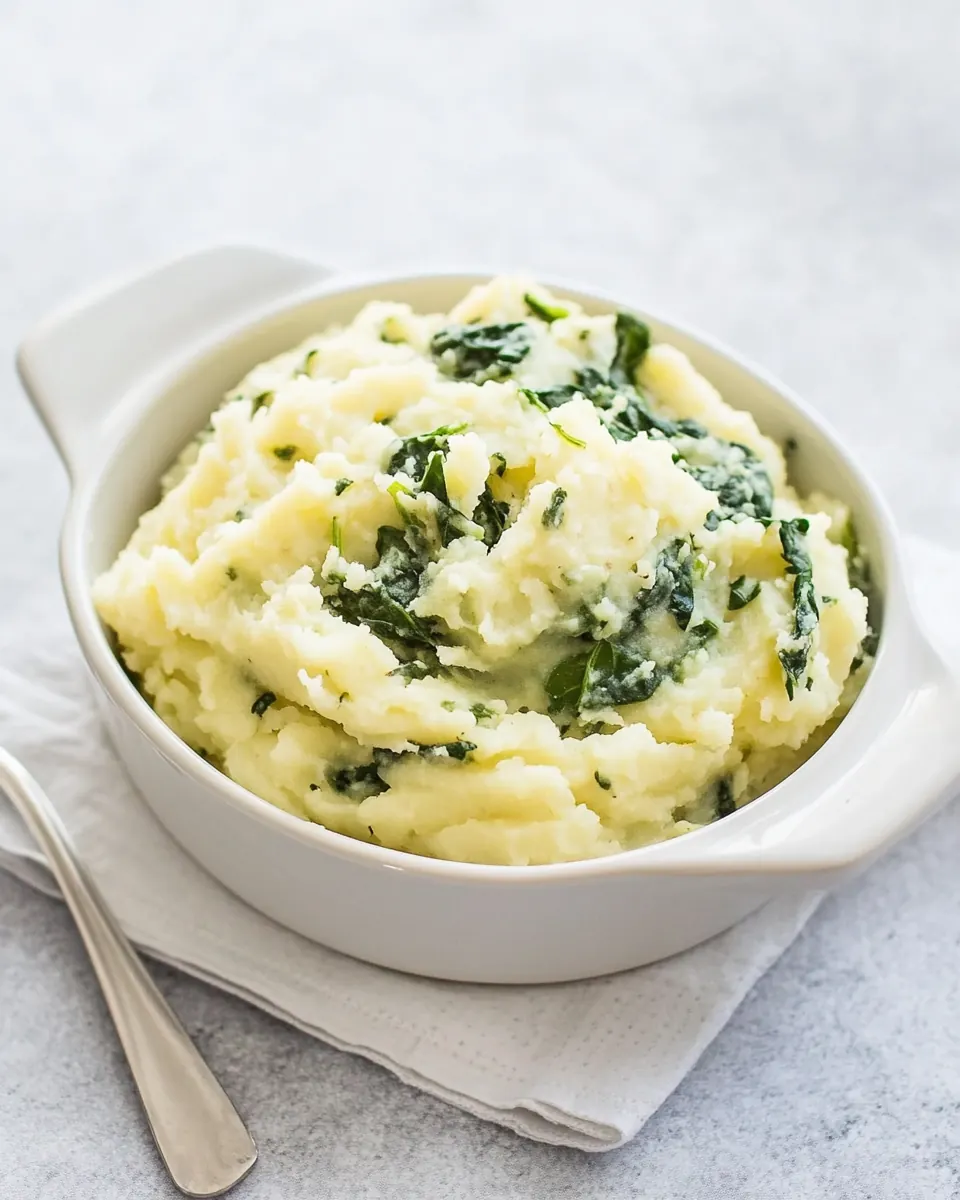
I like to offer simple variations and serving ideas that let these mashed potatoes reflect your pantry and mood. Small swaps change the character without changing the spirit of the recipe, so you can make it cozy, bright, or herbaceous depending on the occasion.
- Adjust the liquid: If you prefer a looser texture, add up to an extra 1/4 cup of stock in small increments while mashing, tasting as you go to keep the balance right.
- Texture control: For a chunkier result, use a fork and mash lightly so you keep rustic bits of potato in the mix; for smoother texture, mash longer and add a touch more stock.
- Butter timing: Fold in unsalted butter off the heat so it melts gently into the warm mash, providing a velvety sheen and richer flavor without separating.
- Spinach handling: Add spinach at the very end of cooking and stir for only about a minute to preserve color and fresh flavor; overcooking will dull both.
- Stock choice: Choosing vegetable stock keeps this dish vegetarian friendly, while chicken stock adds a deeper savory note if you are not avoiding it.
Pairing Suggestions for 25 Minute Spinach Mashed Potatoes
These mashed potatoes are flexible enough for weeknight dinners and also polished enough for a casual gathering. I often set them alongside roasted vegetables or a simple protein, and they work well across seasons thanks to their warm, comforting nature balanced by the fresh spinach.
- Weeknight dinners: Serve with roasted or grilled vegetables for a quick, balanced meal where the mash adds a creamy element to brighter sides.
- Holiday side: These can sit comfortably on a holiday table as a colorful alternative to plain mashed potatoes, especially in fall when greens are welcome.
- Storage tips: Store leftovers in an airtight container in the refrigerator for up to three days; reheat gently with a splash of stock to restore creaminess rather than microwaving dry.
- Serving style: Spoon into a warmed bowl and finish with a drizzle of olive oil or a tiny pat of unsalted butter for shine and richness right before serving.
- Seasonal pairing: In cooler months, let these be the cozy anchor on the plate paired with roasted root vegetables or braised greens for a harmonious contrast.
FAQ
Conclusion
This recipe shines because it transforms simple staples into a creamy, bright side that feels both comforting and fresh. I encourage you to try 25 Minute Spinach Mashed Potatoes the next time you want something quick that still feels thoughtful; it’s forgiving, adaptable, and reliably satisfying. Give it a whirl, and you may find it joining your regular rotation for family dinners and small gatherings.
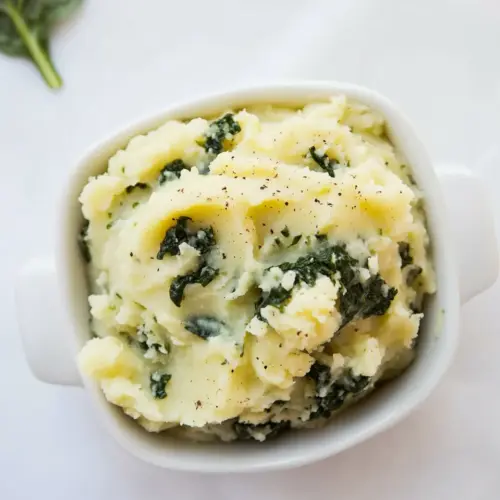
25 Minute Spinach Mashed Potatoes
Equipment
- Large Pot
- Colander
- Fork or masher
Ingredients
- 2 pounds russet potatoes peeled and diced Provide starchy body and creaminess when mashed; cook until tender and incorporate remaining ingredients for a smooth texture. Absorb flavors from stock and seasonings to create a comforting base for the dish. Peel and dice evenly to ensure consistent cooking throughout.
- 10 ounces spinach Add bright, earthy flavor and vibrant color while wilting quickly into the potatoes; sauté or blanch before folding in to prevent excess moisture. Contribute mild nutrients and a slightly tender texture that complements the creamy potatoes.
- 1/2 cup vegetable or chicken stock Introduce savory moisture and a silky consistency that helps loosen the mash to the desired creaminess. Use warm stock to preserve heat and enhance overall flavor without watering down the mixture.
- Sea salt Season to taste and enhance all other flavors while controlling the overall saltiness of the dish. Sprinkle gradually and taste as you mash to avoid over-salting.
- 1 tablespoon olive oil Provide a fragrant, fruity richness and help coat ingredients when sautéing the spinach or warming the potatoes; add toward the end for fresh flavor. Offer a lighter fat alternative that balances the butter for mouthfeel.
- 1 tablespoon unsalted butter Contribute rich, creamy mouthfeel and slightly sweet, dairy flavor that enriches the mashed potatoes. Combine with oil and stock to create a smooth, luscious final texture and glossy finish.
Instructions
- Place the potatoes in a large pot and cover with cold water by 1 inch. Bring to a boil and cook until the potatoes are fork tender, about 15 minutes. Fold in the spinach and cook for an additional minute.: You will notice the water line just above the diced potatoes , a simple setup that ensures even heating from the inside out. Starting cold avoids a mushy exterior and undercooked core, because sudden heat can cause the outside to overcook while the center remains firm. You should hear a gentle simmer as the pot comes to temperature, and the steam will carry a clean, starchy aroma. Watch for the water to come up to a steady simmer instead of a violent boil, which can jostle the pieces and cause breakage. A common mistake is cutting the potatoes into uneven pieces, so take a moment to dice them uniformly for consistent cook times.
- Drain the potato mixture and return to the pot along with 1/4 cup stock, 1 teaspoon salt, and the oil. With a fork or masher, smash the potatoes until semi-smooth. Add more liquid if the potatoes seem too thick and dry. Fold in the butter and taste for seasoning.: As the pot moves from a simmer to a rolling boil, the sound becomes livelier, and the steam will smell faintly sweet and earthy. Fork tender means a fork glides in with little resistance and the potato piece breaks apart easily when prodded. This texture indicates the interior starches have hydrated and softened enough for mashing without turning gluey. If you overcook and the pieces fall to mush, the mash can become sticky rather than light, so set a timer and test early. Be mindful that altitude and potato size can shift the time slightly.
- Fold in the spinach and cook for an additional minute: The moment you add the spinach , the pan brightens; the leaves wilt almost immediately and release a fresh, green aroma. Cooking just a minute keeps the color vivid and prevents bitterness that can develop from prolonged heat. You will see the leaves shrink dramatically, and the texture shifts from crisp to tender. A pitfall is leaving the spinach in too long, which can cause a dull color and a soggy mouthfeel, so watch closely and remove it as soon as it softens.
- Drain the potato mixture and return to the pot along with 1/4 cup stock, 1 teaspoon salt, and the oil: When you drain, you will notice the steam is scented with both starch and green notes, and the pot will feel warm and ready. Returning everything to the pot lets you control the mash consistency from the heat retained in the vessel. Add the initial stock and olive oil so the mixture loosens and gains savory depth, and the sea salt starts integrating. If the pot feels too dry or the mash looks crumbly, gradually add more stock rather than pouring it all at once. Over-wetting here leads to a gummy texture, which is hard to correct later.
- With a fork or masher, smash the potatoes until semi-smooth: As you press and mash, listen for a slight tearing sound and watch the lumps give way to creamy ridges, releasing steam and that comforting potato aroma. Semi-smooth means there are still small curds for texture, rather than a completely puréed silk. This balance keeps the mash interesting and avoids a gluey mouthfeel. If you use a blender or food processor, you risk overworking the starches which creates a gummy result, so stick with a fork or hand masher for best texture. If lumps persist, mash gently in short bursts instead of vigorous overmixing.
- Add more liquid if the potatoes seem too thick and dry: The visual cue here is dryness, where the mash holds clumps and does not spread easily on a spoon. Adding additional stock in small spoonfuls will loosen the texture while keeping the flavor intact. Each splash will warm and integrate, making the mash silkier and softer in the mouth. A mistake to avoid is pouring too much at once, which can quickly turn the mash soupy and dilute its flavor. Go slowly, tasting as you go to reach your perfect consistency.
- Fold in the butter and taste for seasoning: When you fold in unsalted butter , it melts into the warm mash, creating a glossy sheen and rounding the edges of the flavor. The mouthfeel becomes richer and slightly decadent, without adding heaviness if used judiciously. Taste now for final seasoning because the butter can mute or enhance salt perception; adjust with a little more sea salt if needed. Avoid over-salting at this stage, and remember you can always add more but you cannot remove it.
Notes
- Adjust the liquid: If you prefer a looser texture, add up to an extra 1/4 cup of stock in small increments while mashing, tasting as you go to keep the balance right.
- Texture control: For a chunkier result, use a fork and mash lightly so you keep rustic bits of potato in the mix; for smoother texture, mash longer and add a touch more stock.
- Butter timing: Fold in unsalted butter off the heat so it melts gently into the warm mash, providing a velvety sheen and richer flavor without separating.
- Spinach handling: Add spinach at the very end of cooking and stir for only about a minute to preserve color and fresh flavor; overcooking will dull both.
- Stock choice: Choosing vegetable stock keeps this dish vegetarian friendly, while chicken stock adds a deeper savory note if you are not avoiding it.