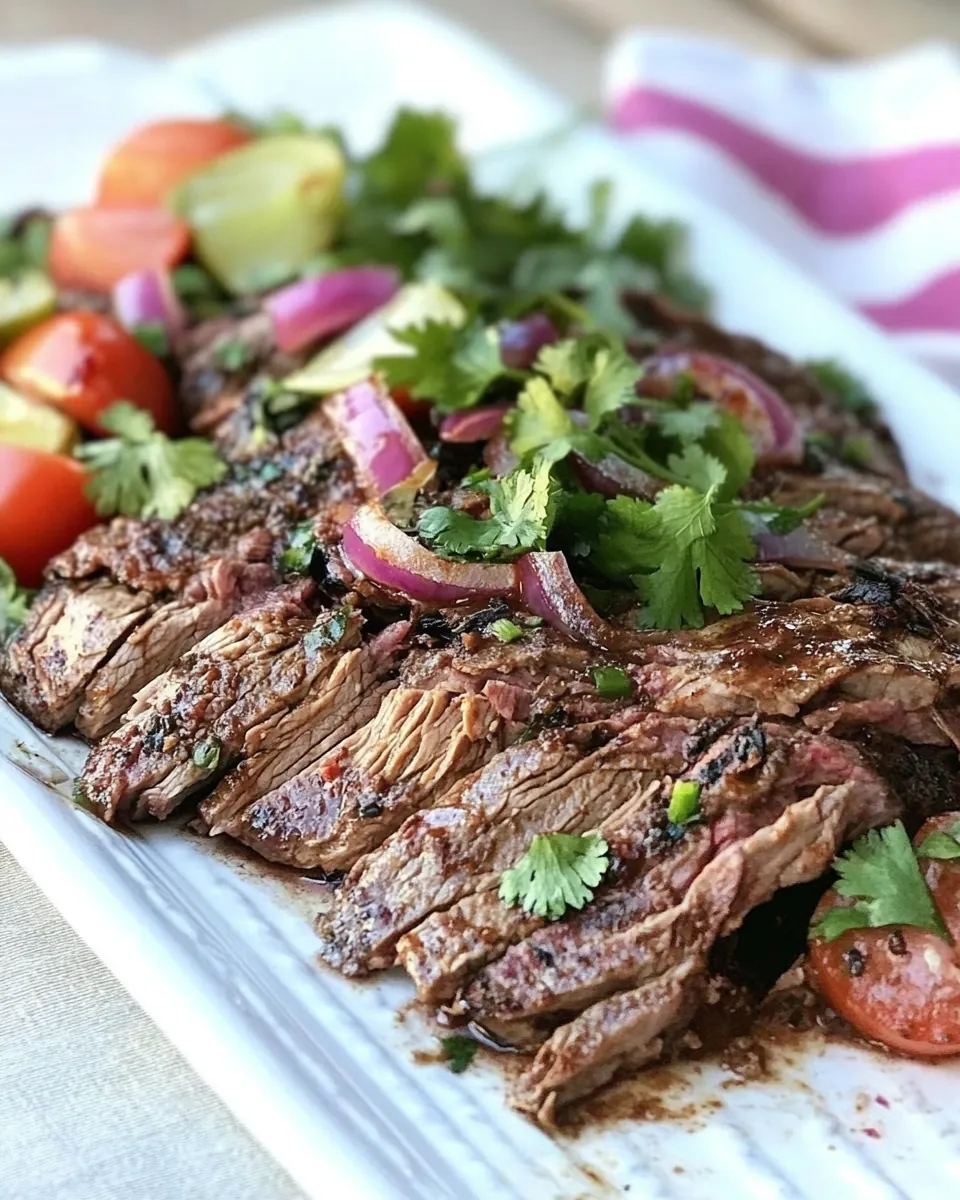
Uruguayan Asado
Uruguayan Asado is the sort of recipe that changed the way I think about outdoor cooking the first time I tasted it next to a smoky fire with friends.
Growing up I chased big meals that felt ceremonial, and this one taught me how simple ingredients can speak loudly. I remember the day I learned to read the coals, how a single handful of glowing wood chips shifted the aroma from warm to deeply savory, and how slicing the finished skirt steak across the grain made every bite tender. That memory still guides how I approach the grill, and it’s why I return to Uruguayan Asado whenever I want a meal that feels both rustic and surprisingly refined.
Recipe Snapshot
35 mins
5 mins
30 mins
Easy
400 kcal
Uruguayan
Keto, Gluten-Free
Dinner
Charcoal grill, Tongs, Aluminum foil
Why Try This Uruguayan Asado
Pure, focused flavors
I love how Uruguayan Asado celebrates the meat itself, letting a good piece of skirt steak shine with little more than salt, pepper, and heat. The restraint is intentional, and it rewards attention to technique. When I grill this, I’m reminded that you do not need a long list of ingredients to create something memorable.
Smoky aroma that defines the experience
There is something almost hypnotic about the scent of hickory-suffused smoke mingling with rendered beef fat. I watch the flames die down and the smoke rise, knowing that aroma will carry through each slice. That fragrance is a huge part of why I keep this recipe in my rotation for summer gatherings.
Speed without sacrificing quality
One of the best parts is how quickly Uruguayan Asado comes together. With a short sear time you get a crisp exterior and juicy interior, which makes it perfect for weeknight dinners when you still want a special meal. I often plan my sides around the few minutes the meat needs, so everything comes together hot and satisfying.
Simple techniques anyone can master
I find this recipe incredibly approachable. From bringing the skirt steak to room temperature to resting under foil, each step is easy but impactful. Over the years I’ve coached friends through these moments and seen nervous cooks gain real confidence just by following the rhythm of the cook.
Social and celebratory
This dish invites conversation. When I cook Uruguayan Asado I move slowly through the ritual of lighting coals and tending smoke, and my guests gather, ask questions, and linger. It becomes more than dinner, it becomes a shared experience I return to whenever I want to connect.
Shopping List for Uruguayan Asado
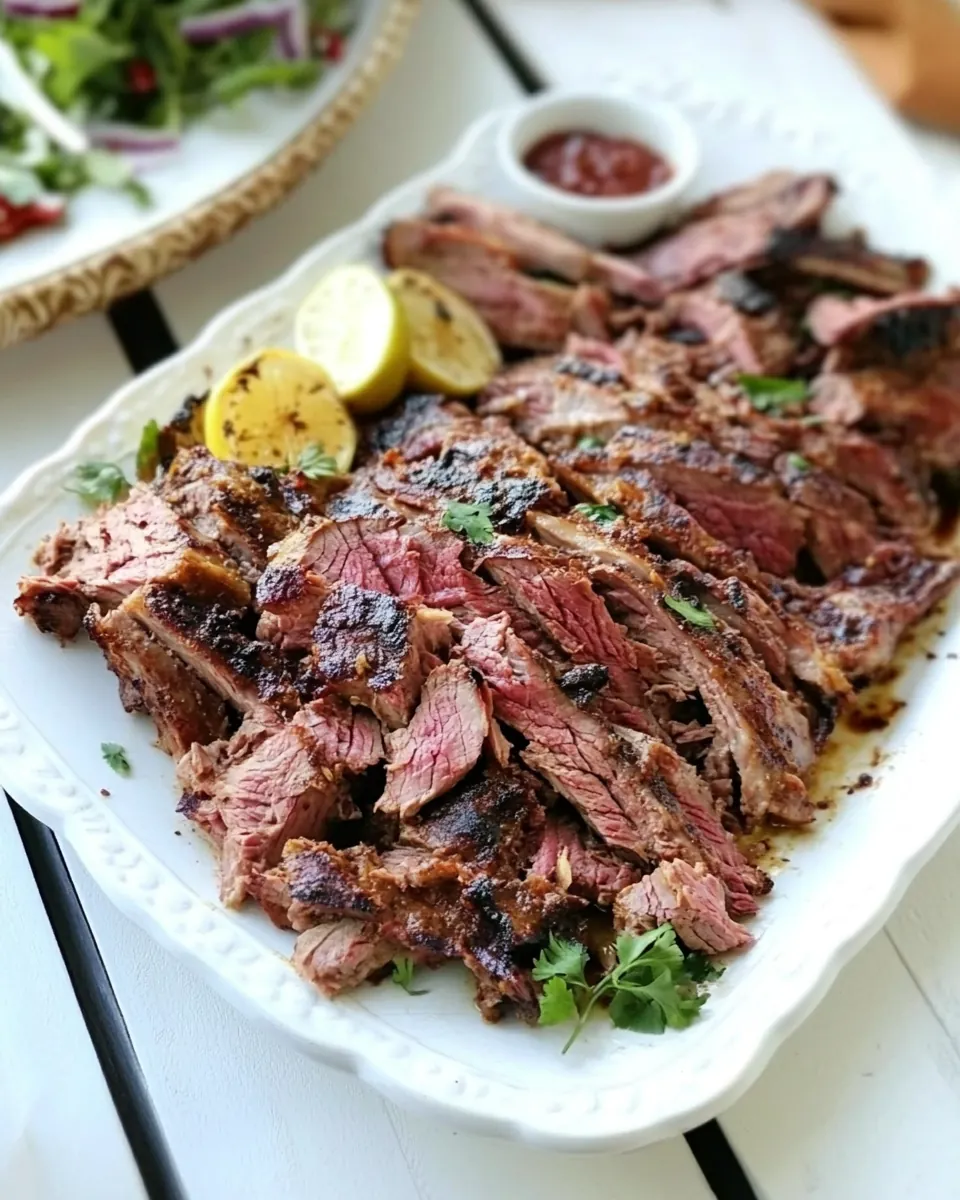
These ingredients embody a philosophy of simplicity and respect for great produce. The list is short because each element plays a specific role, from building smoke to seasoning for balance. When you shop, prioritize fresh, well trimmed cut of skirt steak and quality pantry staples to let natural flavors do the heavy lifting.
- 1.5 2 lbs skirt steak: Season generously to enhance the meat's natural flavors and create a savory crust during grilling; adjust amounts to personal taste and dietary needs. Works in tandem with pepper to balance richness and highlight the beef's charred notes.
- 2 tablespoons canola oil: Coat lightly to prevent sticking and promote even browning on the grill; heat oil beforehand to help develop a flavorful sear. Use just enough to facilitate contact between meat and grates without causing flare-ups.
- salt & pepper to taste: Season sparingly to taste to bring out the beef's savory profile and provide contrast to the charred exterior; grind fresh for best aroma. Combine with salt to create a balanced seasoning that complements the skirt steak's bold flavor.
- oregano if desired: Sprinkle optionally to introduce a warm, slightly bitter herbaceous note that complements grilled beef; add before or after cooking to adjust intensity. Use dried oregano modestly so it doesn't overpower the meat's natural taste.
- garlic if desired: Crush or mince optionally to infuse a subtle pungent and aromatic garlic essence that enhances the overall savory character; apply before grilling for a mellow roast flavor or after for brighter bite. Use conservatively to avoid masking the steak's native flavors.
The Process for Making Uruguayan Asado
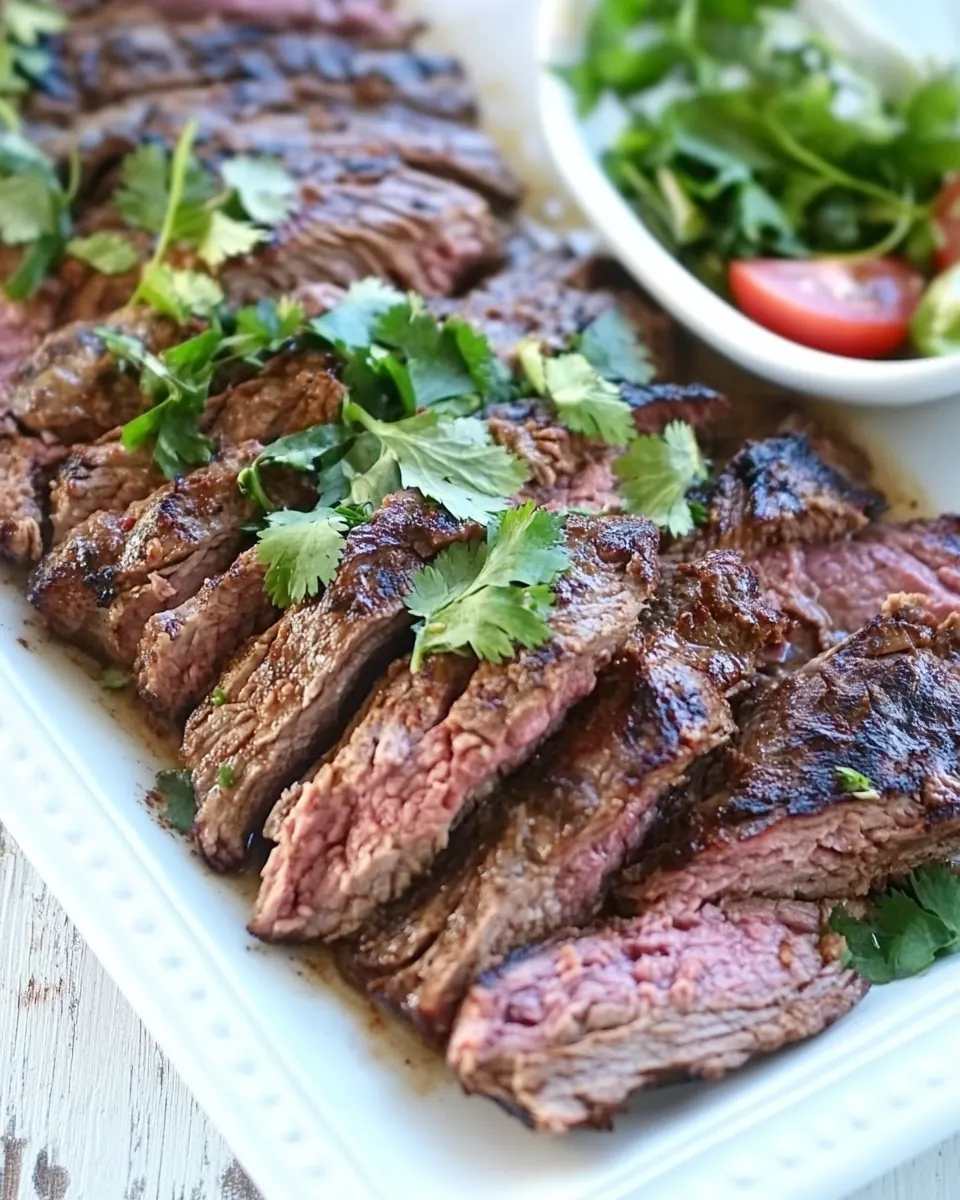
I like to keep the instruction flow calm and conversational because grilling is about being present. Follow the sequence and use your senses: look for color, listen for sizzle, and smell for that sweet smoke. The steps below expand the directions into a more tactile guide so you can feel confident at the grill.
- Take meat out of fridge and set on counter to come up to room temp. Brush with canola oil and top with pepper and oregano, if desired. You may also rub the meat with a cut clove of garlic.: As the meat warms, you will notice the chill fade and the surface becomes less firm, which helps it cook more evenly. Bringing skirt steak to room temperature reduces the risk of an overcooked exterior with an underdone center. You'll sense the difference in touch, the meat giving slightly under finger pressure. A common mistake is skipping this step, which can cause uneven cooking. If your kitchen is very warm, limit resting to twenty to thirty minutes to avoid spoilage.
- Light charcoal in grill. Once outsides turn white, spread into an even layer and add 2 good handfuls of hickory wood chips. Let the wood chips burn down so the flames aren't huge, then add your meat to the grill.: The oil creates a light sheen that promotes a glossy, brown crust and helps herbs and spices cling to the surface. When you brush on the canola oil , watch how the light reflects off the meat, signaling an even coat. The aroma of crushed oregano and cracked pepper will float up immediately, hinting at the flavor to come. Avoid over oiling, which can cause smoking and flare ups on the grill.
- Sprinkle with as much salt as desired. Cook 3-5 minutes then flip. Sprinkle with more salt. Cook until meat is cooked to your liking.: Rubbing with fresh garlic transfers aromatic oils into the meat surface without adding moisture. Right after you rub, you can catch that pungent, slightly sweet scent of crushed garlic . Apply lightly to prevent overpowering the beef. A common slip is rubbing before grilling then exposing the meat to very high flames, which can char the garlic and turn it bitter.
- Remove from heat and cover with foil to rest 10-15 minutes. Cut across the grain into very thin strips and serve.: As the coals ignite, there is an evolving scent from sharp smoke to mellow, sweet embers, and that transition matters. Wait until the outsides of the briquettes turn white and the heat stabilizes, because that steady bed of coals delivers even, controlled heat. If you add meat too early, you risk uneven searing and excessive flare ups. Patience here yields a more consistent cook.
- Once outsides turn white, spread into an even layer and add 2 good handfuls of hickory wood chips: Laying the coals out evenly creates a uniform hot zone. When you scatter the hickory wood chips , watch as smoke begins to rise in a thin, fragrant stream that will infuse the meat. Hickory adds a bold, slightly sweet smoke that pairs well with beef. Do not dump too many chips at once, or you will create large flames that char instead of smoke.
- Let the wood chips burn down so the flames are not huge, then add your meat to the grill: The trick is to wait for steady smoldering, when the smoke is fragrant but the flames are controlled. Placing the skirt steak onto a calm bed of coals lets the surface sear quickly and absorb smoke without burning. If you place meat onto roaring flames, it will char badly on the outside and stay undercooked inside. Use tongs to manage placement and keep a spray bottle handy for small flare ups.
- Sprinkle with as much salt as desired: As the meat hits the hot grate, salt draws out surface moisture then helps form a savory crust that cracks under your knife to reveal juicy interior. You will hear an immediate hissing sound as salt and heat interact, and that sizzle is a good sign. Over-salting can mask natural beef flavor, so aim for a balanced layer and taste as you go with restrained additions.
- Cook 3 to 5 minutes then flip: In these short minutes the exterior will caramelize and develop deep color, often accompanied by a satisfying sizzle. Look for a rich, even browning and slightly firm surface before flipping. Flipping too early prevents the formation of a proper crust, while overcooking will dry the thin skirt steak . Use quick, confident motions to preserve juices when you turn the meat.
- Sprinkle with more salt: A second touch of salt after flipping refreshes seasoning that may have shifted during the sear and highlights the beefy notes. You will notice a renewed sparkle on the surface, and the flavor profile rounds out as the meat finishes. Be careful not to oversalt across both sides; moderate seasoning yields the best balance.
- Cook until meat is cooked to your liking: Listen for the changes in sizzle and watch the meat firm slightly to judge doneness. For skirt steak , a medium rare to medium finish keeps it juicy and tender. A common pitfall is relying only on color, which can be misleading; pressing the meat gently or using a thermometer will provide better feedback. Carryover heat will continue to cook the meat after removal, so aim a touch under your target temperature.
- Remove from heat and cover with foil to rest 10 to 15 minutes: Resting lets the internal juices redistribute, transforming a slice that might otherwise spill out into something moist and cohesive. You will feel the meat relax under the foil, and the sizzling will mellow to a soft whisper. Cutting too soon results in lost juices and a drier bite, so give the meat its quiet moment before slicing.
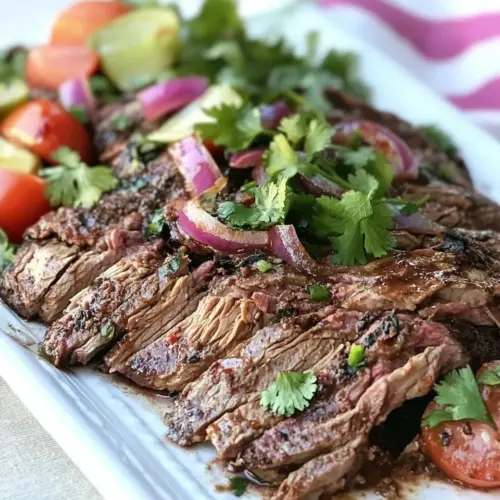
- Cut across the grain into very thin strips and serve: Slicing against the muscle fibers shortens them, producing tender bites that are easy to chew. As you slice, notice the glossy interior and the steam that carries the smoky aroma to your face. Thin strips maintain the pleasure of texture, while thicker cuts can feel chewier. Use a sharp knife and steady strokes for the cleanest presentation.
Recipe Tips about Uruguayan Asado
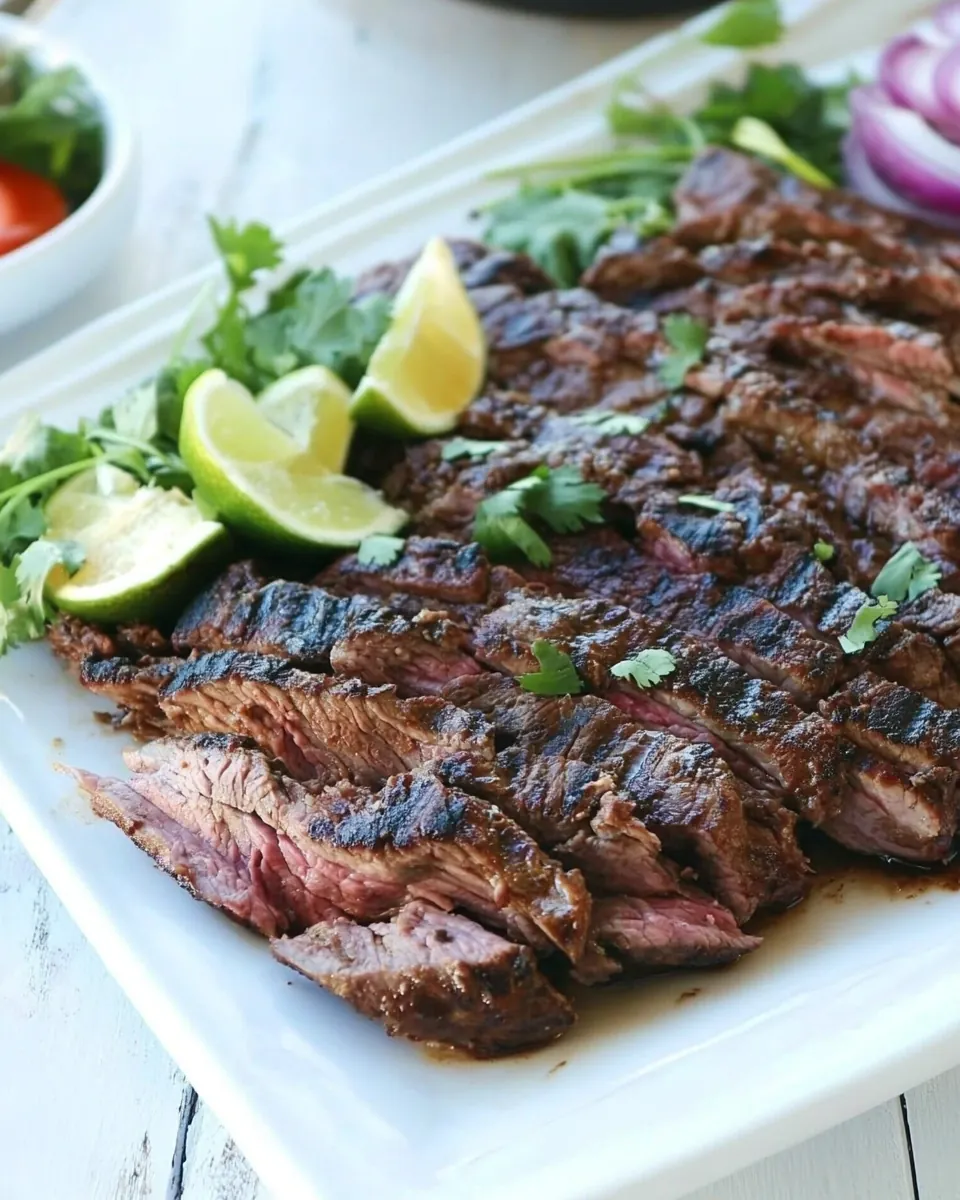
These tips are drawn from years of grilling experience and focus on timing, flavor balance, and tools. They will help you execute Uruguayan Asado with confidence, whether you are hosting friends or cooking for yourself.
- Manage your fire: Keep coals in an even layer and allow flames to settle before adding meat so you get a steady sear and consistent smoke infusion.
- Keep seasoning simple: Rely on salt and pepper primarily, and add herbs like oregano sparingly so they complement but do not overpower the beef.
- Use the right wood: Select a hardwood like hickory for bold smoke, and avoid resinous softwoods which can impart unpleasant flavors.
- Watch thickness: Because skirt steak is thin, focus on short cook times to prevent drying out and check doneness early.
- Rest before slicing: Allow at least ten minutes under foil so juices redistribute and the meat firms slightly for cleaner, juicier slices.
Serving Ideas for Uruguayan Asado
This section covers how to present and pair the dish for different occasions, plus storage suggestions so leftovers stay delicious. Think rustic plating, warm sides, and communal dining when you serve Uruguayan Asado.
- Serve with simple sides: Pair the sliced skirt steak with grilled vegetables or a crisp salad to balance the smoky richness.
- Occasion friendly: This recipe shines at summer cookouts and casual dinners where guests can gather around the grill and chat while you cook.
- Plating style: Present the thin strips on a warmed platter, garnished lightly with cracked pepper and a sprinkle of oregano if used, for a rustic yet elegant look.
- Storage tips: Refrigerate leftovers promptly in an airtight container and consume within three days; reheat gently to avoid drying the meat.
- Seasonal pairing: In summer, serve alongside charred corn or lightly dressed greens to complement the smoky profile.
- Family style: Offer the sliced skirt steak on a communal board so everyone can help themselves, encouraging lingering conversation.
FAQ
Conclusion
What makes this recipe special is its elegant simplicity, where a bold piece of meat and careful firecraft create a deeply satisfying result. I encourage you to light the coals, invite a few friends, and let the process slow you into attention as the smoke and heat work their magic. The short active time and dramatic flavor make Uruguayan Asado one of those recipes you return to again and again, each time learning a small new detail about fire, seasoning, and timing. Enjoy the ritual of the grill and the lively conversations it draws.
Uruguayan Asado
Equipment
- Charcoal grill
- Tongs
- Aluminum Foil
Ingredients
- 1.5 -2 lbs skirt steak Season generously to enhance the meat's natural flavors and create a savory crust during grilling; adjust amounts to personal taste and dietary needs. Works in tandem with pepper to balance richness and highlight the beef's charred notes.
- 2 tablespoons canola oil Coat lightly to prevent sticking and promote even browning on the grill; heat oil beforehand to help develop a flavorful sear. Use just enough to facilitate contact between meat and grates without causing flare-ups.
- salt & pepper to taste Season sparingly to taste to bring out the beef's savory profile and provide contrast to the charred exterior; grind fresh for best aroma. Combine with salt to create a balanced seasoning that complements the skirt steak's bold flavor.
- oregano if desired Sprinkle optionally to introduce a warm, slightly bitter herbaceous note that complements grilled beef; add before or after cooking to adjust intensity. Use dried oregano modestly so it doesn't overpower the meat's natural taste.
- garlic if desired Crush or mince optionally to infuse a subtle pungent and aromatic garlic essence that enhances the overall savory character; apply before grilling for a mellow roast flavor or after for brighter bite. Use conservatively to avoid masking the steak's native flavors.
Instructions
- Take meat out of fridge and set on counter to come up to room temp. Brush with canola oil and top with pepper and oregano, if desired. You may also rub the meat with a cut clove of garlic.: As the meat warms, you will notice the chill fade and the surface becomes less firm, which helps it cook more evenly. Bringing skirt steak to room temperature reduces the risk of an overcooked exterior with an underdone center. You'll sense the difference in touch, the meat giving slightly under finger pressure. A common mistake is skipping this step, which can cause uneven cooking. If your kitchen is very warm, limit resting to twenty to thirty minutes to avoid spoilage.
- Light charcoal in grill. Once outsides turn white, spread into an even layer and add 2 good handfuls of hickory wood chips. Let the wood chips burn down so the flames aren't huge, then add your meat to the grill.: The oil creates a light sheen that promotes a glossy, brown crust and helps herbs and spices cling to the surface. When you brush on the canola oil , watch how the light reflects off the meat, signaling an even coat. The aroma of crushed oregano and cracked pepper will float up immediately, hinting at the flavor to come. Avoid over oiling, which can cause smoking and flare ups on the grill.
- Sprinkle with as much salt as desired. Cook 3-5 minutes then flip. Sprinkle with more salt. Cook until meat is cooked to your liking.: Rubbing with fresh garlic transfers aromatic oils into the meat surface without adding moisture. Right after you rub, you can catch that pungent, slightly sweet scent of crushed garlic . Apply lightly to prevent overpowering the beef. A common slip is rubbing before grilling then exposing the meat to very high flames, which can char the garlic and turn it bitter.
- Remove from heat and cover with foil to rest 10-15 minutes. Cut across the grain into very thin strips and serve.: As the coals ignite, there is an evolving scent from sharp smoke to mellow, sweet embers, and that transition matters. Wait until the outsides of the briquettes turn white and the heat stabilizes, because that steady bed of coals delivers even, controlled heat. If you add meat too early, you risk uneven searing and excessive flare ups. Patience here yields a more consistent cook.
- Once outsides turn white, spread into an even layer and add 2 good handfuls of hickory wood chips: Laying the coals out evenly creates a uniform hot zone. When you scatter the hickory wood chips , watch as smoke begins to rise in a thin, fragrant stream that will infuse the meat. Hickory adds a bold, slightly sweet smoke that pairs well with beef. Do not dump too many chips at once, or you will create large flames that char instead of smoke.
- Let the wood chips burn down so the flames are not huge, then add your meat to the grill: The trick is to wait for steady smoldering, when the smoke is fragrant but the flames are controlled. Placing the skirt steak onto a calm bed of coals lets the surface sear quickly and absorb smoke without burning. If you place meat onto roaring flames, it will char badly on the outside and stay undercooked inside. Use tongs to manage placement and keep a spray bottle handy for small flare ups.
- Sprinkle with as much salt as desired: As the meat hits the hot grate, salt draws out surface moisture then helps form a savory crust that cracks under your knife to reveal juicy interior. You will hear an immediate hissing sound as salt and heat interact, and that sizzle is a good sign. Over-salting can mask natural beef flavor, so aim for a balanced layer and taste as you go with restrained additions.
- Cook 3 to 5 minutes then flip: In these short minutes the exterior will caramelize and develop deep color, often accompanied by a satisfying sizzle. Look for a rich, even browning and slightly firm surface before flipping. Flipping too early prevents the formation of a proper crust, while overcooking will dry the thin skirt steak . Use quick, confident motions to preserve juices when you turn the meat.
- Sprinkle with more salt: A second touch of salt after flipping refreshes seasoning that may have shifted during the sear and highlights the beefy notes. You will notice a renewed sparkle on the surface, and the flavor profile rounds out as the meat finishes. Be careful not to oversalt across both sides; moderate seasoning yields the best balance.
- Cook until meat is cooked to your liking: Listen for the changes in sizzle and watch the meat firm slightly to judge doneness. For skirt steak , a medium rare to medium finish keeps it juicy and tender. A common pitfall is relying only on color, which can be misleading; pressing the meat gently or using a thermometer will provide better feedback. Carryover heat will continue to cook the meat after removal, so aim a touch under your target temperature.
- Remove from heat and cover with foil to rest 10 to 15 minutes: Resting lets the internal juices redistribute, transforming a slice that might otherwise spill out into something moist and cohesive. You will feel the meat relax under the foil, and the sizzling will mellow to a soft whisper. Cutting too soon results in lost juices and a drier bite, so give the meat its quiet moment before slicing.
- Cut across the grain into very thin strips and serve: Slicing against the muscle fibers shortens them, producing tender bites that are easy to chew. As you slice, notice the glossy interior and the steam that carries the smoky aroma to your face. Thin strips maintain the pleasure of texture, while thicker cuts can feel chewier. Use a sharp knife and steady strokes for the cleanest presentation.
Notes
- Manage your fire: Keep coals in an even layer and allow flames to settle before adding meat so you get a steady sear and consistent smoke infusion.
- Keep seasoning simple: Rely on salt and pepper primarily, and add herbs like oregano sparingly so they complement but do not overpower the beef.
- Use the right wood: Select a hardwood like hickory for bold smoke, and avoid resinous softwoods which can impart unpleasant flavors.
- Watch thickness: Because skirt steak is thin, focus on short cook times to prevent drying out and check doneness early.
- Rest before slicing: Allow at least ten minutes under foil so juices redistribute and the meat firms slightly for cleaner, juicier slices.
